Snapshots from Kaufering IV: A Dachau Subcamp


Follow Up Post: The Liberation of Kaufering IV

Eight years ago I posted a series of snapshots taken by a US soldier showing the liberation of an unknown concentration camp during WWII. When I acquired the photos, they had no provenance and no information on the reverse side to start the process of identification. Luckily, a blog follower was able to help with the identification of the camp through the same processes I typically use. By observing the surrounding architecture and general contextual clues, he was able to identify the camp as Kaufering IV, a large subcamp of Dachau. Here is what he provided:

Some thoughts:

i)This is certainly somewhere Upper Bavaria – the house architecture is fairly typical of the region.

ii)The presence of the 2 Luftwaffe officers suggests some sort of air force activity is close by. Lager Lechfeld was used as a fighter base and a shake-down airbase for the nearby Messerschmitt complex in Augsburg. Prisoners were engaged in constructing bomb-proof bunker-factories in appalling conditions.

iii)One of the photographs has a very distinctive semi-sunken barrack type, known as “Erdhütten” (Lit: “Earth huts”) – very primitive constructions, the timbers of which were made from off-cuts and waste from furniture production and which survivors testify, leaked terribly. These barracks were a distinctive feature of the Dachau sub-camps in the Kaufering/Buchlöe area.

iv)The brief Wiki article tallies fairly well with the photos and my comments: https://en.wikipedia.org/wiki/Kaufering_concentration_camp

Hope this helps,

Taff Simon

The Snapshots

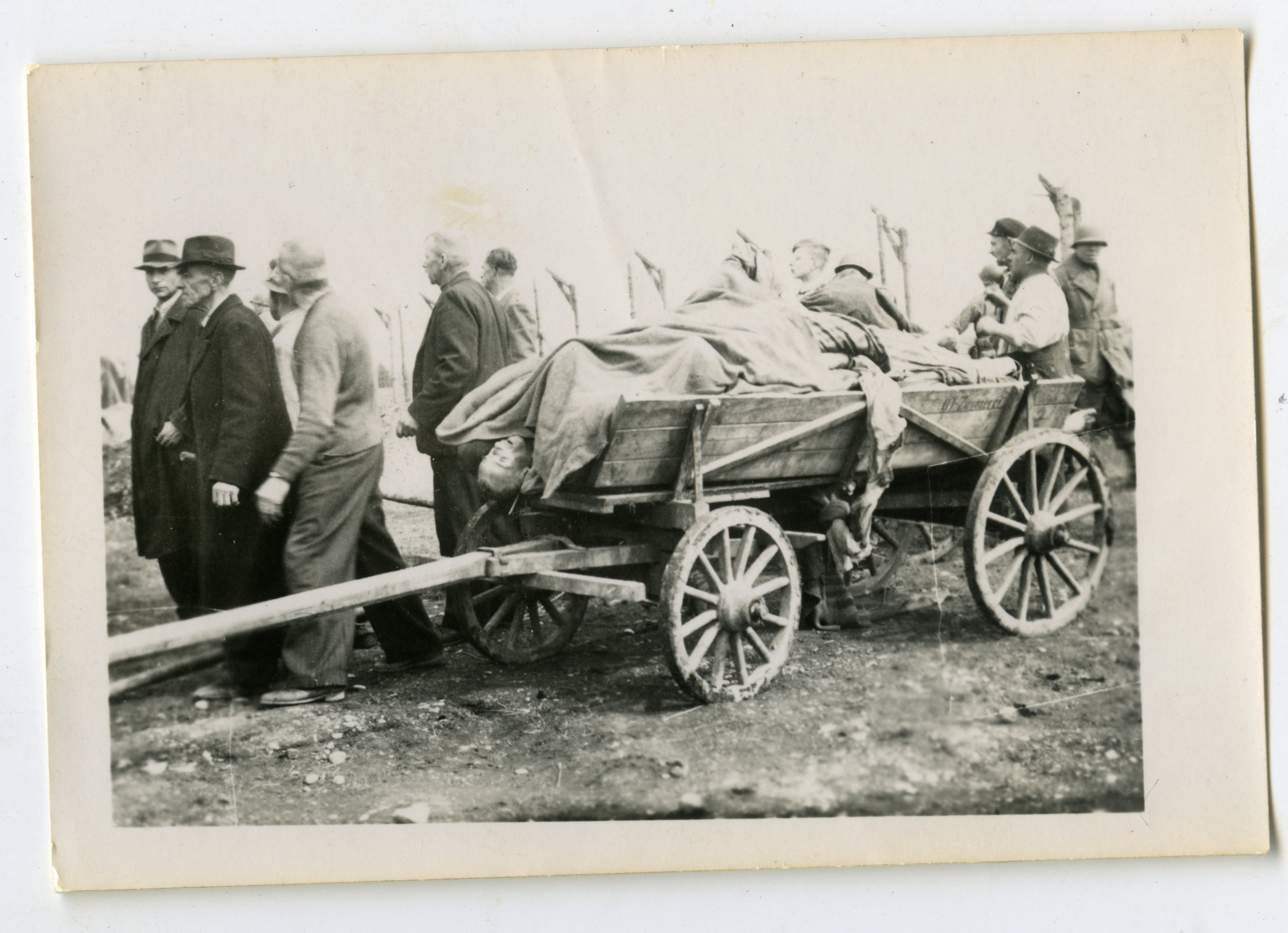
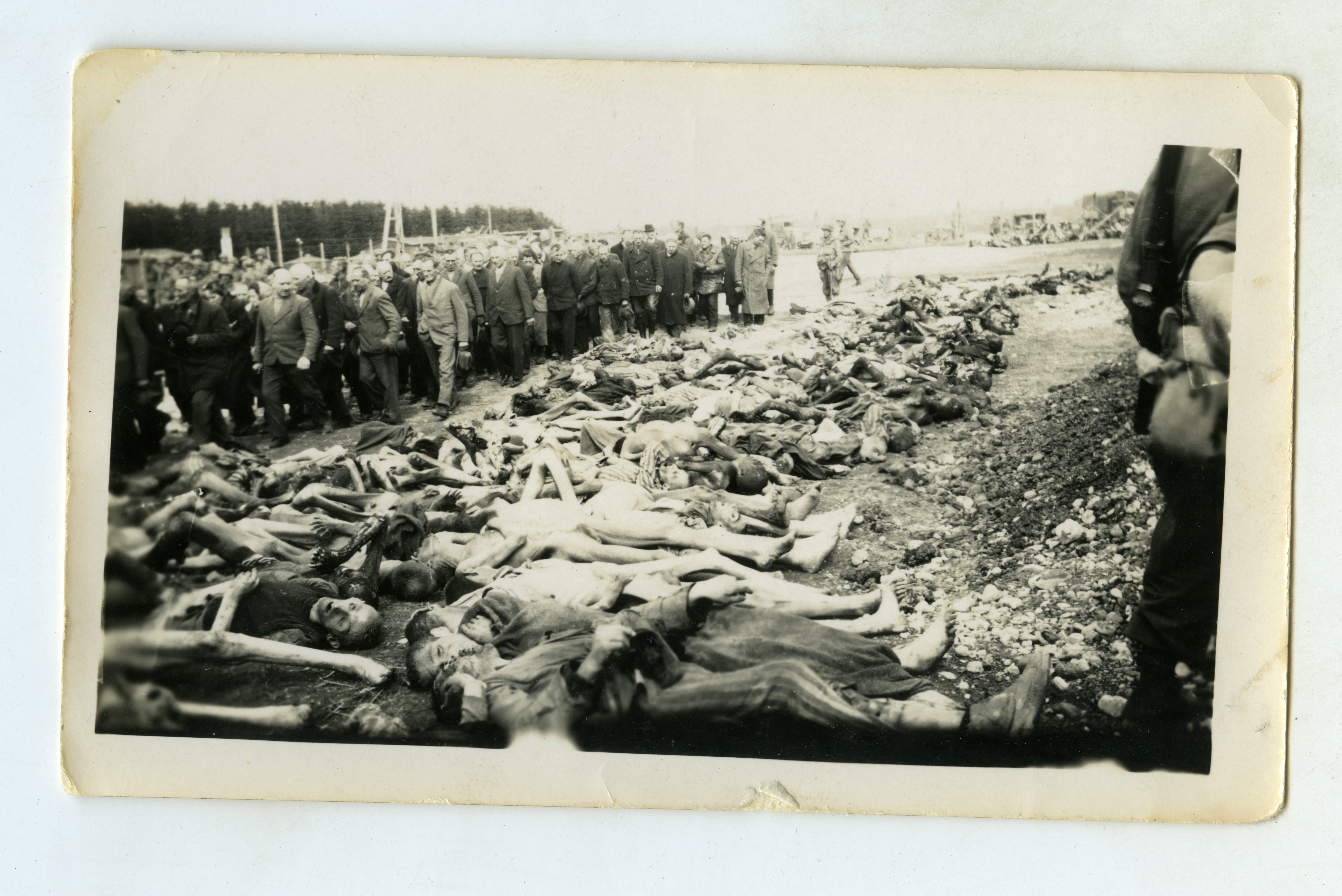
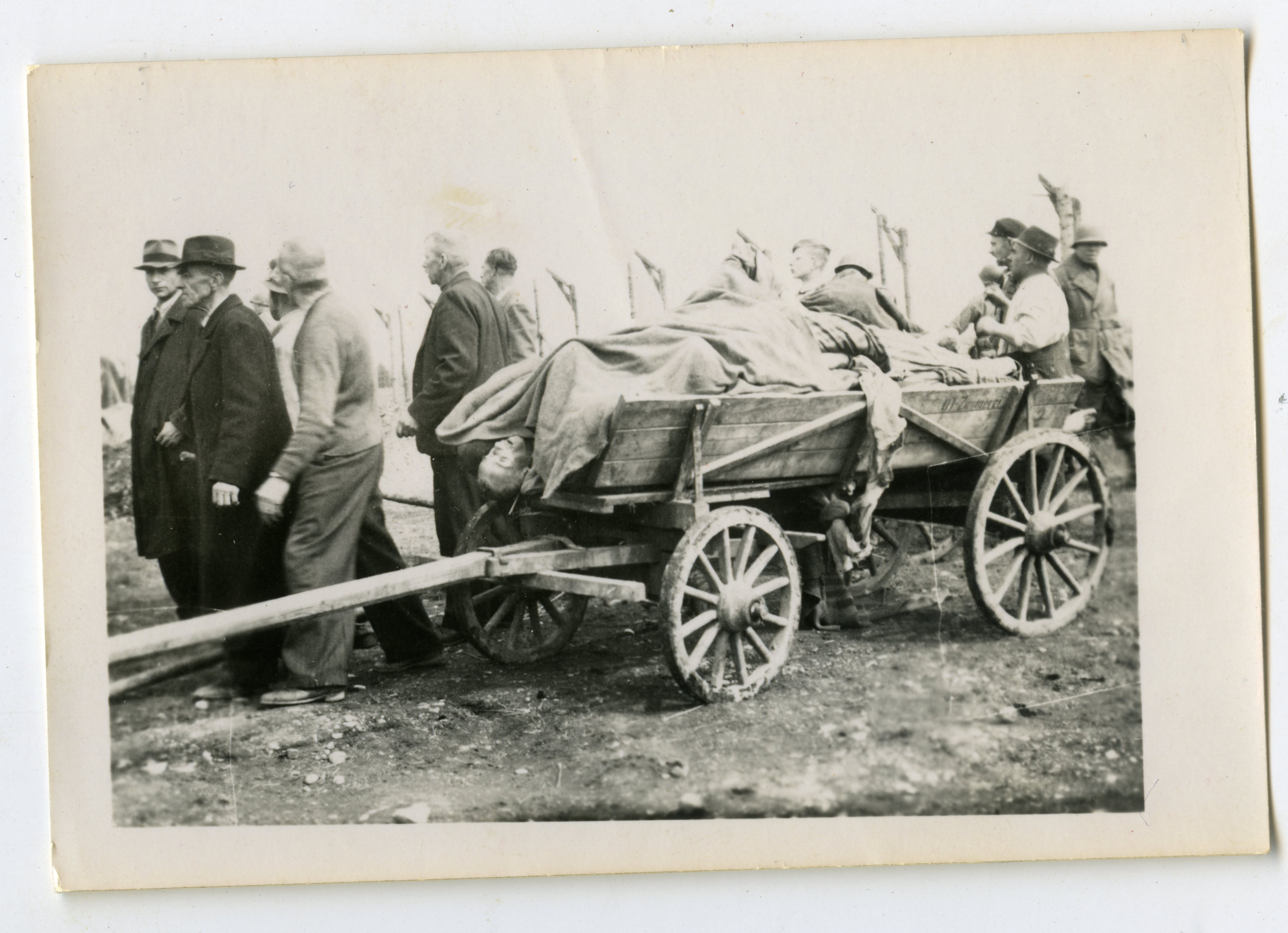
Thanks to the careful research of Taff Simon, we now know that the camp shown in these snapshots is Kaufering IV. A closer look at the details within the images supports his findings. One particular photograph offers the clearest confirmation: it shows an older man in civilian clothing with a closely shaven head, a haunting detail that anchors these scenes to the history of this Dachau subcamp.
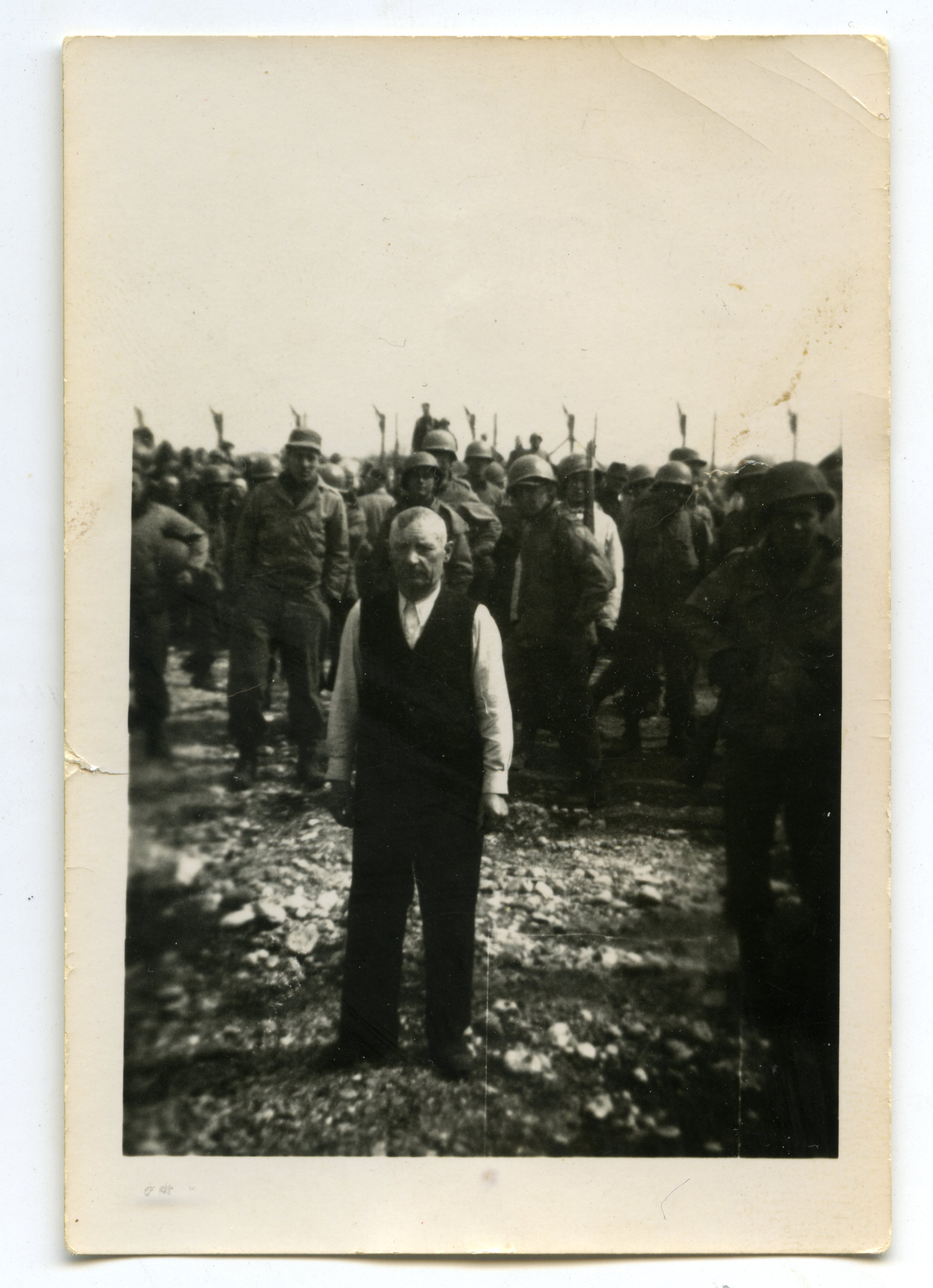
Snapshot of SS Commandant Johann Baptist Eichelsdörfer

When I first wrote about the snapshot collection in 2017, I was unable to identify the man since he was in civilian garb. Artificial intelligence image searches at the time were unable to attribute the image to any individual, so I was under the assumption that he was a local civilian who was brought in to help with the burial of the camp victims. But now, with the attribution of the snapshots to Kaufering IV, I was able to find more images of Eichelsdörfer. His shaven head with the lopsided squirrel-tail appearance confirms his identity when compared to the images below.
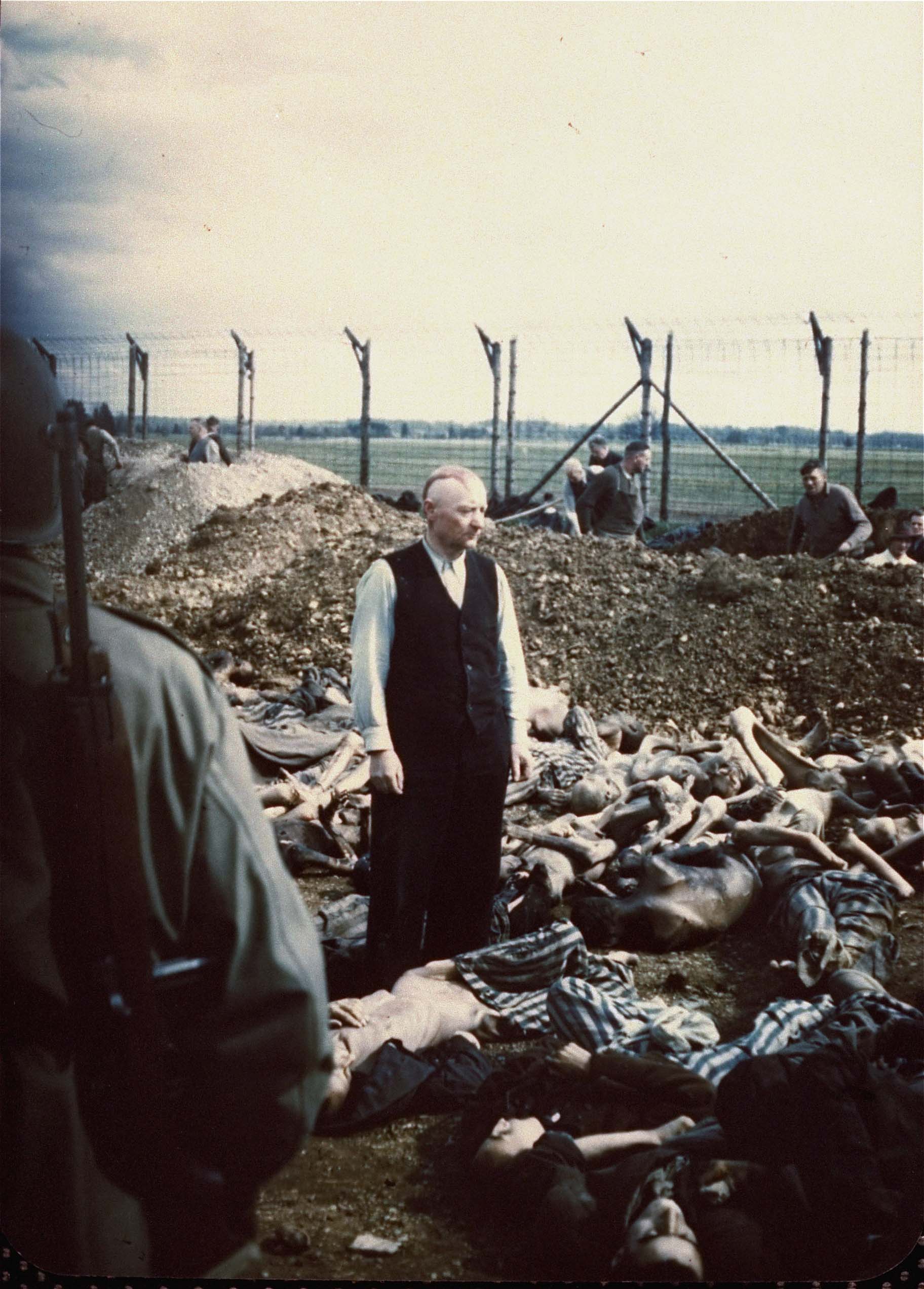
Color Photo of Johann Baptist Eichelsdörfer (US Holocaust Museum image)
(SS officer Johann Baptist Eichelsdoerfer, the commandant of the Kaufering IV concentration camp, stands among the corpses of prisoners killed in his camp. US Holocaust Museum image)
(Wikipedia Commons)

Who was he?

Johann Baptist Eichelsdörfer was a German military officer and concentration camp commandant during World War II. Born on January 20, 1890, in Dachau, Germany, he served as a non-commissioned officer in the Bavarian Army during World War I and remained in the military after the war, retiring in 1924 with the rank of lieutenant. He rejoined the military in 1940 and served in various locations, including France, Poland, and the Soviet Union. In 1944, he was assigned to the Dachau concentration camp system, where he served as the commandant of several subcamps. In January 1945, he took command of Kaufering IV, a subcamp of Dachau located near Hurlach, which was designated as a “hospital camp” but was, in reality, a site where sick and dying prisoners were abandoned without adequate medical care. Under his command, thousands of prisoners died due to starvation, disease, and mistreatment.

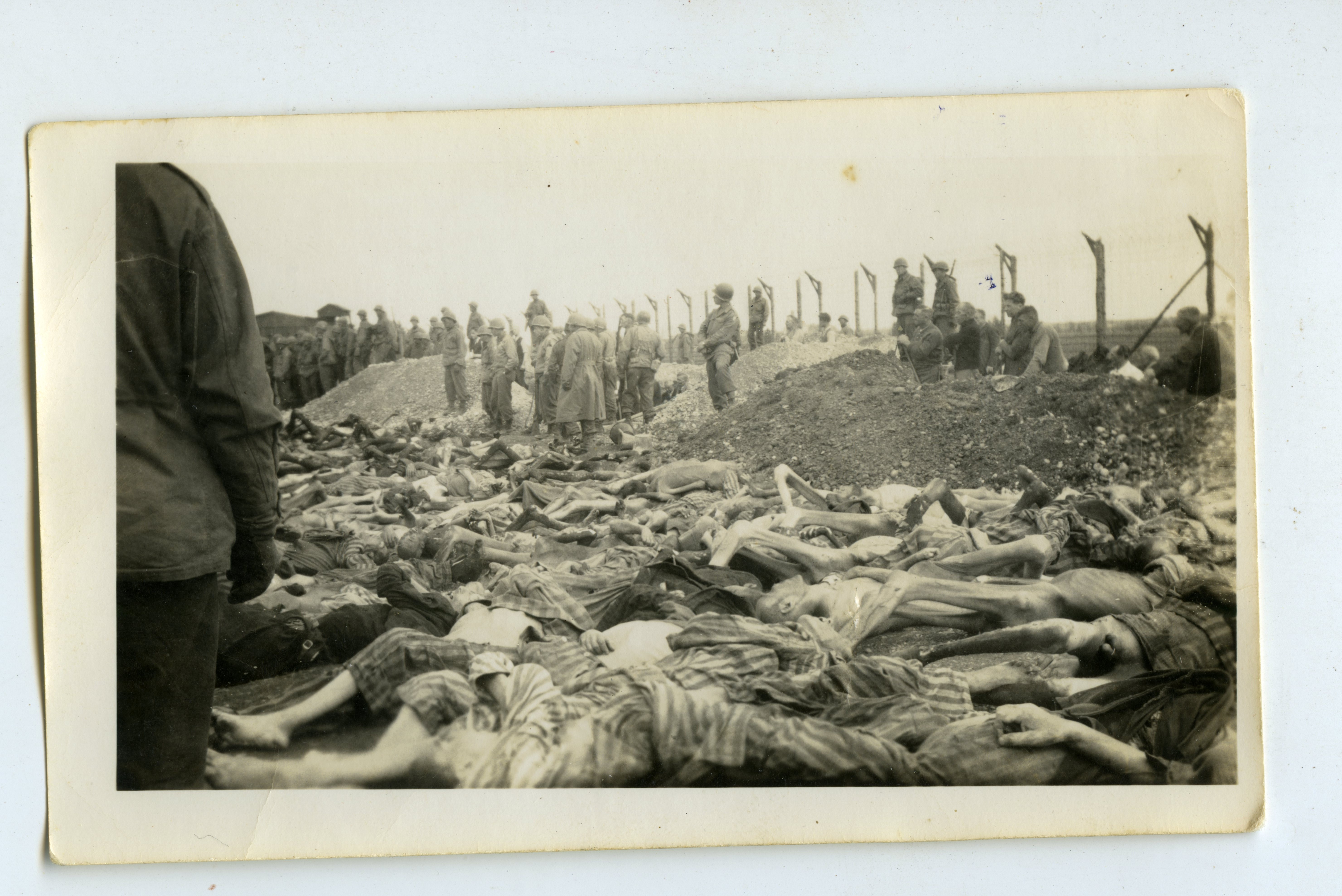
Eichelsdörfer’s actions came to light when American forces liberated Kaufering IV on April 27, 1945. U.S. soldiers discovered hundreds of bodies and surviving prisoners who had been subjected to brutal conditions. Eichelsdörfer was captured and photographed standing among the bodies of dead inmates, a stark image used as evidence during his trial. He was tried at the Dachau Trials, a series of military tribunals held by the U.S. Army to prosecute Nazi war criminals. On December 13, 1945, he was convicted of war crimes and crimes against humanity and sentenced to death. Eichelsdörfer was executed by hanging on May 29, 1946, in Landsberg am Lech prison. His trial and execution highlighted the atrocities committed in the Nazi concentration camps and served as a reminder of the need for accountability in the aftermath of war.

The Other Snapshots

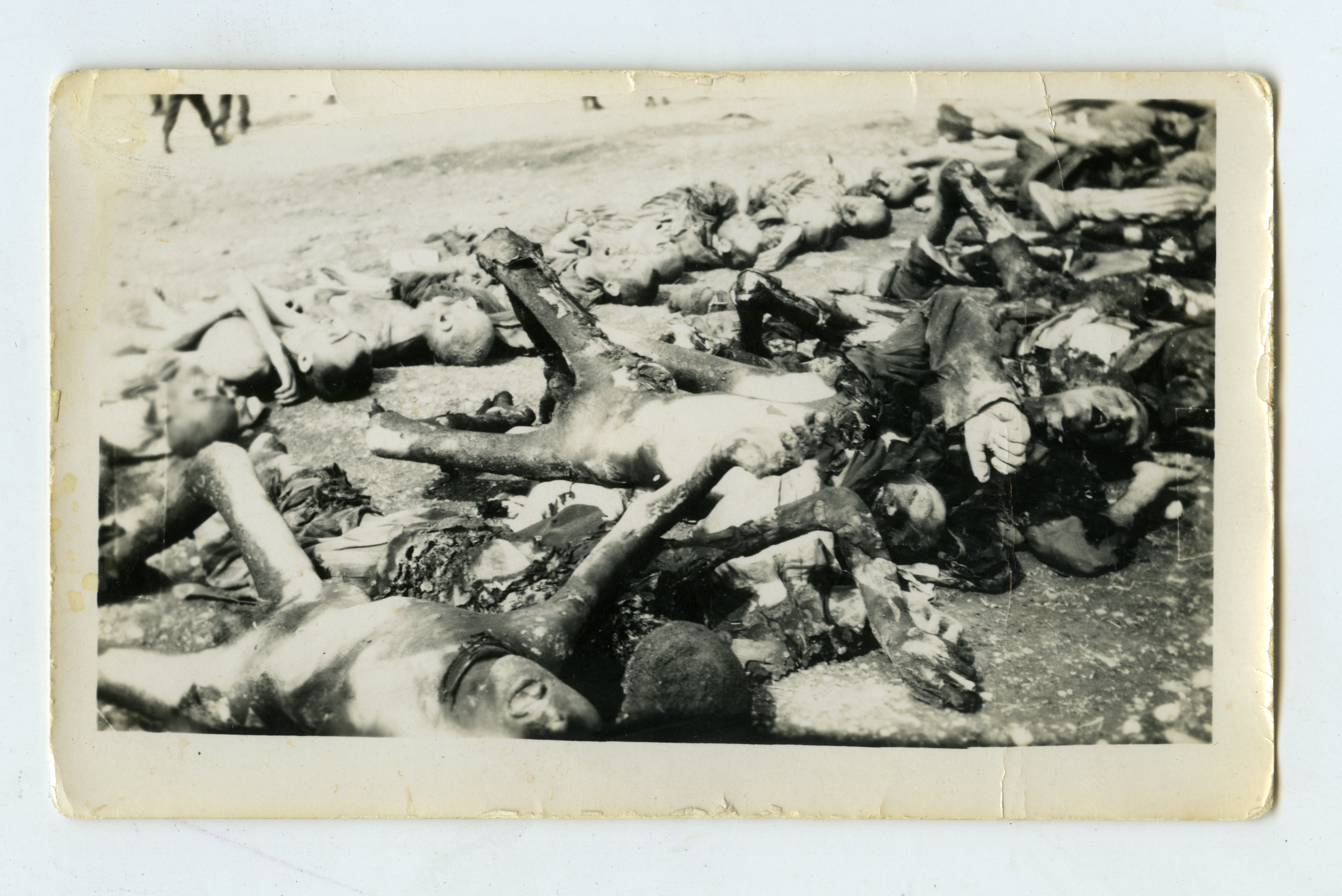
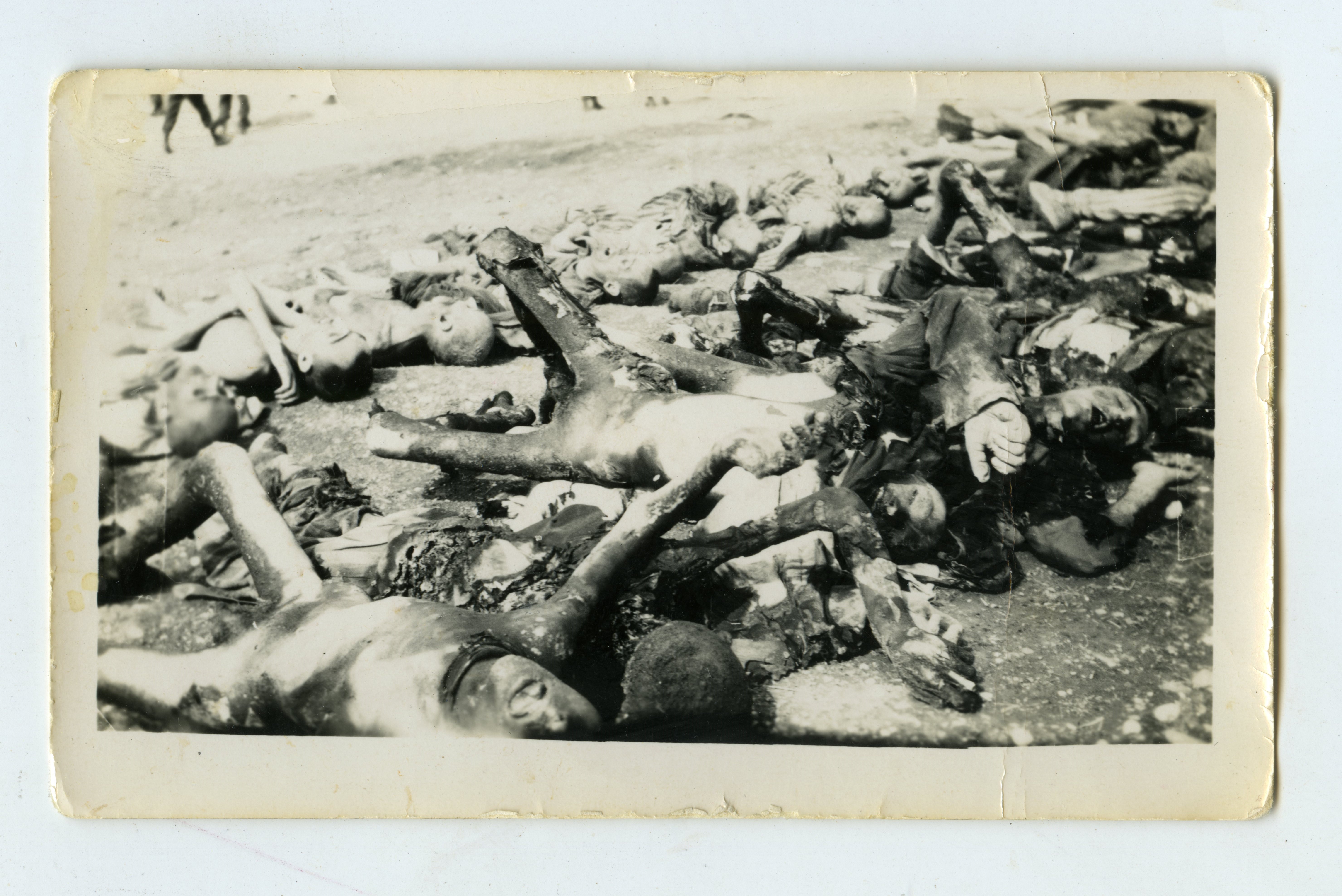
Now that we know the snapshots from the 2017 blog post were taken at Kaufering IV, the other images captured by an unknown US GI make more sense. I will post them here with some updated commentary. Feel free to weigh in if you have any comments or suggestions for descriptions.

Kaufering IV Survivor

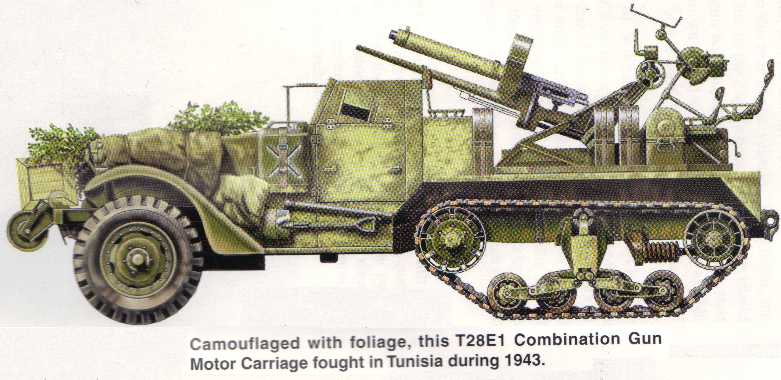
In the above image, we see a recently liberated survivor of his time at Kaufering IV. He’s using his bandaged hands to tie on a pair of shoes, likely a pair provided to him by US soldiers. He also appears to have some soup in a small can as well as a striped blanket wrapped around his head and body. In the back of the image appears a US T28E1 which was likely one of the 12th Armor Division’s anti-aircraft mobile vehicles. The painted sillouettes of 14 German aircraft on the side hint that the operators of the T28E1 shot down lots of German aircraft as the war came to an end.
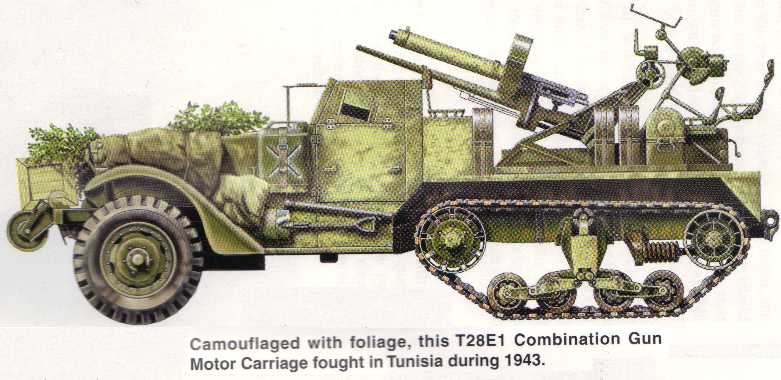
Generalized View of the T28E1
German Luftwaffe Officers
German Civilians Help with Burial
Camp Building and Ditch
Local Civilians Observe the Dead
Kaufering IV Victims
US Officers Speak to a Crowd
US GI’s View the Dead
Camp Victims
Camp Victims and Army Officers
Camp Victims
Local German Civilians Listen to US Officers

I really don’t know how to close this sobering post update from 2017. I did pass the snapshots along to a WWII veterans museum based here in the United States, but I’m unsure of what they ended up doing with them. I hope that his post will help educate those researching Kaufering IV and bring some closure to the mystery of when and where these snapshots were taken.

If you want to see some footage from the camp liberation, please check out the video here.

Easy Co. 506th PIR, 101st Airborne, Band of Brothers at Kaufering IV

HBO’s Band of Brothers covered Kaufering IV briefly in one episode. The unit was involved in the liberation of the camp, along with the 12th Armored Division. See below for a dramatized version of the events. The small earthen huts described by Taff can be clearly depicted. The HBO historical accuracy consultants did a great job!

WWII Press Photo – James “Jack” C. Warren Wounded in Normandy, July 1944


From time to time, I like to browse the pages of eBay in search of portrait photographs of identified U.S. soldiers — small windows into the past that I can casually research to uncover the individual’s story and their role in whichever conflict they served. In today’s post, I was drawn to one particular image: a portrait captured by a British photographer. Unlike the widely circulated press photos that often made their way into American newspapers, this photograph was unlikely to have been distributed stateside and equally unlikely to have fallen into the hands of the soldier’s family.

When soldiers were photographed, it was common for them to provide their names, ranks, and often their hometowns. Yet in most cases, there was little chance for photographers or newspapers to follow up and let those soldiers know that their likeness had appeared in print. That disconnect is part of what makes original press photographs so compelling today. Many remain unpublished, and most have never been thoroughly researched. In fact, I’ve noticed a growing trend in 2025: more and more World War II–era press photos are surfacing on the secondary market, offering new opportunities to rediscover stories that might otherwise have been lost.

PFC James “Jack” C. Warren of Kentucky

The photograph above was discovered in August 2025 during one of my routine eBay searches for intriguing portrait shots of World War II servicemen — images that spark my curiosity to uncover the stories behind the faces. This particular shot is especially striking: crisp, tightly framed, and, based on the other photographs sold by the same seller, likely taken in England at a collection point for wounded or ill soldiers. I cleaned up the scan and cropped the edges to make it more visually appealing for digital presentation.

The next question became the most important one: how do we identify him?

Reverse Side From eBay

What do we know?

The photo was taken on July 13, 1944 at a port in the South of England.

The photographer worked for a British newspaper.

The subject of the photo is a PFC J.C. Warren from Kentucky and was wounded.

The photo was approved for publication by US censors a few days later.

Who was J.C. Warren?

Given the information provided in the brief writeup on the reverse side of the photo, we know that the subject is a young male, likely aged 18-24 from Kentucky named J.C. Warren who was wounded or injured at some point after the D-Day landing a month earlier. His “walking wounded” paper tag (Form 52b-MEDICAL DEPARTMENT, U.S.A. (Revised October 25, 1940), 16-15434) seen poking up at the bottom hints that he wasn’t disabled or infectious. With that information in hand, I began narrowing the search. Since the most common first names beginning with “J” at the time were James and John, I started there, turning to an obscure database that tracks U.S. servicemembers admitted to hospitals during World War II.

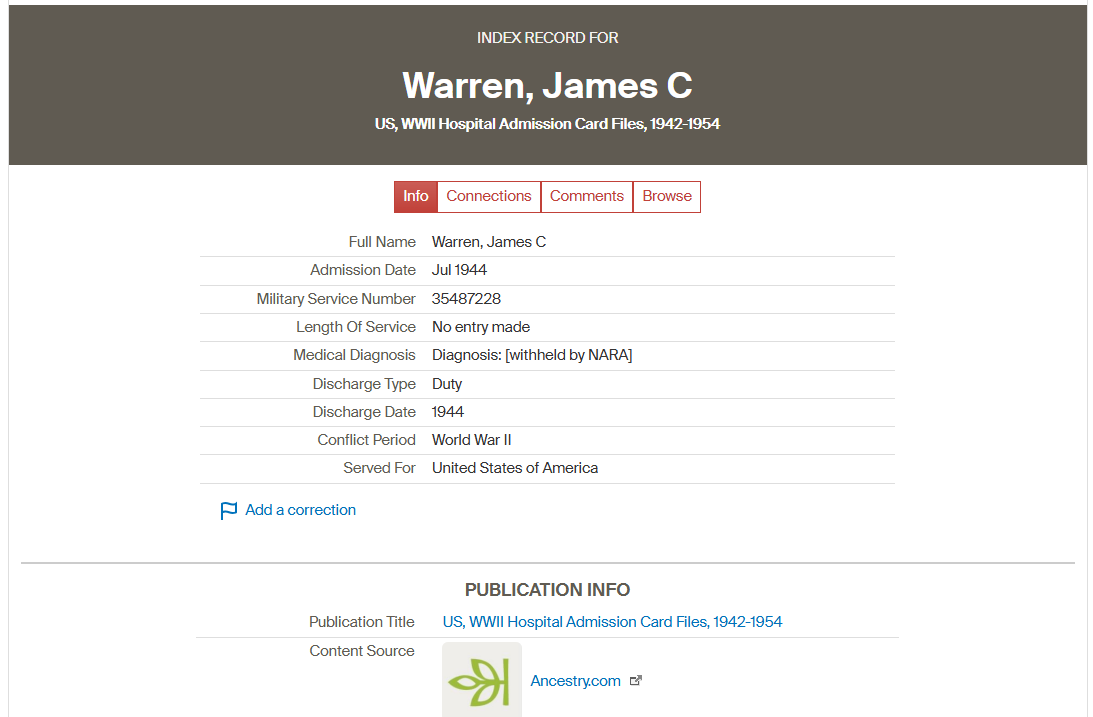
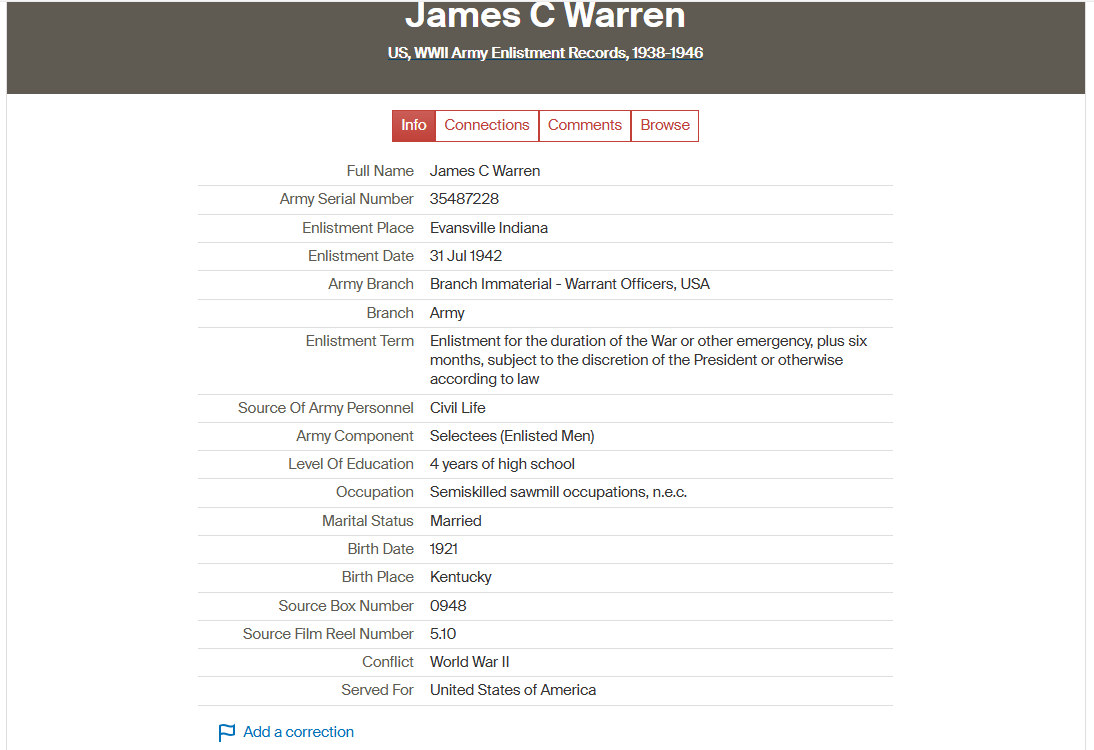
After only a few minutes of typing I found a hit to a James C. Warren with the Army Serial Number(ASN) of 35487228, and the only J C Warren who was from Kentucky that was admitted to a US hospital in July of 1944.

WWII Hospital Admission Card for James Warren

And when looking up his ASN…

WWII Draft Registration Information

With confirmation like this, I decided to dig deeper into PFC Warren’s life story in hopes of pulling out a few more details about his life story. Luckily, Ancestry.com and Fold3.com provide prompts based on confirmed information when researching so I was quickly on my way down the rabbit hole.

Veteran Headstone Application Form

It’s always a bittersweet discovery when I come across one of these documents, which tend to surface most often for veterans who passed away between the 1950s and 1980s. This particular record (which I’ll share below) shows that PFC Warren served with the 816th Ordnance Base Depot Company, a unit stationed in southern England at the time of his hospital admission. Interestingly, there is no mention of a Purple Heart on the form. That leaves me to wonder whether his injury did not meet the criteria for the medal, or whether it simply wasn’t recorded on his discharge papers after the war. Perhaps his family would know the answer.

Veteran Headstone Application

Luckily, the document provides just enough detail to shed light on who James Carmen Warren sadly left behind when he passed away in 1968. Born on April 8, 1921, he died on August 8, 1968, at the age of 47. He was survived by his wife, Mary Emma Green Warren, along with their two sons, Ivan and James C. Warren Jr.

More to come!
WWII Photo Grouping – A PTO Mystery! Who Are These Guys?


Greetings to my dedicated readers of PortraitsofWar. I recently purchased a large grouping of 1000+ photos that was comprised of may different smaller collections. I was able to weasel out an interesting group of Pacific Theater of Operation (PTO) tactical recon group photos and do a bit of basic research. After some time on the web I’ve concluded that the following shots were taken by a unit photographer for the 110th Tactical Reconnaissance Squadron. Many of the photos are signed by the pilots who flew the planes depicted in the photographs. My guess is that the fellow who originally owned these photos was a plane mechanic who knew the pilots whose planes flew for the unit.


But who are these men?

UPDATES

Reader Responses (Thanks guys!)

From Tim:

“We Three” was a P-51K 44-12833 flown by the Maj George Noland, CO of the 110th TRS/71st TRG. Maj Noland might have scored the last P-51 kills of the war on 14 August 1945. More details are available in: “Mustang and Thunderbolt Aces of the Pacific and CBI” by John Stanaway. (Stanaway has this as a P-51K-10 while Joe Baugher’s list has it as a P-51K-15-NT).

B.N. Heyman is likely the late Bertam N. Heyman of Youngstown, Ohio.
“Bert’s education at Miami University was interrupted by World War II, where he proudly served as a fighter pilot in the Pacific Theatre. He was a decorated veteran who flew 57 combat missions during his service in the Air Force.”
From his obituary:

Side by side comparison (Obituary photo/Portrait from collection)


He was listed on the MACR (#15538) for A-20G 43-9625, likely as a witness as all aboard were killed. (https://www.pacificwrecks.com/aircraft/a-20/43-9625.html).
And another post:
Thanks for posting these; they’re handsome and worthwhile.
The photo of Major Archuleta (and presumably his crew chief S/Sgt Raver) show Rubel Archuleta, of New Mexico, who was C/O of the 110th TRS from the fall of 1944 into the spring of 1945. He was a schoolteacher before the war (New Mexico State grad, I believe) and under him the 110th seems to have taken on a new personality. They had been a longtime Air National Guard outfit from St. Louis, whose insignia had featured a Missouri mule with telescopes or machine-guns; they were now called The Flying Musketeers.
The photos of Lt. Wells I believe to show Lt. Robert Wells, who had formerly been with the 82nd TRSS on Biak. Wells was hit in the head by shrapnel and managed to fly back with a hole in his skull. Surprisingly, he recovered (although it appears that he was transferred from the 82nd TRS to the 110th.) Note that he’s in a P-40, which the 71st’s two fighter squadrons were flying in the last months of 1944, before upgrading to F-6’s and P-51’s. (Much of what I know about Wells I know through the courtesy and shared photos of Michael Moffitt, whose father, a pilot with the 82nd TRS, took many photos during the war.)
The other pilots I do not recognize off the top of my head. (Harry Johnson may have been my father’s tent mate in the last months of the war. I will check.)
The photo of the 71st TRS HQ looks very similar to photos of the HQ’s for the 82nd and 110th TRS’s at Binmaley, outside Lingayen, in mid-1945. (Taken by Fred Hill of the 17th TRS, these photos can be seen online in the small collection section of the USAF Academy Library. My father, Roscoe A. “Rocky” Boyer, was communications officer for the 71st Group and the 91st Photo Reconnaissance Wing from 1942 on, and then transferred to the 110th in December 1944. Some of the officers may be recognizable from photos.
Fuller information about Archuleta, Wells, and other officers can be found by scrolling through two Facebook Pages that I run, on the 71st TRG and “Rocky Boyer’s War,” a book that I wrote around my father’s wartime diary and that the Naval Institute Press published this year.
I would be glad to post some or all of these photos the 71st TRG page. You may also wish to contact the Facebook administrator for “Lindbergh’s Own” page, an on-line site for the 110th in its current form.


Mystery WWII Concentration Camp Liberation – Research Help Needed!


Hey PortraitofWar followers! I recently acquired an incredible grouping of photographs taken by a US soldier during the liberation of a concentration camp/labor camp during the tail end of WWII. There’s not much to go by in terms of identifiable visuals, but there are images of German military officers marching in line to view the bodies, as well as a liberated person in front of a T28E1 US tracked anti-aircraft gun. Additional photographs show an American officer speaking to a line of US soldiers passing before a group of bodies.


Any thoughts or ideas? I hope to pass these on to an organization that can present and appreciate them, but I want to identify the material before doing so.

wat018

A liberated prisoner tries on shoes for the first time in years

Image409

The American T28E1

wat019

A German collaborator? Commandant?

wat020

German officers pass through the line

wat031

US officers speak

wat030wat029wat028wat027

wat026

US officers speak

wat025wat024wat023wat022


WWII Canine Commando – Sgt. Hangover Delivers Well Deserved Kisses to Pvt. Carl Harris – WWII Mascot Dog in Action!


PortraitsofWar followers will know that this site focuses on photographs and vignettes of WWI and WWI soldiers whose stories have never been told. In tonight’s post, we will focus on the story of a young puppy and an equally young soldier who had their photo taken by a U.S. Signal Corps photographer in 1943 somewhere near Fort Eustis, VA. Often times the photos taken by Signal Corps photographers only circulate within very specific regional circles if at all. For example: a photograph of a Burlington, VT soldier is snapped in France while posing with a German tank; if the photo was otherwise unspectacular, prints of the photo may only be sent along to HQ and possibly to a local Vermont newspaper. Also, the photographer, after printing, had the option of requesting a copy of the photo for personal uses. A large percentage of WWII photographs were never printed due to lack of local interest, quality and context.

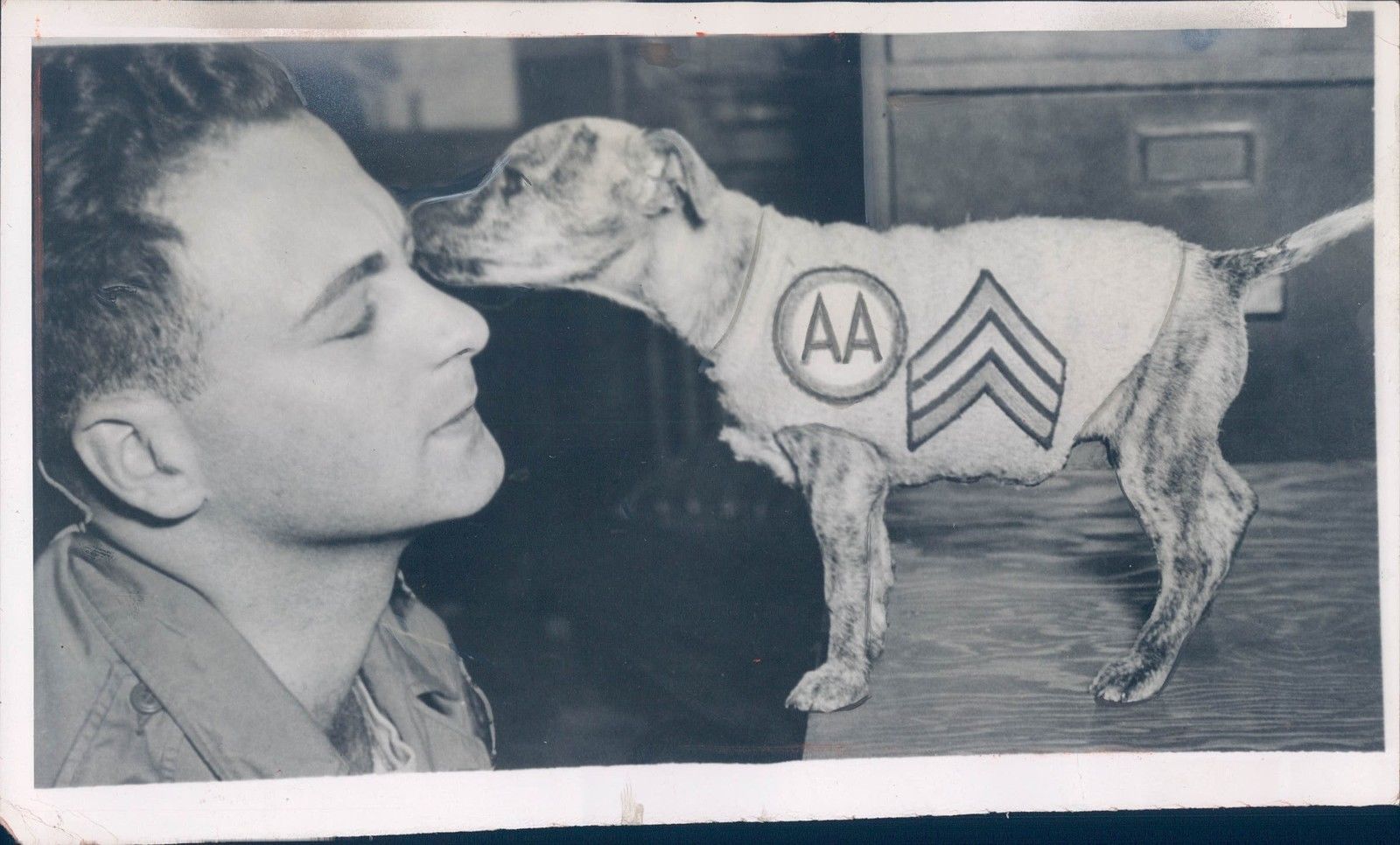
In this case, we have an incredible endearing photo of Private Carl Harris, a Battery Cook from New York City receiving a well deserved kiss from the unit mascot, Sergeant Hangover, a puppy that was adopted by his unit. Photos like these are what PortraitsofWar is all about!

doghangover

Private Harris and Sergeant Hangover in 1943

hangoverback

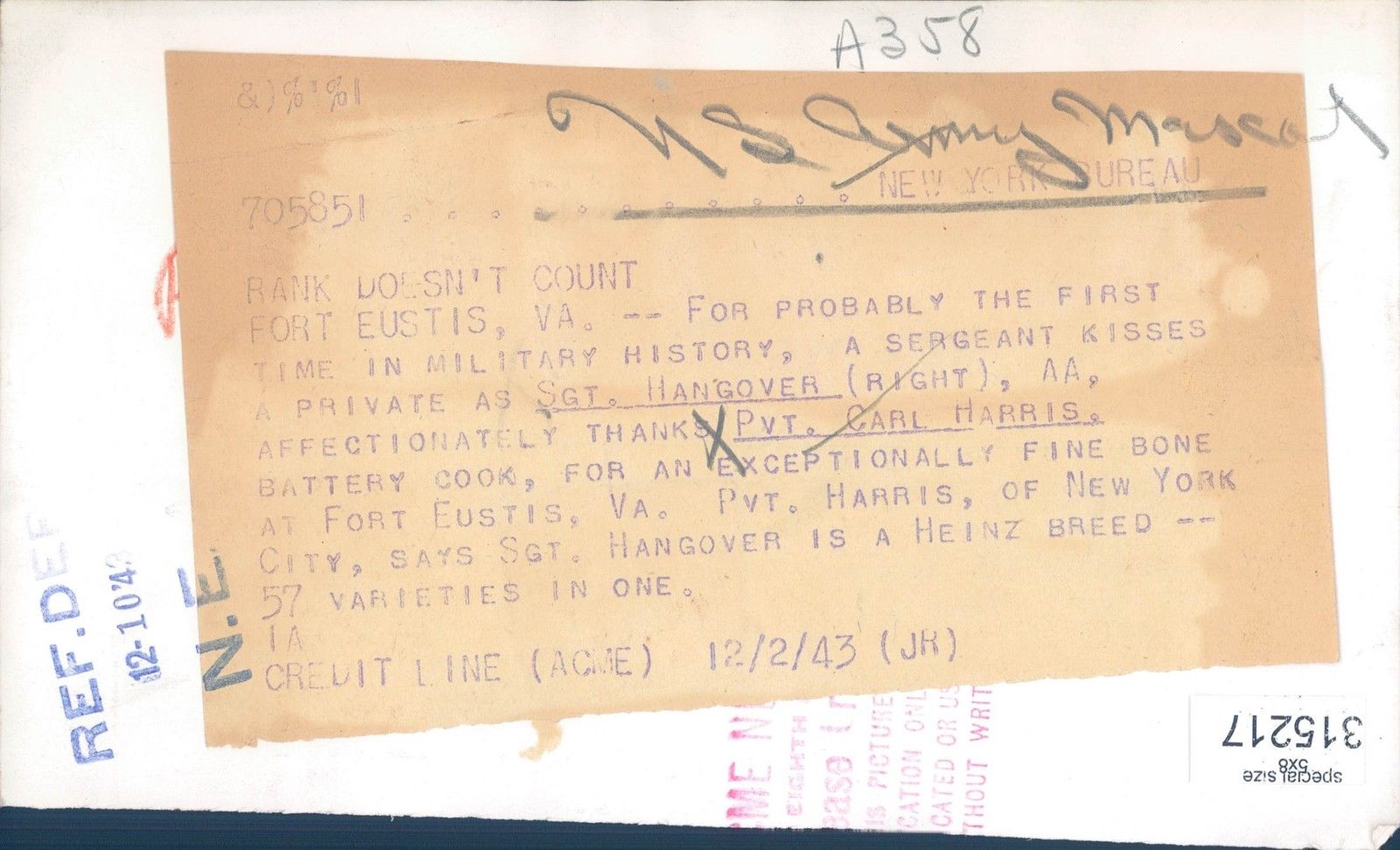
1943 period information on the reverse

WWII Photo: American Medics in the Battle of the Bulge – 4th Infantry Division


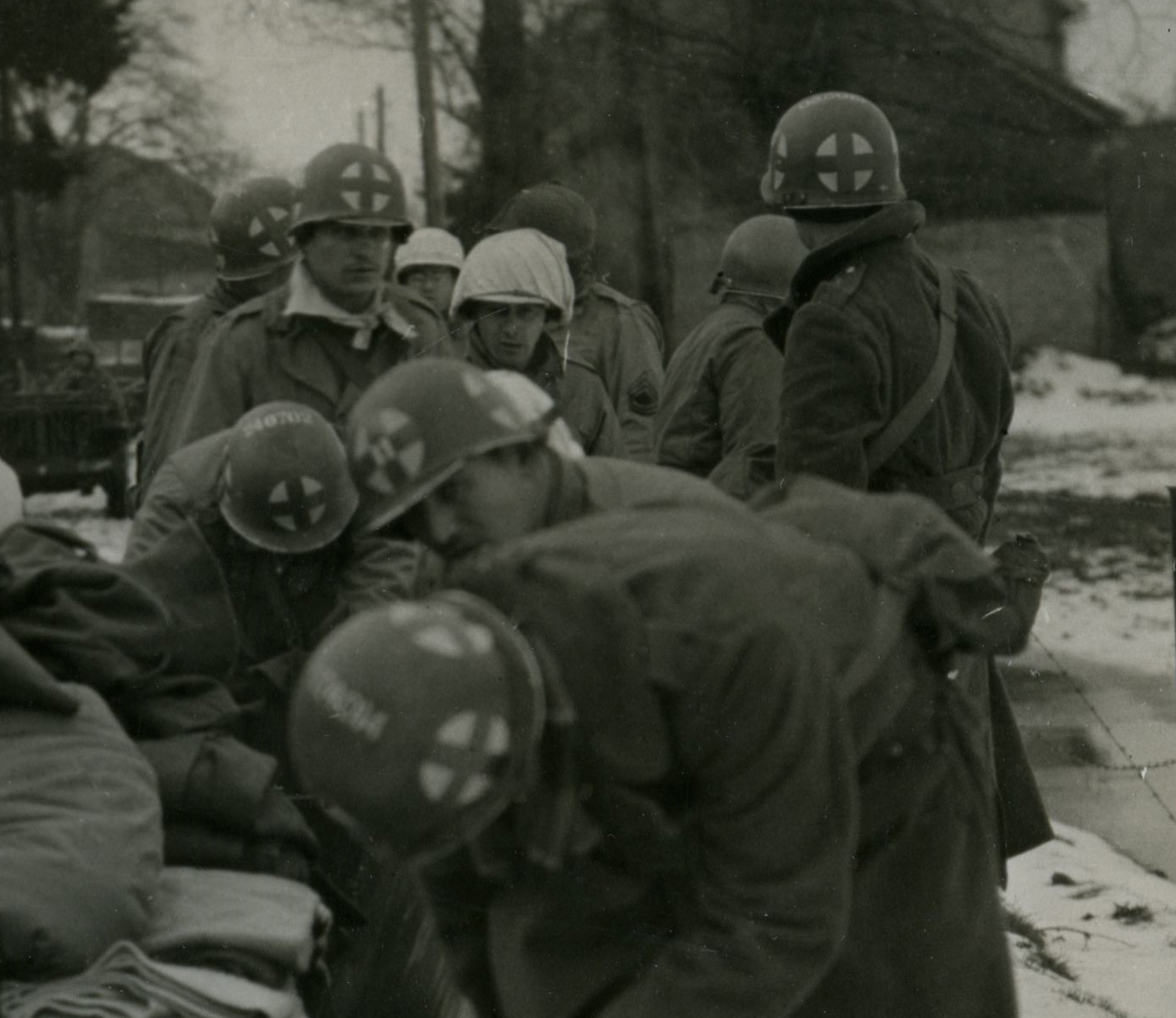
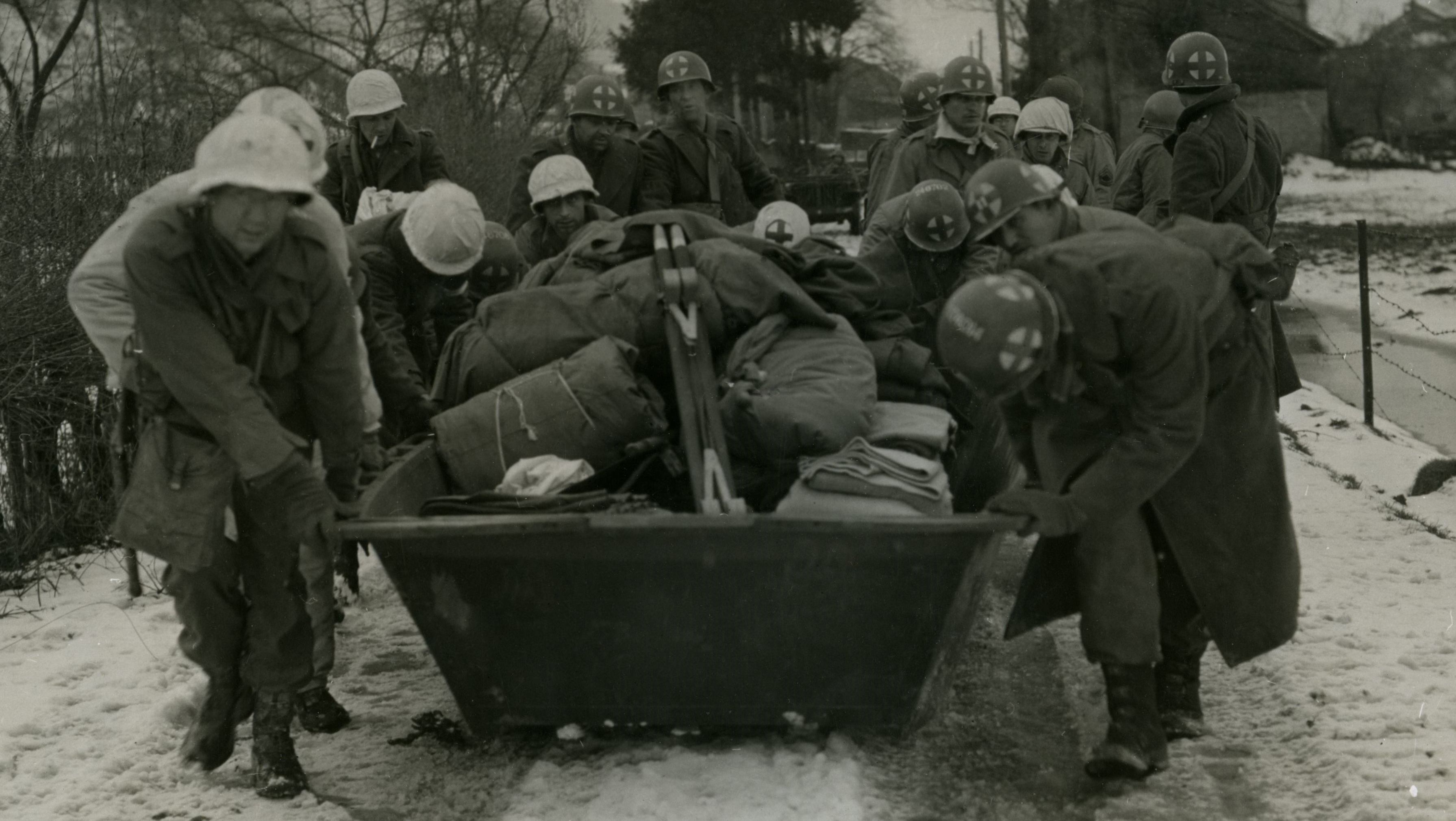
Captured on medium format film by US Army Photographer Cpl. Edward Belfer, this image comes from my extensive collection of US WWII photography and depicts a group of US medics pushing a metal pontoon boat along the snowy streets of Bettendorf, Luxembourg on January 19th, 1945.  The boat, loaded with medical supplies, is headed towards the Sure River.  An oddball detail in this shot include a theater-made snow camouflage helmet covers with the fronts cut out to reveal the medical cross beneath.

167thsignal094a

167thsignal094ab

167thsignal094

167thsignal095

A Scottish Terrier Goes to War: 744th Light Tank Battalion’s Mascot Dog BLACKOUT


Followers of PortraitofWar will likely remember that I have a penchant for stories related to unit and individual mascots during wartime. I have a soft spot for small dogs and particularly enjoy tracking down photos of dogs acting as needed companions during the boredom and contrasting hellish days of war.  Cats are cool too……. I guess….

a9b5ea71b1367b23c570ba10be7acdef

Tonight’s post was submitted by a WWII buff I tracked down online who was generous enough to share the incredibly endearing story of his father’s WWII mascot who eventually made it stateside to live an additional thirteen years as the family pet until passing away in 1958.  The incredible story of Blackout takes us from a small town in England, to the shores of Normandy and across continental Europe as the German war machine is beaten into submission.  The following post was submitted by Rick Hunter:

paw-print-trail-clipart-kid

My father, Bill Hunter volunteered for the U.S. Army in 1940.  After training which included participation in the Louisiana maneuvers, he was assigned to the 744th Light Tank Battalion as initial cadre when it was formed at Camp Bowie, TX.  By January, 1944 he was a Master Sergeant in the service company of the 744th Light Tank Battalion, and the unit was in England training in preparation for D-Day.  Dad’s job was to supervise the maintenance of the Battalion’s vehicles and the recovery and repair of battle-damaged vehicles.  Light tank battalions were “separate battalions” that were typically attached to infantry units on an “as-needed” basis and as such they moved around a lot.  The service company was usually located somewhat to the rear of the front lines and Dad’s position gave him a bit of flexibility and was not as dangerous as those of many soldiers.  Perhaps for these reasons and his love of dogs, Dad bought a young female Scottie from a lady in nearby Manchester.  He named the dog Blackout.

Although against regulations, Blackout was apparently a hit within the unit and the leadership turned a blind-eye towards her.  She even received a coat crafted from an army blanket complete with sergeant’s stripes and the unit patch.  Blackout and my Dad went ashore with the Battalion at Utah Beach about 3 weeks after D-Day and the unit fought through France and Belgium and into the Netherlands.  They were camped near Geleen in the Netherlands for several weeks in October, 1944.

blackout-eto

Blackout in Geleen, Netherlands

The Dutch had been starved by the Germans and were in a desperate plight.  Attracted to Blackout, a 13 year-old boy and his 5 year-old sister from the town would make daily visits to see the dog.  My Dad began to give the children food and candy and made them some small wooden toys.  In 2008, my brother vacationed in the Netherlands and met those two children.  The girl, then in her 70’s, showed my brother those toys which she still treasured.

The tank battalion crossed into Germany in January, 1945.  They fought into Germany and participated in the post-war occupation of the town of Olpe before catching a crowded troop ship back to the U.S.  Dad was not about to leave Blackout behind and he smuggled her onto the troop ship.  Because there were many different units on the ship, it is difficult to imagine how he could have avoided detection, and in fact he did not.  Upon arrival in the U.S., the soldiers were subjected to a muster to verify all were present.  The officer in charge (not from my Dad’s unit) announced to the formation “Will the individual with the dog step forward?”  My Dad did not move.  The officer then said “Will the master sergeant with the dog step forward?”  My Dad did not move.  Finally the officer said “Do we have to call you by name?”  My Dad stepped forward.  The officer then announced “We just wanted you to know that we were aware of it all the time.”  Nothing more was said or done and over the next few weeks Dad and Blackout processed out of the Army and returned to civilian life in Tulsa.

744patch

Blackout’s jacket patch

My Dad had 4 brothers and all 5 boys served during World War II and returned safely.  Their mother was proud of her sons and displayed a Blue Star Mother banner with 5 stars in her front window.  The Tulsa World published an article about the family in late 1945 that included the attached picture of the boys with their mother and Blackout shortly after their return.

In the picture and starting from the right, the boy in civilian clothing served on a ship in the Pacific and refused to wear his Navy uniform after discharge.  Next is my Dad and the boy next to him was a navigator.  I believe he stayed in the States as an instructor.  Left of him is the youngest boy who had completed a pilot training program but I have little additional information.  The boy on the far left was in Iran and is wearing a Persian Gulf Command shoulder patch.

blackoutpicture

Hunter boys with Blackout, 1945


UPDATE! (5/1/2017)

As has become the norm here at PortraitsofWar, a family member of a WWII veteran has reached out with an additional photo related to the above post. Special thanks to Gail Becnel Boyd for contacting me to share this shot of Blackout that she found in her father’s WWII photo album. Thanks Gail!

blackoutasaPUO

Blackout as a puppy in England – On the back it says “Mascot of Service Co “Blackout“, England 1944”.


WWII USMC Marine Portrait Photo – Dominick Salvetti, 12th Anti-Aircraft Battalion, 1st Marine Division


salvetti134

1942-1944, I MEF/1st Marine Division
From Month/Year
January / 1942
To Month/Year
January / 1944
Unit
1st Marine Division Unit Page
Rank
Corporal
MOS
Not Specified
Location
Not Specified
Country/State
Not Specified
 Patch
 I MEF/1st Marine Division Details
I MEF/1st Marine Division
Type
Combat – Ground Unit
Existing/Disbanded
Existing
Parent Unit
I MEF
Strength
Division
Created/Owned By
Not Specified

WWII Portraits – Headshots of the 739th Field Artillery Battalion


I’m trying something new with this post…… I recently purchased a large lot of headshots of unnamed members of the 739th Field Artillery Battalion.  All the photos were taken in a single sitting in a German studio by a photographer named Lothar Schilling.  I’m currently in the process of identifying each of the men using a unit history with group shots of each particular battery….. more to come on that…….

The image below was created by taking a cropped view of each photo and adding them together in quick succession.  Each face is rendered as an individual frame to create a soundless film of the entirety of the group.  I thought it was interesting to see the vast differences in each facial expression of the 90+ man group.  Complete photo lots like this are hard to come by, especially with such high image quality.

output_At3OXF