Snapshots from Kaufering IV: A Dachau Subcamp


Follow Up Post: The Liberation of Kaufering IV

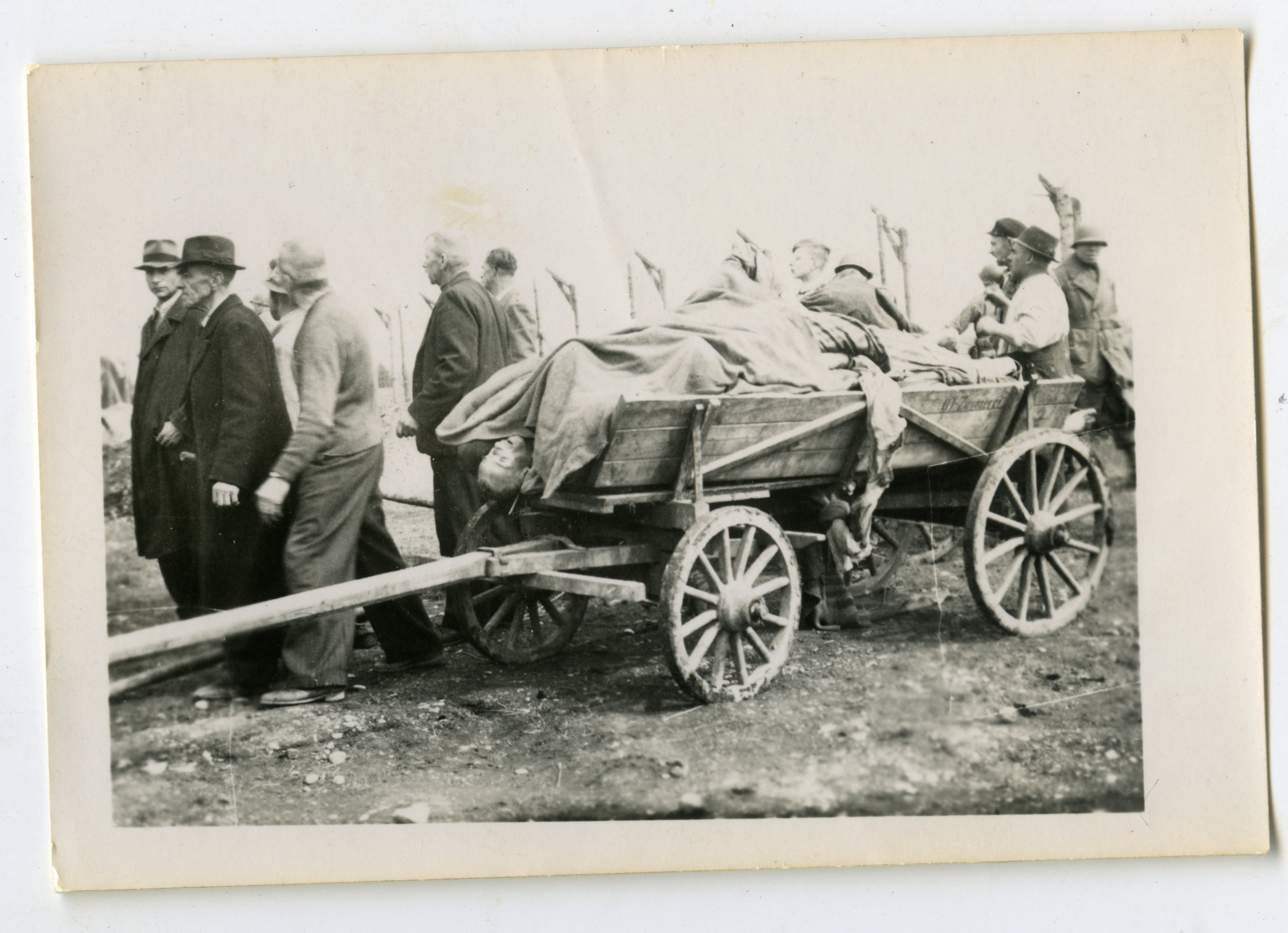
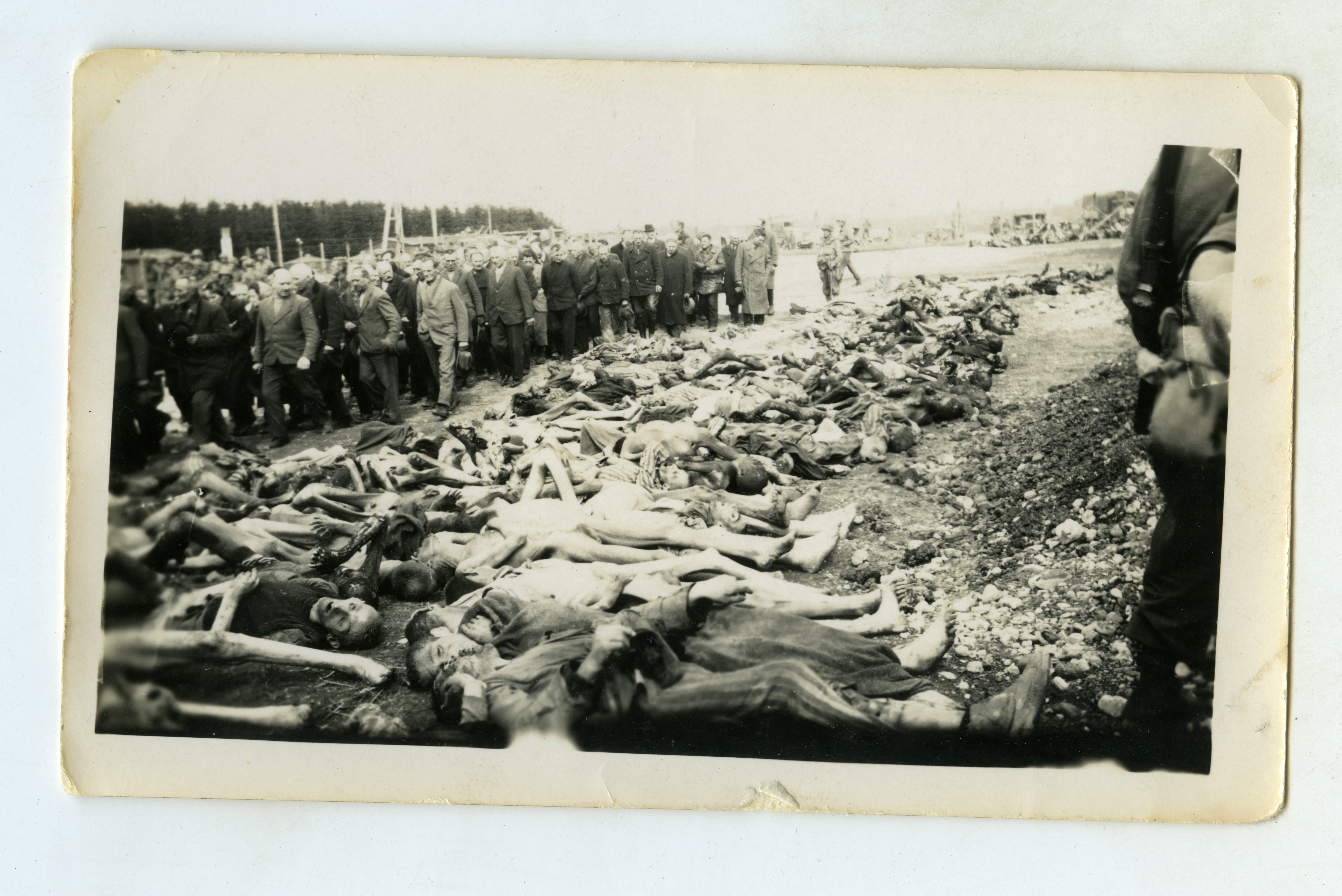
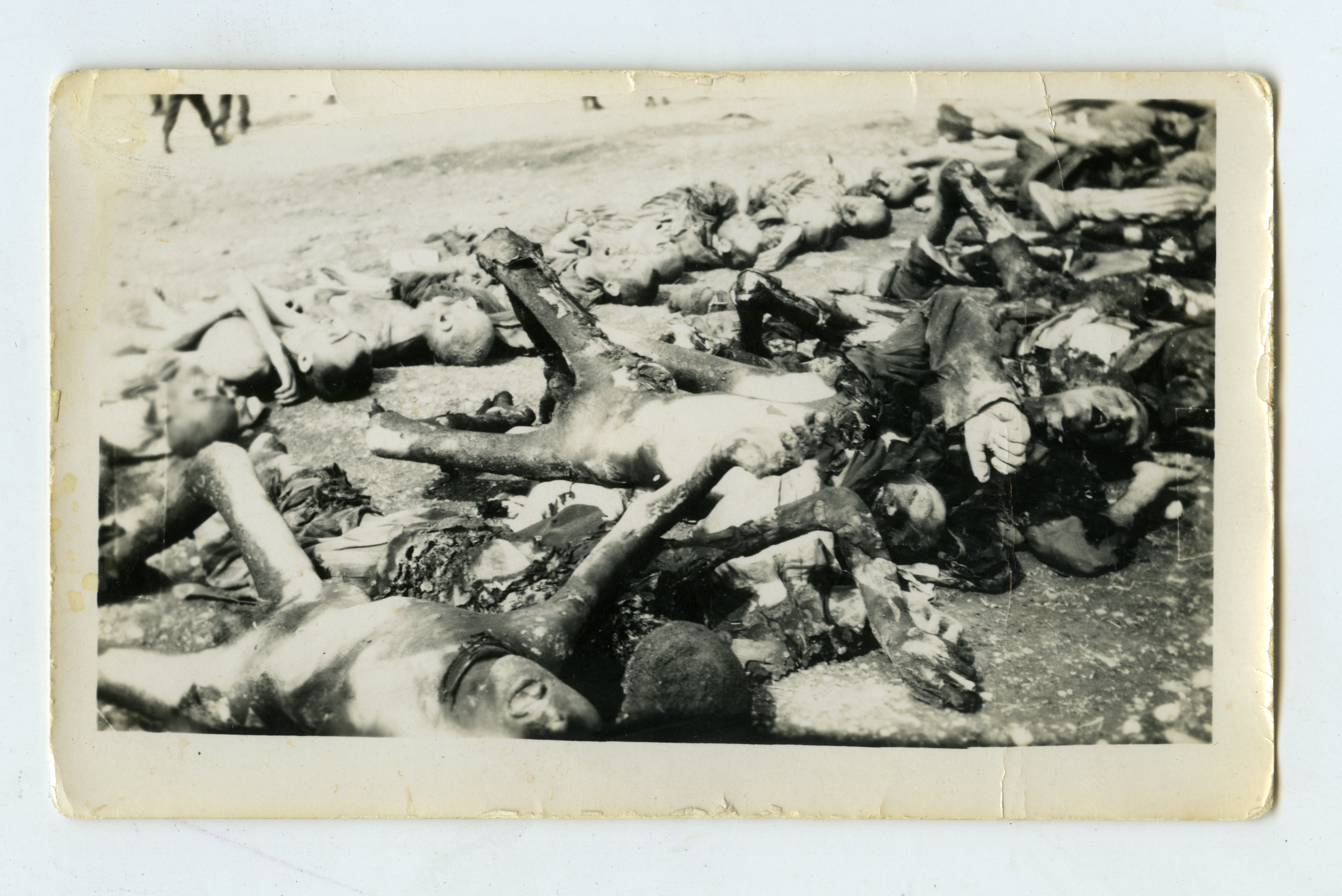
Eight years ago I posted a series of snapshots taken by a US soldier showing the liberation of an unknown concentration camp during WWII. When I acquired the photos, they had no provenance and no information on the reverse side to start the process of identification. Luckily, a blog follower was able to help with the identification of the camp through the same processes I typically use. By observing the surrounding architecture and general contextual clues, he was able to identify the camp as Kaufering IV, a large subcamp of Dachau. Here is what he provided:

Some thoughts:

i)This is certainly somewhere Upper Bavaria – the house architecture is fairly typical of the region.

ii)The presence of the 2 Luftwaffe officers suggests some sort of air force activity is close by. Lager Lechfeld was used as a fighter base and a shake-down airbase for the nearby Messerschmitt complex in Augsburg. Prisoners were engaged in constructing bomb-proof bunker-factories in appalling conditions.

iii)One of the photographs has a very distinctive semi-sunken barrack type, known as “Erdhütten” (Lit: “Earth huts”) – very primitive constructions, the timbers of which were made from off-cuts and waste from furniture production and which survivors testify, leaked terribly. These barracks were a distinctive feature of the Dachau sub-camps in the Kaufering/Buchlöe area.

iv)The brief Wiki article tallies fairly well with the photos and my comments: https://en.wikipedia.org/wiki/Kaufering_concentration_camp

Hope this helps,

Taff Simon

The Snapshots

Thanks to the careful research of Taff Simon, we now know that the camp shown in these snapshots is Kaufering IV. A closer look at the details within the images supports his findings. One particular photograph offers the clearest confirmation: it shows an older man in civilian clothing with a closely shaven head, a haunting detail that anchors these scenes to the history of this Dachau subcamp.
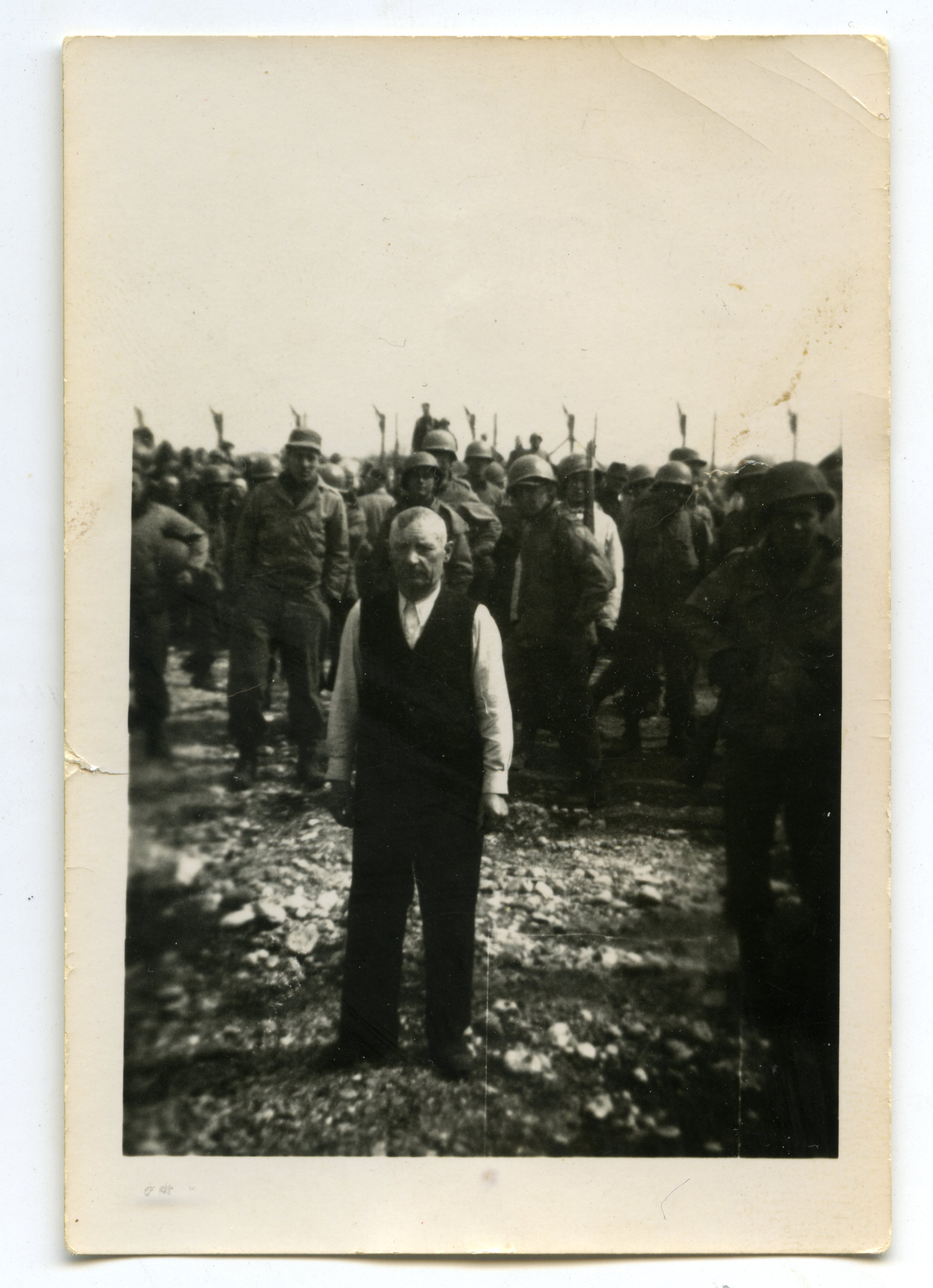
Snapshot of SS Commandant Johann Baptist Eichelsdörfer

When I first wrote about the snapshot collection in 2017, I was unable to identify the man since he was in civilian garb. Artificial intelligence image searches at the time were unable to attribute the image to any individual, so I was under the assumption that he was a local civilian who was brought in to help with the burial of the camp victims. But now, with the attribution of the snapshots to Kaufering IV, I was able to find more images of Eichelsdörfer. His shaven head with the lopsided squirrel-tail appearance confirms his identity when compared to the images below.
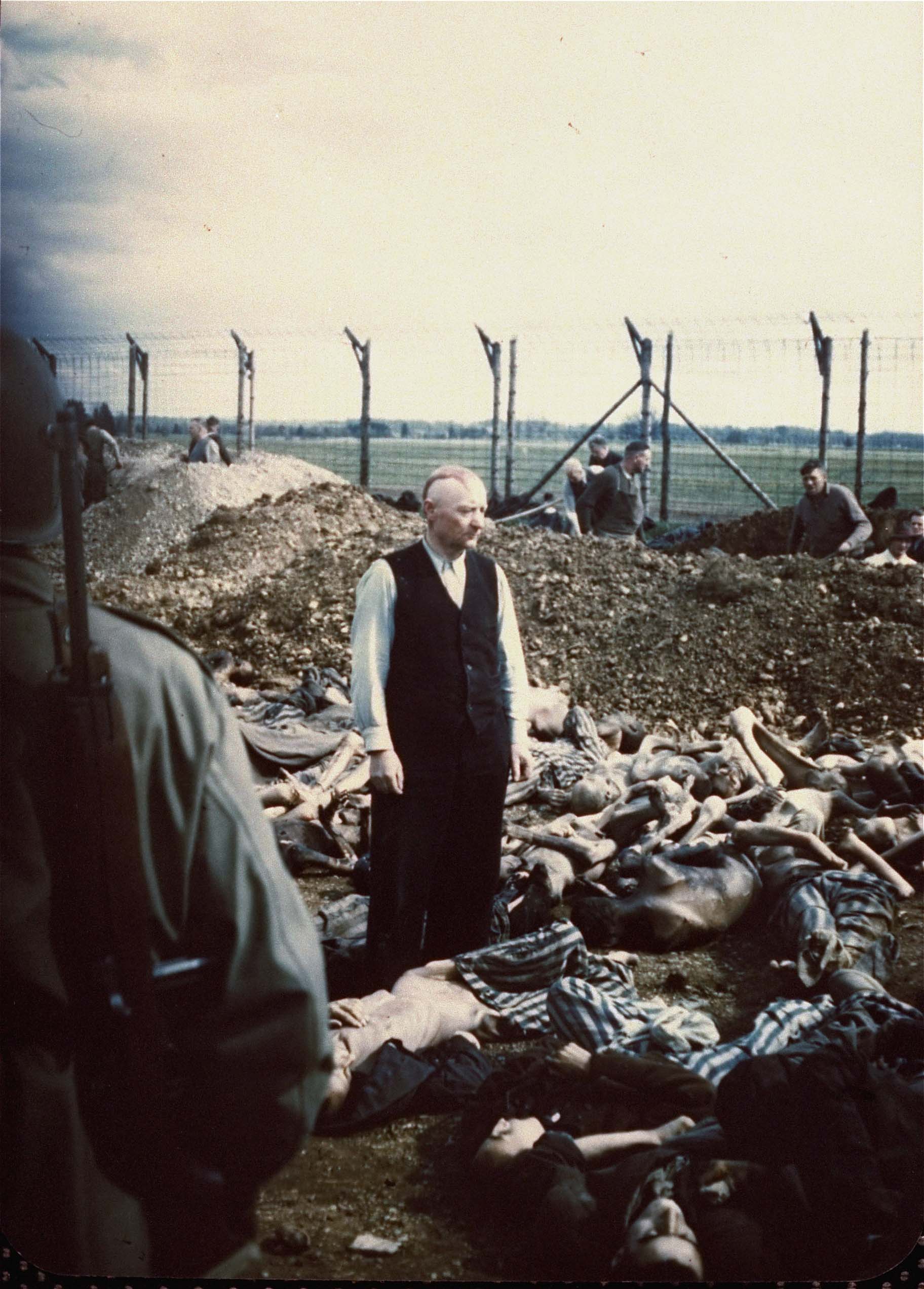
Color Photo of Johann Baptist Eichelsdörfer (US Holocaust Museum image)
(SS officer Johann Baptist Eichelsdoerfer, the commandant of the Kaufering IV concentration camp, stands among the corpses of prisoners killed in his camp. US Holocaust Museum image)
(Wikipedia Commons)

Who was he?

Johann Baptist Eichelsdörfer was a German military officer and concentration camp commandant during World War II. Born on January 20, 1890, in Dachau, Germany, he served as a non-commissioned officer in the Bavarian Army during World War I and remained in the military after the war, retiring in 1924 with the rank of lieutenant. He rejoined the military in 1940 and served in various locations, including France, Poland, and the Soviet Union. In 1944, he was assigned to the Dachau concentration camp system, where he served as the commandant of several subcamps. In January 1945, he took command of Kaufering IV, a subcamp of Dachau located near Hurlach, which was designated as a “hospital camp” but was, in reality, a site where sick and dying prisoners were abandoned without adequate medical care. Under his command, thousands of prisoners died due to starvation, disease, and mistreatment.

Eichelsdörfer’s actions came to light when American forces liberated Kaufering IV on April 27, 1945. U.S. soldiers discovered hundreds of bodies and surviving prisoners who had been subjected to brutal conditions. Eichelsdörfer was captured and photographed standing among the bodies of dead inmates, a stark image used as evidence during his trial. He was tried at the Dachau Trials, a series of military tribunals held by the U.S. Army to prosecute Nazi war criminals. On December 13, 1945, he was convicted of war crimes and crimes against humanity and sentenced to death. Eichelsdörfer was executed by hanging on May 29, 1946, in Landsberg am Lech prison. His trial and execution highlighted the atrocities committed in the Nazi concentration camps and served as a reminder of the need for accountability in the aftermath of war.

The Other Snapshots

Now that we know the snapshots from the 2017 blog post were taken at Kaufering IV, the other images captured by an unknown US GI make more sense. I will post them here with some updated commentary. Feel free to weigh in if you have any comments or suggestions for descriptions.

Kaufering IV Survivor

In the above image, we see a recently liberated survivor of his time at Kaufering IV. He’s using his bandaged hands to tie on a pair of shoes, likely a pair provided to him by US soldiers. He also appears to have some soup in a small can as well as a striped blanket wrapped around his head and body. In the back of the image appears a US T28E1 which was likely one of the 12th Armor Division’s anti-aircraft mobile vehicles. The painted sillouettes of 14 German aircraft on the side hint that the operators of the T28E1 shot down lots of German aircraft as the war came to an end.
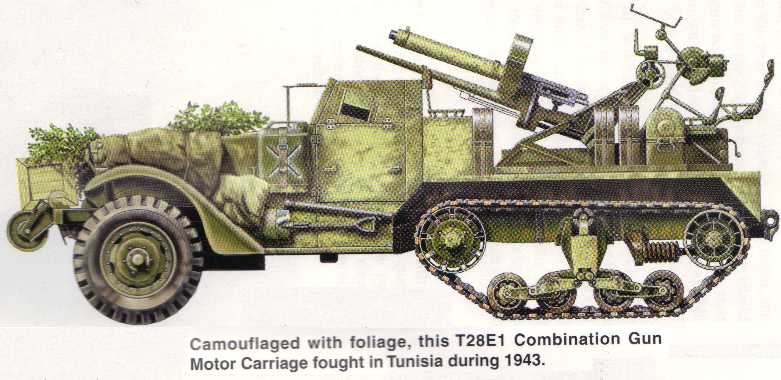
Generalized View of the T28E1
German Luftwaffe Officers
German Civilians Help with Burial
Camp Building and Ditch
Local Civilians Observe the Dead
Kaufering IV Victims
US Officers Speak to a Crowd
US GI’s View the Dead
Camp Victims
Camp Victims and Army Officers
Camp Victims
Local German Civilians Listen to US Officers

I really don’t know how to close this sobering post update from 2017. I did pass the snapshots along to a WWII veterans museum based here in the United States, but I’m unsure of what they ended up doing with them. I hope that his post will help educate those researching Kaufering IV and bring some closure to the mystery of when and where these snapshots were taken.

If you want to see some footage from the camp liberation, please check out the video here.

Easy Co. 506th PIR, 101st Airborne, Band of Brothers at Kaufering IV

HBO’s Band of Brothers covered Kaufering IV briefly in one episode. The unit was involved in the liberation of the camp, along with the 12th Armored Division. See below for a dramatized version of the events. The small earthen huts described by Taff can be clearly depicted. The HBO historical accuracy consultants did a great job!
Christmas Mass During the Battle of the Bulge – Liege, Belgium 1944


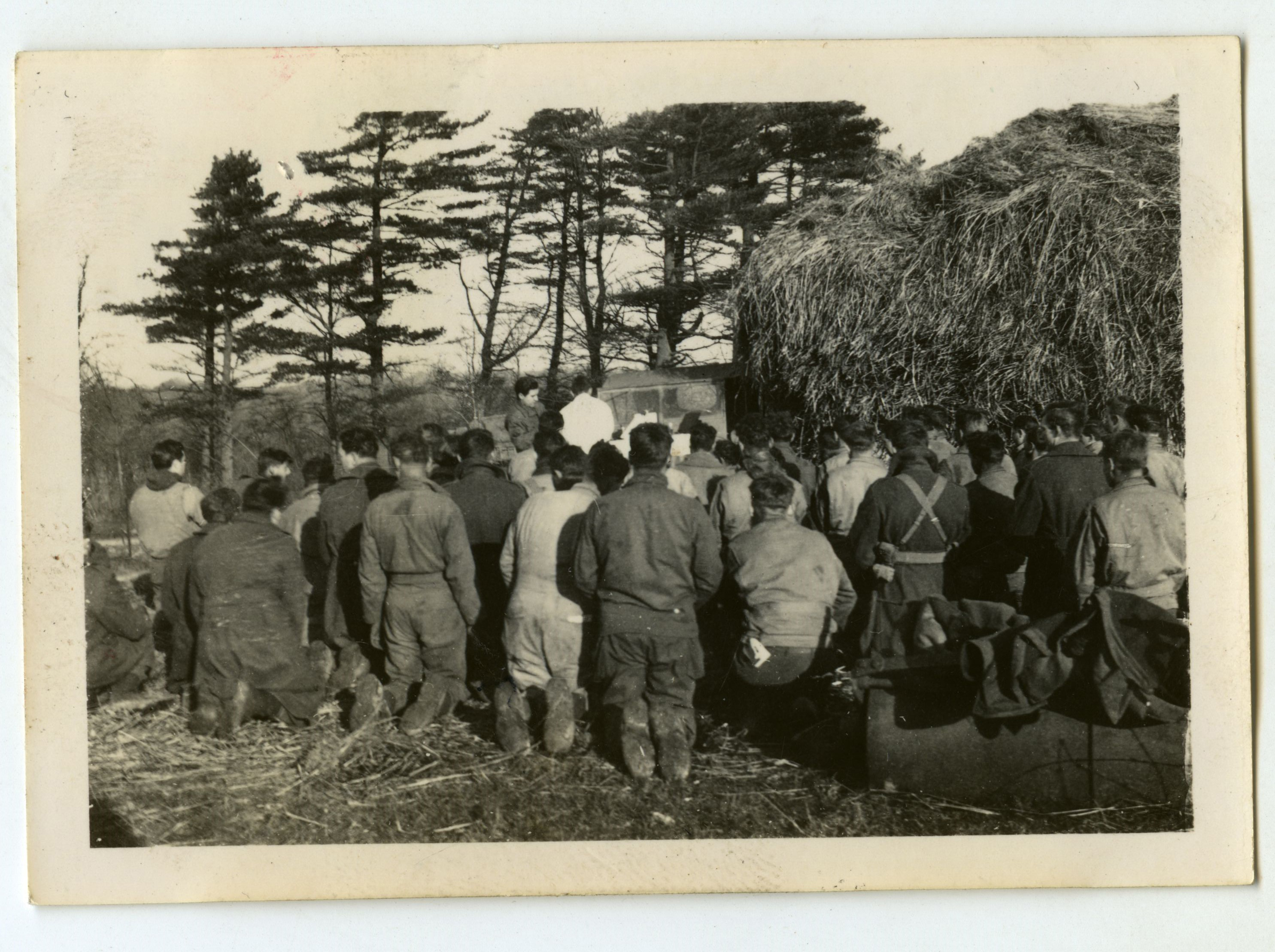
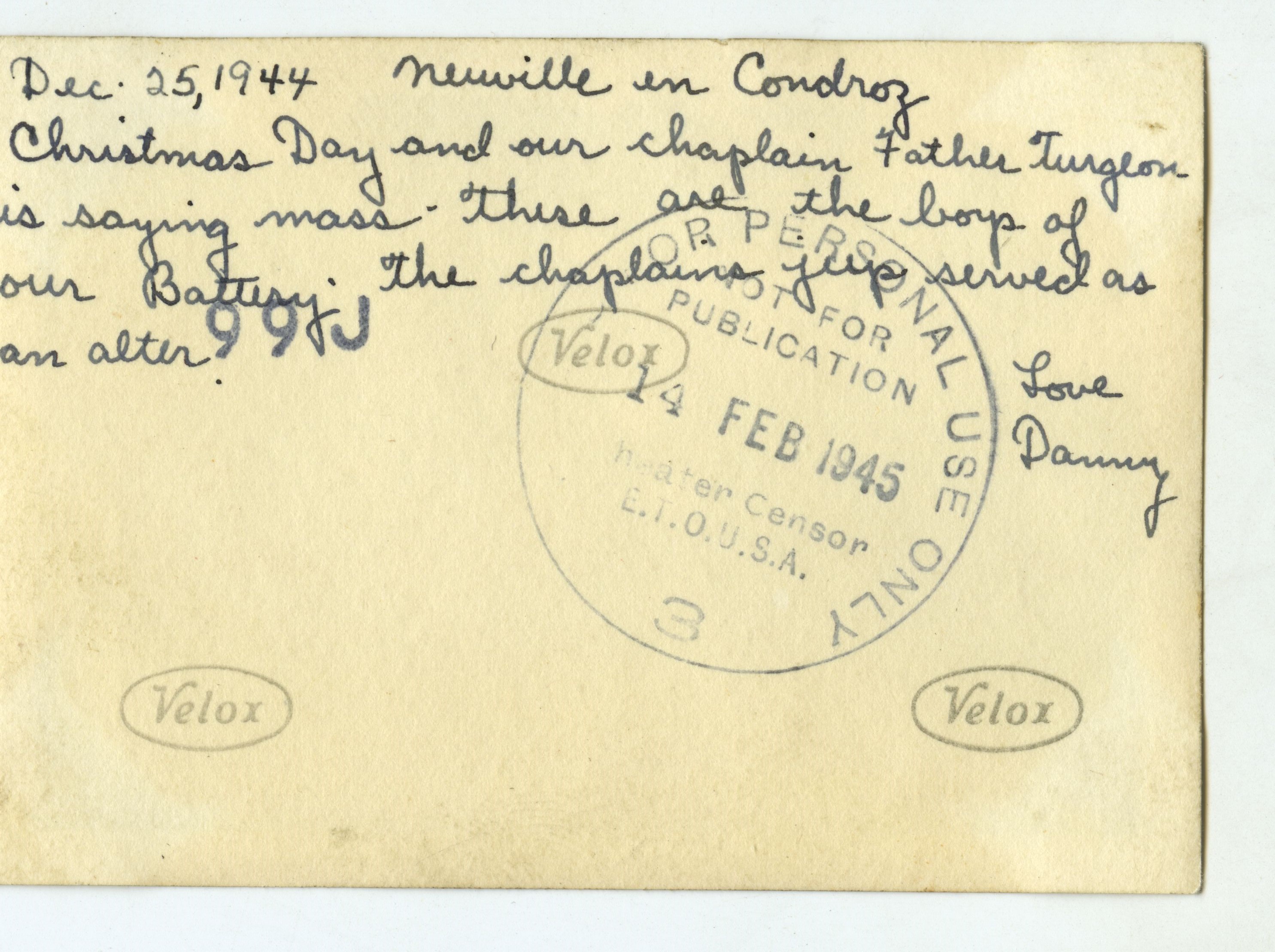
Attempting to track down new material for a fresh blog post is not an easy task…… Especially when my material has generally been languishing unseen in a shoe box since 1945.  But occasionally I will come across a photo that I’ve neglected to bring to the light of the internet since it crossed my scanner’s bed.  In today’s post, I will dissect a photo taken on Christmas  of 1944 in the small town of Neuville en Condroz, Belgium. This is a small village near Liege, Wallone, Belgium and was occupied at the time by an anti-aircraft unit on the front lines of the Bulge. Interestingly, the hood of the Chaplain’s Jeep served as an alter.

bulge008

Christmas Mass in Neuville-en-Condroz Belgium, 1944

bulge009

To see the area today check out the link below:

Neuville-en-Condroz Map


Portraits of War: A Vermont Veterans Day 2015 Recap


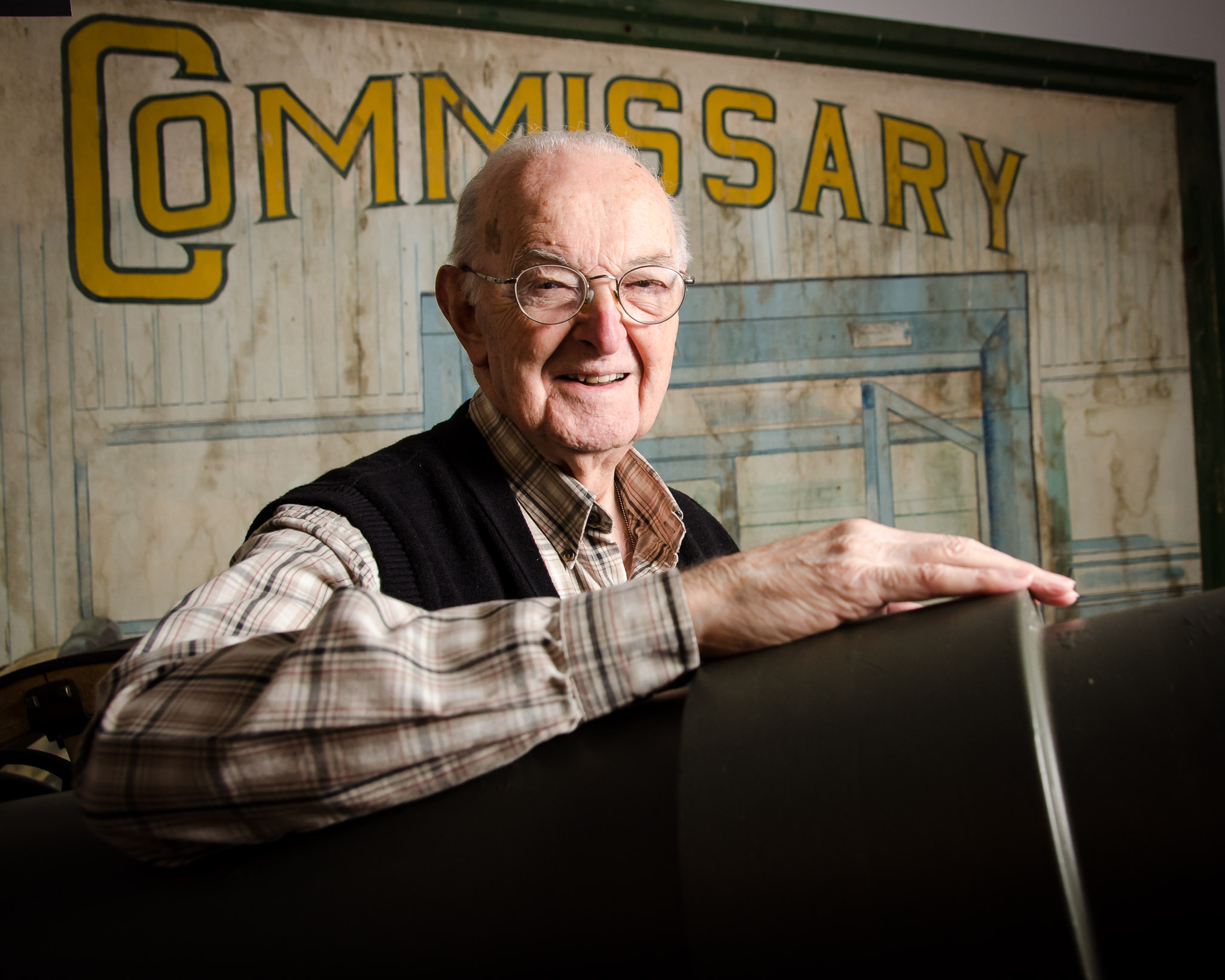
It’s not often that I post material related to living veterans, but I had the distinct pleasure of meeting a group of local Vermont vets on Veterans Day 2015.  One of the events I attended this year was the Community College of Vermont’s Veterans Day interview panel.   I was blown away by the student attendance and the level of excitement in the room; the range of ages in the room varied from early twenties to Jack Goss’ 96. It was a fantastic event, and one that other local schools should promote.

Hell, I even called a few UVM WWII veterans to catch up.  Why can’t larger schools or alumni departments do the same? I digress…


FullSizeRender

WWII 36th Division Veteran and POW Clyde Cassidy and Myself, Veterans Day 2015. Photo By: Josh Larkin, CCV.

Some of the WWII veterans I was able to shake hands with:

Gordon Osborne, 44th Engineers

Curtis E. Brown, 142nd Infantry Regiment, 36th Division, Wounded in Action

Paul Bouchard, USN WWII Minesweeper, USS Signet, USS Tumult

Jack Goss, B-25 Pilot, 310th Bomb Group, Shot down on 40th Mission, POW for three years

20151111_vetDay-2

At 96 years old, Jack Goss was the oldest of the five veterans to speak at CCV on Veterans Day. Photo By: John Larkin, CCV.

Clyde C. Cassidy Jr., Fox Company, 143rd Infantry Regiment, 36th Division, Wounded in Action and POW, Forced march for 70 days before liberated

20151029_vetDay

Calais resident and WWII veteran Clyde Cassidy was force marched for 70 days as a POW. Photo By: Josh Larkin, CCV.

Robert Picher, K Company, 346th Infantry Regiment, 87th Division

20151105_vetDay

WWII veteran Bob Picher spoke at CCV’s 2015 Veterans Day event. Photo By: Josh Larkin, CCV.

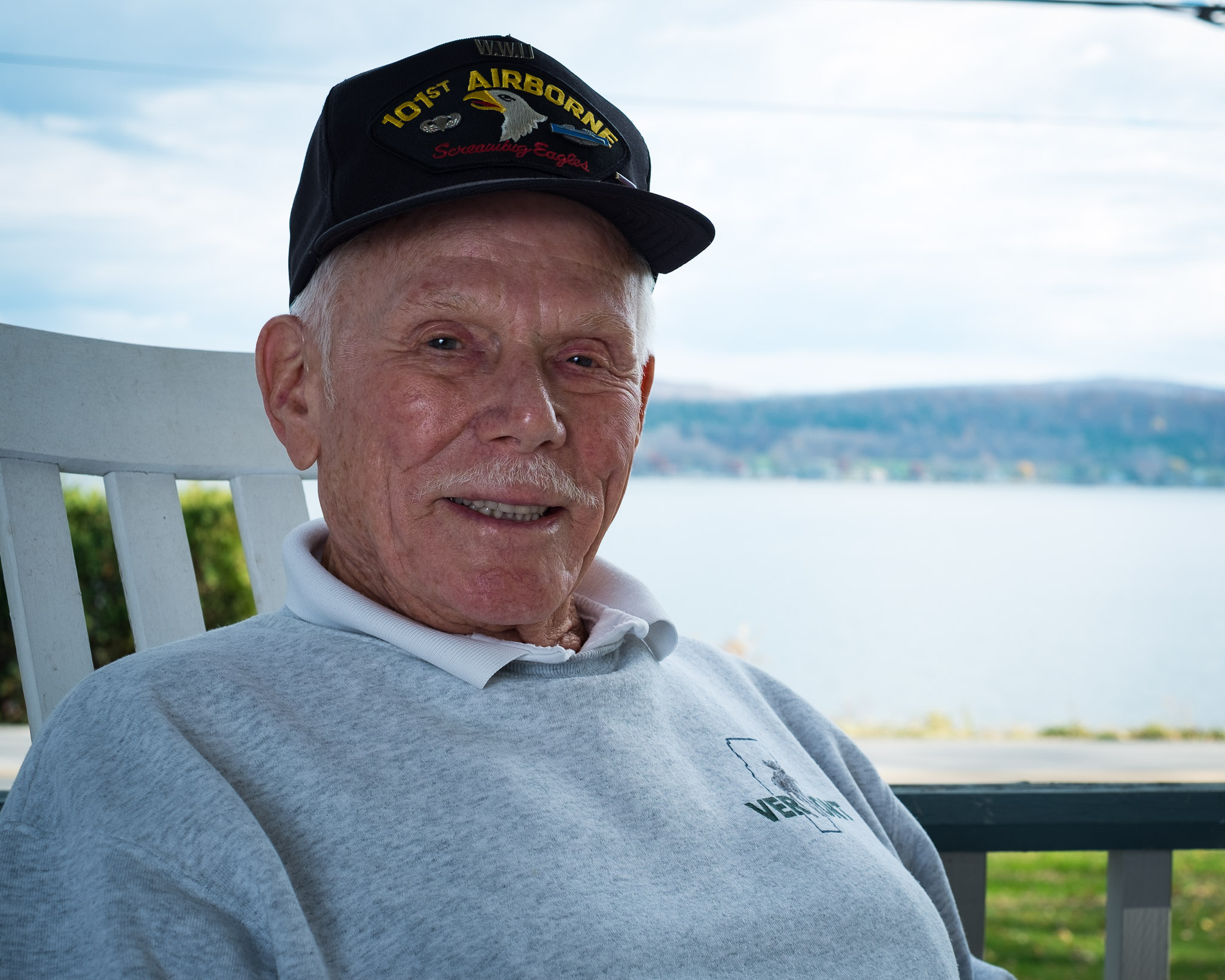
Robert L. Coon, G Company, 502nd Infantry Regiment, 101st Infantry Division, Wounded at Bastogne

20151105_vetDay-2

Bob Coon at his home in St. Albans Town.  Photo By: Josh Larkin, CCV

coon1945

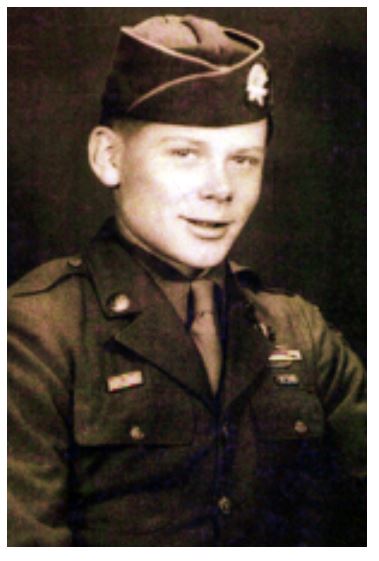
T/5 Robert Coon, G Company, 502nd PIR, 101st Airborne Division. Note PUC, CIB and campaign ribbon. SOURCE


One story that we didn’t hear at the CCV veterans day ceremony involves the water landing of Jack Goss’ B-25 in the waters off Italy.  The story actually involves one the P-38 pilots who continually circled his aircraft in hopes of aiding in the safe retrieval of the crew.  Sadly, his plane went down….. All the following info is from the US Army’s veteran service site.

https://army.togetherweserved.com/army/servlet/tws.webapp.WebApp?cmd=ShadowBoxProfile&type=Person&ID=223429

206417_med

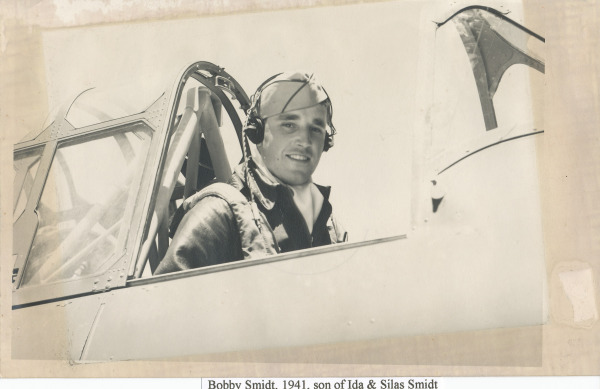
P-38 Pilot Robert Smidt

Comments from Website Regarding Downing of Goss
Since creating this profile, I have contacted the P-38 pilot who was leading the P-38’s that were escorting the bombers (he also completed the Missing Air Crew Report) and one of the surviving members of the bomber crew.

The leader of the P-38’s emailed this message:

On August 19 1943, I led a flight of P38s in a 96th Squadron formation on a Bomber Escort mission to lower Italy.


As I did not have a regular flight with the same pilots each time, I don’t remember who was in my flight, but I don’t recall having to back off on any maneuvers because one or more couldn’t keep up.


After the target and crossing the coast of Italy, I saw a B25 land in the water and the crew get into a rubber life raft.  I drank enough water out of my canteen so it would float and dropped it to them  I started circling to keep them in sight while expecting the air rescue plane to show up.  Clayton Tillapagh saw us and flew high cover.  After some time, Clay and I decided the rescue plane was not coming and we each sent our second element to Palermo to gas up and try to get him to come.  Clay and I stayed until we had to leave to get gas and we went to Palermo.


We were able to convince the rescue pilot we could cover him and we went back to where we had left the life raft, but we were not able to find it.  We learned much later the crew had been picked up by an Italian Hospital ship very soon after we left them.  We went back to Palermo and spent the night before returning to Grombalia.  Landing at Palermo in a valley, on a runway that did not have runway lights, on a dark night is something I would rather not do again.


I am assuming Smidt was in my second element and after leaving to get help, I never saw him again nor ever heard why he ended up missing.


In retrospect, it never entered my young mind to ask if everyone knew their way home.
1st Lt Alan R Kennedy

FO Robert (Bobby) Smidt disappeared over the Mediterranean Sea in August 1943.  Bobby was piloting one of the P-38 Lightnings from the 96th fighter Squadron that was escorting B-25 bombers from the 310th Bombardment Group on the way to bomb Salerne, Italy.  One of the bombers went down in the Mediterranean and Bobby was circling over a rubber dingy that the bomber crew was in.  No one knew whether Bobby was low on fuel and left or just crashed in the sea.  Read some of the documents posted for more details.

I talked to SSgt Lamar Rodgers, Aerial Gunner, the bomber crew member on the telephone and he told me that a P-38 had circled them for 4 hours before it left.  One P-38 flew over them at about 40 feet and dropped a water canteen.  He said he remembered that day like it was yesterday.  They had spent the night in the dingy and turned on their emergency radio that transmitted an SOS in the morning.  The Germans were on them within 30 minutes of turning on the radio.  The six crew members spent 21 months in German POW camps and were released at the end of the war.  As of 2-13-2011, there are only two surviving members of the bomber crew; Lamar F Rodgers and the pilot Ralph R Goss.