Captain Samuel Woodfill’s Medal of Honor Portrait


The Congressional Medal of Honor was awarded to 119 members of the U.S. Army, Navy, and Marine Corps during World War I, 33 of them posthumously. Portrait photographs of these heroes are remarkably scarce, but I was fortunate to recently acquire one. The subject of tonight’s post is Captain Samuel Woodfill of Indiana, one of America’s most celebrated soldiers of the Great War.

Captain Samuel Woodfill, U.S. Army
Often described by General John J. Pershing as “the outstanding soldier of the American Expeditionary Forces,” Captain Samuel Woodfill earned the Medal of Honor for extraordinary heroism during the Meuse-Argonne Offensive on October 12, 1918. Leading his company through heavy fog and enemy fire near Cunel, France, Woodfill singlehandedly attacked multiple German machine gun nests, killing or capturing their crews despite being gassed and exhausted. A career soldier from Indiana, Woodfill had already served in the Philippines and on the Mexican border before World War I, and his calm, precise marksmanship in France became legendary among his peers. After the war, he was personally honored by Pershing and later chosen to represent the U.S. Army’s enlisted men at the dedication of the Tomb of the Unknown Soldier in 1921.

Arlington National Cemetery Video: Major Samuel Woodfill

Reverse Side of Woodfill’s Portrait

His Medal of Honor citation reads:

“While he was leading his company against the enemy, First Lieutenant Woodfill’s line came under heavy machine gun fire, which threatened to hold up the advance. Followed by two soldiers at 25 yards, this officer went out ahead of his first line toward a machine gun nest and worked his way around its flank, leaving the two soldiers in front. When he got within ten yards of the gun it ceased firing, and four of the enemy appeared, three of whom were shot by First Lieutenant Woodfill. The fourth, an officer, rushed at First Lieutenant Woodfill, who attempted to club the officer with his rifle. After a hand-to-hand struggle, First Lieutenant Woodfill killed the officer with his pistol. His company there upon continued to advance, until shortly afterwards another machine gun nest was encountered. Calling on his men to follow, First Lieutenant Woodfill rushed ahead of his line in the face of heavy fire from the nest, and when several of the enemy appeared above the nest he shot them, capturing three other members of the crew and silencing the gun. A few minutes later this officer for the third time demonstrated conspicuous daring by charging another machine gun position, killing five men in one machine gun pit with his rifle. He then drew his revolver and started to jump into the pit, when two other gunners only a few yards away turned their gun on him. Failing to kill them with his revolver, he grabbed a pick lying nearby and killed both of them. Inspired by the exceptional courage displayed by this officer, his men pressed on to their objective under severe shell and machine gun fire.”


Snapshots from Kaufering IV: A Dachau Subcamp


Follow Up Post: The Liberation of Kaufering IV

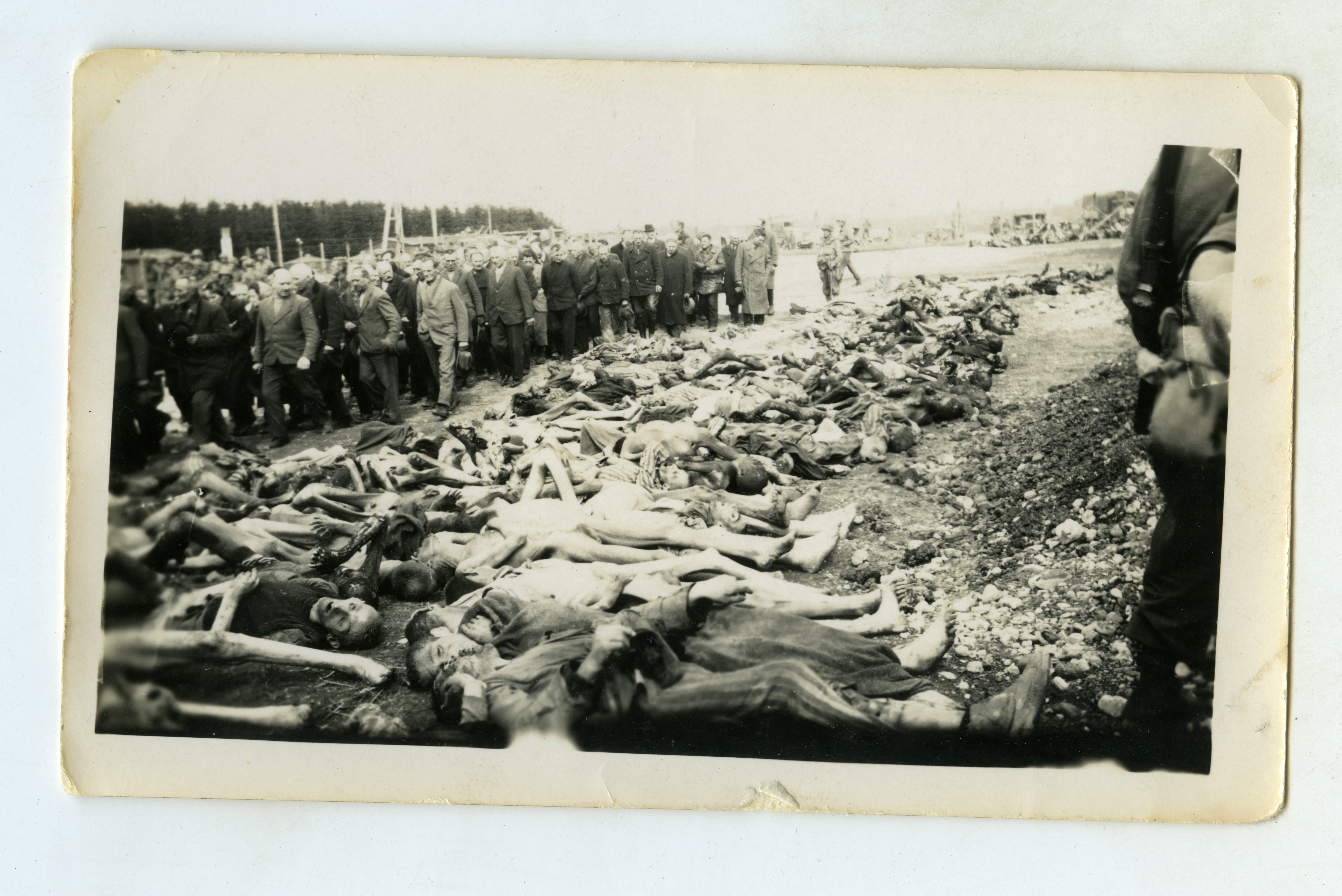
Eight years ago I posted a series of snapshots taken by a US soldier showing the liberation of an unknown concentration camp during WWII. When I acquired the photos, they had no provenance and no information on the reverse side to start the process of identification. Luckily, a blog follower was able to help with the identification of the camp through the same processes I typically use. By observing the surrounding architecture and general contextual clues, he was able to identify the camp as Kaufering IV, a large subcamp of Dachau. Here is what he provided:

Some thoughts:

i)This is certainly somewhere Upper Bavaria – the house architecture is fairly typical of the region.

ii)The presence of the 2 Luftwaffe officers suggests some sort of air force activity is close by. Lager Lechfeld was used as a fighter base and a shake-down airbase for the nearby Messerschmitt complex in Augsburg. Prisoners were engaged in constructing bomb-proof bunker-factories in appalling conditions.

iii)One of the photographs has a very distinctive semi-sunken barrack type, known as “Erdhütten” (Lit: “Earth huts”) – very primitive constructions, the timbers of which were made from off-cuts and waste from furniture production and which survivors testify, leaked terribly. These barracks were a distinctive feature of the Dachau sub-camps in the Kaufering/Buchlöe area.

iv)The brief Wiki article tallies fairly well with the photos and my comments: https://en.wikipedia.org/wiki/Kaufering_concentration_camp

Hope this helps,

Taff Simon

The Snapshots

Thanks to the careful research of Taff Simon, we now know that the camp shown in these snapshots is Kaufering IV. A closer look at the details within the images supports his findings. One particular photograph offers the clearest confirmation: it shows an older man in civilian clothing with a closely shaven head, a haunting detail that anchors these scenes to the history of this Dachau subcamp.

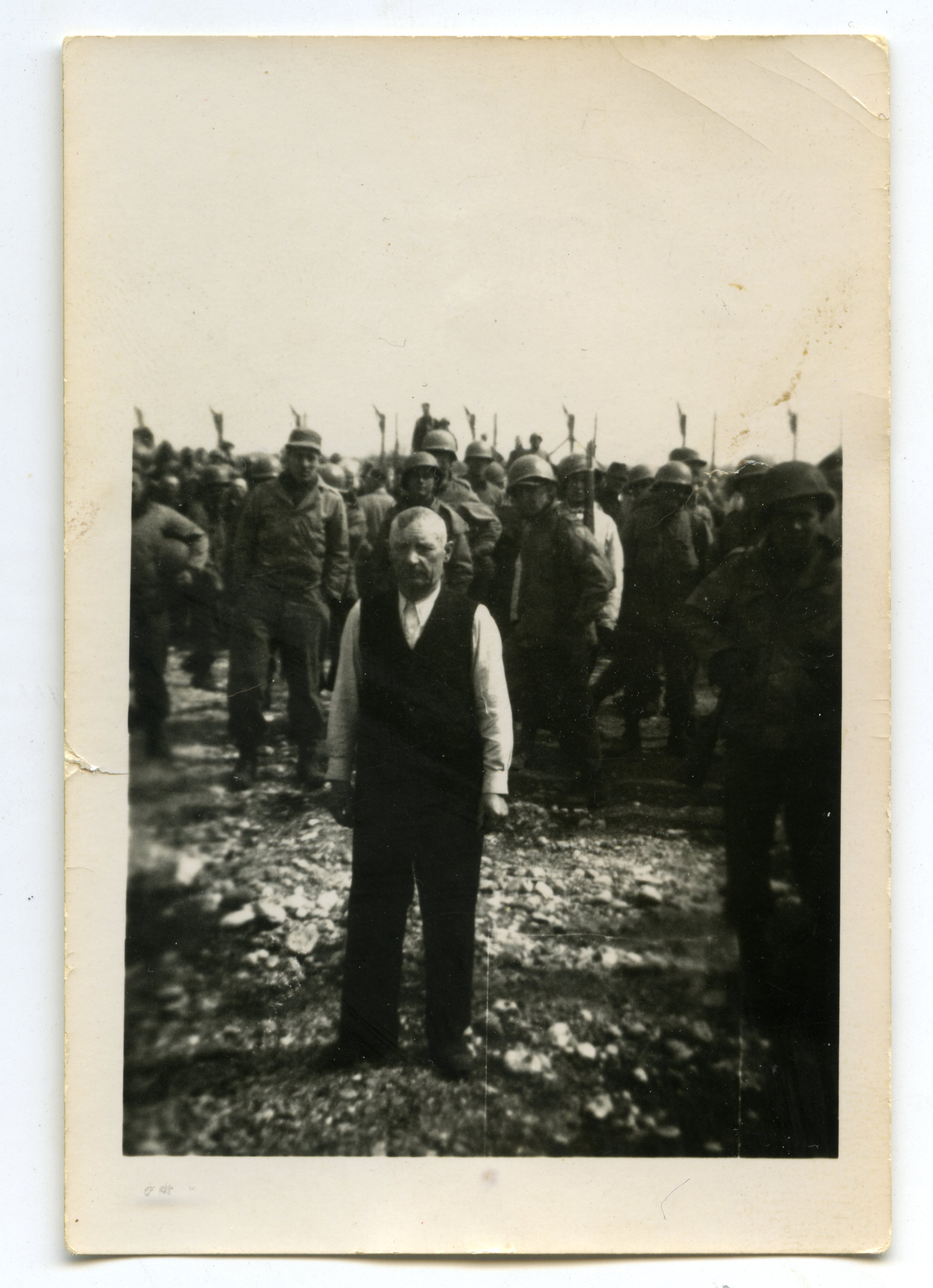
Snapshot of SS Commandant Johann Baptist Eichelsdörfer

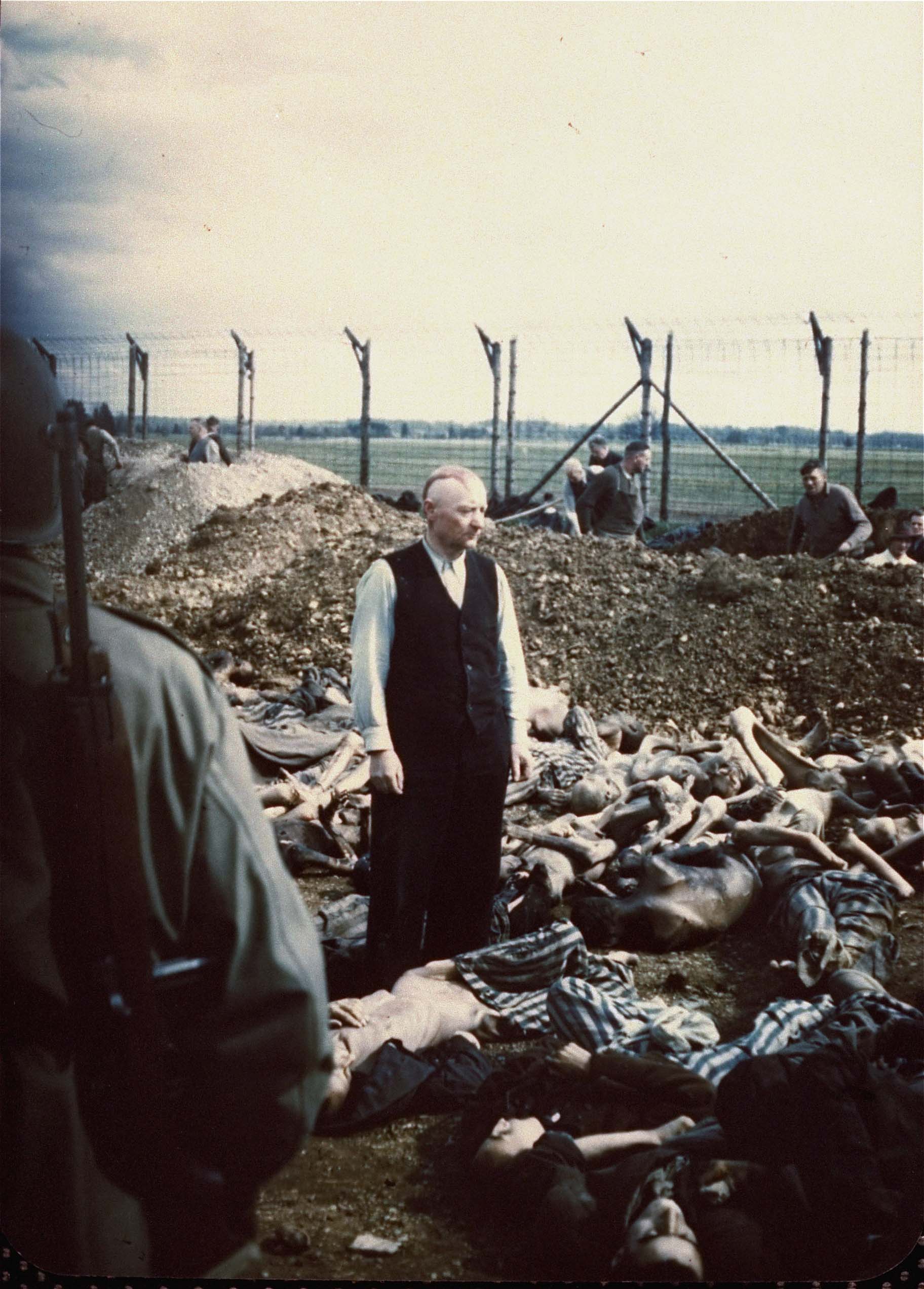
When I first wrote about the snapshot collection in 2017, I was unable to identify the man since he was in civilian garb. Artificial intelligence image searches at the time were unable to attribute the image to any individual, so I was under the assumption that he was a local civilian who was brought in to help with the burial of the camp victims. But now, with the attribution of the snapshots to Kaufering IV, I was able to find more images of Eichelsdörfer. His shaven head with the lopsided squirrel-tail appearance confirms his identity when compared to the images below.

Color Photo of Johann Baptist Eichelsdörfer (US Holocaust Museum image)
(SS officer Johann Baptist Eichelsdoerfer, the commandant of the Kaufering IV concentration camp, stands among the corpses of prisoners killed in his camp. US Holocaust Museum image)
(Wikipedia Commons)

Who was he?

Johann Baptist Eichelsdörfer was a German military officer and concentration camp commandant during World War II. Born on January 20, 1890, in Dachau, Germany, he served as a non-commissioned officer in the Bavarian Army during World War I and remained in the military after the war, retiring in 1924 with the rank of lieutenant. He rejoined the military in 1940 and served in various locations, including France, Poland, and the Soviet Union. In 1944, he was assigned to the Dachau concentration camp system, where he served as the commandant of several subcamps. In January 1945, he took command of Kaufering IV, a subcamp of Dachau located near Hurlach, which was designated as a “hospital camp” but was, in reality, a site where sick and dying prisoners were abandoned without adequate medical care. Under his command, thousands of prisoners died due to starvation, disease, and mistreatment.

Eichelsdörfer’s actions came to light when American forces liberated Kaufering IV on April 27, 1945. U.S. soldiers discovered hundreds of bodies and surviving prisoners who had been subjected to brutal conditions. Eichelsdörfer was captured and photographed standing among the bodies of dead inmates, a stark image used as evidence during his trial. He was tried at the Dachau Trials, a series of military tribunals held by the U.S. Army to prosecute Nazi war criminals. On December 13, 1945, he was convicted of war crimes and crimes against humanity and sentenced to death. Eichelsdörfer was executed by hanging on May 29, 1946, in Landsberg am Lech prison. His trial and execution highlighted the atrocities committed in the Nazi concentration camps and served as a reminder of the need for accountability in the aftermath of war.

The Other Snapshots

Now that we know the snapshots from the 2017 blog post were taken at Kaufering IV, the other images captured by an unknown US GI make more sense. I will post them here with some updated commentary. Feel free to weigh in if you have any comments or suggestions for descriptions.

Kaufering IV Survivor

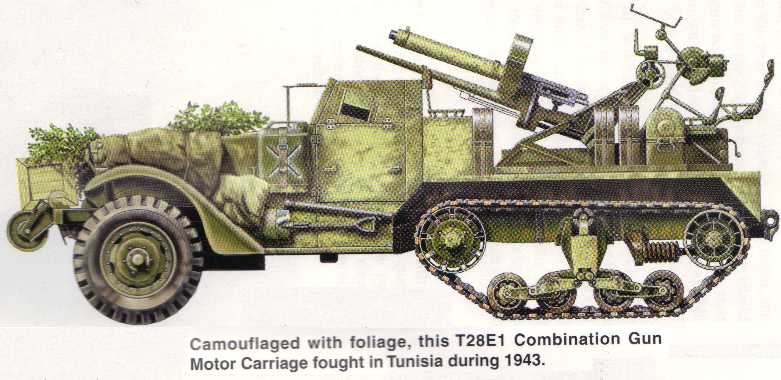
In the above image, we see a recently liberated survivor of his time at Kaufering IV. He’s using his bandaged hands to tie on a pair of shoes, likely a pair provided to him by US soldiers. He also appears to have some soup in a small can as well as a striped blanket wrapped around his head and body. In the back of the image appears a US T28E1 which was likely one of the 12th Armor Division’s anti-aircraft mobile vehicles. The painted sillouettes of 14 German aircraft on the side hint that the operators of the T28E1 shot down lots of German aircraft as the war came to an end.

Generalized View of the T28E1
German Luftwaffe Officers
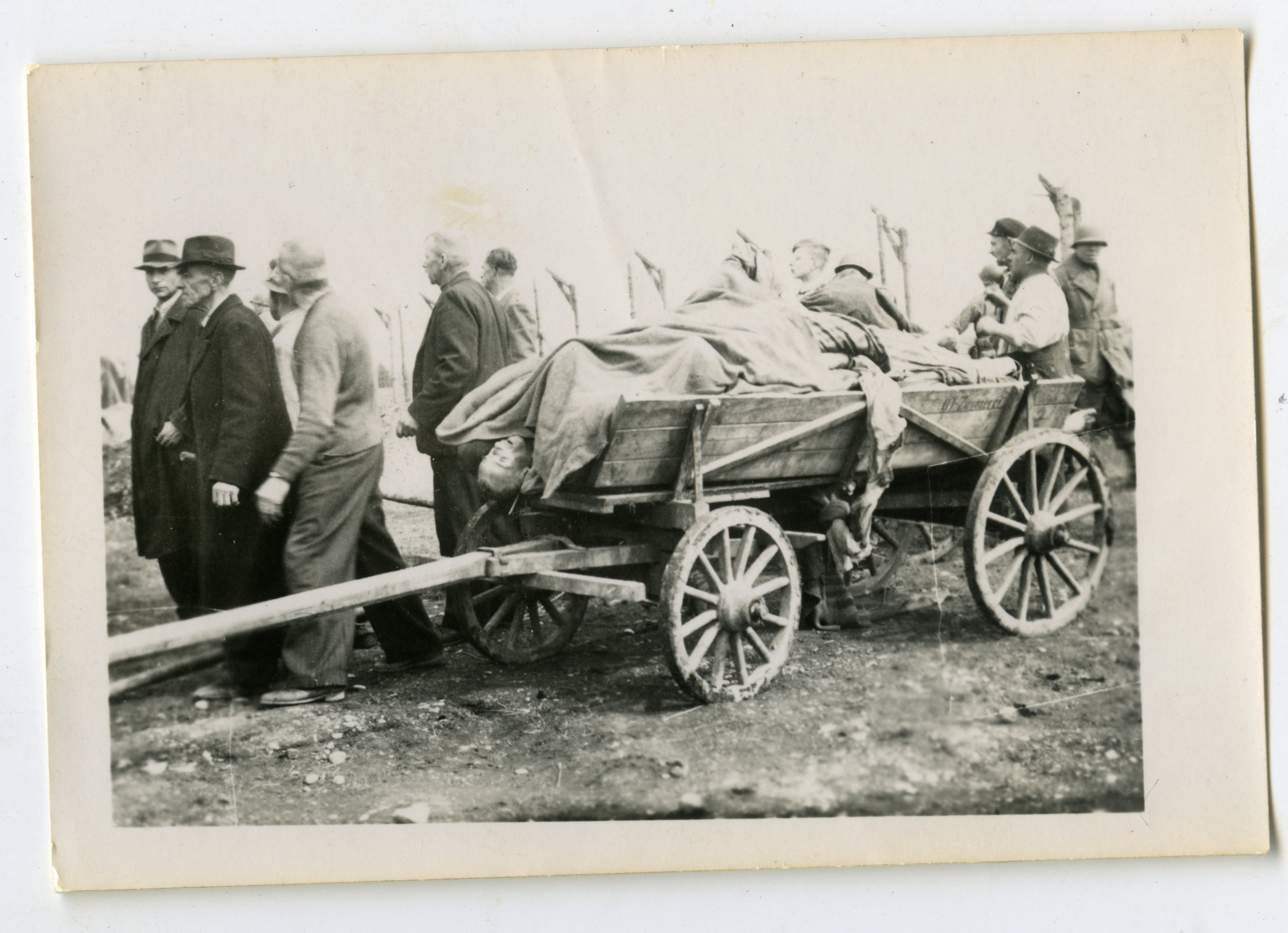
German Civilians Help with Burial
Camp Building and Ditch
Local Civilians Observe the Dead
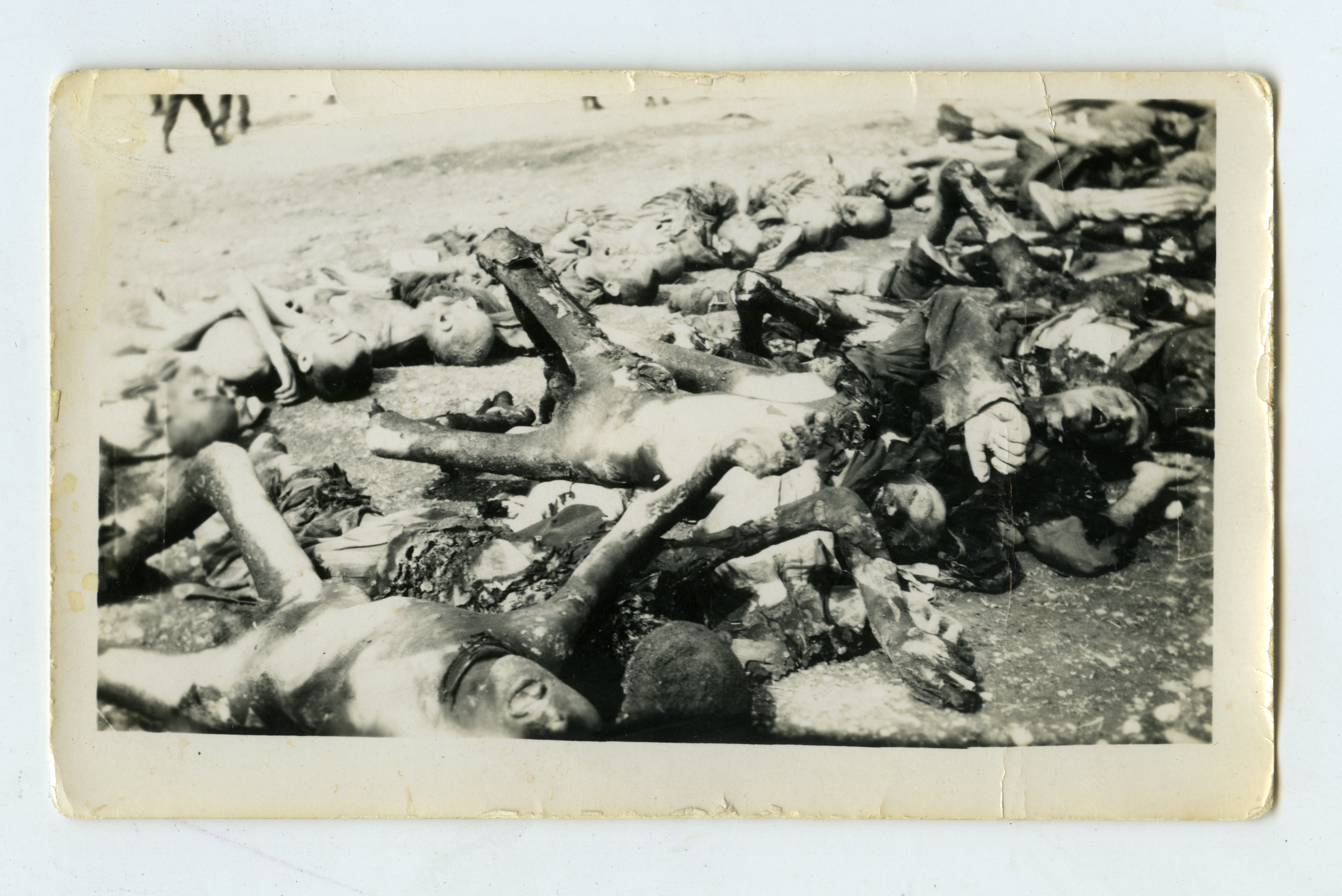
Kaufering IV Victims
US Officers Speak to a Crowd
US GI’s View the Dead
Camp Victims
Camp Victims and Army Officers
Camp Victims
Local German Civilians Listen to US Officers

I really don’t know how to close this sobering post update from 2017. I did pass the snapshots along to a WWII veterans museum based here in the United States, but I’m unsure of what they ended up doing with them. I hope that his post will help educate those researching Kaufering IV and bring some closure to the mystery of when and where these snapshots were taken.

If you want to see some footage from the camp liberation, please check out the video here.

Easy Co. 506th PIR, 101st Airborne, Band of Brothers at Kaufering IV

HBO’s Band of Brothers covered Kaufering IV briefly in one episode. The unit was involved in the liberation of the camp, along with the 12th Armored Division. See below for a dramatized version of the events. The small earthen huts described by Taff can be clearly depicted. The HBO historical accuracy consultants did a great job!

Two Mississippi Doughboys in France, 1918


Finding vintage photography to post to the site that has meaningful background history has been a tough mission the last few years. I was recently inspired to start posting to the blog more often from a group of friends who enjoy seeing great photography mixed in with background research. This site has always been a labor of love and I’ve neglected posting new material (but have updated older posts) since the global pandemic hit. I now introduce you to a new addition to the collection that showcases an underappreciated aspect of the the WWI US service experience.

The process of making these shots web-ready is a bit tedious but it involves the scanning, editing for dust and scratches as well as optimizing size for the web. It’s not a quick task but I like to take time to make these available whenever possible.

Ernie Rayburn and Ollie Stiger Smoking Cigars in France, 1918

This photograph struck me when I first viewed it for a few reasons. The role of African Americans in World War One has been touched upon in books, documentaries and museum exhibits but the photographic history of the common labor war worker has been eclipsed by the “fighting” units that are often depicted. These two men, Erie Rayburn of Coffeeville, MS and Ollie Stiger of Jackson of the same state have likely never been shown online. These postcard style shots were often taken to be sent to friends and family as a way of remembering a time where the normal day-to-day life of the 1910s was upended and normal guys were thrown into abnormal situations.

Ollie and Ernie in France

Both Ollie and Ernie served in the same labor unit – the Depot Service Company No. II based out of Brest, France during the war. I’m unsure of what exact labor duty they would have been assigned to but it likely involved the moving of material onto or off of ships onto trucks or trains. More research will need to be done.

Ollie Stiger (also spelled Steger in later documents) was born on August 6th, 1892 (also listed as 1891?) in Mississippi and died in San Diego, CA in October of 1972. After the war he worked with the Chicago and North Western Railroad as a “coach cleaner”. I’m unaware of any children or family at the point of writing this post.

Corporal Erie Rayburn was also from the same hometown of Ollie of Coffeeville, MS and was born around the same time in 1895 and passed away a few years after Ollie in 1988. I sincerely hope they stayed friends after the war and after they parted ways to seek the true American Dream.

More research to come…

WWI Portrait Photo – 102nd Ambulance Company, 26th Division


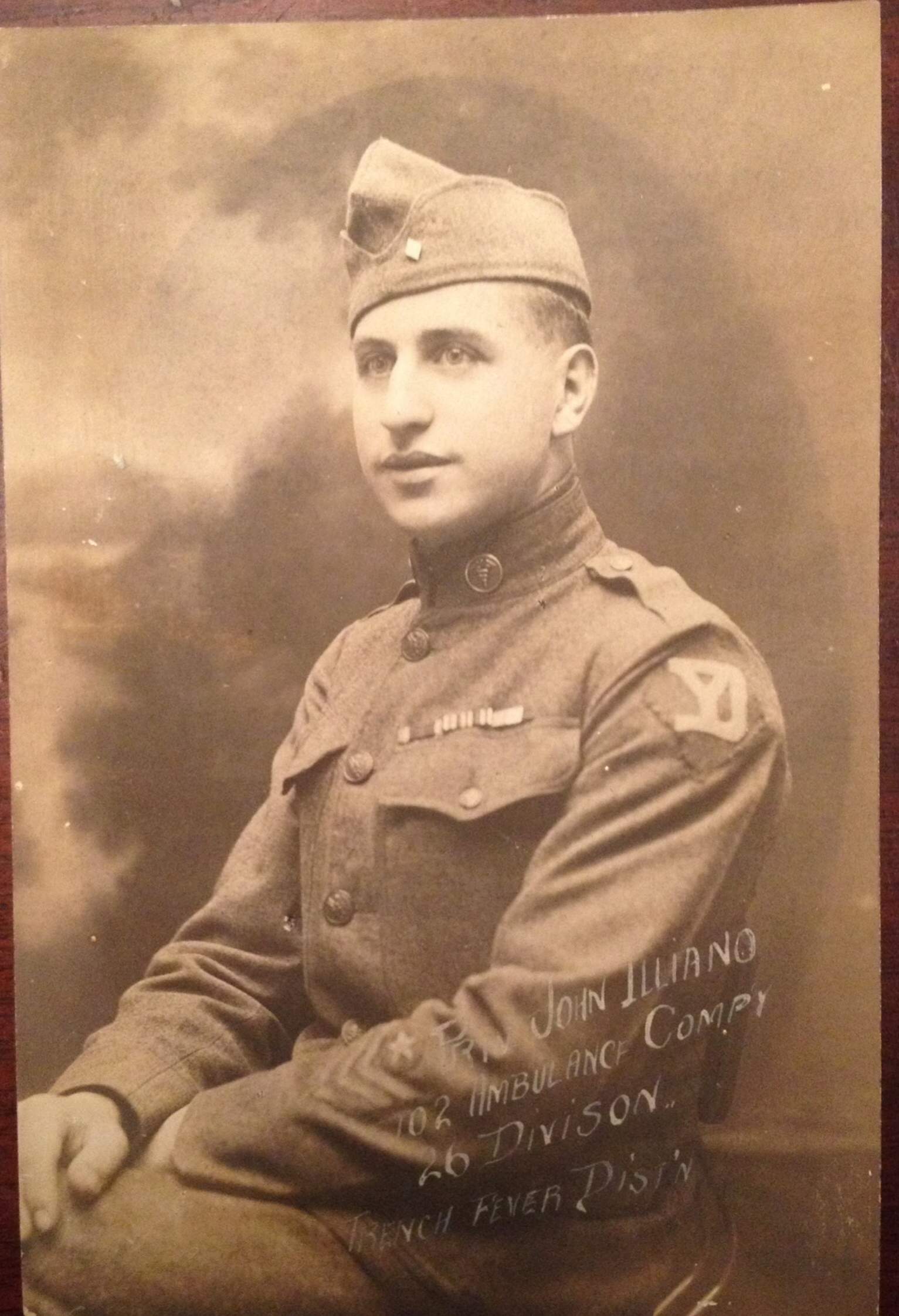
This photograph is a true mystery for me. I can’t identify the sitter of this photograph even though there is so much information to work with:

  1. He’s identified on the print as Pvt. John Illiano of the 102nd Ambulance Company
  2. He’s sporting a 26th Division uniform with at least 1 1/2 years overseas service
  3. He was one of the first 100,000 US soldiers to enlist (conjecture based on star)
  4. He’s most likely from New England at the time of enlistment
  5. Probably Italian-American

I found a digital scan of this photo on War Relics Forum, a site dedicated to WWII artifact research. The OP of this photo, MD Helmets, doesn’t have any additional information but did claim he/she purchased it from Bay State Militaria back in 2013.

What do you guys think? Any leads?

102ndambulance

102nd Ambulance Company “Mystery Sitter”

100 Years Later: Vermont’s Entry into the First World War


It has been called THE GREAT WAR and THE WAR TO END ALL WARS.

According to Tweets from WWI, the American intervention in the war can be summarized as:

There is only room for one: ‘s idealism vs. German ‘s imperialism (US caricature).

C8qcY9kWsAAUJvg.jpg large

Today, we know it as World War One (WWI). It began in 1914 and ended with an armistice at the eleventh hour of the eleventh day of the eleventh month in 1918. The global toll had already reached nearly 40 million casualties, including American losses of 117,465 dead and 204,002 wounded.

100 Years Ago Today

After War was officially declared (House and Senate) on April 6th, 1917 the U.S. began preparations to enter the quagmire of European trench warfare.

101stmg043a

Vermonter John Corcoran (r) in WWI

In June of 1917, U.S. transport ships carrying nearly 15,000 U.S. troops (many from New England) in the American Expeditionary Force (AEF) approached the shores of France, these soldiers would join the Allied fight against the Central Powers.  They disembarked at the port of Saint Nazaire; the landing site had been kept secret because of the menace of German submarines, but by the time the Americans had lined up to take their first salute on French soil, an enthusiastic crowd had gathered to welcome them. However, the “Doughboys,” as the British referred to the green American troops, were said to be untrained and ill-equipped, untested for the rigors of fighting along the Western Front.

djpub

PortraitsofWar’s WWI Smithsonian Cover

As U.S. troops landed in France, Americans were mindful of a 125+ year old debt owed that nation. France had been the colonists’ most important ally during the Revolutionary War, having supplied money, material and military brains. The Marquis de Lafayette had fought beside Patriot soldiers, equipping some of them at his own expense. He won the affection of George Washington and became a hero to the young nation. Urged on by Lafayette, France had sent ships, troops, and arms that played a key role in the Patriots’ victory. In early July 1917, the newly arrived American Expeditionary Force troops marched under the Arc de Triomphe, cheered by the people of Paris. In a ceremony at Lafayette’s tomb, where the Frenchman lies buried under dirt from Bunker Hill, an American officer lay down a wreath of pink and white roses. Another officer stepped forward, snapped a salute, and declared: “Lafayette, we are here!”

lavallee093

Earl F. Lavallee of Winooski, VT in Germany, 1918.

As followers of PortraitsofWar will know, we take a great pride in providing interesting and never-before-seen imagery and narration of wartime photography ranging from the American Civil War to the Korean War. In most cases, I take an authentic photograph from my personal collection and work towards uncovering various details that hopefully elucidate some aspect of the photo.

101st Ammunition Train

In this case, I worked the other way around. My familiarity with the First World War history of the State of Vermont is well known to followers of this blog as well as within my home state. One of my favorite Vermont units to serve in the war was the 101st Ammunition Train of the 26th “Yankee Division”.

unnamed

Jeannine Russell (Vermont Agency of Transportation Archaeology Officer), Myself (Vermont Agency of Transportation Archaeologist) and David Schütz (Vermont State Curator) inspecting WWI flags

Only a week ago I was lucky enough to be invited into the bowels of the Vermont Historical Society storage area to inspect a series of American Civil War flags with a few colleagues of mine from work. While in the holding area I mentioned that a series of WWI groups had donated regimental flags and/or guidons to the State of Vermont in the years following the war.

Although I can be a bit fuzzy in my recollections, I apparently had my facts straight and we moved a series of shelves to uncover the aforementioned flags. As I fingered through the labels I instantly recognized the attribution: 101st flags. Please see below for a bit of insight into my recollection…

vermont unit

101st Ammunition Train Guidon Donation Alert, Burlington Free Press, February, 1919

Ok – So my first attempt at searching on the Library of Congress Newspaper website turned up only one reference to the flags, I kept searching (tried COLORS) and came up with this…

flagspresented

Flags presented

The above snippit from a 1919 Burlington Free Press article reads:

Colors Presented

War Flags and Shields Presented to State

Montpelier, Oct. 23 – The presentation of the colors and shields of the organizations from Vermont participating in the the world war occurred this evening in the State House with some 200 veterans attending and over 400 spectators in the seats of the representative hall and balcony.

The services were fitting and were attended by many of the men who have been prominent in the connection with the war. Col. F.B. Thomas presided over the exercise and the program carried out consisted of the “History of the 57th Pioneer Infantry” Capt. Ernest W. Gibson – Brattleboro

Presentation of colors – First Vermont and 57th Pioneer Infantry, Col. F. B. Thomas… History and presentation of colors of 302nd Field Artillery , Color Sergeant Albert J. Seguin of Newport.

History and presentation of 101st Ammunition Train Col. William J. Keville of Boston Mass.

Presentation of guidon, Company E. 101st Ammunition Train, Capt. Harold M. Howe of Northfield, VT.

co#

Ca. 1919 Co. E101st Ammunition Train guidon photo (from Brennan C. Gauthier Collection)

Presentation of guidon, Company F 101st Ammunition Train, Captain McMath

Presentation of guidon, Company G, 101st Ammunition Train, Chester Mooney of Newport.

As I stated earlier, I remembered the fact that the 101st and the 302nd had presented the State of Vermont with standards and guidons from prominent units representing Vermont involvement in the war. The following photos show the results of my inquiries:

unnamed

Left to Right: Jeannine Russell (Vermont Agency of Transportation Archaeology Officer), Myself (Vermont Agency of Transportation Archaeologist) an David Schütz (Vermont State Curator)

In the above photo we have just unrolled the 101st Ammunition Train guidons from their muslin cocoons. Present are representative samples of Co. C, G, F and E of the 101st. Each of these matches with the above 1919 article. How amazing is it to read a 98 year old article about a presentation and see the EXACT pieces in living color?

I’m particular excited about the Co. E guidon. I own a ratty panoramic photo taken of the unit when they returned in 1919. Click here to see ever single facial feature of the men in that group.

Ok – so here’s a photo of the guidon taken right before donation in 1919:

co#

And here’s the guidon today (my big head is at the left edge of the frame):

F company 1

WWI guidons of the 101st Ammunition Train

Also, I requested that the regimental flag of the 302nd Field Artillery be brought out for photographing. Special thanks to Jonathan Croft for being the photographer!

302nd

302nd Field Artillery

Has it really been 100 years?

Thanksgiving in the First World War: U.S.Base Hospital #6 Holiday Menu Card


I’ve been lucky in the past few years to pick up some fun WWI shots of US female nurses and auxiliary service members photographed while serving overseas in 1918 and 1919.  US women in France were vastly outnumbered by their male counterparts, and to be able to positively identify a nurse is a fun way to learn about female service roles during the war.  In this case, I was able to purchase a small group of photos and a Thanksgiving menu from a woman in Base Hospital #6 stationed in Bordeaux, France during the war.  The standing studio portrait was identified on the reverse as H.K. Judd of Base Hospital 6.  On a whim I searched for Helen K. Judd (thinking that Helen was a likely candidate for H) and came up with a positive hit on a woman named Helen K. Judd from Southhampton, Mass.  I cross referenced with the digitized passport records from 1917 and 1918 and had a positive match.  Luckily the passport applications come with little snapshots of the applicants.   The amount of material available to identify WWI photos is incredible.

basehospital038

Base Hospital #6 Thanksgiving Menu

So what was served up on Thanksgiving, 1918? 

Given the recent cessation of hostilities on November 11th, the nurses and ailing soldiers of the AEF had a lot to be thankful for in 1918.  How did they celebrate?

US Dietitian Ellen W. Wells was someone who likely put together the well-rounded meal seen in the above menu.  With appetizers of celery and olives, the nurses, doctors and assorted hospital staff and wounded next moved to a main course of roast stuffed turkey, apple sauce, mashed potatoes, green peas and creamed onions.  For desert they gorged on mince pie and an oddity in Europe, pumpkin pie.  After dinner snacks included fruit, nuts, raisins, bon-bons and coffee.  And to top it all off, the men and women were provided with cigars.  What a meal!

basehospital037a

Helen K. Judd in France, 1918

Freshly Liberated 17th Airborne Paratrooper POW – Battle of the Bulge Portrait Photo


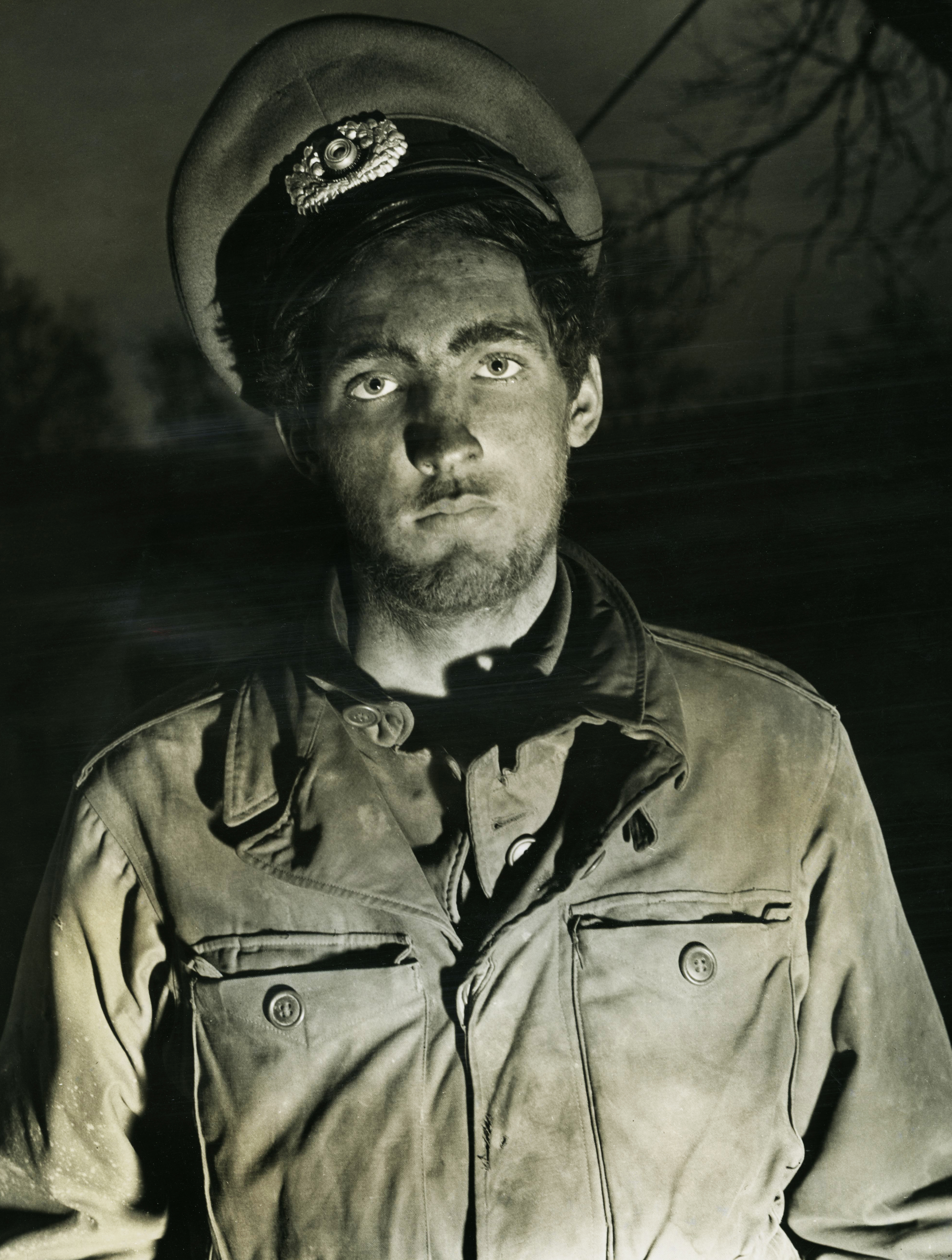
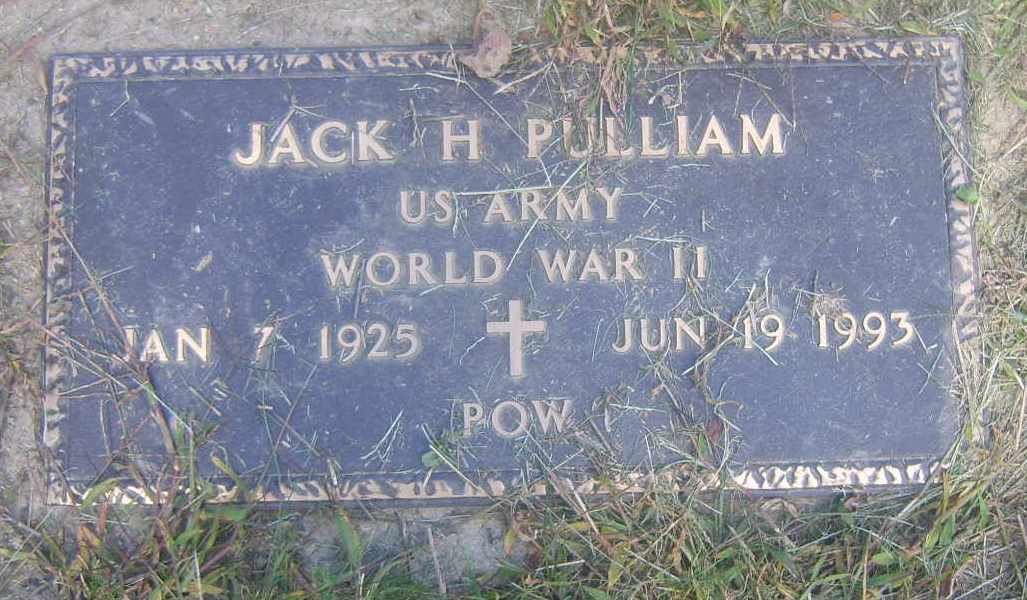
Many incredible WWII US Signal Corps photos were taken during the war, printed, examined and never widely published or circulated.  In tonight’s post, I’m bringing one of these “lost” Signal Corps shots to the world wide web. Staff Sergeant (SSgt) Jack H. Pulliam was a paratrooper assigned as a light machine gunner to Company G of the 513th Parachute Infantry Regiment of the 17th Airborne Division. Pulliam was captured on his 20th birthday during the Battle of the Bulge on January 7th, 1945 in a small village twelve miles outside Bastogne; known as Dead Man’s Ridge, the battle was the first for the “green” 17th Division.  Suffering catastrophic casualties, the 17th was eventually successful in countering the German troops it encountered.  Spending nearly a month in captivity (being wounded during this time) Jack escaped and was eventually picked up by elements of the 4th Division.  The photo below perfectly captures how Jack must’ve felt during the hell of the Bulge and his time imprisoned with the Germans.  Note the dirt and grime on his face and clothes, the stubble and long hair associated with being constantly on the move without access to a razor or washcloth.  He’s also sporting a captured German officers cap with the eagle removed.  I’m hoping SSgt Pulliam took that hat home as a memento of his time in captivity!

167thSignal176cropped

Jack’s National Archives and Records Administration file:

(courtesy of the 17th Airborne tribute site)

Jack was born in January 7, 1925 and spent his youth in Lucerne, PA. He was volunteer for the Army in January 7, 1943 and was inducted on February 20, 1943 at Altoona, PA. He received ASN 33573517 and was sent to the 44th Infantry Division at Fort Lewis, WA. He was volunteer for the Airborne troops and was transferred to Parachute School at Fort Benning in March 1944 where he was finally assigned to Company G / 513th PIR as light machine gunner after having successfully completed his paratrooper course.

On January 7, 1945, on his 20th birthday, he was captured at Flamierge during the terrible battle of “Dead Man’s Ridge”. He was sent to Clervaux, then to Prüm. He was wounded at Garolstein, Germany and escaped the Germans on February 7 with Ed SUMMERS. They reached Prüm on February 9 and went into hiding until the town was taken by the men of the 4th Infantry Division on February 13.

He spent two weeks in hospital to recovering from malnutrition and was unable to return in his unit because of Prisoner of War status. He was finally shipped back to States in March 1945 and completed military as automatic weapons instructor at Fort Benning. He was discharged in November 1945 as S/Sgt.

10707080_129027181351

43191_2421406272_0953-03202

WWII Service Record

WWI University of Vermont 1917 Alumni Navy Veteran – LOST AT SEA – Carroll Goddard Page UPDATE!


PortraitsofWar researched the collegiate times of Carroll Goddard Page back in August of 2011 in hopes of raising interest in the strange loss of the USS Cyclops; the presumed death of this UVM alumni during WWI was also a major focus of our research.  Since then, we’ve looked into various aspects of the University of Vermont during WWI with highlights including panoramic photos taken during the war years as well as photographs of local boys who served in France and Germany in 1917-1921 respectively.

Why an Update?

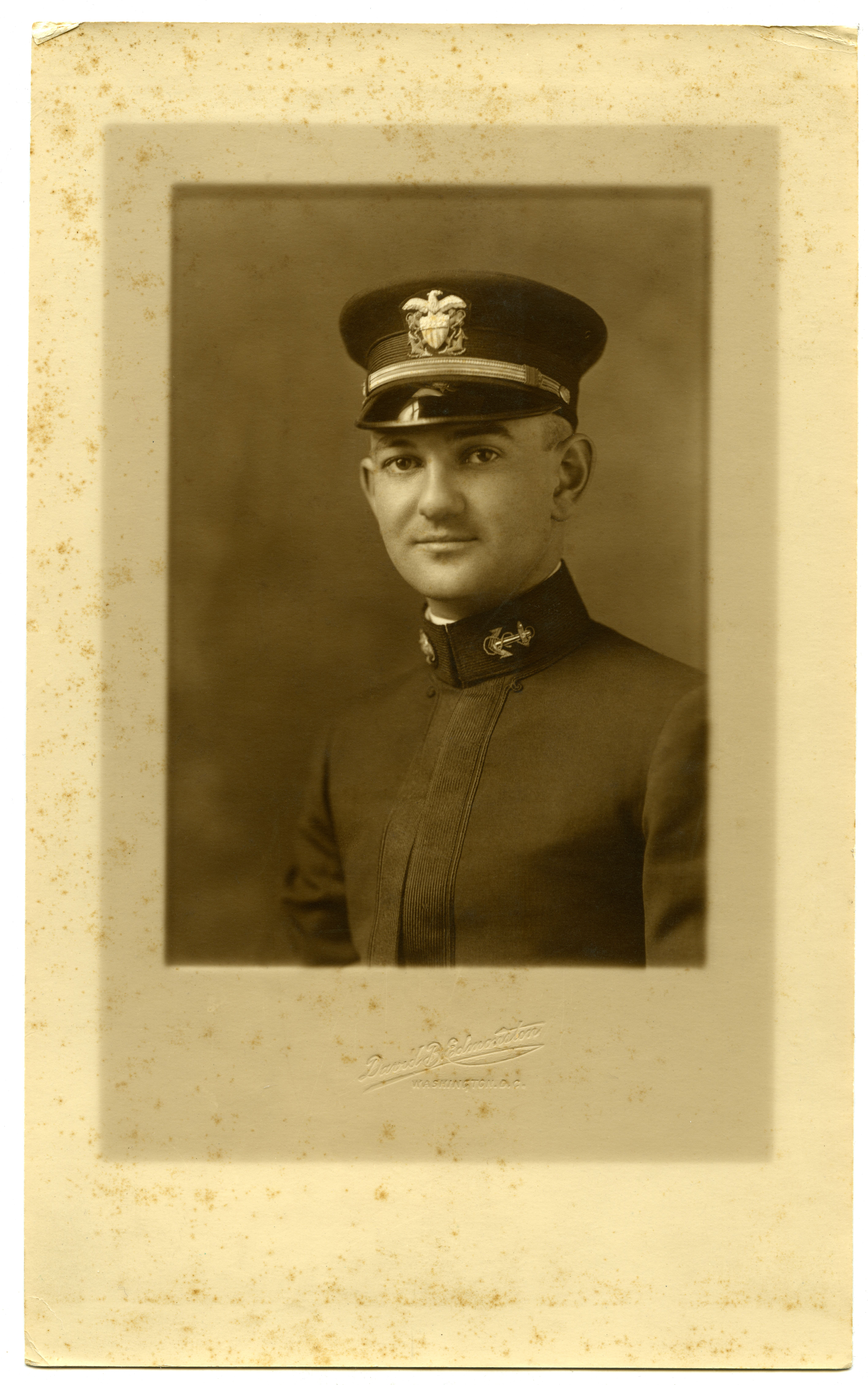
After seeing a recent eBay auction pass during a common search routine, PortraitsofWar’s author instantly recognized the sitter as Carroll Goddard Page.  What are the chances?  At a reasonable $11.73, we made the purchase in hopes of donating the image to the University of Vermont’s Special Collections unit located in the library.
purchase

eBay Purchase Title and Price

Cyclops037a

2016 eBay Purchase – Carroll Goddard Page


_________________________PREVIOUS POST_____________________________


The 2011 post below was created with scant information based on a visit to the UVM Library Annex (when it was still open to researchers) in hopes of tracking down students who served with distinction in WWI.  Our main focus that day was to research soldiers/sailors/marines/nurses who were wounded in action (WIA) or killed in action (KIA) during their period of service.  Interest was also paid to servicemen/women who died of disease or complications during their time in service.


Page in Washington, D.C – Courtesy of the University of Vermont Special Collections

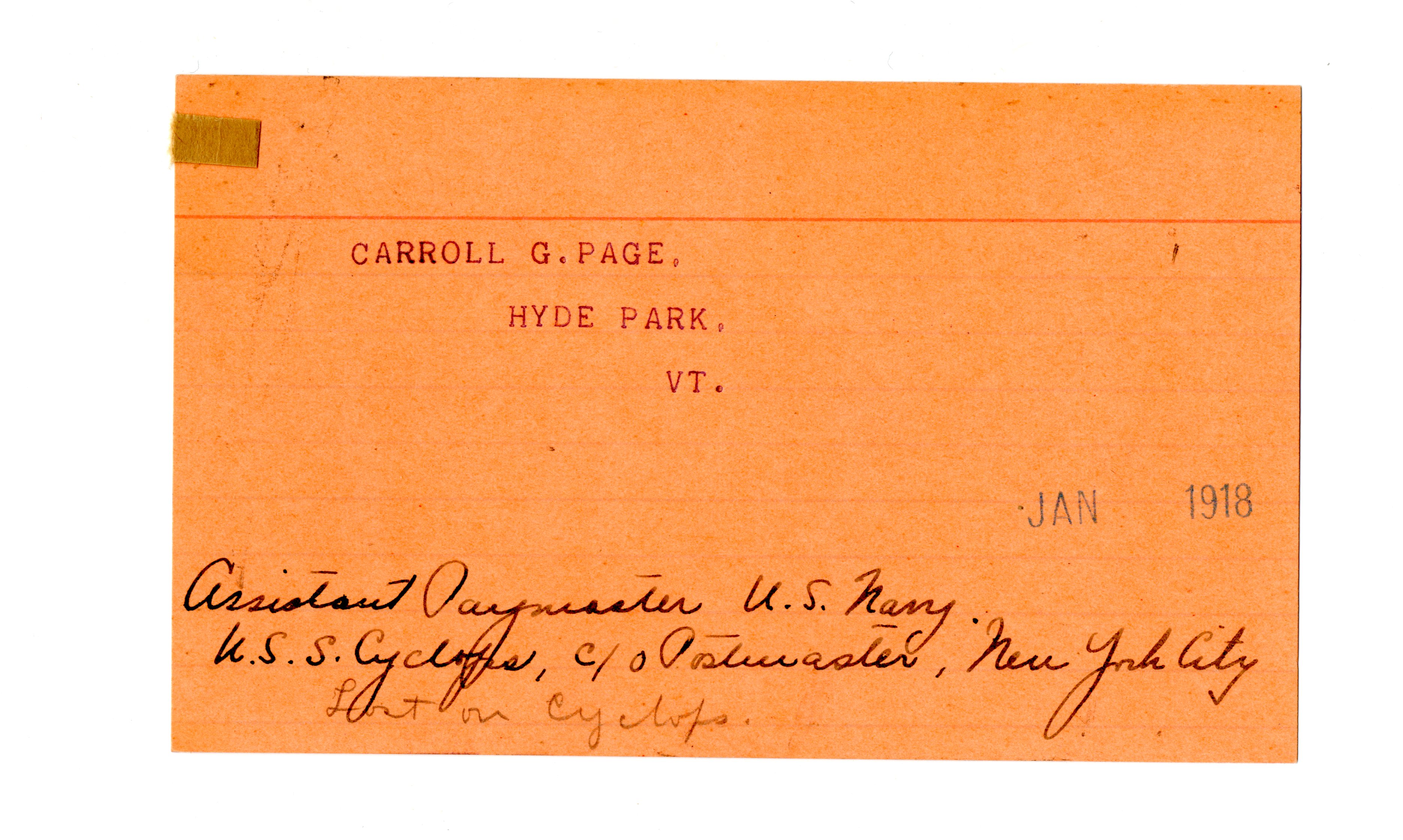
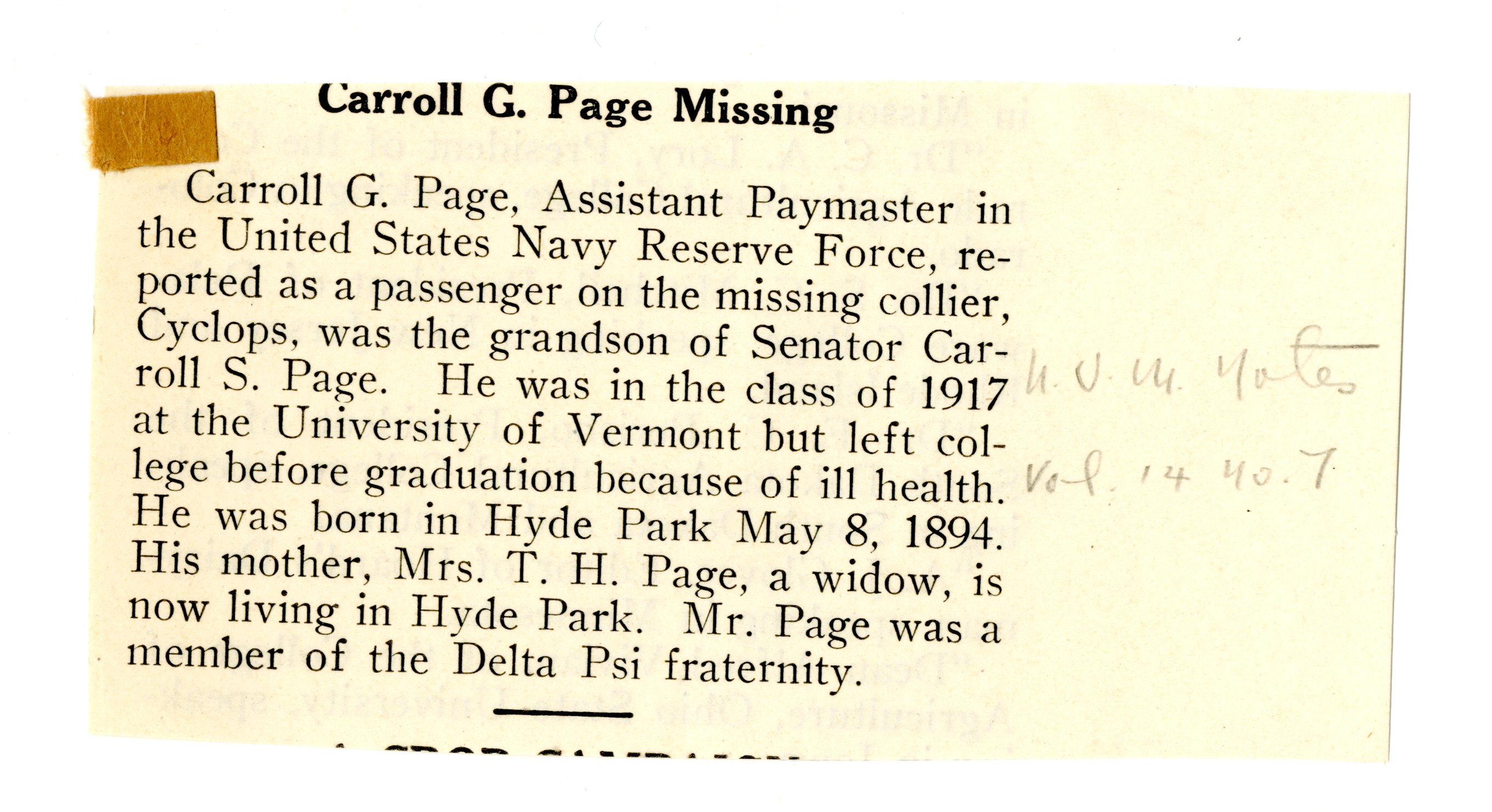
One of the biggest mysteries of the US NAVY during WWI is the inexplicable loss of the USS Cyclops (AC-4) while transporting 300+ passengers/crew and a load of manganese ore from Brazil to Baltimore in 1918.  Carroll Goddard Page, UVM Class of 1917, was aboard as paymaster when the ship disappeared without a trace on March 4th, 1918.  Although a structural failure in the engine is likely the cause, we may never know the true reasons behind the disappearance.
Carroll was a member of the Class of 1917, originally from Hyde Park, he studied business and banking at UVM.  His nickname was “flunko”, and his ambitions at UVM included “raising a mustache that resembles a cross between the Kaiser’s and a hair-lip.”

1917 Yearbook Entry

Carroll’s UVM Alumni Database Entry

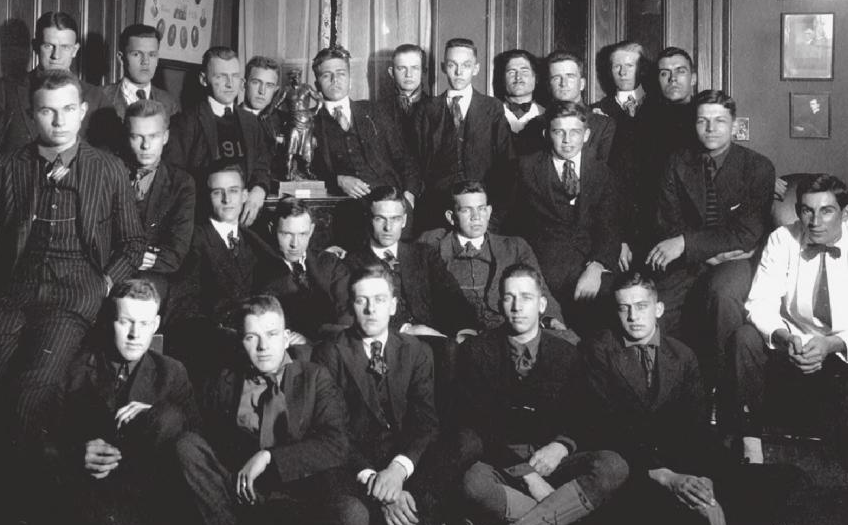
Delta_Psi_in_1916

Carroll and Delta Psi in 1916

Special thanks to the University of Vermont Special Collections!

WWII Portraits – Headshots of the 739th Field Artillery Battalion


I’m trying something new with this post…… I recently purchased a large lot of headshots of unnamed members of the 739th Field Artillery Battalion.  All the photos were taken in a single sitting in a German studio by a photographer named Lothar Schilling.  I’m currently in the process of identifying each of the men using a unit history with group shots of each particular battery….. more to come on that…….

The image below was created by taking a cropped view of each photo and adding them together in quick succession.  Each face is rendered as an individual frame to create a soundless film of the entirety of the group.  I thought it was interesting to see the vast differences in each facial expression of the 90+ man group.  Complete photo lots like this are hard to come by, especially with such high image quality.

output_At3OXF

WWII Photo Identification: John Szlyk of Worcester, MA Interviews Downed Airman in Luxembourg


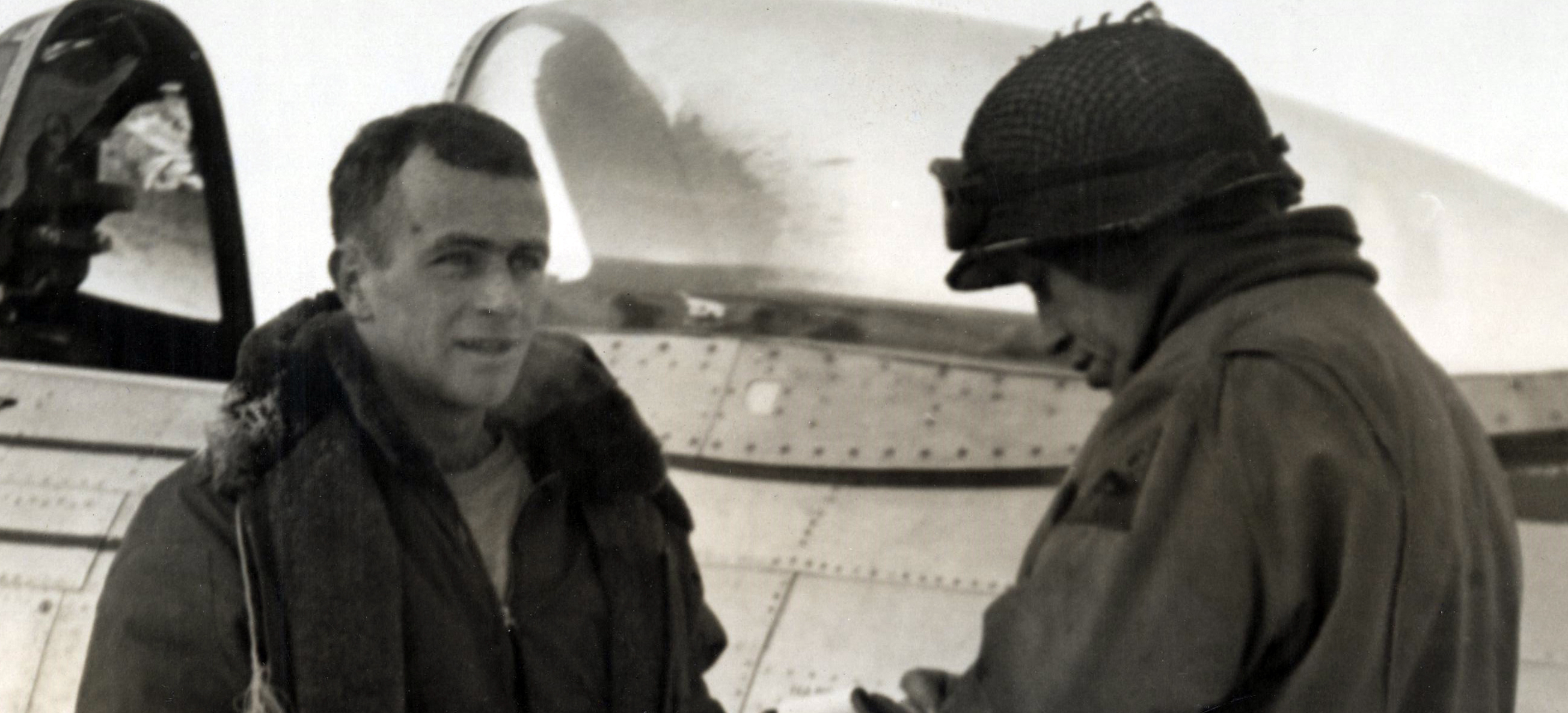
From time to time, I like to go through my collection of historic, identified photography in hopes of making a connection between ID’ed WWII/WWI veterans and their families.  In this case, I zeroed in upon a photo taken on January 29th, 1945 in the Luxembourg town of Boevange.

John Szlyk, 6th AD in Luxembourg

John Szlyk, 6th AD in Luxembourg

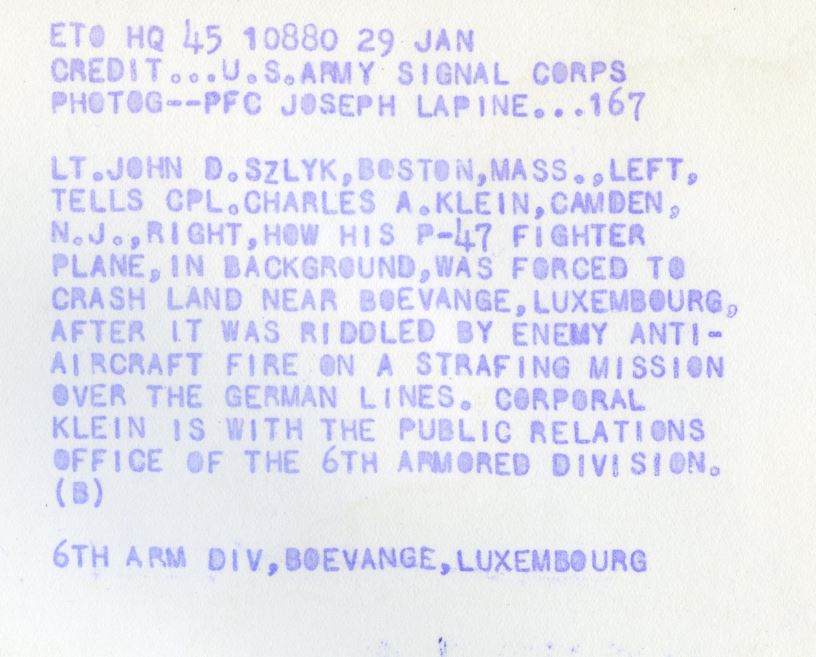
The photograph was luckily identified by the 167th Signal Corps photographer, PFC Joseph Lapine.  The typed transcription of his notes can be seen below:

Joseph Lapine Caption

Joseph Lapine Caption

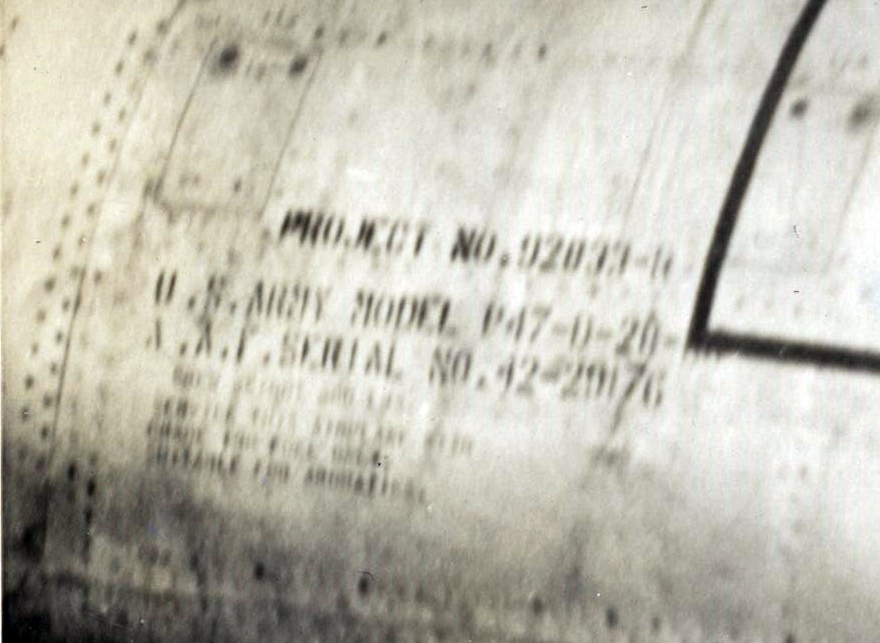
Where does the research start?  First, I carefully inspected the image for identifying marks related to the plane in the background; every US plane during WWII would be profusely marked with serial numbers (S/N) related to it’s production.  In this case, the photo includes two visible locations with reference numbers to aide in the ID of the plane.

S/N Locations

S/N Locations

S/N Location 1

S/N Location 1

Partial S/N Visible

Partial S/N Visible

The information included in Location 1 indicates that the crashed plane is a U.S. Army Model P-47 D-20 RE with an Army Air Forces (AAF) Serial of 42-29176.  Location 2 confirms the last five digits of the S/N.    Strangely, the serial isn’t searchable on the internet, and I’ve come up with nothing………. this is atypical when researching WWII aircraft…….

Plan B

Where do I go from here?

head_scratch

Typically, if I can’t extrapolate research worthy clues from the visual details of the image, I turn to the metadata, or associated information related to the photo.  In this case, I know the photo was taken by a US Signal Corps photographer named Joseph (Joe) Lapine of the 167th (or 166th?) Signal Photographic Company.  More on this later……

Photographers during WWII would typically travel with specific units during times of combat movement and frame shots, take notes, and capture the feel of the war for posterity and the general public back at the homefront.  In this image, Lapine noted the names of the two men in the photo; Lt. John Szlyk of Boston, MA is identified as the pilot, and the helmeted soldiers is ID’ed as Charles A. Klein of Cambed, NJ.

My specialty is identifying specific details of WWII images, researching them, and coming to conclusions based on my  best-guess interpretations.  My background is in anthropology, material culture, history, literature and historic research…..here’s my gut feeling about the photo:

The men in the photo were misidentified by the photographer; the pilot and the 6th armored division names were crossed during the post-photo interview, and Lapine published the image without another thought. My justification is that I cannot, for the life of me, find a Lt. John D. Szlyk of Boston, MA, or a Cpl. Charles A. Klein of Camden, NJ.  They never existed as defined…..

I was, however, able to find a John Szlyk of Worcester, MA (my hometown area!) who was a combat-hardened veteran who served with the 6th Armored Division, having received the Silver Star, Bronze Star, and the Purple Heart with two oak leaf clusters (wounded three times) as well as multiple foreign awards.  Quite the veteran!  His touching obituary can be found here.

Could the photographer have possibly mixed up the names?  I can’t find a Lt. Charles Klein who was a P-47 pilot during the war, but I’m also unable to track down P-47 # 42-29176……

The details from the obituary match up well with the misidentified image…. the 6th AD tanker at right is wearing the exact dust goggles commonly worn by tank commanders during the war.

WWII US Tanker Goggles

WWII US Tanker Goggles

John Szlyk Jr. in WWII?

John Szlyk Jr. in WWII?

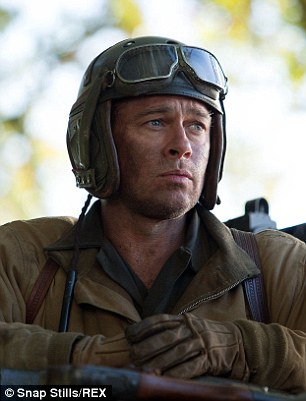
One side note from this research piece: I’ve recently discovered that many internet trolls are unhappy with the goggles worn by Brad Pitt in Fury.  They’re clearly of Soviet make and WWII vintage, but cares?  Maybe his character picked them off a dead German soldier?  The opening scene of the film shows Pitt’s character looting a dead German officer.  The interior of the Sherman is littered with German war loot.  My own grandfather (a tank gunner/assistant driver) used a German holster for his M1911 during the war.  Enjoy the film and chill out!

Russian Goggles?

Russian Goggles?

My ultimate goal for this post is to contact living sons of Szlyk….. I know you’re out there!  Check your facebook messages…….