Portraits of War: A Vermont Veterans Day 2015 Recap


It’s not often that I post material related to living veterans, but I had the distinct pleasure of meeting a group of local Vermont vets on Veterans Day 2015.  One of the events I attended this year was the Community College of Vermont’s Veterans Day interview panel.   I was blown away by the student attendance and the level of excitement in the room; the range of ages in the room varied from early twenties to Jack Goss’ 96. It was a fantastic event, and one that other local schools should promote.

Hell, I even called a few UVM WWII veterans to catch up.  Why can’t larger schools or alumni departments do the same? I digress…


FullSizeRender

WWII 36th Division Veteran and POW Clyde Cassidy and Myself, Veterans Day 2015. Photo By: Josh Larkin, CCV.

Some of the WWII veterans I was able to shake hands with:

Gordon Osborne, 44th Engineers

Curtis E. Brown, 142nd Infantry Regiment, 36th Division, Wounded in Action

Paul Bouchard, USN WWII Minesweeper, USS Signet, USS Tumult

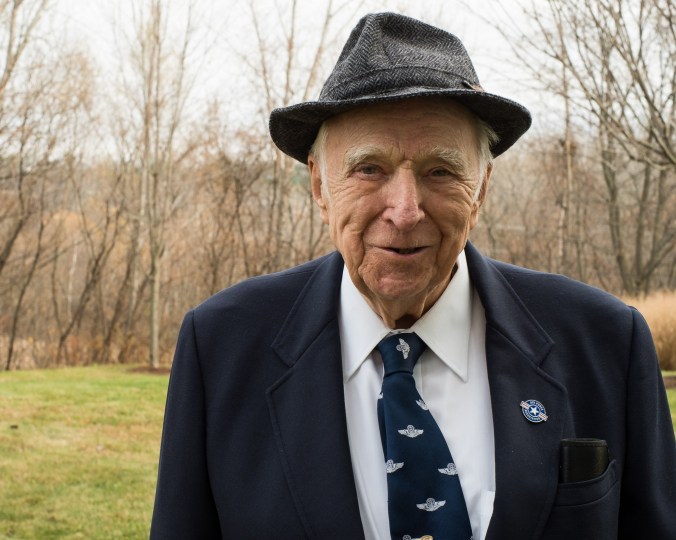
Jack Goss, B-25 Pilot, 310th Bomb Group, Shot down on 40th Mission, POW for three years
20151111_vetDay-2

At 96 years old, Jack Goss was the oldest of the five veterans to speak at CCV on Veterans Day. Photo By: John Larkin, CCV.

Clyde C. Cassidy Jr., Fox Company, 143rd Infantry Regiment, 36th Division, Wounded in Action and POW, Forced march for 70 days before liberated

20151029_vetDay

Calais resident and WWII veteran Clyde Cassidy was force marched for 70 days as a POW. Photo By: Josh Larkin, CCV.

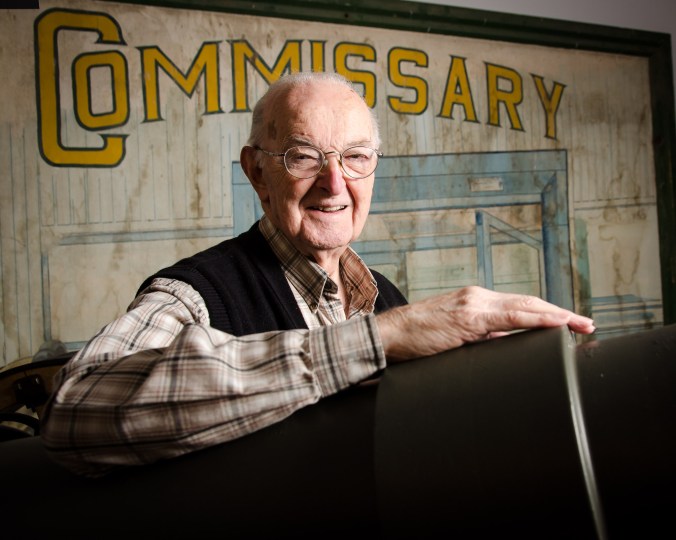
Robert Picher, K Company, 346th Infantry Regiment, 87th Division
20151105_vetDay

WWII veteran Bob Picher spoke at CCV’s 2015 Veterans Day event. Photo By: Josh Larkin, CCV.

Robert L. Coon, G Company, 502nd Infantry Regiment, 101st Infantry Division, Wounded at Bastogne

20151105_vetDay-2

Bob Coon at his home in St. Albans Town.  Photo By: Josh Larkin, CCV

coon1945

T/5 Robert Coon, G Company, 502nd PIR, 101st Airborne Division. Note PUC, CIB and campaign ribbon. SOURCE


One story that we didn’t hear at the CCV veterans day ceremony involves the water landing of Jack Goss’ B-25 in the waters off Italy.  The story actually involves one the P-38 pilots who continually circled his aircraft in hopes of aiding in the safe retrieval of the crew.  Sadly, his plane went down….. All the following info is from the US Army’s veteran service site.

https://army.togetherweserved.com/army/servlet/tws.webapp.WebApp?cmd=ShadowBoxProfile&type=Person&ID=223429

206417_med

P-38 Pilot Robert Smidt

Comments from Website Regarding Downing of Goss
Since creating this profile, I have contacted the P-38 pilot who was leading the P-38’s that were escorting the bombers (he also completed the Missing Air Crew Report) and one of the surviving members of the bomber crew.

The leader of the P-38’s emailed this message:

On August 19 1943, I led a flight of P38s in a 96th Squadron formation on a Bomber Escort mission to lower Italy.


As I did not have a regular flight with the same pilots each time, I don’t remember who was in my flight, but I don’t recall having to back off on any maneuvers because one or more couldn’t keep up.


After the target and crossing the coast of Italy, I saw a B25 land in the water and the crew get into a rubber life raft.  I drank enough water out of my canteen so it would float and dropped it to them  I started circling to keep them in sight while expecting the air rescue plane to show up.  Clayton Tillapagh saw us and flew high cover.  After some time, Clay and I decided the rescue plane was not coming and we each sent our second element to Palermo to gas up and try to get him to come.  Clay and I stayed until we had to leave to get gas and we went to Palermo.


We were able to convince the rescue pilot we could cover him and we went back to where we had left the life raft, but we were not able to find it.  We learned much later the crew had been picked up by an Italian Hospital ship very soon after we left them.  We went back to Palermo and spent the night before returning to Grombalia.  Landing at Palermo in a valley, on a runway that did not have runway lights, on a dark night is something I would rather not do again.


I am assuming Smidt was in my second element and after leaving to get help, I never saw him again nor ever heard why he ended up missing.


In retrospect, it never entered my young mind to ask if everyone knew their way home.
1st Lt Alan R Kennedy

FO Robert (Bobby) Smidt disappeared over the Mediterranean Sea in August 1943.  Bobby was piloting one of the P-38 Lightnings from the 96th fighter Squadron that was escorting B-25 bombers from the 310th Bombardment Group on the way to bomb Salerne, Italy.  One of the bombers went down in the Mediterranean and Bobby was circling over a rubber dingy that the bomber crew was in.  No one knew whether Bobby was low on fuel and left or just crashed in the sea.  Read some of the documents posted for more details.

I talked to SSgt Lamar Rodgers, Aerial Gunner, the bomber crew member on the telephone and he told me that a P-38 had circled them for 4 hours before it left.  One P-38 flew over them at about 40 feet and dropped a water canteen.  He said he remembered that day like it was yesterday.  They had spent the night in the dingy and turned on their emergency radio that transmitted an SOS in the morning.  The Germans were on them within 30 minutes of turning on the radio.  The six crew members spent 21 months in German POW camps and were released at the end of the war.  As of 2-13-2011, there are only two surviving members of the bomber crew; Lamar F Rodgers and the pilot Ralph R Goss.



73 Years Later: The Battle of Tarawa in 35mm Color


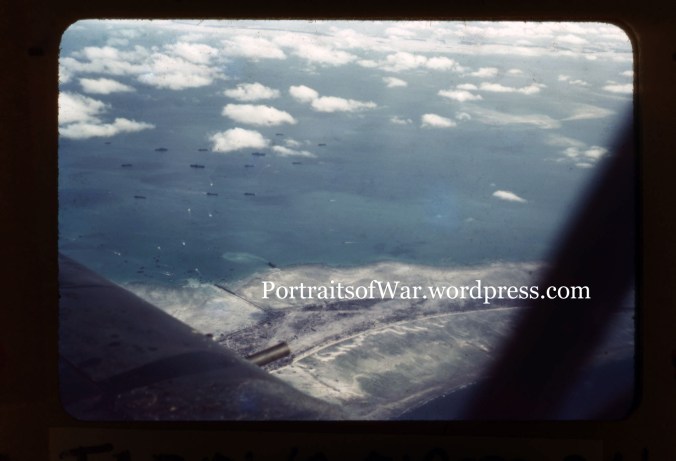
Many  followers of PortraitofWar.com know that I have a strange passion for WWII amateur color photography. In this case, I luckily remembered that anniversary of the Battle of Tarawa is upon us and decided to post some of of the material I’ve acquired over the years that directly relate to the Battle of Tarawa.  When the Marines landed on the Tarawa (Gilbert Islands, Micronesia) on November 20th, 1943, a pilot who launched from the USS CHENANGO (CVE-28) snapped a series of 35mm color photos while flying overhead providing fighter support.

Tarawa Flyover 1

Tarawa Flyover 1

And an actual aerial color snapshot taken during the opening hours of the November 20th, 1943 invasion.  The pilot had his 35mm camera with him and snapped dozens of shots during the initial invasion; the following shots are the only known aerial color photos of the Battle of Tarawa!

Tarawa Flyover

Tarawa Flyover

chenangoslide019

Tarawa Flyover 2

Tarawa Flyover 2

Vermont WWI Veteran Post: Rutland County Veterans Return Home – Rare 1919 Celebration Footage


After years of stagnated war, Vermonters were ready to celebrate the return of Rutland County’s men and women in uniform. The Vermont State Fair has been held in the same location every September/October since 1846; nearly 73 years before the film was shot, and exactly 171 years before the date of this blog post.

I purchased this original reel of 1919 footage on the internet from a local Vermont dealer.  The footage was saved midcentury by a famous film preservation specialist, film historian and local Northeast historian named Karl Malkames, who apparently found the footage in disrepair and did his best to conserve the remaining material.

Although the footage was expensive, I was able to find a company to digitize the fragile footage and provide digital files of the film.  The content is spectacular, and MAY represent the first confirmed footage of a plane flying in Vermont………..

The men and women in the film can be clearly seen wearing the WWI Rutland County Service Medal; a commonly sold item on the internet, it’s uncertain how the actual medal was distributed following the war.

WWI medal for wartime service from Rutland County, Vermont

WWI medal for wartime service from Rutland County, Vermont

WWI medal for wartime service from Rutland County, Vermont

WWI medal for wartime service from Rutland County, Vermont

And for those of you who don’t know Rutland…. here’s an aerial view of the Agricultural Fairgrounds where this footage was taken in October of 1919.

Rutland County Fairgrounds

Visualizing Shell Shock in World War One: Footage from the British War Archives


WWI has the dubious distinction of being the first modern war to be fought with the mass of industrial mechanization and production in close support.  To a lesser extent, this distinction is also often shared with the American Civil War.  The mental distress of the soldiers involved in this global war are well known to most schoolchildren enrolled in Social Studies or History classes.  The psychiatric distresses imparted upon these men during the massive artillery bombardments of 1914-1918 are best exemplified in the following video made available by the British War Archives.
Select section 3 in the left hand drop down menu.  Or watch the whole series!

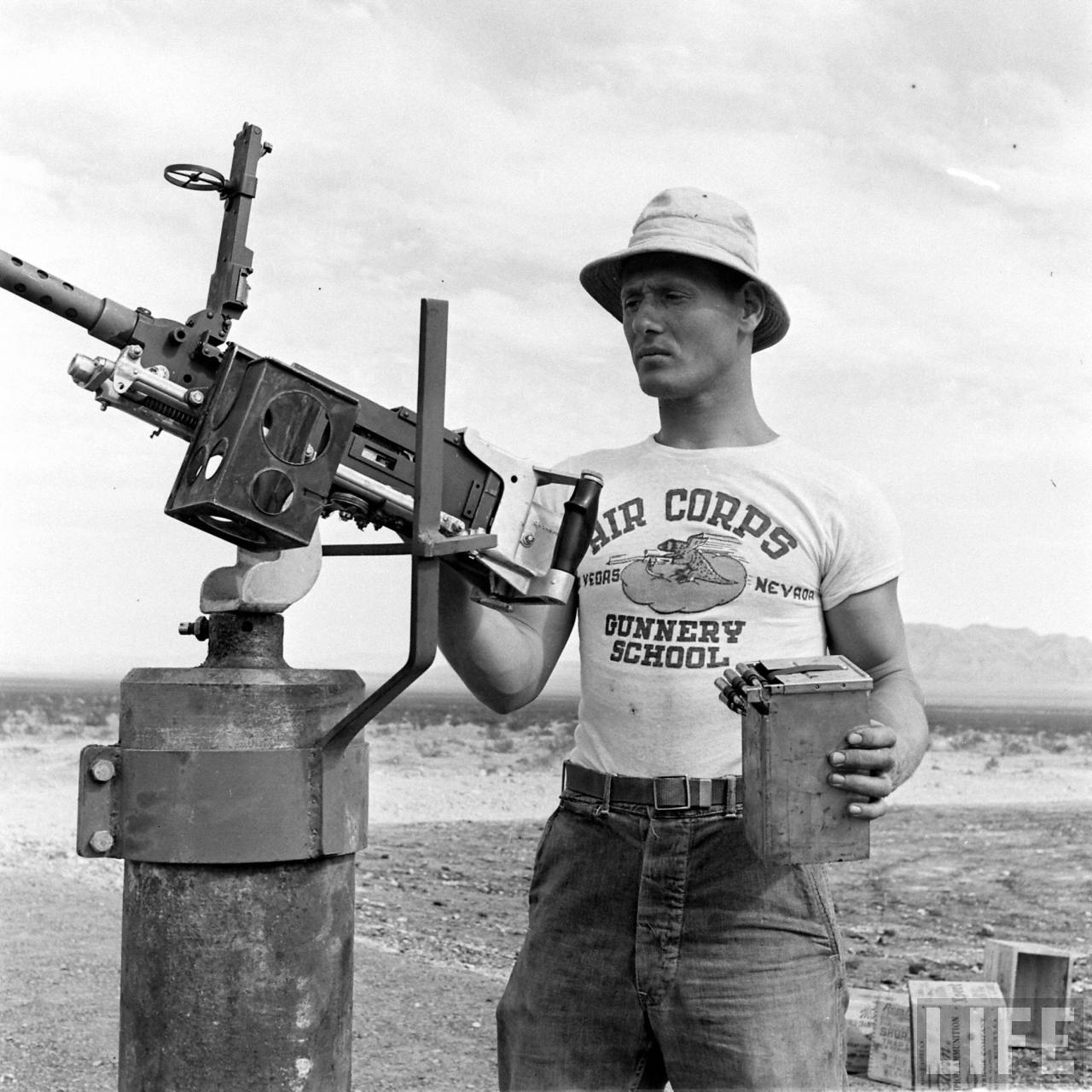
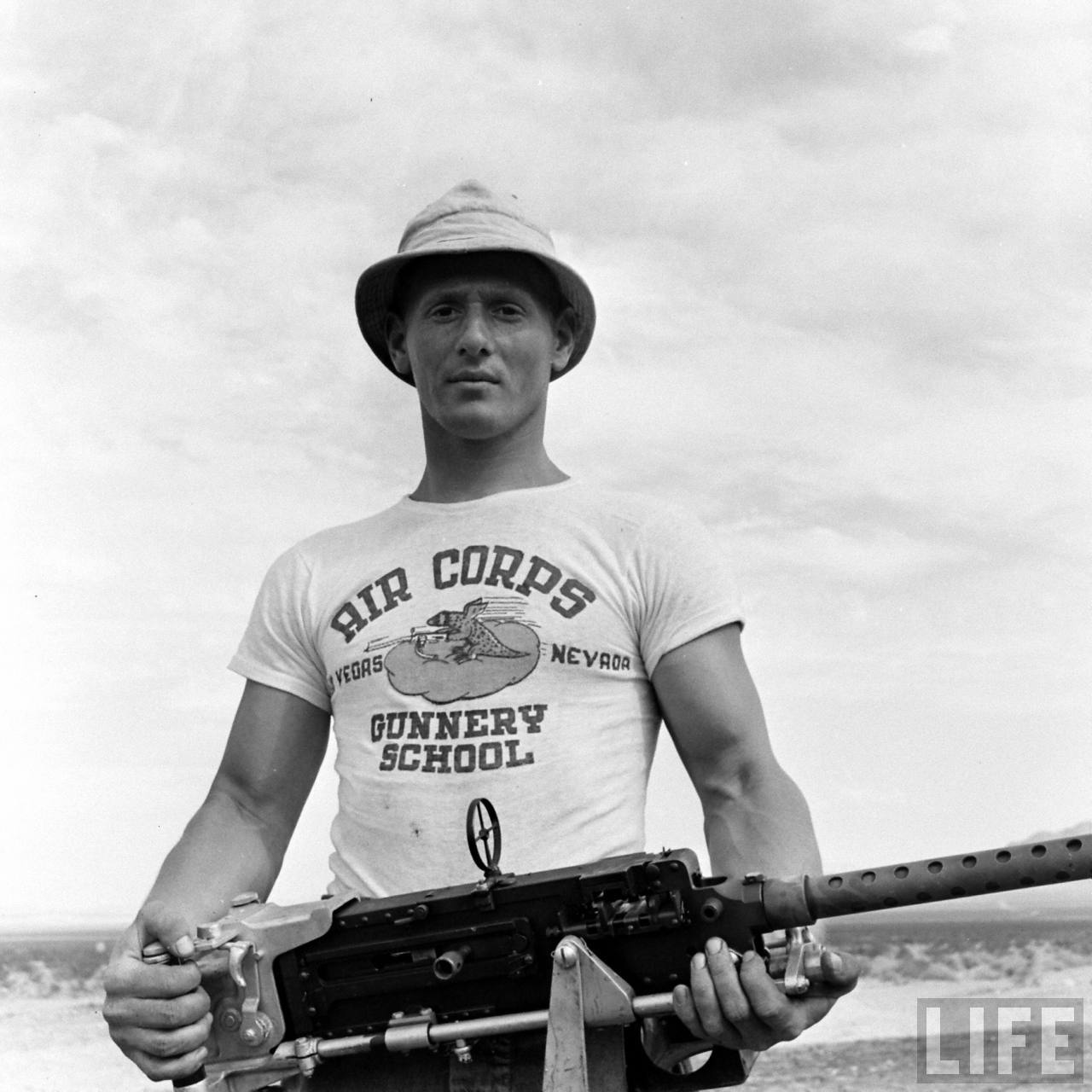
Birth of the American Graphic T-Shirt: The Las Vegas Gunnery School Official WWII Shirt


Corporal Alexander Le Gerda in his 1942 LIFE Appearance

Corporal Alexander Le Gerda in his 1942 LIFE Appearance

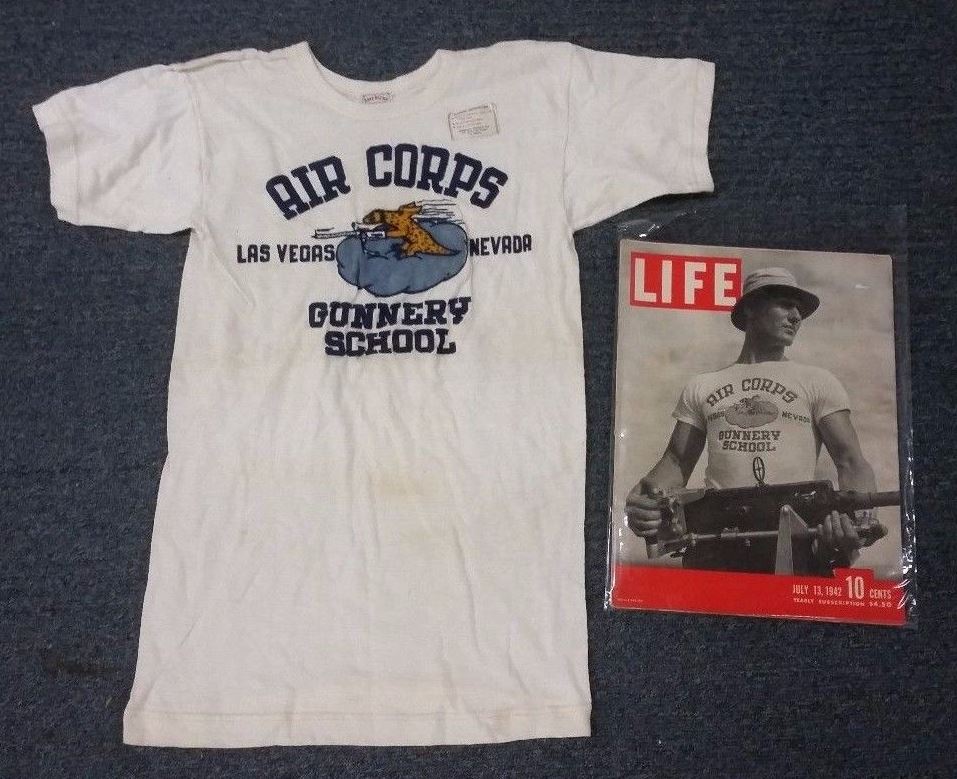
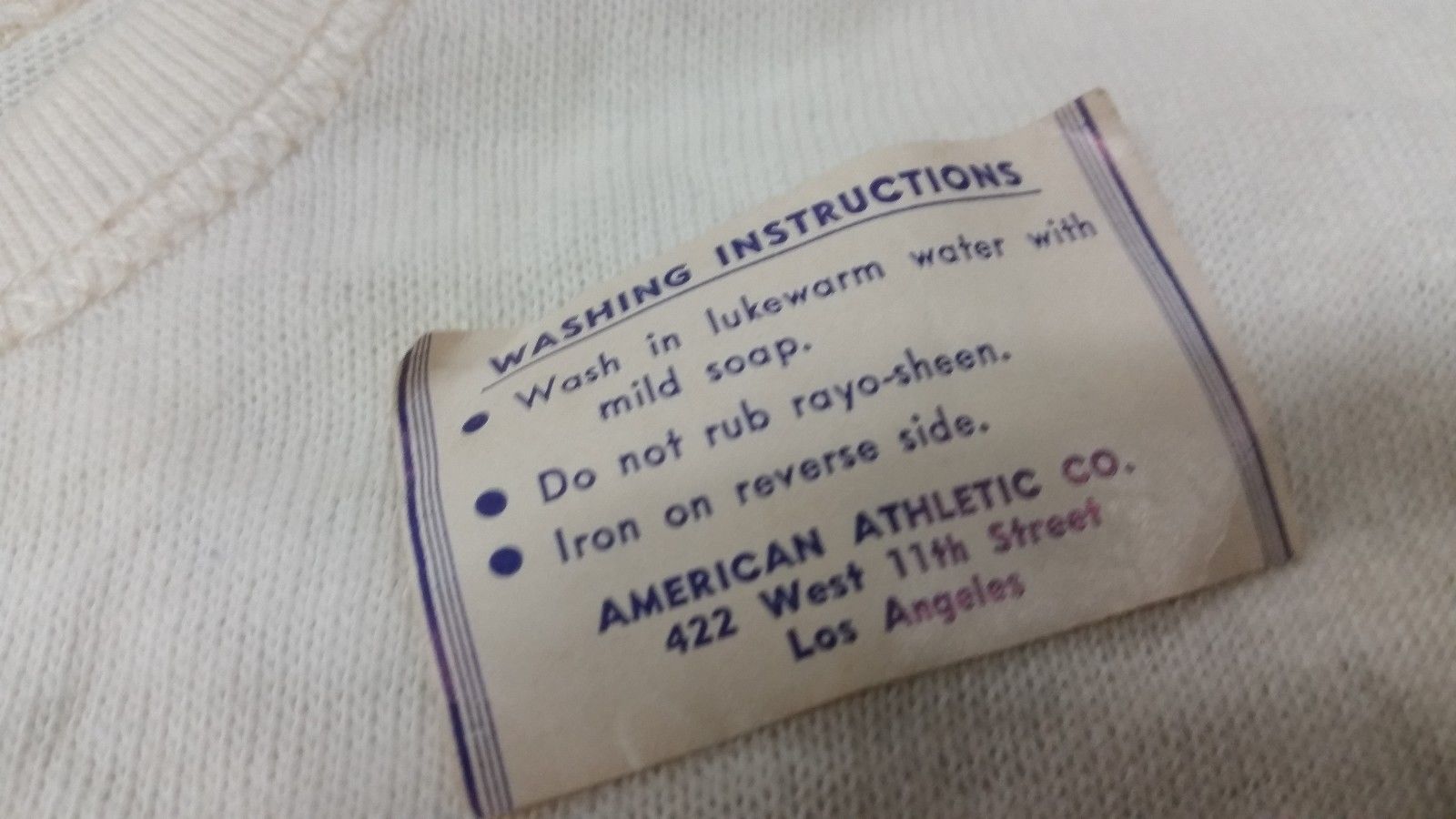
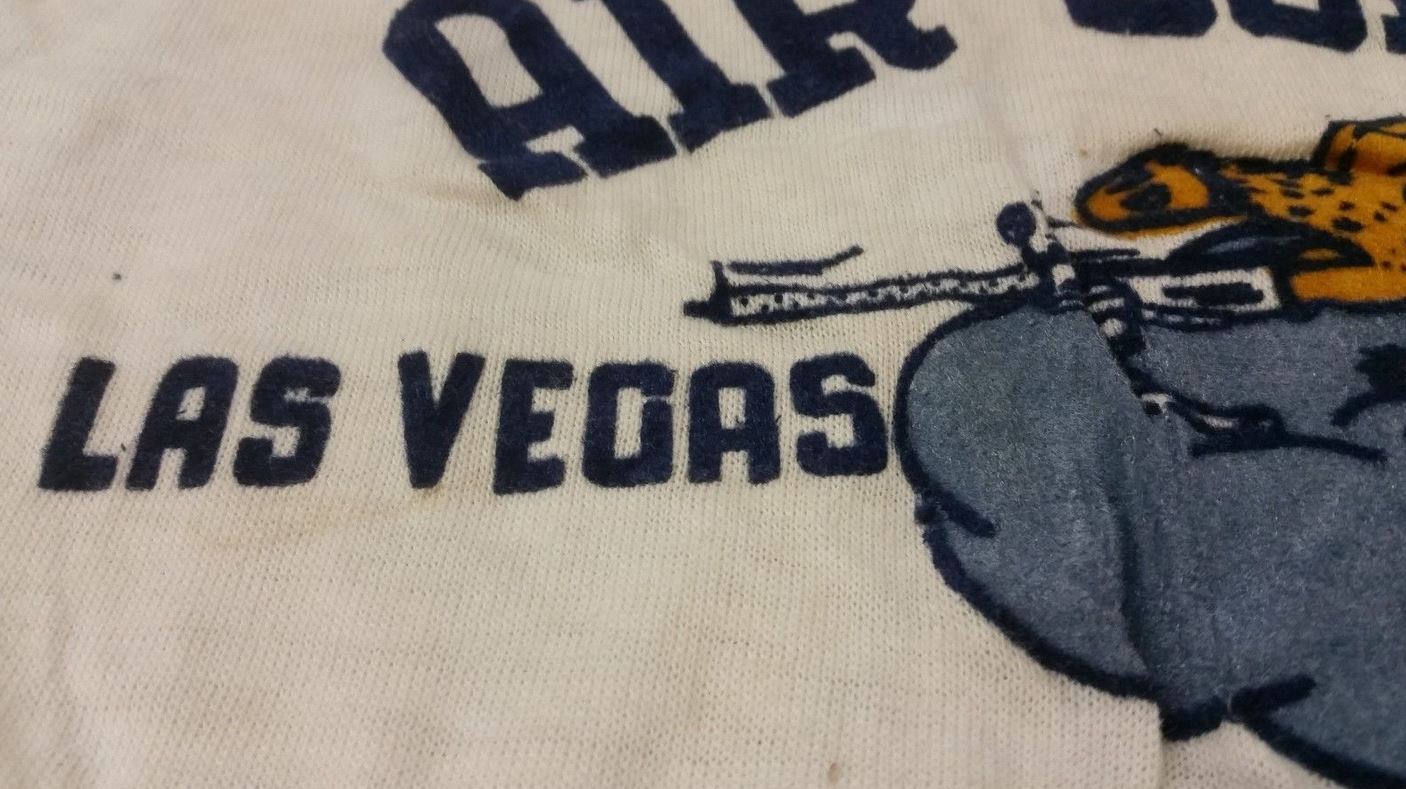
Corporal Alexander Le Gerda is the first person in history to be included in a popular magazine  wearing a  graphic t-shirt.  His photo made the July 13th, 1942 cover of LIFE Magazine cradling a .30 cal. machine gun and sporting a tight fitting athletic tee made by the American Athletic Co. in Los Angeles, CA.  An original version of this shirt recently sold (August, 2015) for over $1,000 USD.   The shirt depicts a winged horned toad shooting a .30 calibur machine gun perched upon a cloud.  The shirt is commonly reprinted but with incorrect colors for the mascot.  The true color is a yellow ocher, when some sites print the shirts with a light blue.   Screengrabs from the completed auction can be found here:

This original 1942 Las Vegas Gunnery School T-Shirt sold for $1,009 on August 23rd, 2015

This original 1942 Las Vegas Gunnery School T-Shirt sold for $1,009 on August 23rd, 2015

Original Laundry Instructions

Original Laundry Instructions

Closeup of Text Applique

Closeup of Text Applique

Winged Armadillo

Winged Horned Toad

American Athletic Co. Tag

American Athletic Co. Tag

Although spelled Le Gerda in the original 1942  LIFE article, Alexander’s surname is correctly spelled as Legerda in official government documents.  Among the multitude of internet sites dedicated to the poster child of the American graphic T-shirt, none delve into the life of Mr. Legerda.  Here at Portraitsofwar, we strive to dig out the details hidden in plain sight.

I first started with a social security death index search for Alexander Le Gerda.  The article mentions that Alexander was 23 at the time of the article, and I based my birth year search at 1919 to be safe.  No hits on ancestry for an Alexander Le Gerda…… but a solid hit for a LeGerda of the same first name.  Eventually rising to the rank of Sgt. with the 94th Bomb Group during WWII, LeGerda was born and raised in the Lehigh Valley area of Pennsylvania.  Lehigh Valley is generally located north of Philadelphia and west of New York City, and encompasses a handful of towns along the NY/PA border.

Alexander was born on April 24th, 1919 and passed away on August 3rd, 1998 at Sacred Heart Hospital in Allentown, where he worked as a maintenance man for 1601 Realty.   His 1998 obit can be found below:

Alexander LeGerda; 79; Allentown; died Monday, Aug. 3, Sacred Heart Hospital; husband of Elizabeth “Shay” (Albert) LeGerda; married 52 years in June; maintenance man, 1601 Realty, Allentown, 14 years, retiring 1992; 1942, became first Lehigh Valley resident to have picture on cover of Life magazine, subject of a feature story about work in Army gunnery school in Las Vegas; born Topton; son of the late Elias and Mary (Krauss) LeGerda; member, St. George Antiochian Orthodox Church, Allentown; Army Air Corps veteran, World War II; sergeant, 94th Bomber Group. Survivors: wife; daughter, Donna Shay LeGerda, wife of Aaron Kotzin, Soldotna, Alaska; sisters, Mary Shahda, New Orleans; Anna Noble, Quakertown; Helen Springer, Rosewood, Calif.; granddaughter. Weber Funeral Home, 502 Ridge Ave., Allentown.
[obituary, The Morning Call, Allentown, PA, Wednesday, August 5 1998, page A-11]

In the coming weeks, I hope to reach out to family members to see if any stories passed down from Alexander in regards to his time as a cover model for the Air Force Gunnery School.  I wonder if he was aware of his singular fame as the first person to wear a custom printed t-shirt in mass media?  These shirts were common during the war, and I have dozens of examples of uniquely printed unit-based and camp-based printed tees during the war, but this is the singular example of a popularization image of the soon-to-be popular graphic t-shirt.

The photos were taken by famed documentary photographer Eliot Elisofon and are available for viewing in the LIFE magazine archives.

Another View of Legerda

Another View of Legerda

Full Frontal

Full Frontal

The Mystery of the German POW of WWI: A Photographic Study


It’s been a long month for us here at PortraitsofWar, and we apologize for a lack of posting since the last photo on April 3rd.  In today’s post we will be looking at a different side of the war than normally highlighted on this blog.  Normally focused on American portraits, photos, and slides, we will be dissecting the story behind a German prisoner of war being held in Marseilles, France in 1918.

Unteroffizier Grießbach as a POW in France

Unteroffizier Grießbach as a POW in France

Before delving into the biographical information hand inscribed on the reverse side of the image, we will inspect and identify the visual imagery captured on the obverse.  The first thing of note is the format of the image.  The photo was printed as a real photo postcard (RPPC) and was likely obtained in a pack of 6 or 12.  It’s not uncommon to see identical copies of WWI RPPC’s pop up on the market from time to time.  The consistent size, quality and subject matter of these images make them a highly collectable form of WWI militaria.

The three major identifying features present on the front of the RPPC will need some research using easily-accessible internet resources.

  • Buttons
  • Collar Insignia
  • Cap/Headgear

Buttons

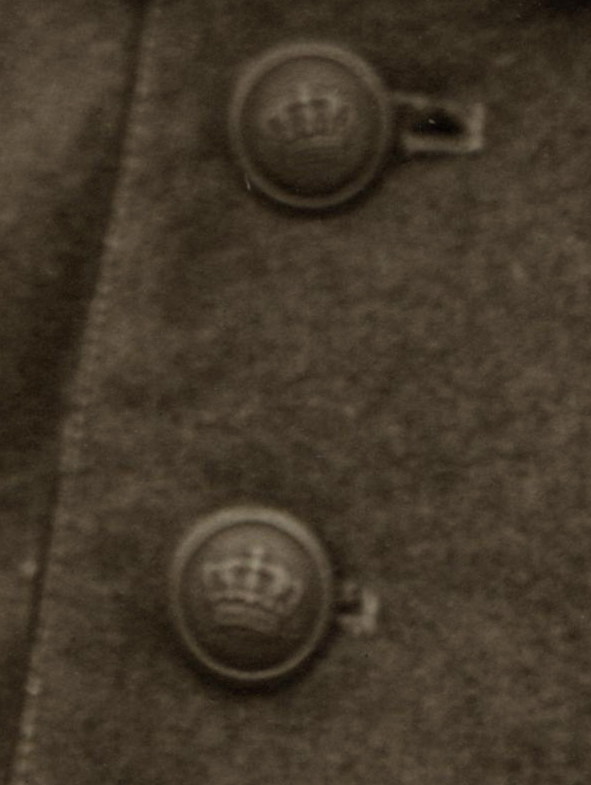
Upon quick glance it’s clear to see that the buttons running down the center are a rimmed (see the raised edge along the outside of the button) with a crown in the center.   This type of button is widely known as the standard button of a WWI German soldier and were made to be removable to allow for the cleaning of the uniform. This was a common standard of many nations during WWI.

Rimmed Crown Button

Rimmed Crown Button

Collar Insignia

The next identifiable feature of the tunic is the visible decoration of the collar. Here at PortraitsofWar, we’re use to identifying WWI doughboy collar insignia, but had to rely upon outside sources to help with this particular post.  The first thing to call attention to the neck region is the disc on the left side of the sitter’s uniform.

Collar Details

Collar Details

The disc on the left hand side of the photo is known as an Non Commissioned Officer collar disc (sometimes as disk) and can infrequently be seen in period studio photographs.  A lengthy internet-based search only turned up a small handful of images, the best of which can be seen below.

NCO Discs

NCO Discs

dscn1209r

NCO Discs

Headgear/Cap

The third and final identifying feature of the obverse side of the photo is the headgear worn by the sitter.  It appear to be an easily bendable version of the Prussian feldmutz field cap.  This style of cap was popular with NCO’s and were easily folded or packed for transport.  WWII versions were popularly known as “crushers.”

Prussian Feldmutze

Prussian Feldmutze

Cap Cockades (Kokarden)

The circular insignia seen on the cap above are known as cockades, or kokarden in German.  Sadly, the photo we’re working with is in black and white, but typically each cockade color helps identify the unit type, region and era of creation.

Visual Observations

So what do we know just by viewing the front of the image?  We certainly know the soldier is an NCO in the German Army during WWI.  He’s sporting all the fittings associated with a non commissioned officer of the period, but doesn’t have all the extra tidbits normally associated with a WWI period phograph. Where are his ribbons, medals and weaponry?

Hand Written Reverse Side

In the world of identifying WWI photos, the really important research material is always included on the backside (reverse) of the image.  In this case, the German soldier oddly wrote in French to an unmarried friend or relative of his who was living in Dresden during the time. It’s very likely that he was writing to a girlfriend or close female friend, as the wording is very proper.  Please see below for a low resolution scan of the backside.

Photo Backside

Photo Backside

What does the backside tell us? 

Firstly, it’s clearly a real photo postcard created to be sent to recipients.  The CARTE POSTALE header is a clear indicator of it’s origin: France.  The sender of the postcard notes Marseille as his current location, and Dresden, Germany is the destination.  How do we interpret a real photo postcard without knowing anything else about the people included?  Isn’t it strange that the postcard doesn’t include a message?  This infers a close connection between the writer and recipient.  Perhaps she already knows about his wartime status.

Writer Section

This section is typically reserved for messages but, in this case, relays the status of the photographed soldier’s military situation.   His handwriting is careful and is strangely written in French without the normal stylistic handwriting nuances of Germanic writing of the period, it becomes easy to make out the passage.

“Uzfdir. Griessbach

pris. de guerre

6283, depit de Marseille,

detacbhment coulou

(Ceceille) france”

The surname of the sitter is uncertain at this point.  Is is Greissbach, Greissback, Greissbarf or possibly Greiss back?  The prefix Uxfdir. is short for Unteroffizier and can be easily related to a rank between corporal and sergeant most worldwide military rankings. It’s odd that an Unteroffizier would wear an NCO collar disc, but that is an issue best left to the armchair historians who browse this blog.

Who was it sent to?

“Frau Gerfrun Griecfsbahn

Dresden-U

Weinbergstraße 1/73 I”

Was this woman living in Dresden at the time?  Does Weinbergstraße 1/73 I correspond with an apartment number in the city?

If so, this is the location of the house the postcard was meant to be delivered to:

Weinbergstraße 73, Dresden

Weinbergstraße 73, Dresden

And is this the house that the card was meant to be sent?  I recognize the Audi in the carport! I used to have the same model.

Weinbergstraße 73

Weinbergstraße 73

I need the help of German speaking friends to help decipher the last names of the sitter and the recipient. Hopefully we can narrow down the search using the power of the internet.  If you have a clue that may help, please don’t hesitate to comment on this post!

Knitting for Victory! (free knitting patterns included!)


Most of my readers probably don’t knit, but I came across this blog post and had to share!

knitbyahenshop's avatarknitbyahenshop

knitting and history

[UPDATE: I posted even more patterns from this historic knitting book here in 2013!]

Today is Veterans Day and it is also the 1 year anniversary of when I started this blog. So this post will combine two things I love: history and knitting. With free historic knitting patterns, no less!

As I wrote about in my very first post, what we in the United States call Veterans Day is known to Europe, Canada and most of the world as Remembrance Day. This year we’ll observe the holiday on Monday, but the actual date is the eleventh because Nov. 11 1918 was Armistice day—the day that World War I ended. The United States lost maybe about 100,000 or so soldiers in the Great War. European countries lost millions.

The  Great War, as it was then known, started in 1914, but the U.S. did not join until 1917. During the years the…

View original post 810 more words

The Art of War: Collecting Government Illustrated Booklets and Publications


Today’s post will be a little different than most of my typical photographically-centered material. Various government offices and departments printed these for a multitude of reasons.  Some were printed by the Red Cross, others were aimed at health and hygiene, some were distributed by the Stars and Stripes to help wounded soldiers feel a bond with their Division or branch of the Army, while others were directed towards tourism and cultural sensitivity.  All the scans in today’s post are from my collection and have been picked up over the years for a few dollars each.  Some are very common, while others are scarce.  The most popular amongst collectors are the divisional histories printed and put out by the Stars and Stripes.  Some can fetch upwards of $100 US.

Many of the artists and writers for these publications are unknown and lost to history.  In a few cases I’ve been able to track down the names of the original illustrators.  Here are a few that I’ve researched for this website:


And here are some illustrated booklets which were printed in order to direct US service members stationed or visiting foreign countries:

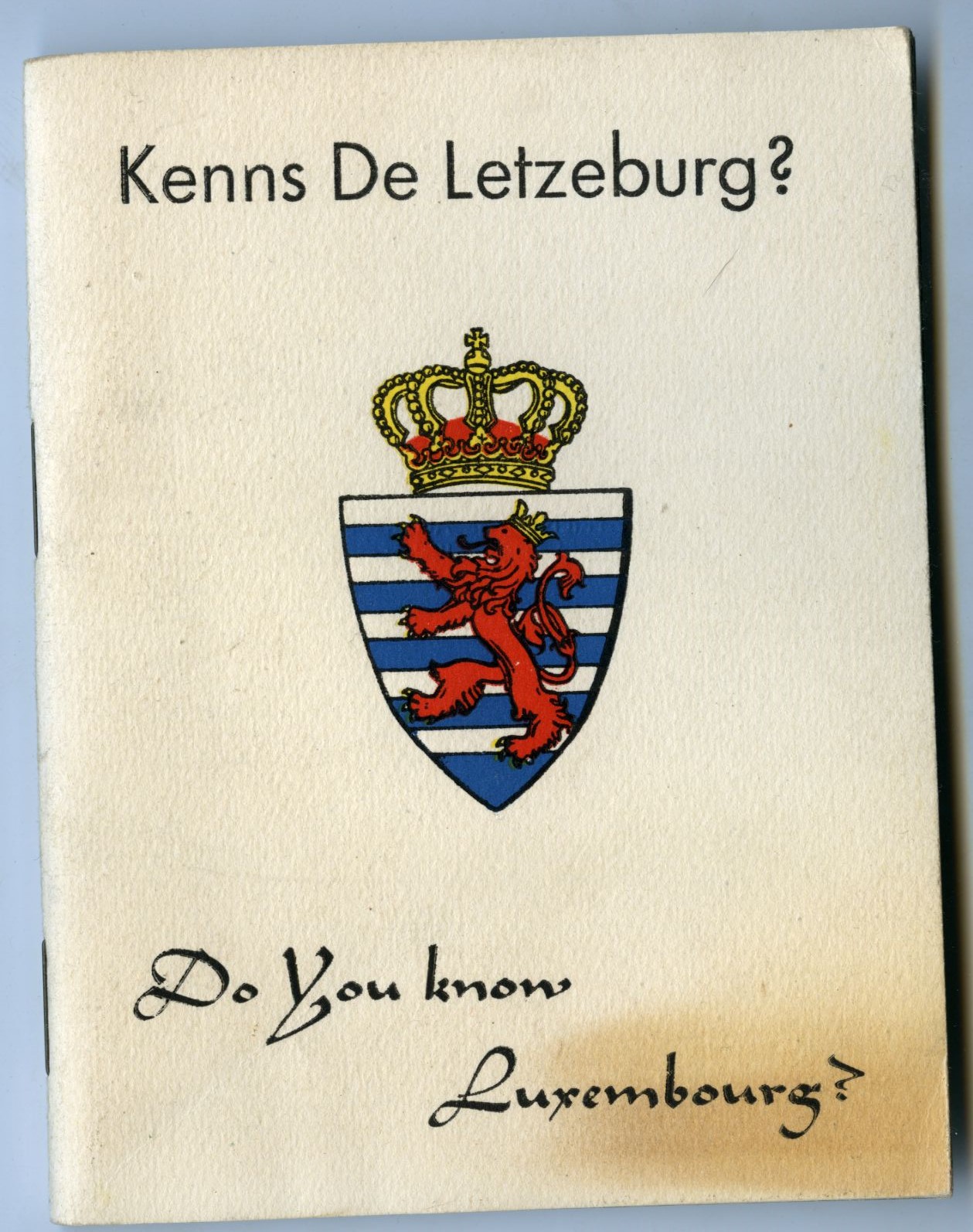
Booklet064

A Pocket Guide to Luxembourg “Do you know Luxembourg?”

Booklet063

Pocket Guide to the Dutch East Indies

Booklet062

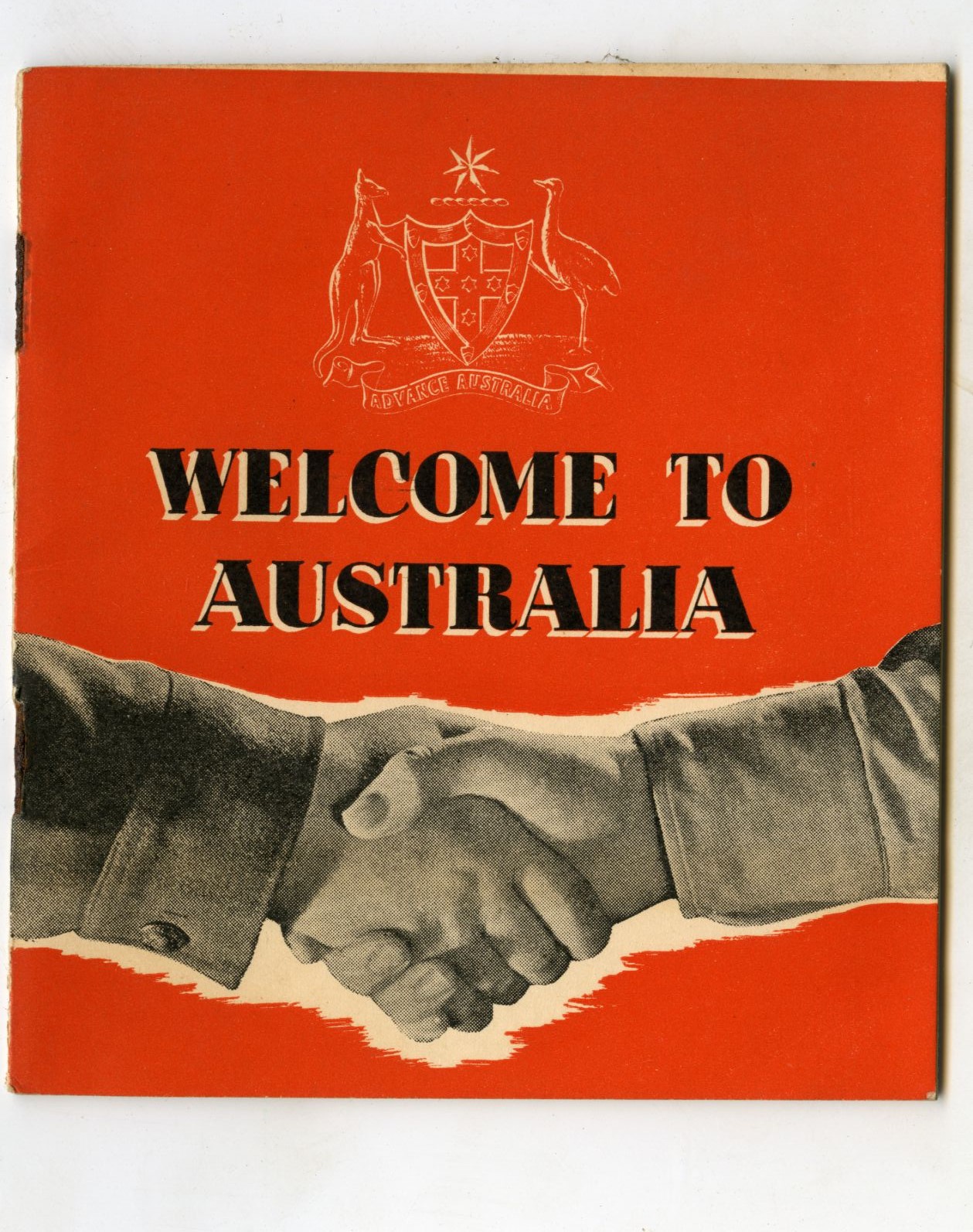
Welcome to Australia

Booklet058

How to See Paris “For the Soldiers of the Allied Armies”

Booklet057

Pocket Guide to the Cities of the Netherlands

Booklet056

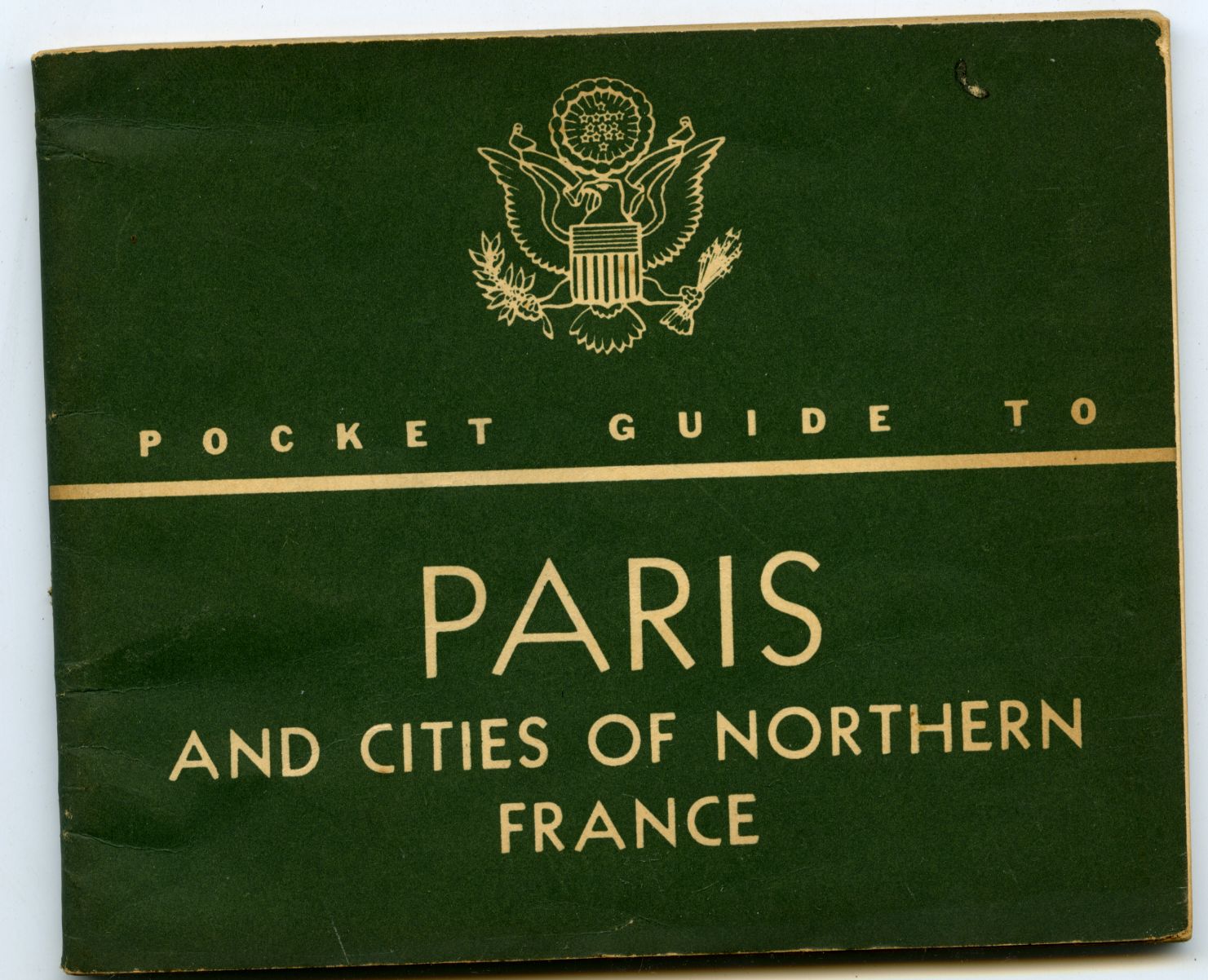
Pocket Guide to Paris and Cities of Northern France

Booklet055

Pocket Guide to Egypt

Booklet054

Pocket Guide to France

Booklet053

A Short Guide to Iraq

Booklet052

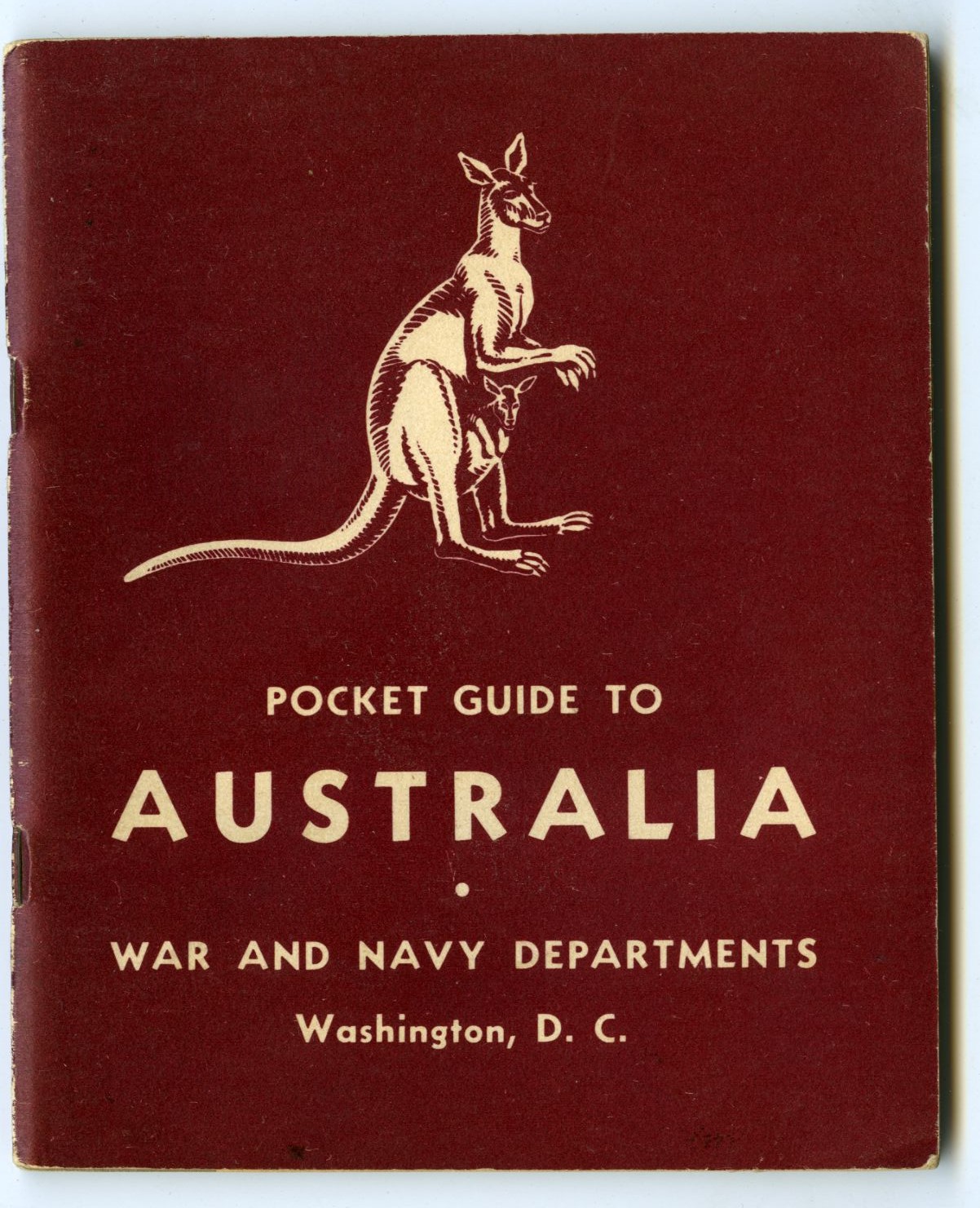
Pocket Guide to Australia


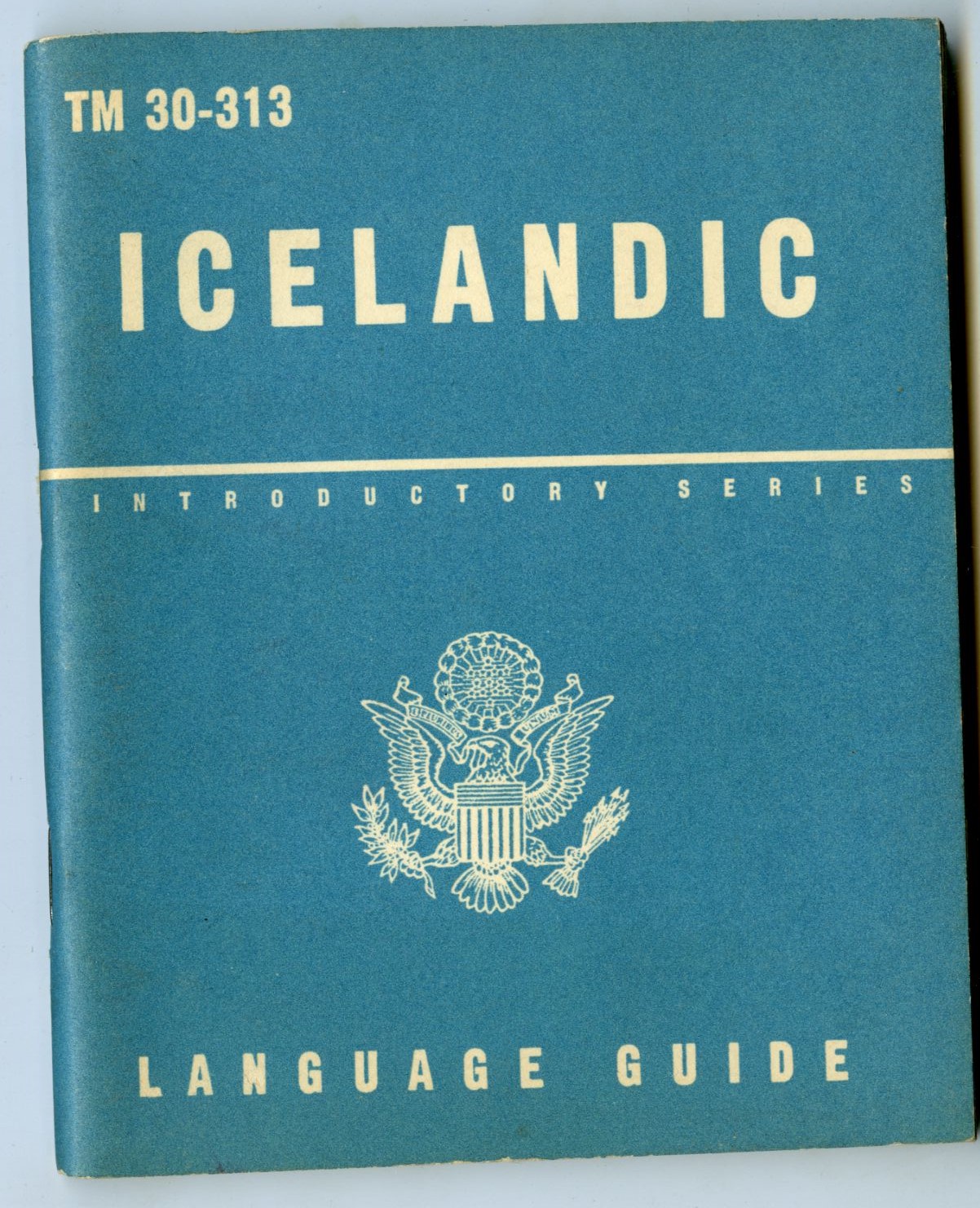
And here’s an obscure language guide specifically printed for US soldiers, marines and airmen in Iceland.

Booklet051

TM 30-313 Language Guide to Icelandic


This one was given out by Coca-Cola as a notebook and calendar:

Booklet048

WWII Coca-Cola Notebook


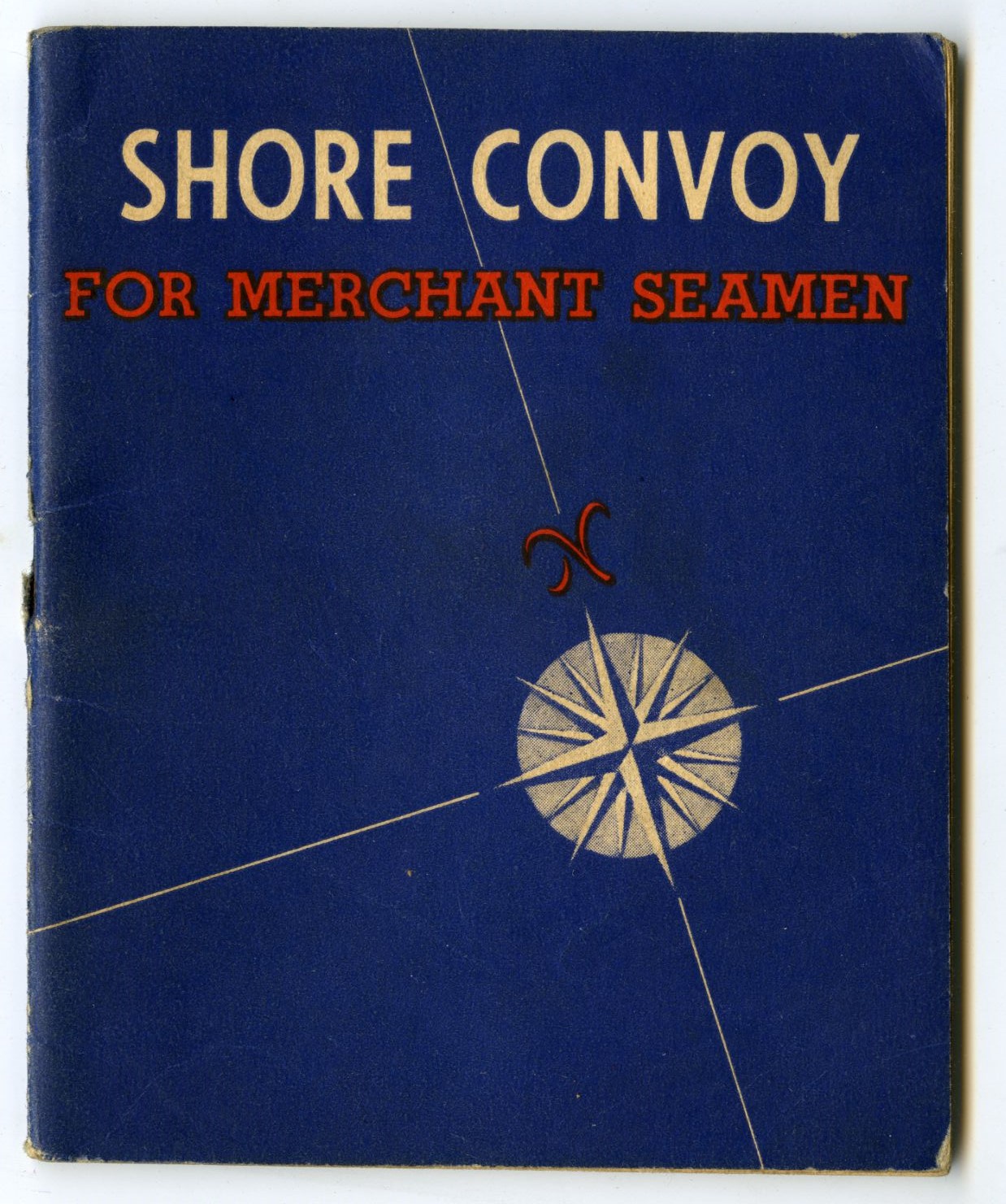
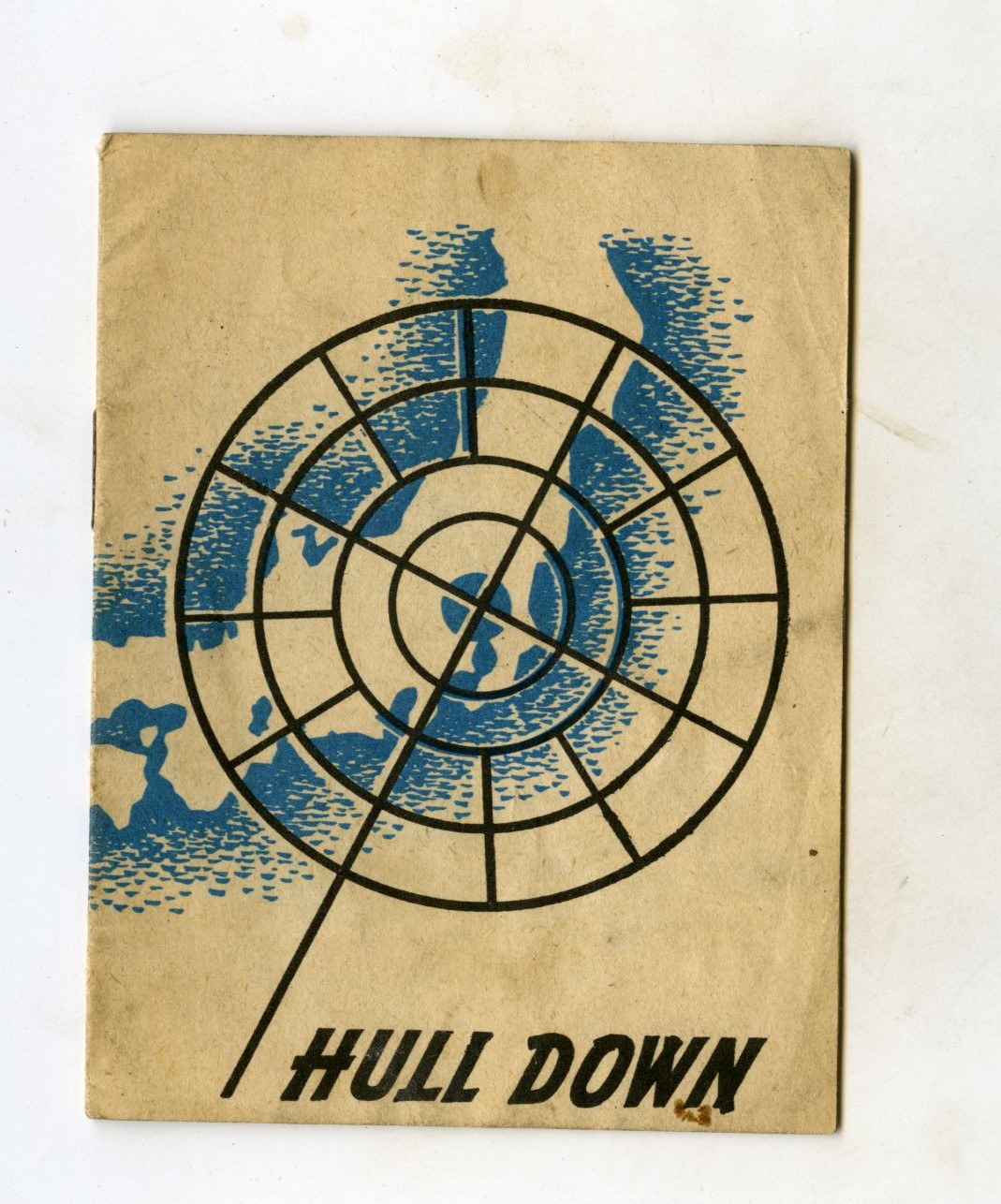
These two booklets were aimed at keeping sailors from catching venereal diseases while away on shore leave:

Booklet059

Shore Convoy for Merchant Seamen


Booklet069

Hull Down – Guide to Venereal Diseases in Japan


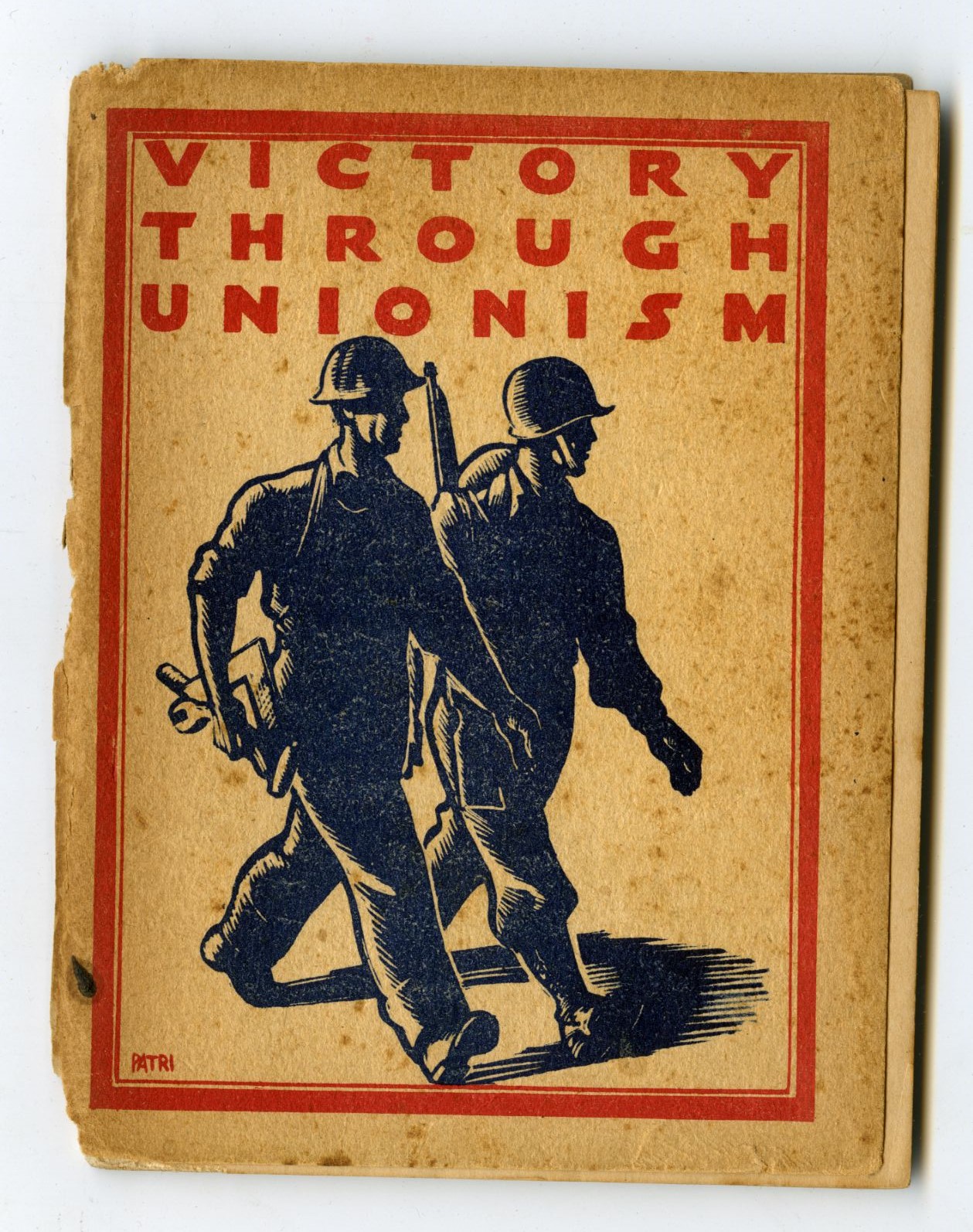
This rare booklet was a pro-socialist publication”

Booklet065

Victory Through Unionism


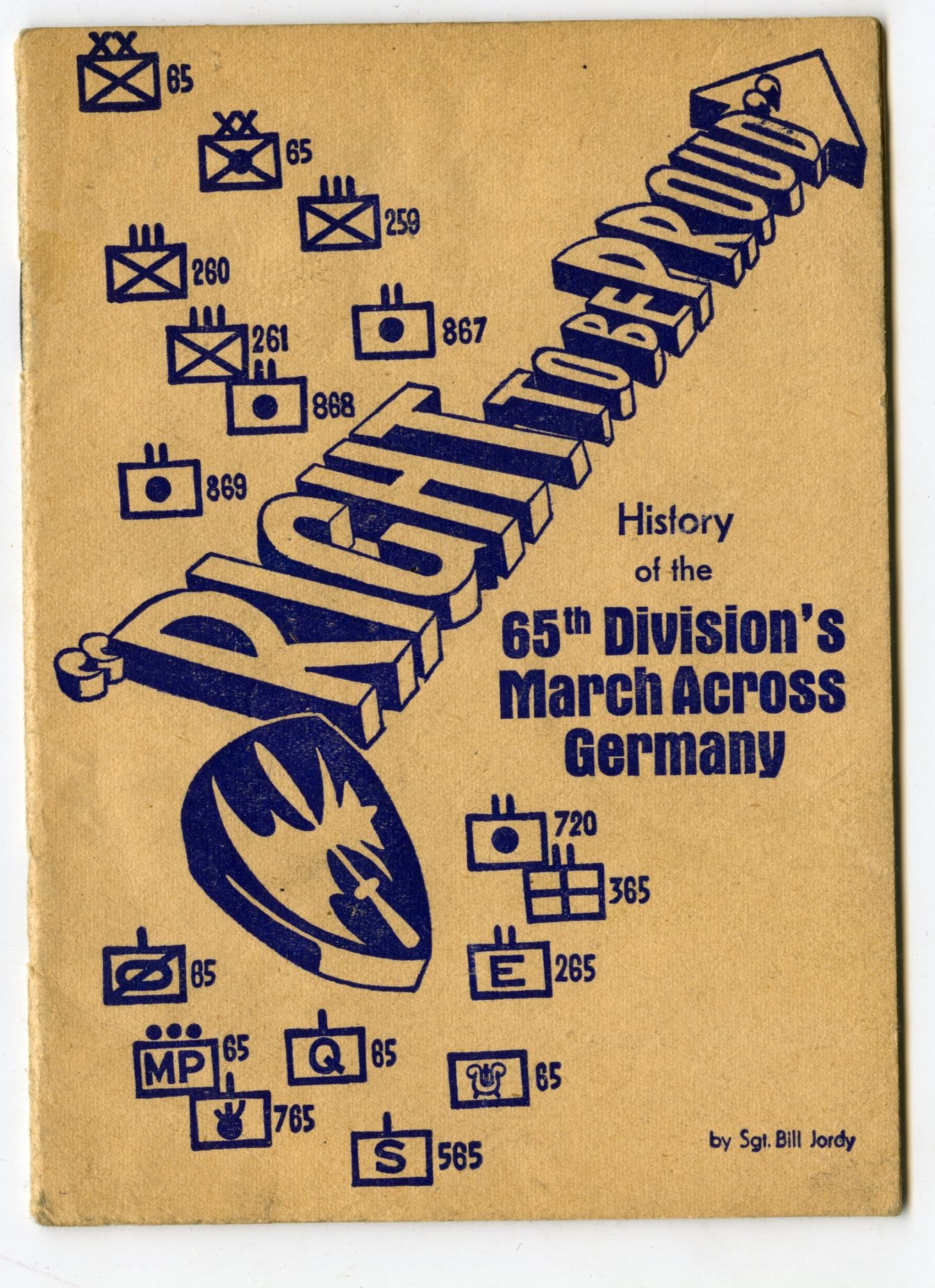
Here are some example of divisional histories put out at the end of the war:

Booklet050

Terrify and Destroy – Story of the 10th Armored Division


Booklet046

The 45th Division


Booklet070

“Right to be Proud” – 65th Division Unit History


And these were focused on specific service branches:


Booklet072

American Red Cross Nurses


Booklet066

The Special Service Division


Booklet071

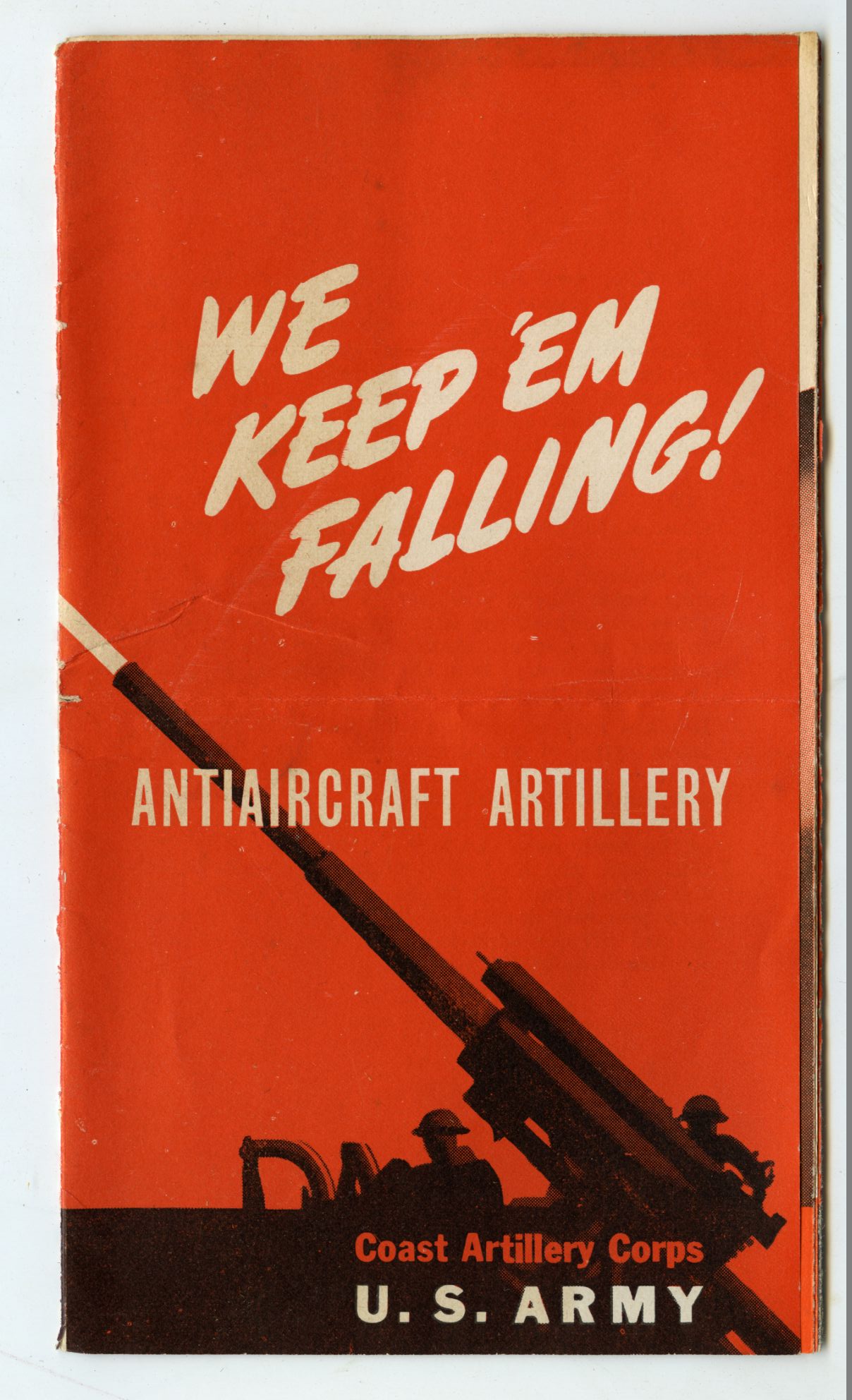
Coastal Artillery Corps – “We Keep ’em Falling!”


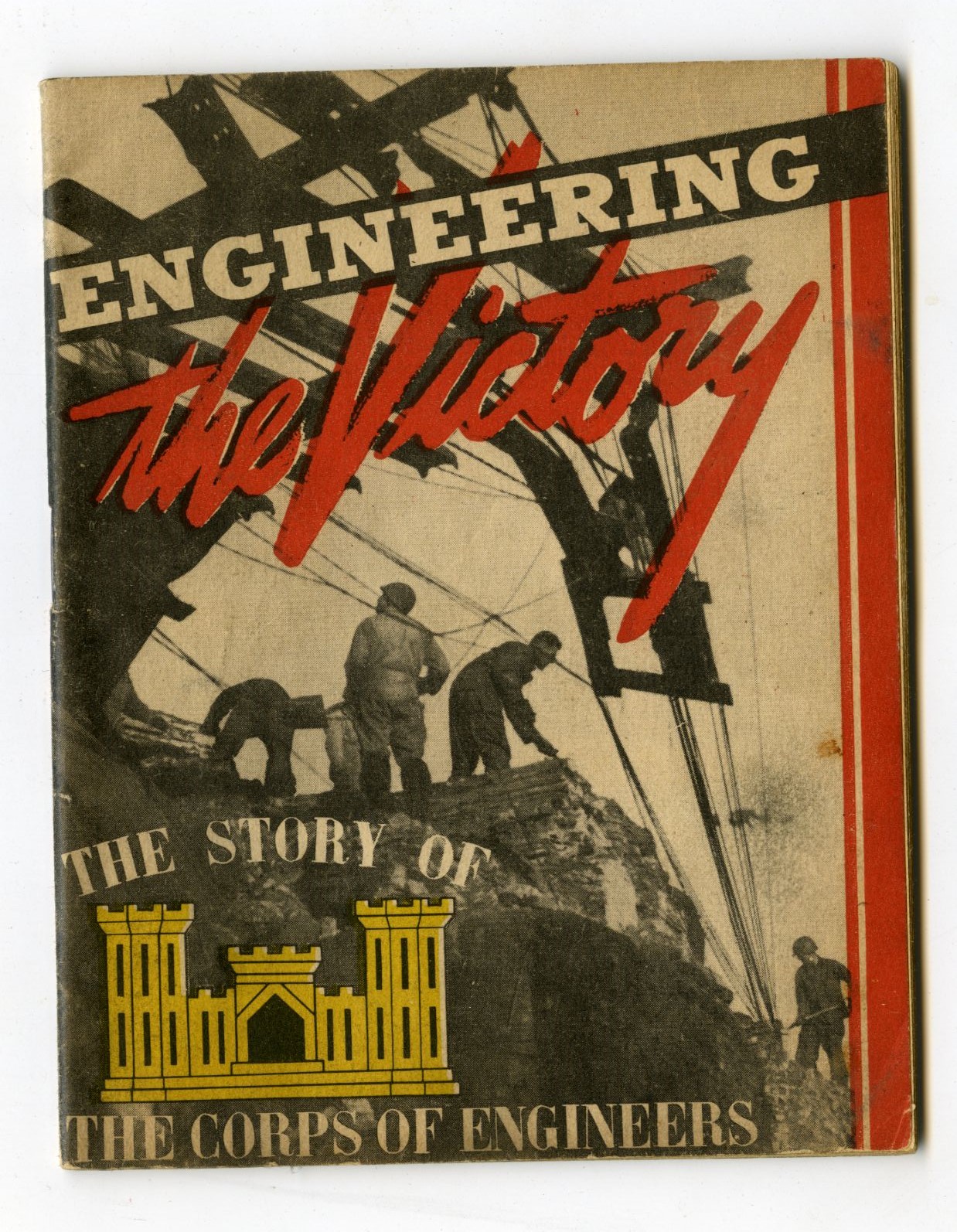
Combat Engineers

Combat Engineers


And some are tough to categorize:

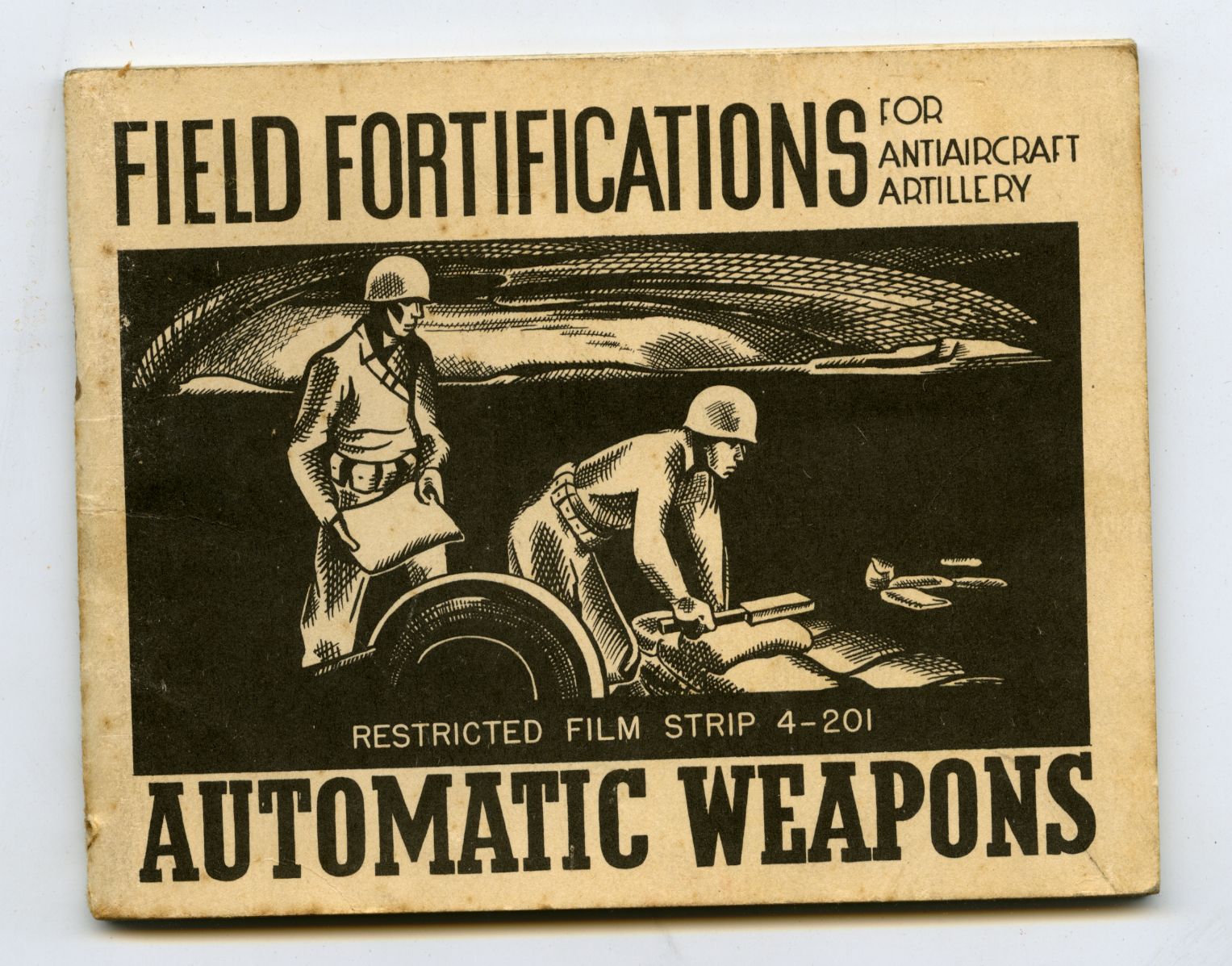
Field Fortifications Guide

Field Fortifications Guide


Booklet049

Australian Booklet


Ellington Field

Ellington Field

Booklet068

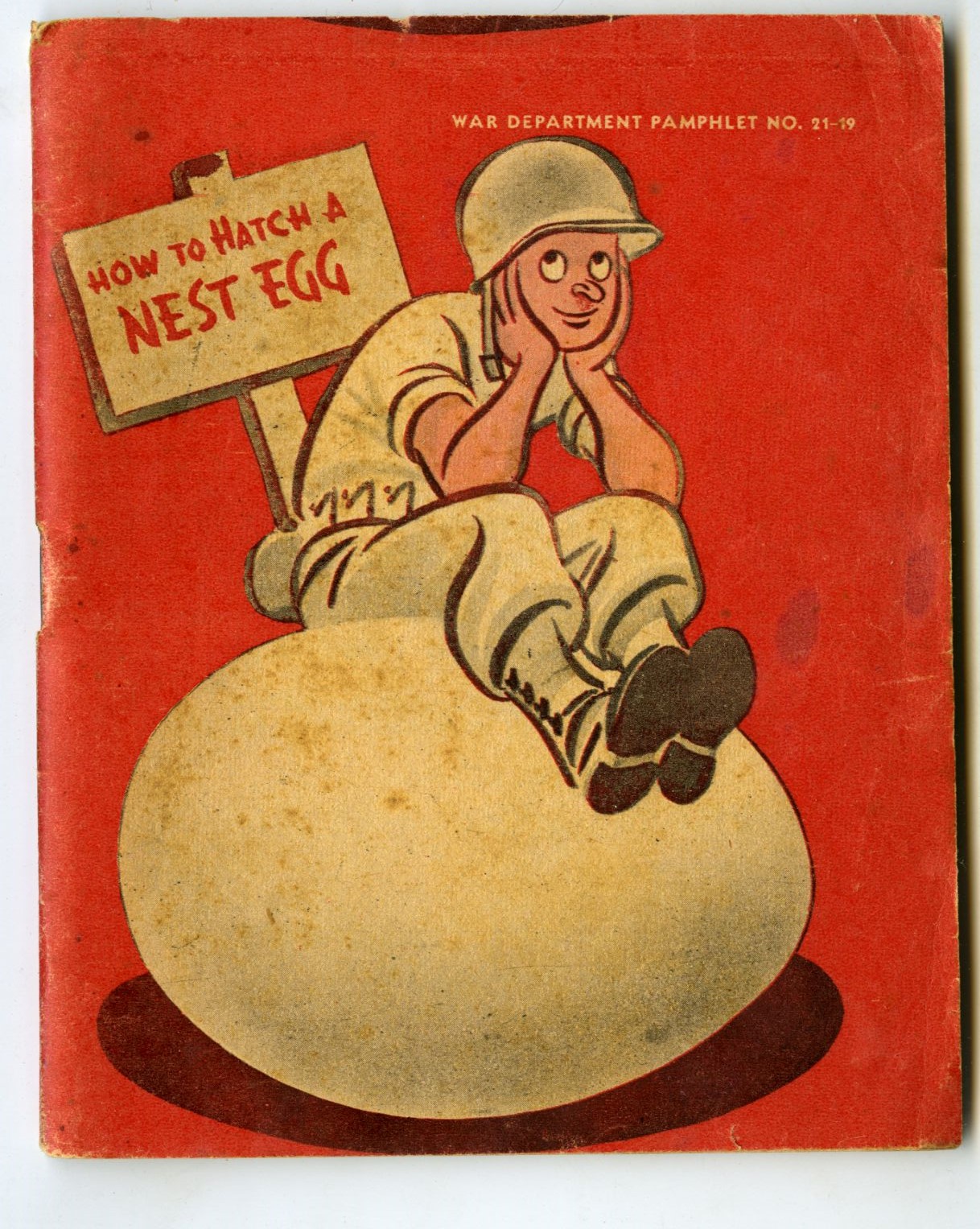
How to Hatch a Nest Egg – War Department Pamphlet No. 21-19


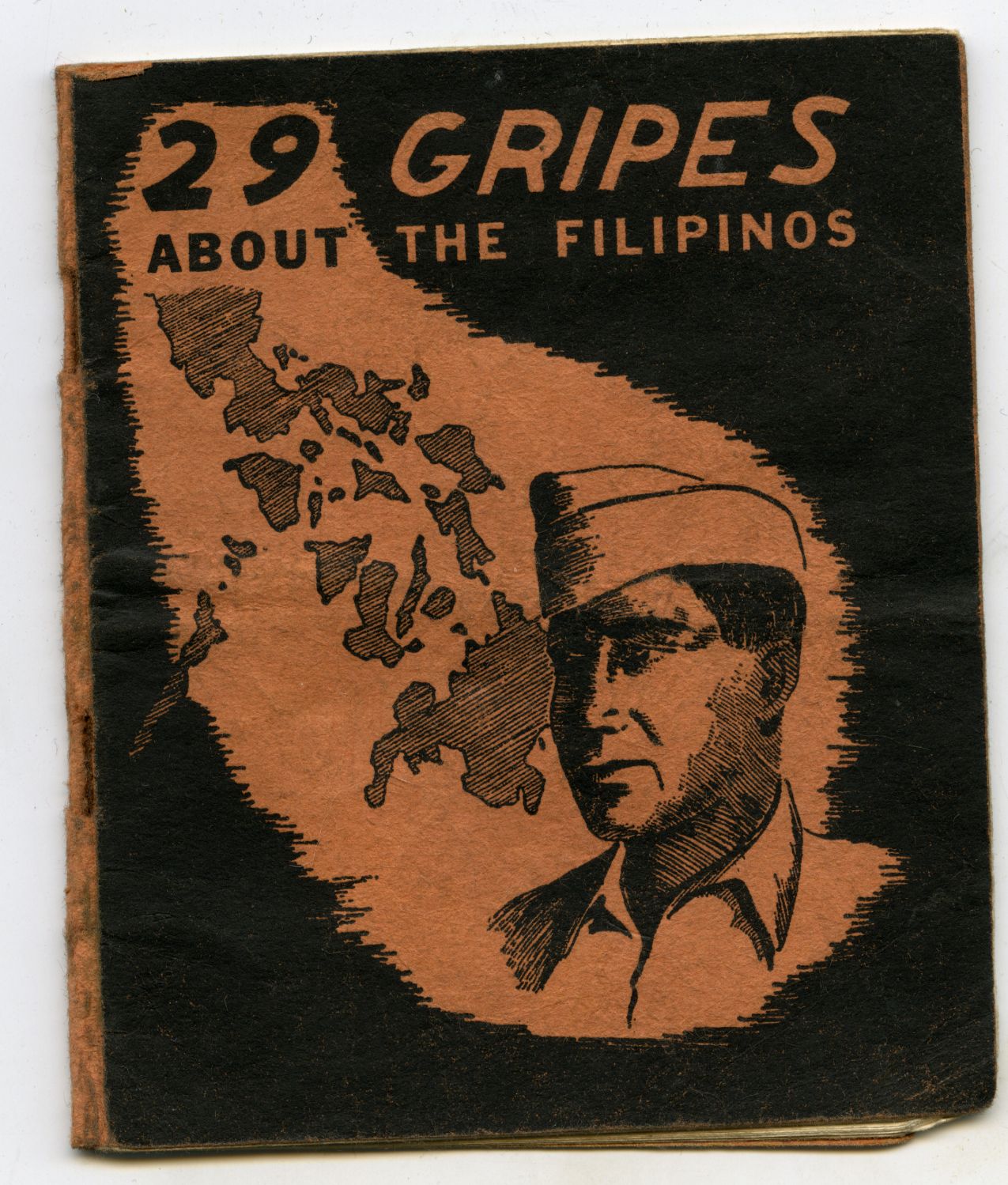
29 Gripes About the Filipinos

29 Gripes About the Filipinos