Check out the genious behind the video:
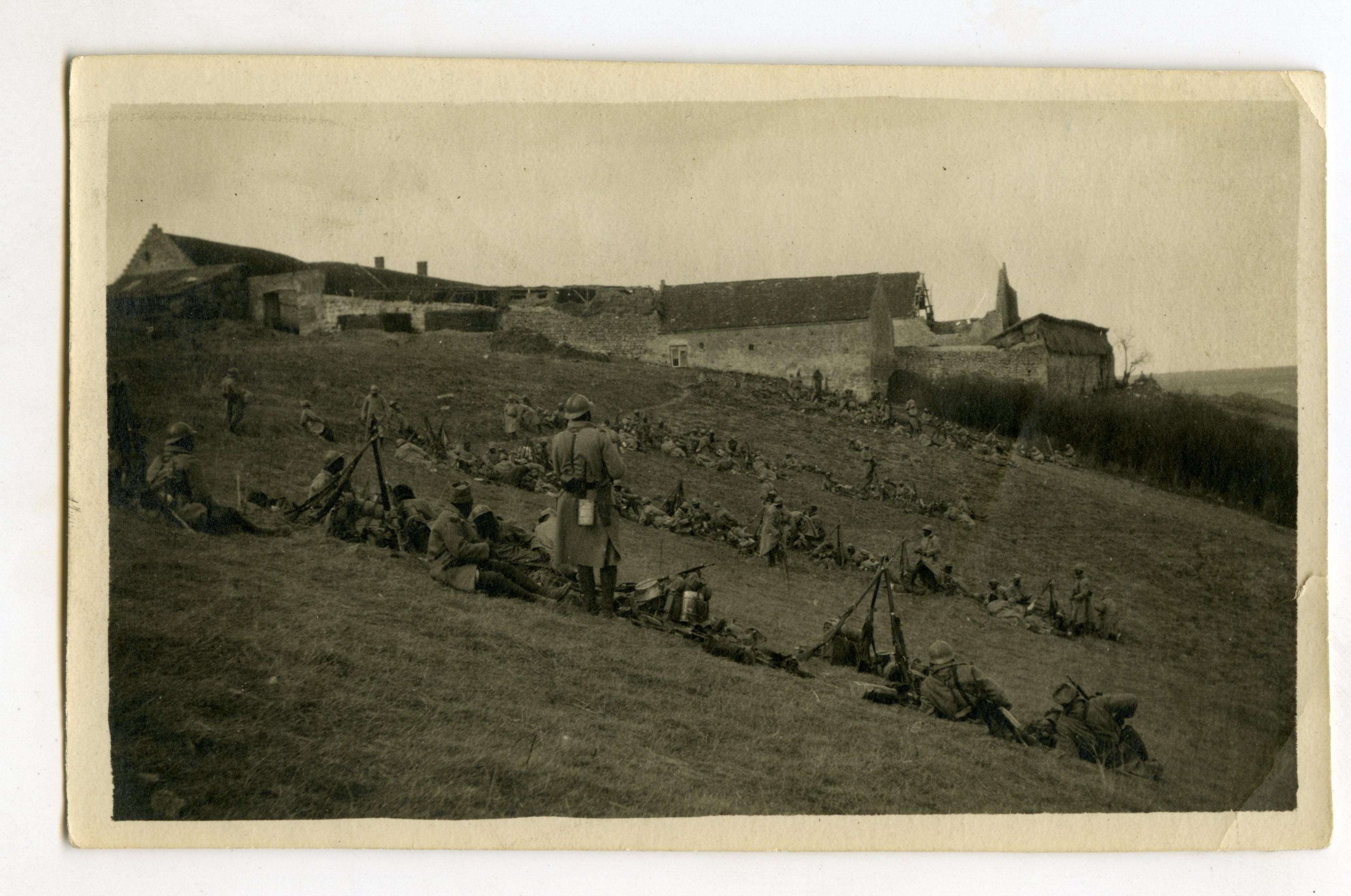
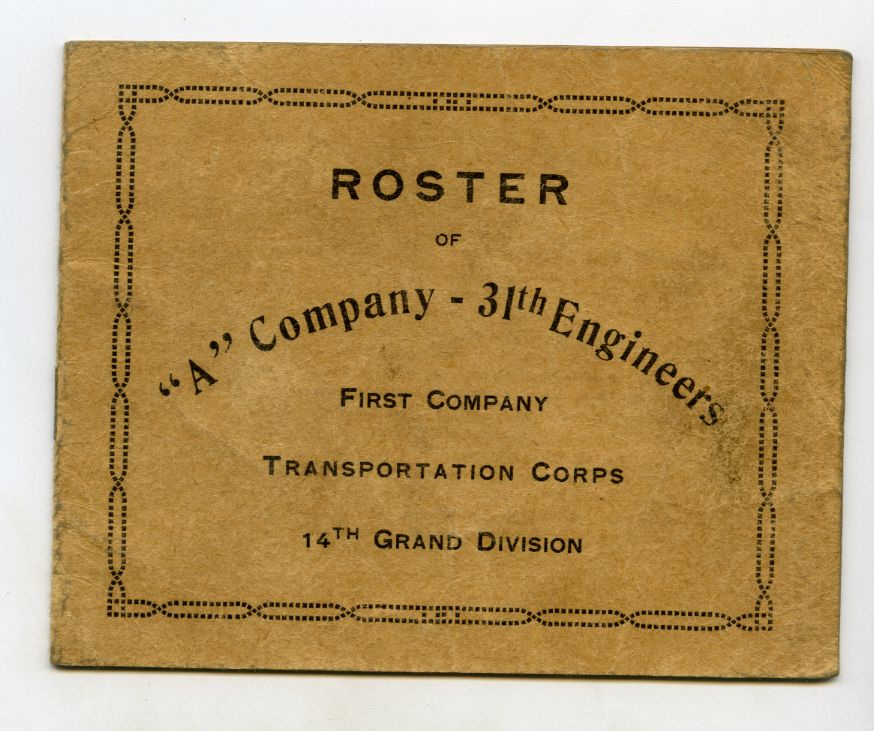
I love collecting WWI albums and named photo groupings. They are much harder to come by compared with the relatively plentiful single photo purchases. In this case, I was able to come across a wonderful grouping of photos from the grandson of a WWI 31st Engineer veteran. I promised to post the photos on the site to help raise interest in this obscure unit and help bring this man’s photos to the digital world. Digital preservation allows thousands of viewers to enjoy images that would otherwise be relegated to the corner of a dusty upstairs closet. I will do my best to describe what I can about the unit and share a few biographical vignettes.

Pvt. Herbert Conner posed in France
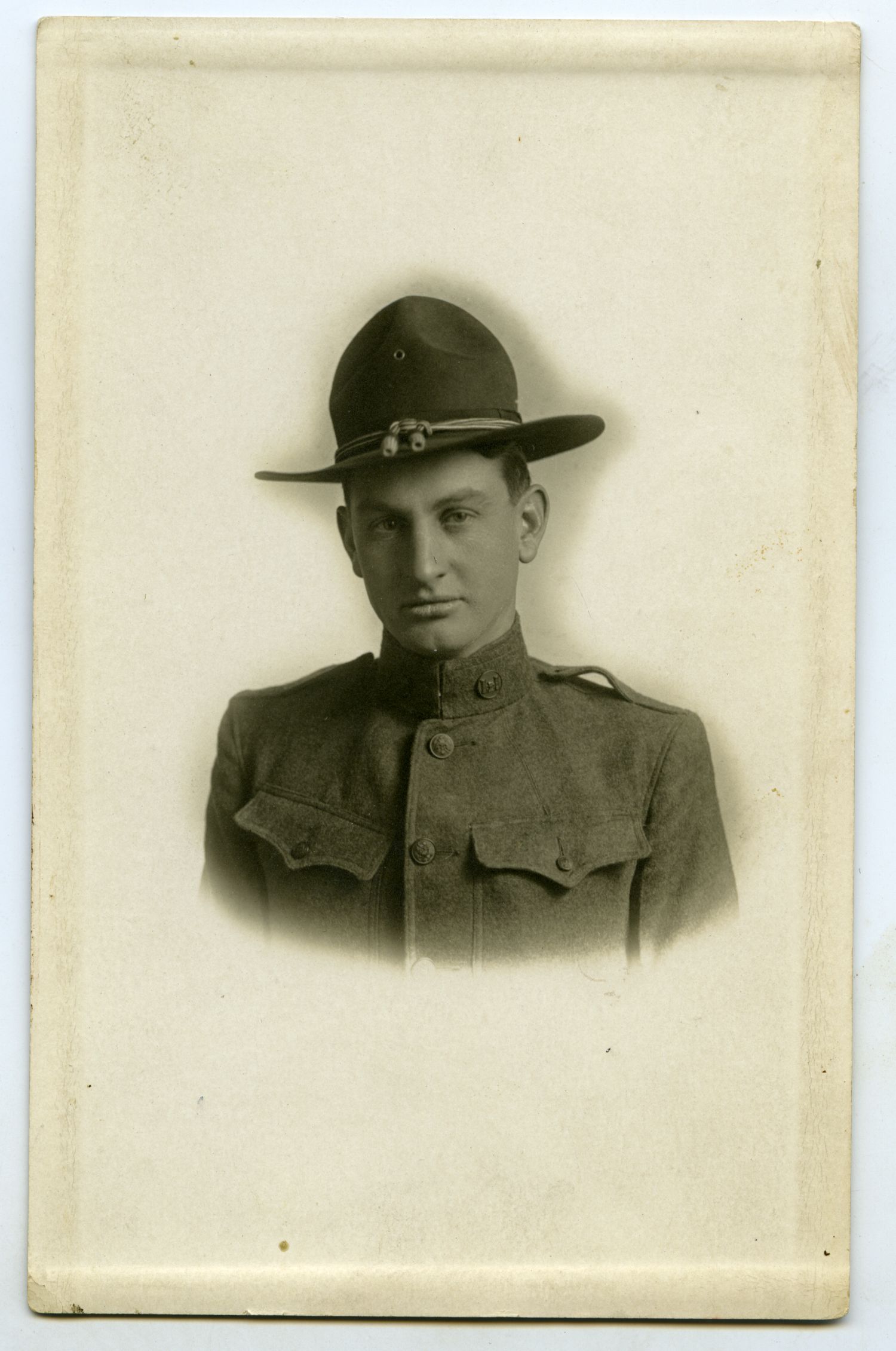
Pvt. Conner
“My grandfather was born in 1892 in Fordsville, Kentucky later the family moved to Amity Oregon and later to St Helens, Oregon. As a young man he was a prizefighter(that what they called them in those days). He was a logger for awhile later he went to work in Portland, Oregon for the railroad before the war and after the war he continued with the railroad for over forty years as a fireman and an engineer. He never owned a car and the station was about two blocks from his house and Kelly’s Bar and the grocery store were across the street from work so I guess he felt he didn’t need one. He passed away in 1968.

Some Guys from A Company

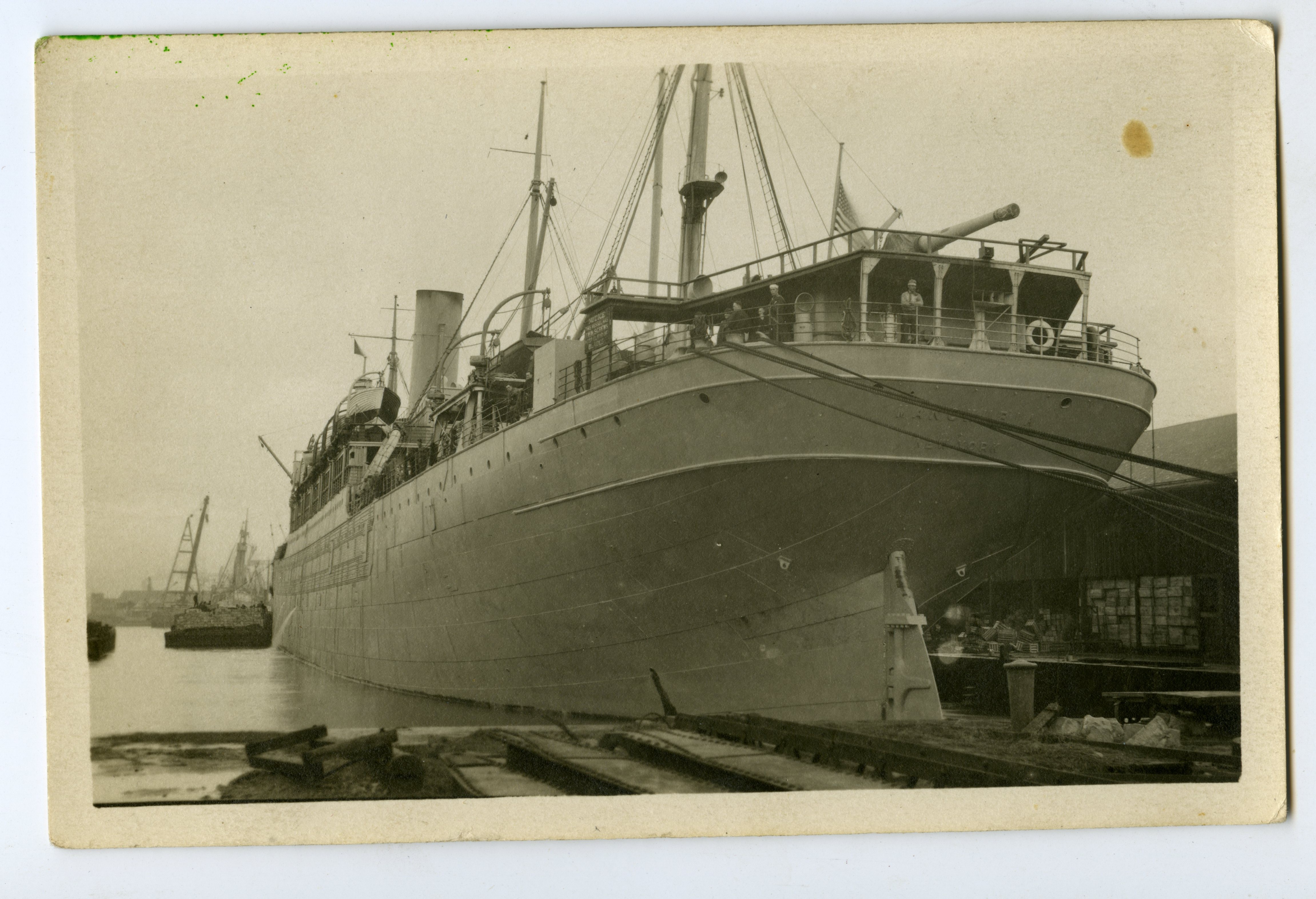
SS Manchuria in Port (Not the return ship for the 31st)
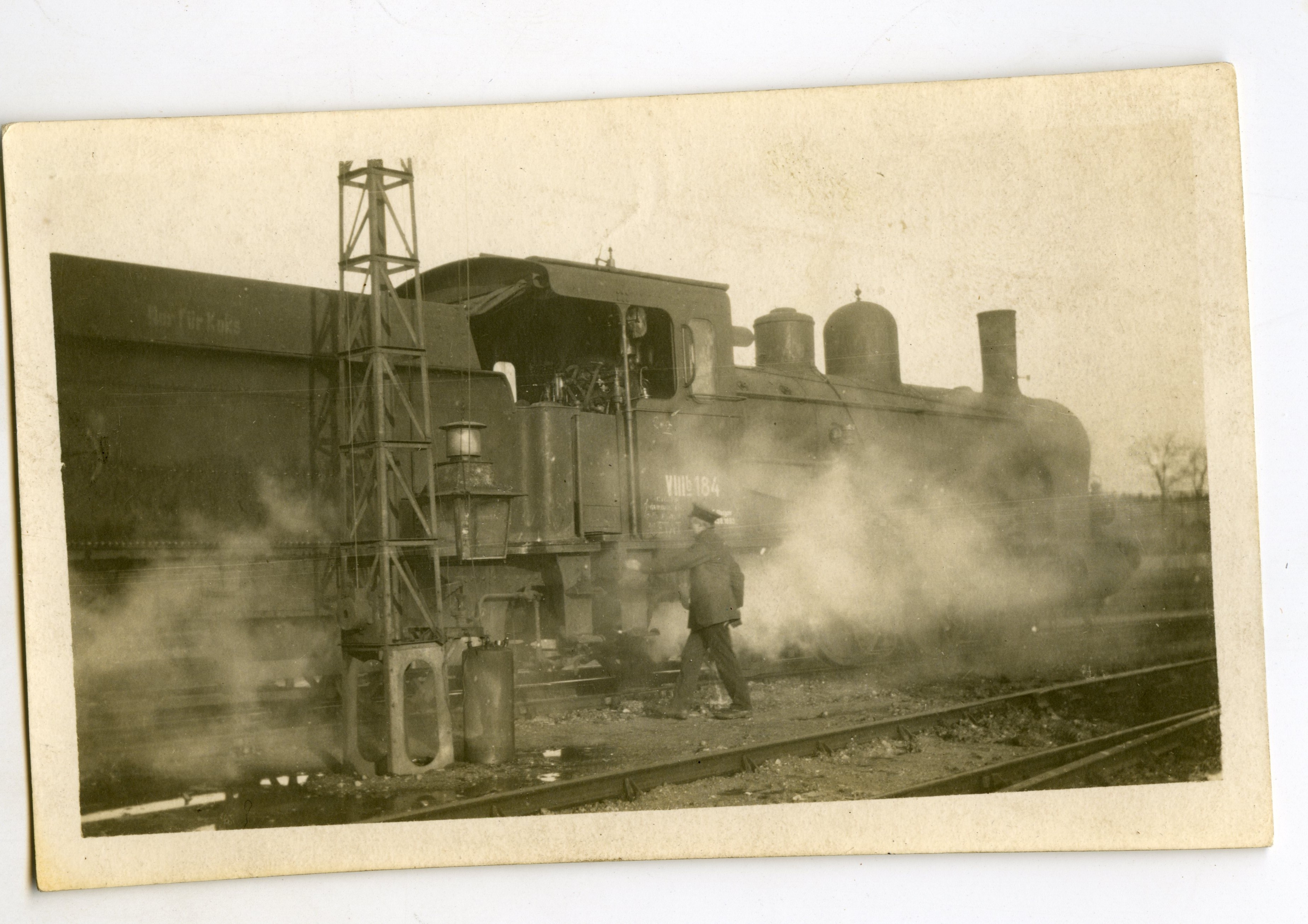
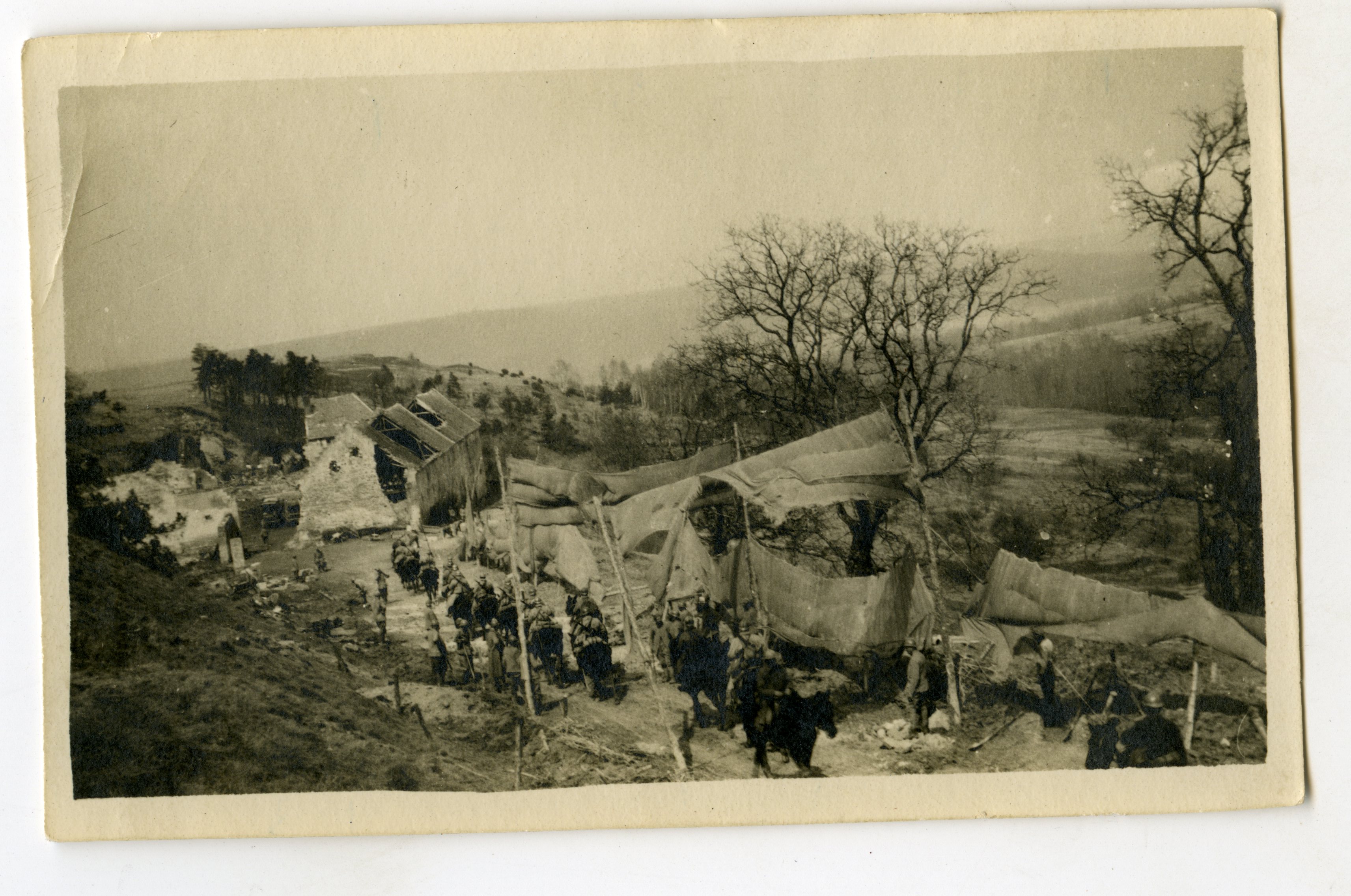

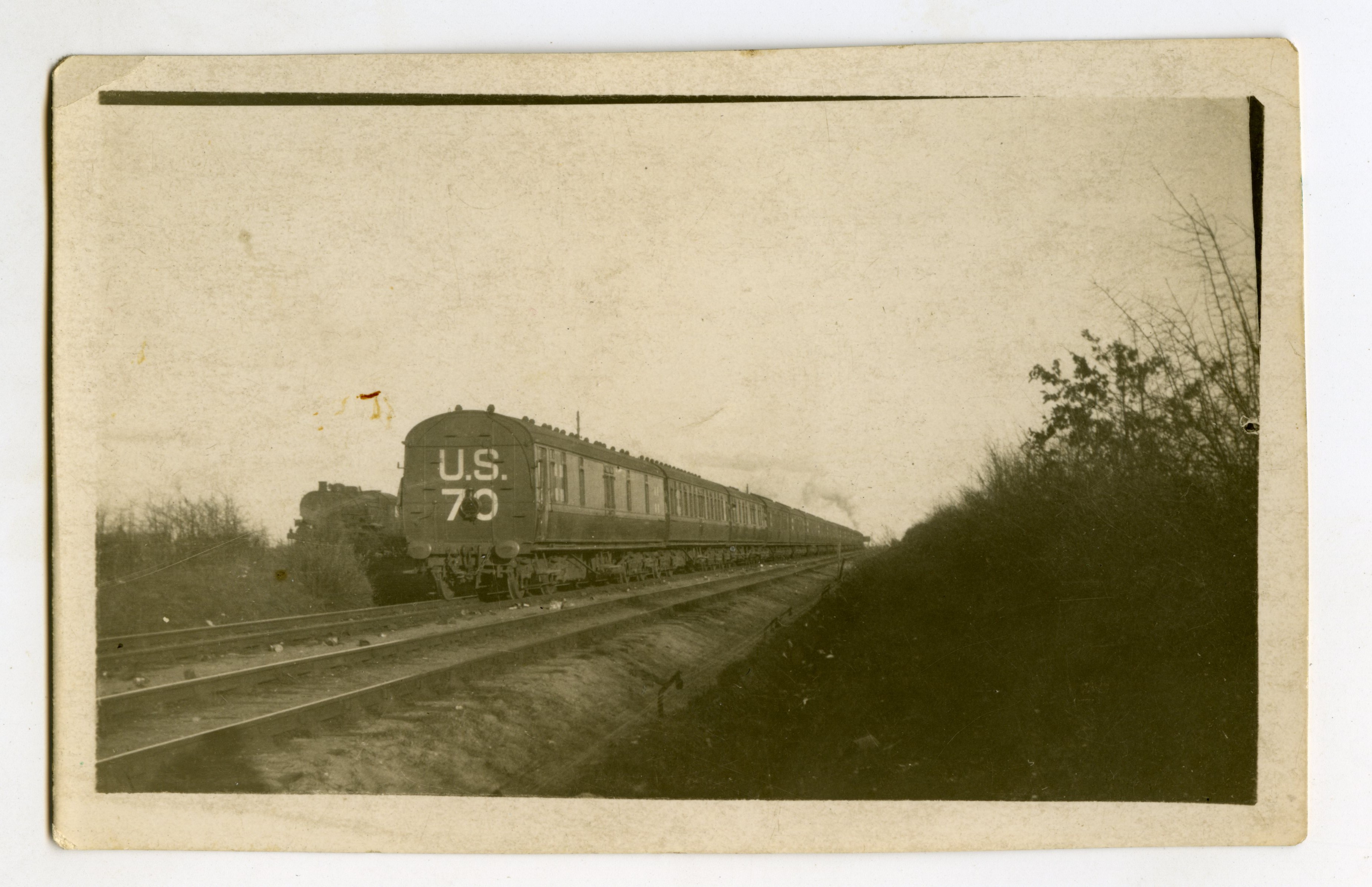
Hospital Train


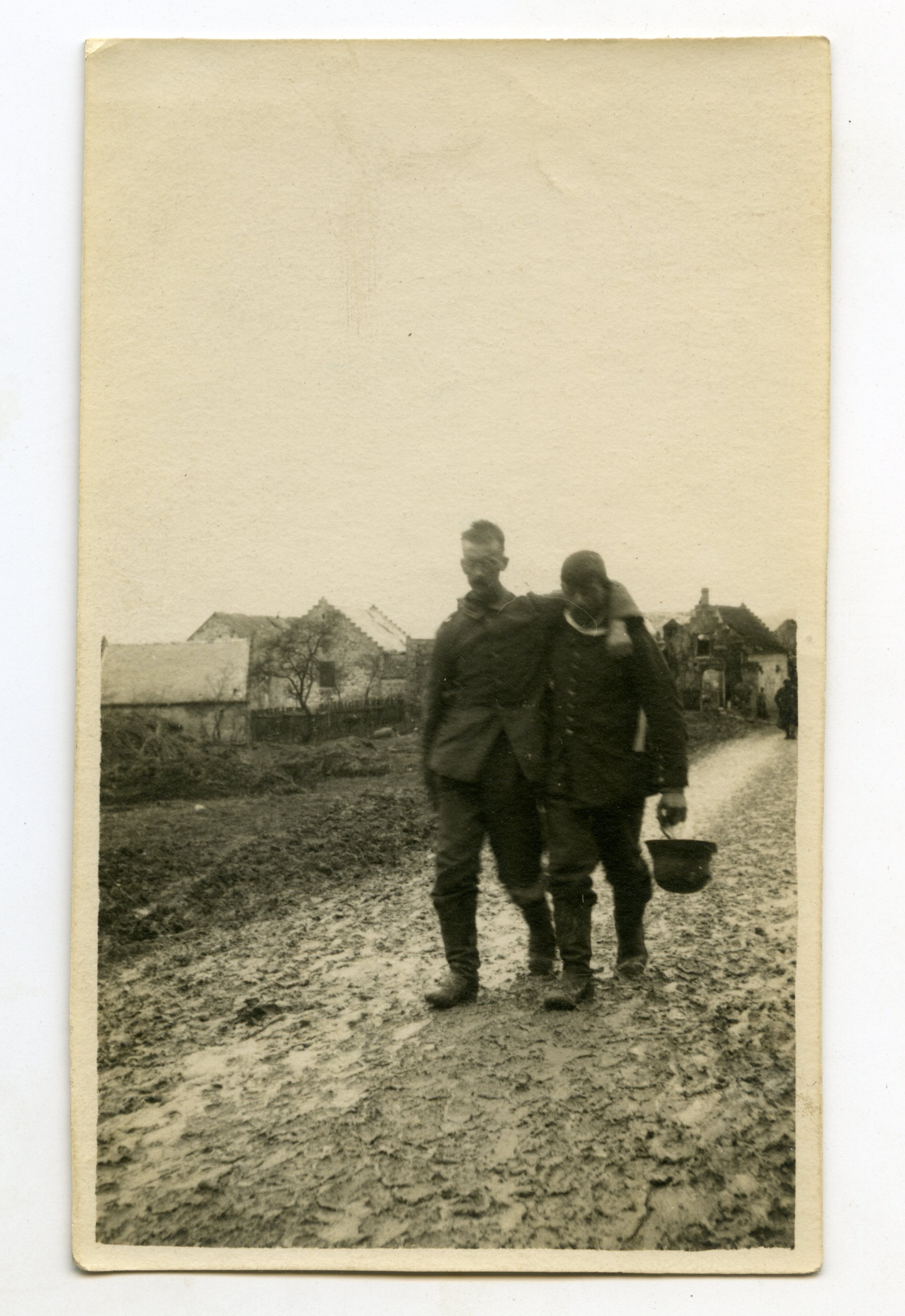
German Prisoners
Check back for updates…………….
What? Look toward the middle portion of the episode. Enjoy!
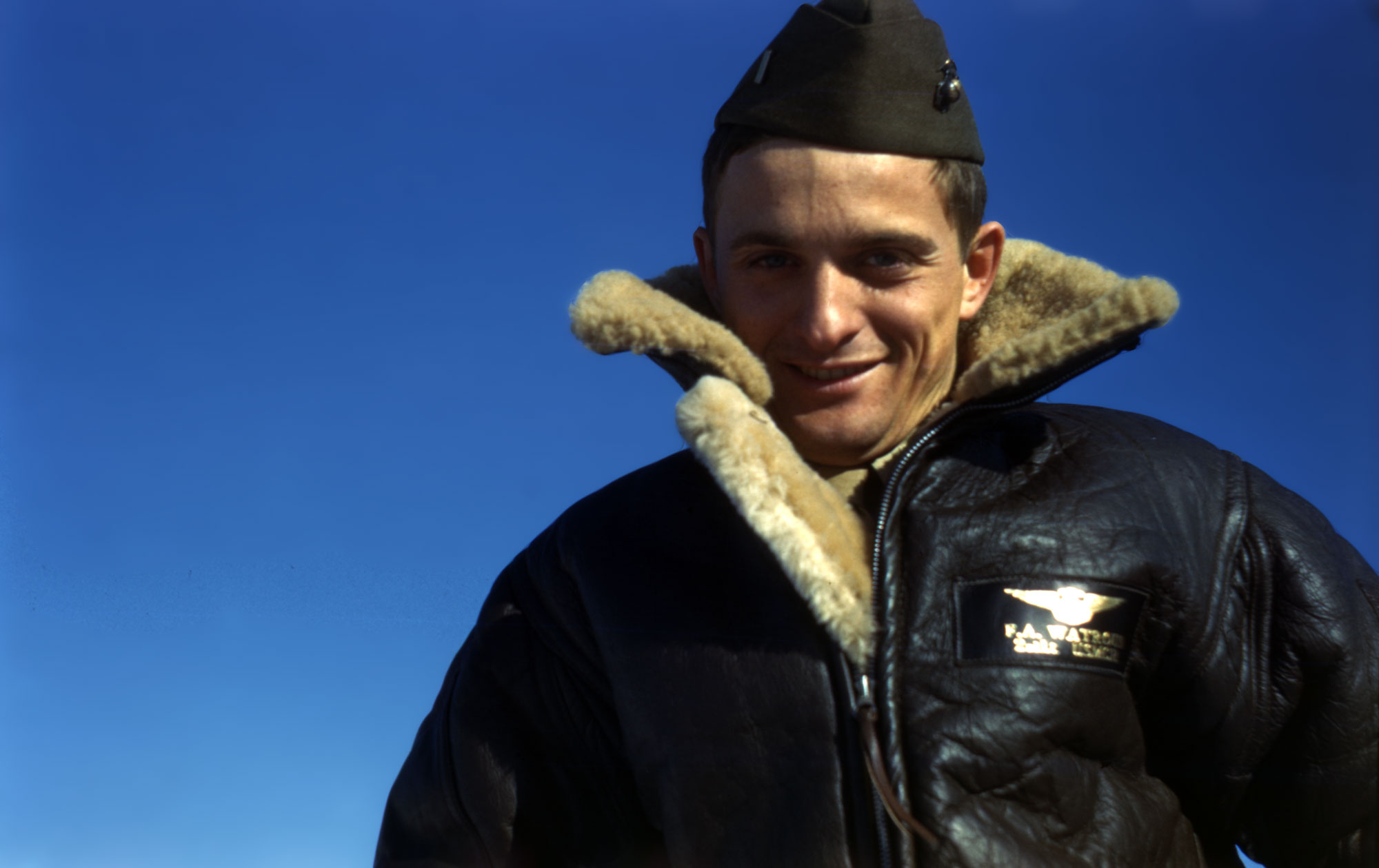
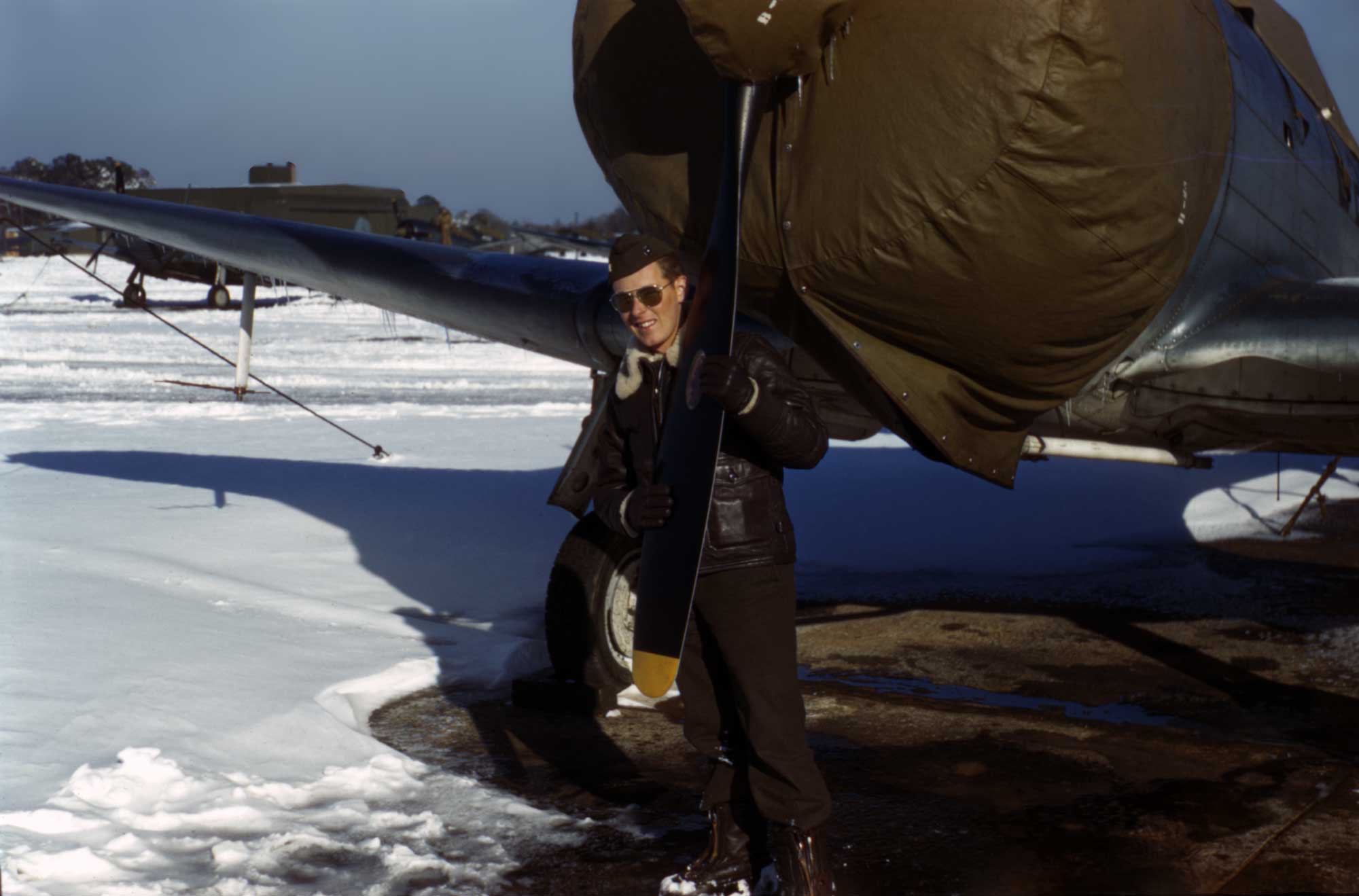
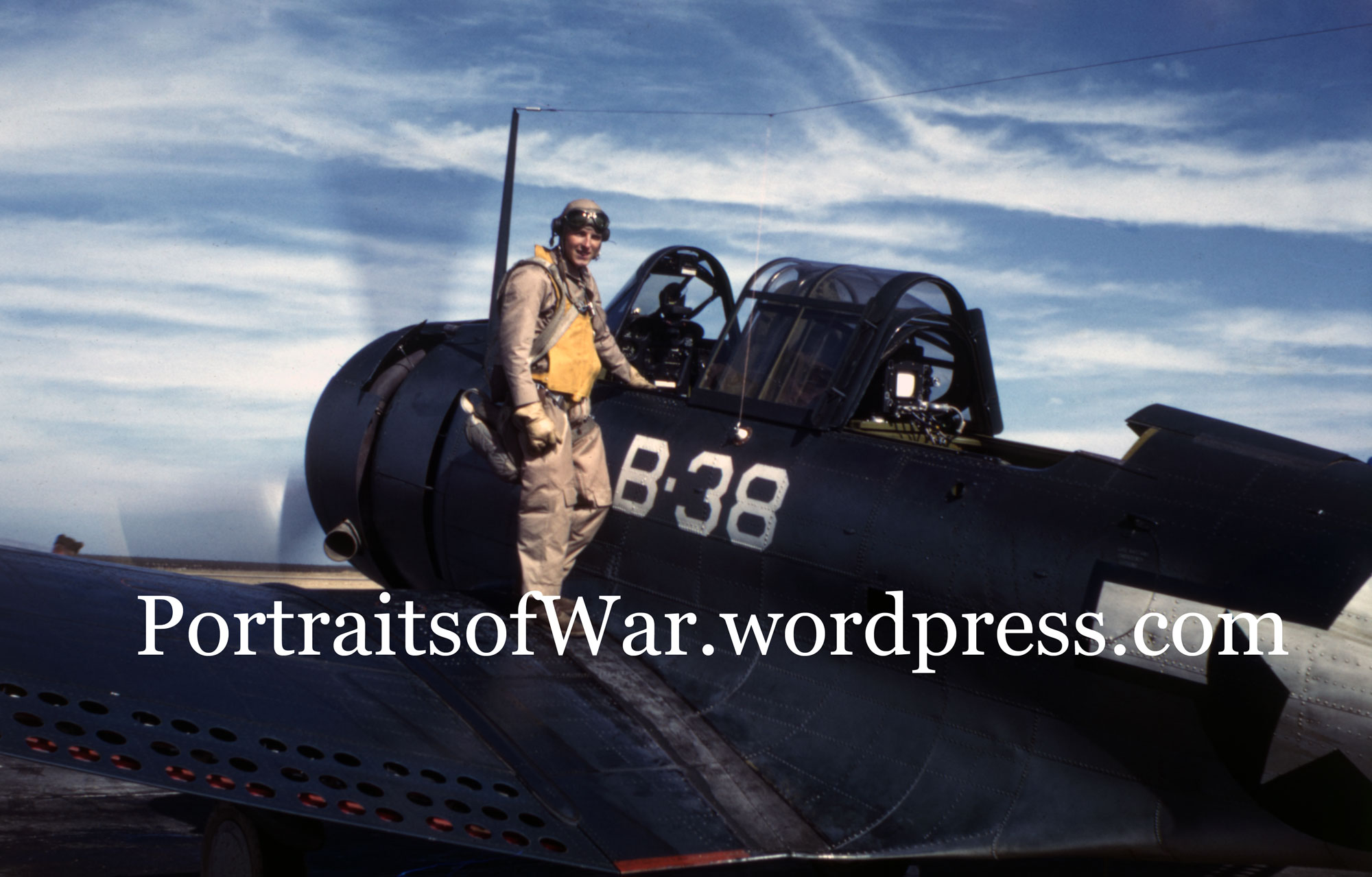
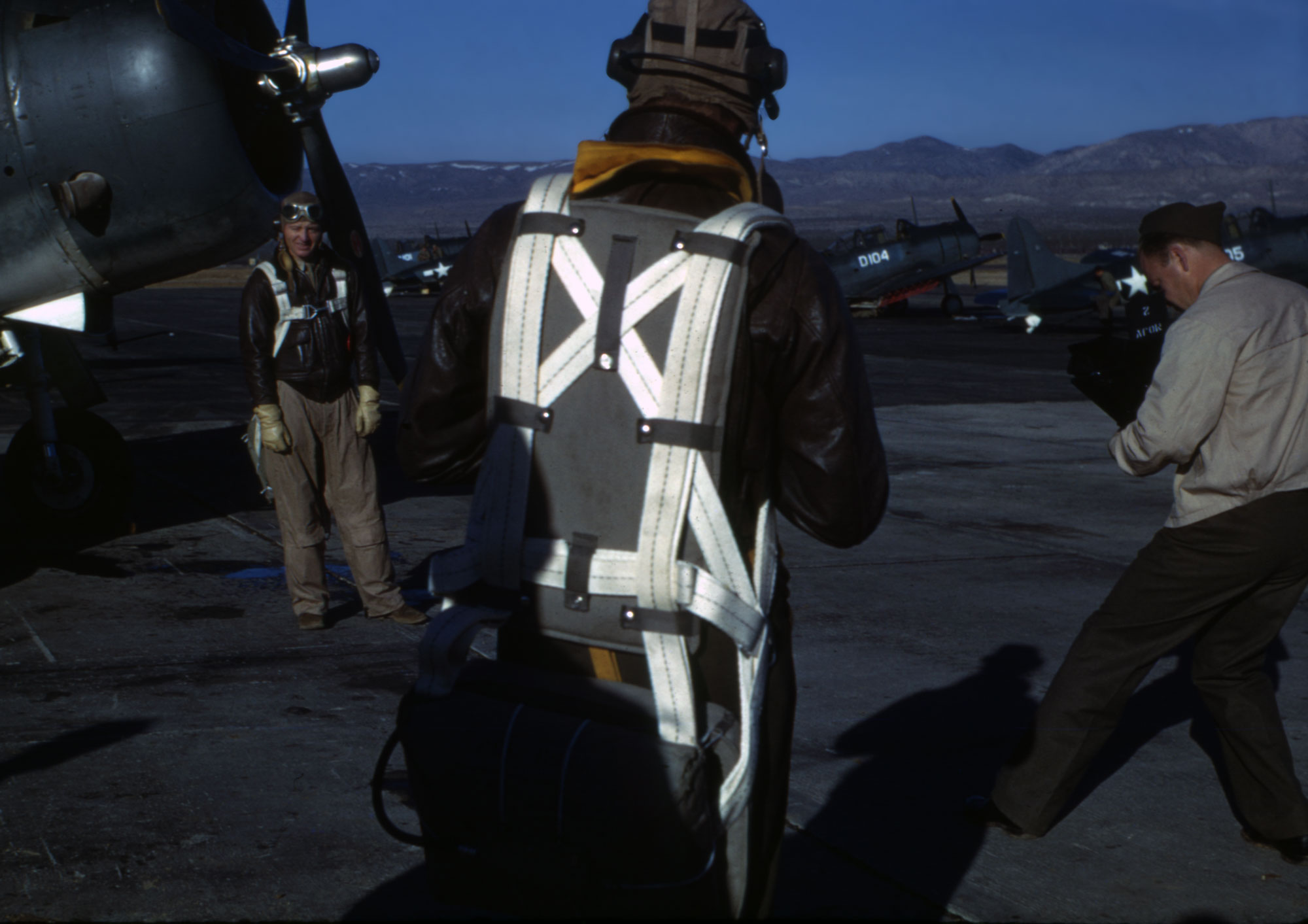
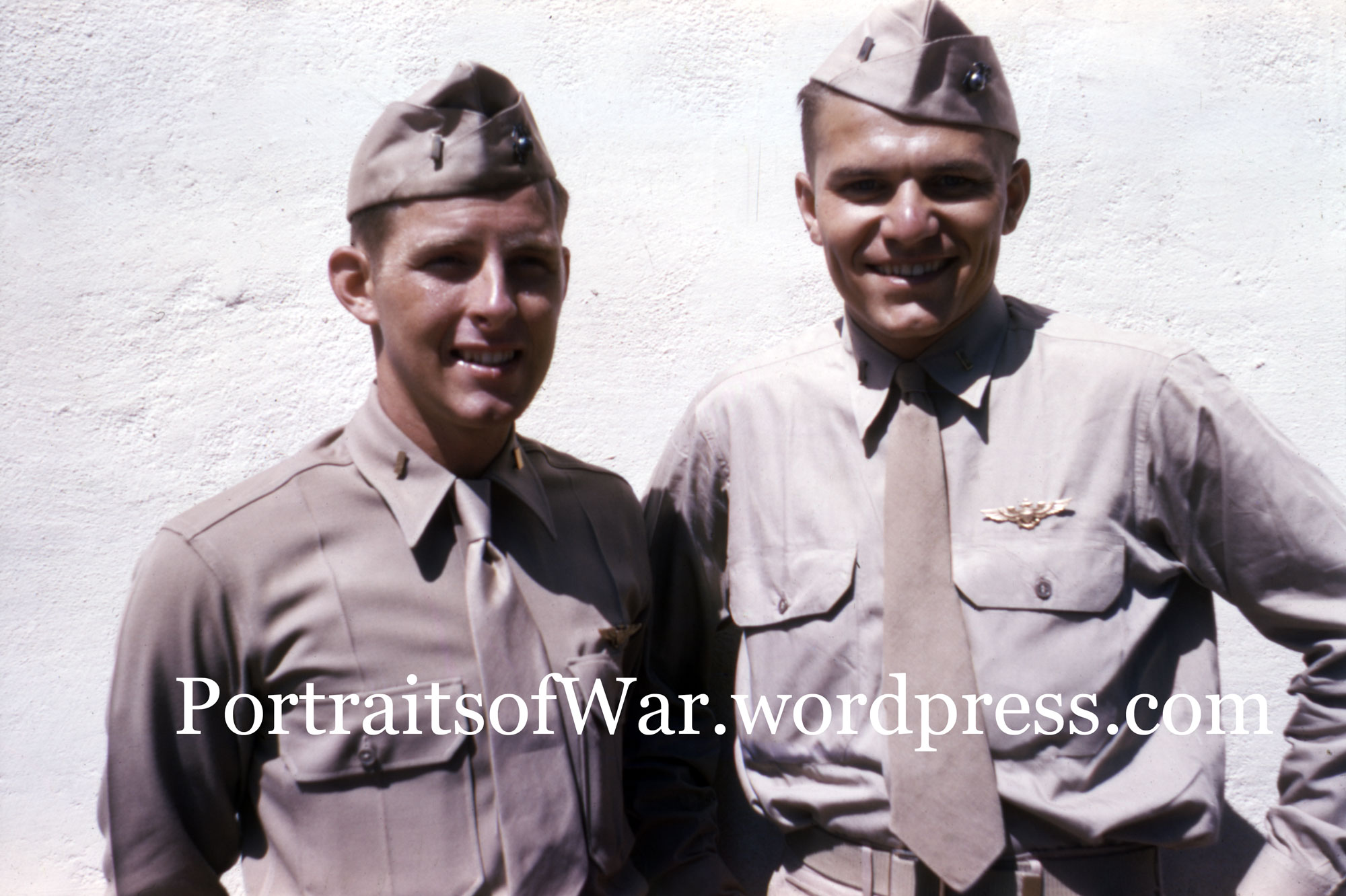
The color of WWII is something lost on our generation; WWII has been a war fought in black and white for everyone but actual WWII veterans who witnessed it firsthand. One of my goals here at PortraitsofWar is to collect color slides from WWII and make them accessible to those who don’t know it exists. Yes, color film was shot in 35mm(and sometimes larger format) and was used on a somewhat regular basis by shutterbug soldiers during WWII. My collection is roughly 500:1, black and white : color. To find a complete collection of color slides is like hitting the WWII photography jackpot. In this case, I was able to pick up a small selection of color slides from a Marine dive bomber. Although I was only able to snag 7 from a grouping of nearly 200, I am still happy to pass along the images to interested parties.
From the collection of Walter Huff.
Please enjoy the colors of WWII as they were meant to be seen!


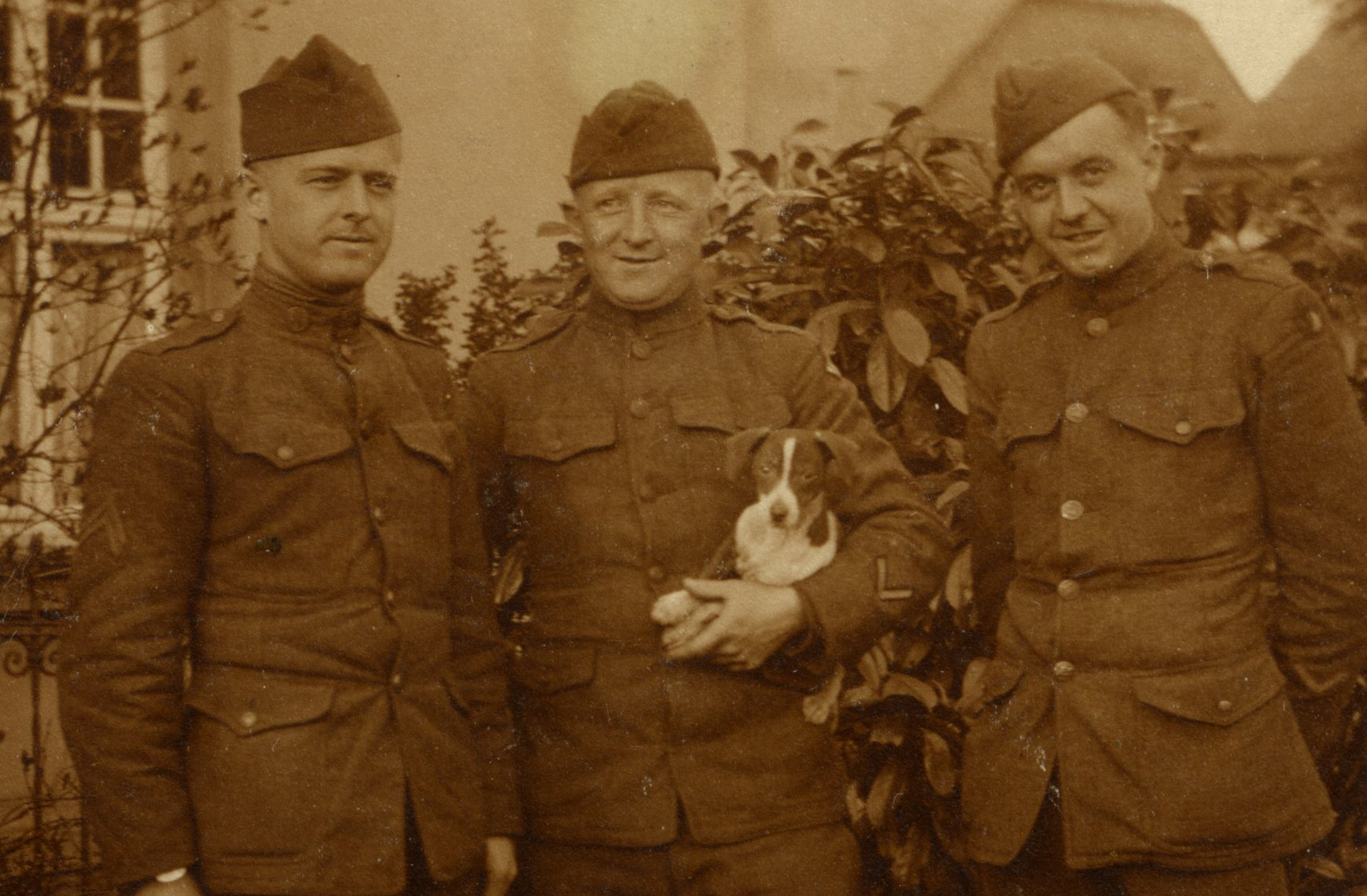
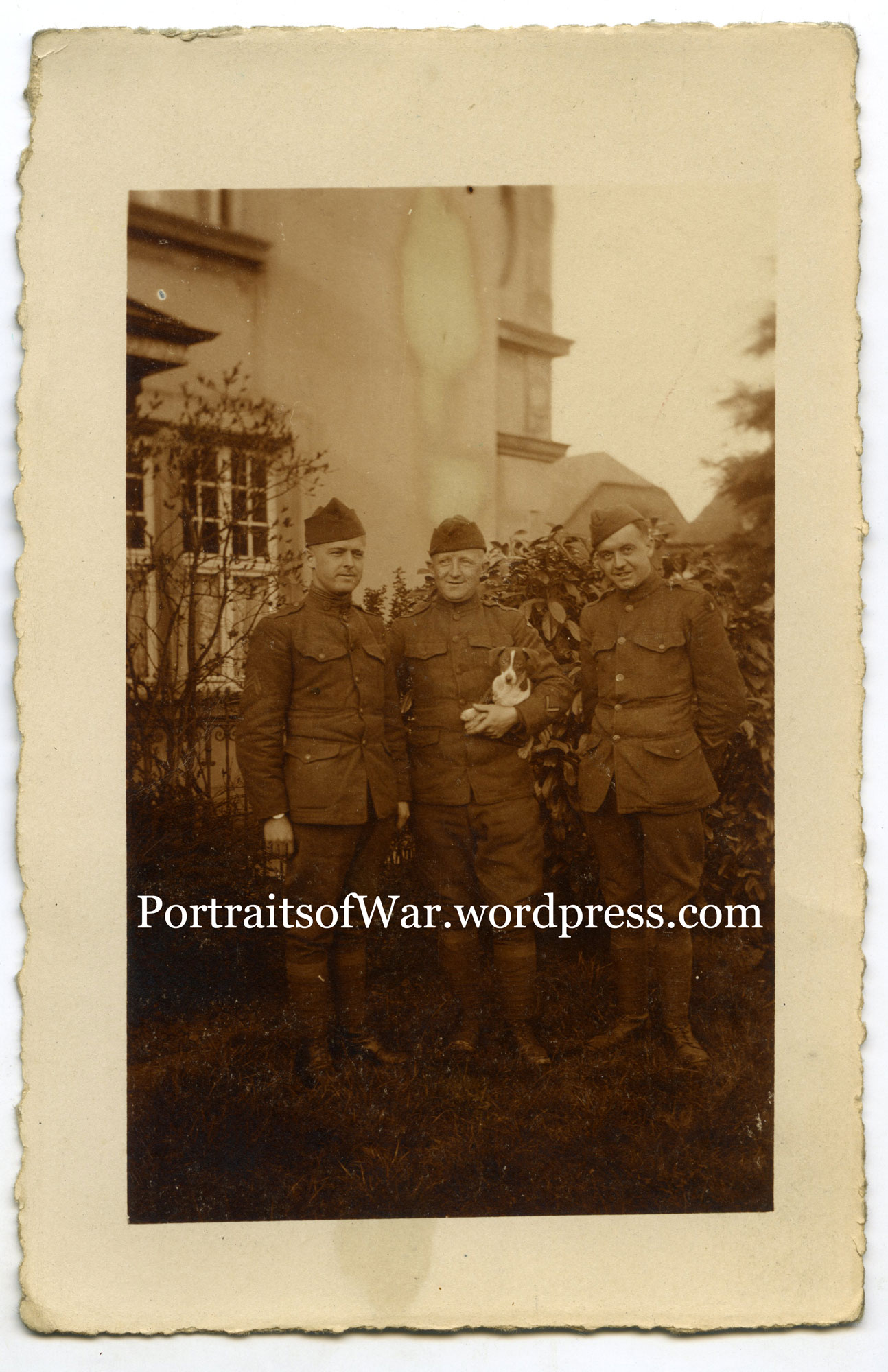
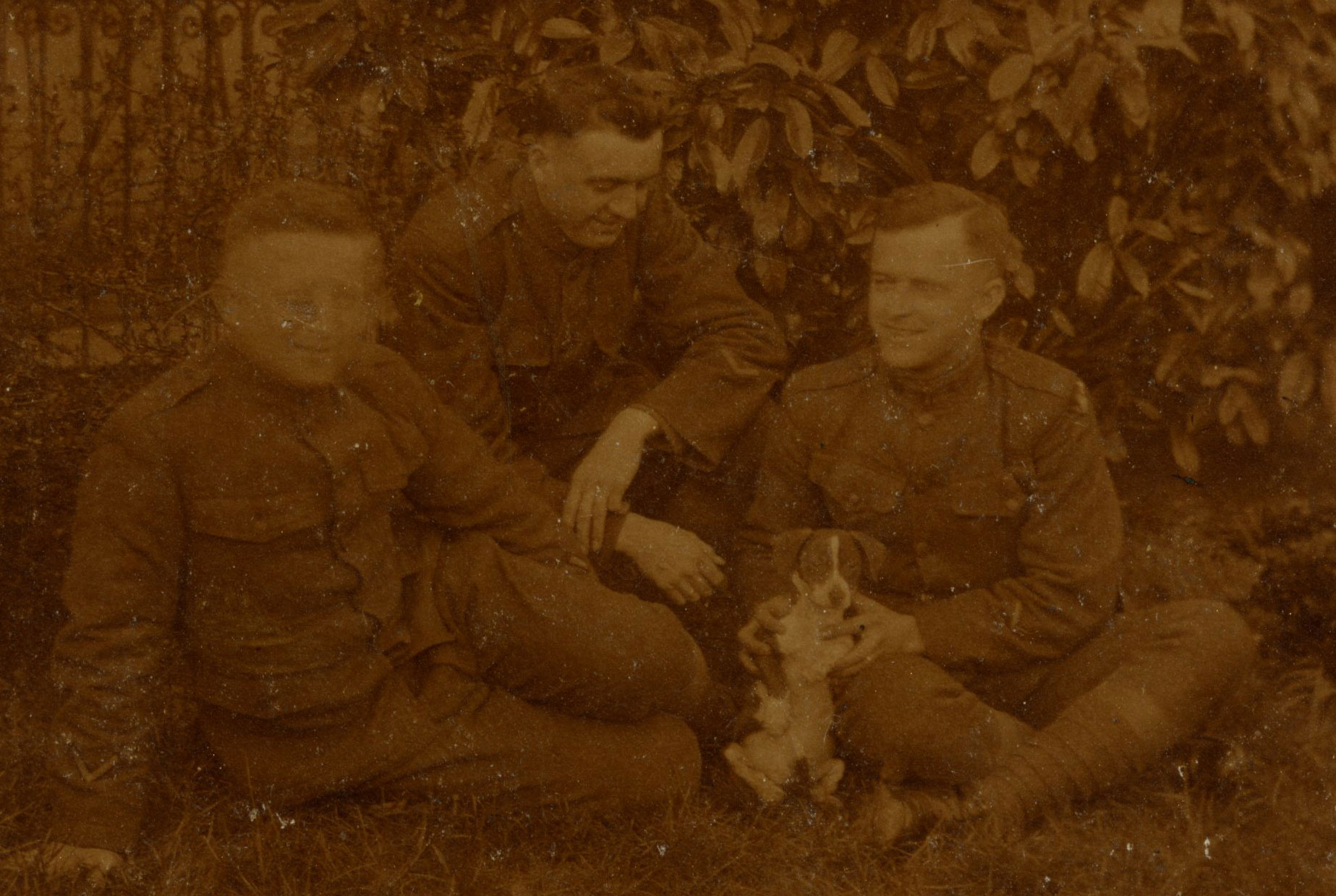
Following up on one of my favorite common threads seen throughout WWI photography – I present yet another example of the unit mascot. Normally seen at the compnay level or below, the idea of having a small pet (normally a dog) as a mascot is very common throughout various nations during WWI. I’ve literally seen examples from the US, England, Canada, France, Germany, Italy and even Australia. I probably have 15-20 examples in my own collection, ranging from small children as mascots, to dogs, pigeons and even goats. My favorite are the small dogs. Here’s an example from the 89th Division. The collection of 8 photos came from a member of the 356th Infantry. Unnamed, but we know he was wounded at least once during the war due to the wound chevron on his right cuff.
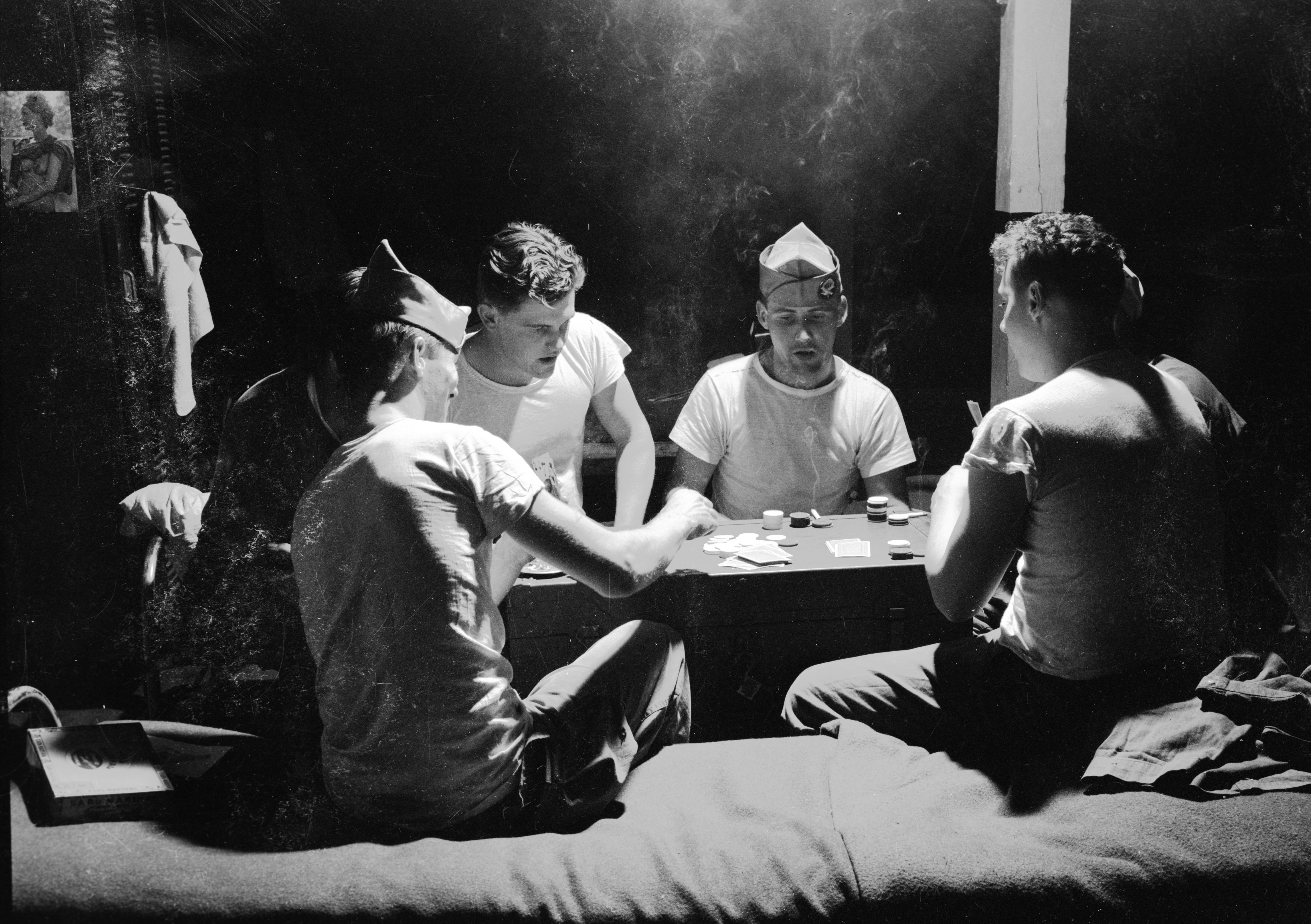
A series of post-WWII negatives from the 82nd Airborne Division is keeping me busy at the V700 Scanner! Nearly 200 superb images of life in and around Fort Bragg in the years between 1943 and 1948 keep me clicking the SCAN button. These photos were taken in a downtown Fayetteville diner in 1947. Love the stereotypical activity in the background. Check out the prices on the sandwiches – Twenty cents? WHAT? Also, apparently everyone drank coffee upside down in the 1940s……………….


An eBay seller recently posted an anomalous grouping of negatives online. The photos were reportedly from the collection of a US ETO fighter pilot, but were clearly taken in a tropical location. My BS radar went off, and I placed a single bid on one of the “better” images. After the negative arrived (2.5 by 3.5 in original glassine envelope), I was able to extract a bit more info; although the man posed in the photo is still a mystery. His name appears to be Jud – and I’ve narrowed down the unit info to place him as a pilot with the VMSB-231 station on Majuro in the Marshall Islands in 1944. I’ve contacted the seller to track down more shots from this historic grouping.
The VMSB-231 stands for Marine Scout Bombing Squadron # 231. They were known as the “Ace of Spades” and can sometimes be seen sporting spade insignia on their planes. The unit was responsible for dive bombing Japanese shipping and freight. The SBD was a radial engined dive-bomber that was extensively used in the early portion of the US involvement in the PTO. Here’s a good site regarding the SBD: http://science.howstuffworks.com/douglas-sbd-dauntless.htm
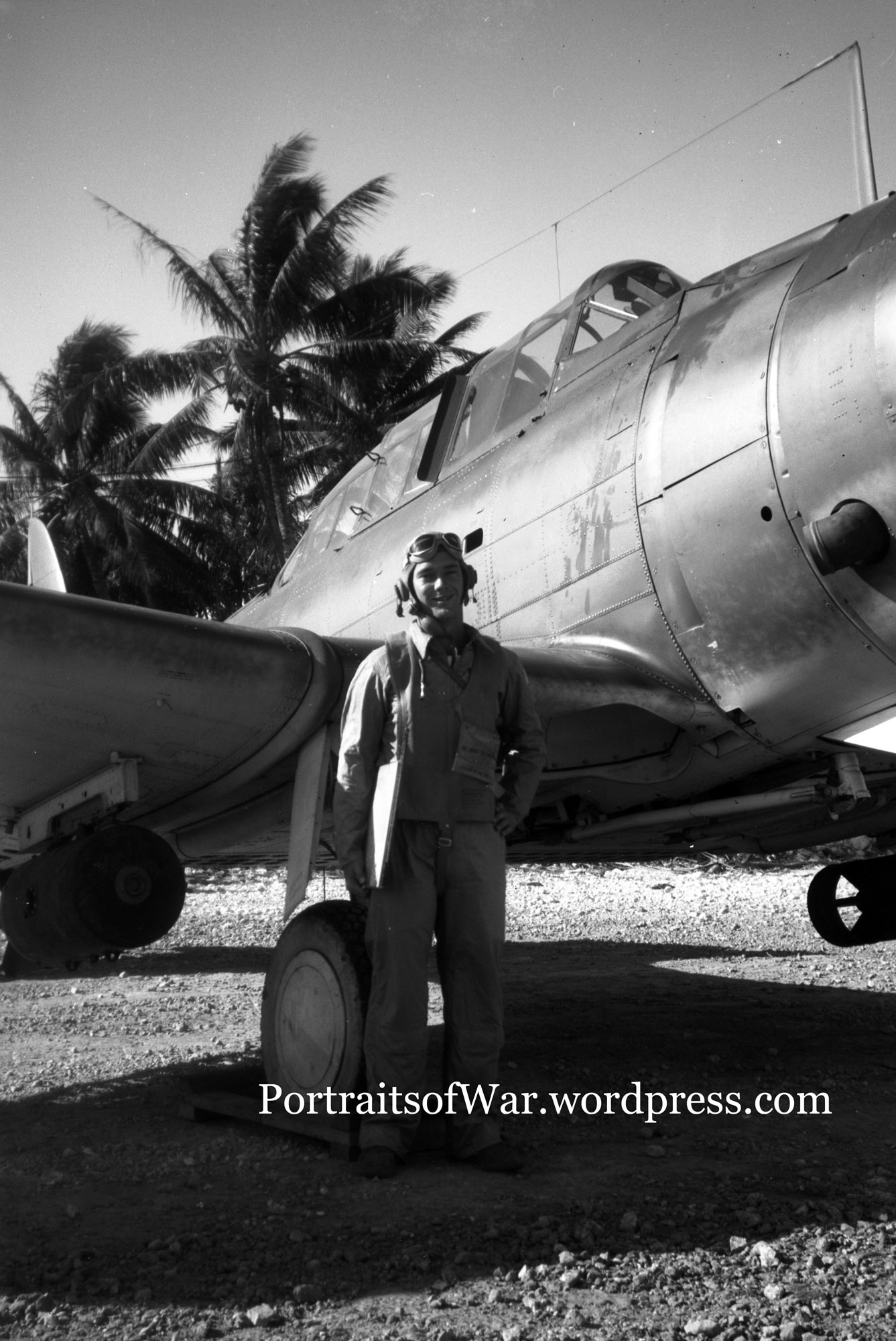
Some technical data on the SBD:
Wingspan: 41 ft. 6-1/2 in.
Length: 33 ft. 1-1/2 in.
Height: 13 ft. 7 in.
Empty Weight: 6,500 lbs
Gross Weight: 10,700 lbs
Top Speed: 252 mph
Service Ceiling: 26,100 ft.
Range: 1,100 miles
Engine/Horsepower: One Wright R-1820/1200
Crew: 2
Armament: Two .50-inch Browning machine guns in the nose; two .50-inch Browning machine guns flexibly mounted in the rear cockpit; 1,600 lbs of bombs under fuselage; 650 lbs under the wing
Today’s post comes from a loyal PortraitsofWar follower from the Netherlands. He recently stumbled across a single snapshot at a Dutch flea market and did some savvy investigative work to tease out the historical significance. Thanks Werner!

Wartime German Snapshot of the Graves
Begraafplaats Engelse Vliegeniers
By: Werner Peters
Here we have a photo taken by a German soldier depicting the graves of three Allied airmen who lost their lives in the skies over Germany. These soldiers were likely recovered from their crashed plane and buried with full military honors by their German adversaries. A Nazi laurel wreath can be seen in the left corner of the photo.
At the time, two of the airmen could be positively identified by the Germans; one body was unidentifiable. One the left side of the burial plot lies Mr.Hammond whose RAF identification number was 562535RAF. On the right side of the grave lies J. MCI. Cameron, Offr res 24225RAF. The middle marker merely says , Engl. Flieger(English Airman). On all three grave posts is written “Hier ruht ein Engl. Flieger – im luftkampf gefallen 28.9.1939 Vorden” – which translates as “here rests an English airman who died in aerial combat on 28.9.1939 Vorden(?)”.
With a little research it turns out that this crew belonged to the 110th RAF squadron. They were flying a Bristol Blenheim type IV, number N6212 which crashed on September 28th, 1939 during a recon mission over Munster in the neighborhood of Kiel, Germany. They were shot down by a German pilot named Klaus Faber, a feldwebel of the Ersten Abiteilung. Jagdgeschwader Eins (1st Section of the 1st Fighter Group).
It turns out that the man buried on the right is wing commander Ivan McLoed Cameron, an Australian who, in fact, is the first Australian to die in action during WWII. The man to the left is Thomas Cecil Hammond, an Irishman. The last grave belongs to Thomas Fullerton.
For more information regarding the crash, please check out the following website: http://ww2chat.com/biographies/5839-raf-australians-wing-commander-ivan-mcleod-cameron.html
After researching the photograph, Werner visited the current grave site in Kleve, Germany where the three men were reburied after the war. He snapped some great photos and generously allowed for them to be posted here at PortraitsofWar.
Thanks Werner!

Reichswald Forest War Cemetery Gates

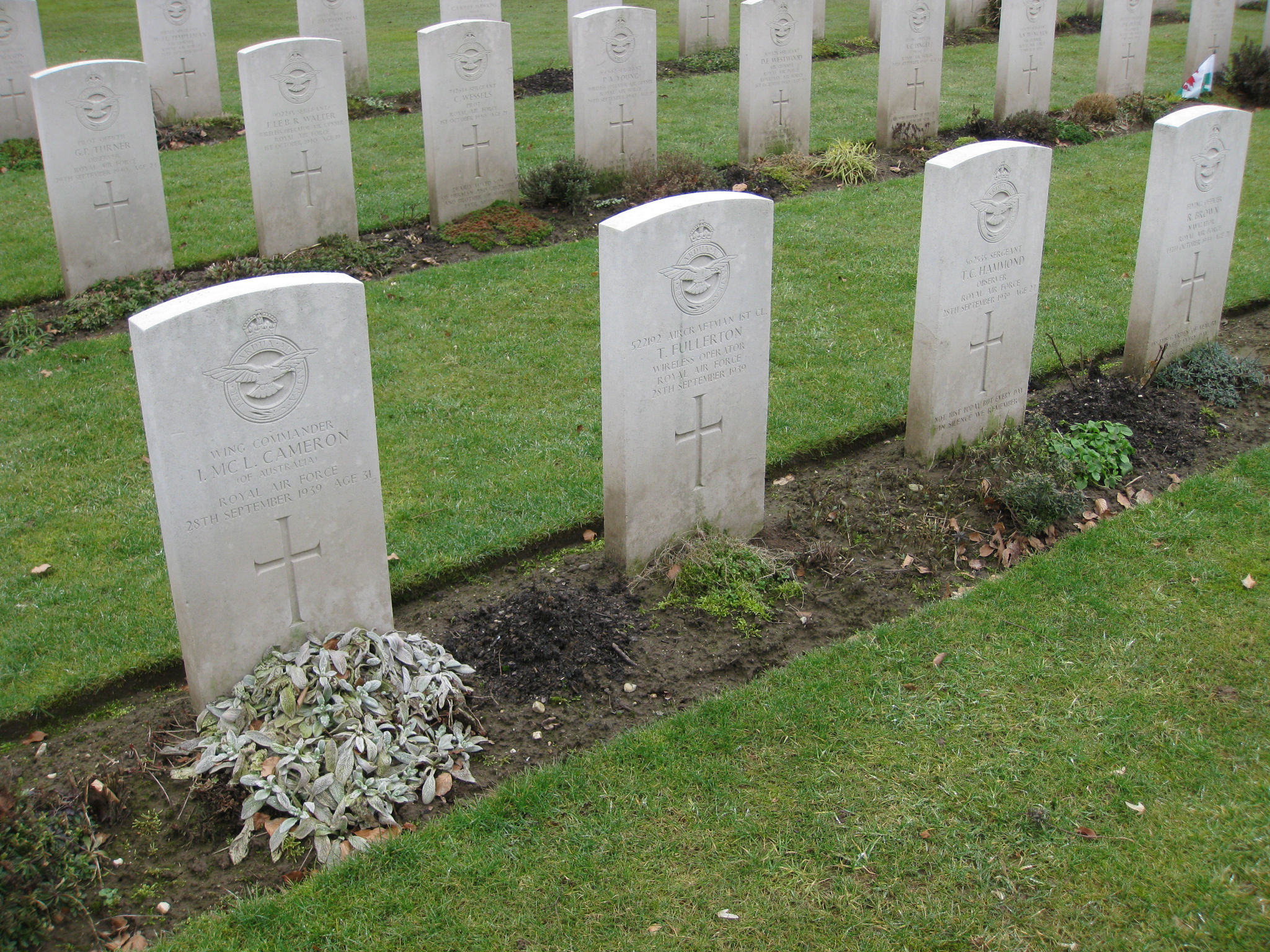
The Three Graves
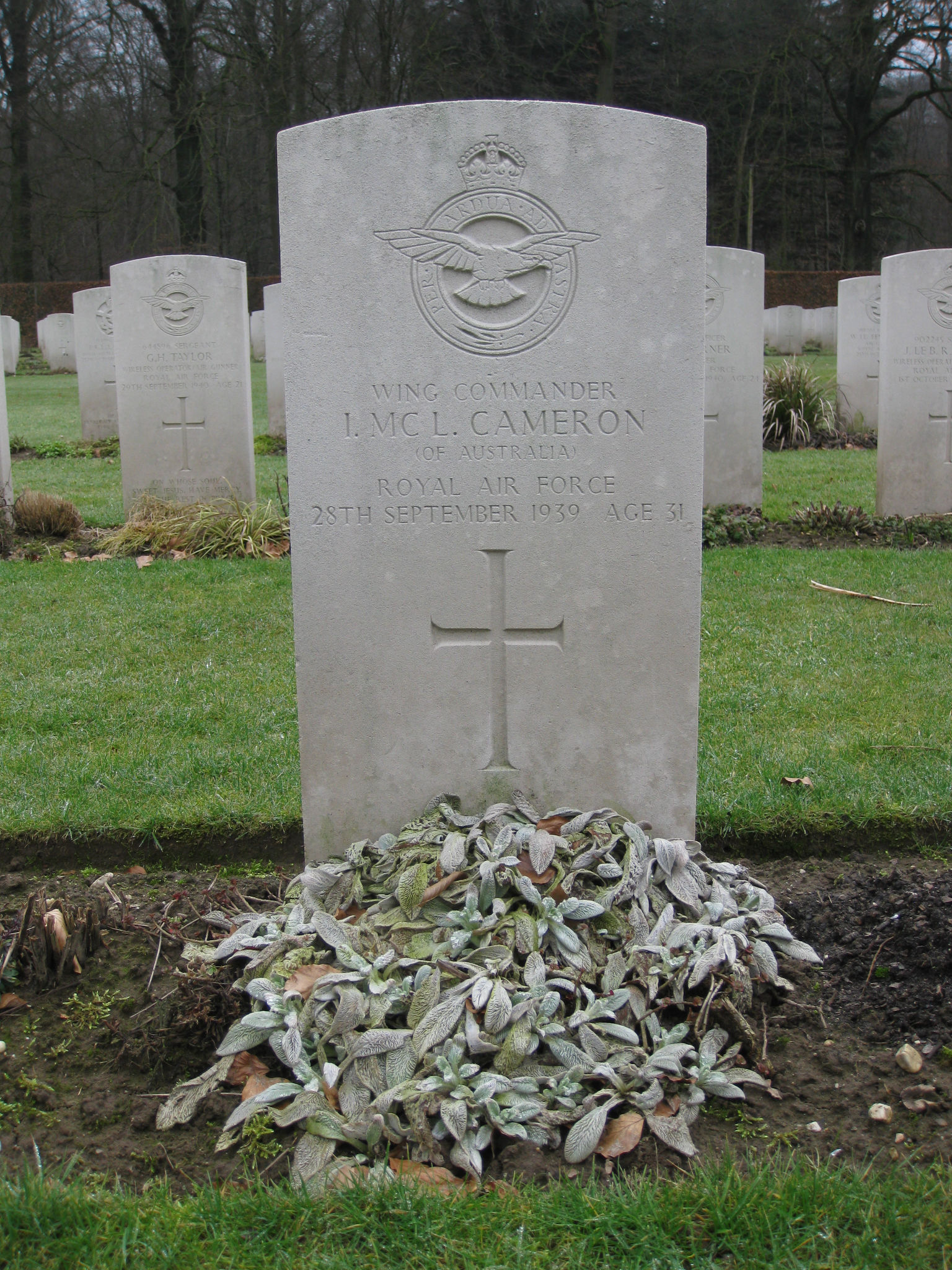
Cameron's Headstone
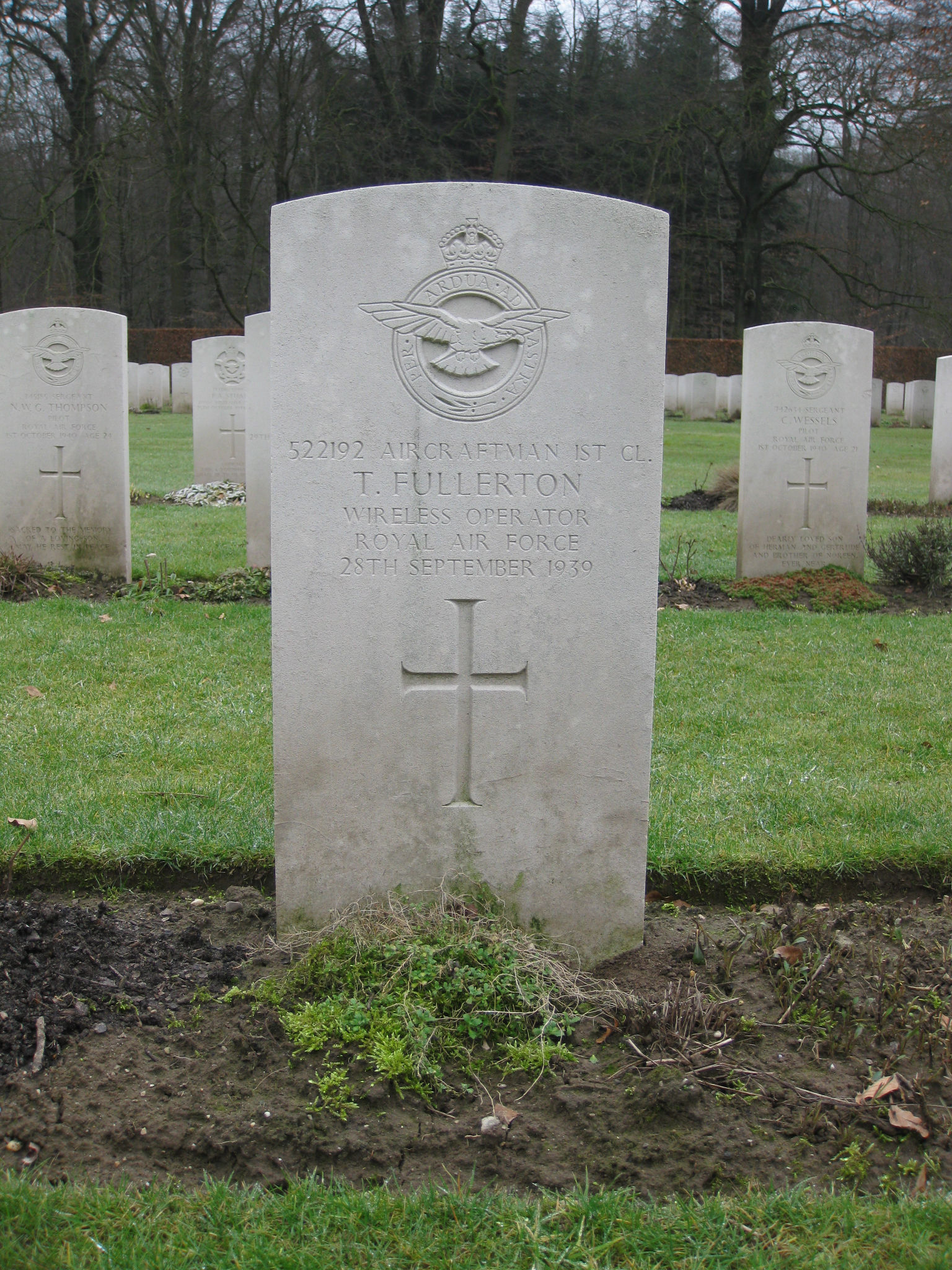
Fullerton

Hammond


 Portraits of War