WWII Photo Post – First Integrated Combat Unit – Company K, 394th Infantry Regiment, 99th Division


The 5th Platoon of K Company was assigned to the 394th Infantry Regiment of the 99th Division, making the African-American men of the platoon the first integrated combat soldiers since the Revolutionary War.  Of the nearly 1,000,000 African-Americans to serve in WWII, only a small handful were put in front line combat duty, and even fewer fought shoulder to shoulder with White comrades.

A recent eBay find turned into an interesting research piece for me.  I had no idea black soldiers fought in the 99th Division, and the Purple Heart and Combat Infantry Badge present in the photo are indicators of a battle-hardened veteran of combat.  All we know about his identity is that the photo was taken in November of 1945 in Knoxville, Tennessee.  Maybe someone knows a way to narrow down the list of K Company men and discover his identity?


Want to read more about this topic?  Check out the following sites for a slew of interested articles and photos:

http://www.historynet.com/african-american-platoons-in-world-war-ii.htm

http://5thplatoon.org/infantry.html

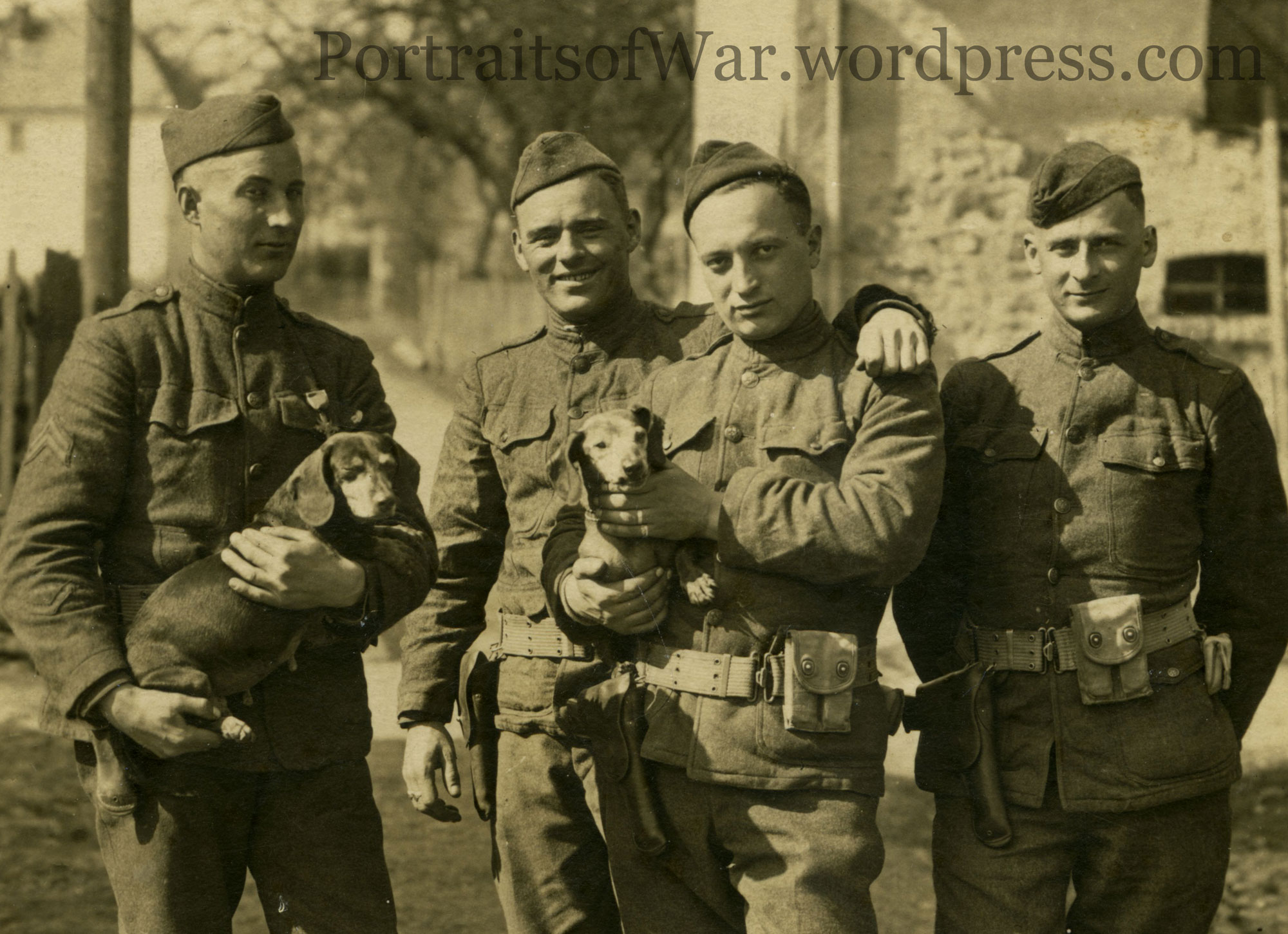
Decorated WWI Doughboys Hold Mascot Dachsunds in Germany


Nothing brings out the personalities of war like a mascot dog!  I have at least a dozen decent WWI photos of mascot dogs posing with their adopted owners; these photos never cease to warm my chilly heart!  The doughboy on the far left is sporting the Distinguished Service Cross, a medal given out for distinguished service on the battlefield.  This award is only second to the Congressional Medal of Honor!

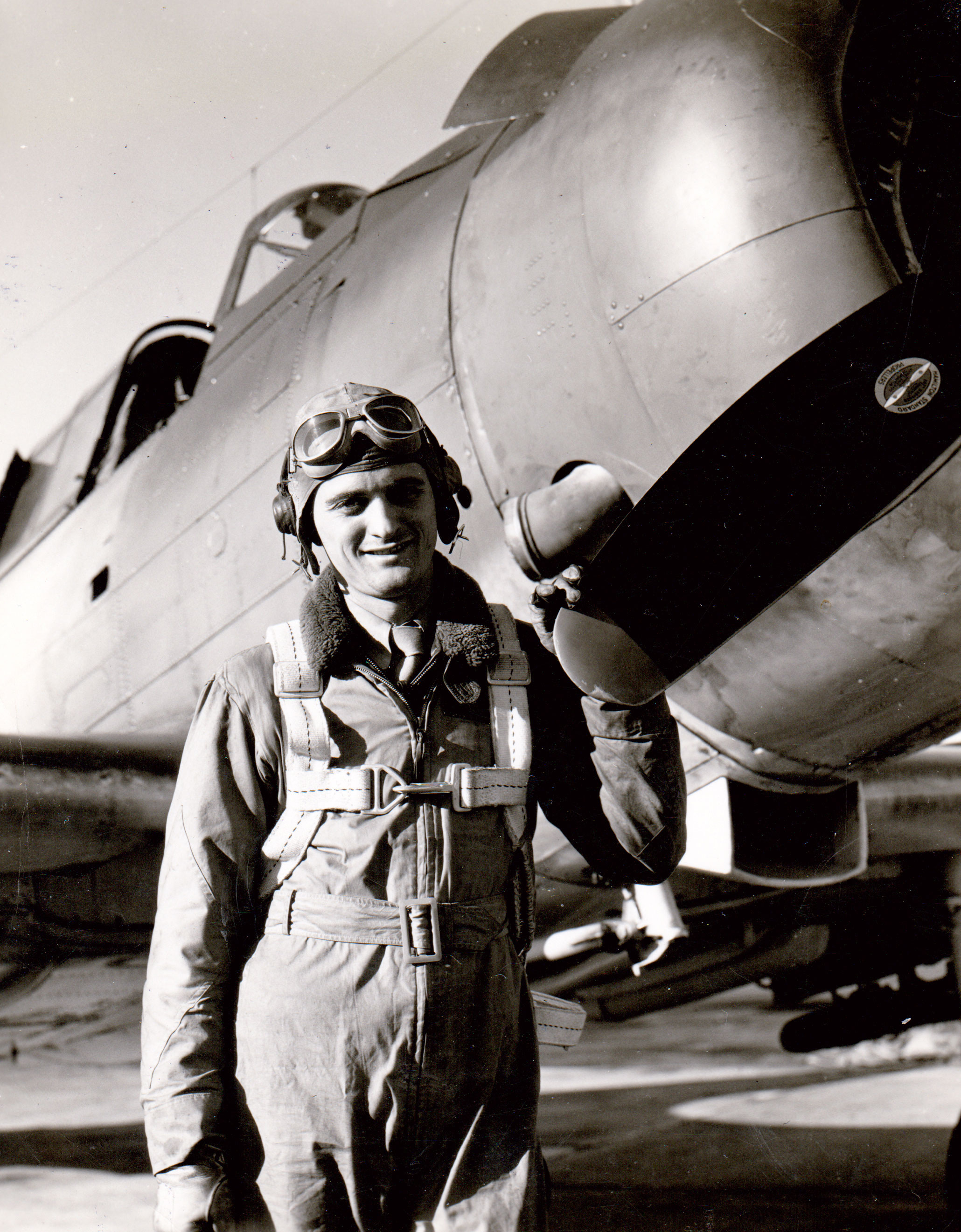
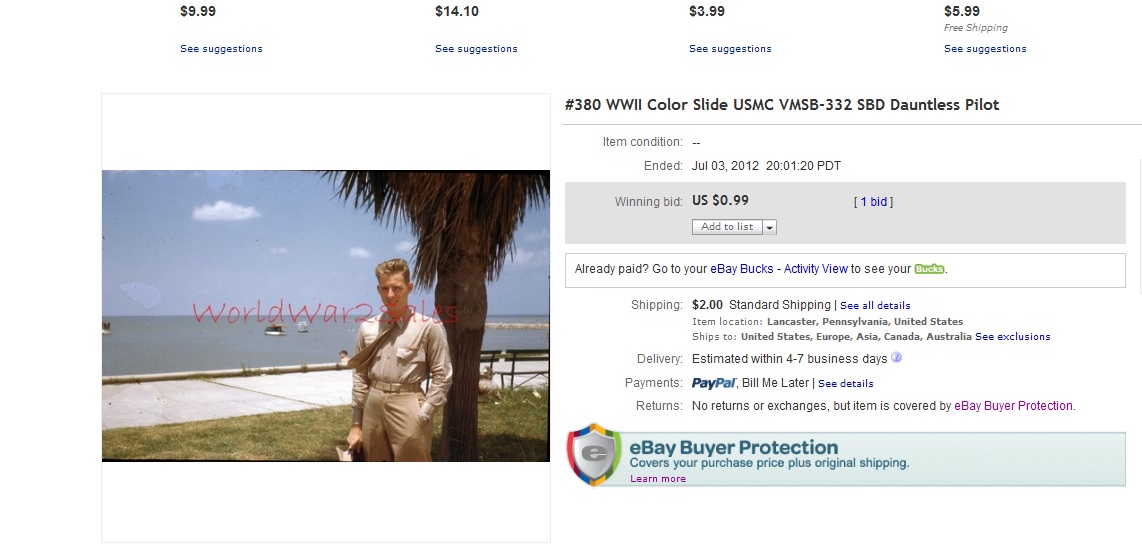
WWII Marine SBD Dive Bomber Pilot Color Photo Identified – Lt. Francis. A Watrous


I recently started researching my collection of 100+ images from a Marine SBD Dive Bomber unit and came across an awesome database that helped clear up a  lot of questions regarding identification of some of the pilots who posed for the camera.  Luckily, the men were wearing leather name tags which allowed for a partial identification.  Recently I discovered the Marine Corps Muster Role section of ancestry.com.  This allowed for a full identification of all the men that served with Lt. Walter Huff, the original owner of the collection.  With this in hand I was able to track down the names of a few pilots who served with Walter.

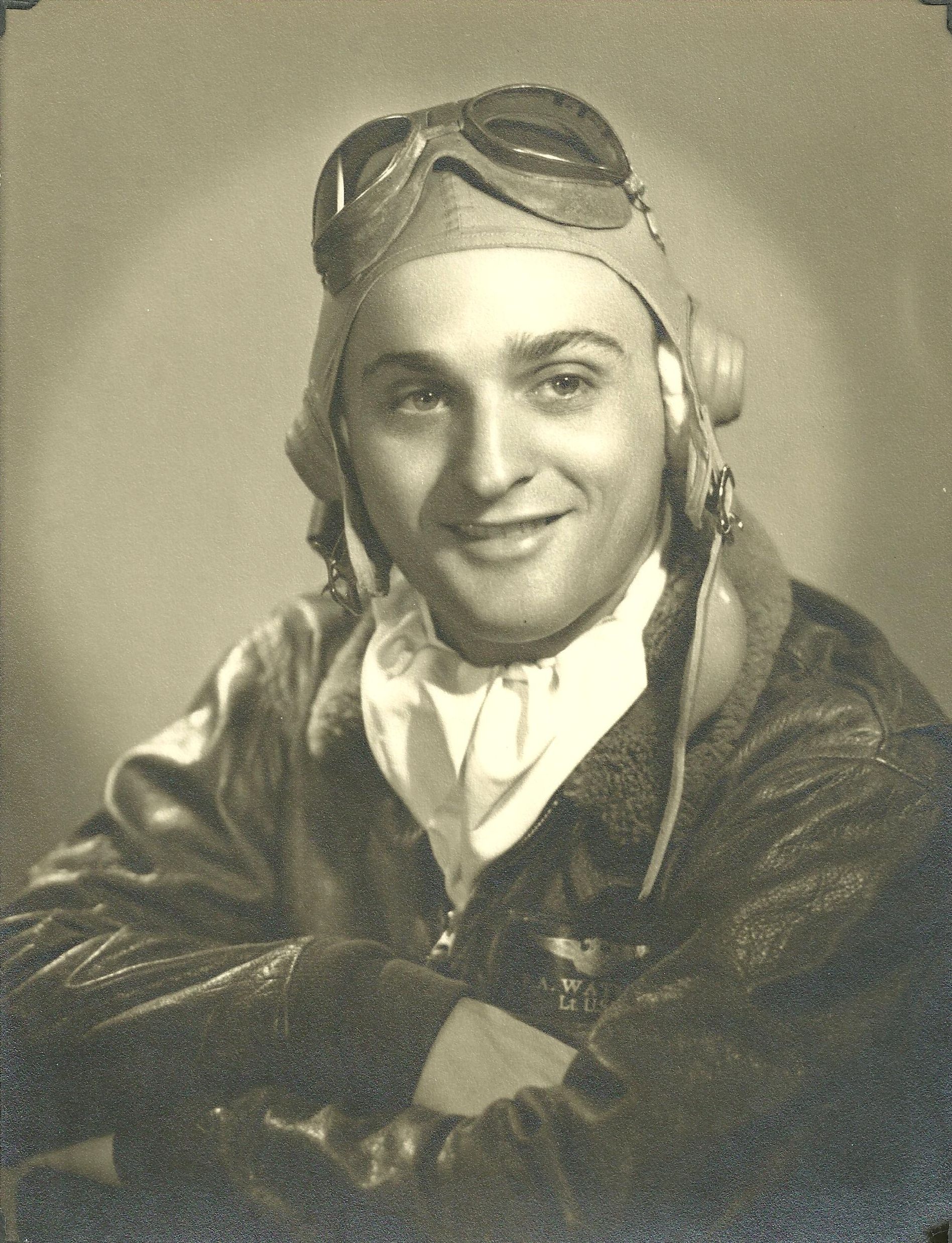
Lt. Francis Allen Watrous

I always knew that the last name of the man in the slide was Watrous, but had nothing else to work from.  Having discovered the muster role of the 332nd, I easily scrolled to the last section of the Lieutenants and found Mr. Francis A. Watrous listed.

Marine Muster Role – National Archives

From there I did a quick google search and found an obituary with a reference to Mr. Watrous.  The obituary was for his wife, who passed away in 2010, but referred to her first husband:

“……….. was predeceased by two husbands, Francis Allen Watrous, who was a U.S. Marine dive bomber pilot in World War II and was killed in a plane crash in 1947″

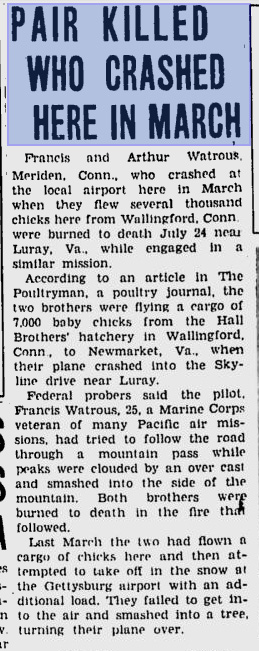
After a search through 1947 newspapers I was able to come up with an article explaining the sad death of Mr. Watrous.

Francis and his brother Arthur worked for Fleetwing Air Cargo Co. as deliverymen of baby chicks.  The brothers crashed on an overcast morning in July of 1947 while delivering 7,000 baby chicks from Wallingford, CT to Newmarket, VA.

And a recent addition to the post from the relative of Mr. Watrous (Thanks to Chris S.):

Francis Poses for the Camera

Francis Poses for the Camera

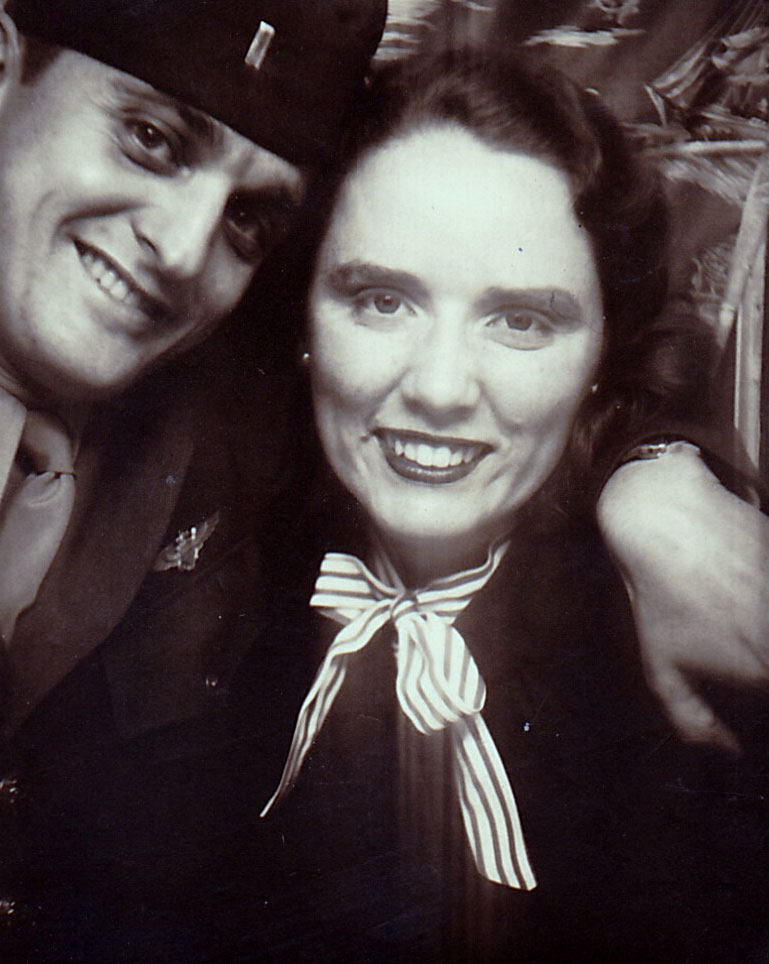
Fran and Lareine Pose in a Photobooth

Fran and Lareine Pose in a Photobooth

Francis and his Dive Bomber

Francis and his Dive Bomber

VMSB 332 on Midway

VMSB 332 on Midway

VSMB back 001

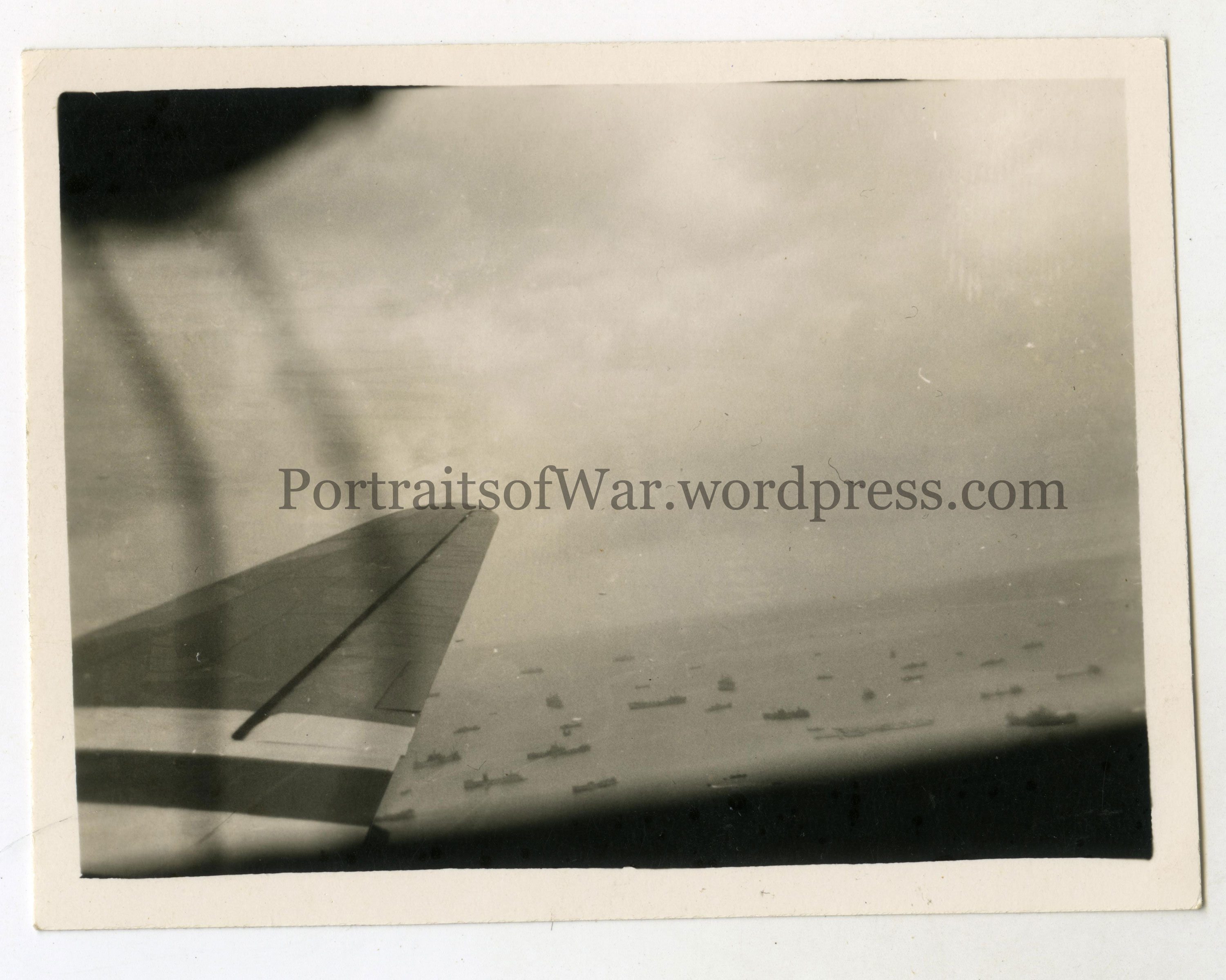
WWII Photo – Incredible D-DAY Flyover View off the French Coast – June 6th, 1944


Followers of PortraitsofWar will know that photos taken on D-Day are some of the most sought after images for WWII photo collectors.  I only have a few dozen in my collection, and this is the first taken from the skies above the English Channel on that fateful day.  The massive fleet was the largest ever put together in world history, and must have been a sight to behold. This post goes out to my Great-Uncle Brendan who made the landing with the 29th Division.


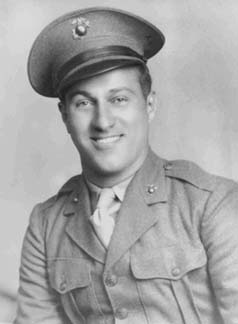
WWII 542nd Marine Night Fighter Photo Album – Newly Identified Marine Cpl. Anthony Reviello of Rutherford, NJ


After a spat of recent interest in the 542nd Marine Night Fighter album in my collection, I’ve decided to do some additional research into the various servicemen identified within.  After spending a few minutes this morning, I was able to track down a muster role from the unit, and tracked down Mr. Anthony Reviello.  Mr. Reviello passed away in 2010 at the age of 97!  It sounds like he led a great life.  I hope his family finds this posting!

Anyway, I was able to find another photo him here: http://www.ww2gyrene.org/photoalbum18.htm

(left) Cpl Anthony Reviello of Rutherford, NJ. Tony served in the Marine Corps from 1944–46 as an aircraft mechanic with VMF(N)–542. His squadron took part in the campaign for Okinawa, flying from Yontan airfield, and was credited with 18 kills.

WWI 107th Infantry Regiment, 27th Division NY KIA Portrait Photo – Harold E. Manners – Meuse-Argonne Offensive


I picked up this little gem in a Palmer Massachusetts antique store a few months back and never took the time to look at the photo closely until this past week.  The frame was intricately created; something not often seen in run of the mill WWI photos.  The gold stars on the corners and bottom of the image should have been a dead giveaway.  Once I  decided to look at the photo a little closer, I took the frame apart from the back and began to uncover the identity of the soldier depicted in the image.  I knew he was a member of the 7th Infantry Regiment; this was evidenced in the collar disc.  The 7th New York eventually became the 107th Infantry Regiment of the 27th Division.  Harold was in Company H.

The reverse of the photo was beautifully inscribed with everything I needed to know to track this fellow down.

Harold Edward Manners

Killed in France in the

Great War, Sept. 29th 1918

aged 23 years

After extensive research I’ve learned that Harold was killed during the operations before the Hindeburg Line east of Ronssoy, September 29th, 2918.  His citation for the day reads:

“This soldier, with great gallantry and determination, advanced against unusually difficult enemy positions composed of strongly fortified machine gun nests until killed.”

I found an auction result online that showed his medals which were sold in 2008 at an auction in NY. A beautifully inscribed NY veterans medal for a KIA was included.  I wish I had that grouping!

For more info on H Company of the 107th please check out the following posts: http://txinid.wordpress.com/2011/08/01/eugene-masterson/ , http://txinid.wordpress.com/2013/03/25/pfc-eugene-masterson-kia-part-2/

Provided by Steve M. of http://txinid.wordpress.com/

WWI Portrait Photo – 88th Division Iowa Doughboy – Died of Spanish Influenza in France, 1918


Laurel L. Hanan of the 339th Machine Gun Battalion of the 88th Division succumbed to the Spanish Flu during the Meuse Argonne Offensive during the tail end of WWI.  Over 120,000 US servicemen were afflicted with Spanish Flu during the war, actually making the Flu more deadly than German machine gun bullets!  I was able to stumble across this photo on eBay and was happy to add it to my collection. I’ve added Laurel’s photo to his findagrave.com page, and have requested an update to his page.  Laurel was reburied in his hometown after the war.


Born: 13 NOV 1895
Died: 7 OCT 1918 – Spanish Influenza, France
Cemetery: ROSE HILL
Location: FREDERICKSBURG
County: CHICKASAW CO. – IOWA
Record Notes: WORLD WAR


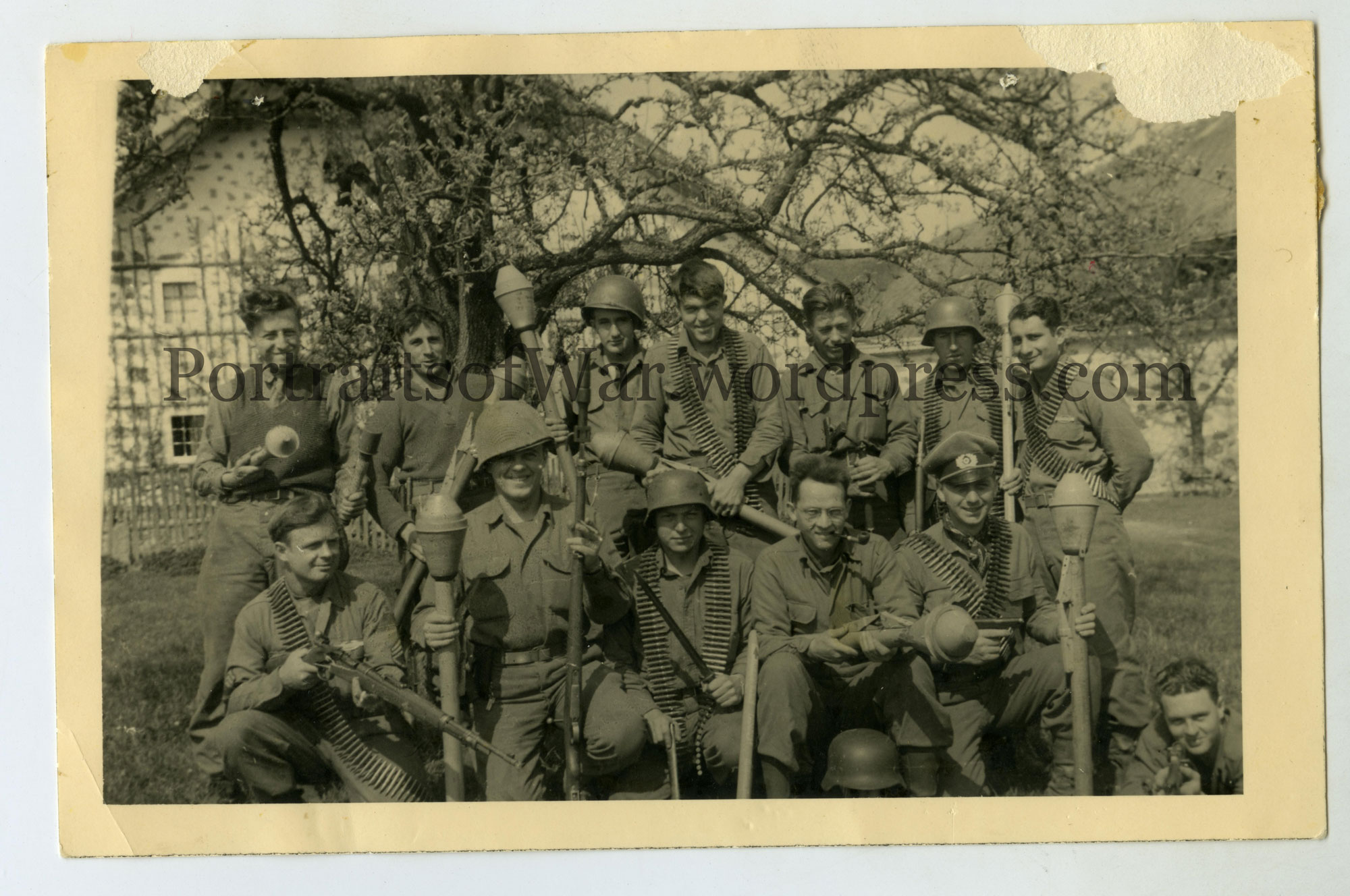
11th Armored Division Soldiers Capture German Weapons and Uniforms – Panzerfausts, Rifles, Helmets++


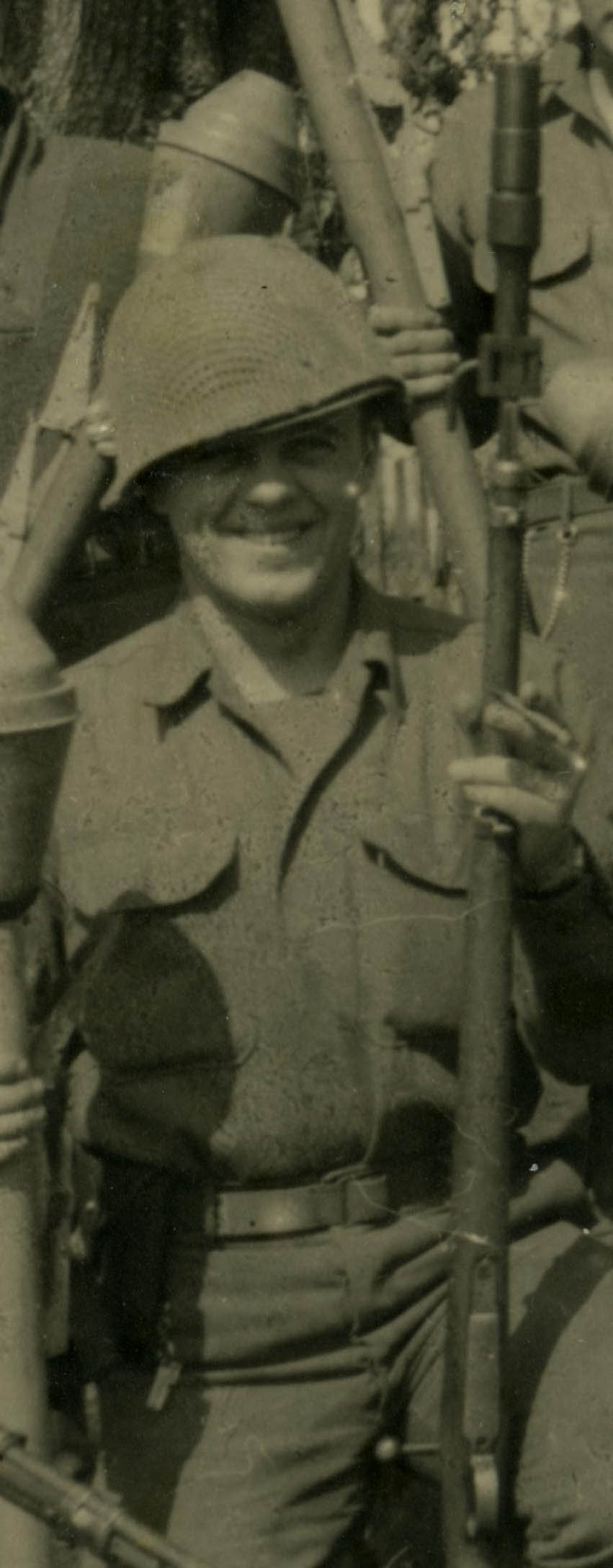
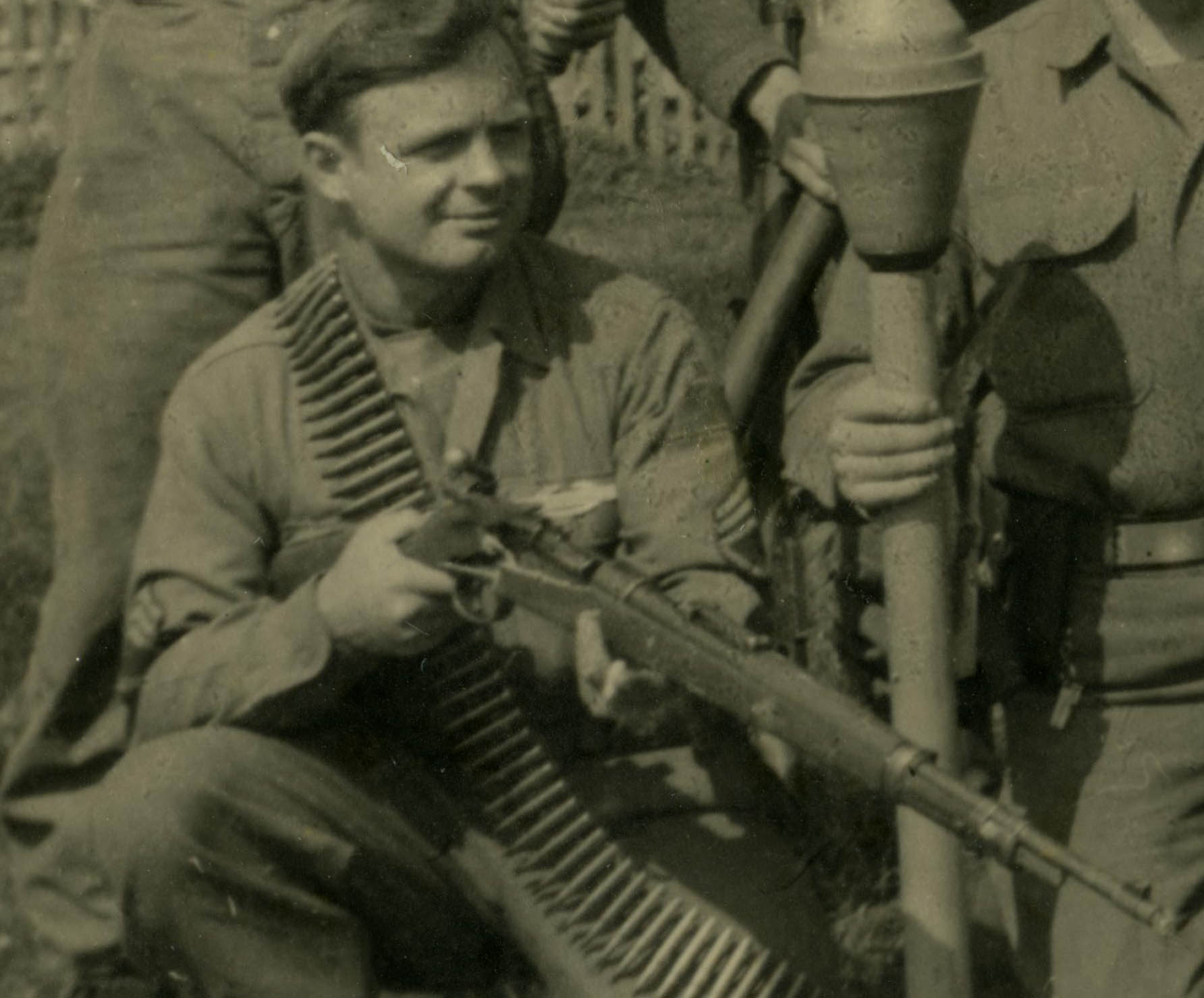
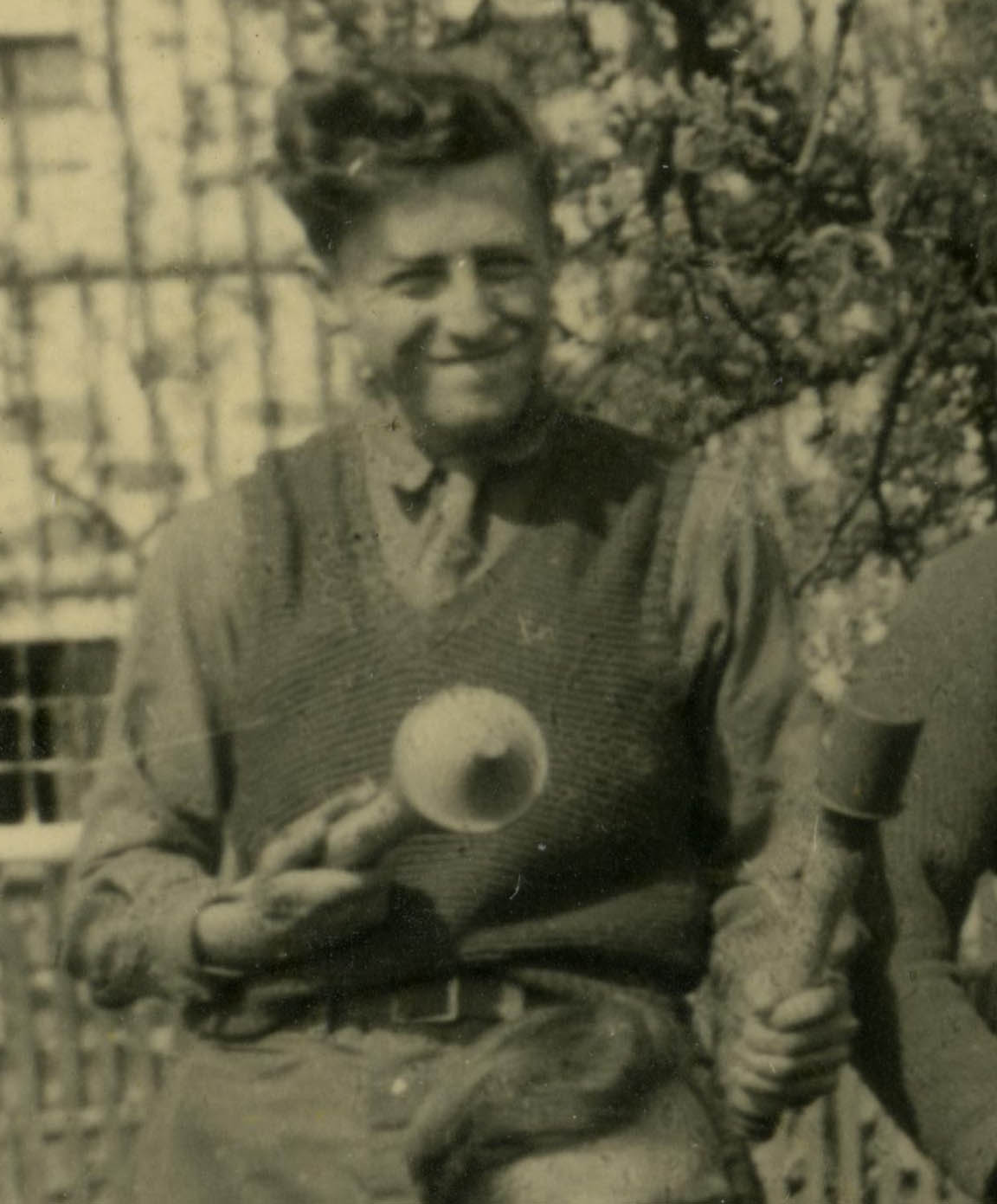
One of my favorite wwii photo collecting topics has to be the captured German material photo.  US soldiers routinely posed with “liberated” German goodies to show friends and family back home.  More often than not, they sent these items home.  In this incredible photo, members of the 11th Armored Division pose with a plethora of German material. Two types of panzerfaust, grenades, a rare grenade launcher, helmets, hats, mausers, machine gun belts, pistols, and even an MP44 in the bottom right hand corner.  Phew!

Captured Bayonet and Helmet

Grenade Launcher

Panzerfaust

Broken Mauser

Potato Masher Grenade and Panzerfaust

Scanning WWII 35mm Color Slides: A Beginners Guide


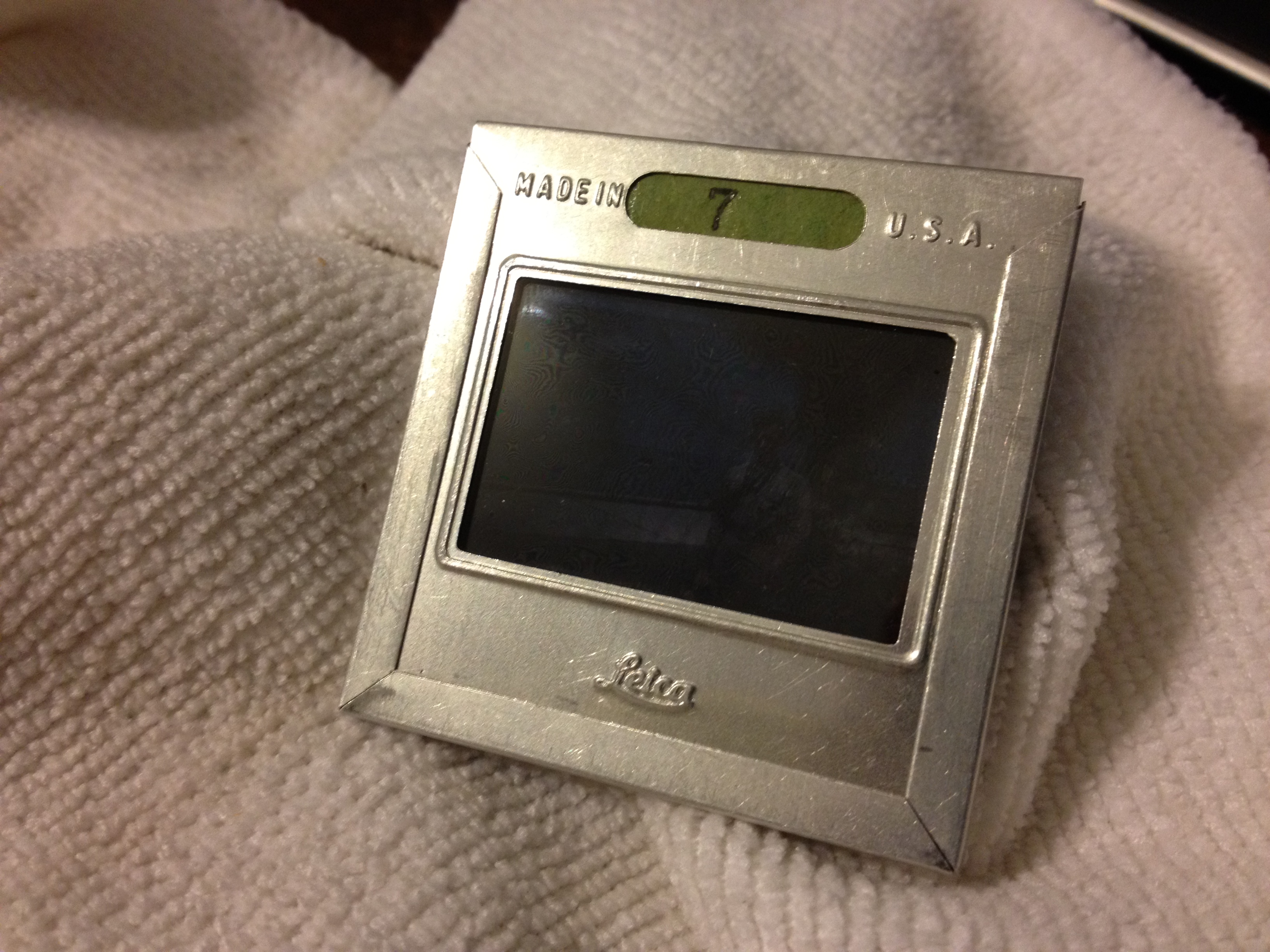
I constantly have readers asking me about scanning WWII negatives and slides.  Many people unknowingly think that the process is tedious and time consuming.  In actuality, the process of scanning and processing a single image only takes a few minutes with some great results.  Here’s a quick step-by-step guide to scanning a WWII 35mm color slide.  In this instance, the 35mm Kodachrome film is housed in a Leica metal mount.
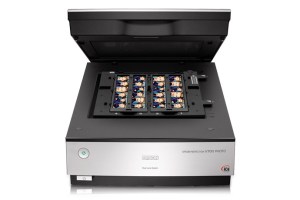
To preface this tutorial, I need to point out that not every scanner will scan negatives or slides.  I am currently running an Epson V700 “Perfection”.  Many other collectors and dealers use this scanner, and some even use the V750.  The V700 will run roughly 500 bucks, and the V750 a hundred or so more.  There are a handful of other quality scanners out there, so search around!
Epson V700

Step 1:  Find a Slide

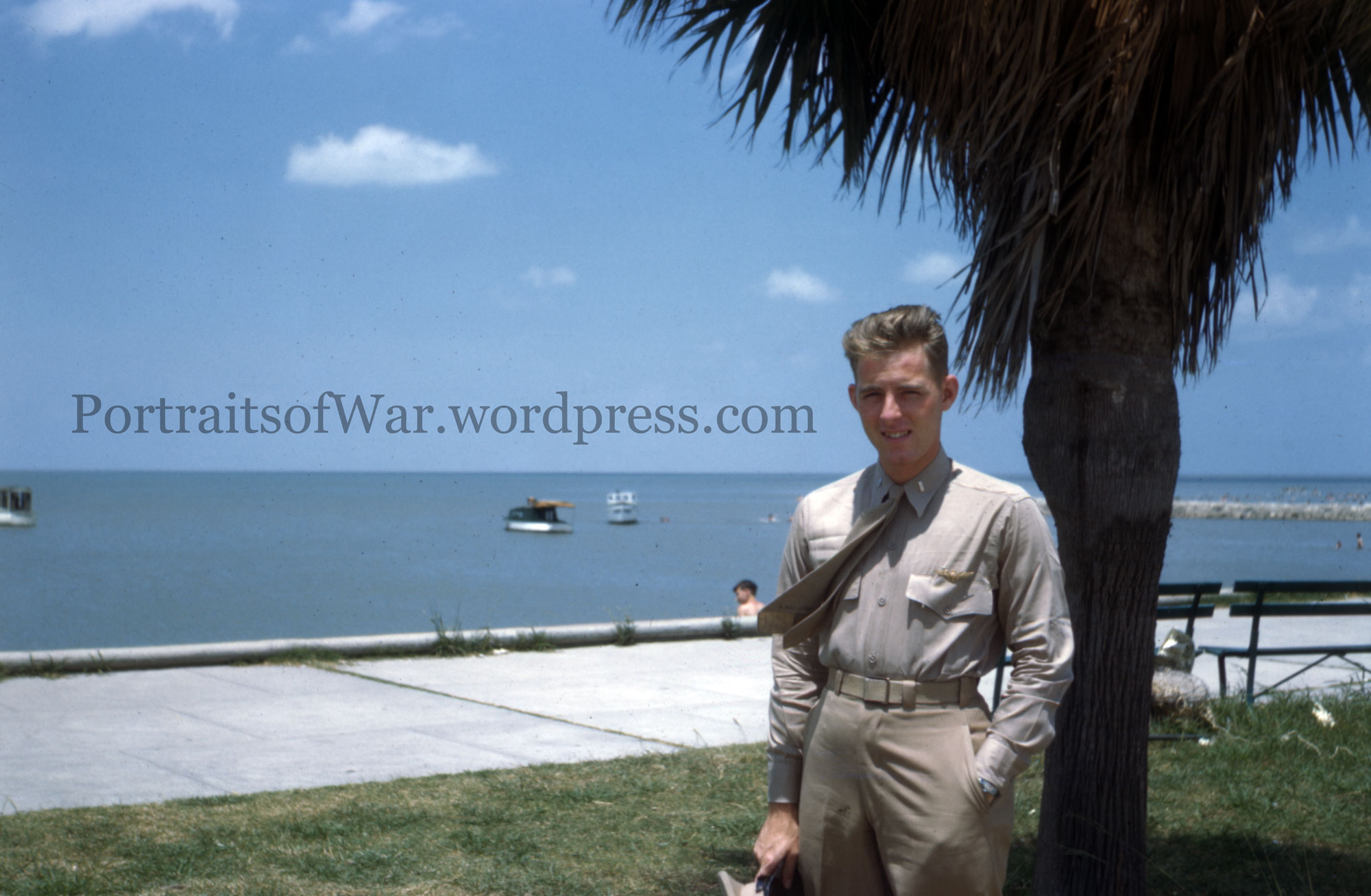
This may actually be the hardest part of the process.  Find a single image, or group of images, on an online auction or location flea market that you want to scan.  This works well with any type/age of slides, but I prefer WWII and Korean War slides.  In this case, I found a nice shot of a Marine pilot posing near the beach.  Good subject matter, color, and condition.

Step 1: Find a Slide

Step 2: Prepare the Slide

Although most late-war slides tend to be mounted in paper housings, I’m showing the process with a glass and metal mounted slide from 1944.  The process works the same with the paper mounts, but tends to lose some quality around the outside borders.  In this case, the film is sandwiched between two small pieces of glass and inserted into the metal housing as seen below.
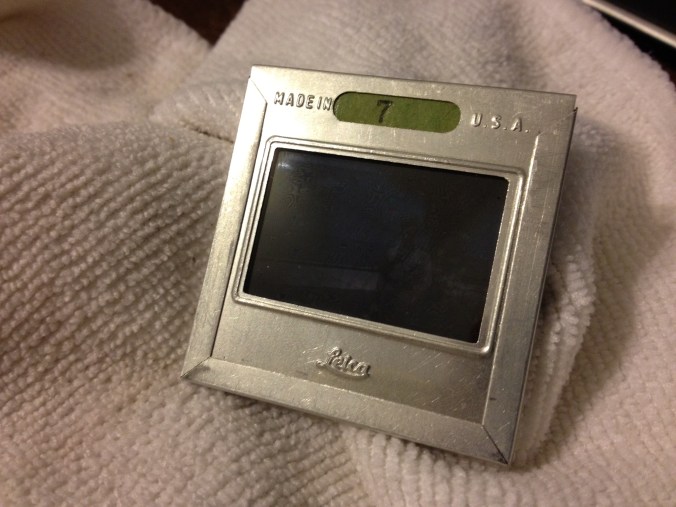
WWII Slide

Take care when extracting both sections of the slide housing.  Using slight pressure and TLC will ensure the slide goes back together after scanning.  If the housing breaks for any reason, plastic 35mm slide mounts can be found on eBay.

Carefully Deconstructed WWII Slide

Step 3: Scanning

Place the color film on the scanner glass.  I don’t worry about mounting the film in the Epson provided slide tray.  I don’t usually have a problem with gaussian blur, and I always wipe my glass down with a microfiber cloth to get rid of dust and random particles that tend to float around in the air.

The most important part of the physical scanning process is the adjustment of settings.  I tend to scan in TIFF 48-bit color in 4800 or 6400 DPI.  I don’t set ICE or dust removal.

Place on Scanner Bed


Step 4:  Post-Scanning

When the scanned image is ready for manipulation it typically needs a little bit of Photoshop cropping and editing to correct the color balance, remove dust and scratches, and reduce blurring.  A few minutes fiddling with Photoshop or another editing program should produce a nice digital image ready for posting to your favorite blog.  I typically use watermarks to help bring visitors to the website and to stop unscrupulous visitors from stealing images.
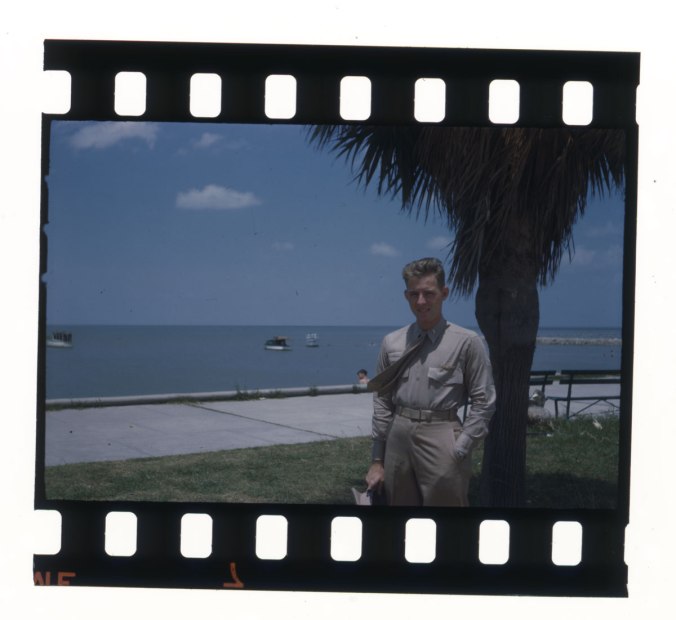
Unedited Slide Scan
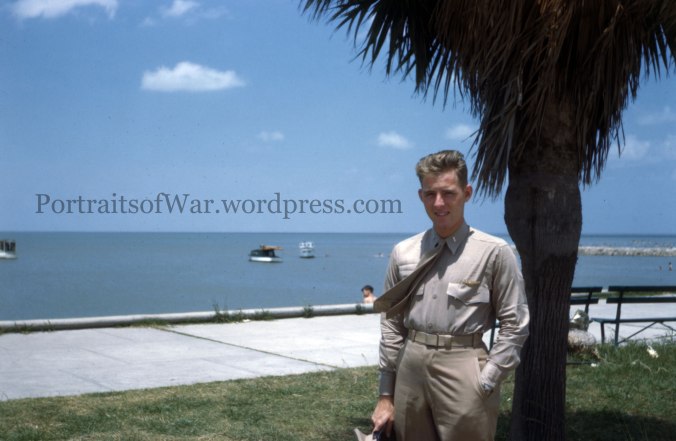
 

After Ten Minutes of “Cleaning”