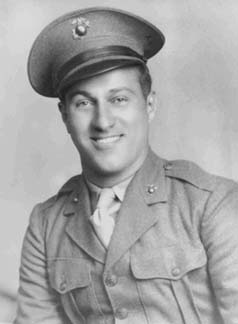
WWI 107th Infantry Regiment, 27th Division NY KIA Portrait Photo – Harold E. Manners – Meuse-Argonne Offensive


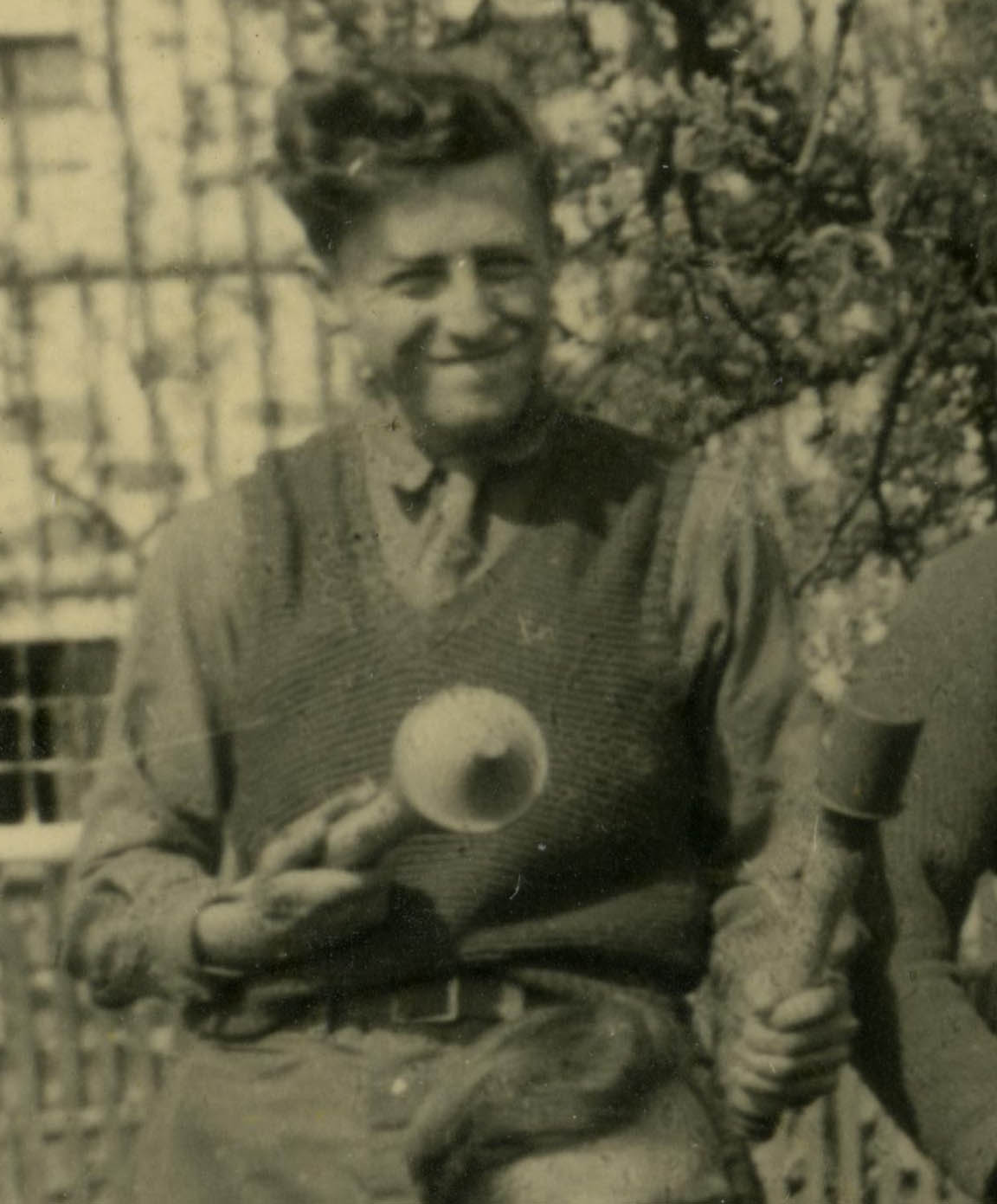
I picked up this little gem in a Palmer Massachusetts antique store a few months back and never took the time to look at the photo closely until this past week.  The frame was intricately created; something not often seen in run of the mill WWI photos.  The gold stars on the corners and bottom of the image should have been a dead giveaway.  Once I  decided to look at the photo a little closer, I took the frame apart from the back and began to uncover the identity of the soldier depicted in the image.  I knew he was a member of the 7th Infantry Regiment; this was evidenced in the collar disc.  The 7th New York eventually became the 107th Infantry Regiment of the 27th Division.  Harold was in Company H.

The reverse of the photo was beautifully inscribed with everything I needed to know to track this fellow down.

Harold Edward Manners

Killed in France in the

Great War, Sept. 29th 1918

aged 23 years

After extensive research I’ve learned that Harold was killed during the operations before the Hindeburg Line east of Ronssoy, September 29th, 2918.  His citation for the day reads:

“This soldier, with great gallantry and determination, advanced against unusually difficult enemy positions composed of strongly fortified machine gun nests until killed.”

I found an auction result online that showed his medals which were sold in 2008 at an auction in NY. A beautifully inscribed NY veterans medal for a KIA was included.  I wish I had that grouping!

For more info on H Company of the 107th please check out the following posts: http://txinid.wordpress.com/2011/08/01/eugene-masterson/ , http://txinid.wordpress.com/2013/03/25/pfc-eugene-masterson-kia-part-2/

Provided by Steve M. of http://txinid.wordpress.com/

WWI Portrait Photo – 88th Division Iowa Doughboy – Died of Spanish Influenza in France, 1918


Laurel L. Hanan of the 339th Machine Gun Battalion of the 88th Division succumbed to the Spanish Flu during the Meuse Argonne Offensive during the tail end of WWI.  Over 120,000 US servicemen were afflicted with Spanish Flu during the war, actually making the Flu more deadly than German machine gun bullets!  I was able to stumble across this photo on eBay and was happy to add it to my collection. I’ve added Laurel’s photo to his findagrave.com page, and have requested an update to his page.  Laurel was reburied in his hometown after the war.


Born: 13 NOV 1895
Died: 7 OCT 1918 – Spanish Influenza, France
Cemetery: ROSE HILL
Location: FREDERICKSBURG
County: CHICKASAW CO. – IOWA
Record Notes: WORLD WAR


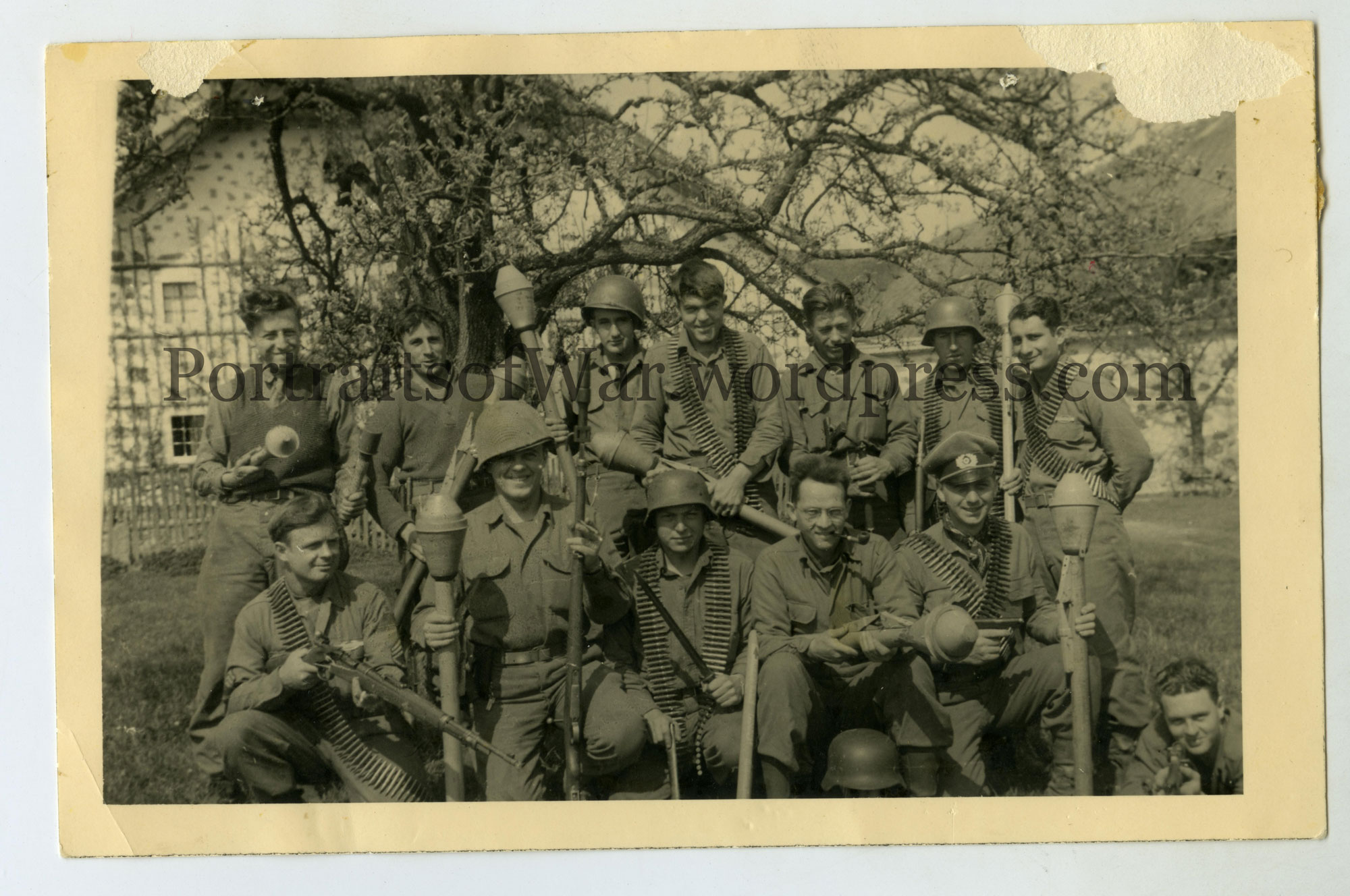
11th Armored Division Soldiers Capture German Weapons and Uniforms – Panzerfausts, Rifles, Helmets++


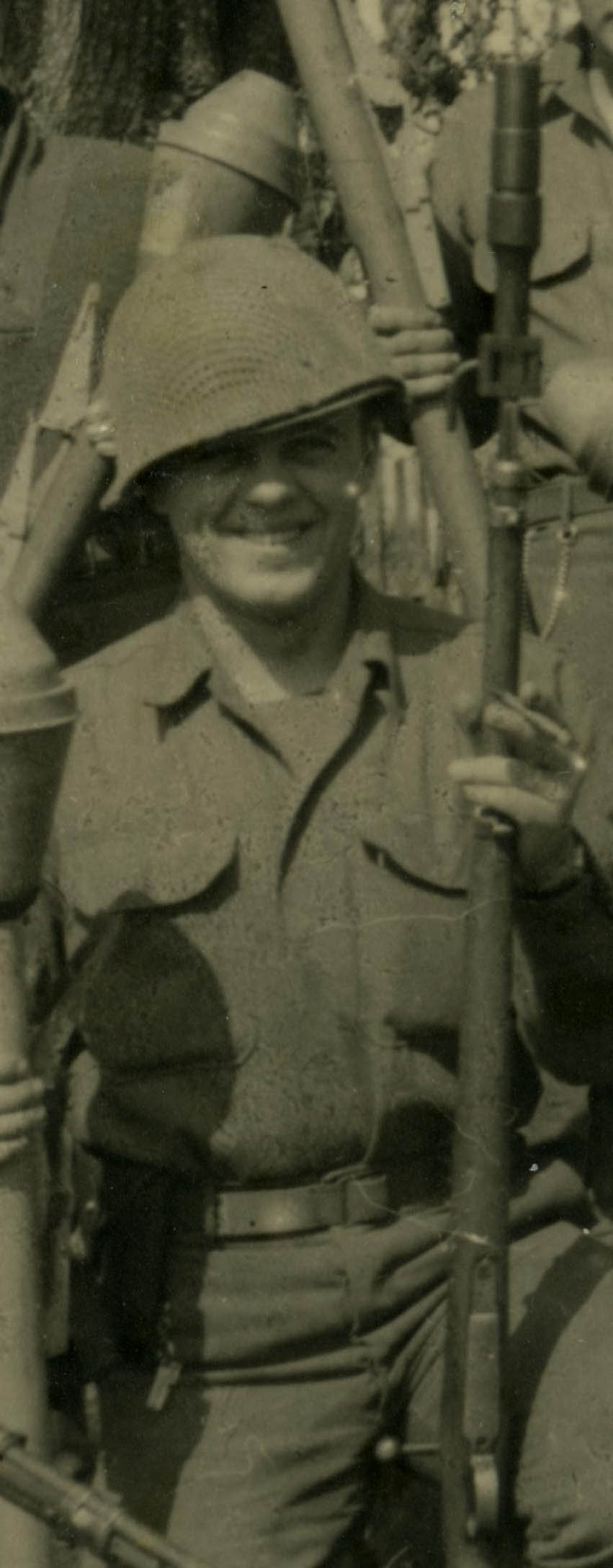
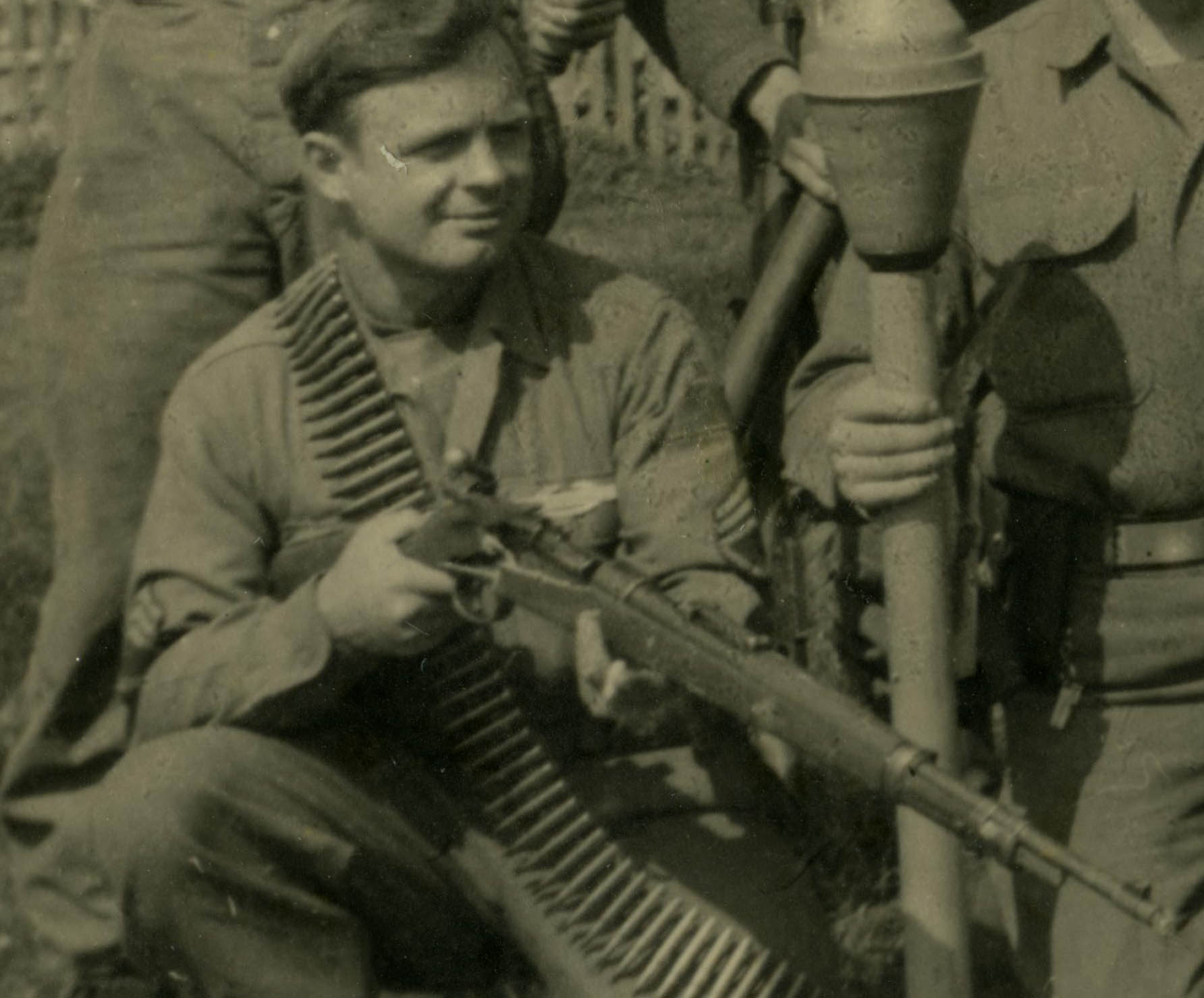
One of my favorite wwii photo collecting topics has to be the captured German material photo.  US soldiers routinely posed with “liberated” German goodies to show friends and family back home.  More often than not, they sent these items home.  In this incredible photo, members of the 11th Armored Division pose with a plethora of German material. Two types of panzerfaust, grenades, a rare grenade launcher, helmets, hats, mausers, machine gun belts, pistols, and even an MP44 in the bottom right hand corner.  Phew!

Captured Bayonet and Helmet

Grenade Launcher

Panzerfaust

Broken Mauser

Potato Masher Grenade and Panzerfaust

Scanning WWII 35mm Color Slides: A Beginners Guide


I constantly have readers asking me about scanning WWII negatives and slides.  Many people unknowingly think that the process is tedious and time consuming.  In actuality, the process of scanning and processing a single image only takes a few minutes with some great results.  Here’s a quick step-by-step guide to scanning a WWII 35mm color slide.  In this instance, the 35mm Kodachrome film is housed in a Leica metal mount.
To preface this tutorial, I need to point out that not every scanner will scan negatives or slides.  I am currently running an Epson V700 “Perfection”.  Many other collectors and dealers use this scanner, and some even use the V750.  The V700 will run roughly 500 bucks, and the V750 a hundred or so more.  There are a handful of other quality scanners out there, so search around!
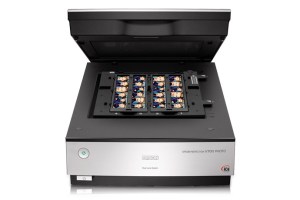
Epson V700

Step 1:  Find a Slide

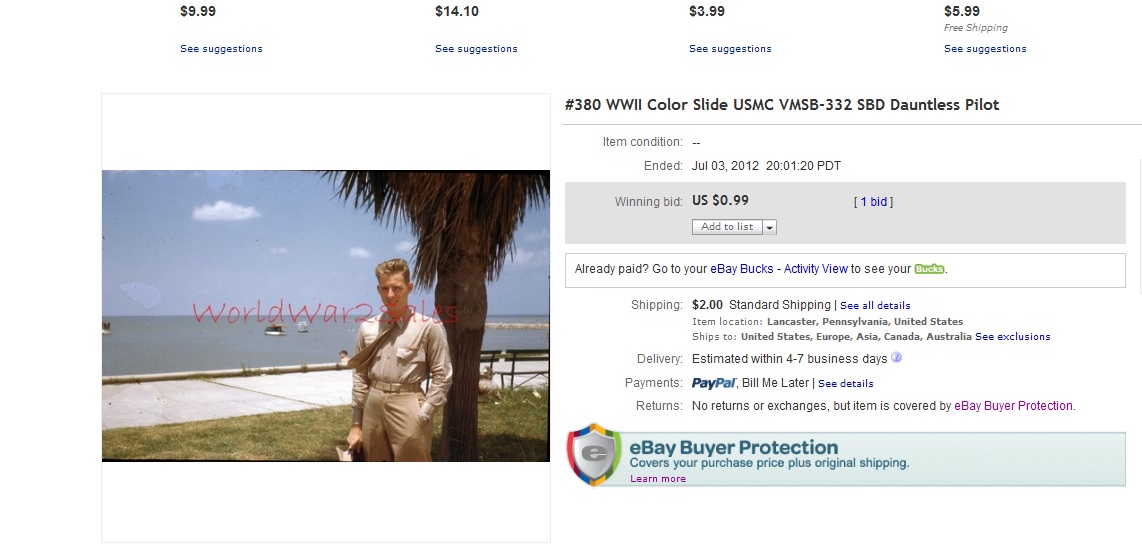
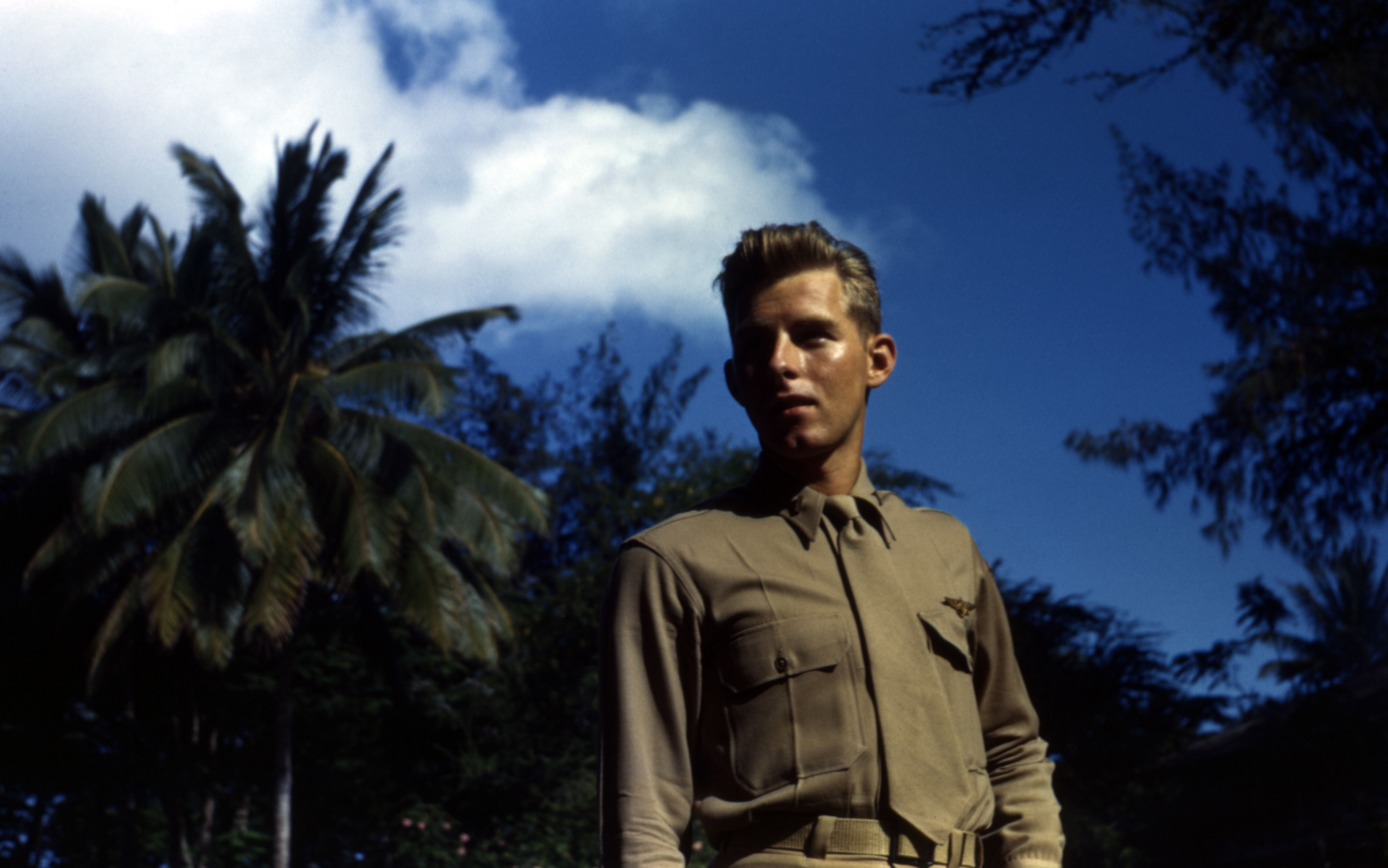
This may actually be the hardest part of the process.  Find a single image, or group of images, on an online auction or location flea market that you want to scan.  This works well with any type/age of slides, but I prefer WWII and Korean War slides.  In this case, I found a nice shot of a Marine pilot posing near the beach.  Good subject matter, color, and condition.

Step 1: Find a Slide

Step 2: Prepare the Slide

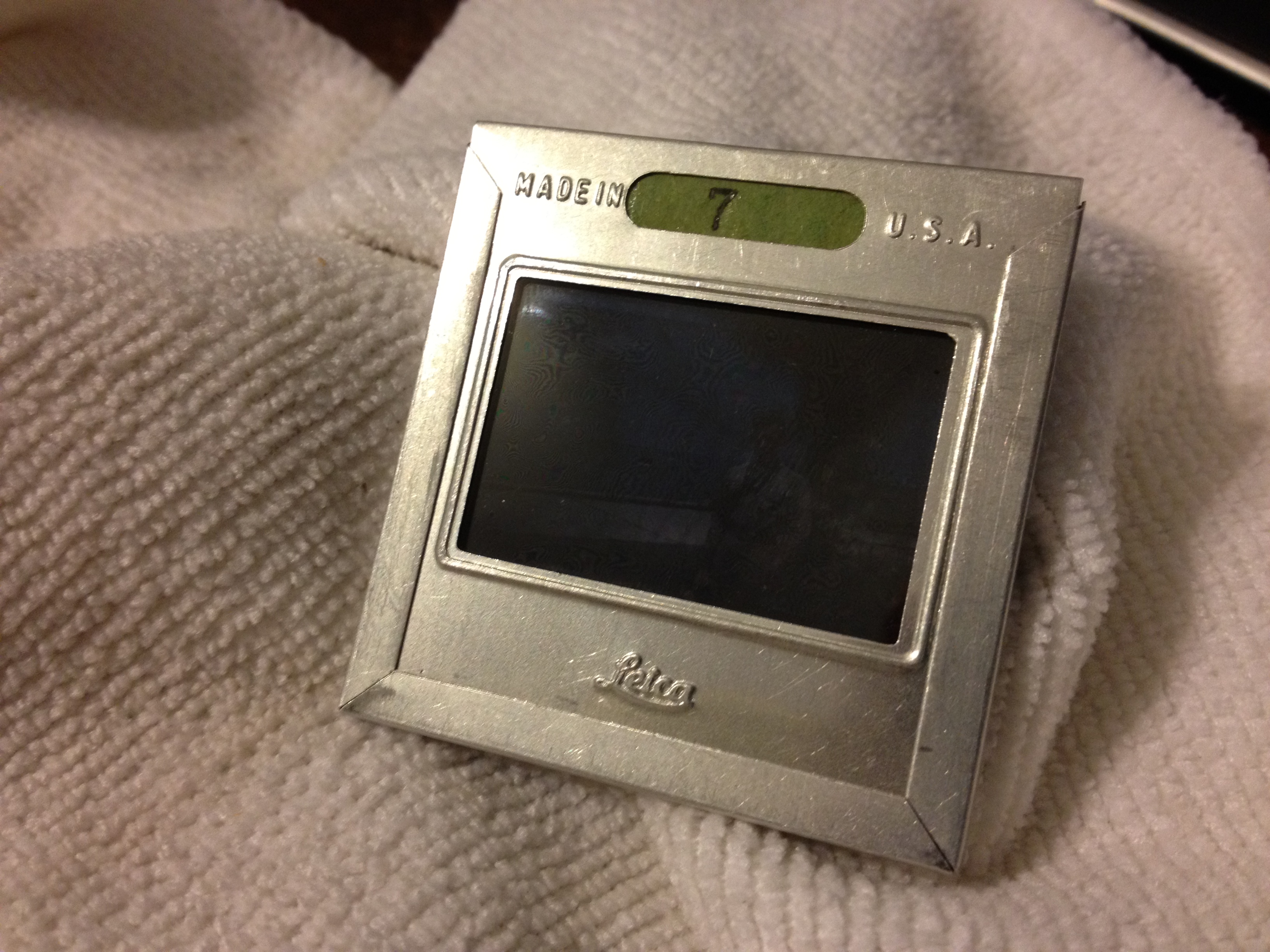
Although most late-war slides tend to be mounted in paper housings, I’m showing the process with a glass and metal mounted slide from 1944.  The process works the same with the paper mounts, but tends to lose some quality around the outside borders.  In this case, the film is sandwiched between two small pieces of glass and inserted into the metal housing as seen below.
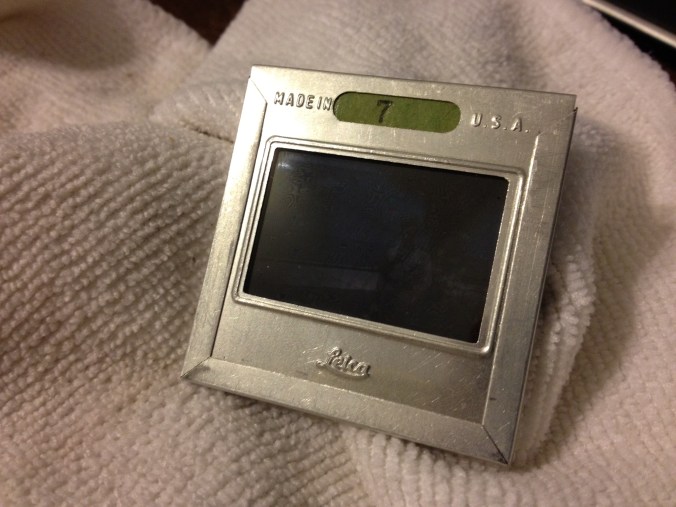
WWII Slide

Take care when extracting both sections of the slide housing.  Using slight pressure and TLC will ensure the slide goes back together after scanning.  If the housing breaks for any reason, plastic 35mm slide mounts can be found on eBay.

Carefully Deconstructed WWII Slide

Step 3: Scanning

Place the color film on the scanner glass.  I don’t worry about mounting the film in the Epson provided slide tray.  I don’t usually have a problem with gaussian blur, and I always wipe my glass down with a microfiber cloth to get rid of dust and random particles that tend to float around in the air.

The most important part of the physical scanning process is the adjustment of settings.  I tend to scan in TIFF 48-bit color in 4800 or 6400 DPI.  I don’t set ICE or dust removal.

Place on Scanner Bed


Step 4:  Post-Scanning

When the scanned image is ready for manipulation it typically needs a little bit of Photoshop cropping and editing to correct the color balance, remove dust and scratches, and reduce blurring.  A few minutes fiddling with Photoshop or another editing program should produce a nice digital image ready for posting to your favorite blog.  I typically use watermarks to help bring visitors to the website and to stop unscrupulous visitors from stealing images.
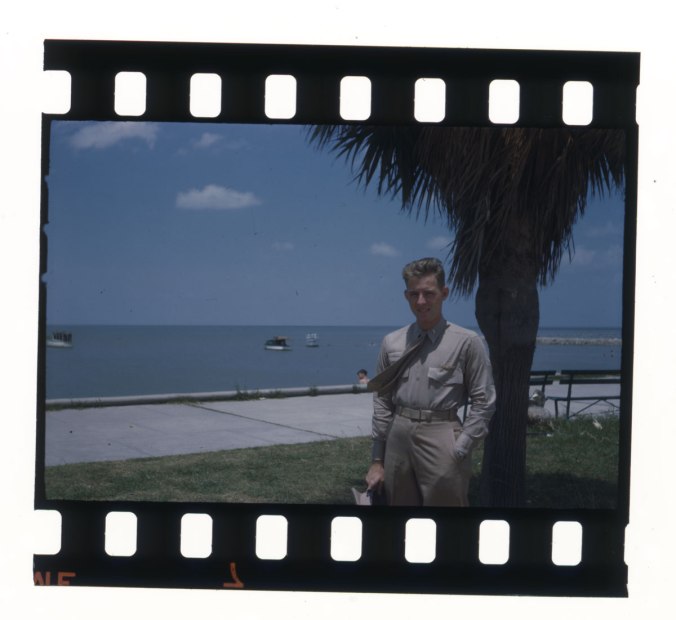
Unedited Slide Scan
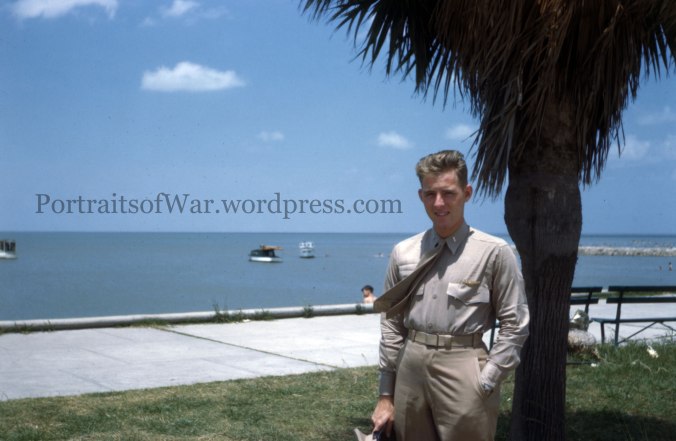
 

After Ten Minutes of “Cleaning”


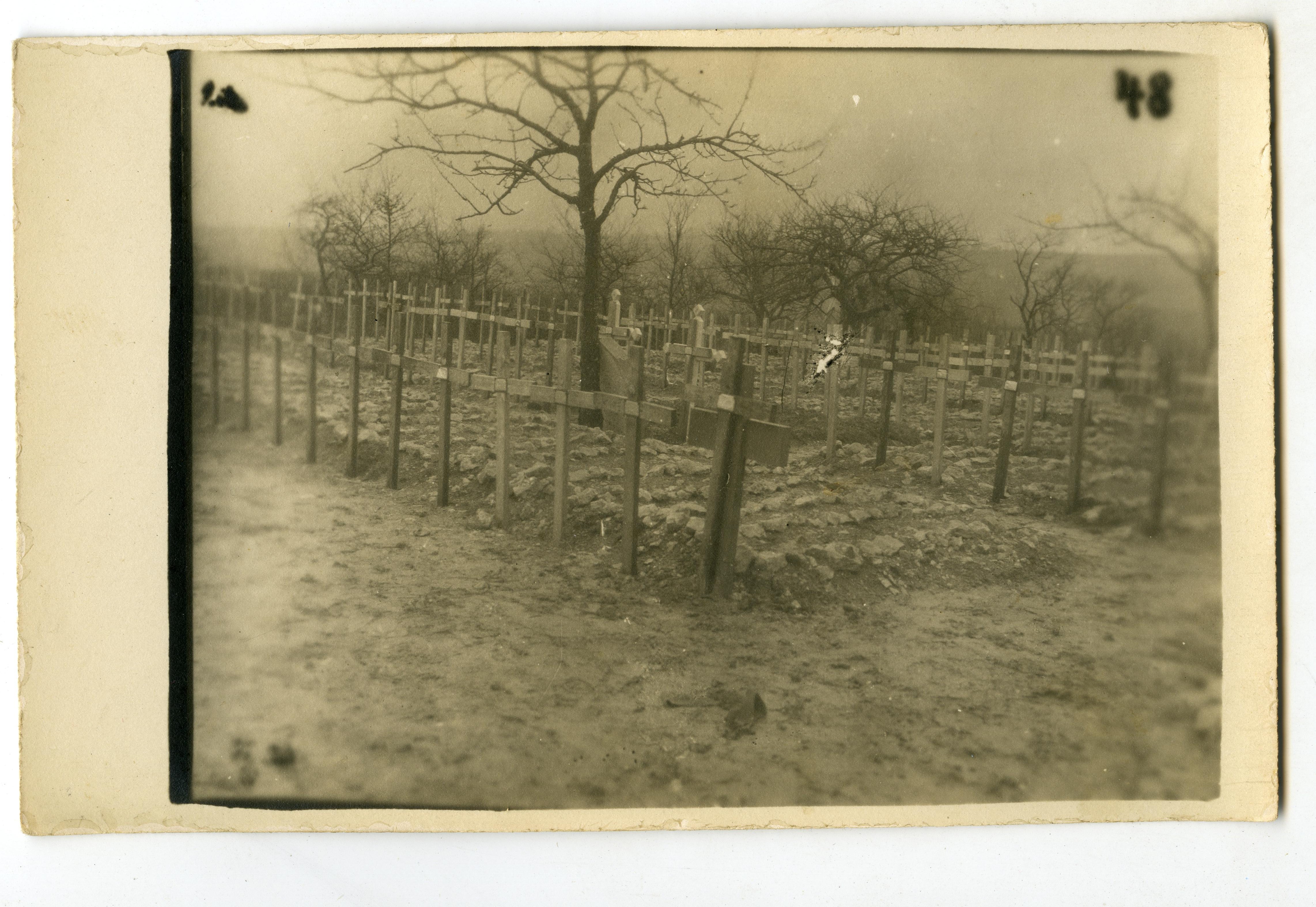
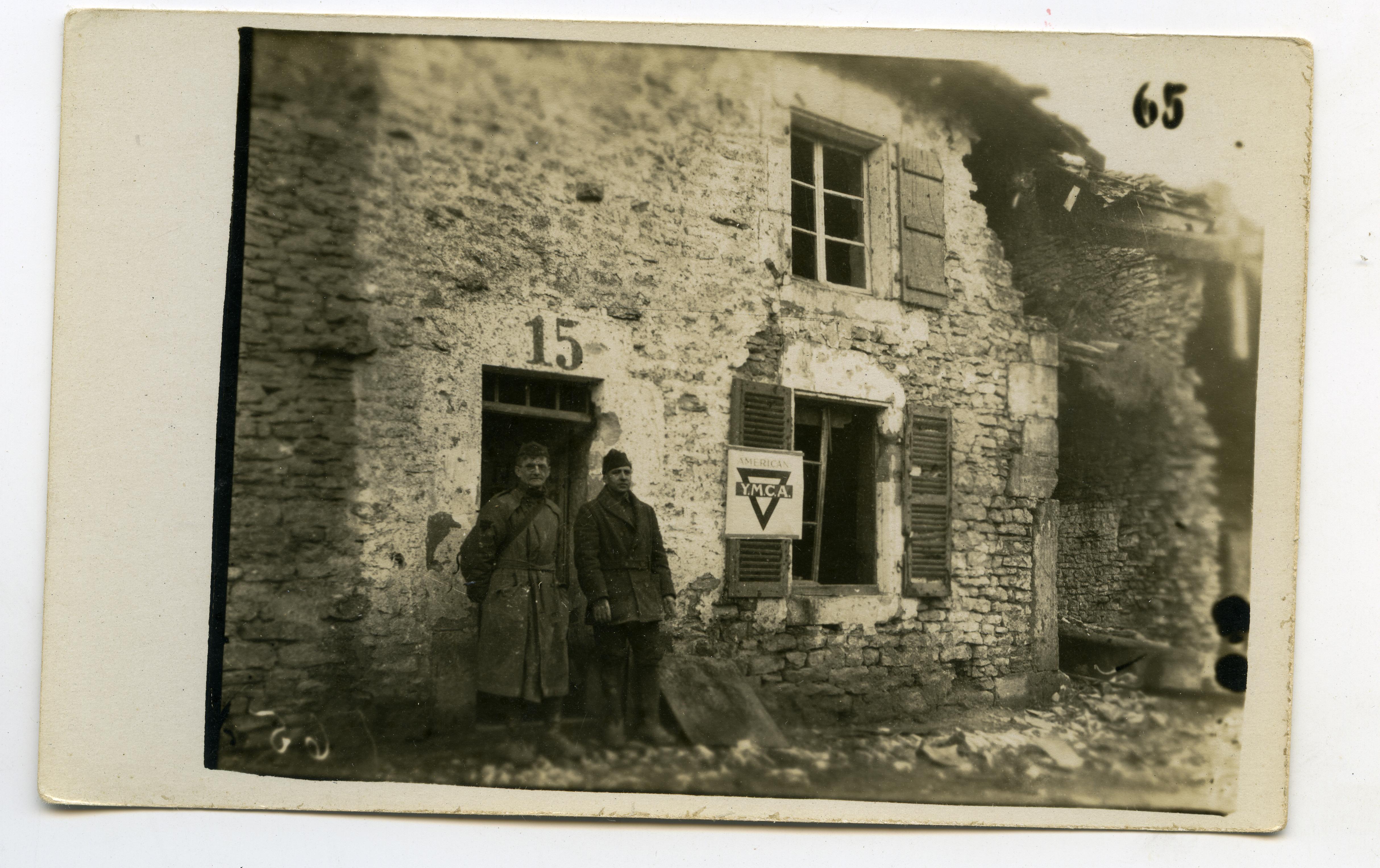
Incredible WWI Photo Grouping – 90th Division in Verdun, France – Field Graves, Trenches and Destruction


Bantheville Center of Town

Nantillois Cemetery 32nd Division

Grave of 27 Officers and Men of Co. A – Captain Debario, 1st Lt. Cole, 1st Sgt. Lindsey

Dugout Near Anceville

Baby Carriage Found in German Front Line Trenches

German Front Line Trenches Occupied as 2nd Btn. P.C.

Trench Near 2nd Battalion P.C.

Villers-Devant YMCA

Villers-Devant Division German Munitions

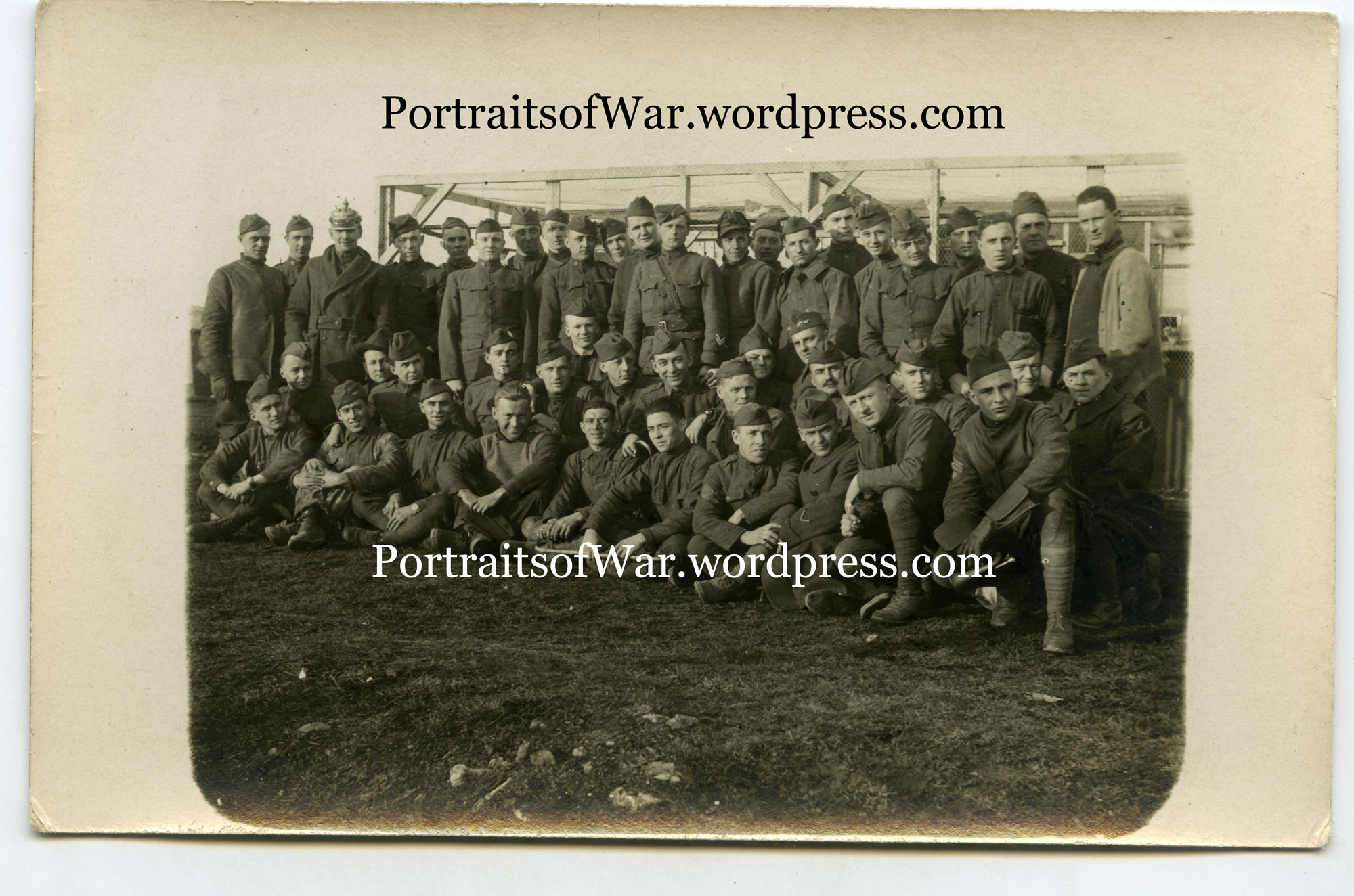
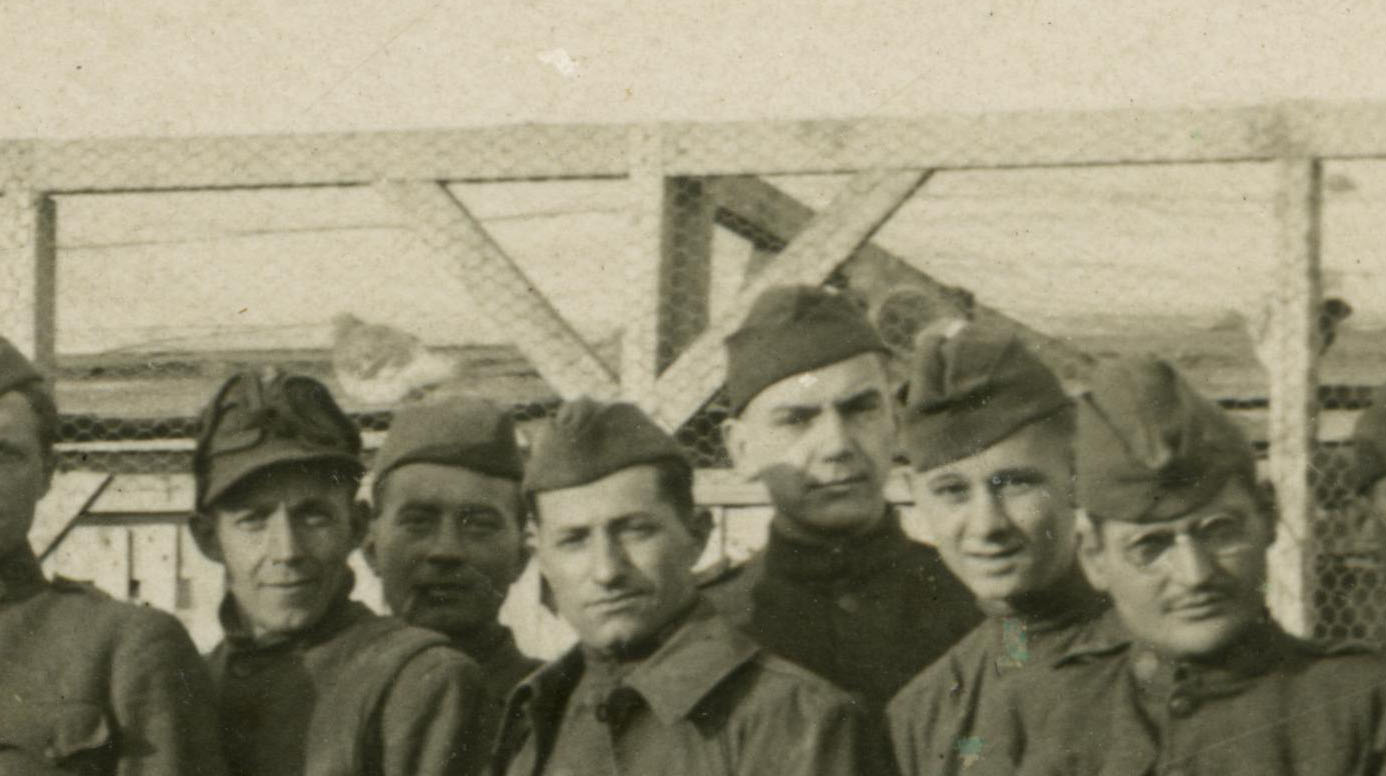
WWI Messenger Homing Pigeon Unit Poses in Germany – Captured German Helmet + Uniform Detail


One of the most interesting forms of communication used during WWI has to be the homing pigeon.  Front line troops couldn’t rely on wire messages getting through to rear echelon support units.  Often times homing pigeons were used to relay messages back to HQ.  Here’s a nice shot of a pigeon unit posing for the camera sometime after the armistice.

And some nice details!  Including a captured German helmet for good measure.


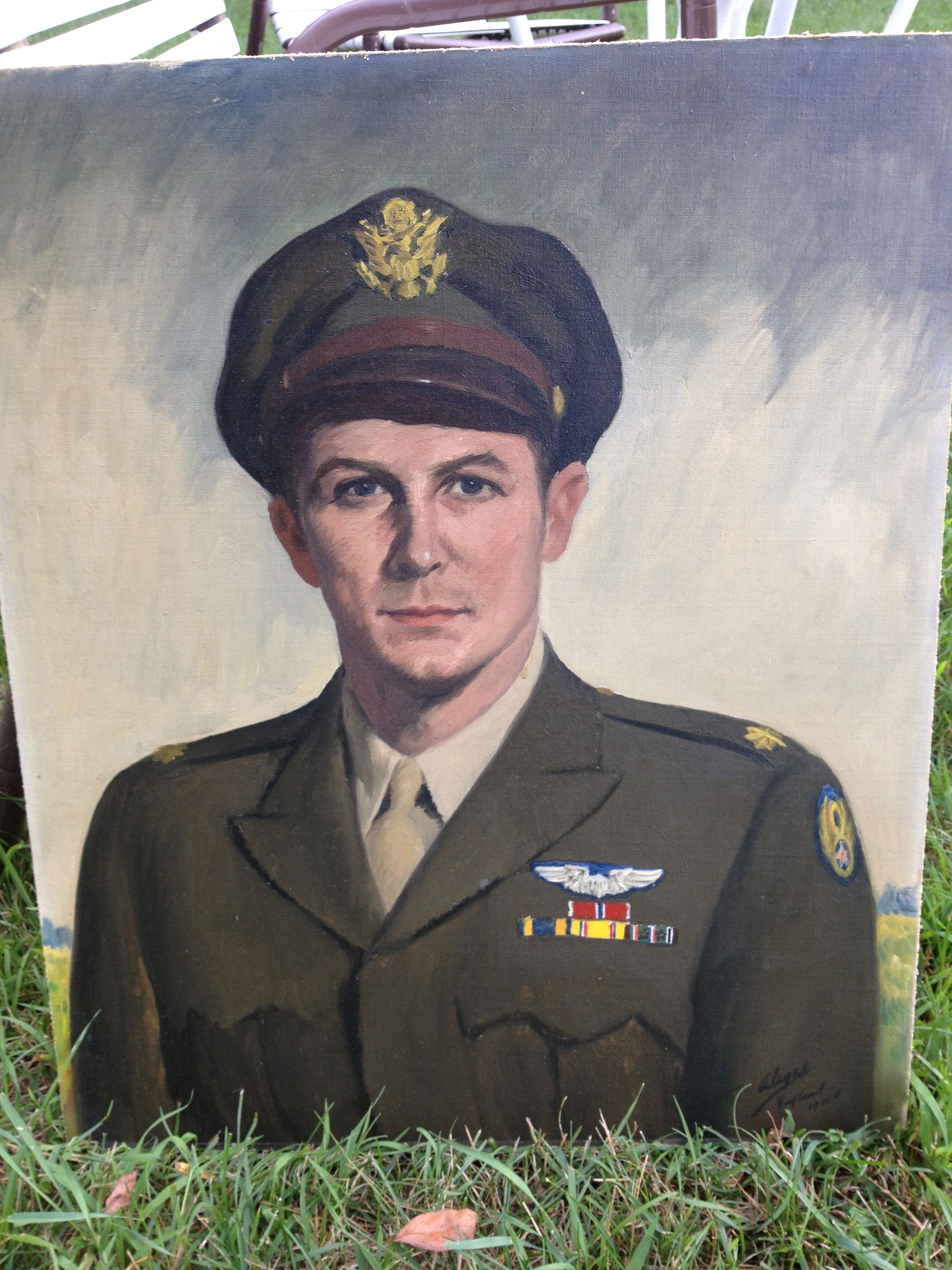
WWII 388th Bomb Group Portrait Artist – Alva V. Alegre – ORIGINAL Portrait Surfaces on eBay!


Ever since I first laid eyes upon the WWII portrait art of Alva V. Alegre, I knew that I had to track down an original piece of his work.  I tracked down his original photographic prints, his negatives, and even have spoken with people knew him.  I’ve followed him from his first arrival in the US in the 1930s, through England during WWII, to NYC in the 1950s and eventually to Troy, NY in the 1960s.  After years of waiting, I providentially stumbled across one of his portraits on eBay.  It’s all coming together…….
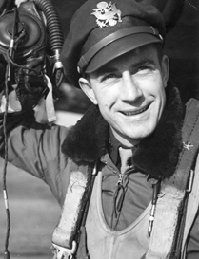
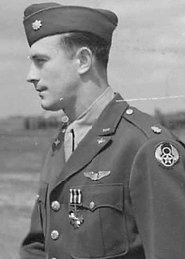
With the help of a group of dedicated historians with the 388th Bomb Group, we’ve (possibly) identified the Major as Frank Hess.

For more photos and images of Alva’s work, please search for “Alva” in my search bar.

Frank Hess


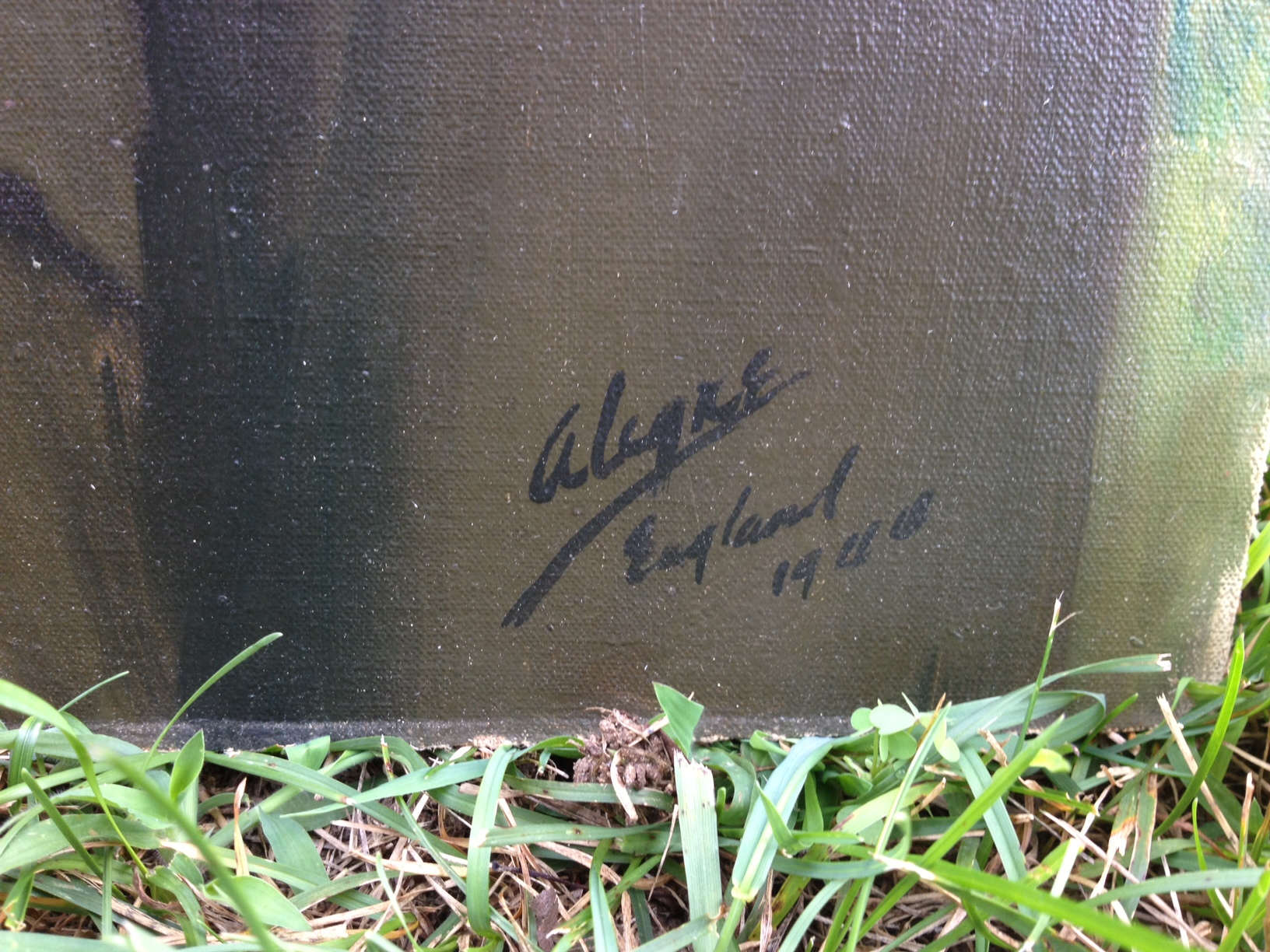
How do we know this is a piece of Alva’s work?  For disbelievers, check out this comparison of signatures from my negative collection and the signature on the recently acquired painting.  100%!


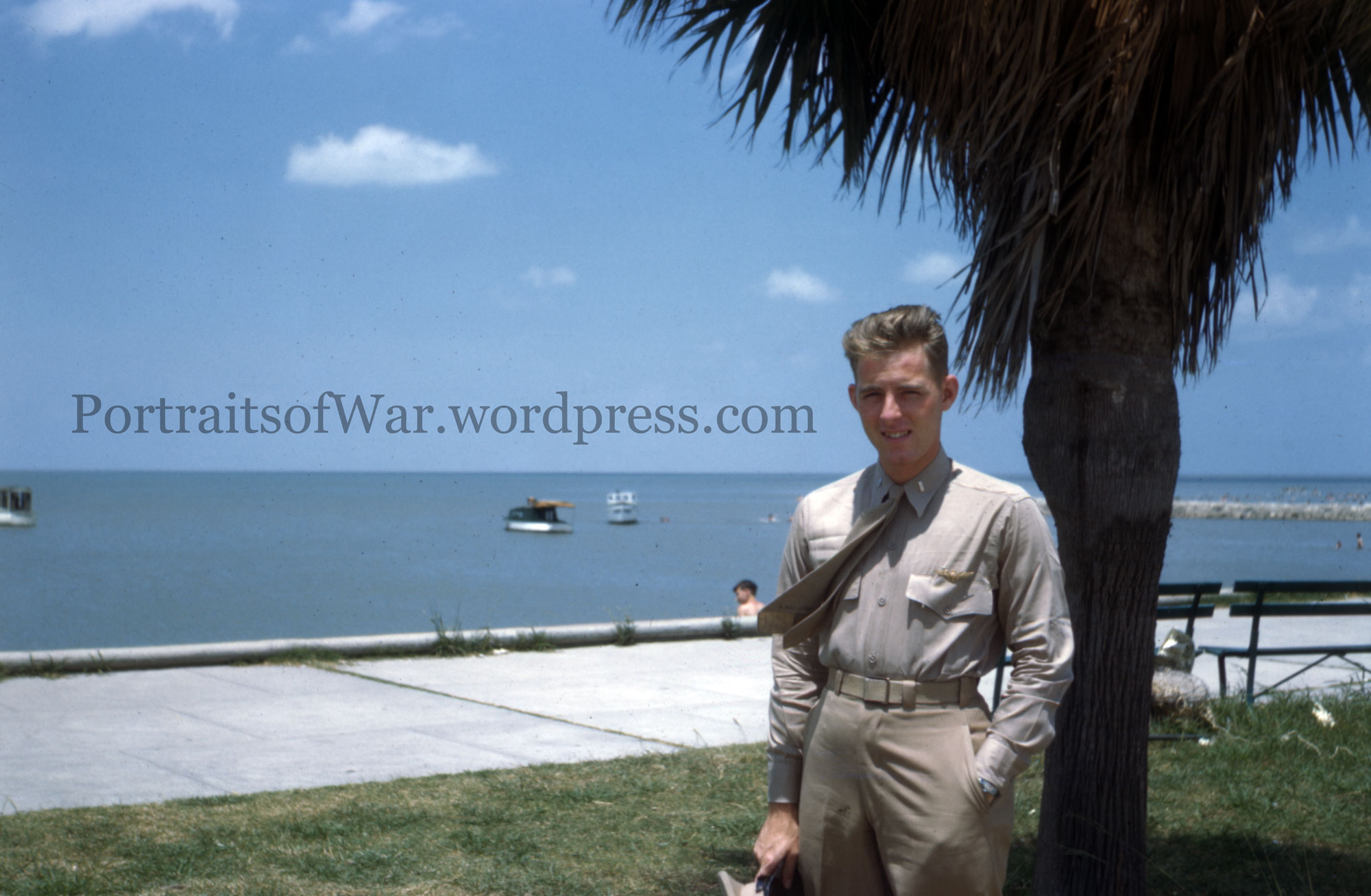
WWII Color Photo – USMC Marine SBD Bilot Walter A. Huff Poses in Hawaii – Vibrant Color


A member of VSMB-332, Walter A. Huff poses for the camera.  Luckily a roll of 35mm color Kodachrome was ready for shooting!

From a  continuation of a series of 60+ slids/color photos from this collection, this image captures the virginal quality of the Marine (USMC) aviator.  Prepped for war on the SBD/ Marine Douglas SBD Douglas Fighter/Bomber, the Dauntless was a key implement of many Pacific battles.

Looking towards an uncertain future, Walter  Huff grins and bares the inevitable future as a Marine dive bomber pilot!


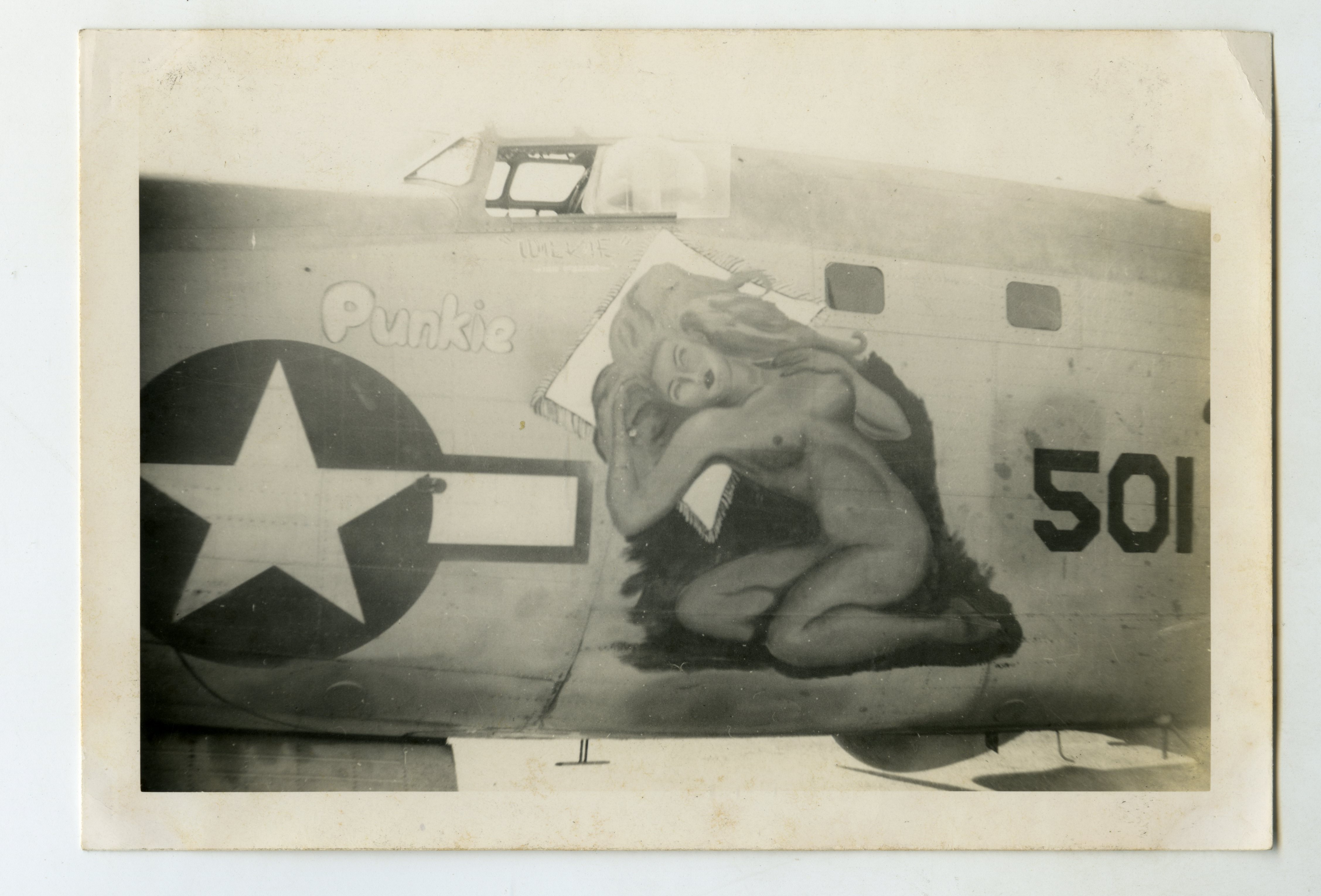
A new photo of a Hal Olsen pinup just arrived in the mail.  This one is titled “punkie”.


portraitsofwar's avatarPortraits of War

I recently had the esteemed pleasure of acquiring five nose art photos of PB4Y-2 airplanes.  Using the power of the internet, I was able to look up four of the  planes, the Green Cherries, and the Lady Luck II.  With a bit of luck I tracked down the name of the original artist.  Hal Olsen painted over 100 nose art pin-up ladies on various planes in the PTO during his stint with the US Navy during WWII.  He charged $50 per painting and eventually used the money to enter formal art school and travel with his wife.  He is considered the last living nose art painter of WWII.    Having tracked him down, I wrote him a nice letter asking for his autograph and promising that I would send along some copies of my photos. He graciously signed all of my photos and added an inspiring letter with the group. …

View original post 17 more words