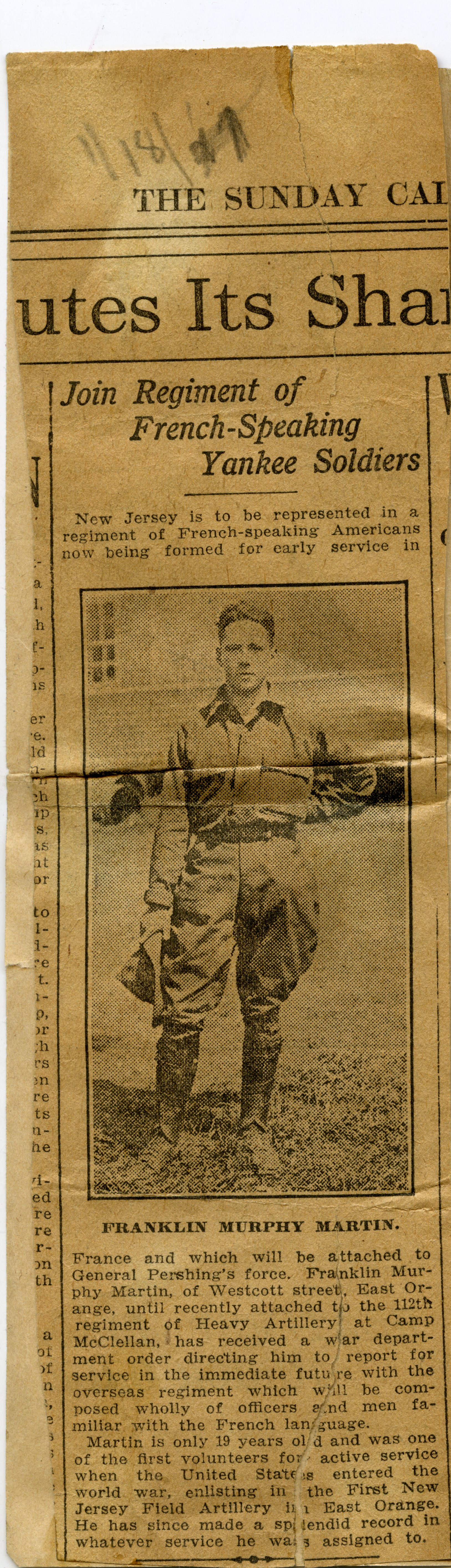
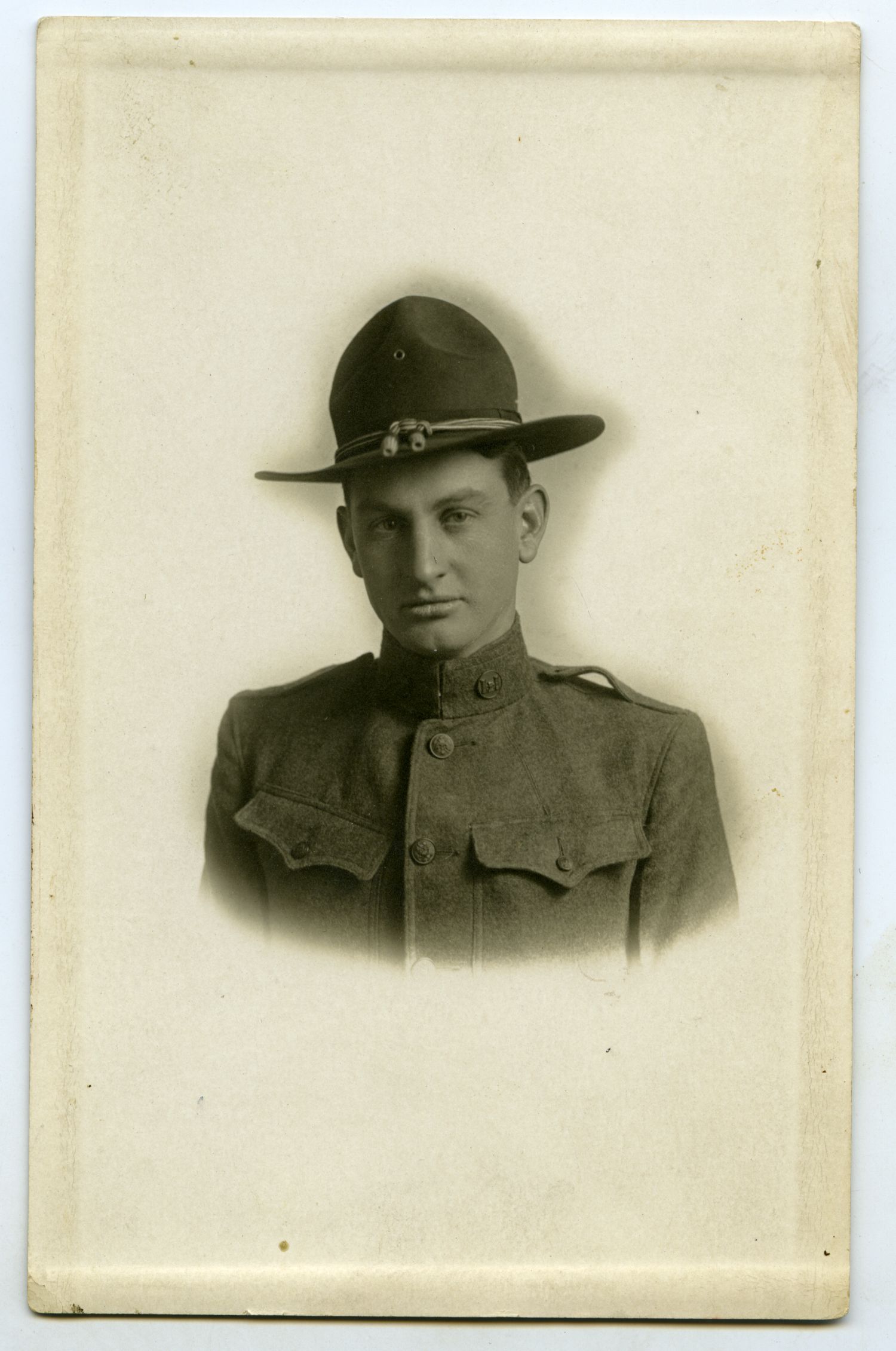
WWI Photo – New Jersey Hero Receives Croix de Guerre – Crashes Plane in the Marne River


I purchased a large WWI photo album last month that was compiled by a young girl following her brother’s exploits in France.  Apparently Franklin M. Martin (Jack) of East Orange, NJ was fluent in French and was assigned as an interpreter on Pershing’s staff.  He became interested in flying and joined the 803rd Aero Squadron where he was in charge of map making from the air.  He was awarded the Croix de Guerre after he was shot down and landed in the Marne River.  After swimming across he was able to deliver his maps!  A great series of interior studio shots capture Franklin wearing his newly awarded CDG.  His friend is wearing a Distinguished Service Cross and is sporting a wound chevron.  Note the leather arm brace and private purchase lace up boots.


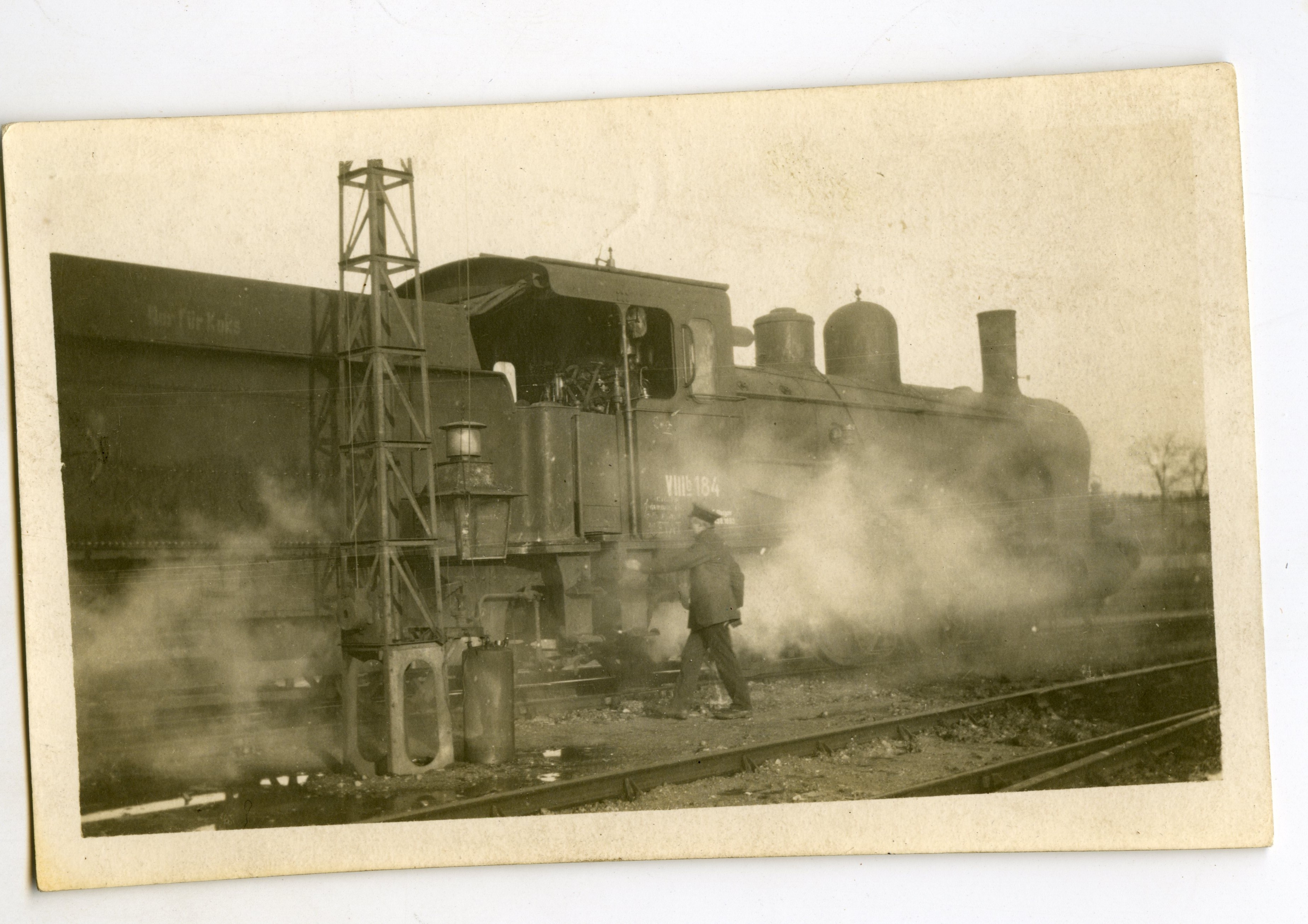
WWI Photo Collection – 31st Railway Engineers in France


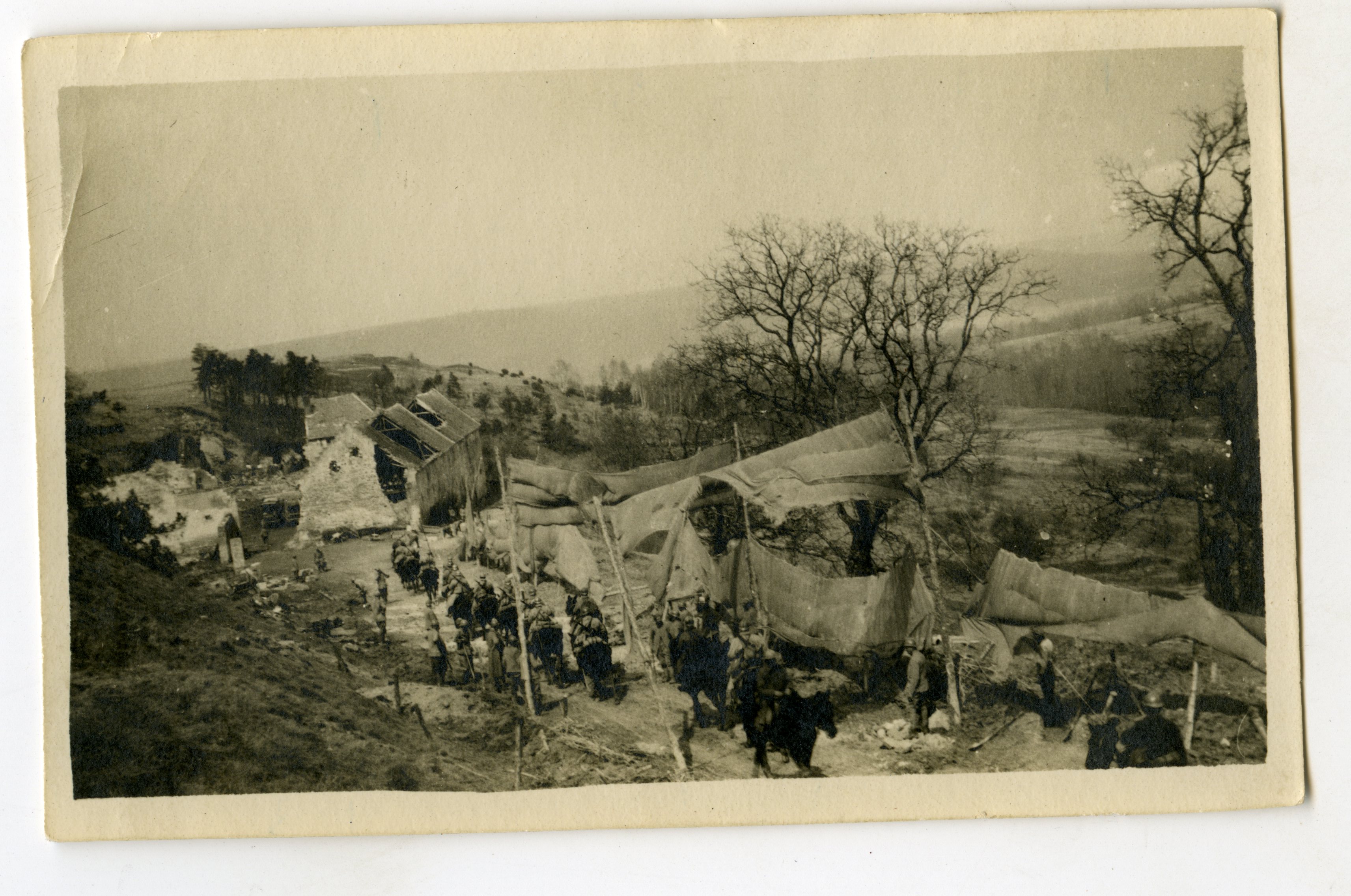
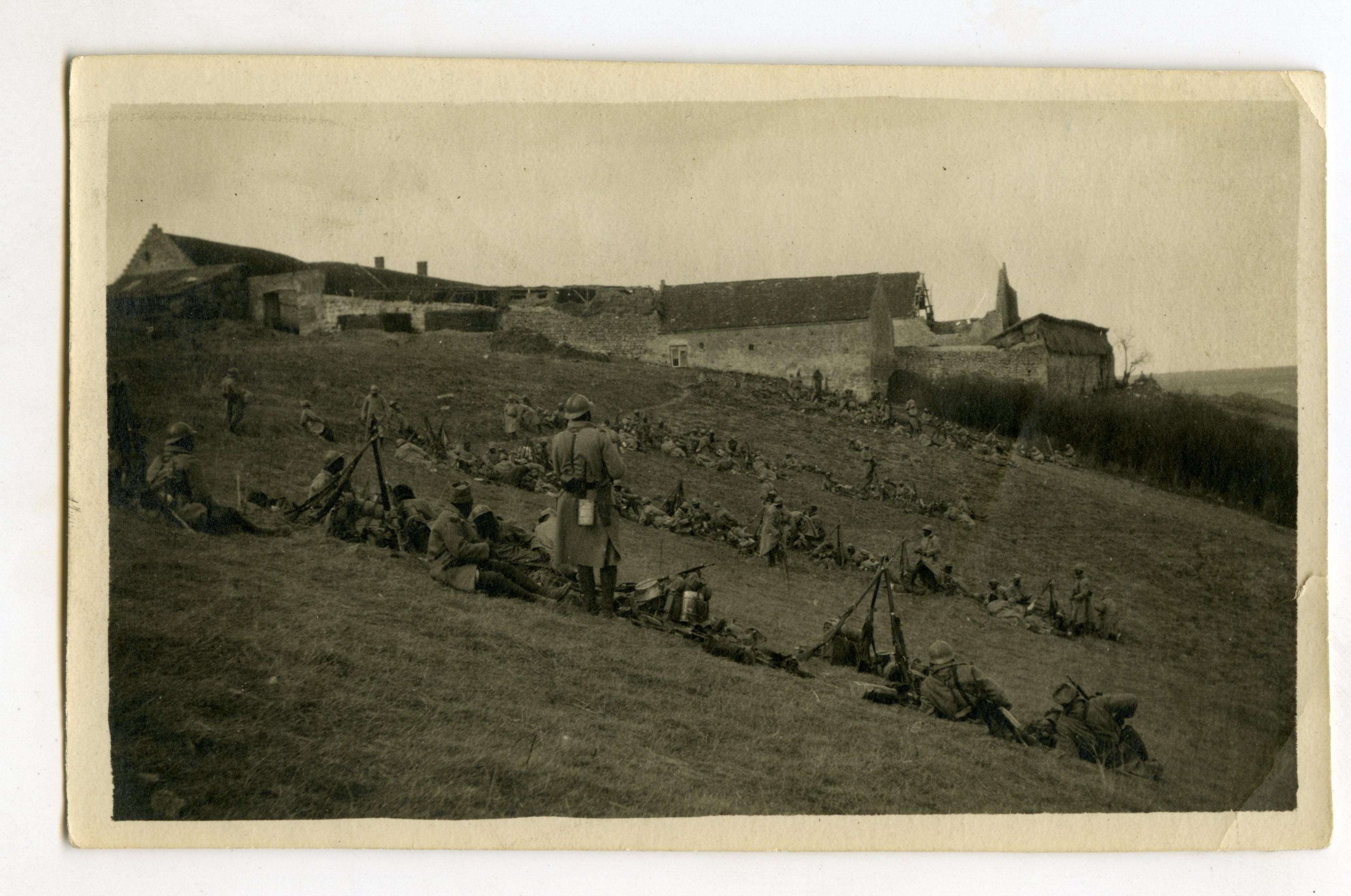
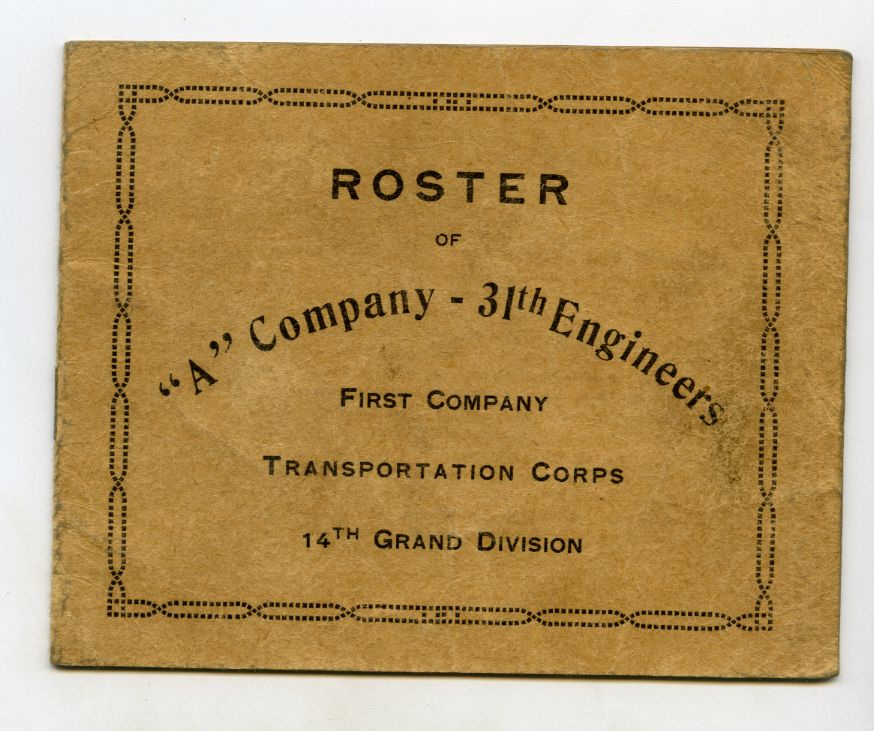
I love collecting WWI albums and named photo groupings.  They are much harder to come by compared with the relatively plentiful single photo purchases.  In this case, I was able to come across a wonderful grouping of photos from the grandson of a WWI 31st Engineer veteran.  I promised to post the photos on the site to help raise interest in this obscure unit and help bring this man’s photos to the digital world.  Digital preservation allows thousands of viewers to enjoy images that would otherwise be relegated to the corner of a dusty upstairs closet.  I will do my best to describe what I can about the unit and share a few biographical vignettes.

Pvt. Herbert Conner posed in France

Pvt. Conner


“My grandfather was born in 1892 in Fordsville, Kentucky later the family moved to Amity Oregon and later to St Helens, Oregon. As a young man he was a prizefighter(that what they called them in those days). He was a logger for awhile later he went to work in Portland, Oregon for the railroad before the war  and after the war he continued with the railroad for over forty years as a fireman and an engineer. He never owned a car and the station was about two blocks from his house and Kelly’s Bar and the grocery store were across the street from work  so I guess he felt he didn’t need one. He passed away in 1968.

Grandpa was very proud to have served in World War 1. I do not believe he was in combat. The 31st engineers provided supplies and transported troops. The only story I can remember when he was on guard duty in France and a soldier had gone awol for the night, apparently celebrating and didn’t know the password or had forgotten it and Grandpa felt sorry for him and let him back in the camp. It has been such a long time ago there were probably other things that happened that I can’t remember right now. He must have spent some time at the French Riviera and Monte Carlo because there was a lot of postcards from that area and one postcard to his brother had him on the Italian Riviera for awhile.”

Some Guys from A Company
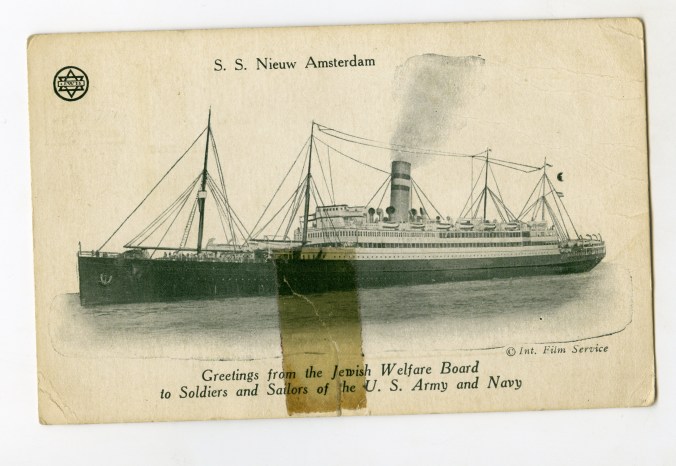
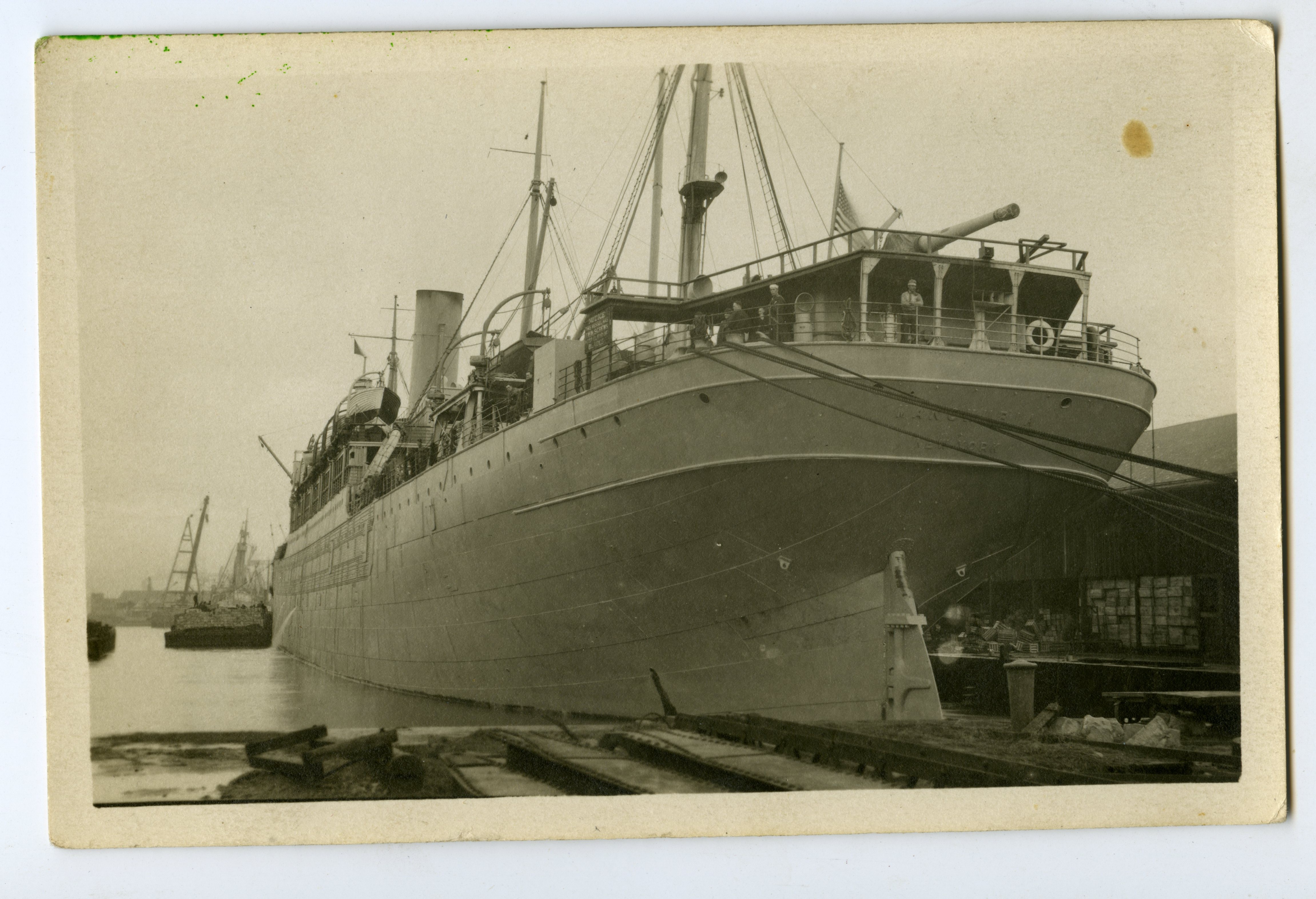
SS Manchuria in Port (Not the return ship for the 31st)
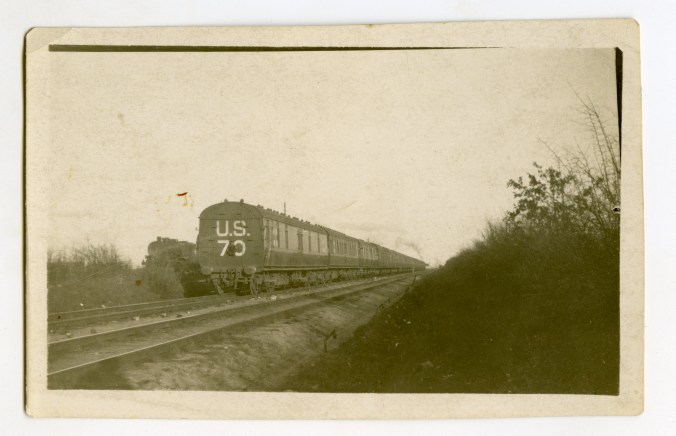
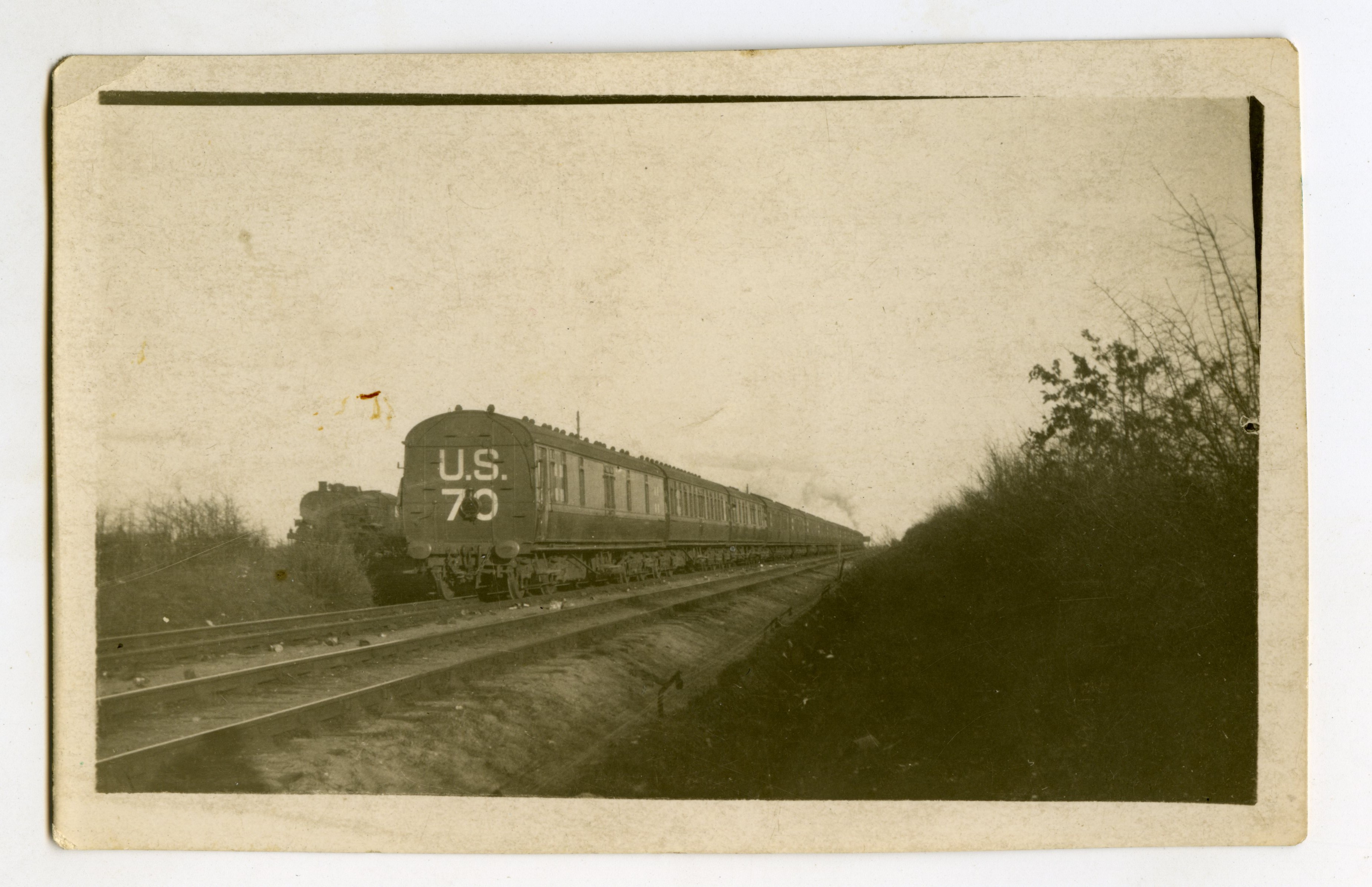
Hospital Train

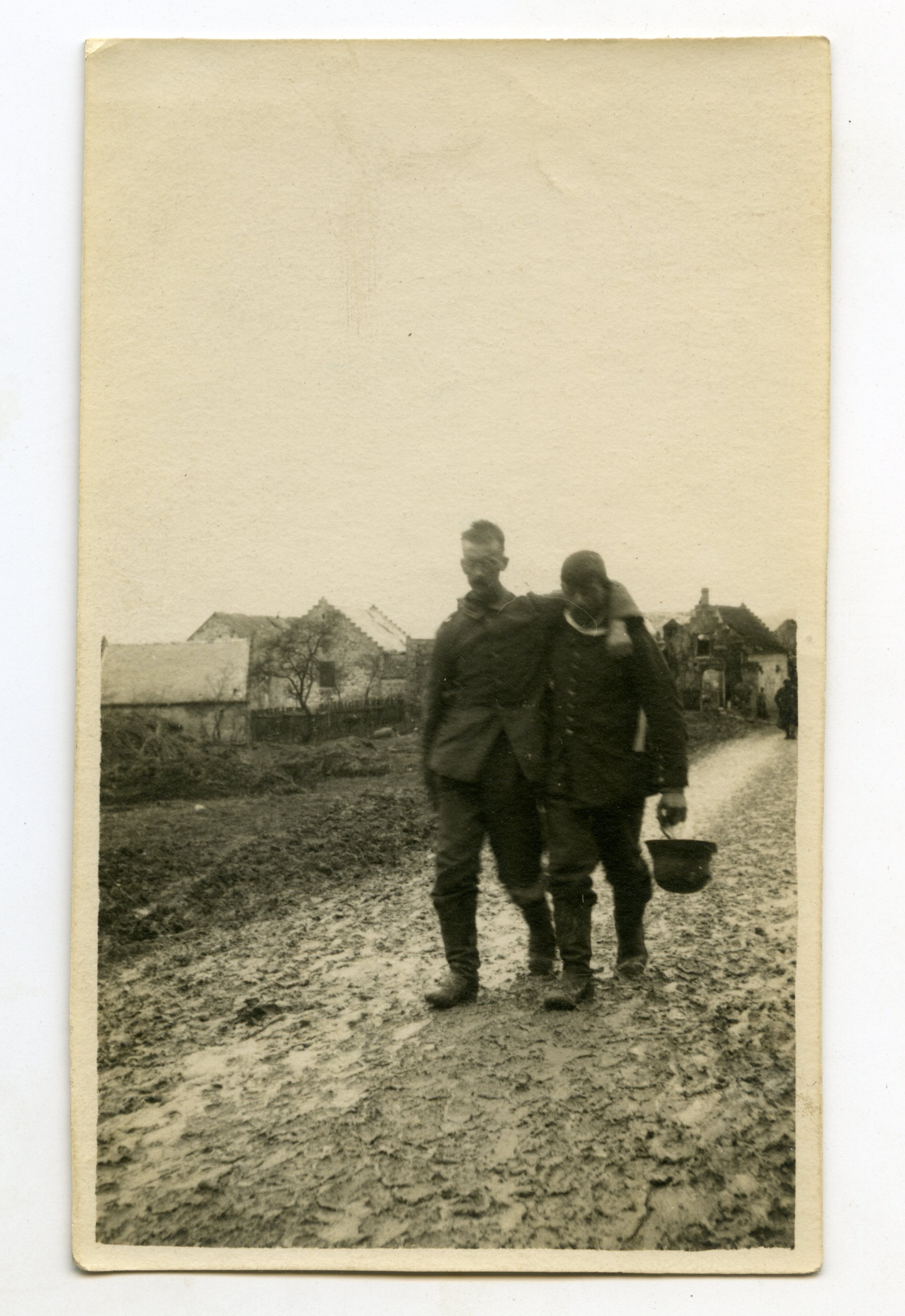
German Prisoners

Check back for updates…………….

WWI Photo – 89th Division Soldiers Pose w/ Mascot Dog France


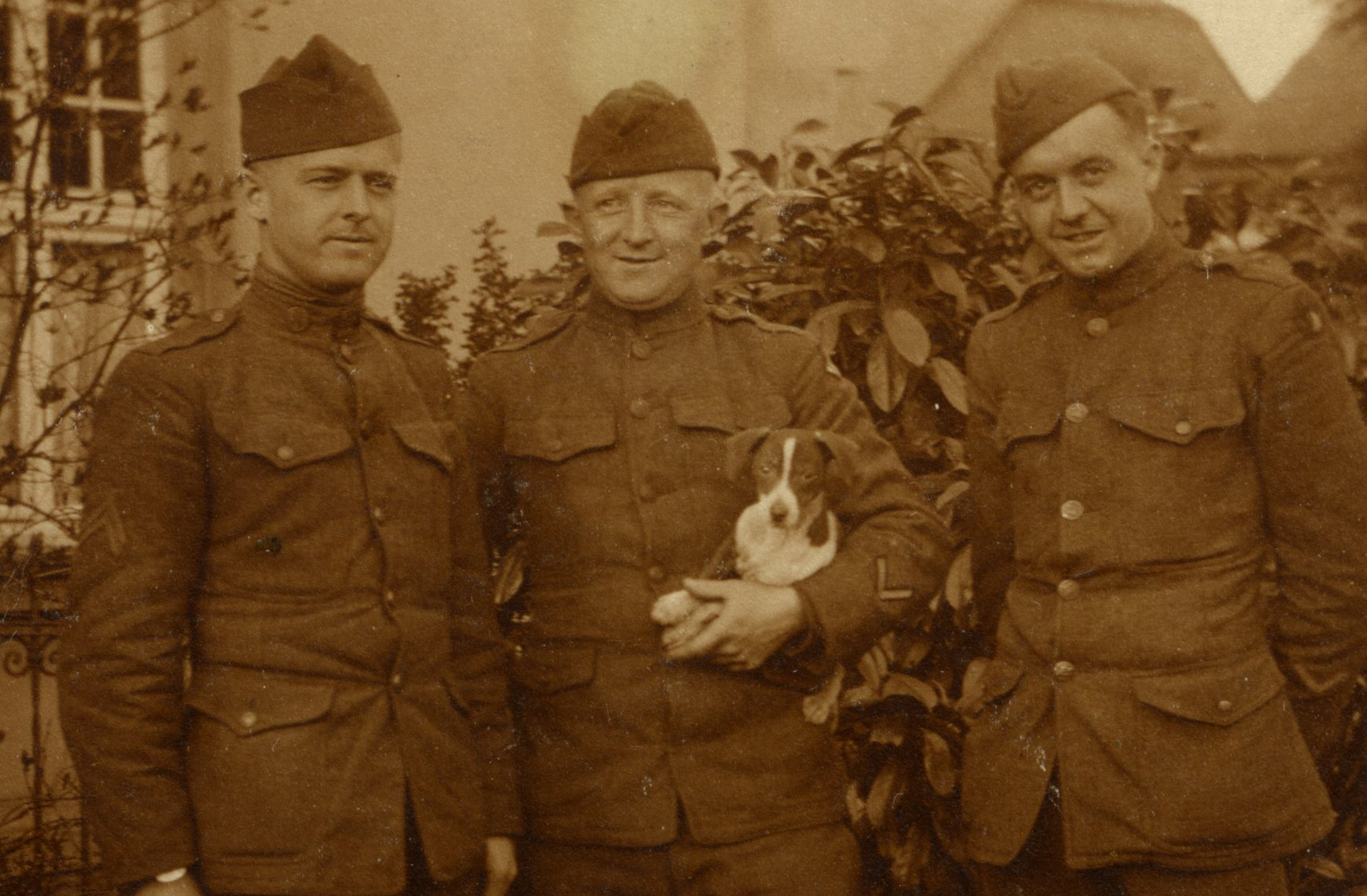
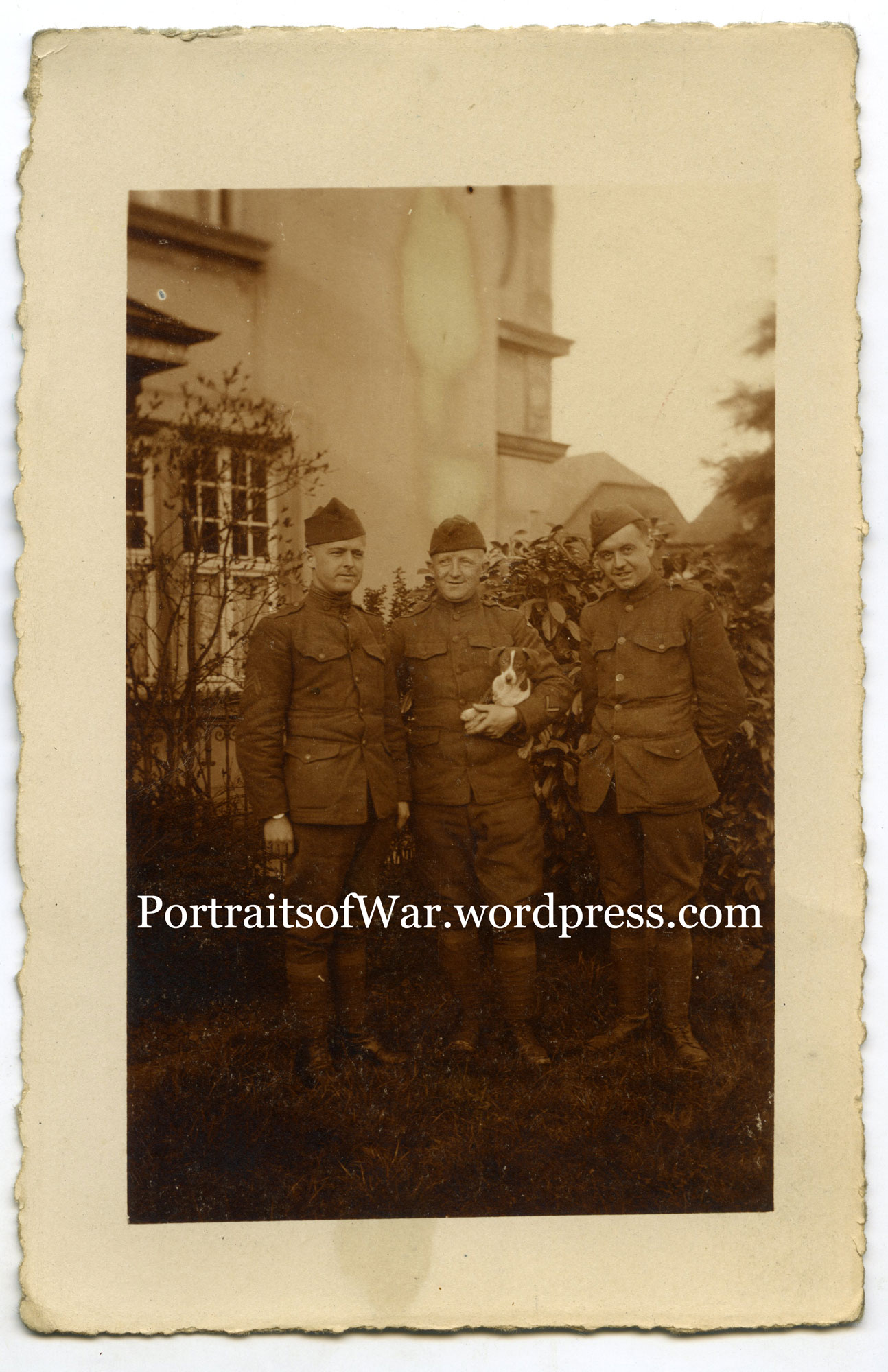
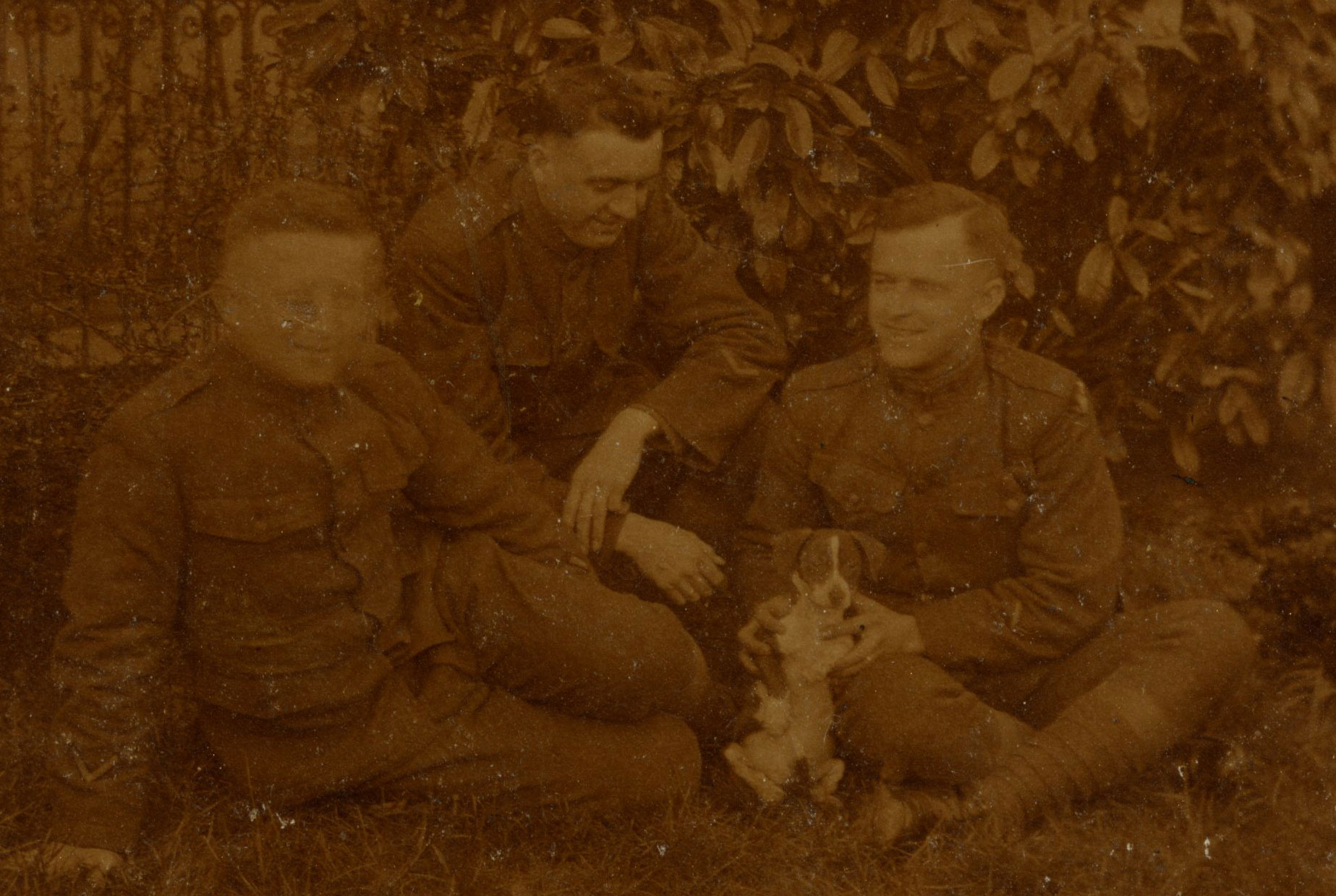
Following up on one of my favorite common threads seen throughout WWI photography – I present yet another example of the unit mascot.  Normally seen at the compnay level or below, the idea of having a small pet (normally a dog) as a mascot is very common throughout various nations during WWI.  I’ve literally seen examples from the US, England, Canada, France, Germany, Italy and even Australia. I probably have 15-20 examples in my own collection, ranging from small children as mascots, to dogs, pigeons and even goats.  My favorite are the small dogs. Here’s an example from the 89th Division. The collection of 8 photos came from a member of the 356th Infantry.  Unnamed, but we know he was wounded at least once during the war due to the wound chevron on his right cuff.
WWI Real Photo Postcard – Portrait Photo and Autograph of J. Warner Reed – 59th Pioneer Infantry Commander


A new addition to my collection comes in the form of an autographed French RPPC of the 59th Pioneer Infantry Regiment commander.  J. Warner Reed was a colonel with the Delaware National Guard during the Mexican Border War and later went on to form the 59th Pioneer Infantry of the 2nd Army.  Units from this regiment were engaged in road building, bridge building, and front line construction and improvement projects.


For more info on the 59th Pioneers – check out this website from the Delaware National Guard: http://delawarenationalguard.com/aboutus/history/firstworldwar/


WWI 42nd Division Doughboy Sends Home a Real Photo Postcard


Ever wonder how doughboys sent their photo postcards home?  I actually don’t own a single example of a postmarked photo postcard from the war, but recently came across a grouping that contained an envelope and postcard sent home by a 42nd Division soldier.  A member of the 151st Field Artillery, Frank Svec sent home a studio portrait shot of himself.  Not incredibly rare, but a good example of how WWI photos were sent during the war.  The 42nd Division is one of my favorite divisions, so this is an addition “kicker”.

WWI Wounded 78th Division Soldier – Exciting Research Update!


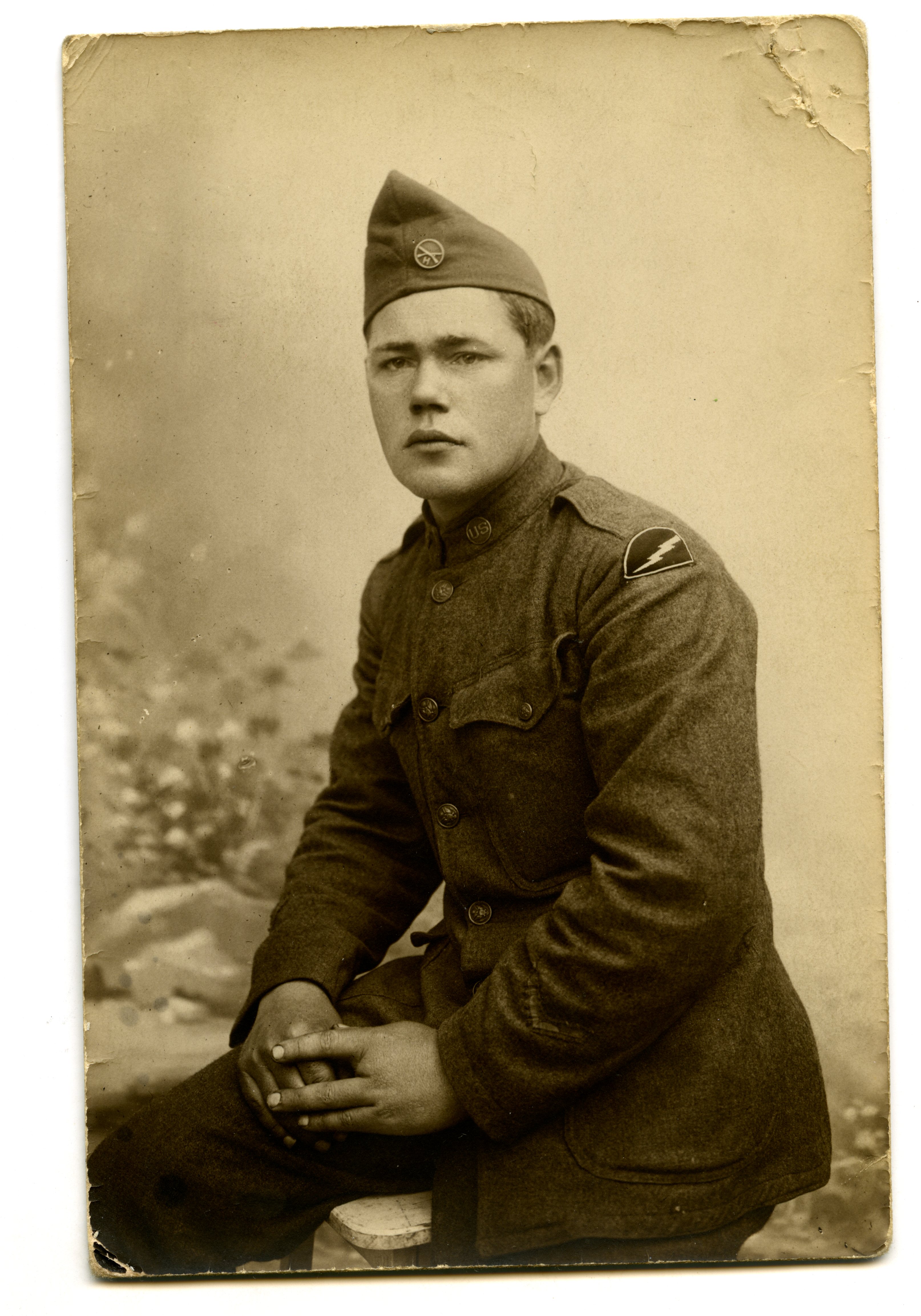
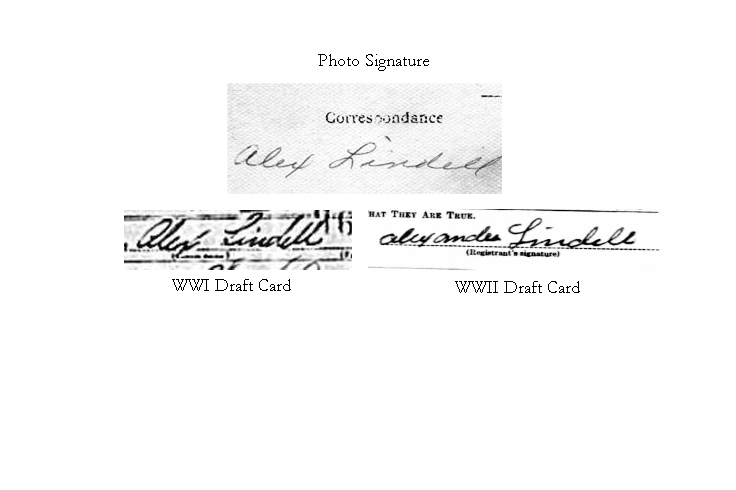
I’ve been recently turned on to the magic of ancestry.com, one of the best tools for researching WWI images I’ve yet to discover. I decided to start a search for one of the names written on the back of one of my better WWI images. Alex Lindell poses in his WWI French portrait photo showing off his missing finger – likely a battle wound received on October 18th, 1918 while he was with the 309th Infantry Regiment (78th Division) during the Meuse-Argonne Offensive. After a search of draft cards through the National Archives, I came across a pair of WWI and WWII draft cards with the presumed identity of Alex Lindell. After comparing the signatures on both my photo and the draft cards, I realized I had a match! Success! His ASN was 2451963.

Alex served in Company H, 309th Infantry Regiment, 78th Division and was originally born in Oeland, Finland but eventually ended up in Brooklyn, NY. He was born on May 5th, 1889 and passed away just shy of the age of 61 on April 11th. 1950 where he was buried in Long Island National Cemetery. He was listed as being severely wounded in action on October 18th, 1918 where he presumably lost his finger as seen in the below photo.

50832936_397060720865632_6570596971222925312_n

Photo Colorized by the Photo Alchemist

Signature on Obverse


WWI Draft Card


WWII Draft Card


Signatures Compared

20120205-224310.jpg

Alexander’s WWI Veterans Burial Card
Footage of the 78th Division during the Meuse-Argonne Offensive

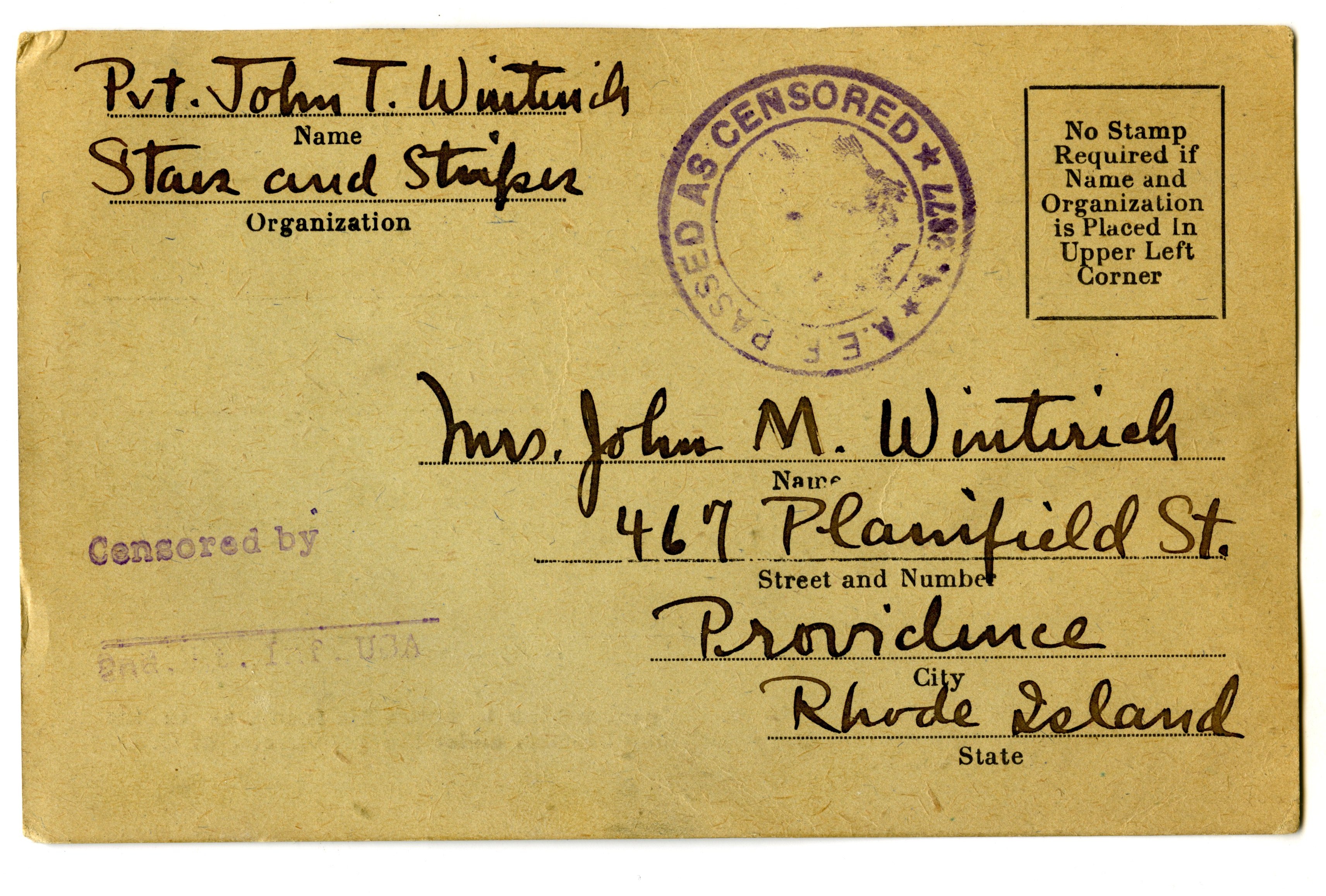
WWI Stars and Stripes Editor John T. Winterich Original Wartime Autographed Postcard


John Winterich was one of the first writers for the Stars and Stripes, managing editor, and eventually one of the most influential bibliophiles of the early twentieth century.  He is credited with having penned over 275 articles in over nearly 150 publications as well as having written the introduction to the American classic Of Mice and Men.  In a rare acquisition, I was able to pick up an original wartime signed postcard by Mr. Winterich in which he describes his present location and state of health to his mother back home in Rhode Island.  The best part?  I only paid $3.00!


"Censor & Press Co. No. 1. Staff of Stars & Stripes. Brest, France. July '19." Photograph. From Harry L. Katz, A Brief History of The Stars and Stripes, Official Newspaper of the American Expeditionary Forces in France (Washington, D.C.: Columbia Publishing Co., 1921), p. 41.

Rare WWI 2nd Cavalry Photo RPPC Taken in France – 2nd Dragoons Training Station


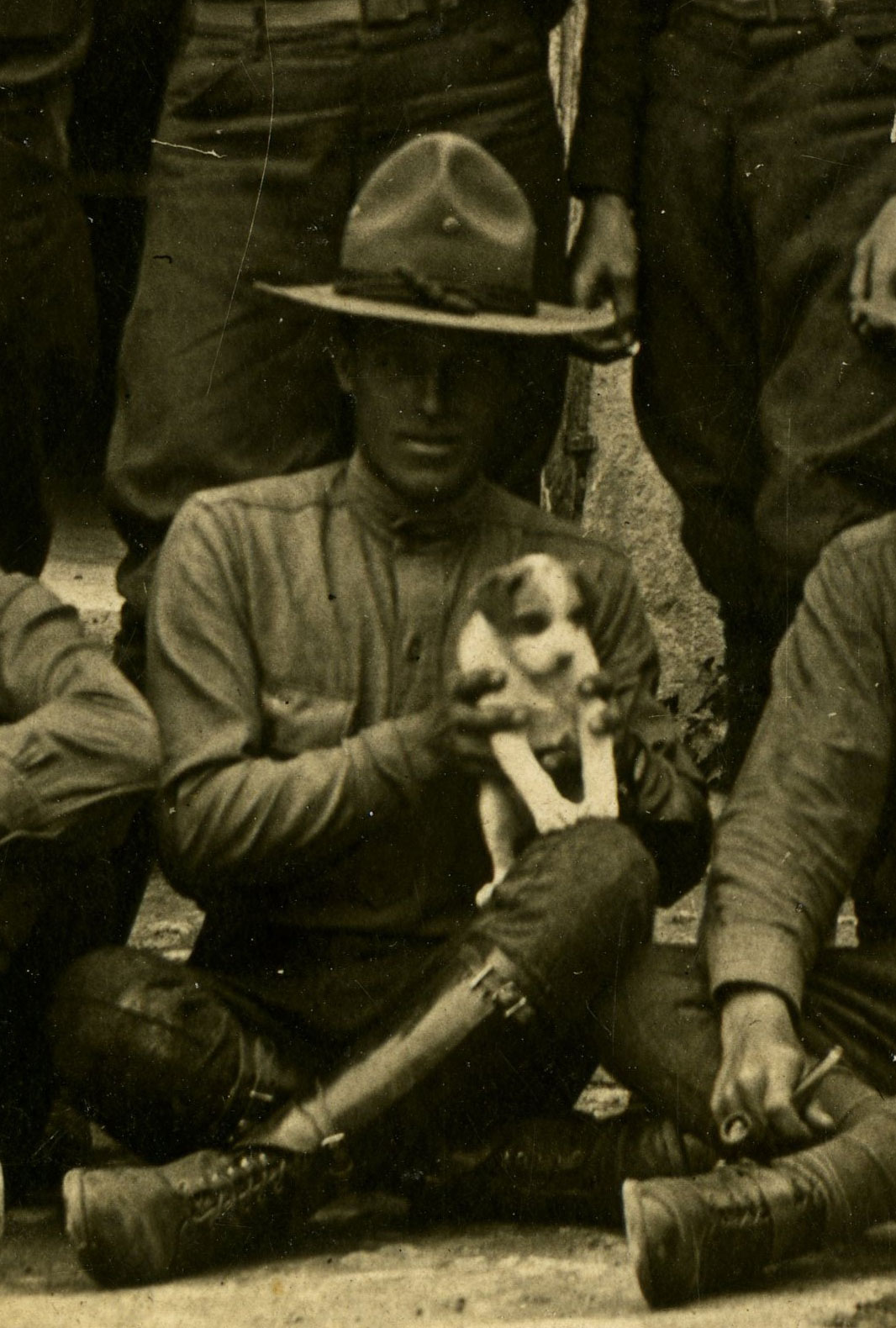
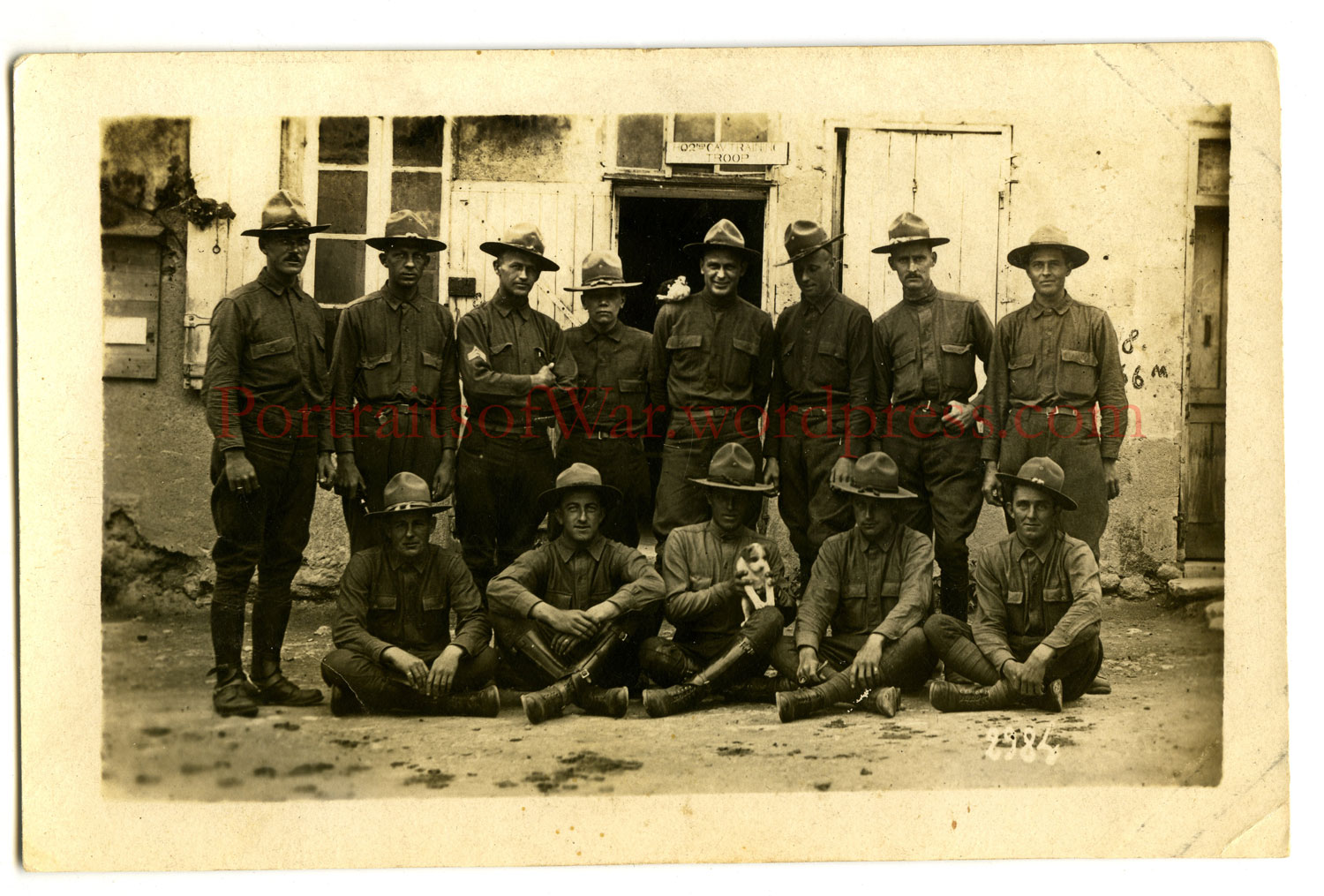
A particularly special photo acquisition comes in the form of a 2nd Cavalry RPPC (real photo postcard) taken somewhere near Tours, France during the war.  The 2nd Cav. trained only ten miles from my house in Vermont, at Fort Ethan Allen before their departure to Hoboken for transfer overseas to France.  Considered by many to be the only  true U.S. mounted cavalry units to serve during WWI, the 2nd Cav. was a unique unit that tends to be glossed over by WWI histories.  I’m proud to add this photo to my collection!

Interesting details of the photo include a mascot puppy, the use of spurs, and a raggedy pigeon perched on a shoulder.

For those interested in reading more on the history of the 2nd Cavalry, check out this website:  http://history.dragoons.org/category/world-war-i/

2nd Cav. Puppy Dog Mascot