Incredible WWI Photo Grouping – 90th Division in Verdun, France – Field Graves, Trenches and Destruction


Bantheville Center of Town

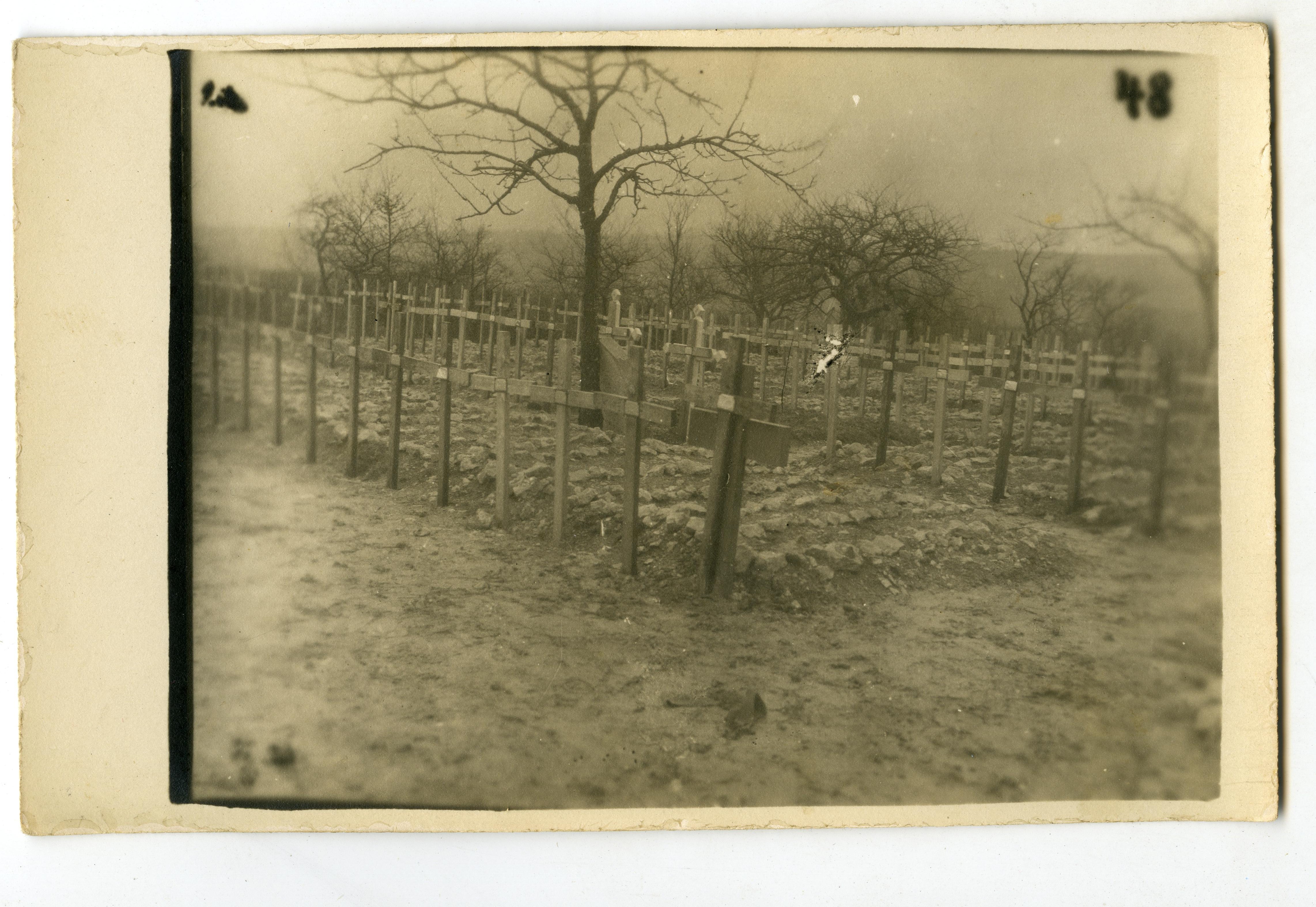
Nantillois Cemetery 32nd Division

Grave of 27 Officers and Men of Co. A – Captain Debario, 1st Lt. Cole, 1st Sgt. Lindsey

Dugout Near Anceville

Baby Carriage Found in German Front Line Trenches

German Front Line Trenches Occupied as 2nd Btn. P.C.

Trench Near 2nd Battalion P.C.

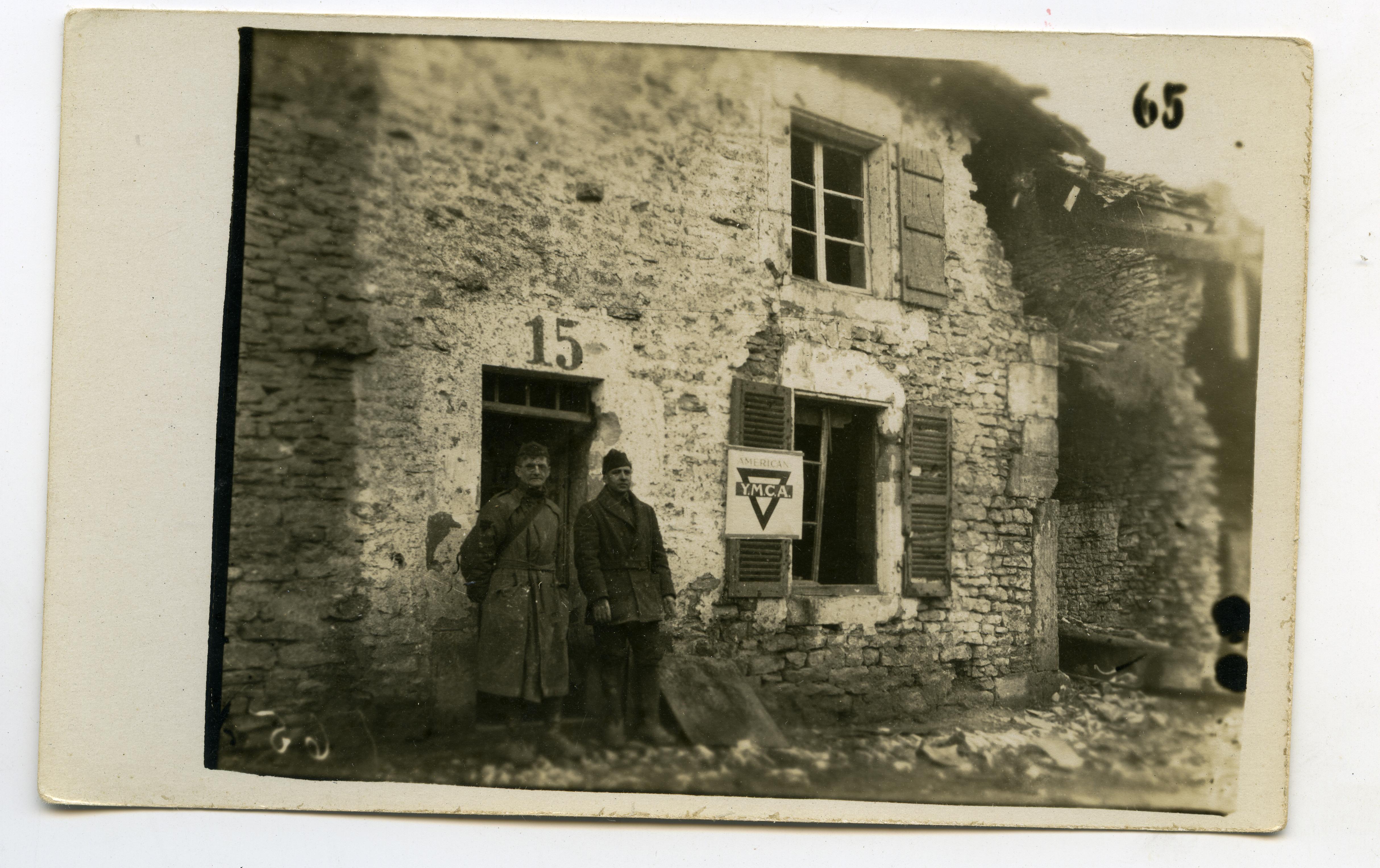
Villers-Devant YMCA

Villers-Devant Division German Munitions

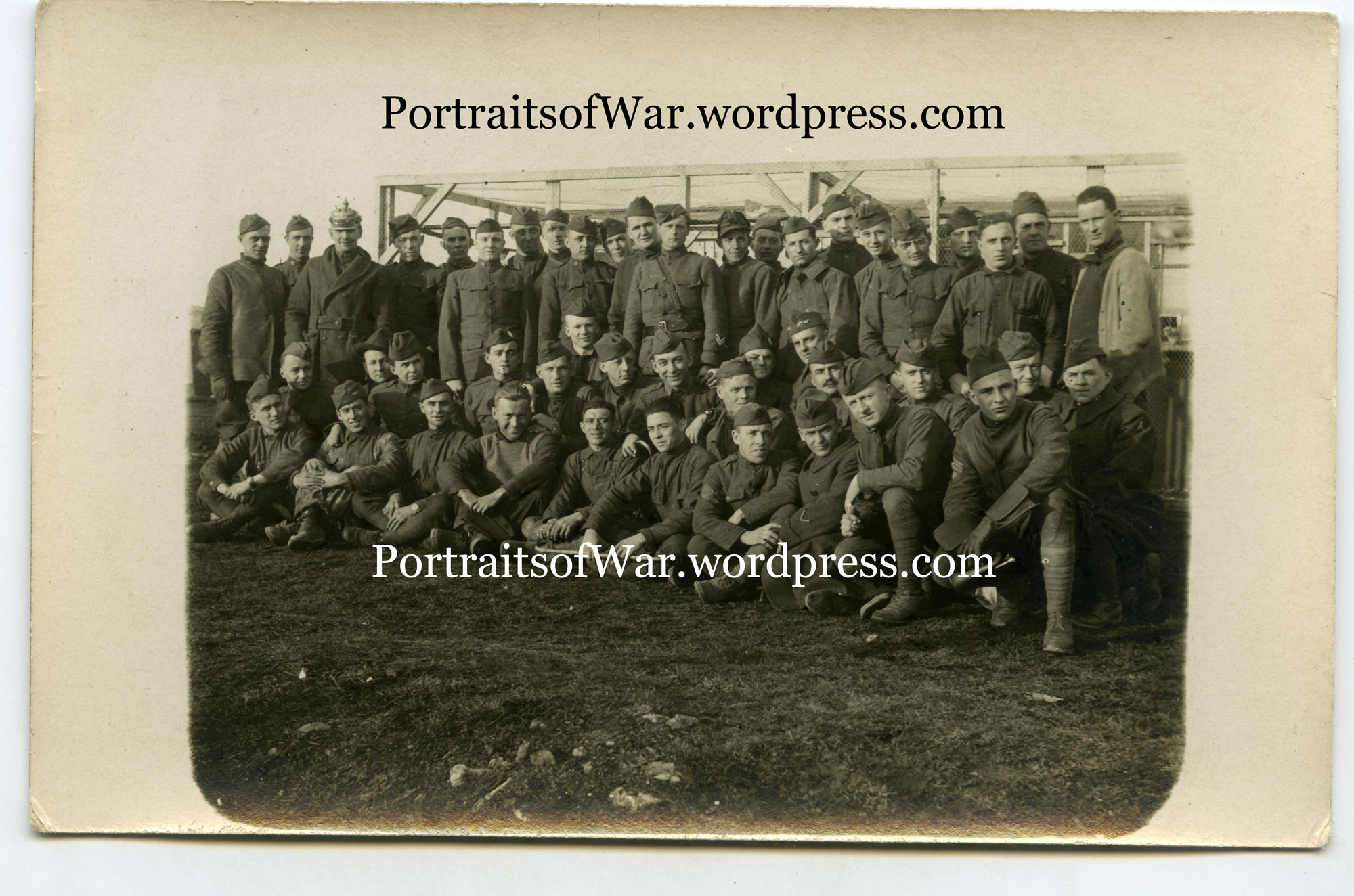
WWI Messenger Homing Pigeon Unit Poses in Germany – Captured German Helmet + Uniform Detail


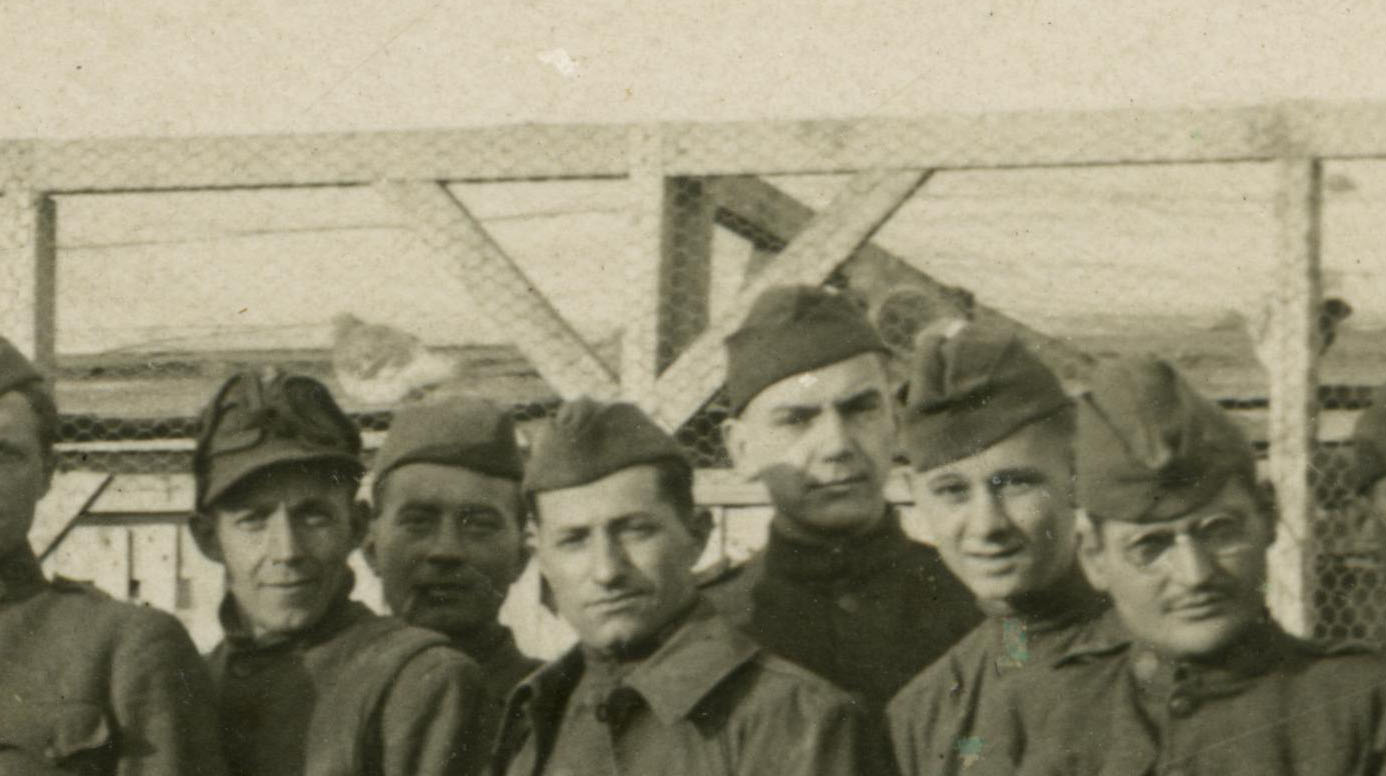
One of the most interesting forms of communication used during WWI has to be the homing pigeon.  Front line troops couldn’t rely on wire messages getting through to rear echelon support units.  Often times homing pigeons were used to relay messages back to HQ.  Here’s a nice shot of a pigeon unit posing for the camera sometime after the armistice.

And some nice details!  Including a captured German helmet for good measure.


WWI RPPC Photo – 32nd Division, 127th Infantry Wounded Litter Bearers – Identified DSC Recipients!


It’s been months since I’ve picked up a really juicy WWI RPPC photo for my collection.  Last week I was able to win a small group of shots that looked promising.  I knew there was one shot of doughboys wearing helmets bending down on the ground.  When the photo arrived I was surprised to find that the card identified five litter bearers of  Co. F of the 127th Infantry Regiment, 32nd Division.  I quickly found that two of the identified doughboys received the Distinguished Service Cross in October of 1918 for saving wounded soldiers from the trenches during the Meuse-Argonne Offensive.  Another (second from right) is William Methier – he received the Silver Star.  I also identified two other men in the photo as being Edward Krawezyk and Albert Guernsey who both received Division Citations for their heroics.

A truly special photo with a lot of history!

Buckendahl, Emil
Private, U.S. Army
Company F, 127th Infantry Reg., 32d Div., A.E.F.
Date of Action:   October 5, 1918
Citation:
The Distinguished Service Cross is presented to Emil Buckendahl, Private, U.S. Army, for extraordinary heroism in action near Gesnes, France, October 5, 1918. Private Buckendahl, a litter bearer, on his own initiative, went out from a position of shelter to an exposed flank, under intense machine-gun fire, and carried back to safety a wounded soldier, who had been left in the field.
General Orders 66, W.D., 1919
Born:   at Pierce, Nebraska
Home Town:   Pierce, Nebraska

Curti, Mike
Private, U.S. Army
Company F, 127th Infantry Reg., 32d Div., A.E.F.
Date of Action:   October 4, 1918
Citation:
The Distinguished Service Cross is presented to Mike Curti, Private, U.S. Army, for extraordinary heroism in action near Gesnes, France, October 4, 1918. Private Curti, a litter bearer, went out alone in front of the lines several times under the severest of fire, and carried back wounded men from an exposed area, from which his company had been forced to withdraw.
General Orders 66, W.D., 1919
Born:   at Italy
Home Town:   Reno, Nebraska

William H. Methier

Silver Star Citation

Awarded for actions during the World War I

By direction of the President, under the provisions of the act of Congress approved July 9, 1918 (Bul. No. 43, W.D., 1918), Private William H. Methier (ASN: 3102759), United States Army, is cited by the Commanding General, American Expeditionary Forces, for gallantry in action and a silver star may be placed upon the ribbon of the Victory Medals awarded him. Private Methier distinguished himself by gallantry in action while serving with Company F, 127th Infantry Regiment, 32d Division, American Expeditionary Forces, in action near Tronsot Farm, France, 16 October 1918, while on duty as a litter bearer.

General Orders: GHQ, American Expeditionary Forces, Citation Orders No. 3 (June 3, 1919)

Action Date: October 16, 1918

Service: Army

Rank: Private

Company: Company F

Regiment: 127th Infantry Regiment

Division: 32d Division Expeditionary Forces

From FindaGrave.com:

Mike Curti

Emil Buckendahl's Grave

WWI Cover Art Post #1: 79th Division, 316th Infantry Regiment Doughboys in Trenches – By: Thomas M. Rivel (DSC Winner)


Following up on a series of posts on the World War One Historical Association blog (http://ww1ha.wordpress.com/) regarding dust jacket art from the WWI era, I’ve decided to begin posting some of my favorite examples of war-era cover art.  This example is from a copy of the unit history for Company F of the 316th Infantry Regiment.  The cover and internal art was designed by a regimental veteran named Thomas M. Rivel who received the Distinguished Service Cross for his action outside Montfaucon, France in 1918.  His cover piece combines a few elements that are commonly seen in wartime cover art, including posies, trench details, aircraft and a stone-faced doughboy.  A great piece!


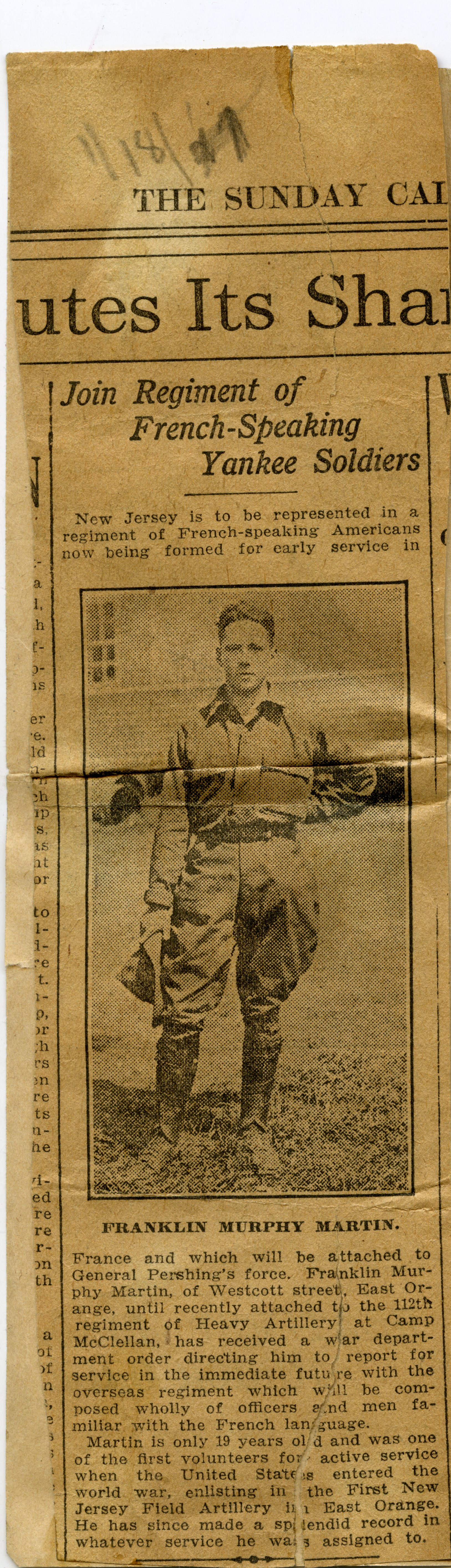
WWI Photo – New Jersey Hero Receives Croix de Guerre – Crashes Plane in the Marne River


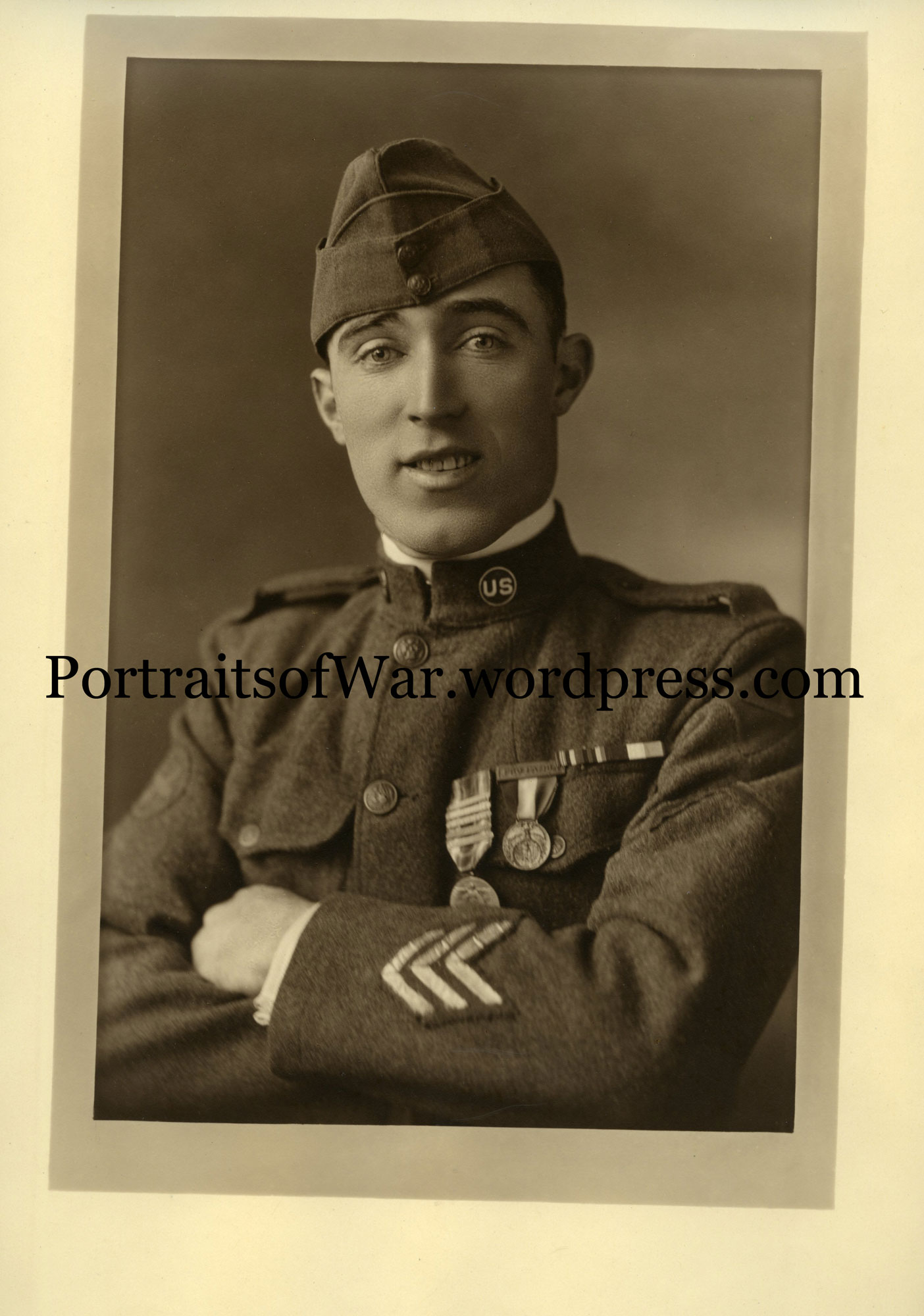
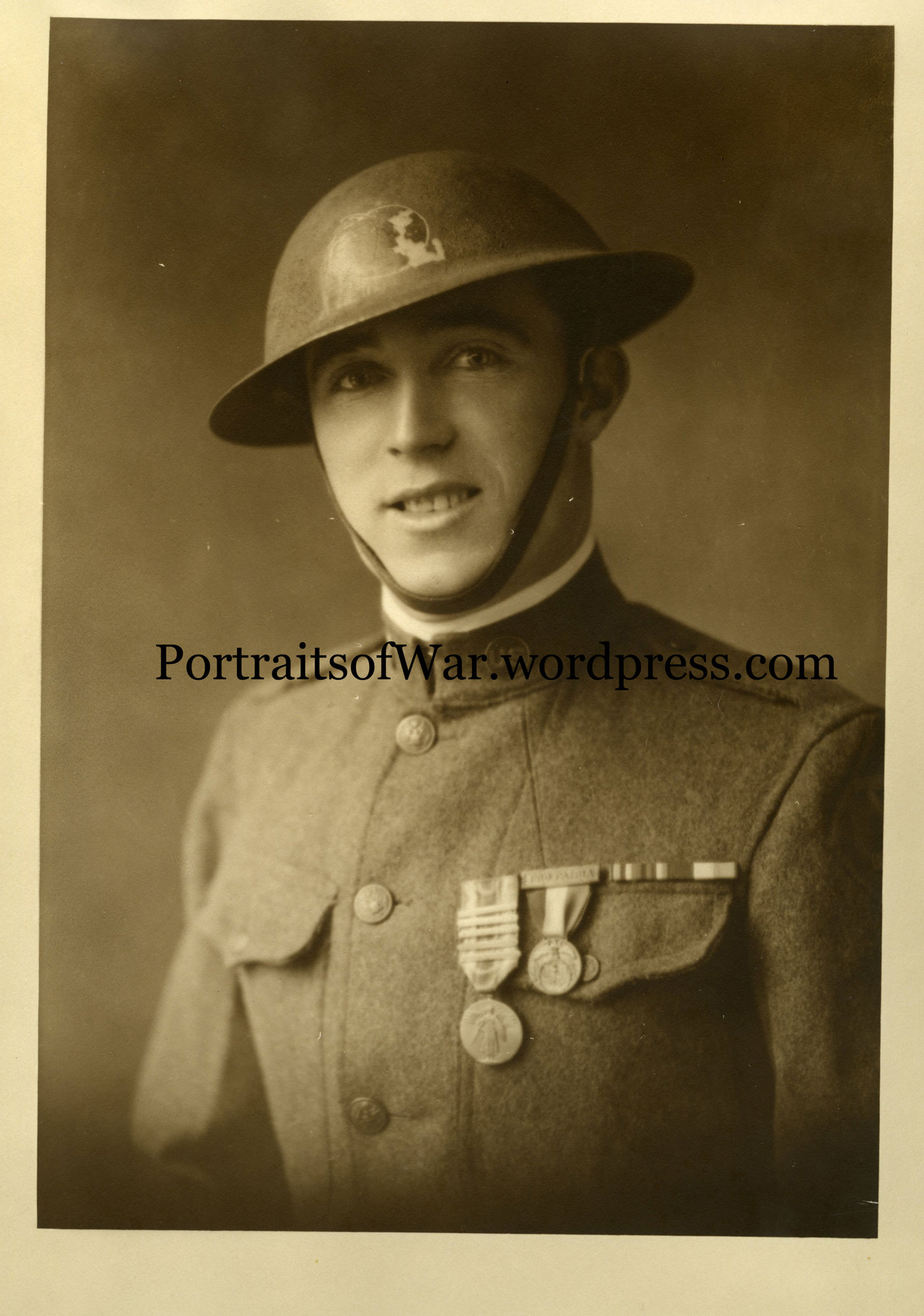
I purchased a large WWI photo album last month that was compiled by a young girl following her brother’s exploits in France.  Apparently Franklin M. Martin (Jack) of East Orange, NJ was fluent in French and was assigned as an interpreter on Pershing’s staff.  He became interested in flying and joined the 803rd Aero Squadron where he was in charge of map making from the air.  He was awarded the Croix de Guerre after he was shot down and landed in the Marne River.  After swimming across he was able to deliver his maps!  A great series of interior studio shots capture Franklin wearing his newly awarded CDG.  His friend is wearing a Distinguished Service Cross and is sporting a wound chevron.  Note the leather arm brace and private purchase lace up boots.


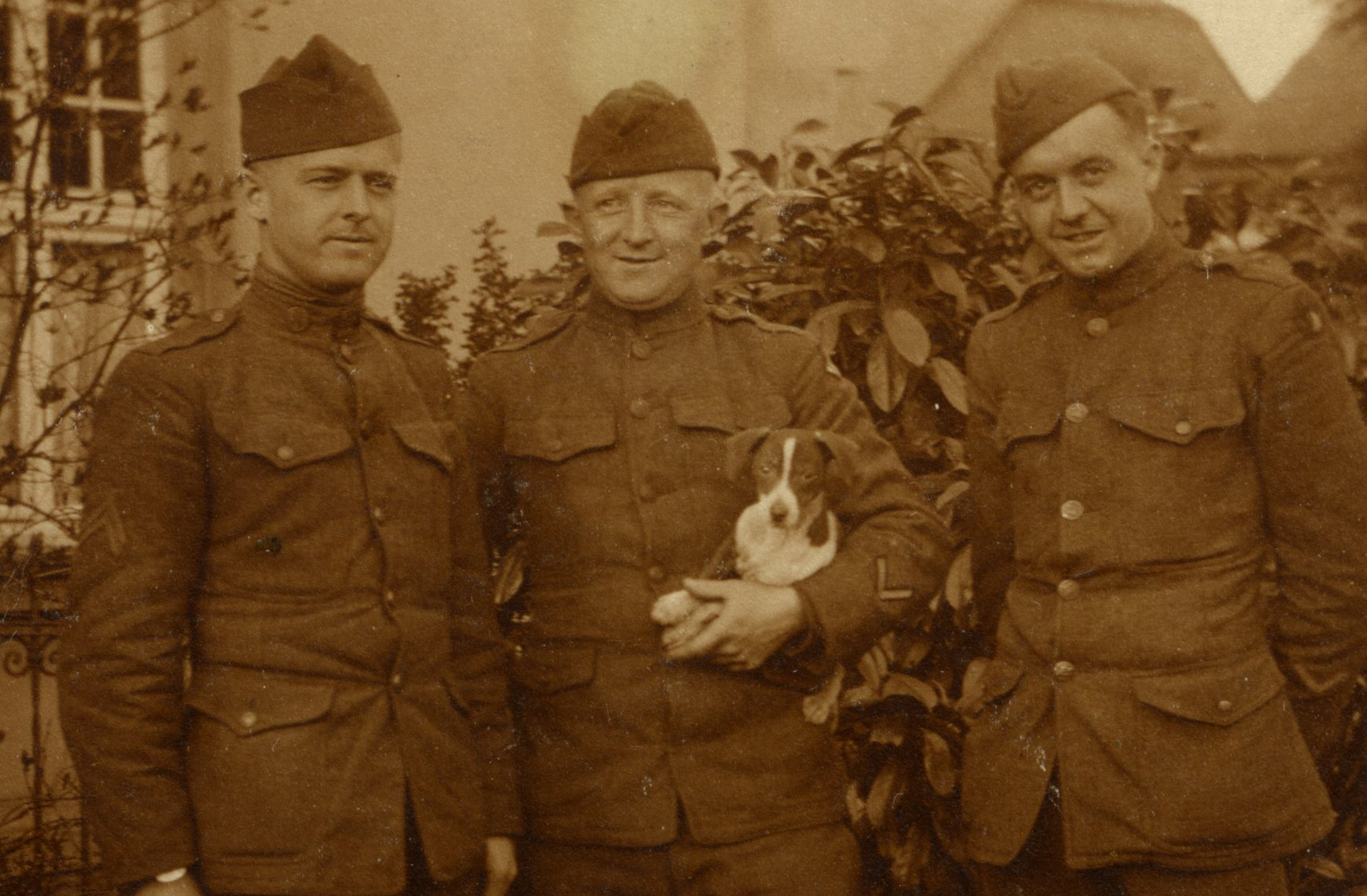
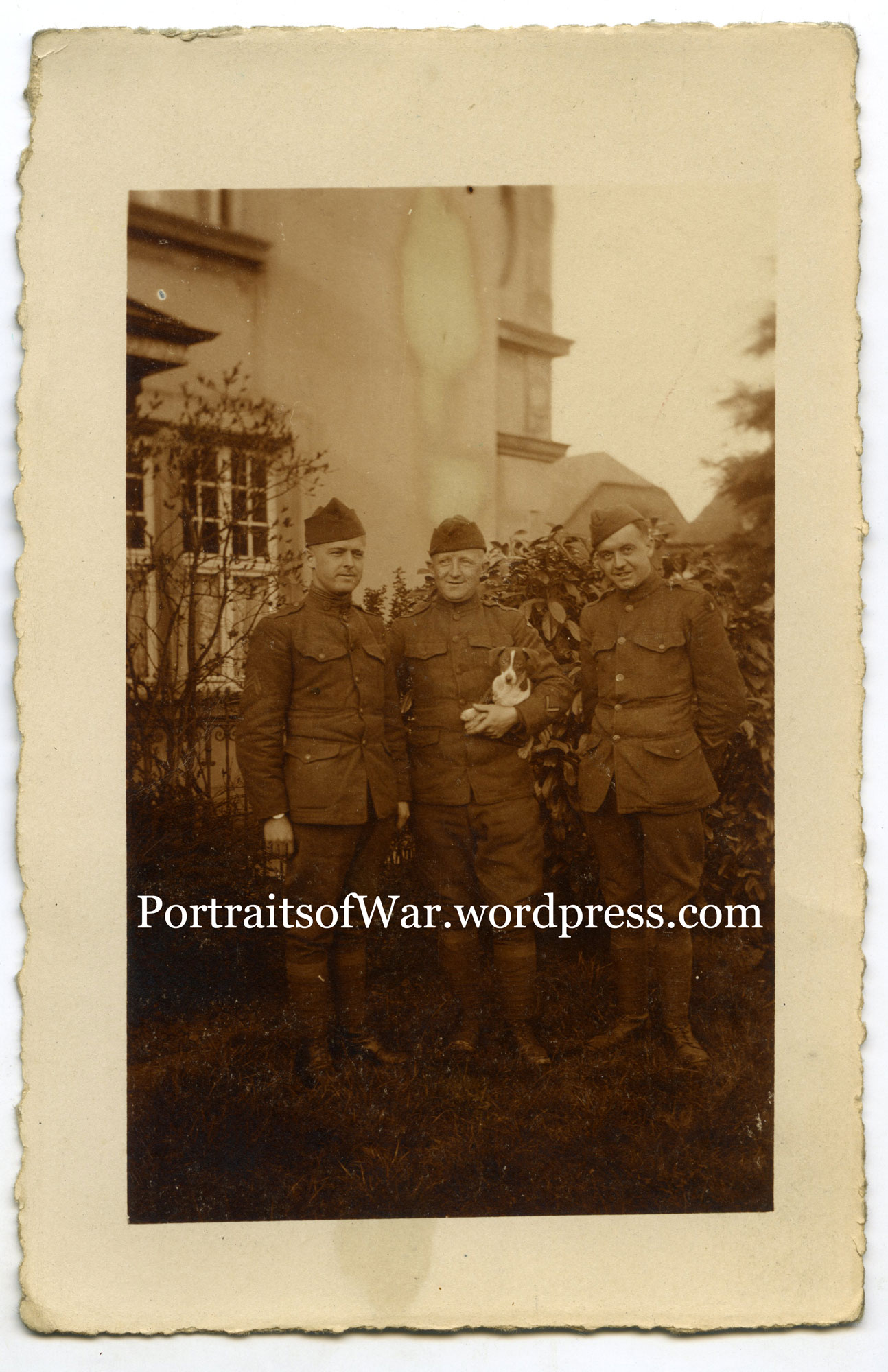
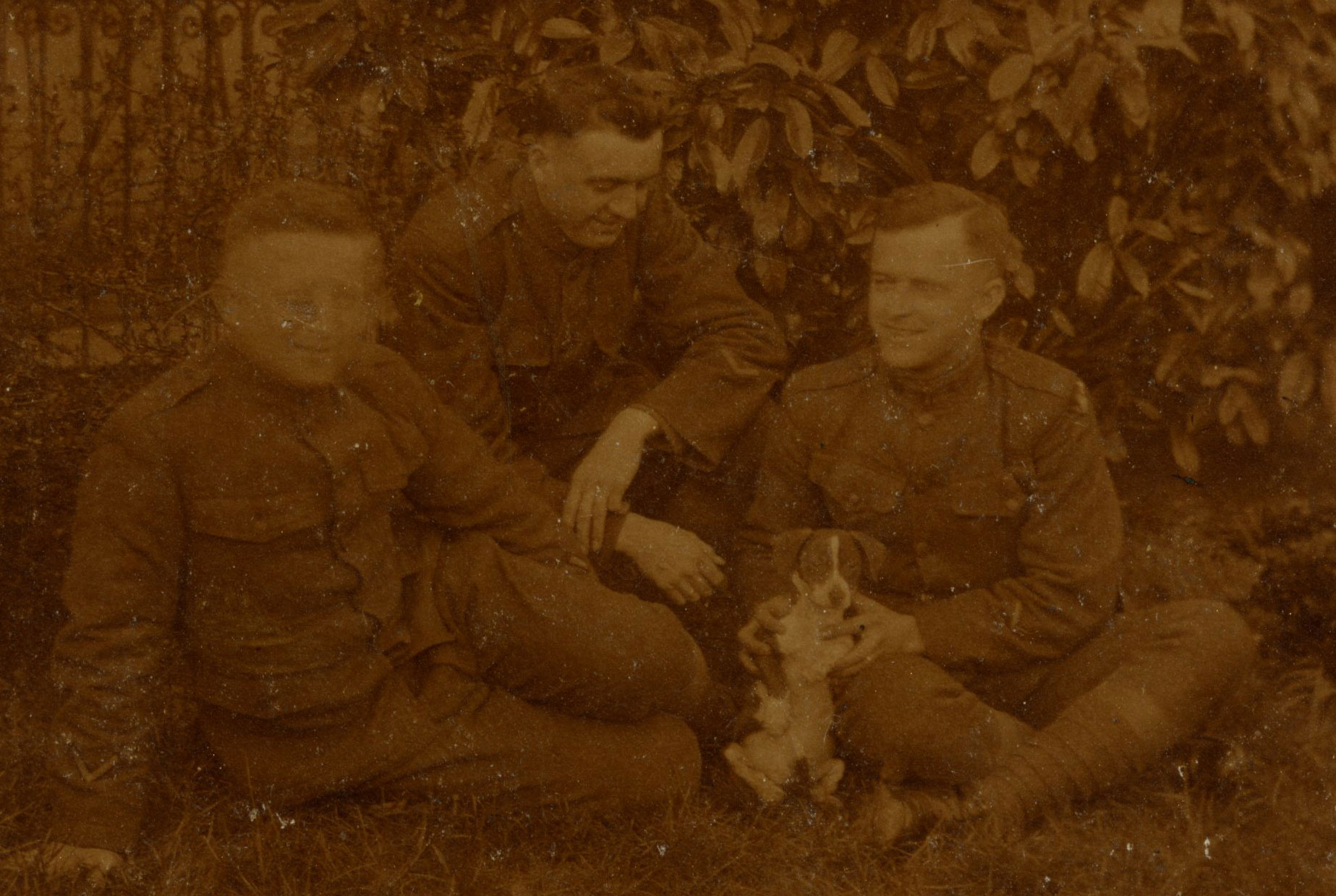
WWI Photo – 89th Division Soldiers Pose w/ Mascot Dog France


Following up on one of my favorite common threads seen throughout WWI photography – I present yet another example of the unit mascot.  Normally seen at the compnay level or below, the idea of having a small pet (normally a dog) as a mascot is very common throughout various nations during WWI.  I’ve literally seen examples from the US, England, Canada, France, Germany, Italy and even Australia. I probably have 15-20 examples in my own collection, ranging from small children as mascots, to dogs, pigeons and even goats.  My favorite are the small dogs. Here’s an example from the 89th Division. The collection of 8 photos came from a member of the 356th Infantry.  Unnamed, but we know he was wounded at least once during the war due to the wound chevron on his right cuff.

WWI 42nd Division Doughboy Sends Home a Real Photo Postcard


Ever wonder how doughboys sent their photo postcards home?  I actually don’t own a single example of a postmarked photo postcard from the war, but recently came across a grouping that contained an envelope and postcard sent home by a 42nd Division soldier.  A member of the 151st Field Artillery, Frank Svec sent home a studio portrait shot of himself.  Not incredibly rare, but a good example of how WWI photos were sent during the war.  The 42nd Division is one of my favorite divisions, so this is an addition “kicker”.

WWI Wounded 78th Division Soldier – Exciting Research Update!


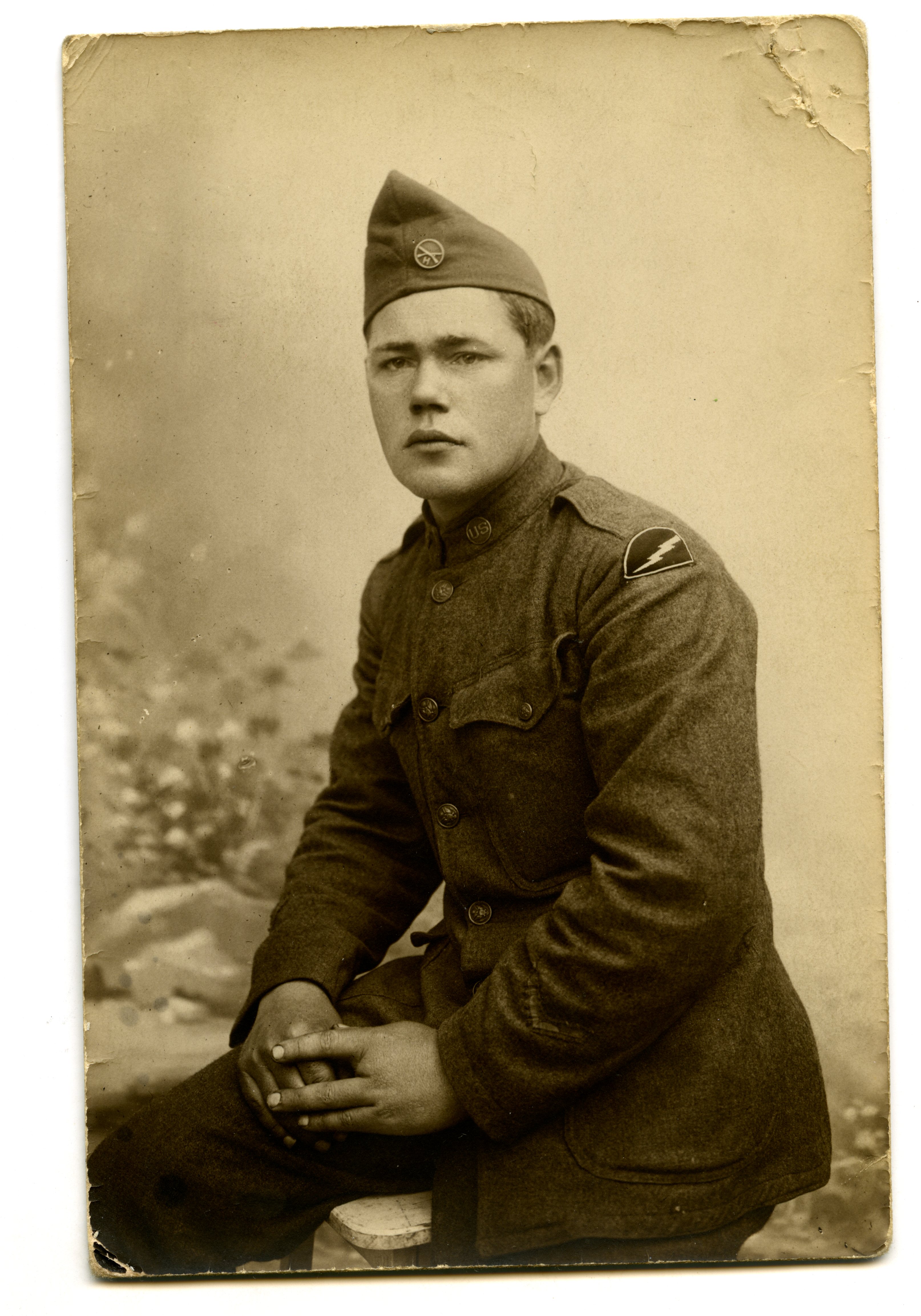
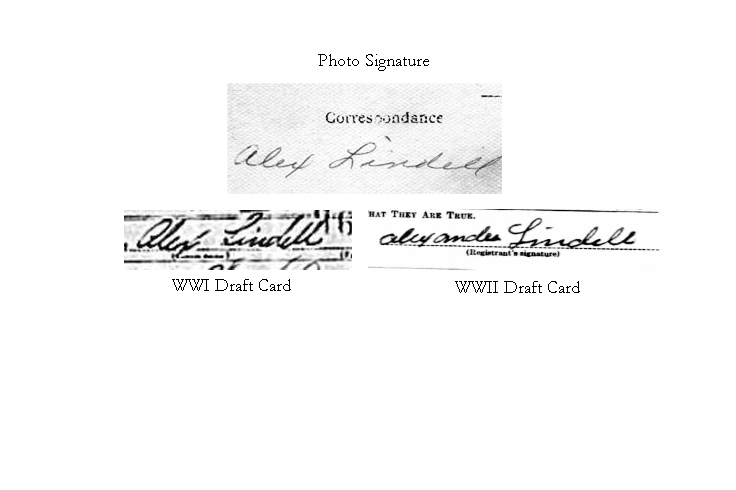
I’ve been recently turned on to the magic of ancestry.com, one of the best tools for researching WWI images I’ve yet to discover. I decided to start a search for one of the names written on the back of one of my better WWI images. Alex Lindell poses in his WWI French portrait photo showing off his missing finger – likely a battle wound received on October 18th, 1918 while he was with the 309th Infantry Regiment (78th Division) during the Meuse-Argonne Offensive. After a search of draft cards through the National Archives, I came across a pair of WWI and WWII draft cards with the presumed identity of Alex Lindell. After comparing the signatures on both my photo and the draft cards, I realized I had a match! Success! His ASN was 2451963.

Alex served in Company H, 309th Infantry Regiment, 78th Division and was originally born in Oeland, Finland but eventually ended up in Brooklyn, NY. He was born on May 5th, 1889 and passed away just shy of the age of 61 on April 11th. 1950 where he was buried in Long Island National Cemetery. He was listed as being severely wounded in action on October 18th, 1918 where he presumably lost his finger as seen in the below photo.

50832936_397060720865632_6570596971222925312_n

Photo Colorized by the Photo Alchemist

Signature on Obverse


WWI Draft Card


WWII Draft Card


Signatures Compared

20120205-224310.jpg

Alexander’s WWI Veterans Burial Card
Footage of the 78th Division during the Meuse-Argonne Offensive