The tension in the air is almost palpable. Painted bomber jackets, crusher hats, and wafting palls of smoke all set the scene. A basic map is being chalked on the board, while pilots and navigators take note.
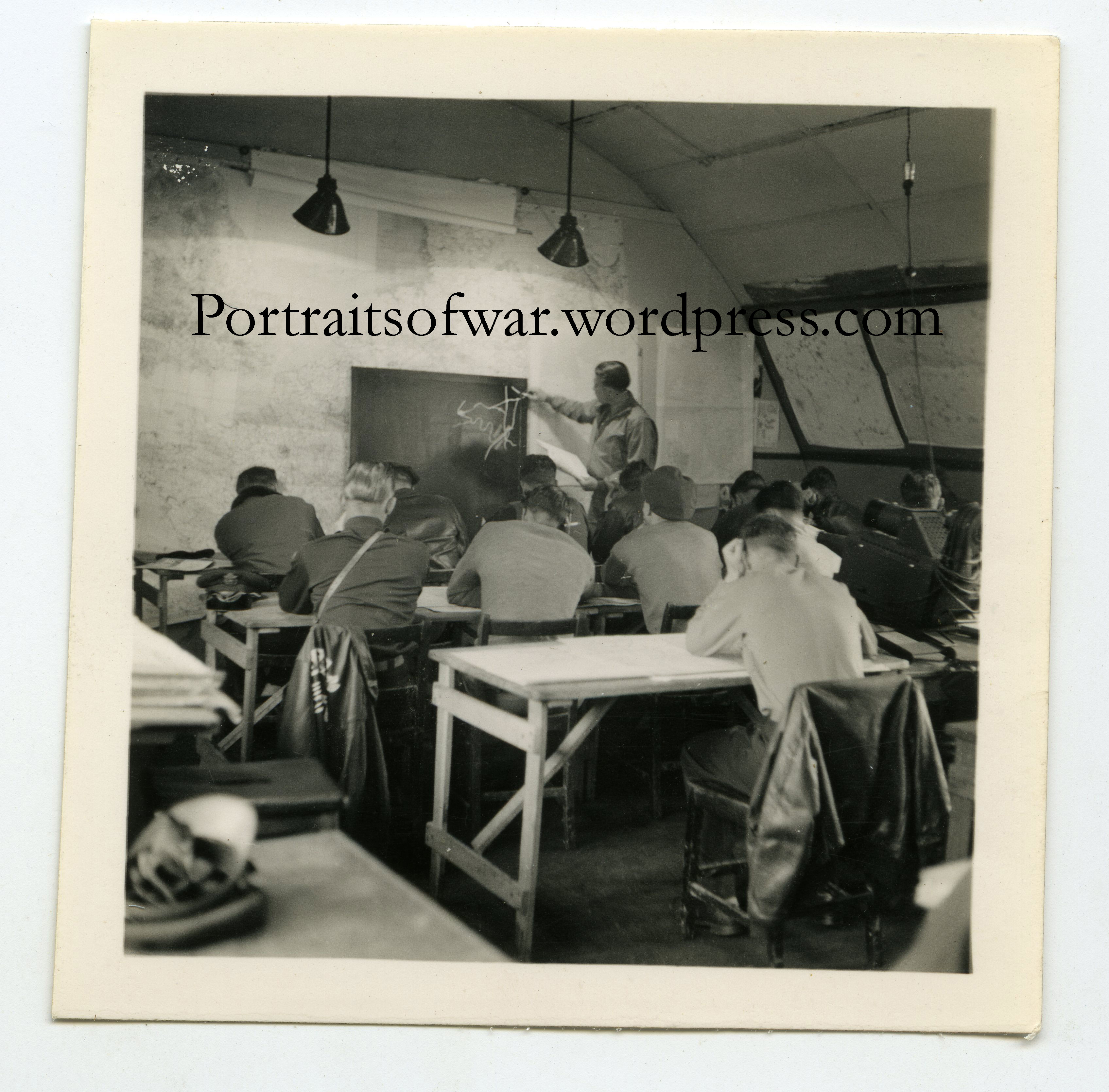
The tension in the air is almost palpable. Painted bomber jackets, crusher hats, and wafting palls of smoke all set the scene. A basic map is being chalked on the board, while pilots and navigators take note.

Members of the 12th Veterinarian Hospital
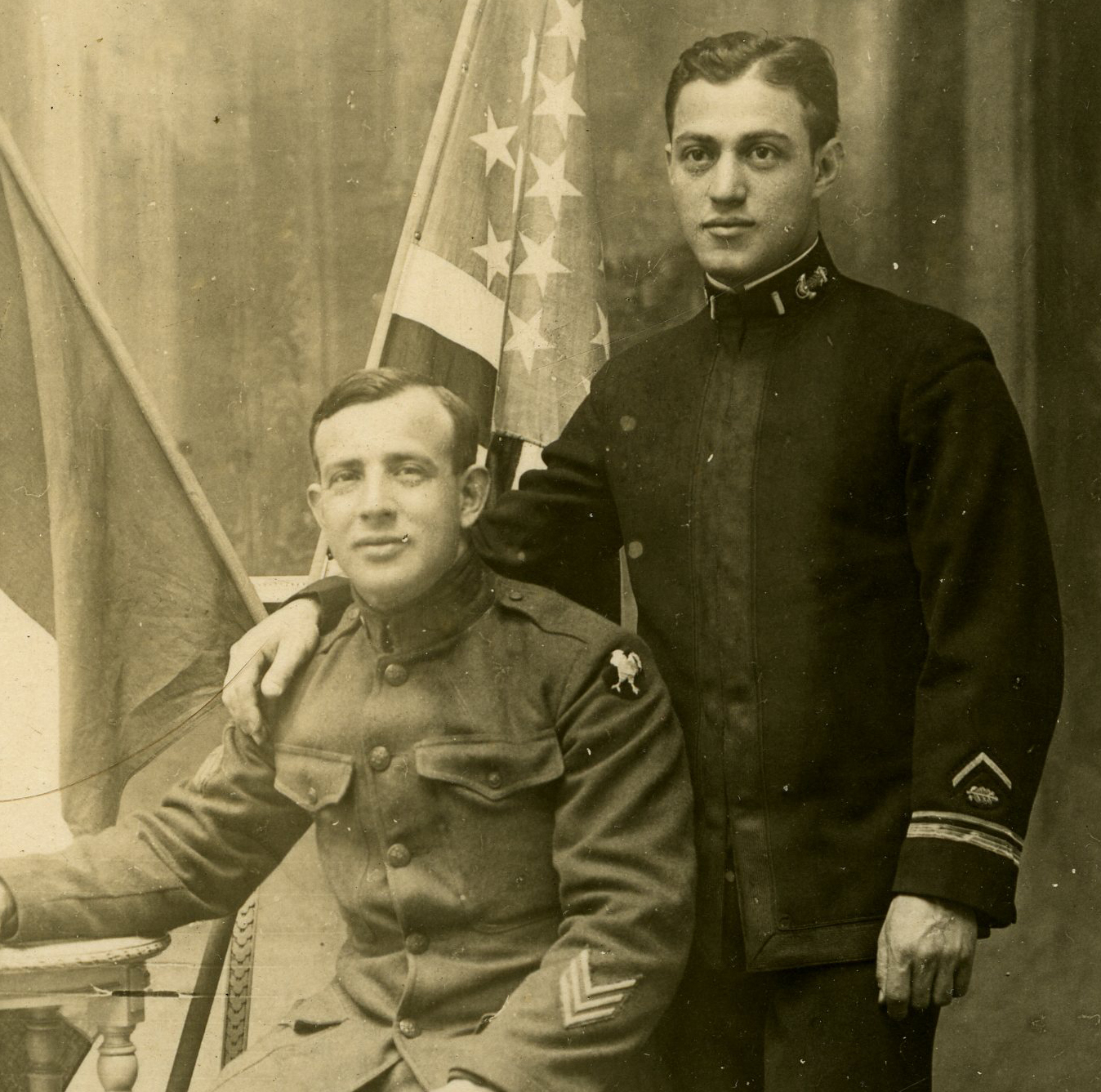
 Straight from the bowels of a poorly listed eBay auction comes this tantalizing pair of WWI photographs. At first glance the images seem to contain little information to help aide in their historical dissection, but upon further sleuthing I found some clues to their identification. After scanning the first image on my super-duper Epson V700 scanner (awesome BTW), I zoomed in on the wagon using Photoshop. The name VET HOSP 12 can be faintly seen between the wagon wheels. A quick google search yielded a website dedicated to the 12th Veterinarian Hospital, which dealt with the care of horses during the Occupation period. I looks like the hospital was started in late December of 1918, and continued to service 3rd Army horses for the bulk of the Occupation.
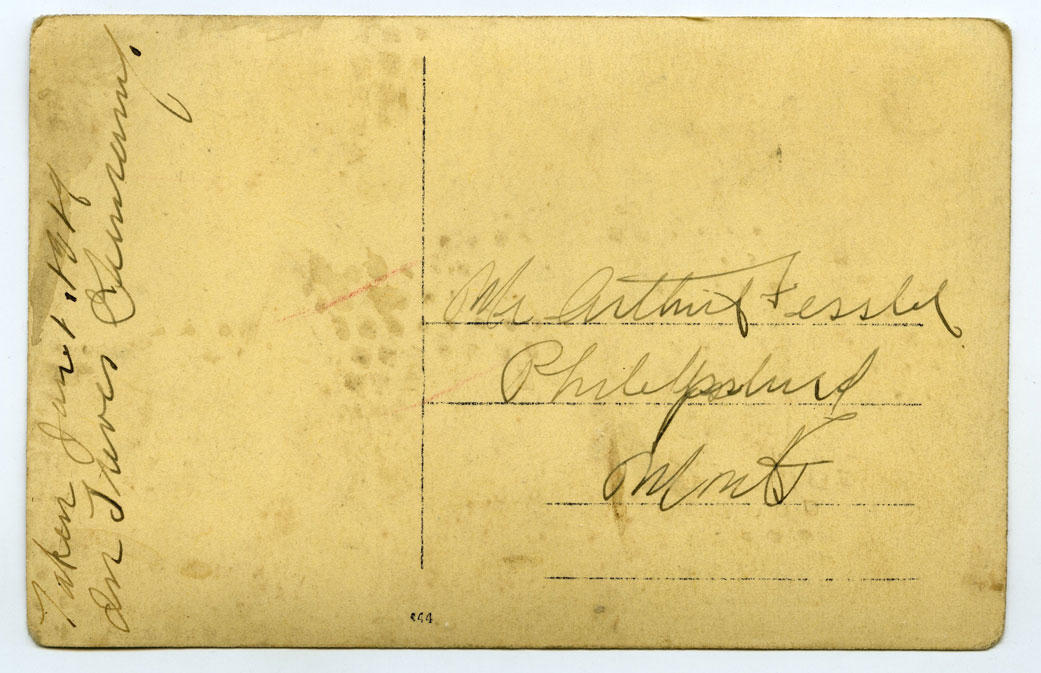
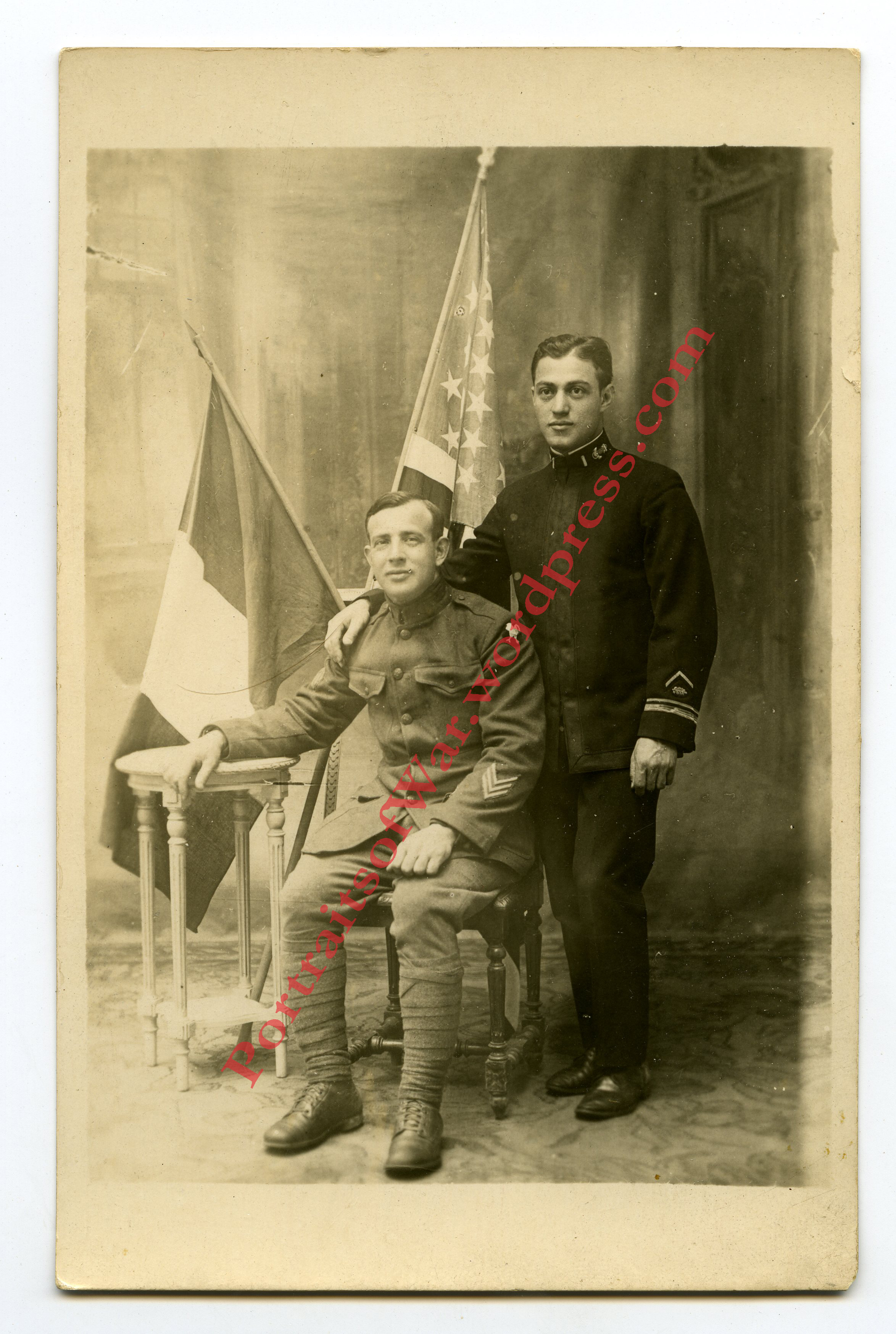
The obverse of the second RPPC shows a date and location of January 1st 1919 in Treves Germany made out to a Mr.Arthur Fessler (hard to make out the last letter) in Philadelphia, PA. The card is a German postcard paper, and the style of chair is one I see almost exclusively used in German portrait studios of the period. The young doughboy is not wearing a shoulder sleeve insignia (aka Patch) but I assume he soon received one, as the first photo shows the patch in wear.
Interested in learning more about the 12th Veterinarian Hospital? Check out this site:
Or check out the U.S. Army Veterinarian Corps Historical Preservation Group Facebook page:
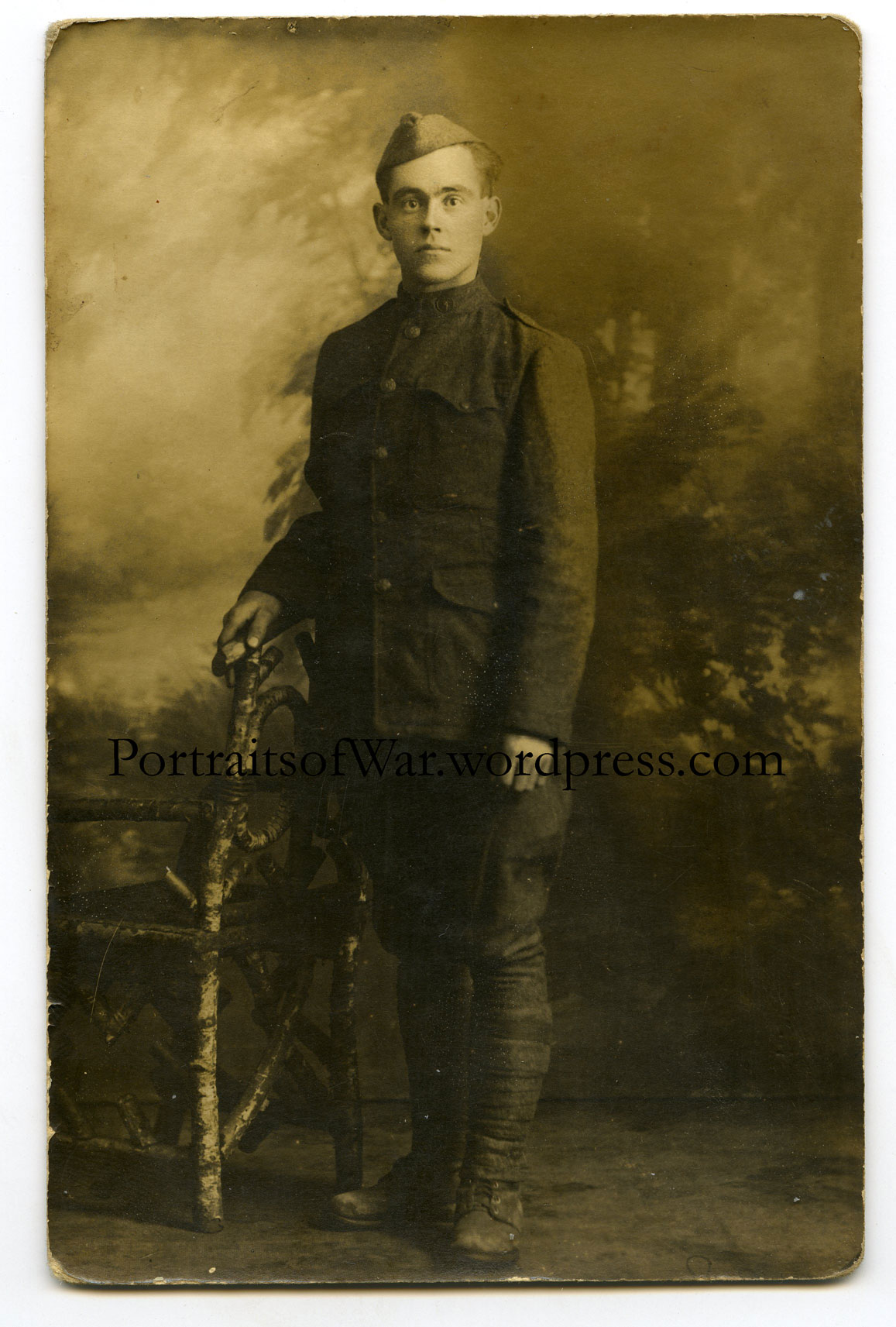
Posing in a German Studio
As I’ve mentioned before, one of my favorite areas of collecting is the mascot photo. Almost every unit had a mascot; commonly a dog or puppy, or sometimes a woebegone French or Belgian child. In this case, a young boy poses in a well-tailored uniform as the mascot for the 31st Engineer Regiment. What a stellar find!


August 25th, 1944,
Glenn Miller poses with some members of the 388th Bomb Group. Only a few months later Miller went missing during a flight over the English Channel,. spurring 70 years of mystery and intrigue. His death is still an unknown, although many suggest that he was in fact a German spy. The second image shows the crowd during the concert – snapped by Alegre from the front of the stage.

Some of Glenn’s best known hits are Moonlight Serenade, Chattanooga Choo Choo, A String of Pearls, Little Brown Jug and Tuxedo Junction. Many of these songs are likely lost on my generation, but will be familiar to many of the readers of this blog. Please check out the links listed below for some vintage Glenn Miller footage!

Click for larger View

Click for larger view

Click for larger view


Work Horses Plow a Field

Windswept Nurse

Alva spins a spit!
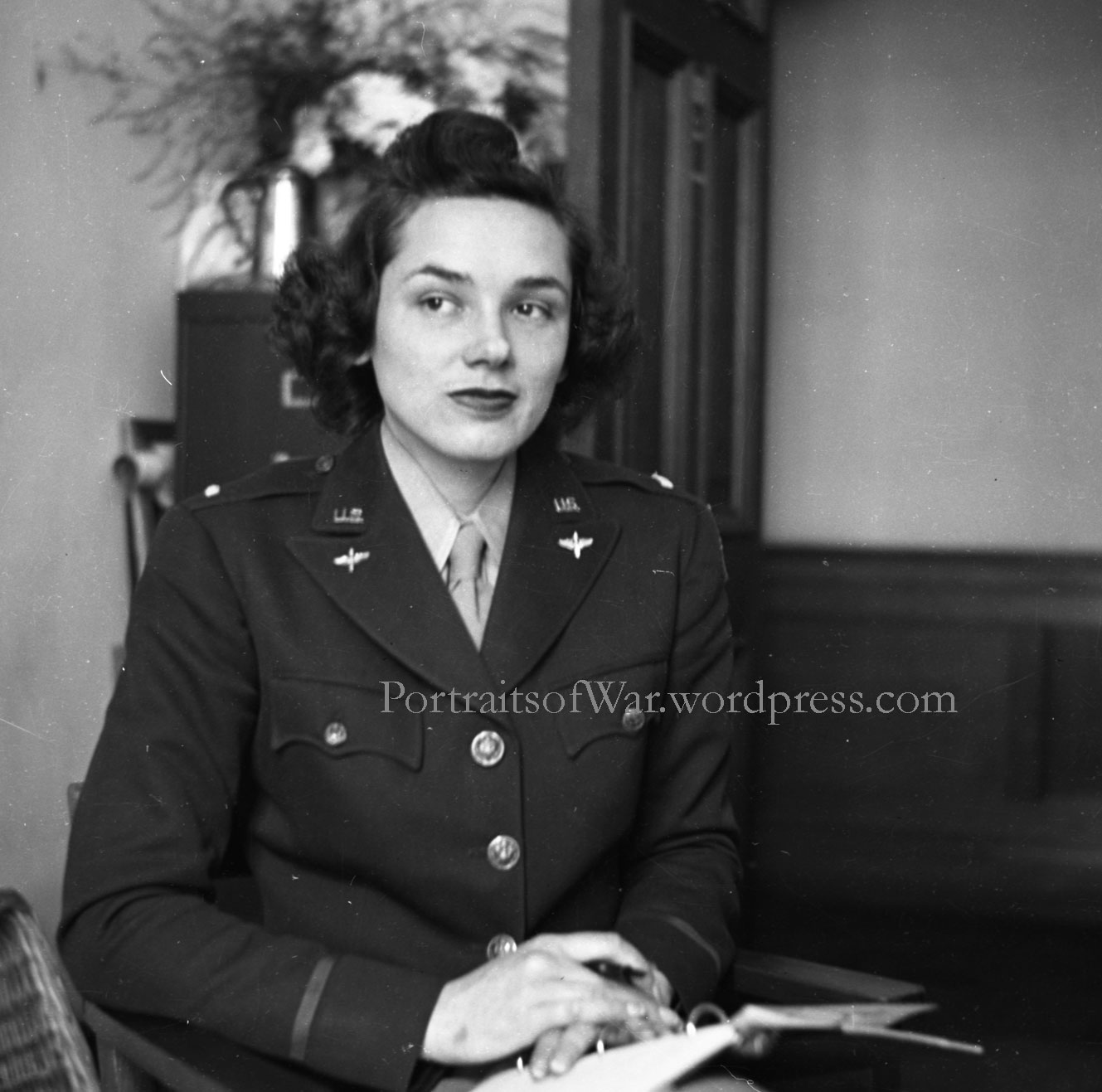
Seated Pose

A Barracks Fistfight

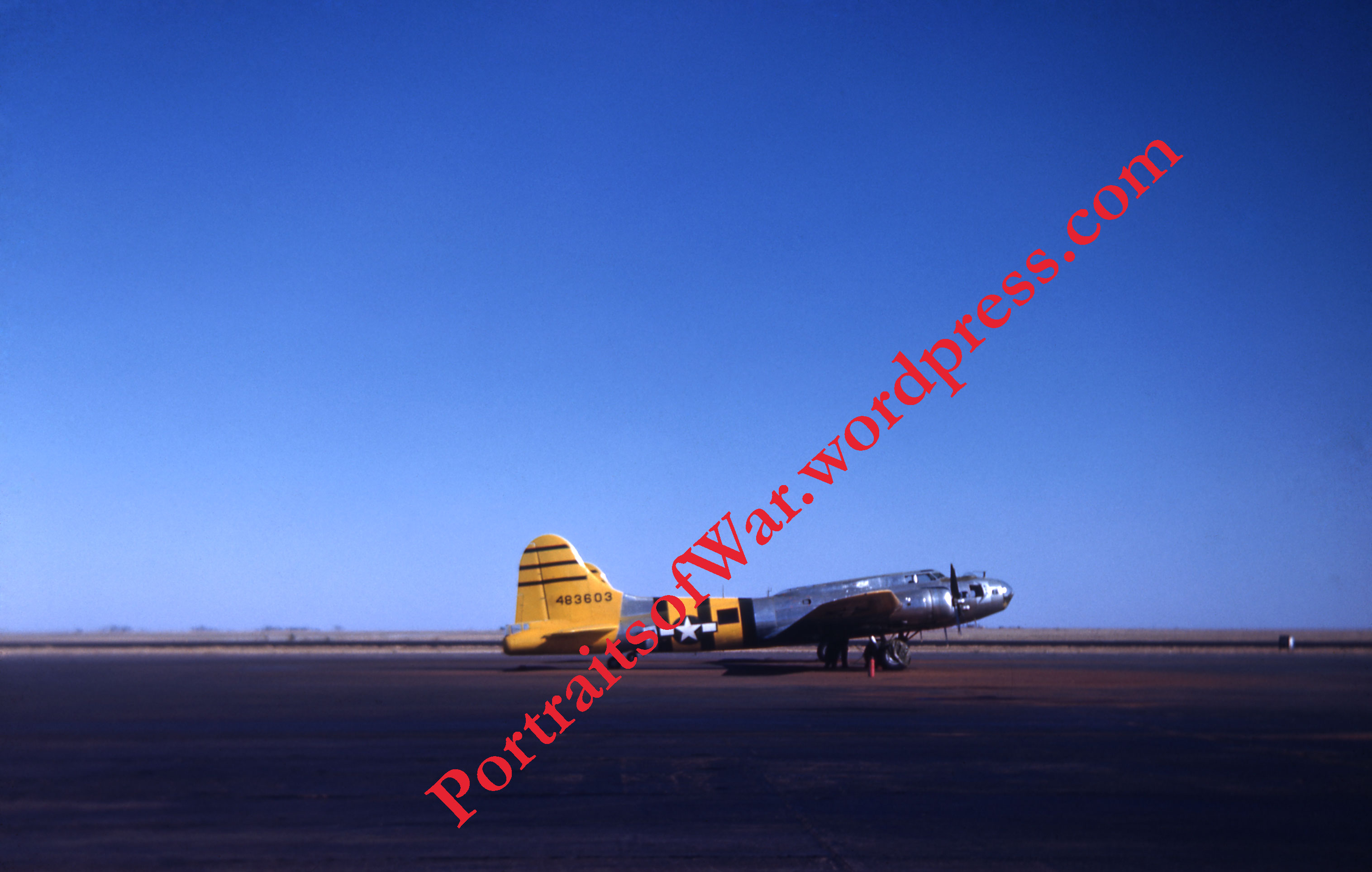
Color war photos are one of my favorite forms of amateur photography. The history behind each image is intensified when documented in color, allowing the historian to glean historical details not visible in B/W photography. One such image can be found below, from my collection of images taken in Roswell New Mexico right after WWII. The photos were taken by a member of the 509th Composite Group. The unit was responsible for dealing with the atomic weapons of WWII and also dropped a bomb on the Bikini Atoll in 1946.
The QB-17 shown below is possibly one of the first handful of B-17’s outfitted to fly unmanned. This plane was used to fly through an atomic cloud and collect important radiation data. These data were later used to test for radiation fallout numbers. I’ve only personally seen two other color images of a QB-17 painted in this scheme. What an important resource for historians, hobbyists, and vintage photography collectors!
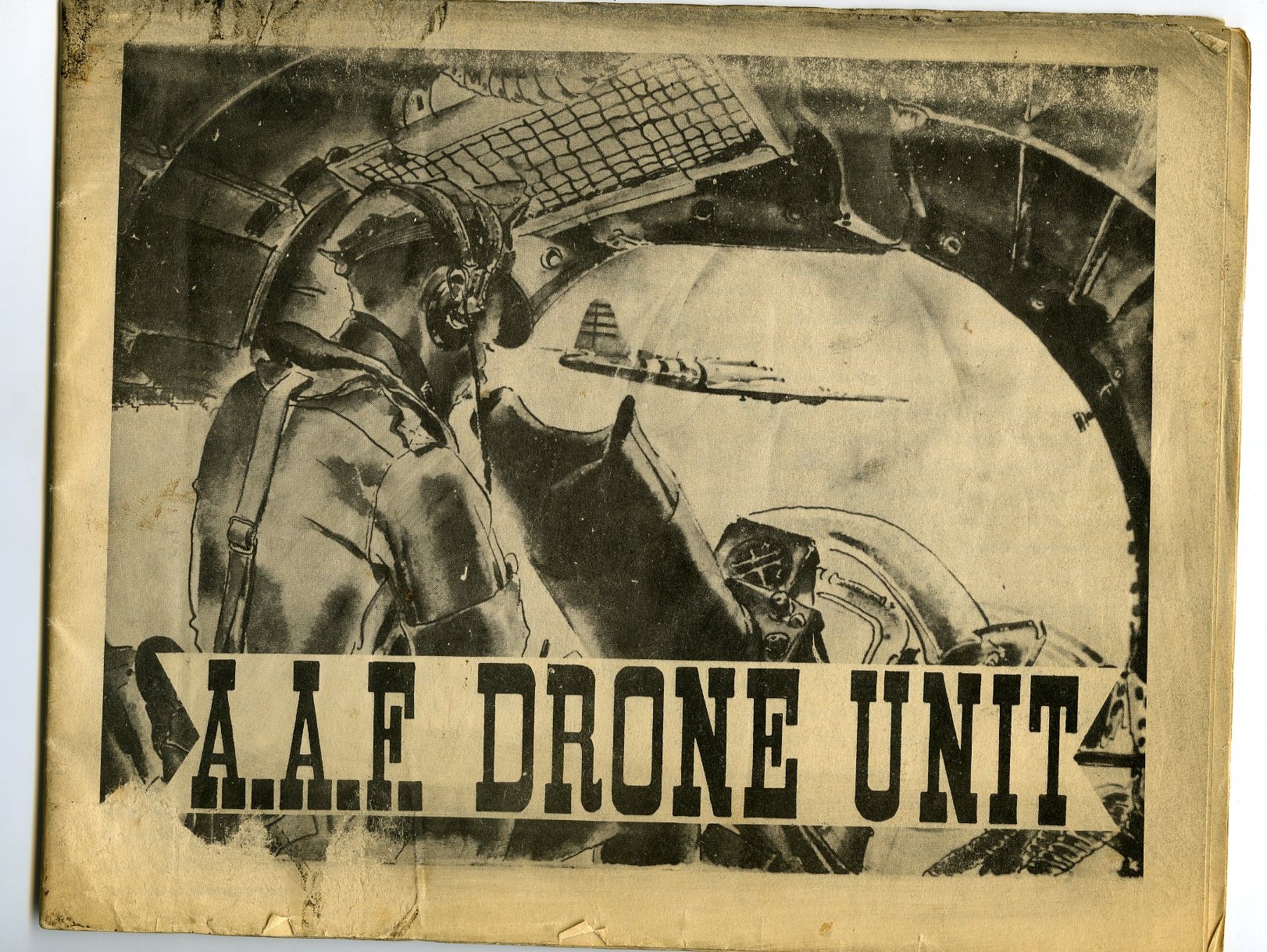
Front Page of Drone Unit History

Back Cover of Drone Unit History
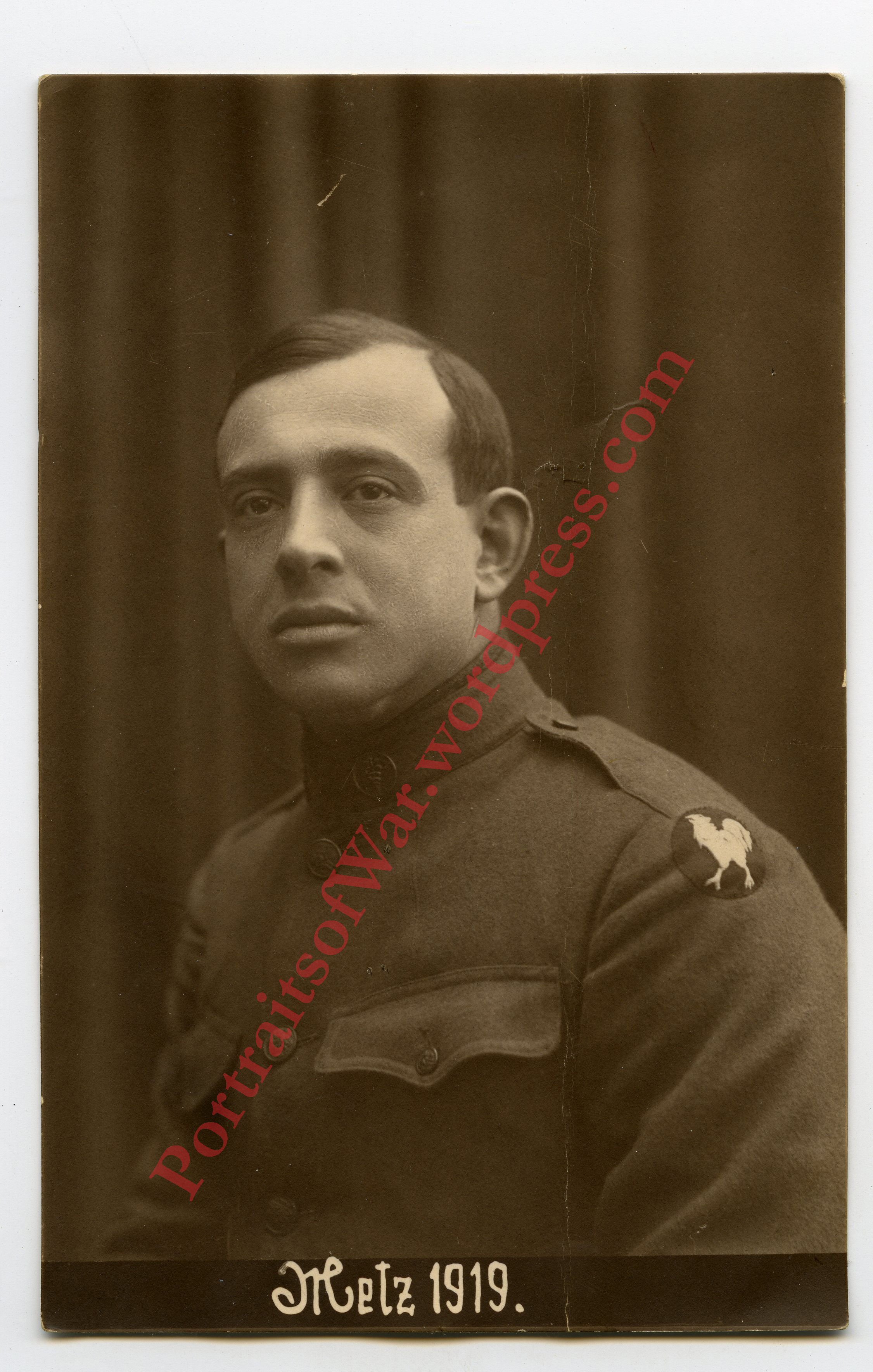
A wonderfully inexpensive eBay purchase turns out to be a WWI tanker! I purchased the photo simply on its merits as a portrait, but upon further inspection I can see that he is wearing the collar insignia of a tanker. A very cool find! 



 Portraits of War