The following article was graciously submitted by Sam Pestle. To see more stories of WWI soldiers with accompanying portrait photography, please check out Sam’s page – The United States in WW1 on Facebook.
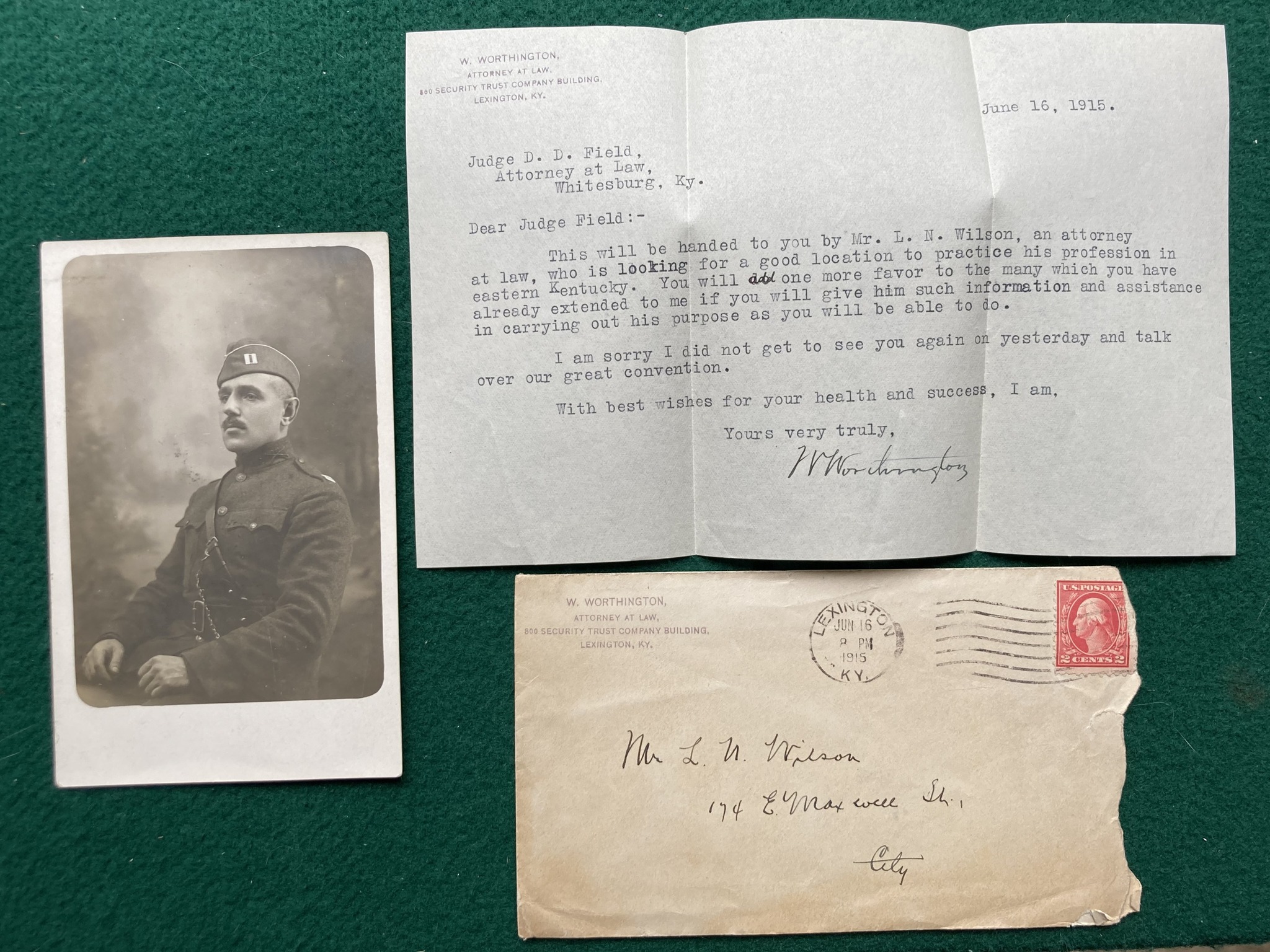
The son of a presbyterian minister, Laurance Newton Wilson was born in Kansas City, Missouri, on January 19th, 1890. His family later relocated to Washington D.C. and Laurance graduated from high school in 1909. Laurance then chose to pursue higher education and was accepted into the Law School at George Washington University. Records indicate that he was an exceptional student at GWU and became a member of the Sigma Phi Epsilon fraternity. Of particular interest, future FBI Director J. Edgar Hoover was also in attendance at the law school during this period, although he graduated a year after Laurance.
Following his graduation in 1915, Laurance passed the bar and began practicing law in Lexington, Kentucky. He had been working for less than two years when America became involved in the First World War, and Laurance applied as a candidate to the US Army Reserve Corps on May 15th, 1917. He was sent to Fort Benjamin Harrison for officer training and received a 2nd Lieutenant’s commission on August 17th.
Laurance was later promoted to 1st Lieutenant and assigned to command Company “C” of the 801st Pioneer Infantry Regiment. It is important to note that this was a segregated unit of the US Army that was composed of enlisted African American doughboys commanded by white officers. The 801st Pioneers sailed to France aboard the USS Manchuria on September 8th, 1918, and arrived along the Western Front in the final weeks of the conflict. The regiment served under the American 1st Army and was assigned to battlefield salvage operations and munition disposal efforts in the Chateau-Thierry Sector (this was a hazardous job which led to several men being killed or wounded in the regiment).
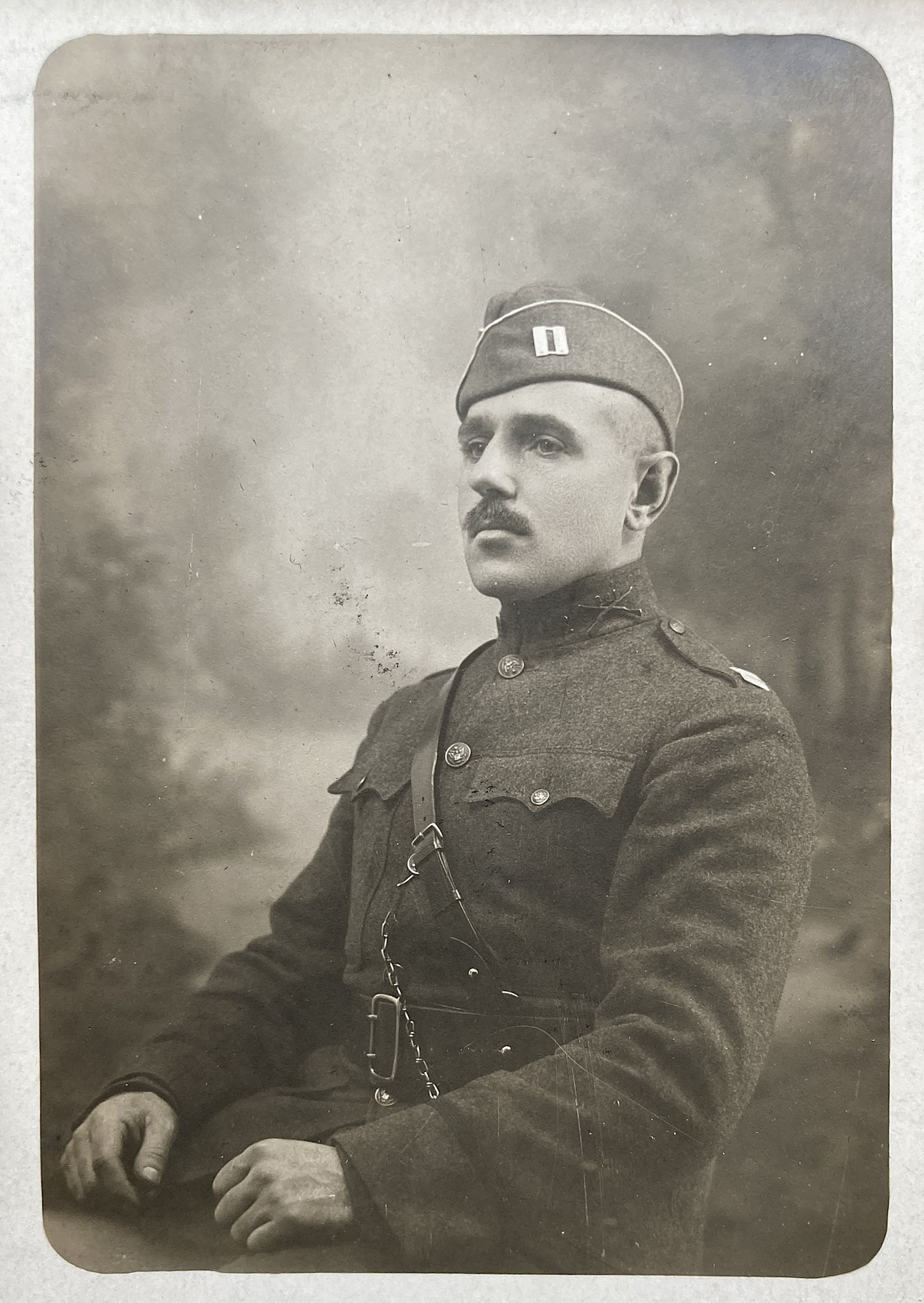
Following the November Armistice, Laurance was promoted to Captain and the French photograph seen below originates from that time period. Cpt. Wilson was then reassigned to command Company “F” of the 305th Infantry Regiment in December of 1918. He later completed his AEF experience while serving as a regimental adjutant and returned to the United States aboard the RMS Aquitania on April 24th, 1919. He received an honorable discharge on May 29th.
Laurance returned to his work as an attorney after the war and was employed by the Royal-Globe Insurance Company for several decades. He married in 1924 and lived much of his subsequent adult life in New Jersey. Laurance does not appear to have had any children and later retired to North Ferrisburgh, Vermont. He suffered a stroke in his final years and died of bronchopneumonia due to aspiration on April 26th, 1970, at the age of 80 years. He now rests beneath a civilian gravestone beside his wife in the North Ferrisburgh Cemetery of North Ferrisburgh, VT.
Captain Lawrence Newton Wilson of the 801st Pioneer Infantry
Eight years ago I posted a series of snapshots taken by a US soldier showing the liberation of an unknown concentration camp during WWII. When I acquired the photos, they had no provenance and no information on the reverse side to start the process of identification. Luckily, a blog follower was able to help with the identification of the camp through the same processes I typically use. By observing the surrounding architecture and general contextual clues, he was able to identify the camp as Kaufering IV, a large subcamp of Dachau. Here is what he provided:
Some thoughts:
i)This is certainly somewhere Upper Bavaria – the house architecture is fairly typical of the region.
ii)The presence of the 2 Luftwaffe officers suggests some sort of air force activity is close by. Lager Lechfeld was used as a fighter base and a shake-down airbase for the nearby Messerschmitt complex in Augsburg. Prisoners were engaged in constructing bomb-proof bunker-factories in appalling conditions.
iii)One of the photographs has a very distinctive semi-sunken barrack type, known as “Erdhütten” (Lit: “Earth huts”) – very primitive constructions, the timbers of which were made from off-cuts and waste from furniture production and which survivors testify, leaked terribly. These barracks were a distinctive feature of the Dachau sub-camps in the Kaufering/Buchlöe area.
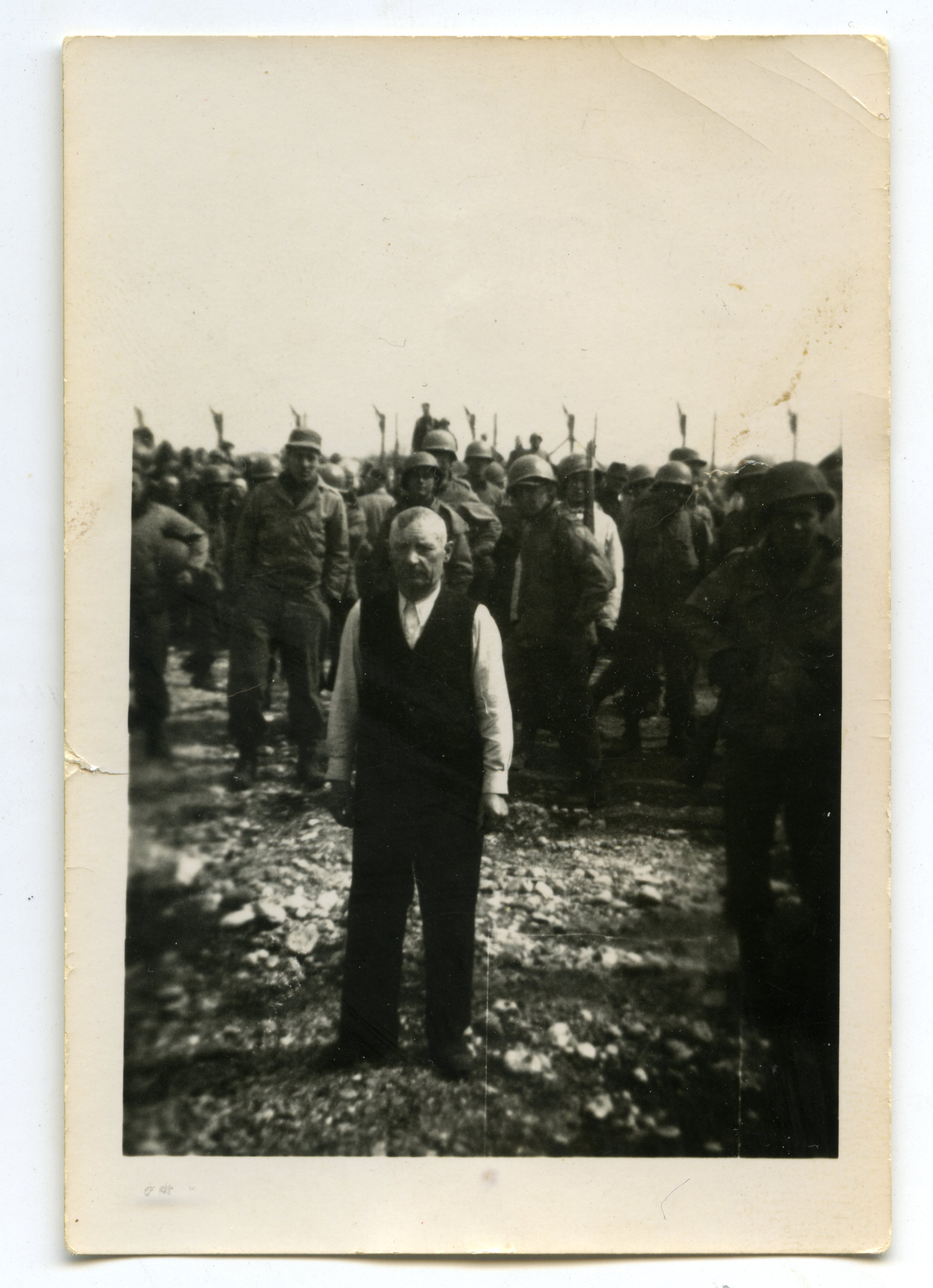
Thanks to the careful research of Taff Simon, we now know that the camp shown in these snapshots is Kaufering IV. A closer look at the details within the images supports his findings. One particular photograph offers the clearest confirmation: it shows an older man in civilian clothing with a closely shaven head, a haunting detail that anchors these scenes to the history of this Dachau subcamp.
Snapshot of SS Commandant Johann Baptist Eichelsdörfer
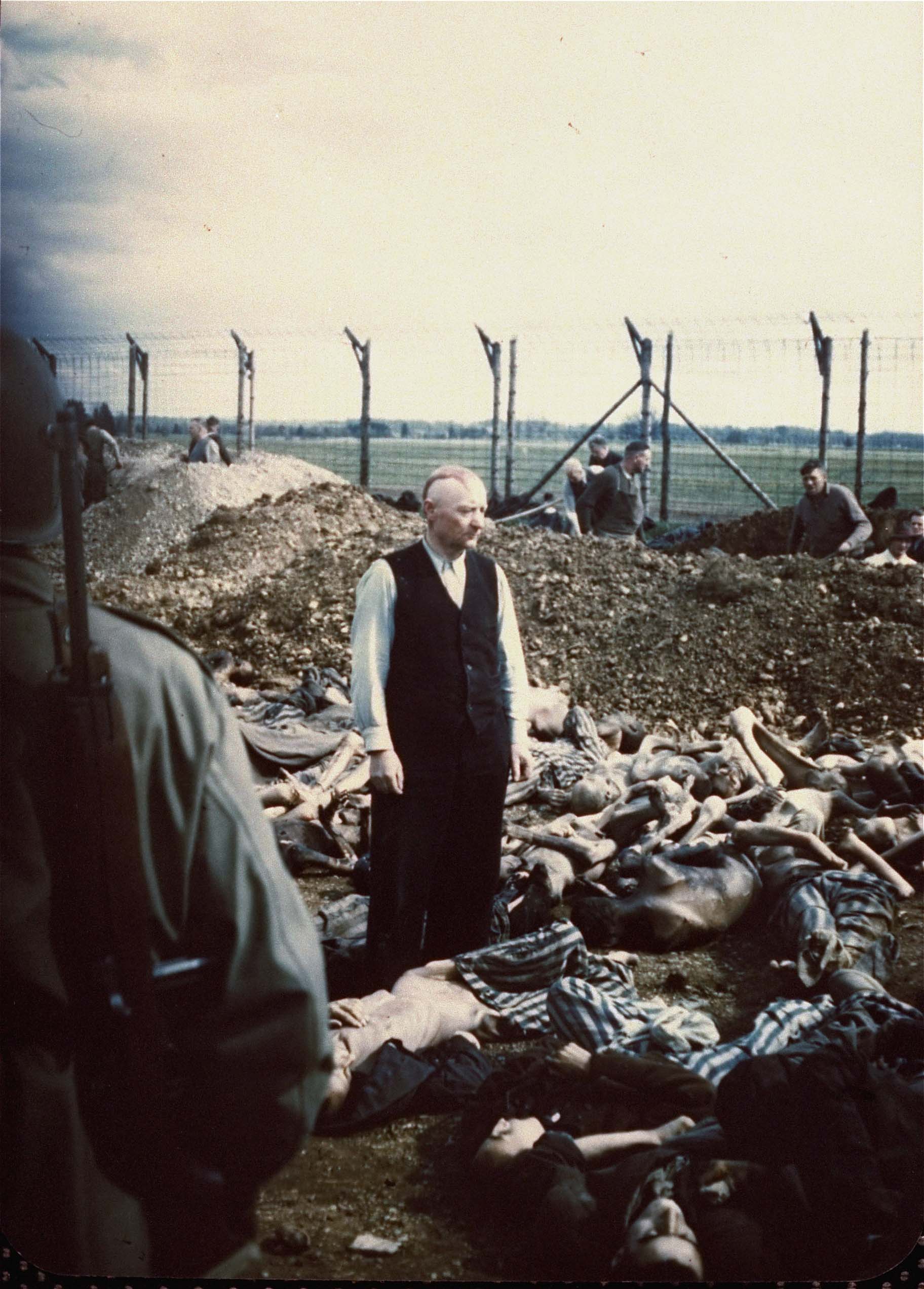
When I first wrote about the snapshot collection in 2017, I was unable to identify the man since he was in civilian garb. Artificial intelligence image searches at the time were unable to attribute the image to any individual, so I was under the assumption that he was a local civilian who was brought in to help with the burial of the camp victims. But now, with the attribution of the snapshots to Kaufering IV, I was able to find more images of Eichelsdörfer. His shaven head with the lopsided squirrel-tail appearance confirms his identity when compared to the images below.
Color Photo of Johann Baptist Eichelsdörfer (US Holocaust Museum image)
(SS officer Johann Baptist Eichelsdoerfer, the commandant of the Kaufering IV concentration camp, stands among the corpses of prisoners killed in his camp. US Holocaust Museum image)
(Wikipedia Commons)
Who was he?
Johann Baptist Eichelsdörfer was a German military officer and concentration camp commandant during World War II. Born on January 20, 1890, in Dachau, Germany, he served as a non-commissioned officer in the Bavarian Army during World War I and remained in the military after the war, retiring in 1924 with the rank of lieutenant. He rejoined the military in 1940 and served in various locations, including France, Poland, and the Soviet Union. In 1944, he was assigned to the Dachau concentration camp system, where he served as the commandant of several subcamps. In January 1945, he took command of Kaufering IV, a subcamp of Dachau located near Hurlach, which was designated as a “hospital camp” but was, in reality, a site where sick and dying prisoners were abandoned without adequate medical care. Under his command, thousands of prisoners died due to starvation, disease, and mistreatment.
Eichelsdörfer’s actions came to light when American forces liberated Kaufering IV on April 27, 1945. U.S. soldiers discovered hundreds of bodies and surviving prisoners who had been subjected to brutal conditions. Eichelsdörfer was captured and photographed standing among the bodies of dead inmates, a stark image used as evidence during his trial. He was tried at the Dachau Trials, a series of military tribunals held by the U.S. Army to prosecute Nazi war criminals. On December 13, 1945, he was convicted of war crimes and crimes against humanity and sentenced to death. Eichelsdörfer was executed by hanging on May 29, 1946, in Landsberg am Lech prison. His trial and execution highlighted the atrocities committed in the Nazi concentration camps and served as a reminder of the need for accountability in the aftermath of war.
The Other Snapshots
Now that we know the snapshots from the 2017 blog post were taken at Kaufering IV, the other images captured by an unknown US GI make more sense. I will post them here with some updated commentary. Feel free to weigh in if you have any comments or suggestions for descriptions.
Kaufering IV Survivor
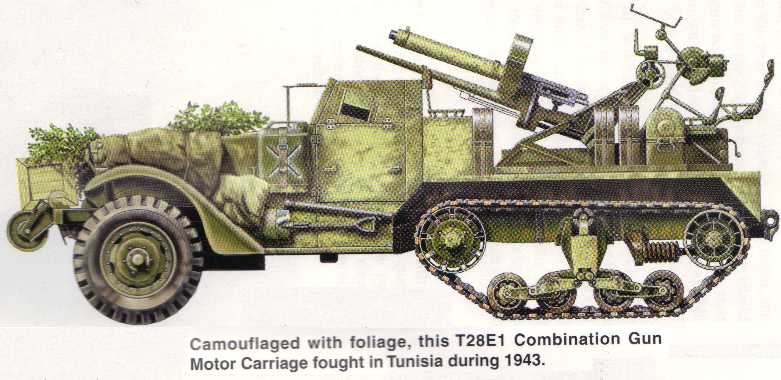
In the above image, we see a recently liberated survivor of his time at Kaufering IV. He’s using his bandaged hands to tie on a pair of shoes, likely a pair provided to him by US soldiers. He also appears to have some soup in a small can as well as a striped blanket wrapped around his head and body. In the back of the image appears a US T28E1 which was likely one of the 12th Armor Division’s anti-aircraft mobile vehicles. The painted sillouettes of 14 German aircraft on the side hint that the operators of the T28E1 shot down lots of German aircraft as the war came to an end.
Generalized View of the T28E1
German Luftwaffe Officers
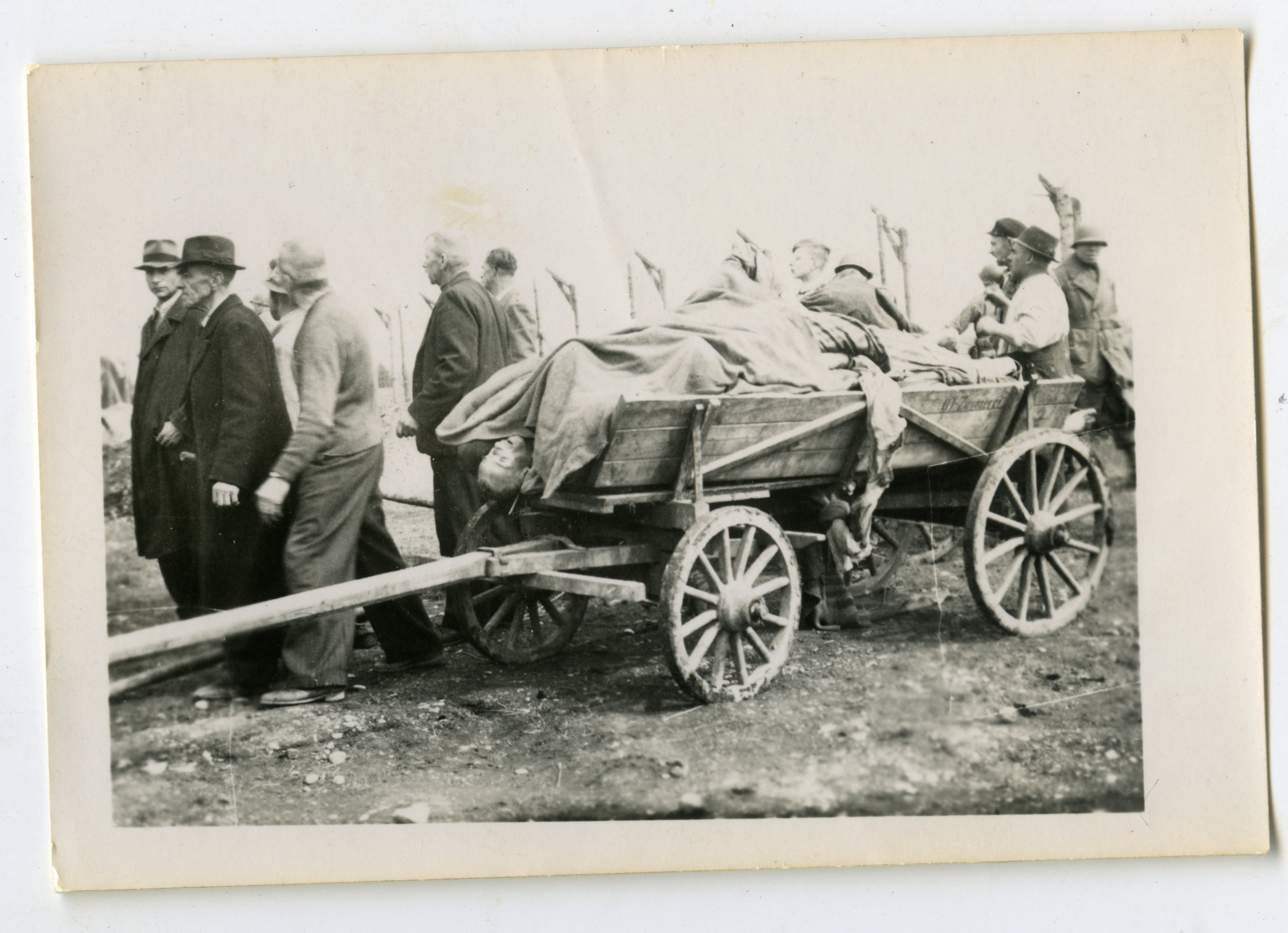
German Civilians Help with Burial
Camp Building and Ditch
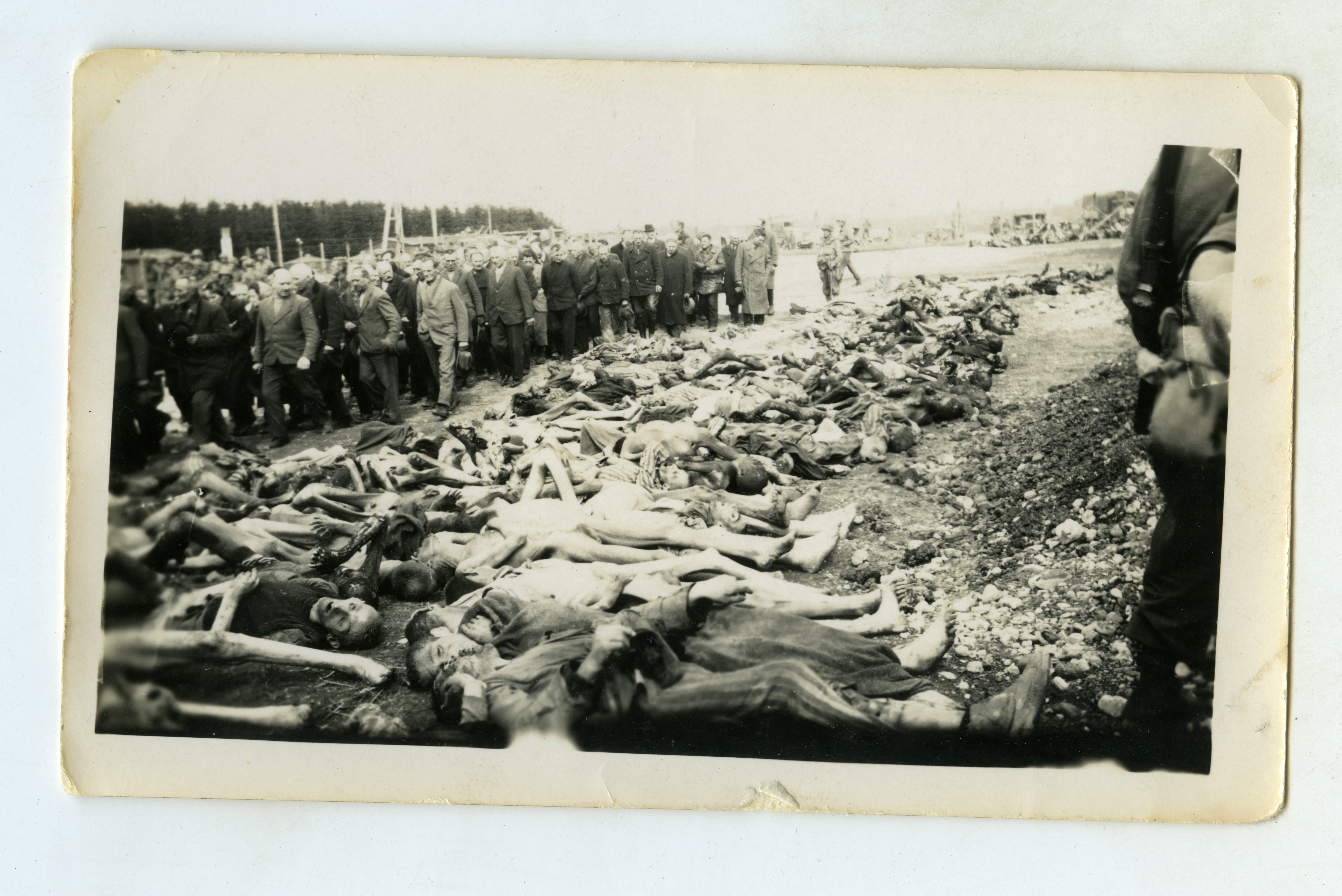
Local Civilians Observe the Dead
Kaufering IV Victims
US Officers Speak to a Crowd
US GI’s View the Dead
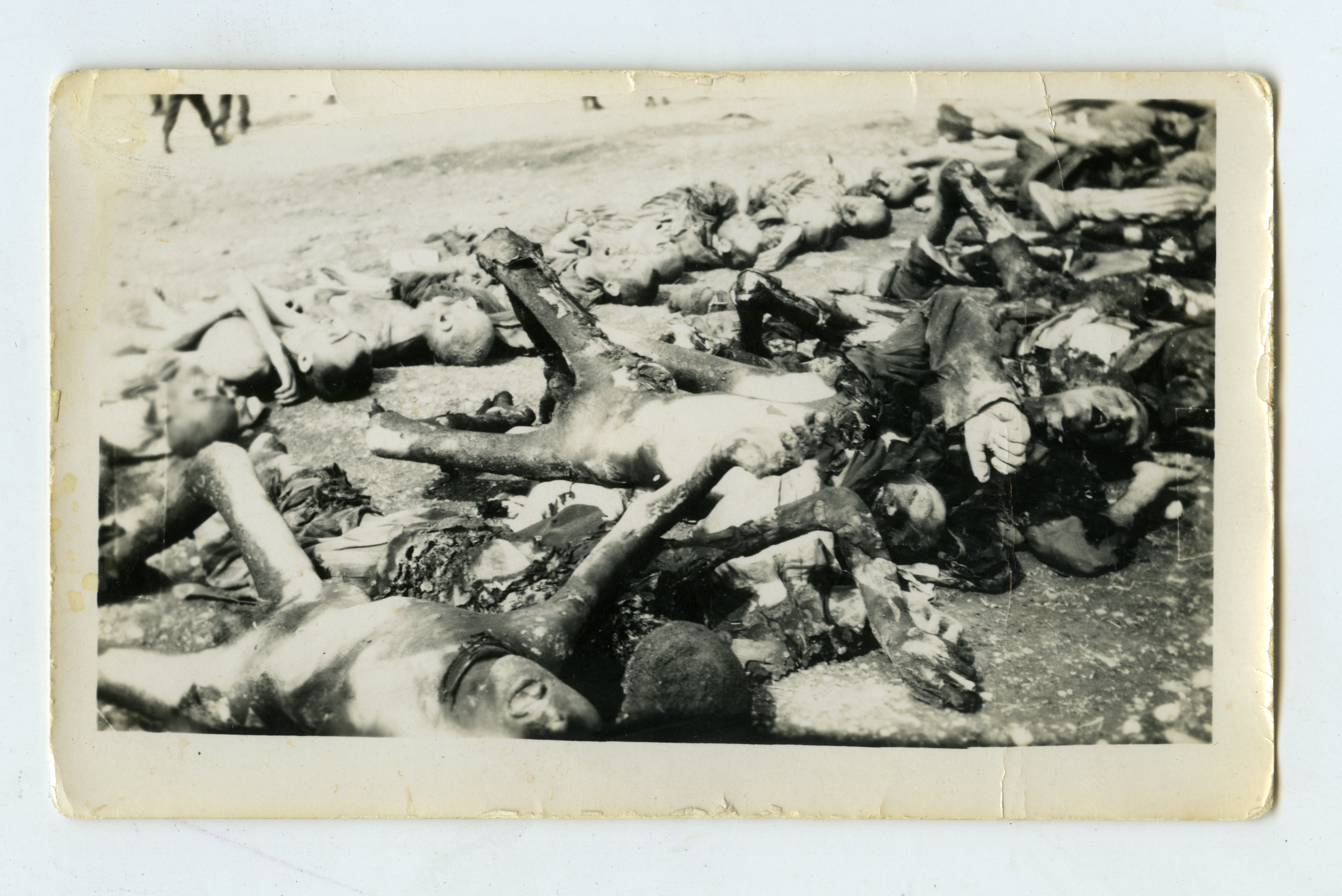
Camp Victims
Camp Victims and Army Officers
Camp Victims
Local German Civilians Listen to US Officers
I really don’t know how to close this sobering post update from 2017. I did pass the snapshots along to a WWII veterans museum based here in the United States, but I’m unsure of what they ended up doing with them. I hope that his post will help educate those researching Kaufering IV and bring some closure to the mystery of when and where these snapshots were taken.
If you want to see some footage from the camp liberation, please check out the video here.
Easy Co. 506th PIR, 101st Airborne, Band of Brothers at Kaufering IV
HBO’s Band of Brothers covered Kaufering IV briefly in one episode. The unit was involved in the liberation of the camp, along with the 12th Armored Division. See below for a dramatized version of the events. The small earthen huts described by Taff can be clearly depicted. The HBO historical accuracy consultants did a great job!







 Portraits of War