Memorial Day 2012 Post – John McCrae: WWI University of Vermont Professor and Author of “In Flanders Fields”


What better way to remember Memorial Day than to post the most famous war poem of all time?  This poem was written by Lt. John McCrae, a surgeon with a Canadian field artillery unit during the Second Battle of Ypres on May 3rd, 1915.  The poem became an almost instant hit with the troops and with the homefront community “across the pond”.

What makes McCrae so special to me?  He taught at my alma mater, the University of Vermont, between 1903 and 1911 where he taught Pathology in Williams Hall.  I spent four years studying anthropology and archaeology in the hallowed halls of Williams, making my connection to McCrae even stronger.

This post is dedicated to all those who never returned home from the killing fields of France, Belgium, and Germany during WWI.

 In Flanders Fields

In Flanders fields the poppies blow
Between the crosses, row on row,
That mark our place; and in the sky
The larks, still bravely singing, fly
Scarce heard amid the guns below.

We are the Dead. Short days ago
We lived,  felt dawn, saw sunset glow,
Loved and were loved, and now we lie,
In Flanders fields.

Take up our quarrel with the foe:
To you from failing hands we throw

The torch; be yours to hold it high.
If ye break faith with us who die
We shall not sleep, though poppies grow
In Flanders fields.

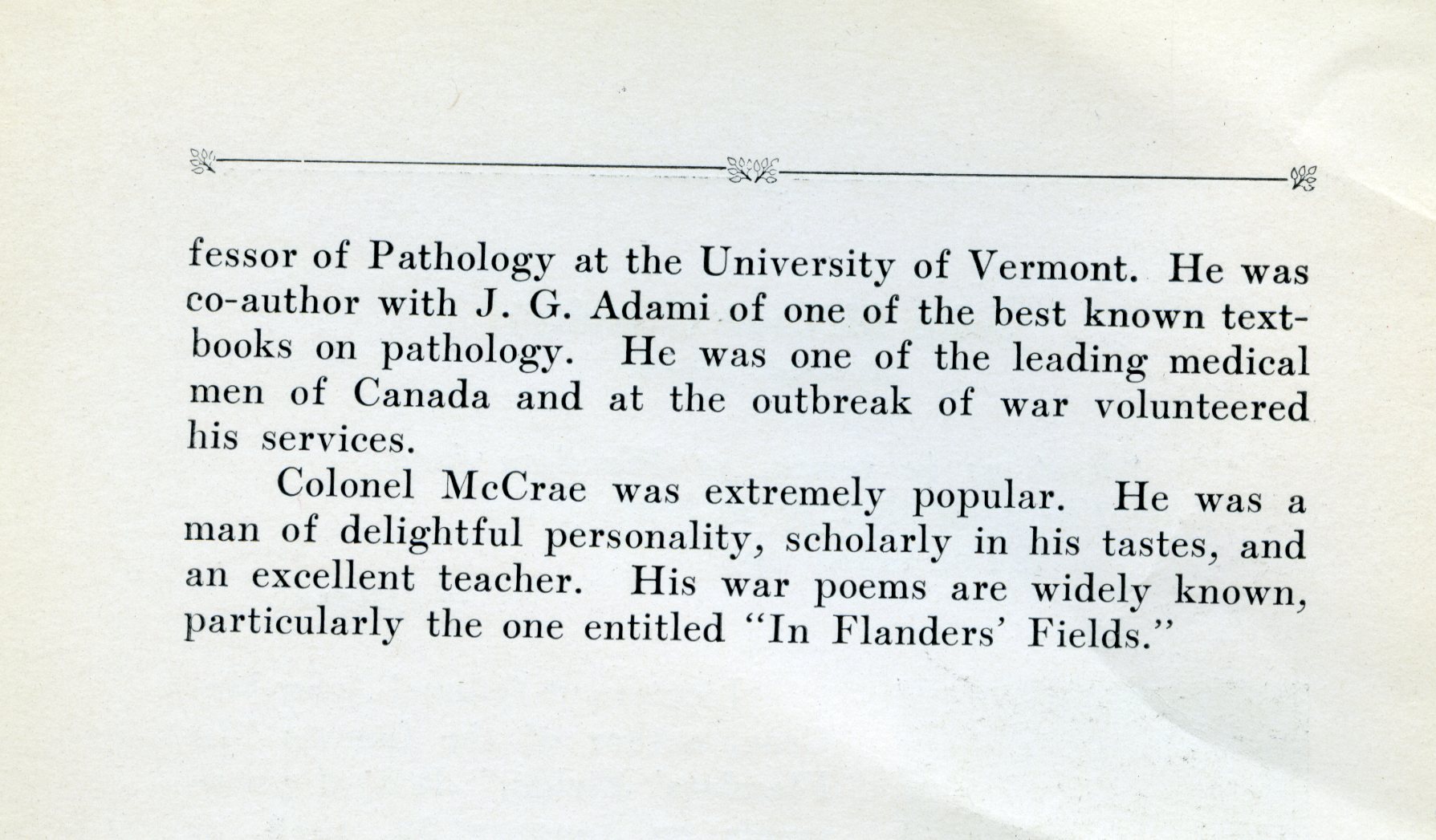
McCrae entry from The University of Vermont in the Great War

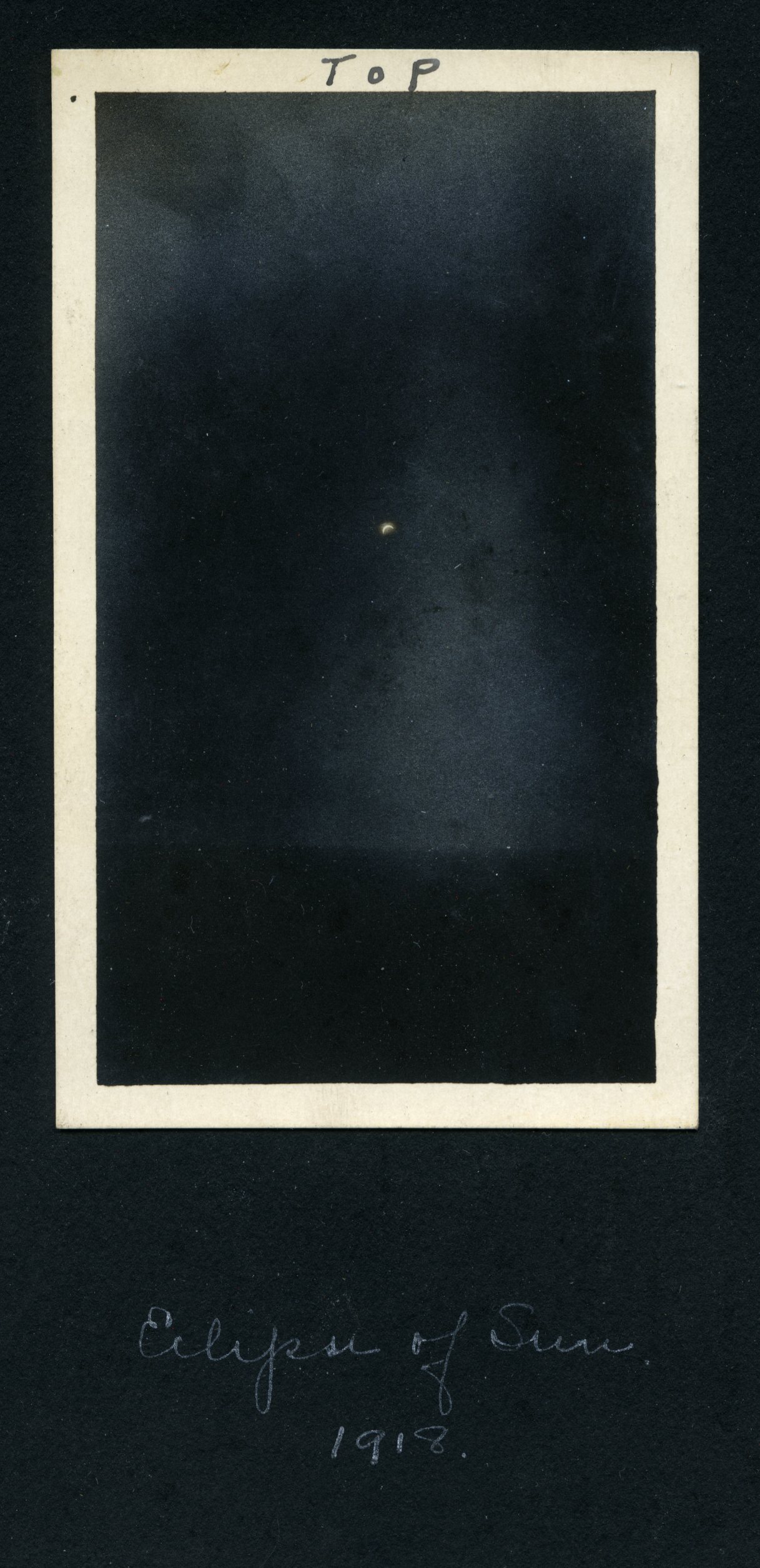
World War One Solar Eclipse Captured in France 1918 – American Red Cross Nurse Photo Album Image


Although my East Coast residence prevented my viewing of the solar eclipse today, I am able to post a wonderful shot of an eclipse captured nearly 100 years ago.  Snapped by a US nurse while stationed in Rimaucourt, France.  I have an album of nearly 200 images following a Springfield, MA native through her WWI service.  Some of the best shots come from her time with the 52nd Base Hospital.  Enjoy!


WWI RPPC Photo – 32nd Division, 127th Infantry Wounded Litter Bearers – Identified DSC Recipients!


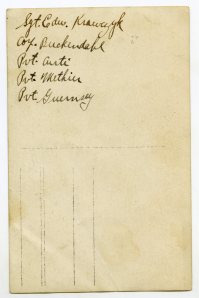
It’s been months since I’ve picked up a really juicy WWI RPPC photo for my collection.  Last week I was able to win a small group of shots that looked promising.  I knew there was one shot of doughboys wearing helmets bending down on the ground.  When the photo arrived I was surprised to find that the card identified five litter bearers of  Co. F of the 127th Infantry Regiment, 32nd Division.  I quickly found that two of the identified doughboys received the Distinguished Service Cross in October of 1918 for saving wounded soldiers from the trenches during the Meuse-Argonne Offensive.  Another (second from right) is William Methier – he received the Silver Star.  I also identified two other men in the photo as being Edward Krawezyk and Albert Guernsey who both received Division Citations for their heroics.

A truly special photo with a lot of history!

Buckendahl, Emil
Private, U.S. Army
Company F, 127th Infantry Reg., 32d Div., A.E.F.
Date of Action:   October 5, 1918
Citation:
The Distinguished Service Cross is presented to Emil Buckendahl, Private, U.S. Army, for extraordinary heroism in action near Gesnes, France, October 5, 1918. Private Buckendahl, a litter bearer, on his own initiative, went out from a position of shelter to an exposed flank, under intense machine-gun fire, and carried back to safety a wounded soldier, who had been left in the field.
General Orders 66, W.D., 1919
Born:   at Pierce, Nebraska
Home Town:   Pierce, Nebraska

Curti, Mike
Private, U.S. Army
Company F, 127th Infantry Reg., 32d Div., A.E.F.
Date of Action:   October 4, 1918
Citation:
The Distinguished Service Cross is presented to Mike Curti, Private, U.S. Army, for extraordinary heroism in action near Gesnes, France, October 4, 1918. Private Curti, a litter bearer, went out alone in front of the lines several times under the severest of fire, and carried back wounded men from an exposed area, from which his company had been forced to withdraw.
General Orders 66, W.D., 1919
Born:   at Italy
Home Town:   Reno, Nebraska

William H. Methier

Silver Star Citation

Awarded for actions during the World War I

By direction of the President, under the provisions of the act of Congress approved July 9, 1918 (Bul. No. 43, W.D., 1918), Private William H. Methier (ASN: 3102759), United States Army, is cited by the Commanding General, American Expeditionary Forces, for gallantry in action and a silver star may be placed upon the ribbon of the Victory Medals awarded him. Private Methier distinguished himself by gallantry in action while serving with Company F, 127th Infantry Regiment, 32d Division, American Expeditionary Forces, in action near Tronsot Farm, France, 16 October 1918, while on duty as a litter bearer.

General Orders: GHQ, American Expeditionary Forces, Citation Orders No. 3 (June 3, 1919)

Action Date: October 16, 1918

Service: Army

Rank: Private

Company: Company F

Regiment: 127th Infantry Regiment

Division: 32d Division Expeditionary Forces

From FindaGrave.com:

Mike Curti

Emil Buckendahl's Grave

Rare WWI Broadside Poster – 42nd Division Athletic Meet – Sgt. Duffy!


Photographs and letters from WWII are not considered “rare” by many collectors in today’s market.  I have roughly 1,000 WWI real photo postcards in my current collection, with and additional four albums of 200 or so photos each.  Small-run broadsides and posters are much more ephemeral and should be considered scarce.  Broadsides were meant to be posted for a few days, taken down and discarded.  In this instance, a doughboy in 42nd Rainbow Division took the time to save one of the broadside posters from a wall somewhere in France.  The event apparently was some sort of sports exhibition; not an uncommon event in the post-armistice Europe.
Of special attention to WWI buffs out there – check out the presiding chaplain!  None other than Father Duffy of the Fighting 69th!  A famous WWI movie centers around Duffy and his heroics during WWI.  Check it out here.

James Cagney in The Fighting 69th

42nd Division Broadside

WWI Cover Art Post #1: 79th Division, 316th Infantry Regiment Doughboys in Trenches – By: Thomas M. Rivel (DSC Winner)


Following up on a series of posts on the World War One Historical Association blog (http://ww1ha.wordpress.com/) regarding dust jacket art from the WWI era, I’ve decided to begin posting some of my favorite examples of war-era cover art.  This example is from a copy of the unit history for Company F of the 316th Infantry Regiment.  The cover and internal art was designed by a regimental veteran named Thomas M. Rivel who received the Distinguished Service Cross for his action outside Montfaucon, France in 1918.  His cover piece combines a few elements that are commonly seen in wartime cover art, including posies, trench details, aircraft and a stone-faced doughboy.  A great piece!


WWI Photo – New Jersey Hero Receives Croix de Guerre – Crashes Plane in the Marne River


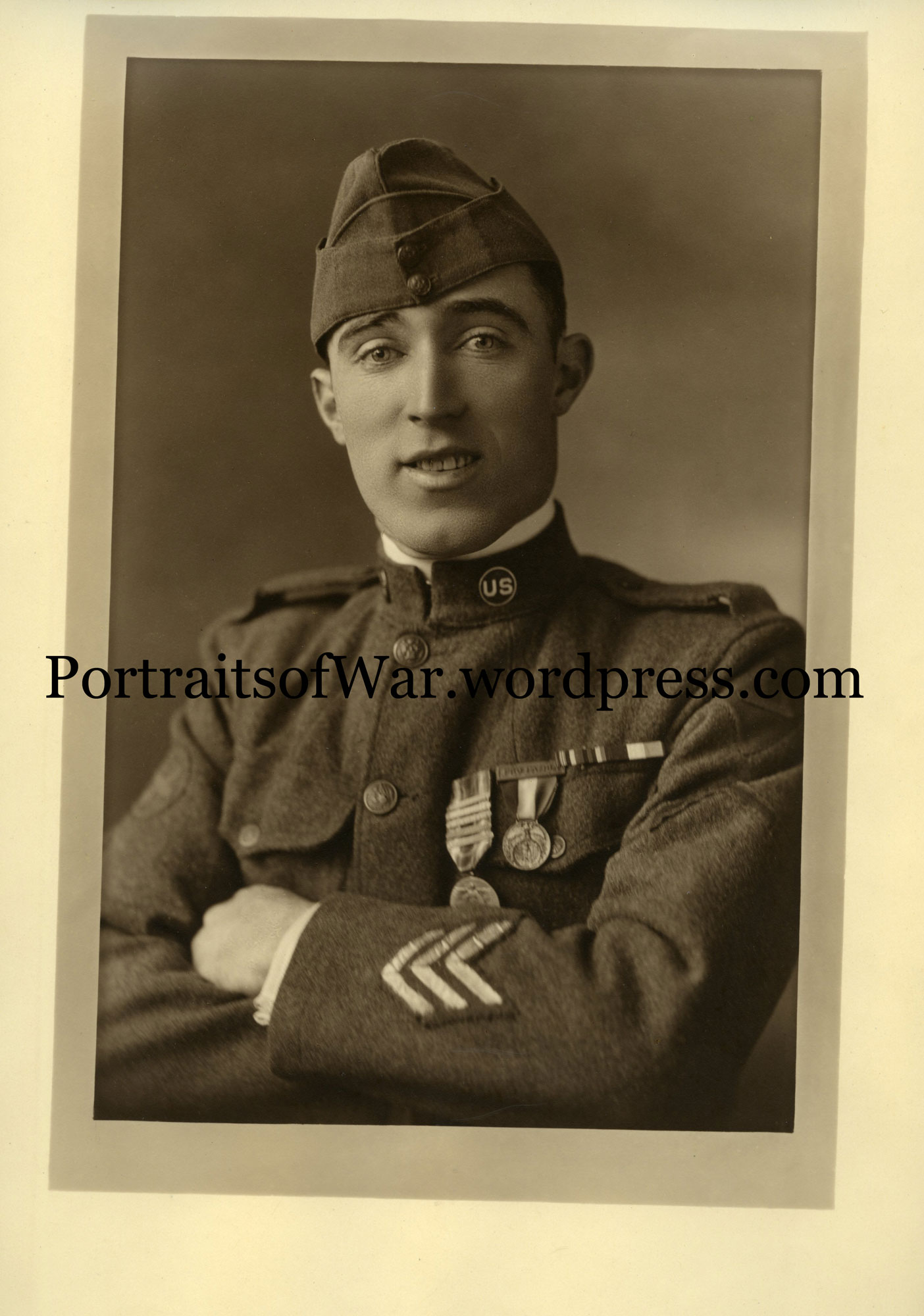
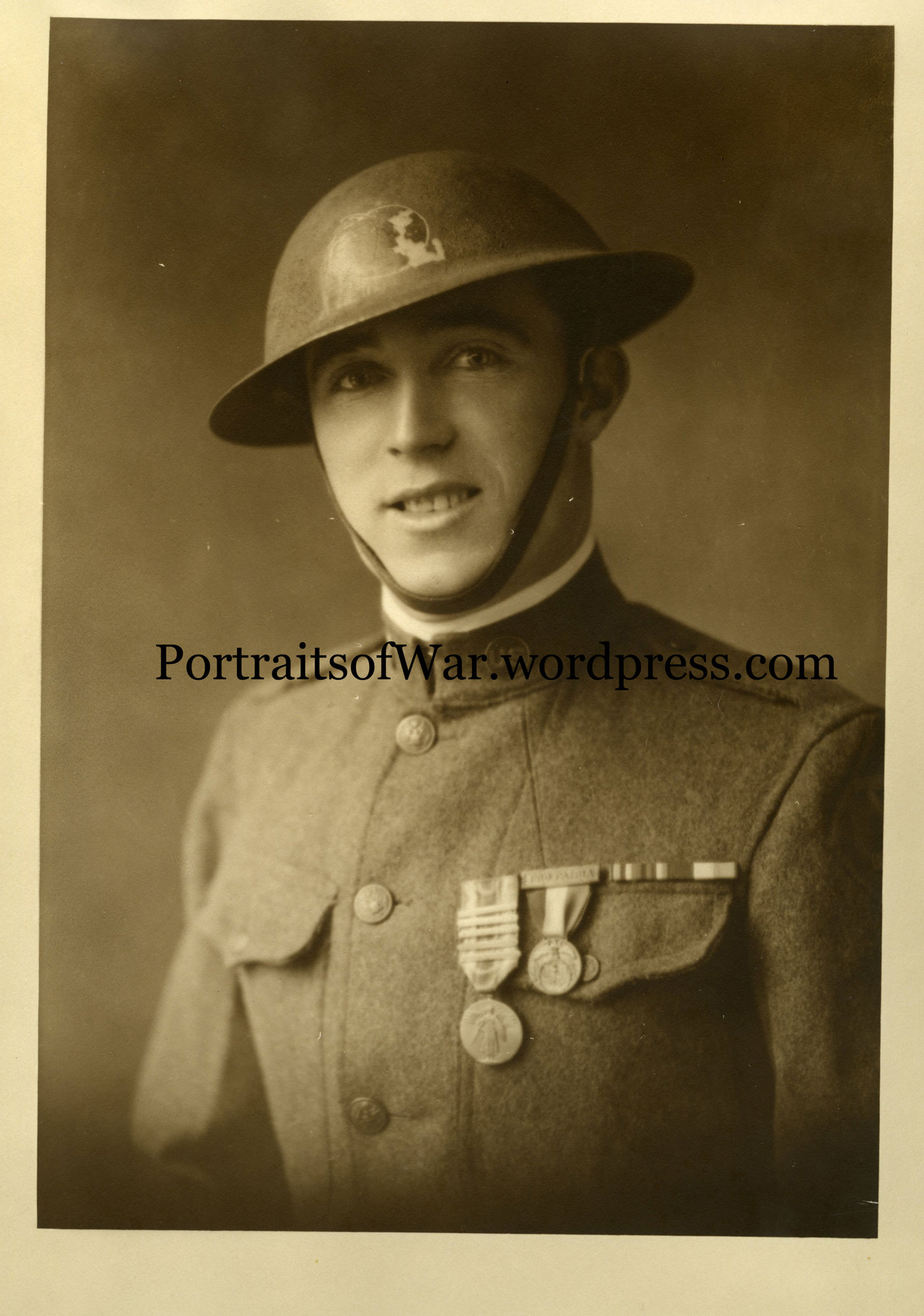
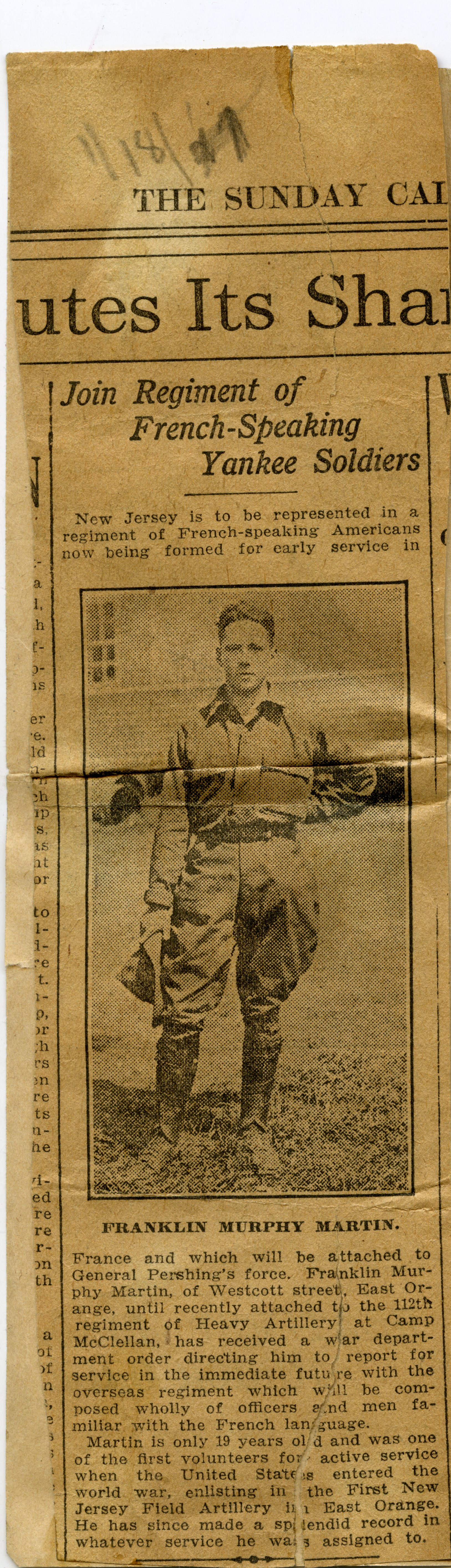
I purchased a large WWI photo album last month that was compiled by a young girl following her brother’s exploits in France.  Apparently Franklin M. Martin (Jack) of East Orange, NJ was fluent in French and was assigned as an interpreter on Pershing’s staff.  He became interested in flying and joined the 803rd Aero Squadron where he was in charge of map making from the air.  He was awarded the Croix de Guerre after he was shot down and landed in the Marne River.  After swimming across he was able to deliver his maps!  A great series of interior studio shots capture Franklin wearing his newly awarded CDG.  His friend is wearing a Distinguished Service Cross and is sporting a wound chevron.  Note the leather arm brace and private purchase lace up boots.


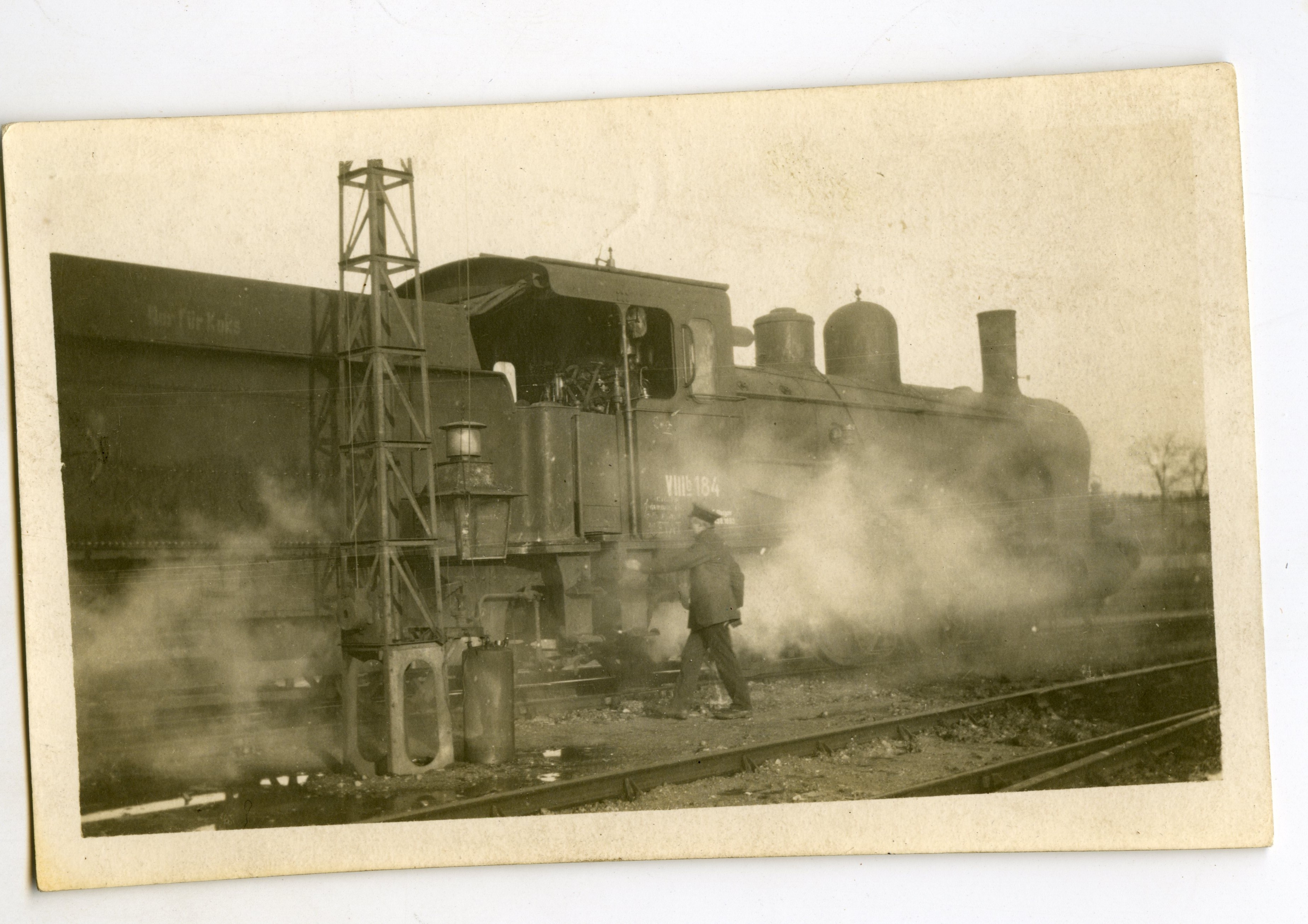
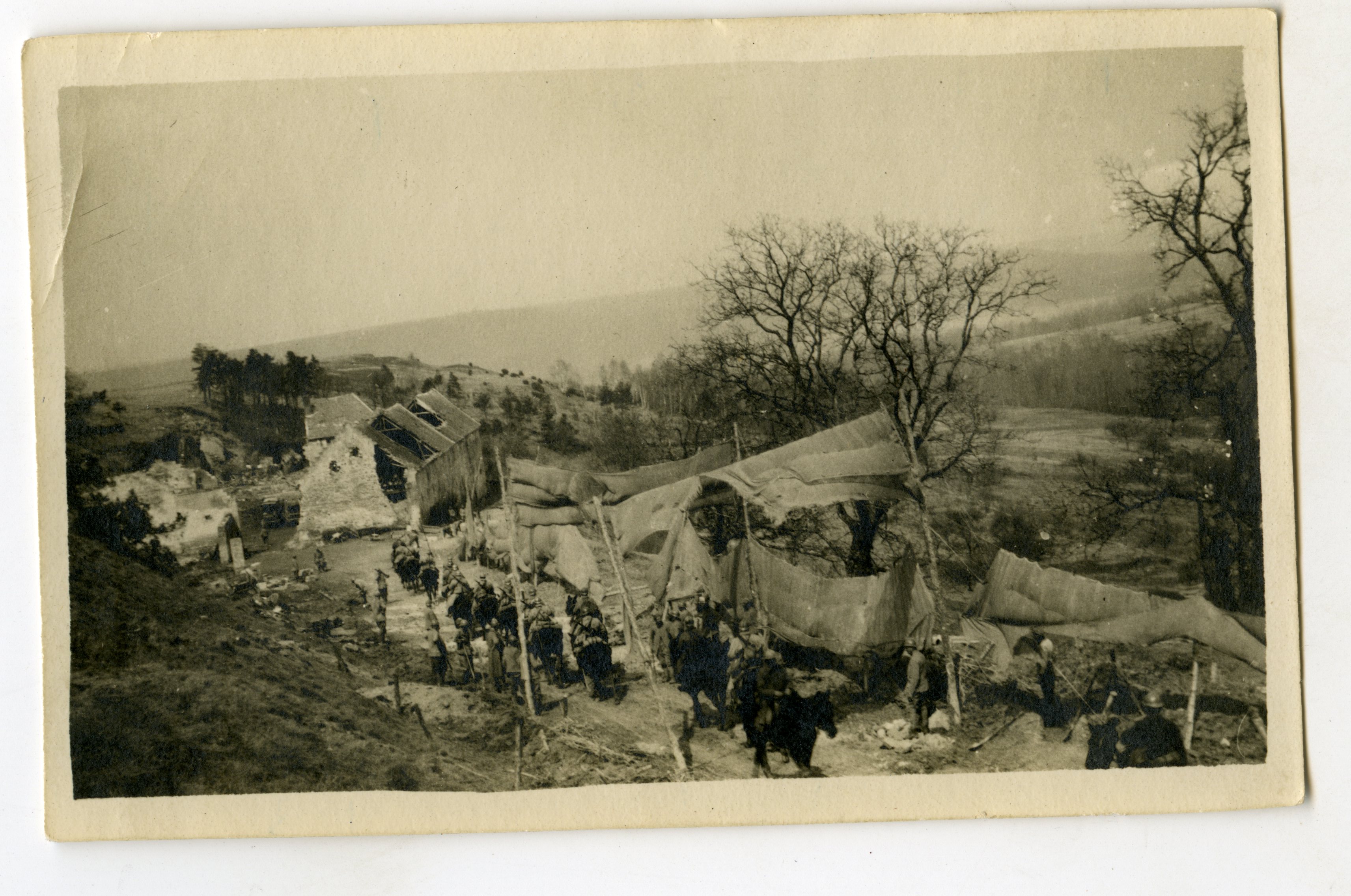
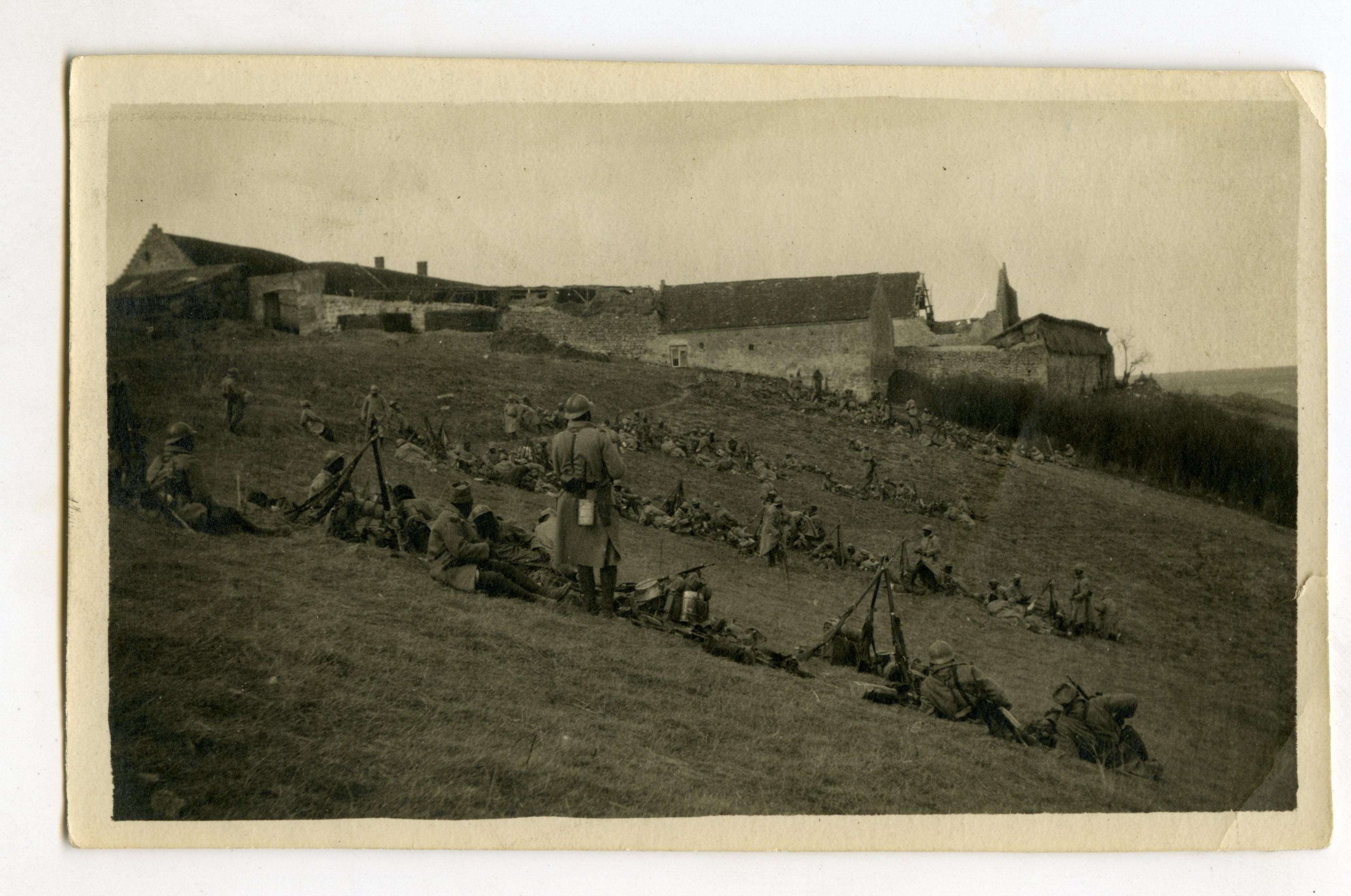
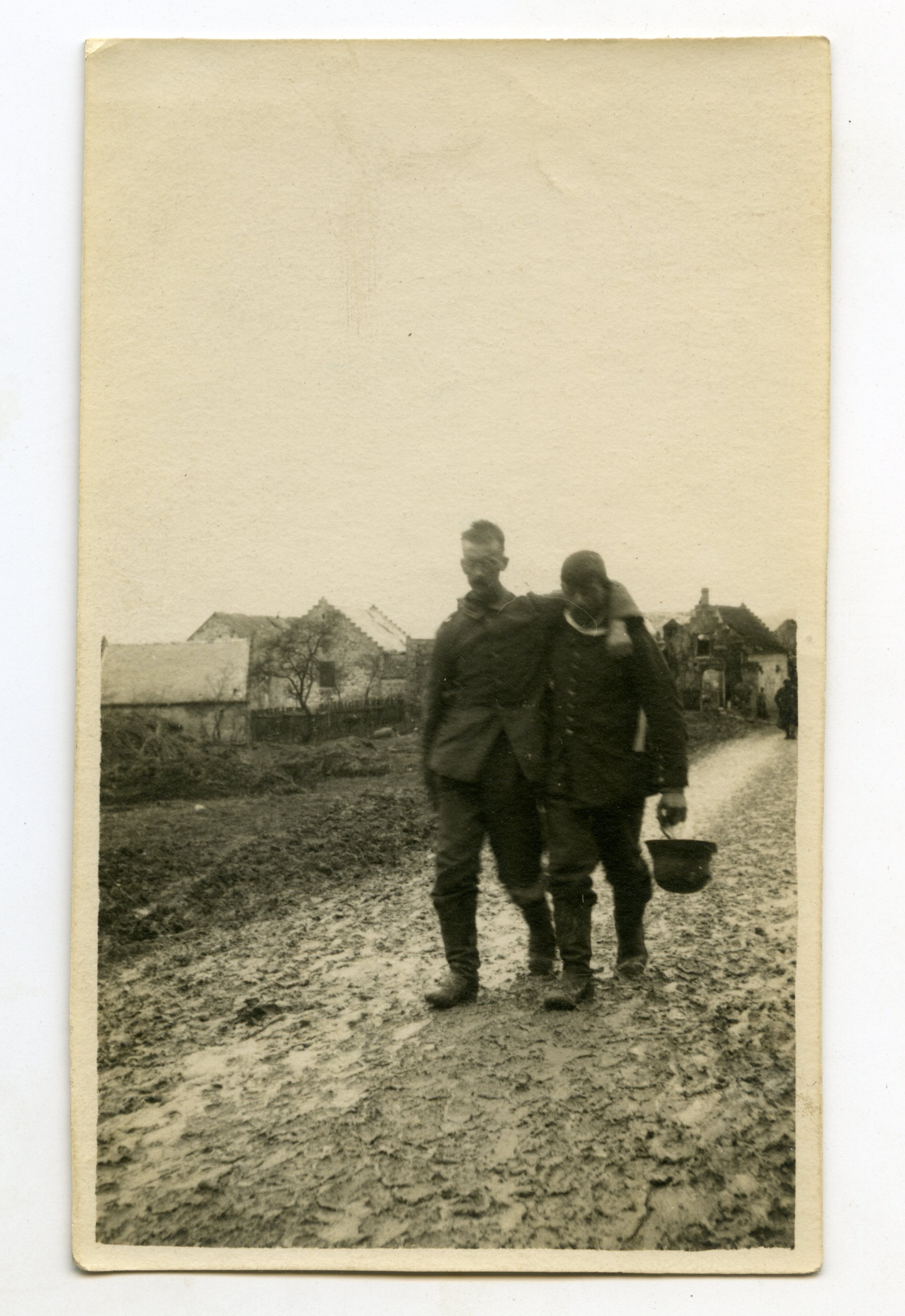
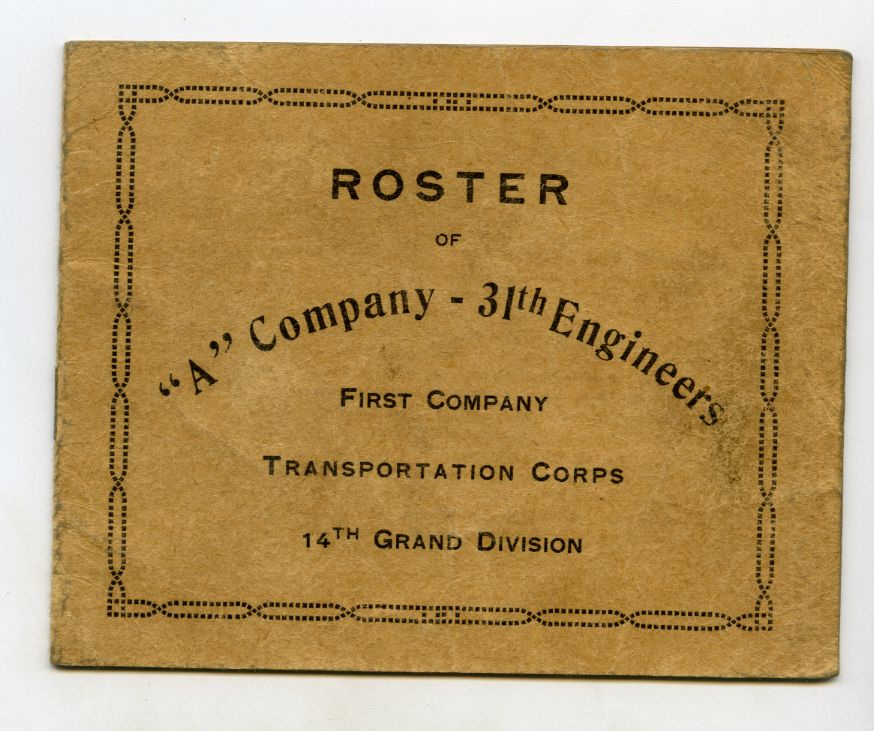
WWI Photo Collection – 31st Railway Engineers in France


I love collecting WWI albums and named photo groupings.  They are much harder to come by compared with the relatively plentiful single photo purchases.  In this case, I was able to come across a wonderful grouping of photos from the grandson of a WWI 31st Engineer veteran.  I promised to post the photos on the site to help raise interest in this obscure unit and help bring this man’s photos to the digital world.  Digital preservation allows thousands of viewers to enjoy images that would otherwise be relegated to the corner of a dusty upstairs closet.  I will do my best to describe what I can about the unit and share a few biographical vignettes.

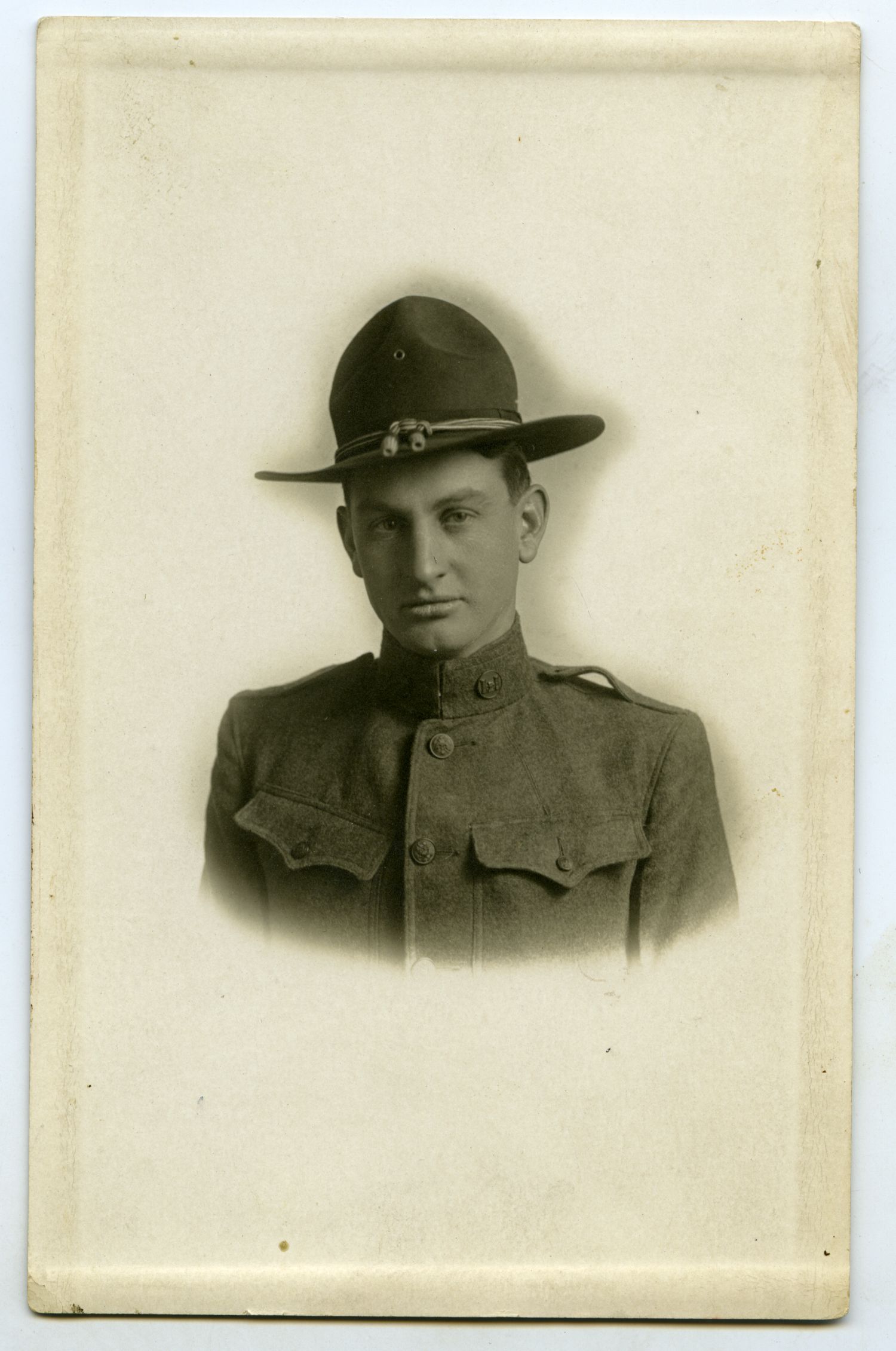
Pvt. Herbert Conner posed in France

Pvt. Conner


“My grandfather was born in 1892 in Fordsville, Kentucky later the family moved to Amity Oregon and later to St Helens, Oregon. As a young man he was a prizefighter(that what they called them in those days). He was a logger for awhile later he went to work in Portland, Oregon for the railroad before the war  and after the war he continued with the railroad for over forty years as a fireman and an engineer. He never owned a car and the station was about two blocks from his house and Kelly’s Bar and the grocery store were across the street from work  so I guess he felt he didn’t need one. He passed away in 1968.

Grandpa was very proud to have served in World War 1. I do not believe he was in combat. The 31st engineers provided supplies and transported troops. The only story I can remember when he was on guard duty in France and a soldier had gone awol for the night, apparently celebrating and didn’t know the password or had forgotten it and Grandpa felt sorry for him and let him back in the camp. It has been such a long time ago there were probably other things that happened that I can’t remember right now. He must have spent some time at the French Riviera and Monte Carlo because there was a lot of postcards from that area and one postcard to his brother had him on the Italian Riviera for awhile.”

Some Guys from A Company

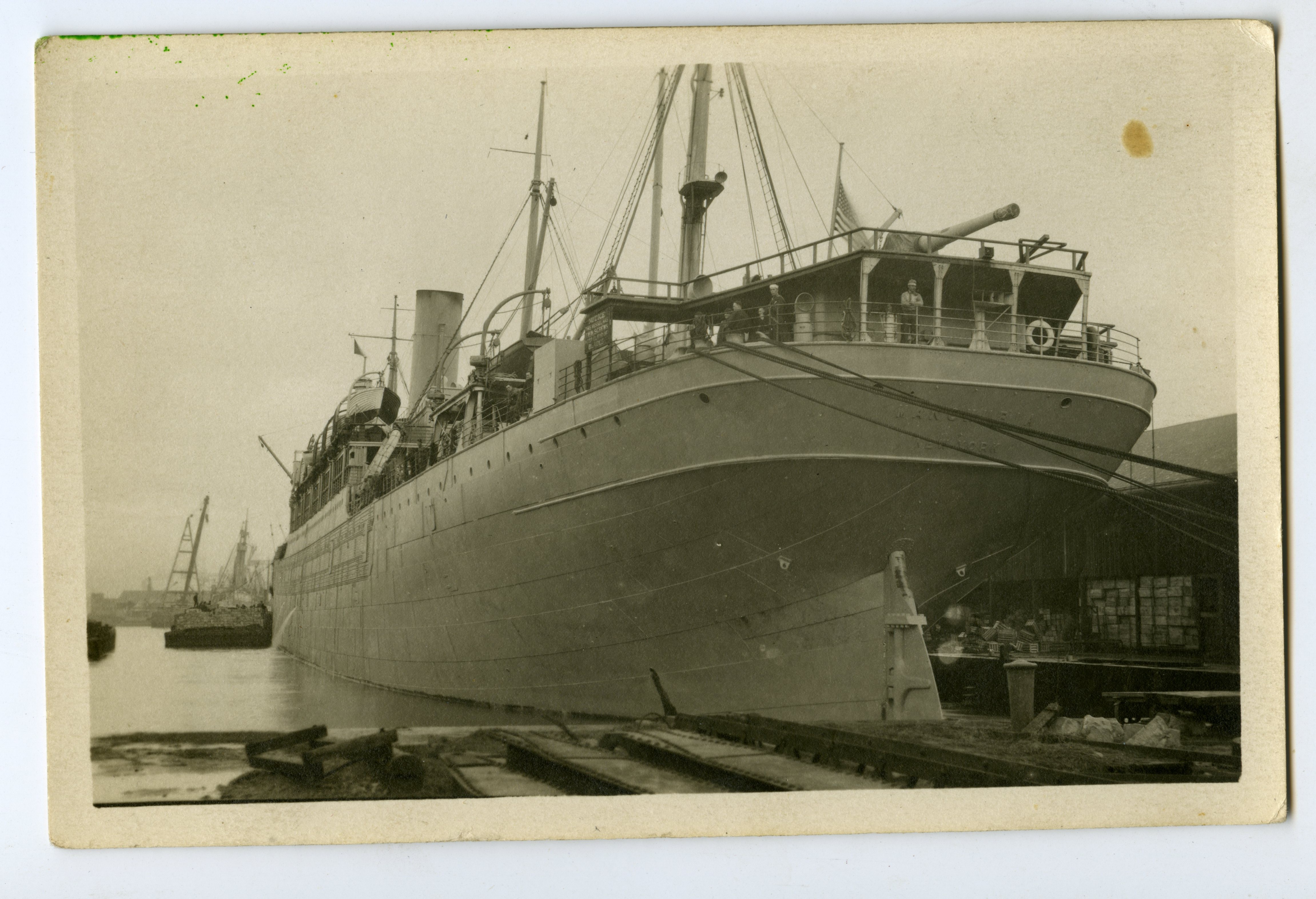
SS Manchuria in Port (Not the return ship for the 31st)

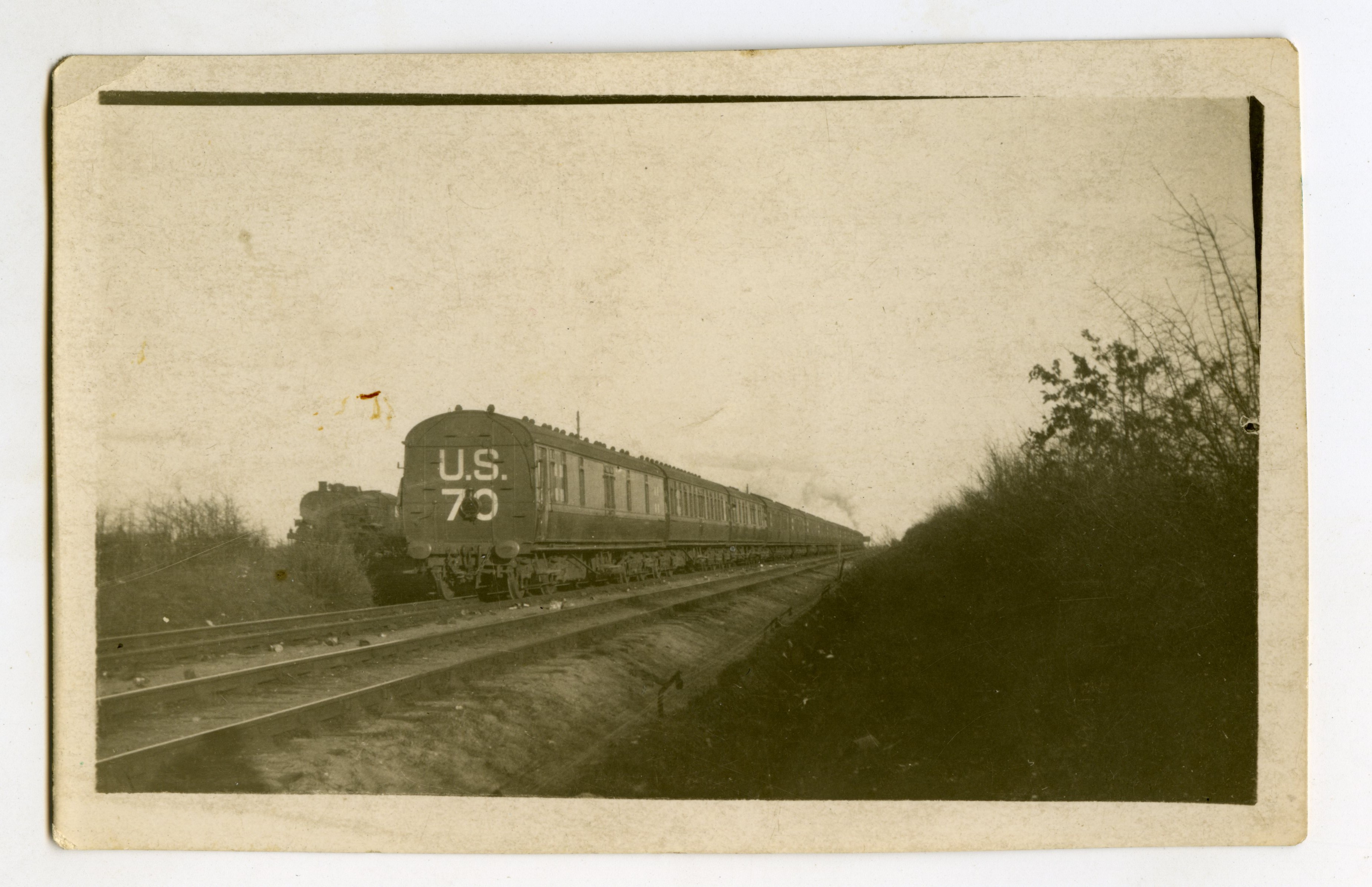
Hospital Train

German Prisoners

Check back for updates…………….

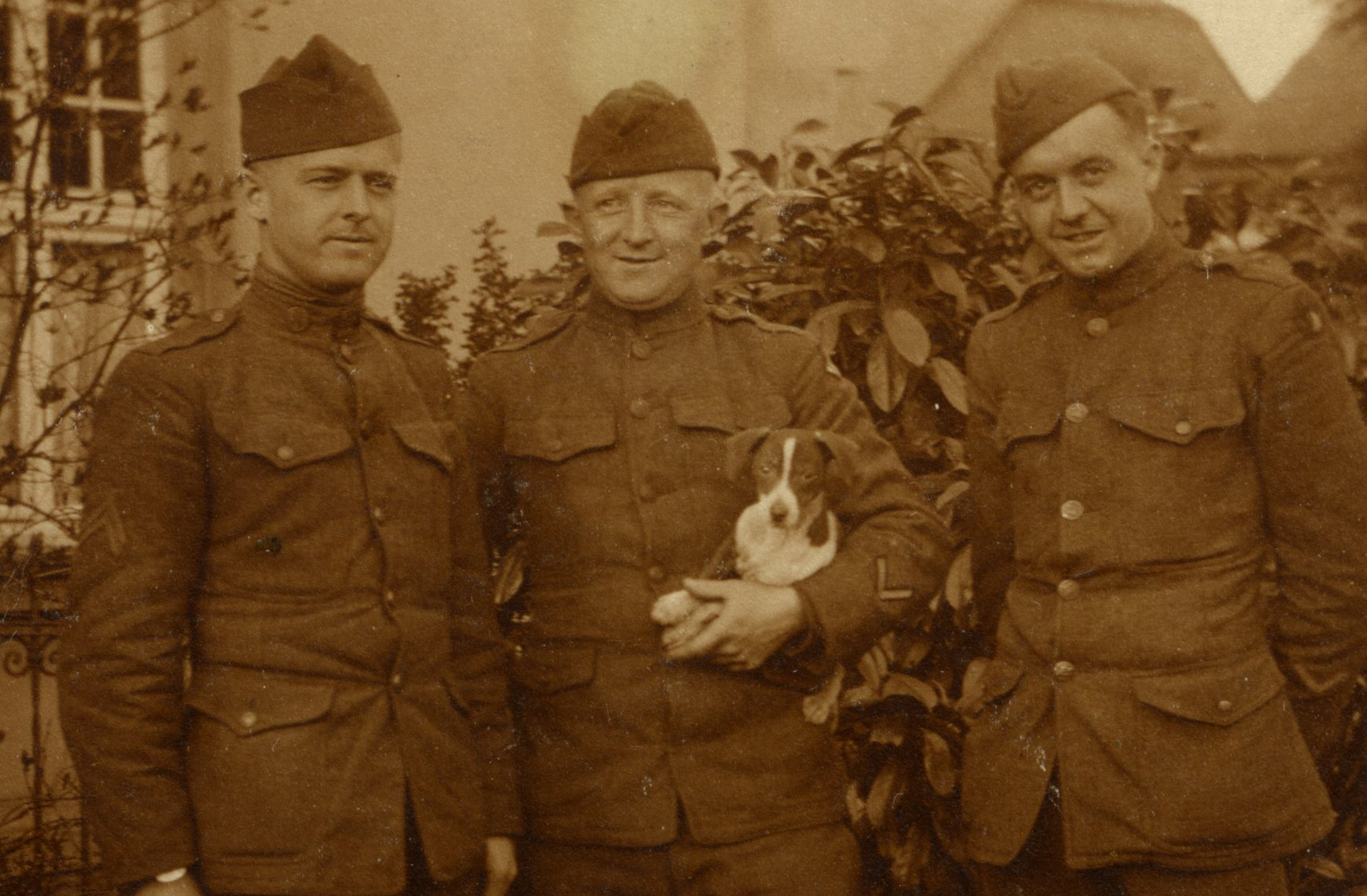
WWI Photo – 89th Division Soldiers Pose w/ Mascot Dog France


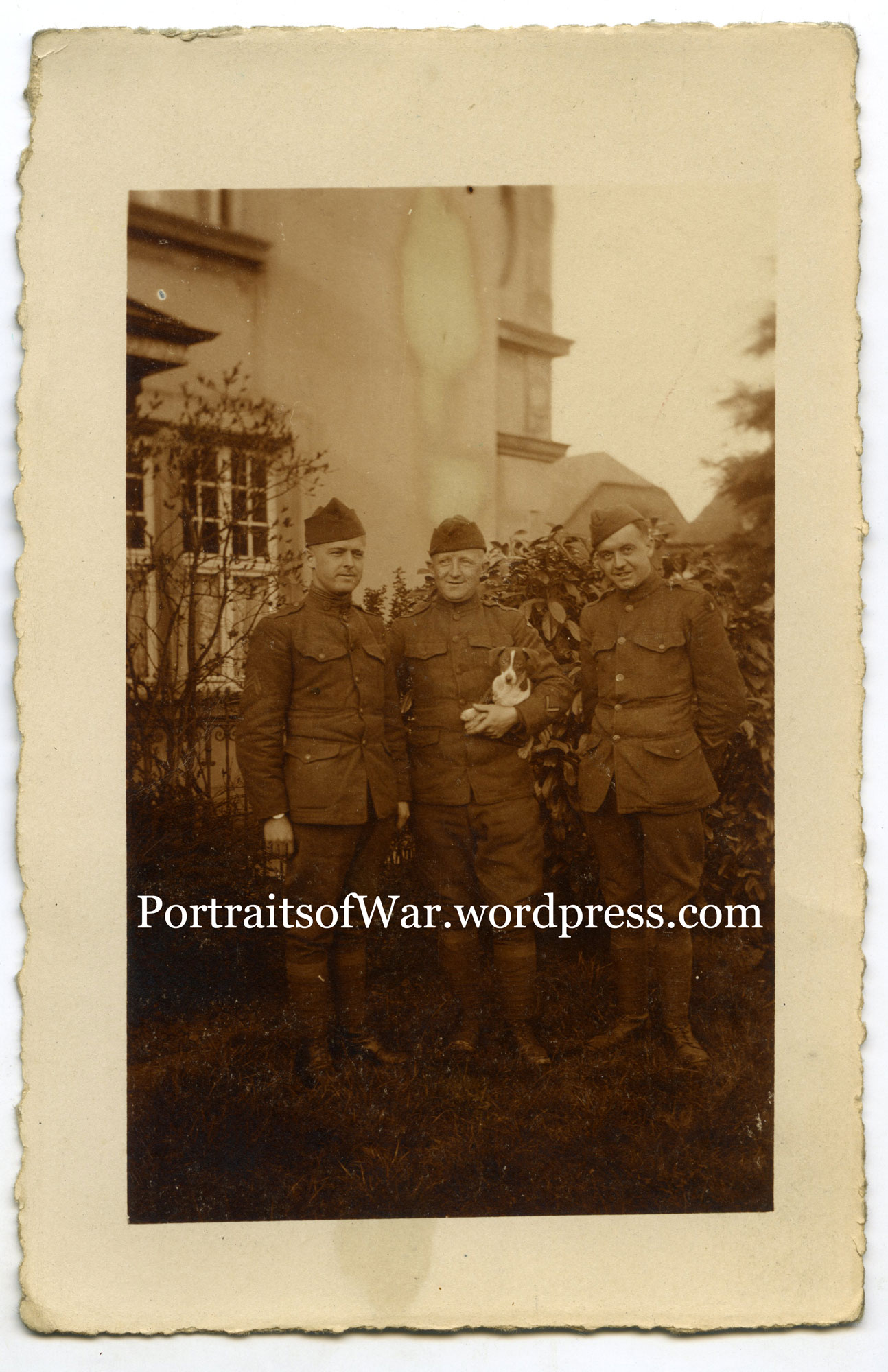
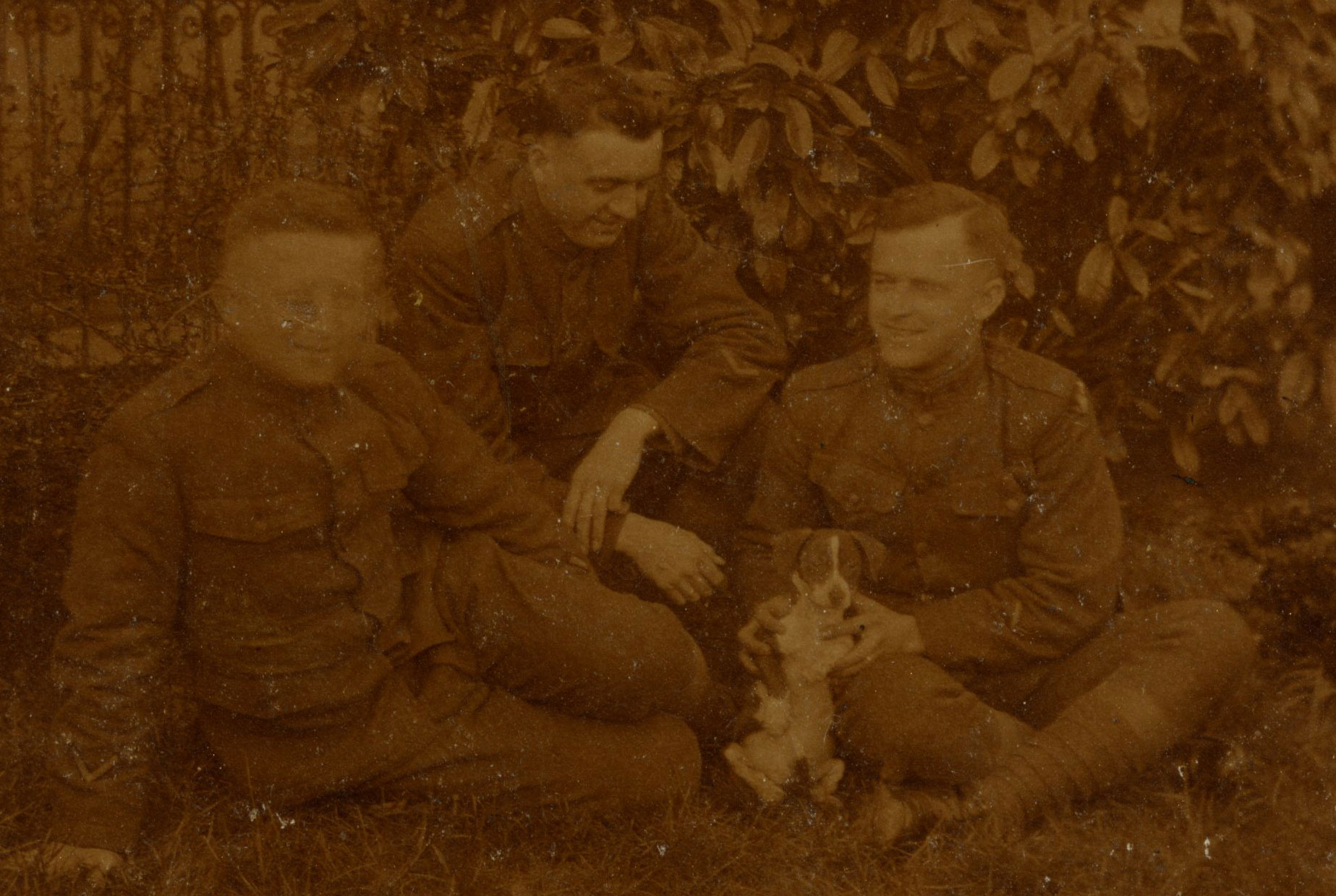
Following up on one of my favorite common threads seen throughout WWI photography – I present yet another example of the unit mascot.  Normally seen at the compnay level or below, the idea of having a small pet (normally a dog) as a mascot is very common throughout various nations during WWI.  I’ve literally seen examples from the US, England, Canada, France, Germany, Italy and even Australia. I probably have 15-20 examples in my own collection, ranging from small children as mascots, to dogs, pigeons and even goats.  My favorite are the small dogs. Here’s an example from the 89th Division. The collection of 8 photos came from a member of the 356th Infantry.  Unnamed, but we know he was wounded at least once during the war due to the wound chevron on his right cuff.