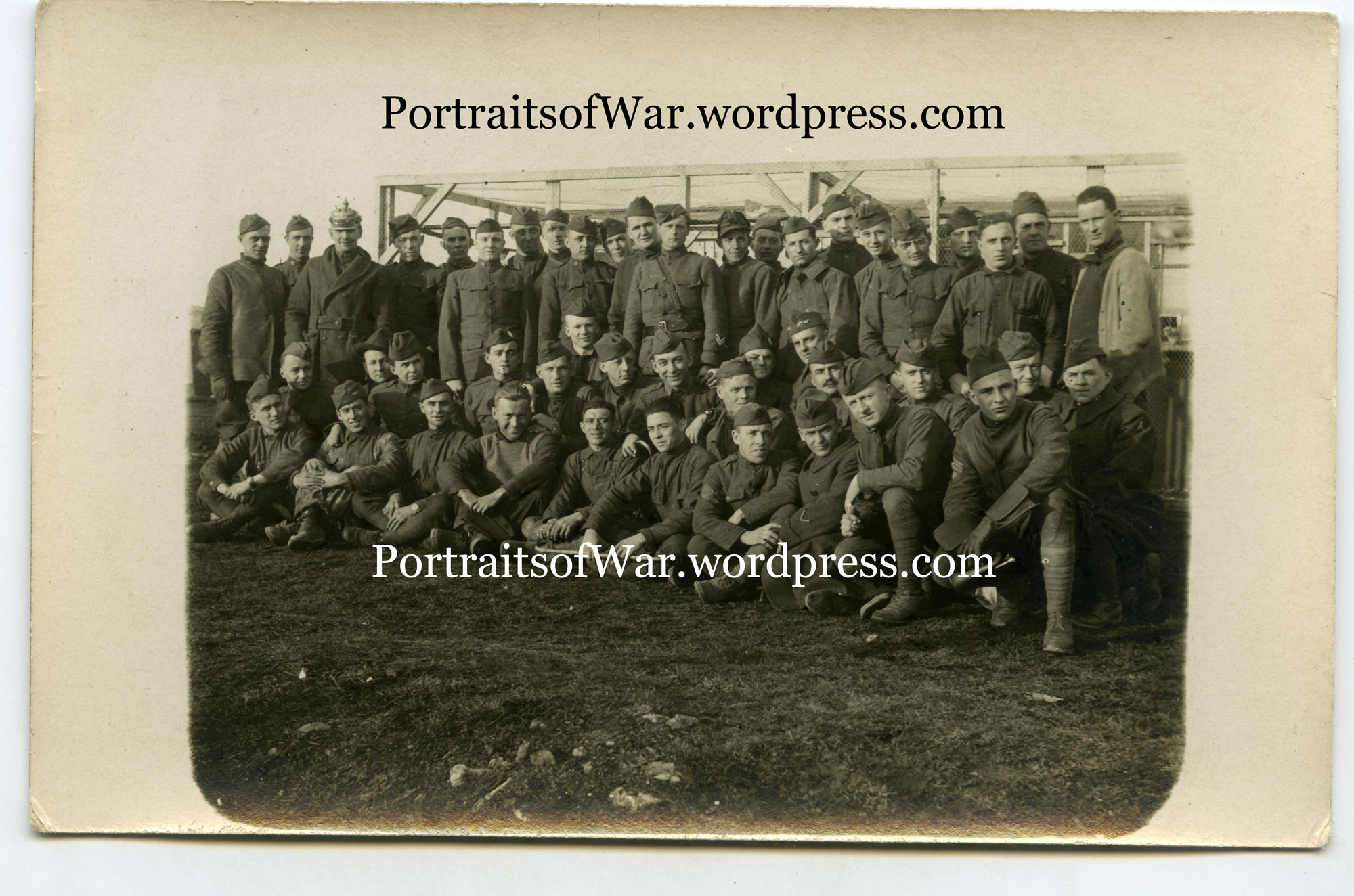
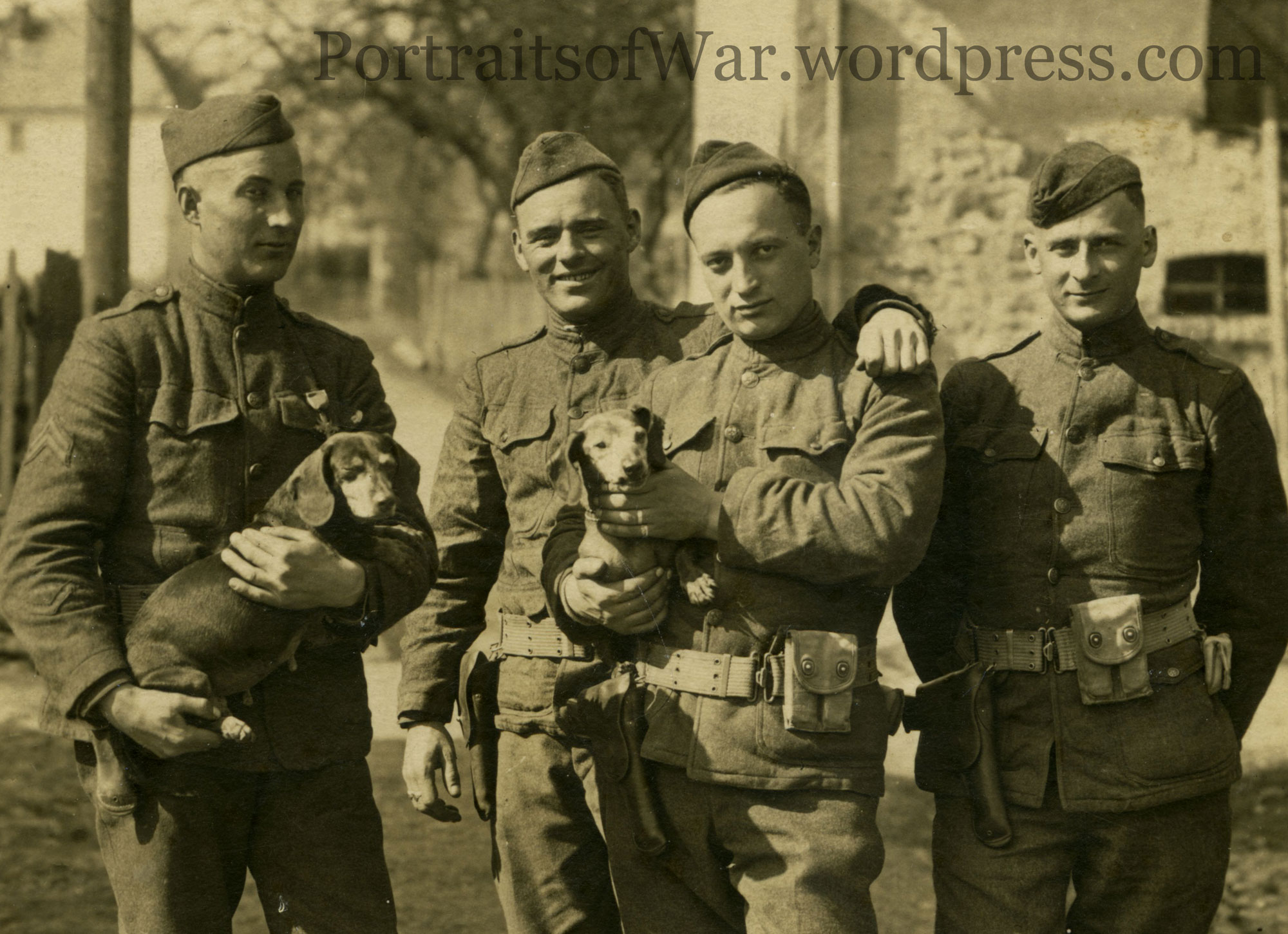
Decorated WWI Doughboys Hold Mascot Dachsunds in Germany


Nothing brings out the personalities of war like a mascot dog!  I have at least a dozen decent WWI photos of mascot dogs posing with their adopted owners; these photos never cease to warm my chilly heart!  The doughboy on the far left is sporting the Distinguished Service Cross, a medal given out for distinguished service on the battlefield.  This award is only second to the Congressional Medal of Honor!

World War II Veterans Gather at Mighty 8th Air Force Museum in Pooler – 2012 388th Bomb Group Reunion


http://savannahnow.com/news/2012-08-30/world-war-ii-veterans-gather-mighty-8th-air-force-museum-pooler

World War II veterans gather at Mighty 8th Air Force Museum in Pooler

Posted: August 30, 2012 – 11:33pm  |  Updated: August 31, 2012 – 9:19am
 

<p node="media-caption">James Zographos, 93, left, who was a bombardier on a B-17 with the 388th Bomb Group during World War II, talks with Alvin Lewis, 88, who was a tailgunner on the B-17 Jamaica Ginger, on Thursday during a visit to the Mighty Eighth Air Force Museum.</p>  Savannah Morning News

James Zographos, 93, left, who was a bombardier on a B-17 with the 388th Bomb Group during World War II, talks with Alvin Lewis, 88, who was a tailgunner on the B-17 Jamaica Ginger, on Thursday during a visit to the Mighty Eighth Air Force Museum.

Inside the combat gallery at the Mighty Eighth Air Force Museum, Alvin Lewis and James Zographos sat and admired the exhibit’s

centerpiece — a massive, almost fully restored World War II-era bomber.

Memories nearly 7 decades old flew through their minds Thursday afternoon as the 88-year-old Lewis and 93-year-old Zographos shared some of their experiences flying missions over Germany and France in B-17 Flying Fortresses nearly identical to the museum’s plane.

With 28 other World War II veterans who served with the 388th Bombardment Group — part of the 8th Air Force — the men gathered in Savannah this week as part of the unit’s 63rd annual reunion.

“It’s always the best,” said Zographos, who lives in Westborough, Mass. “It’s great to get together and see these guys and their friends and family every year.”

This year, the group chose Savannah for the reunion specifically to see the Mighty 8th’s B-17, dubbed the City of Savannah in honor of the 5,000th plane to be processed through what is now Hunter Army Airfield during World War II, said Henry Curvat, the 388th Bombardment Group Association’s president.

“For us to be able to come here and see this, it’s a great honor,” Curvat said. “For so many of the original members to see this B-17 and for this museum to honor them by placing the high bar H (the 388th’s unit symbol) on the plane is wonderful.”

The original City of Savannah, like Zographos and Lewis, was assigned to the 388th Bomb Group and flew missions out of Station 136 in Knettishall, England, during the war.

Zographos, who is the oldest remaining member of the group, flew more than 50 missions as a bombardier between March 1944 and March 1945.

After flying his first 30 missions, Zographos was sent home. About 30 days later he was back at Station 136.

“I went home then I volunteered and went back and did 20 more (missions),” he said. “I can’t explain that. I can’t explain a lot of things. People ask why I went back, they ask, ‘Were you ever afraid?’ I can’t answer that.”

Like Zographos, Lewis, of Dayton, Ohio, doesn’t articulate what led him to the war.

The day after he turned 18 in 1942, Lewis enlisted into the U.S. Army Air Forces, the next year he began flying in B-17s and by February 1945 he’d been sent to Knettishall with the 388th to serve as a waistgunner during missions in Germany.

By the end of that year Lewis had flown 13 missions and been discharged from the military.

“I was 20 years old when they sent me home,” he said. “I got home on July 4 and I turned 21 on the 21st. They discharged me in October and that was it.”

Although they didn’t fly any missions together 67 years ago, they’ve become easy friends as they’ve aged.

“He and I, like any of us, we can just sit here and talk and talk,” Zographos said.

The 30 remaining members of the 388th share a similar bond only those who fought with them can understand, Zographos said.

It may not always be easy to share their experiences, he added, but it’s important.

“We talk about the things that happened because once our group is gone — not only the 388th but all the World War II survivors — it’s going to be past history. There’s going to be nothing in the history books directly from our generation.”

Preserving and sharing the history of the members of the 388th, Curvat said, is what encouraged him to become so involved with the group.

“Through my adopted father — a close family friend, really — who flew with the 388th in World War II, I became part of this group,” Curvat said. “I’ve found spending time with these men to be infectious.

“It’s just incredible to look at what these people have done and what they went through; it’s important that we record and share that with people as less and less of these (World War II veterans) are around.”
WWII Marine SBD Dive Bomber Pilot Color Photo Identified – Lt. Francis. A Watrous


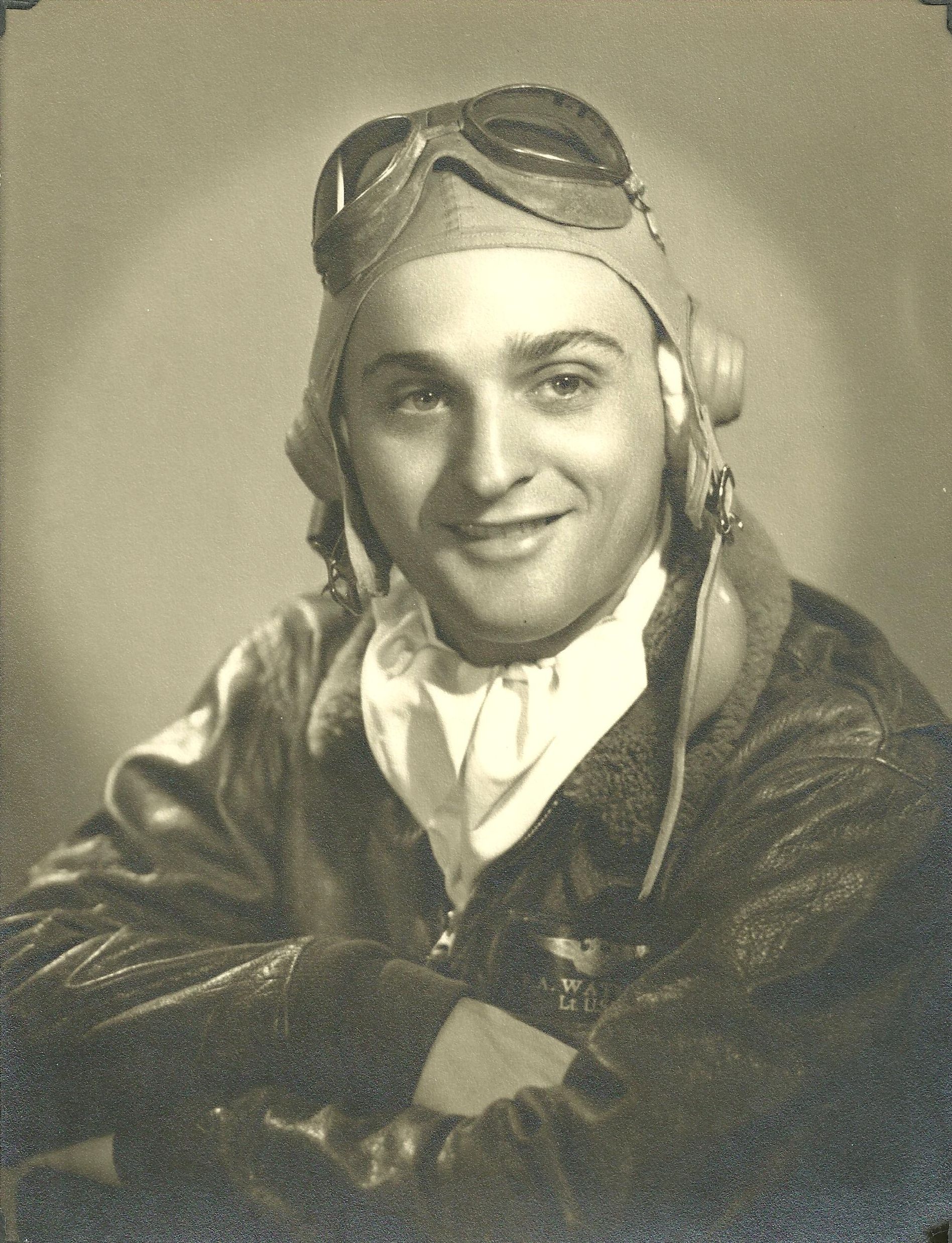
I recently started researching my collection of 100+ images from a Marine SBD Dive Bomber unit and came across an awesome database that helped clear up a  lot of questions regarding identification of some of the pilots who posed for the camera.  Luckily, the men were wearing leather name tags which allowed for a partial identification.  Recently I discovered the Marine Corps Muster Role section of ancestry.com.  This allowed for a full identification of all the men that served with Lt. Walter Huff, the original owner of the collection.  With this in hand I was able to track down the names of a few pilots who served with Walter.

Lt. Francis Allen Watrous

I always knew that the last name of the man in the slide was Watrous, but had nothing else to work from.  Having discovered the muster role of the 332nd, I easily scrolled to the last section of the Lieutenants and found Mr. Francis A. Watrous listed.

Marine Muster Role – National Archives

From there I did a quick google search and found an obituary with a reference to Mr. Watrous.  The obituary was for his wife, who passed away in 2010, but referred to her first husband:

“……….. was predeceased by two husbands, Francis Allen Watrous, who was a U.S. Marine dive bomber pilot in World War II and was killed in a plane crash in 1947″

After a search through 1947 newspapers I was able to come up with an article explaining the sad death of Mr. Watrous.

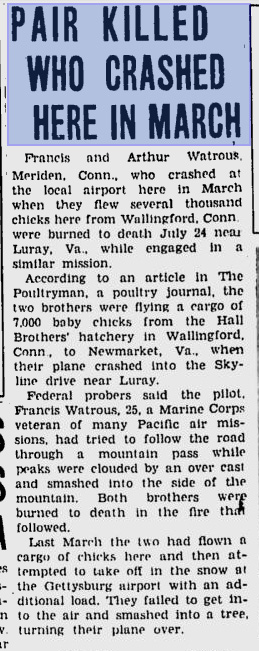
Francis and his brother Arthur worked for Fleetwing Air Cargo Co. as deliverymen of baby chicks.  The brothers crashed on an overcast morning in July of 1947 while delivering 7,000 baby chicks from Wallingford, CT to Newmarket, VA.

And a recent addition to the post from the relative of Mr. Watrous (Thanks to Chris S.):

Francis Poses for the Camera

Francis Poses for the Camera

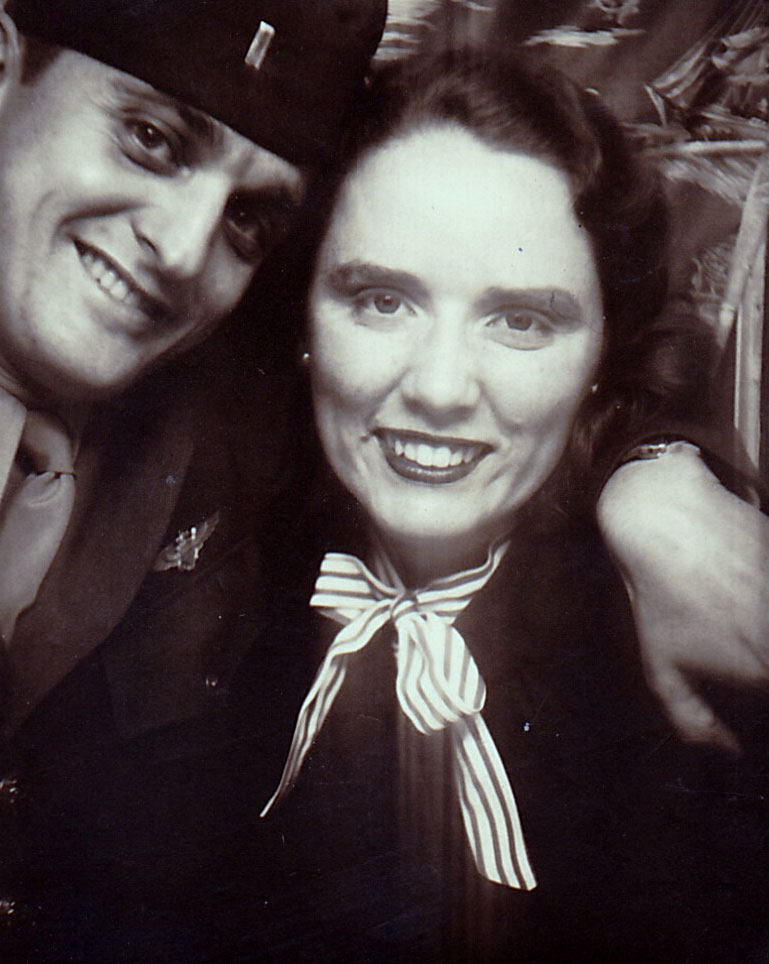
Fran and Lareine Pose in a Photobooth

Fran and Lareine Pose in a Photobooth

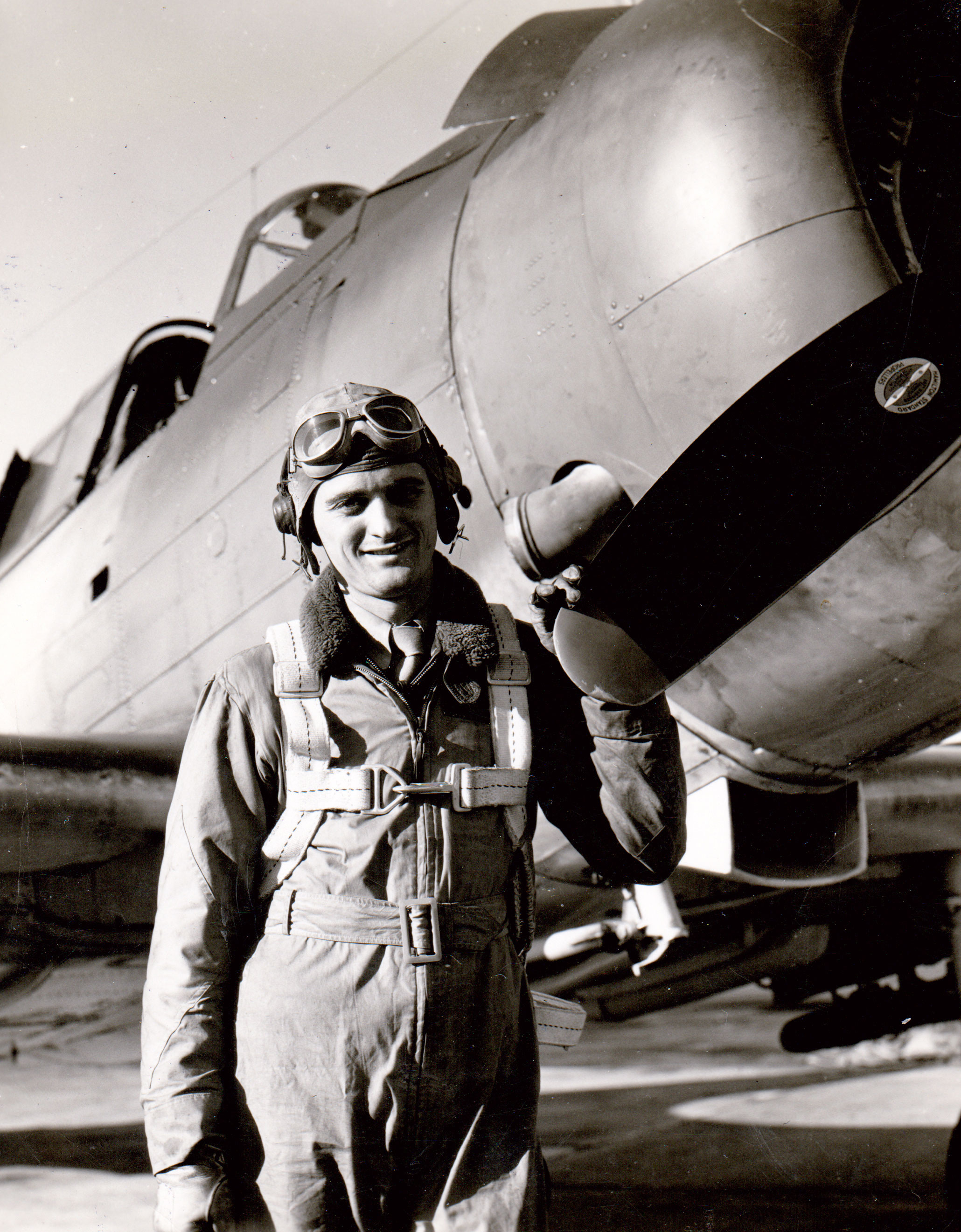
Francis and his Dive Bomber

Francis and his Dive Bomber

VMSB 332 on Midway

VMSB 332 on Midway

VSMB back 001

WWI Portrait Photo – 88th Division Iowa Doughboy – Died of Spanish Influenza in France, 1918


Laurel L. Hanan of the 339th Machine Gun Battalion of the 88th Division succumbed to the Spanish Flu during the Meuse Argonne Offensive during the tail end of WWI.  Over 120,000 US servicemen were afflicted with Spanish Flu during the war, actually making the Flu more deadly than German machine gun bullets!  I was able to stumble across this photo on eBay and was happy to add it to my collection. I’ve added Laurel’s photo to his findagrave.com page, and have requested an update to his page.  Laurel was reburied in his hometown after the war.


Born: 13 NOV 1895
Died: 7 OCT 1918 – Spanish Influenza, France
Cemetery: ROSE HILL
Location: FREDERICKSBURG
County: CHICKASAW CO. – IOWA
Record Notes: WORLD WAR


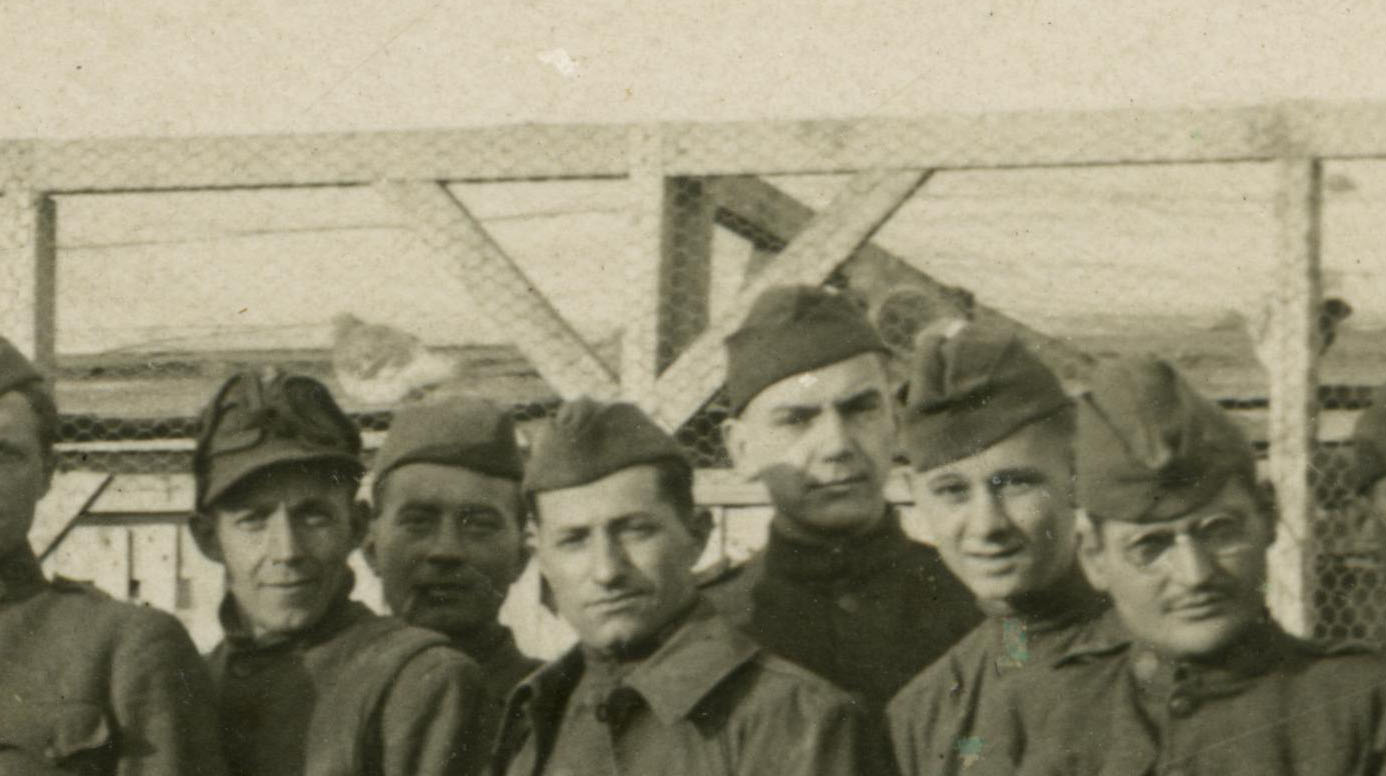
WWI Messenger Homing Pigeon Unit Poses in Germany – Captured German Helmet + Uniform Detail


One of the most interesting forms of communication used during WWI has to be the homing pigeon.  Front line troops couldn’t rely on wire messages getting through to rear echelon support units.  Often times homing pigeons were used to relay messages back to HQ.  Here’s a nice shot of a pigeon unit posing for the camera sometime after the armistice.

And some nice details!  Including a captured German helmet for good measure.


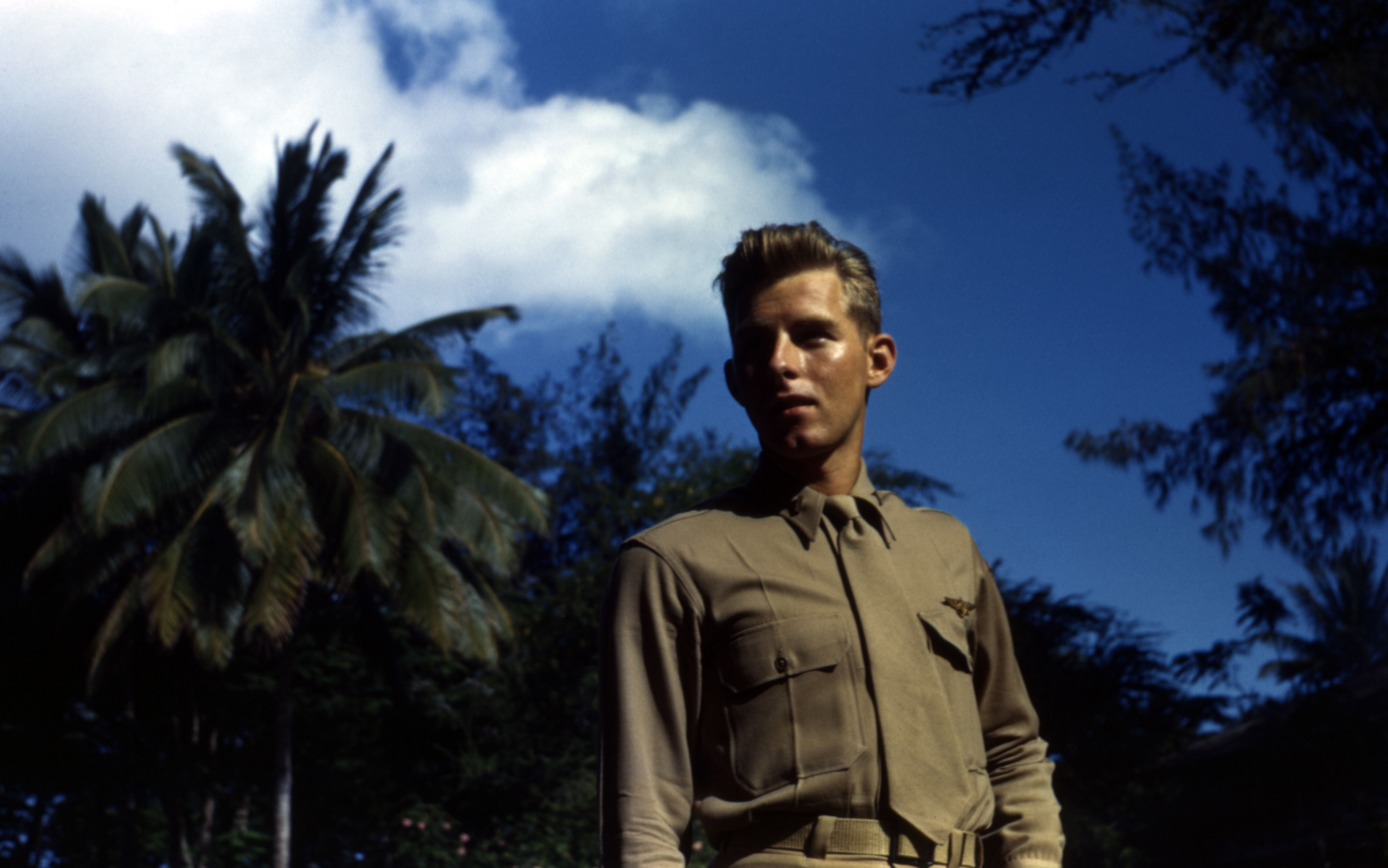
WWII Color Photo – USMC Marine SBD Bilot Walter A. Huff Poses in Hawaii – Vibrant Color


A member of VSMB-332, Walter A. Huff poses for the camera.  Luckily a roll of 35mm color Kodachrome was ready for shooting!

From a  continuation of a series of 60+ slids/color photos from this collection, this image captures the virginal quality of the Marine (USMC) aviator.  Prepped for war on the SBD/ Marine Douglas SBD Douglas Fighter/Bomber, the Dauntless was a key implement of many Pacific battles.

Looking towards an uncertain future, Walter  Huff grins and bares the inevitable future as a Marine dive bomber pilot!

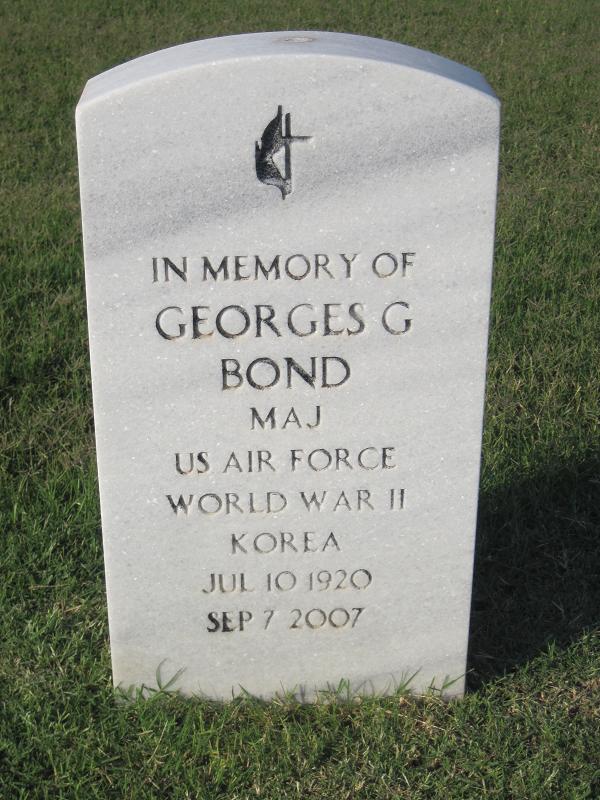
WWII Studio Portrait Photo – 9th AAF Mechanic Georges G. Bond in St. Dizier, France


Another nice studio portrait taken in 1945 in St. Dizier, France in 1945.   A member of the 511th Fighter Squadron during WWII, Georges G. Bond later went on to serve in Korea.  His wartime address was 415 West Pine St. in Enid, Oklahoma.  Georges was born on July 10th, 1920 and passed away on September 7th, 2007. My condolences to his family.


Source: FindaGrave.com

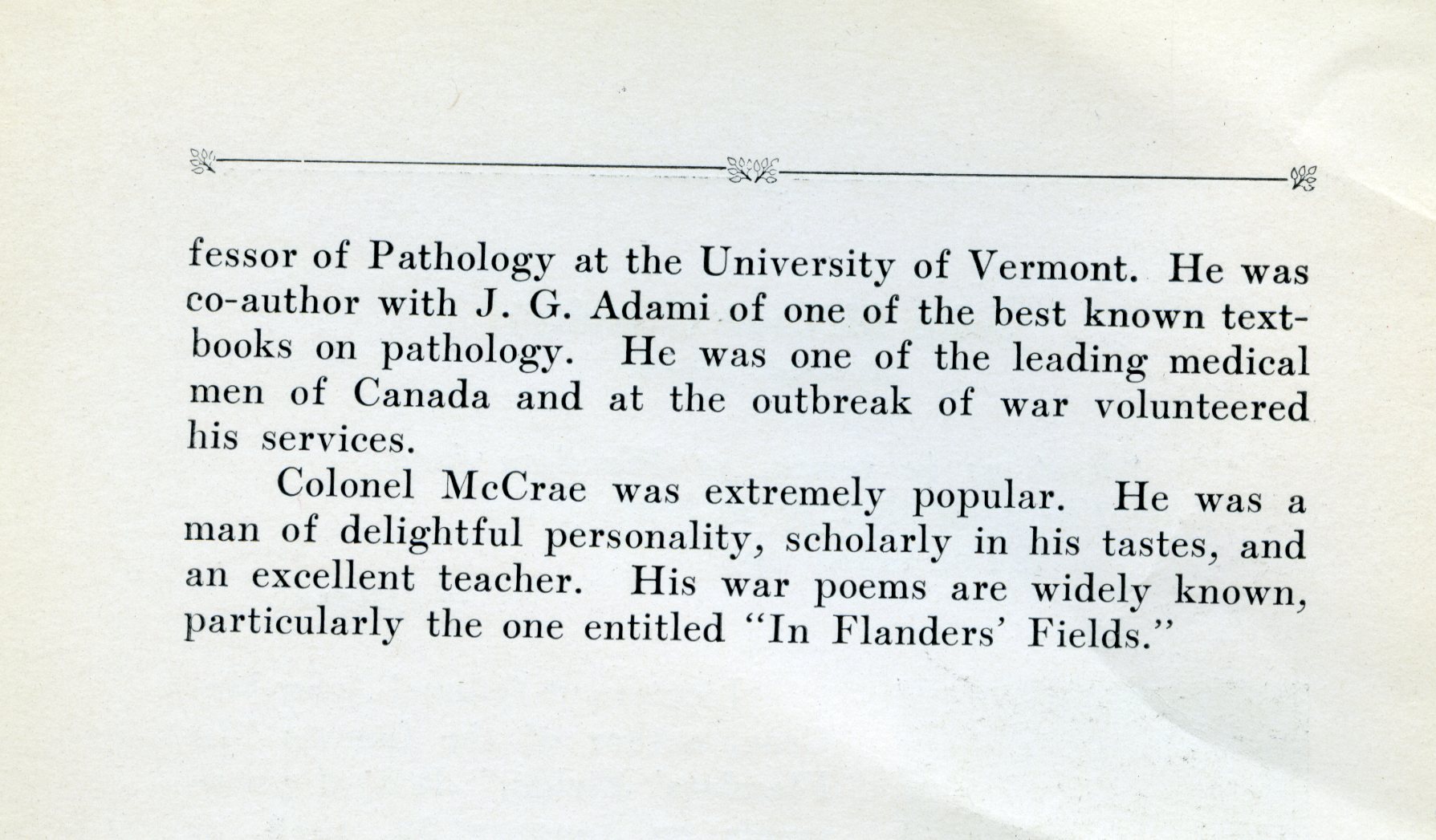
Memorial Day 2012 Post – John McCrae: WWI University of Vermont Professor and Author of “In Flanders Fields”


What better way to remember Memorial Day than to post the most famous war poem of all time?  This poem was written by Lt. John McCrae, a surgeon with a Canadian field artillery unit during the Second Battle of Ypres on May 3rd, 1915.  The poem became an almost instant hit with the troops and with the homefront community “across the pond”.

What makes McCrae so special to me?  He taught at my alma mater, the University of Vermont, between 1903 and 1911 where he taught Pathology in Williams Hall.  I spent four years studying anthropology and archaeology in the hallowed halls of Williams, making my connection to McCrae even stronger.

This post is dedicated to all those who never returned home from the killing fields of France, Belgium, and Germany during WWI.

 In Flanders Fields

In Flanders fields the poppies blow
Between the crosses, row on row,
That mark our place; and in the sky
The larks, still bravely singing, fly
Scarce heard amid the guns below.

We are the Dead. Short days ago
We lived,  felt dawn, saw sunset glow,
Loved and were loved, and now we lie,
In Flanders fields.

Take up our quarrel with the foe:
To you from failing hands we throw

The torch; be yours to hold it high.
If ye break faith with us who die
We shall not sleep, though poppies grow
In Flanders fields.

McCrae entry from The University of Vermont in the Great War

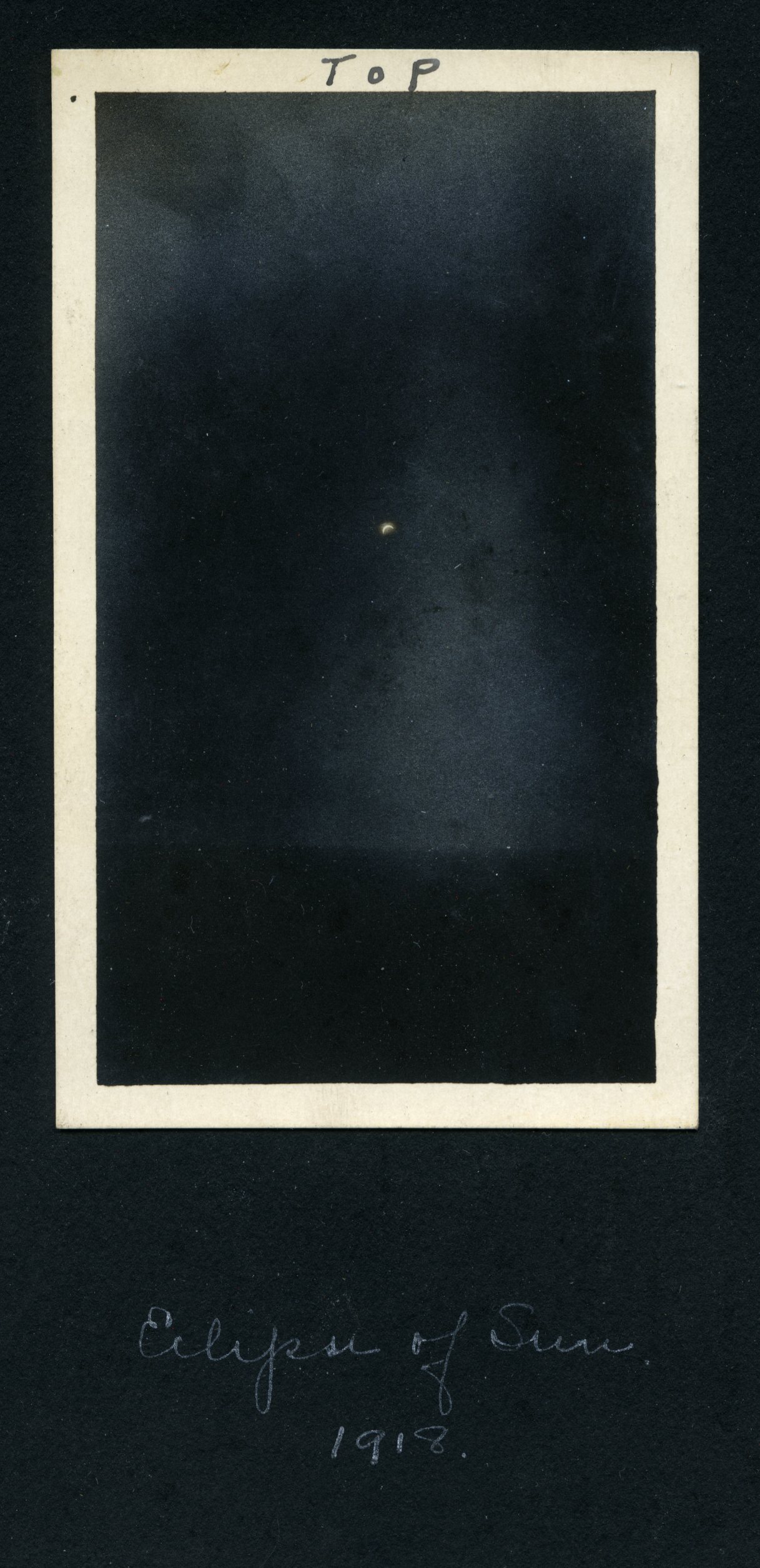
World War One Solar Eclipse Captured in France 1918 – American Red Cross Nurse Photo Album Image


Although my East Coast residence prevented my viewing of the solar eclipse today, I am able to post a wonderful shot of an eclipse captured nearly 100 years ago.  Snapped by a US nurse while stationed in Rimaucourt, France.  I have an album of nearly 200 images following a Springfield, MA native through her WWI service.  Some of the best shots come from her time with the 52nd Base Hospital.  Enjoy!