Context and Historic Photography: A WWII Case Study


Have you ever wondered what the difference is between an old photo and an historic photo?  Context.

Photograph collections are often unknowingly hidden away or discarded by people in the modern day due to the influx and influence of modern digital camera technology.  Family photo albums are stored in attic crawlspaces by distant relatives with no sense of stewardship or preservation.  The stories of thousands of American families are discarded at the local dump each year, losing context and supporting documentation that could help historians piece together stories of the distant (or not so distant) past.

A good example of the value of context when interpreting vintage photography comes from a collection of WWII photographs and negatives a colleague of mine and I purchased from an online auction house (ok, it was eBay) back in 2010.  This case study lead me across the globe, a generation gap, and  even landed me a few friends along the way.

For this story, we need to travel back to January of 2010.  The dark winters of Vermont are a good time to surf the web and make online purchases.  For someone who generally dislikes the cold, I tend to spend the majority of the winter season indoors.  One night I found a spectacular grouping of WWII photography online, placed a bid, and soon awaited the arrival of a new group of 200+ B/W photos from a seller in Pennsylvania.

The photos contained some interesting content; typical European Theater post-combat photography complete with knocked out German armor, captured enemy weapons, snapshots of friends and family as well as the occasional scenery photo.  Judging by the rainbow shaped shoulder insignia worn in many of the photos, I soon came to realize that the photos were from a member of the 42nd Rainbow Division.  Shots of trucks and jeeps provided the regimental and company designation.  The 222nd Anti-Tank Company of the 42nd Division.

It’s uncommon to narrow down a photo grouping to a specific regiment, let alone a company.  I quickly emailed the online dealer who sold the photos and asked for more information regarding the collection.  He provided me with the name of the veteran who took the photos as well as an offer to purchase all of the original negatives from the collection.  One week and $125 later I had the negatives and a copy of the veteran’s obituary.

Edward “Eddie” Majchrowicz of West Hazleton, PA served with the 222nd Anti-Tank Company of the 42nd “Rainbow Division” during WWII.  He was a professional football player, police chief, and private detective who was an active member of his local VFW.  His collection of WWII memorabilia was broken up when he passed away and I was the lucky recipient of his photography collection.

Armed with his name and unit designation (222nd/42nd Division) I tracked down the membership coordinator of the 42nd Division Association who provided me with a list of living members of the 222nd Anti-Tank Company.  On a whim, I wrote six letters to six members of the company in hopes of learning more about Eddie and his wartime exploits.  After a few weeks of hopeful waiting, a letter arrived in my mailbox penned by one of the 222nd Anti-Tank veterans.  Success!

That initial letter opened a floodgate of information and context to help me decipher the photograph collection.  My new veteran friend provided me with personal identifications of the men pictured in the collection, as well as stories and anecdotes to go along with the photos.  The personal stories he shared with me range from the comical to the tragic, but each was even more “real” with a photograph for reference.

This case study is a perfect example of how context and background can add important texture to a collection.  Finding a living link to a historic photo is the goal of every historian.  Dig out those old photos and start doing some research!

Photos in Context

Without any background knowledge, the above photo would appear to be a mundane image of a snow-covered field with a distant tree line.  After tracking down a living veteran from the 222nd Anti-Tank Company, I was able to add some human interest to the image.  On his first night of front-line combat duty, Bud Gahs tried chewing tobacco for the fist time.  His foxhole comrade, Hickey, convinced Bud that the tobacco would take the edge off.  With the German lines only a thousand yard away, Bud spent the entire night nauseated and vomiting in his foxhole.  It was his first and only time trying tobacco.  This photo was taken only yards from his post that fateful night.

Late April 1945, Near Munich

The low drone of an approaching German Me-109 fighter plane could just barely be heard above the snoring coming from the back of the Dodge WC-54 truck at the camp of the 222nd Anti-Tank Company.  As the fighter plane swooped in on a strafing run, the men of the 222nd AT jumped out of their sleeping bags and dove for cover.  Everybody except for Swanson, who arose only after the wing of the Me-109 swept the protective canvas off the back of his truck.  He had been only ten feet from the plane as it swept over the camp.  Coming in for another strafing run, the inexperienced pilot clipped his wing on a tree and crash landed only yards from the camp.  The smell of vaporized airplane fuel hung over the camp for hours.  The plane was smashed to bits, and the pilot was killed instantly.  In this above photo, the lifeless body of the pilot can be seen resting on the ground, with plane wreckage strewn about.

The kicker?  When visiting with my 222nd veteran friend, I was handed a piece of the wreckage.  Bud has kept it with him for the past 65+ years as a reminder of that memorable morning.

Eddie can be seen proudly sitting in the back of one of the Dodge trucks used to tow the 57mm guns of the 222nd Anti-Tank Company.  The best part is that the truck was driven by none other than Bud Gahs, my new found WWII buddy.  The photo sat in my collection with no story behind it until Bud came along and enlightened me.  The name of the truck was the Coughin’ Coffin – a name derived from the tendency of the truck to sputter and almost die out while towing a huge arsenal of shells.  One hit from a German 88 would put Bud and his crew in the ground, hence the Coffin moniker.  Here, Bud drives the truck across a nondescript German field.  Note the small German eagle proudly displayed as a war trophy on the camo netting of the gun.

At a recent get together of the 42nd Division, I presented Bud with a poster sized mounted photo of his truck.  He had a great time showing it off to his Rainbow buddies.

Without a knowledge of the background of the soldier who took the photo, the armchair historian only have a vague idea that the men in the above photograph were possibly concentration camp prisoners.  Since I know that the 42nd Division liberated the Dachau concentration camp in 1945, I know that these three men were from Dachau.  Also, I know that Eddie spoke Polish, and that he was able to converse with many of the liberated Poles on that fateful day in April of 1945.

Stay tuned for more photos and stories from this collection…………… 

Korean War Original Kodachrome Color Slide Photo – Below Deck on the USS Philippine Sea


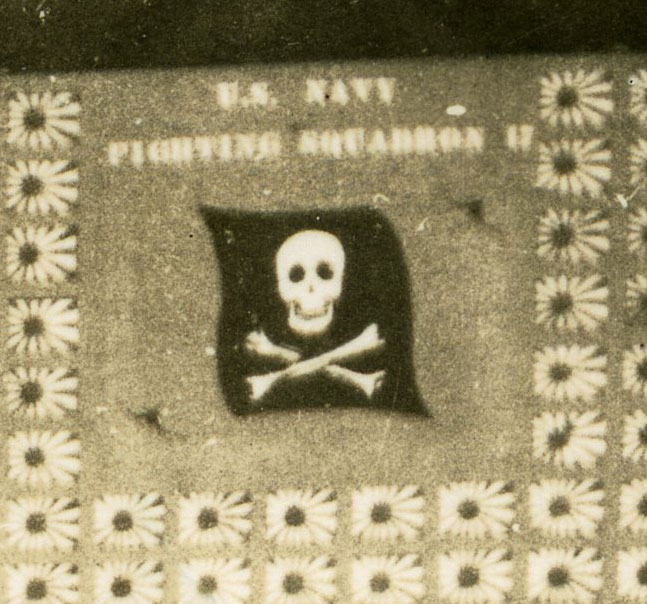
We’ve all seen shots of aircraft carrier decks, festooned with waving lights, landing planes, crewmen and the excitement of an aircraft launch, but how often do we get to see below deck?  In this rare color slide we get a colorful glimpse into the underbelly of the beast, complete with oil drums, fork lift, and extra propellers.  This color slide is from a set of shots taken by a crew member on board the USS Philippine Sea during while the VF-114 “Executioners”, a Corsair unit, was flying missions over Korea in 1950/51.  For other shots from this set, make sure to search for VF-114 in the search menu.

WWII 388th Bomb Group Artist Alva Alegre – Random Snapshots Continued……

Isn’t it hard to imagine that these images were taken in 1944?  They were, and casual followers of the blog will remember that this is only a sneak peek of a larger collection of prints and negatives that I acquired from a series of two eBay auction in 2010 and 2011.  The photographer, Alva V. Alegre was a professionally trained artist who served with the 388th Bomb Group during WWII.  His treasure trove of images haunt me; my quest to figure out his life story has brought me many new leads and a number of new friends and acquaintances.


<script type=”text/javascript”>


  var _gaq = _gaq || [];
  _gaq.push([‘_setAccount’, ‘UA-28546765-1’]);
  _gaq.push([‘_trackPageview’]);


  (function() {
    var ga = document.createElement(‘script’); ga.type = ‘text/javascript’; ga.async = true;
    ga.src = (‘https:’ == document.location.protocol ? ‘https://ssl&#8217; : ‘http://www&#8217;) + ‘.google-analytics.com/ga.js’;
    var s = document.getElementsByTagName(‘script’)[0]; s.parentNode.insertBefore(ga, s);
  })();


</script>


WWII 1st Division “Big Red One” 16th Infantry Regiment Wartime Photo Grouping – German Escapee Shot in Leg


Snapped by a member of the 16th Infantry Regiment towards the tail end of the war near Falkenau, Czechoslovakia, the following pair of photos gives a brief glimpse of some of the encounters made by US infantry troops during the closing period of the war.  In this instance, a German soldier dressed in civilian garb was shot in the leg with an M1 while attempting to run away from the concentration camp near Falkenau.  Luckily for him, a medic is standing in the left center of the image.


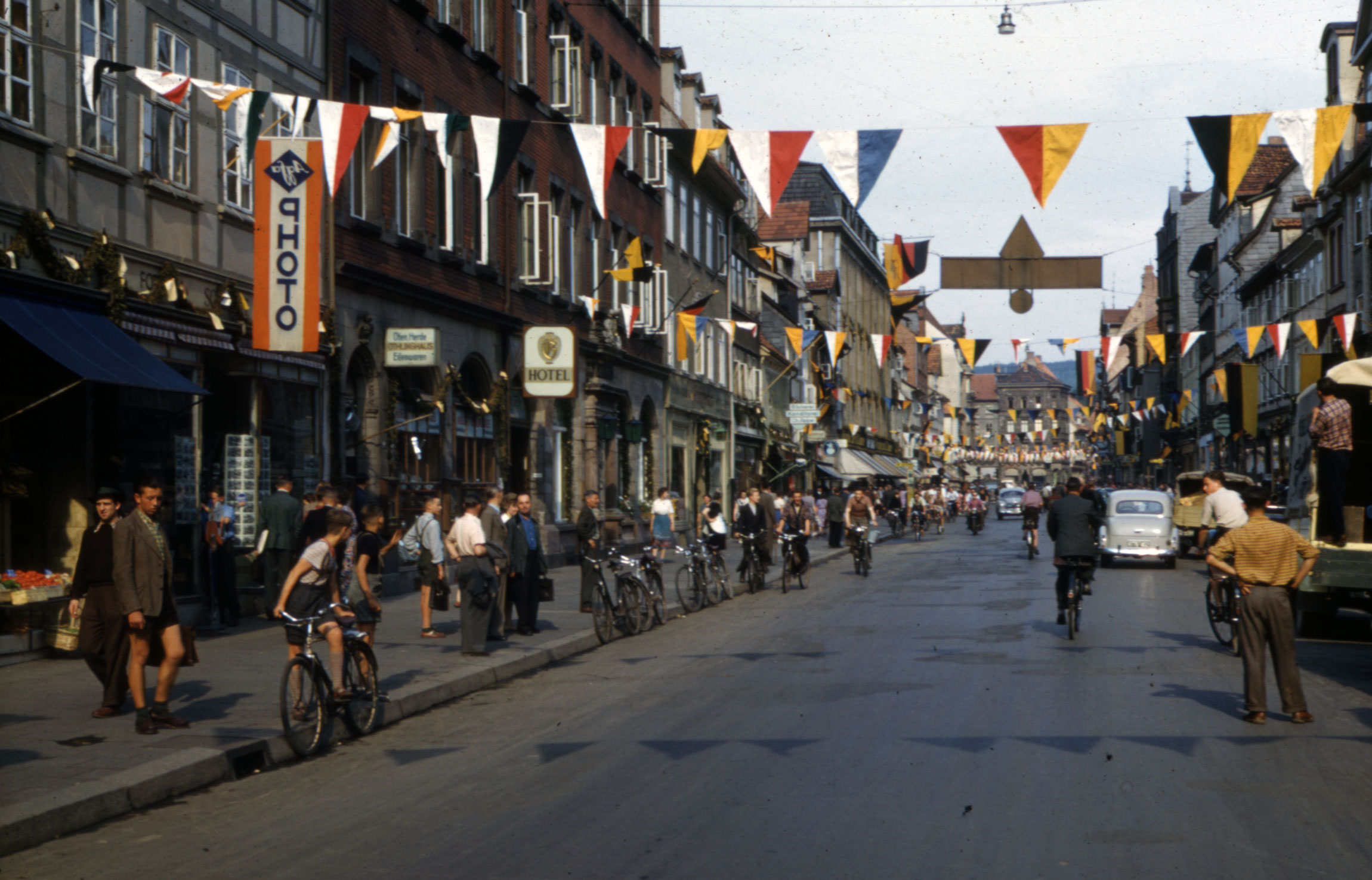
Post WWII Rebuilding of Germany – The Marshall Plan and Kassel, Germany in Vibrant Color in the 1950s


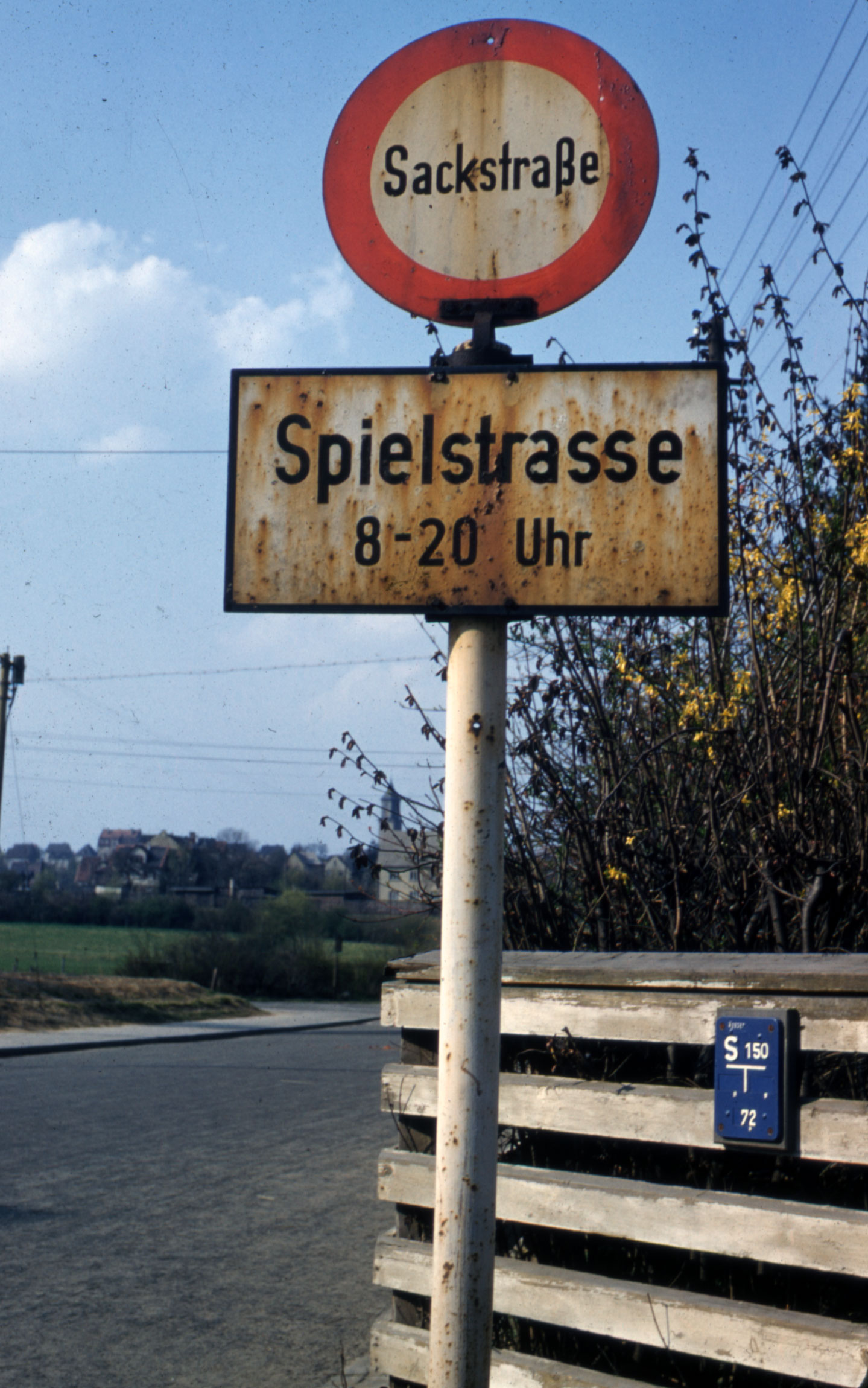
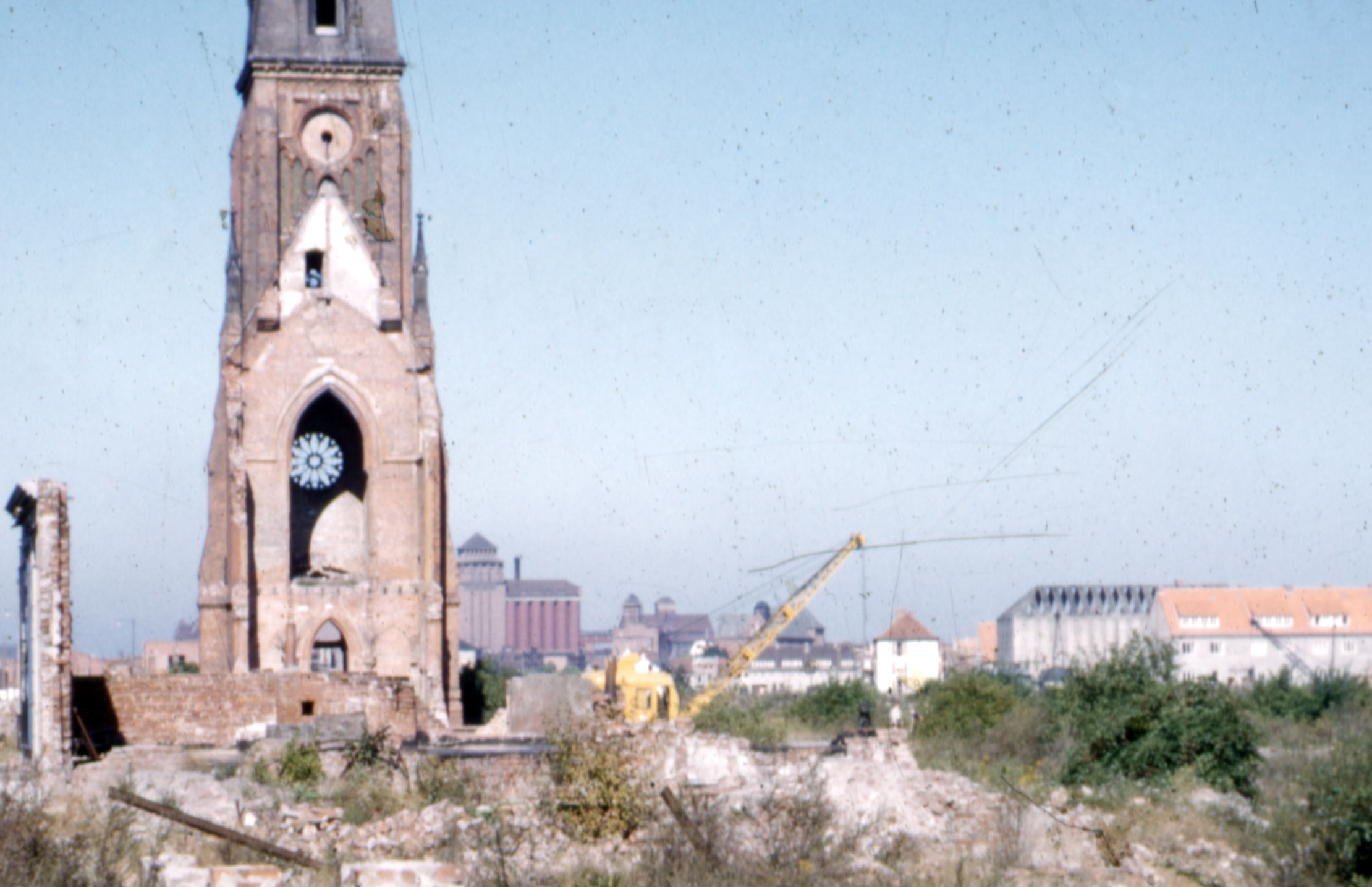
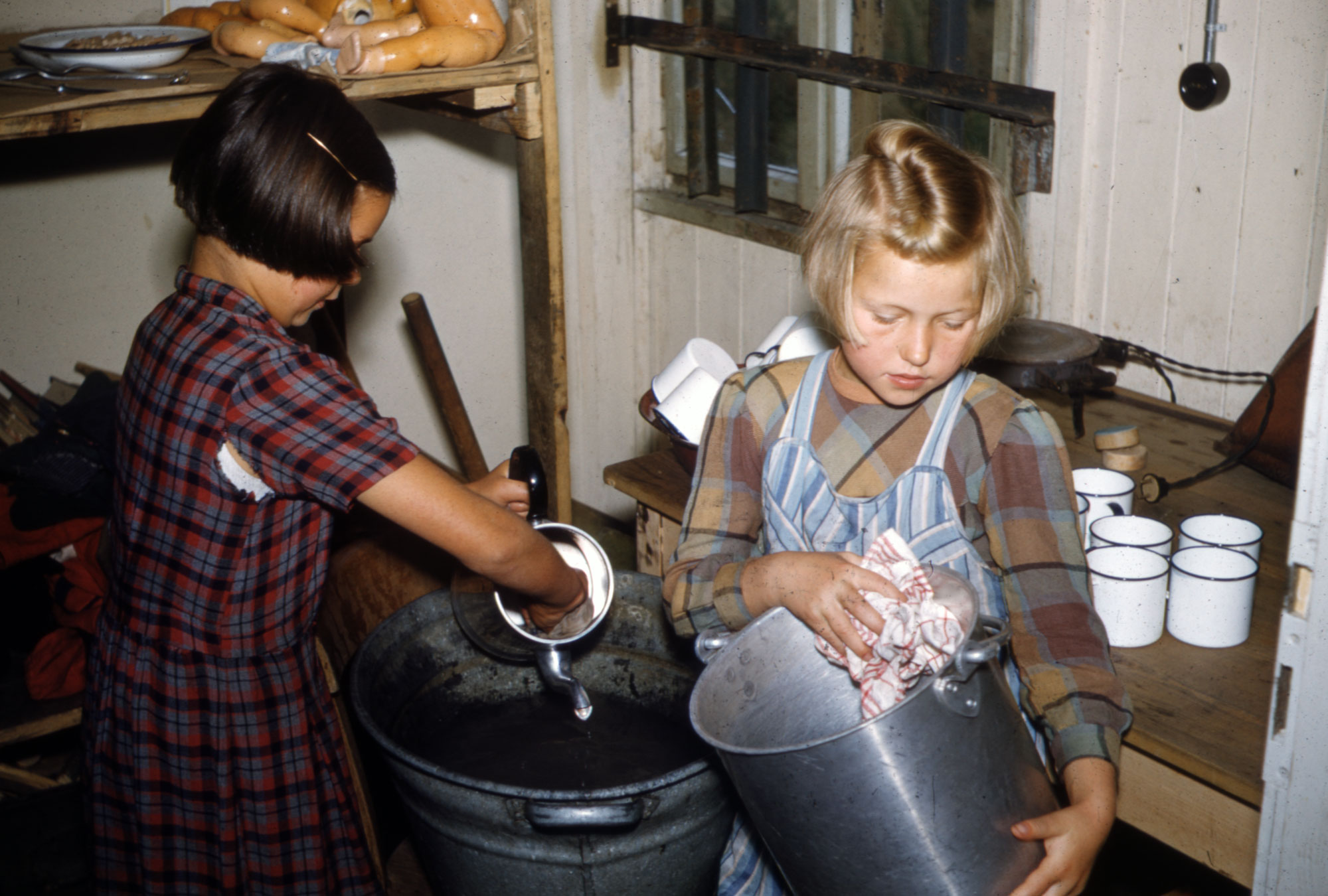
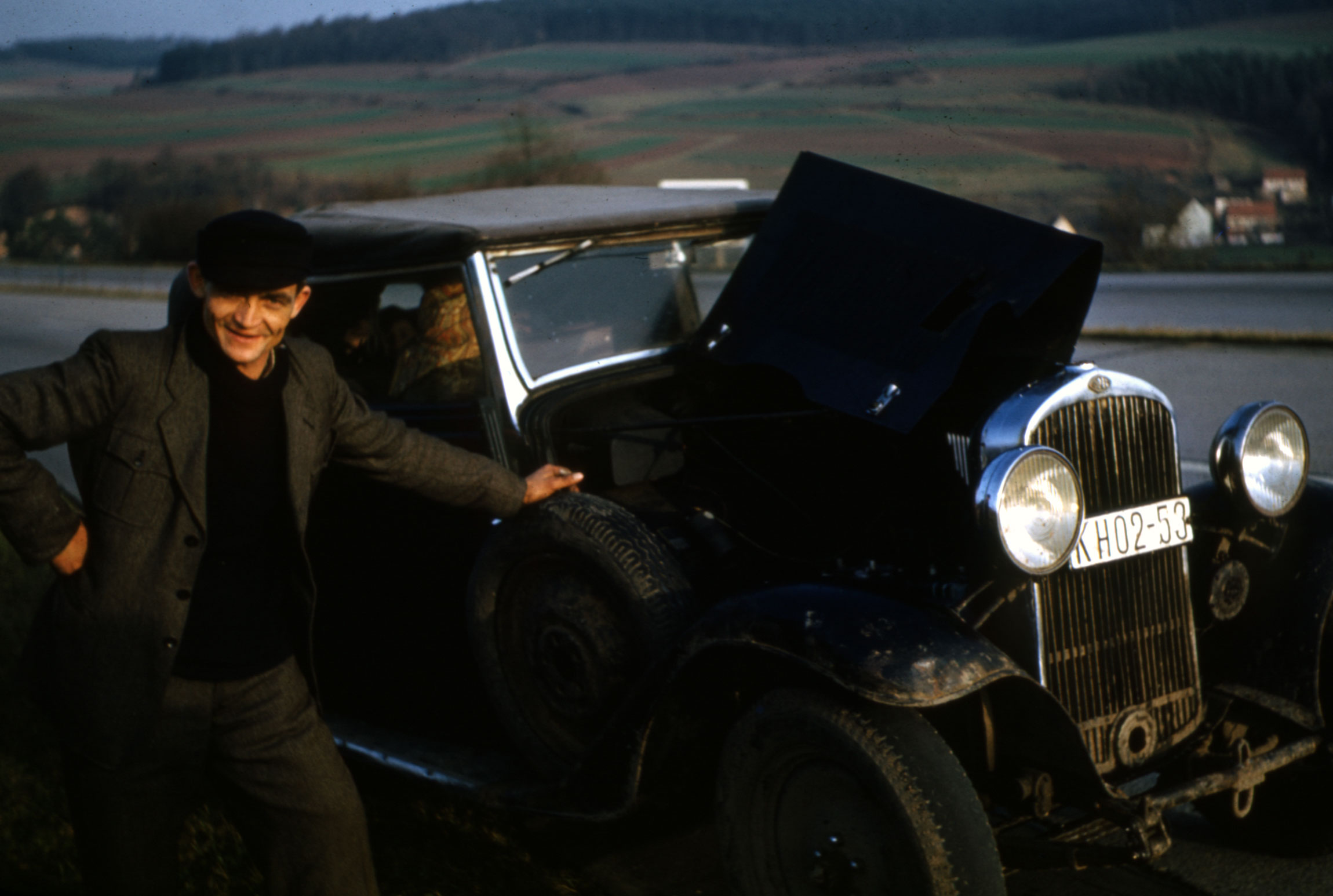
PortraitsofWar recently acquired a collection of over 200 color slides taken in the mid to late 1950s depicting the rebuilding of Postwar Germany in the Kassel area.  The images follow a group of American volunteers who helped rebuild churches in and around the city.  They also were charged with feeding and taking care of refugees who were waiting for new homes to be built.  Although there is no linear progression to the photos, they nonetheless show a side of European history that has been glossed over.  The Marshall Plan brought industry and revitalization to Europe, and also brought American tourists who snapped countless photos of the rebuild process.


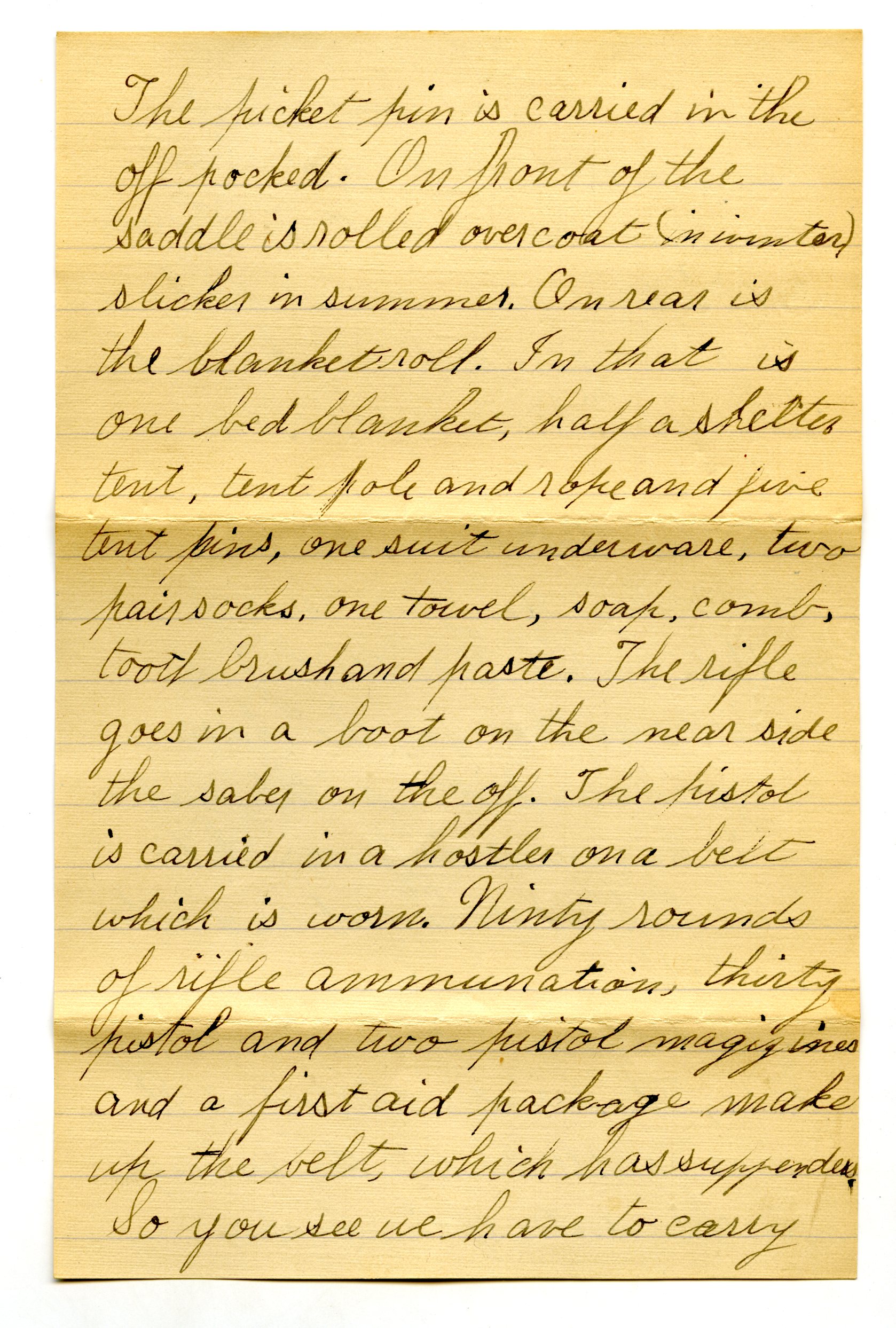
WWI Fort Ethan Allen 2nd Vermont Cav. Detailed Letter – Officer Shot in the Head! – Vermont WWI Content


The 2nd Vermont Cavalry trained at Fort Ethan Allen in Colchester Vermont prior to WWI and, after training, shipped off to France to fight with the only US cavalry unit during the war.  I currently live only ten minutes from the fort, and have previously posted a panoramic photo from an infantry regiment that trained there as well.  Collecting WWI Vermont items can be hard; the material seems to never come up to auction.  In this case, I was able to find a little nugget of Vermont history hidden amongst the seemingly endless WWI eBay listing section.

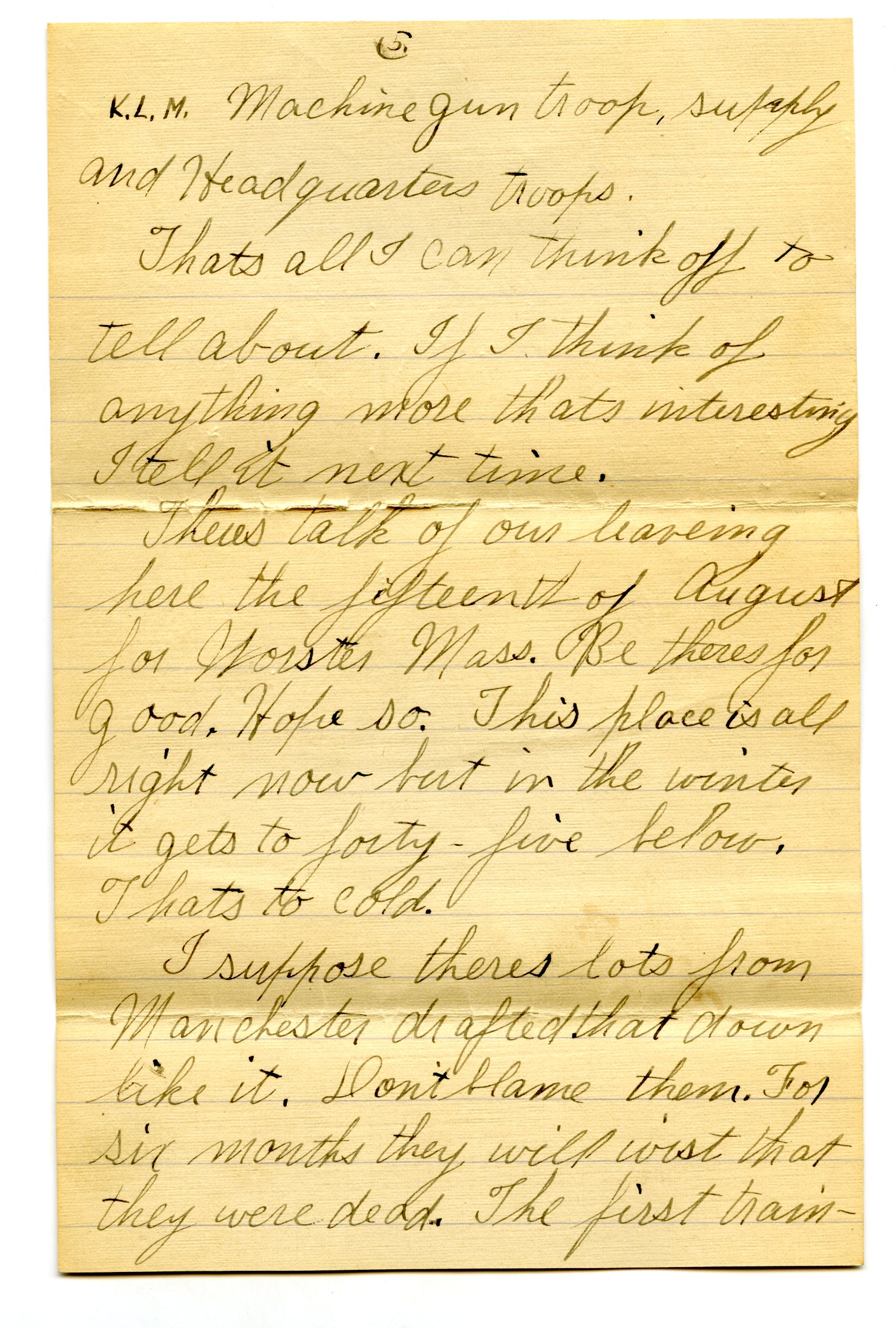
Looks like Clarence “Everett” Hall was originally from Manchester, Connecticut.  In his letter he mentions a number of interesting topics, including the everyday life of a cavalry troop as well as an interesting encounter where he inadvertantly shoots an officer in the head!  A great read, and a must for any fan of WWI cav.


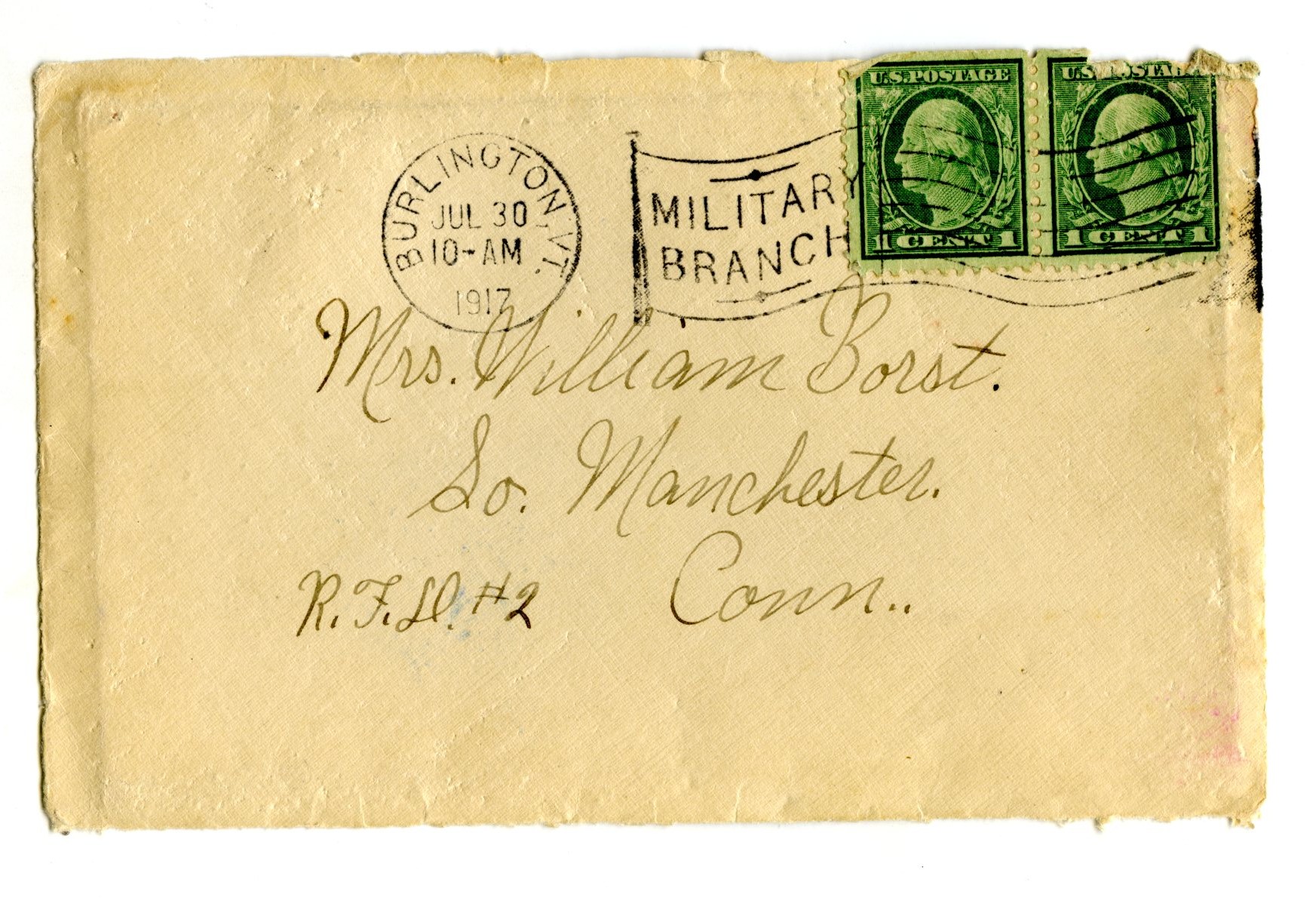
Postmarked Burlington on July 30th, 1917.

Clarence Everett Hall

Fort Ethan Allen

Troop M. 2nd Vermont Cav.

July 28th, 1917

Dear Marion,

Your welcome letter received.  Will write while I have time.

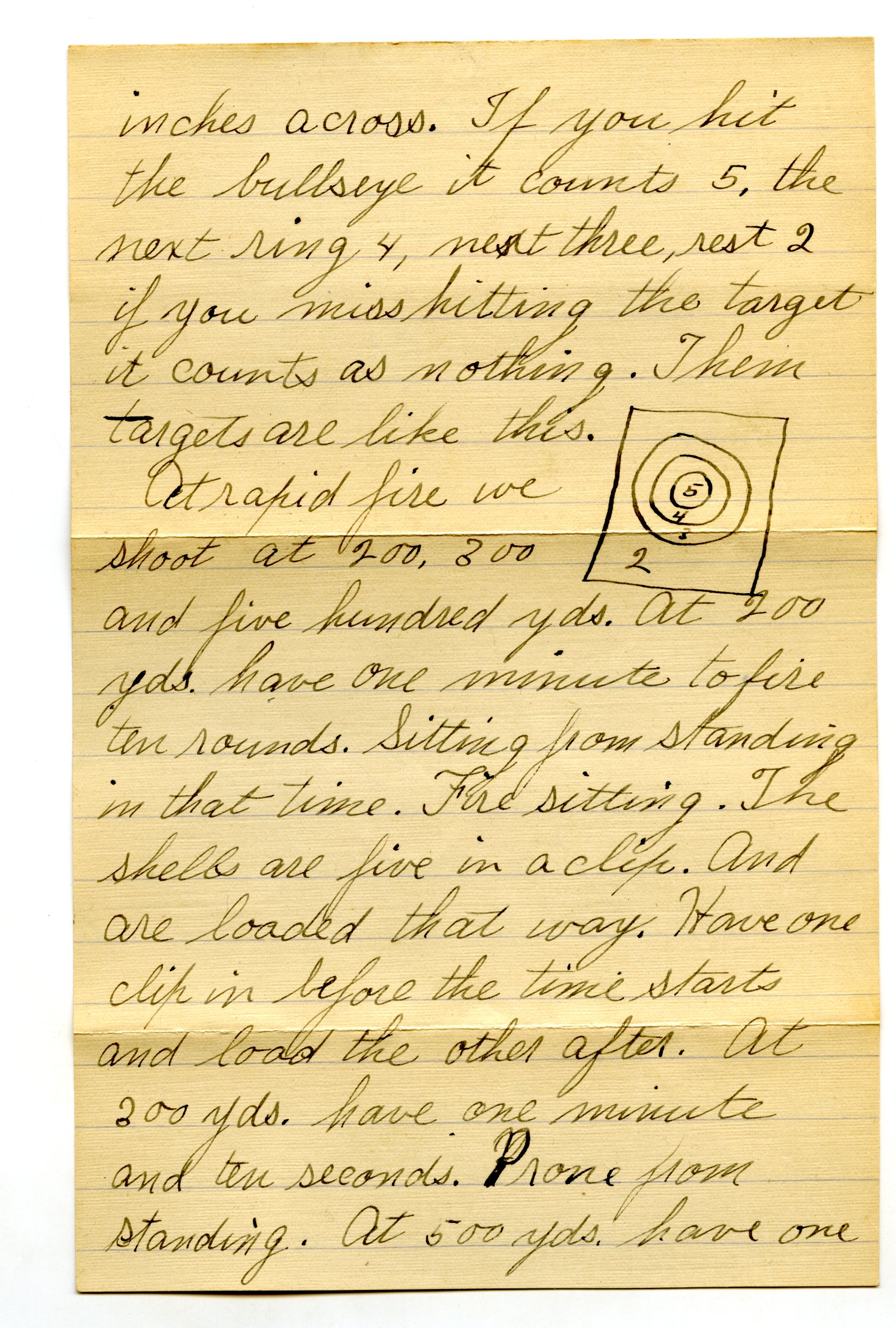
Haveing(sic) a little better weather now.  It was 102 Wednesday on the range.  We was shooting for record shoot slow and rapid fire.  At slow you can take all the time to shoot you want.  Fire at 300, 500 and 600 yards slow fire.  Ten shots or rounds at each.  At 300 yards the bullseye is twelve inches across.  At 500 and 600 yards its twenty inches across.  If you hit the bullseye it counts as 5, the next ring 4, next 3 , rest 2 if you miss hitting the target it counts as nothing.  Then targets are like this.

On rapid fire we shoot 200, 300 and 500 yards.  At 200 yards have one minute to fire ten rounds.  Sitting from standing that time.  Fire sitting.  The shells are five in a clip.  And are loaded that way.  Have one clip in before the time starts and load the others after.  At 300 yards have one minute and ten seconds.  Prone from standing.  At 500 yards have one minute and twenty seconds to fire 10 rounds in.  And fire prone, laying down before the time starts.  The rapid fire target represents a mans head and shoulders.  And count the same.  The bullseye is forty inches across.

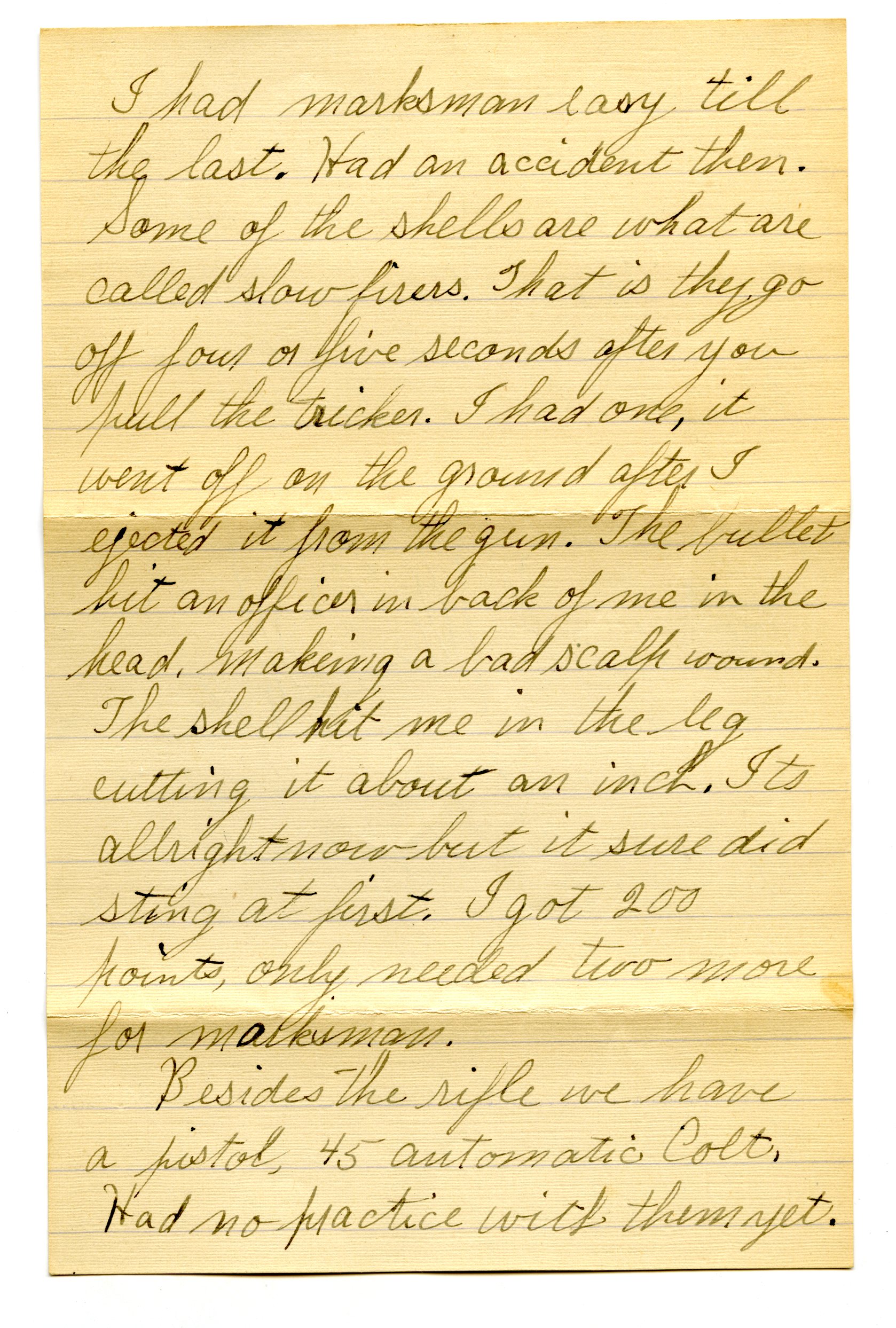
The higher score you get the better it is.  252 points gives you expert rifleman, that pays fire dollars a month extra.  238 gives you sharpshooter, that pays you three dollar a month.  202 pays two dollars a month and is marksman.  Nobody in the troop got expert several got sharpshooter, and several marksman.  I had marksman easy till the last.  Had an accident then.  Some of the shells are what are called slow fires.  That is they go off four or five seconds after you pull the trigger.  I had one, it went off on the ground after I ejected it from the gun.  The bullet hit an officer in back of me in the head, making a bad scalp wound.  The shell hit me in the leg cutting it about an inch.  It’s allright(sic) now but it sure did sting at first.  I got 200 points, only needed two more for marksman.

Besides the rifle we have a pistol, 45 automatic Colt.  Had no practice with them yet.  Besides that we have a saber.  Like a sword.  Straight and about three and a half feet long.  At full pack, “thats when we are ready for a long march we have the following.” One saddle, one saddle blanket, that foes on the horse, one surscingle, one pair saddle bags, they go on the read of the saddle.  In the saddle bag is carried everything for the horse.  Curry comb, brush, etc.  In the rear one is the man stuff messkit.  Knife, fork and spoon and any other little thing you want to carry.  The canteen in carried on the rear saddle packet the tin cup in the center of the loops.  The picket pin carried in the off pocket.  On front of the saddle is rolled overcoat (in winter), slicker in summer.  On rear is the blanketroll.  In that is one bed blanket, half a shelter tent, tent pole and rope and five tent pins, one suit underwear, two pair socks, one towel, soap, comb, toothbrush and paste.  The rifle goes in a boot on the near side, the saber on the off.  The pistol is carried in a holster on the belt which is worn.  Ninety rounds of rifle ammunition, thirty pistol and two pistol magazines and a first aid package make up the belt, which has suspenders so you can carry quite a little. The rest of out clothing etc. is put in a bag and carried in the wagons.  We just use the saddle for regular drill.

We have revellie, first call 5:15 roll call 5:30, breakfast at 6, drill at 7 until 10:30 mounted stables, that’s grooming the horses until 10:50.  11 till 11:30 dismounted drill with rifles.  12 dismiss.  In the afternoon if its not to(sic) hot have rifle, pistol, sabre drill.  Semaphore and wigwag practice, that’s sending messages with one and two flags.  Saturdays we have inspections of everything.  No drilling, afternoon off.  Sundays off except stables and water call.  Water call is 4:30.  Water and tie up the horses then.  5:30 retreat and supper.  Tatoo at nine, taps at eleven.  We have to put all lights out in the squad room at nine.

We have a nice building to sleep in .  Have a large day room downstairs, music library etc. there.  Shower, baths, etc. in the basement.  Have regular bunks to sleep in with springs, sheets, pillows etc.  There’s 105 in the troop.  Theres 15 troops in a regiment, four squadrons, three troops to a squadron and three troops over A.B.C, D.E.F, G.H.I, K.L.M, machine gun troop, supply and headquarters troops.

That’s all I can think off(sic) to tell about.  If I think of anything more that’s interesting I will tell it next time.  There’s talk of our leaving here the fifteenth of August for Worcester, Mass.  Be there for good.  Hope so.  This place is all right now but in the winter it gets to 45 below.  That’s too cold. 

I suppose there’s lots from Manchester drafted that don’t like it.  Don’t blame them.  For six months they will wish they were dead.  The first training is very hard.

Guess I will close now its time for retreat and if I write much more I’ll have to send this parcel post.

With Love,

Everett

Clarence E. Hall

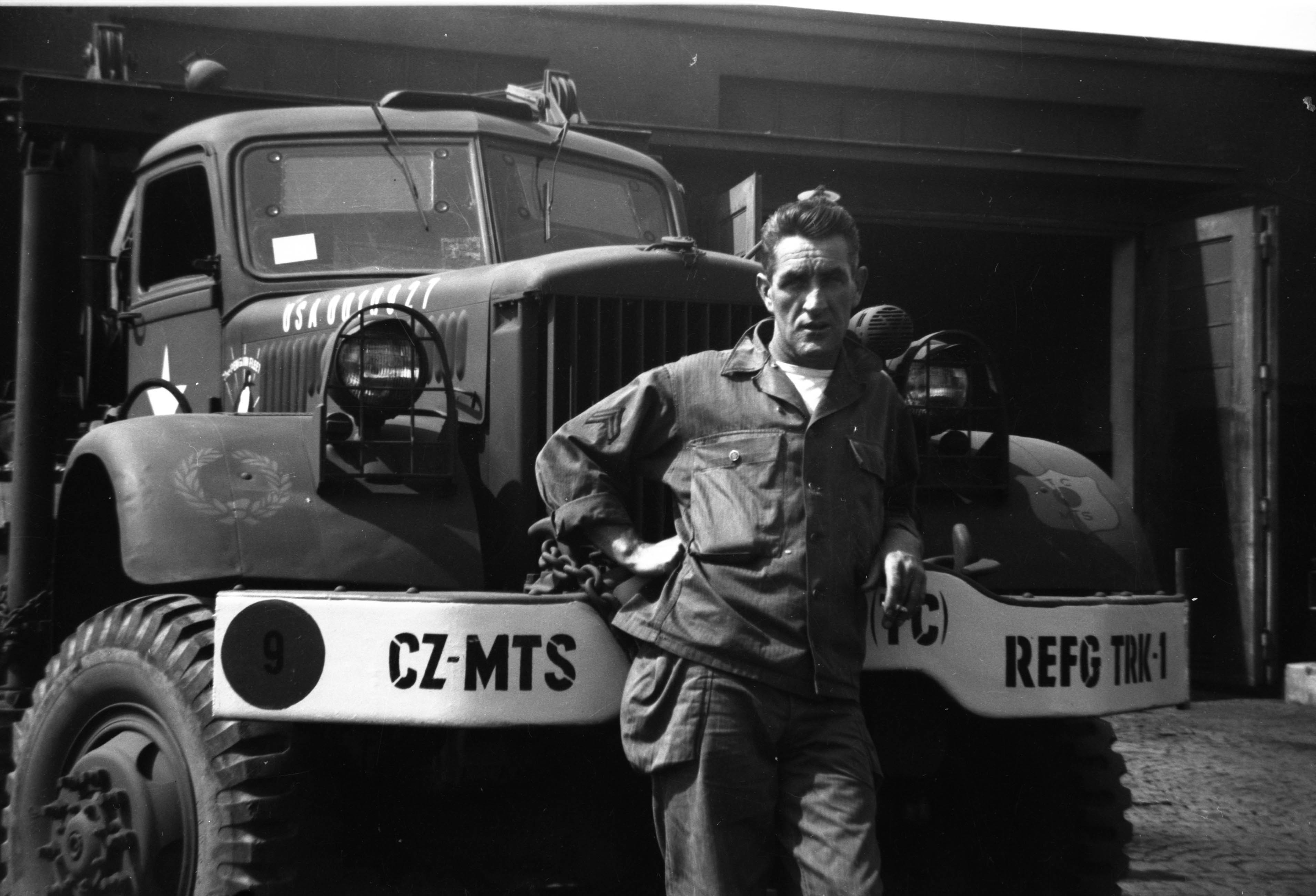
UPDATED POST – WWII Refrigeration Truck Unit Photos – “The Penguin Fleet” Blood and Plasma Transfer Trucks


One aspect of war that is not normally discussed is the transportation of temperature sensitive material.  Blood, meat, and some chemicals needed to be kept cool for use in the field and needed special trucks to deliver the goods.  Here is a set of photos showing the trucks of the unit!  Try finding these anywhere else!  Scanned from original negatives.


UPDATE:

After cleaning out a forgotten box in my closet, I was able to find some additional negatives from this grouping.  Enjoy!


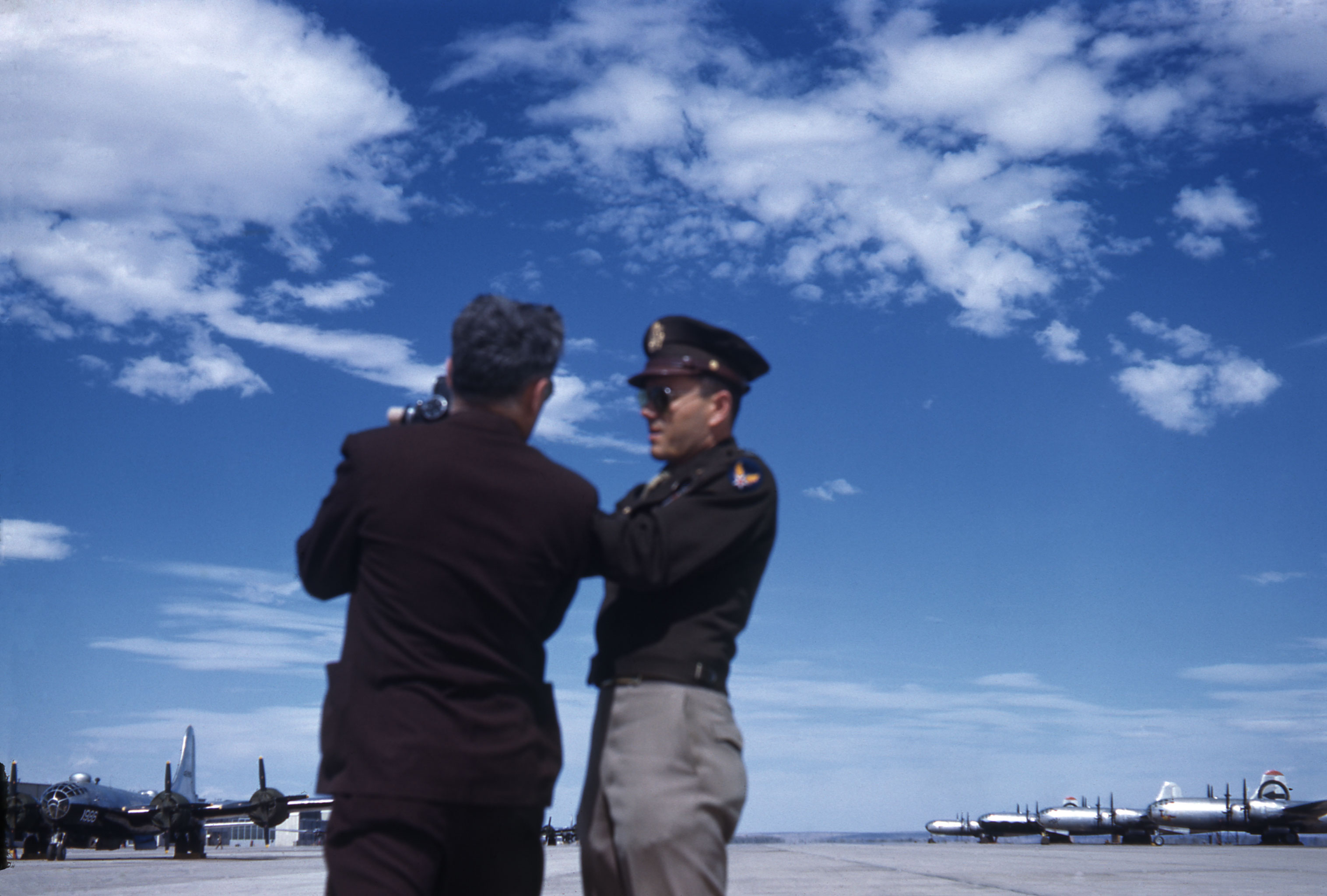
Operation Crossroads Training Photo – The Enola Gay and Top Secret in Roswell, New Mexico 1946


Not sure if I’ve posted this image before, but thought that now would be a good time to add some aviation related color slides from my personal collection.  A jackpot of an ebay find a few months back turned out to contain original color images of the 509th Composite Group training in Roswell, New Mexico prior to the Operation Crossroads testing.  I have other images from this grouping, as well as some original paper material related to the 509th posted to this blog. Please enjoy this first (and one my favorites) image of the Enola Gay and some other B-29’s of the 509th lined up at Roswell. Not sure who the crew member is, but I’m glad the photographer missed the focus on this one!


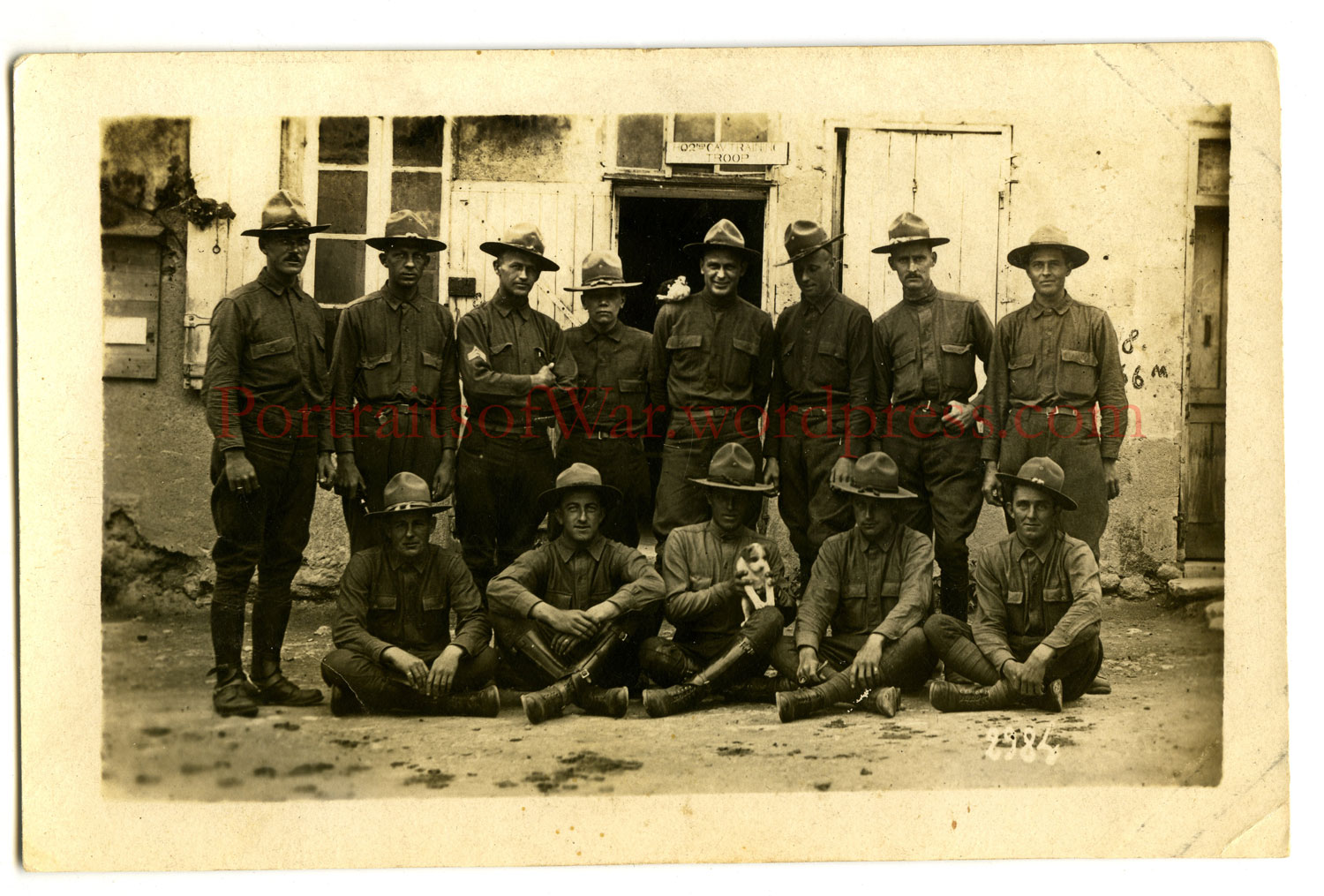
Rare WWI 2nd Cavalry Photo RPPC Taken in France – 2nd Dragoons Training Station


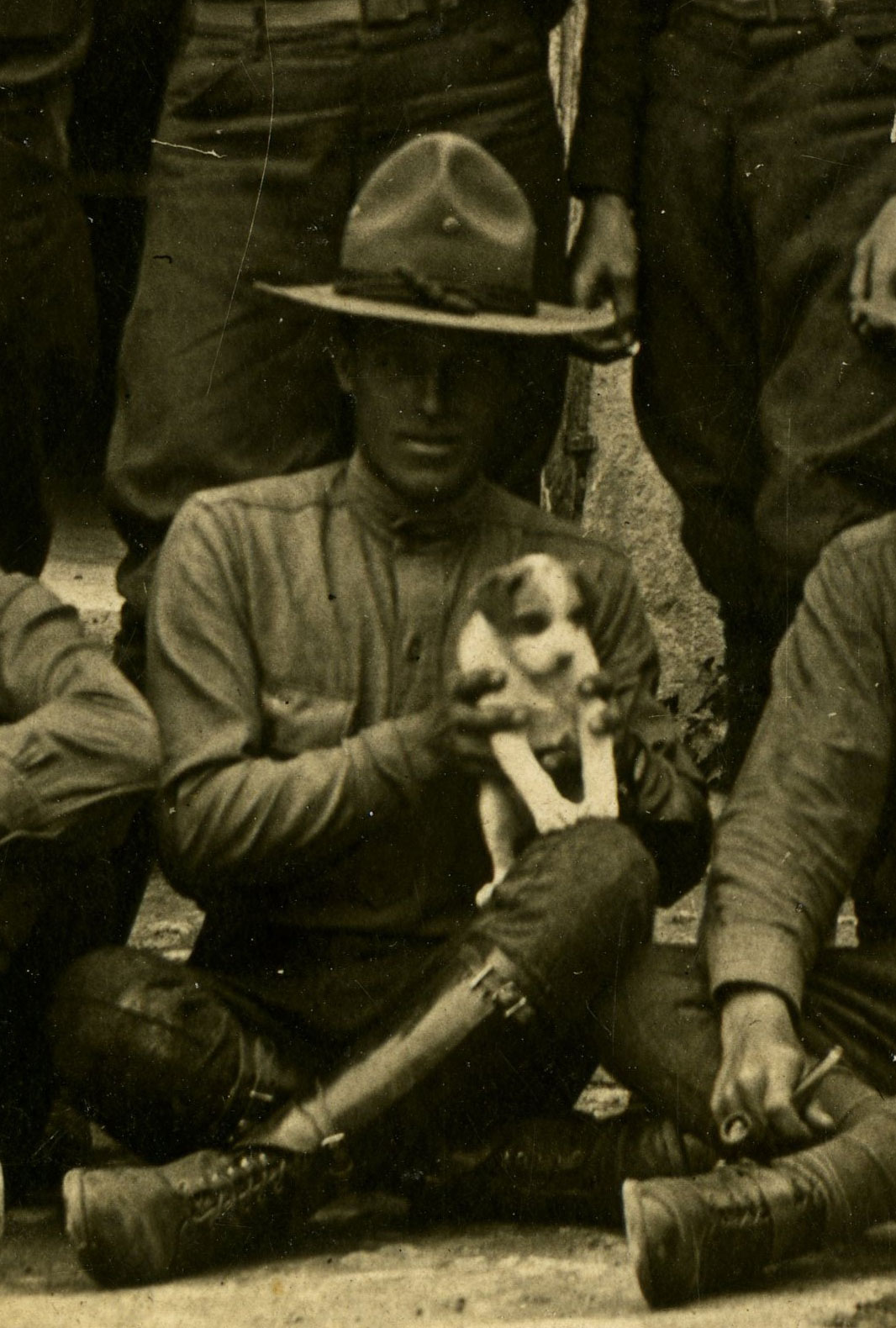
A particularly special photo acquisition comes in the form of a 2nd Cavalry RPPC (real photo postcard) taken somewhere near Tours, France during the war.  The 2nd Cav. trained only ten miles from my house in Vermont, at Fort Ethan Allen before their departure to Hoboken for transfer overseas to France.  Considered by many to be the only  true U.S. mounted cavalry units to serve during WWI, the 2nd Cav. was a unique unit that tends to be glossed over by WWI histories.  I’m proud to add this photo to my collection!

Interesting details of the photo include a mascot puppy, the use of spurs, and a raggedy pigeon perched on a shoulder.

For those interested in reading more on the history of the 2nd Cavalry, check out this website:  http://history.dragoons.org/category/world-war-i/

2nd Cav. Puppy Dog Mascot