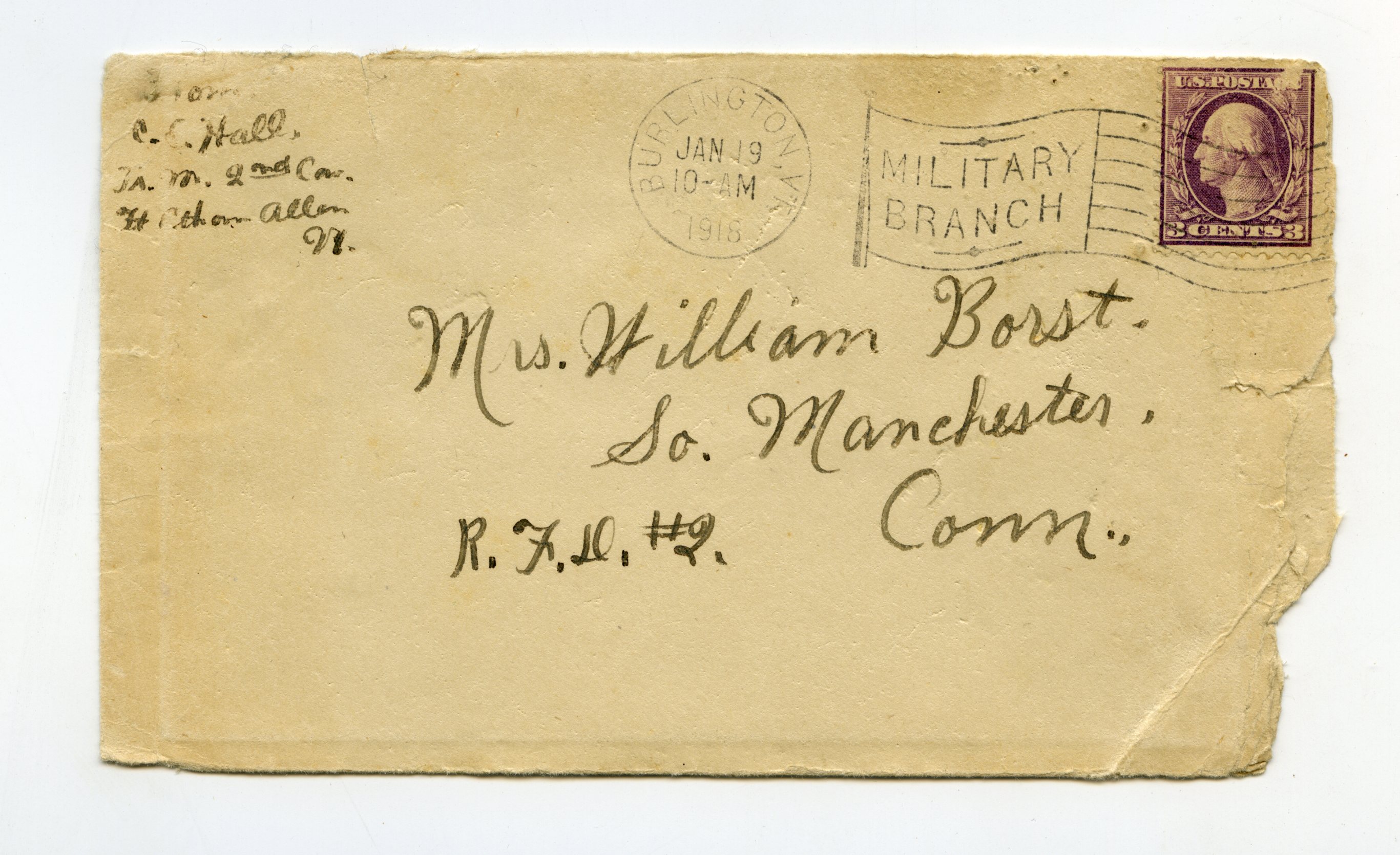
WWI 2nd Cavalry Postal Cover Letter – Fort Ethan Allen Vermont Letter January 1918 – Good Details!


Followers of PortraitsofWar will know that I was lucky enough to acquire a great letter written by a member of the 2nd Cav while the unit was stationed at Fort Ethan Allen in my current hometown of Colchester, Vermont.  Obviously anything related to Fort Ethan Allen will be of interest to me and, by association, PortraitsofWar.  The letter was written by a Mr. Everett Hall from Connecticut, and includes some good cavalry related details as well as some tongue-in-cheek Vermont humor.  Alright!

Fort Ethan Allen,

January 18th, 1919

Dear Marion,

Your welcome letter received.  Also the postal.

Tell Kermit I thank him very much for the wash cloth.  It is a dandy and will be fine when we get over accross(sic). And the way things look now we may be over anytime.

We are having fine weather now.  Lots of snow, nearly three feet, weather is war.  About zero. {YES!  Awesome line}

I am getting so I can stick pretty good bareback. We get fifty munutes every other day monkey drill now.

Just got my last two test papers back.  I got a 98 on first aid and a 91 on guard duty. We have school every day on military matters.  And a test about three times a week.

Just like going to school again only that its different studies.   Have to use algebra too.  We have to study everything first aid for both men and horses.  And the best way of defeating an enemy.  Learn someting new every day.

There’s lots of Manchester fellows in now.  That man you spoke about, Thrall, is here. I heard his name called the other day.  I haven’t seen him to know him yet. Funny how you meet people you used to know.

I see both of A.L. Brown’s boys are going and Allen Balch.  I went to school with Marion Brown.

Well there’s not much news so I guess I’ll have to stop and get fixed up for inspection tomorrow.

We have all kinds of inspections now that we are getting ready for leaving.

With lots of love,

Everett

Post-WWII Photo Negative – 82nd Division Paratroopers in Downtown Fayetteville, NC


A series of post-WWII negatives from the 82nd Airborne Division is keeping me busy at the V700 Scanner!  Nearly 200 superb images of life in and around Fort Bragg in the years between 1943 and 1948 keep me clicking the SCAN button.  These photos were taken in a downtown Fayetteville diner in 1947.  Love the stereotypical activity in the background. Check out the prices on the sandwiches – Twenty cents?   WHAT?  Also, apparently everyone drank coffee upside down in the 1940s……………….

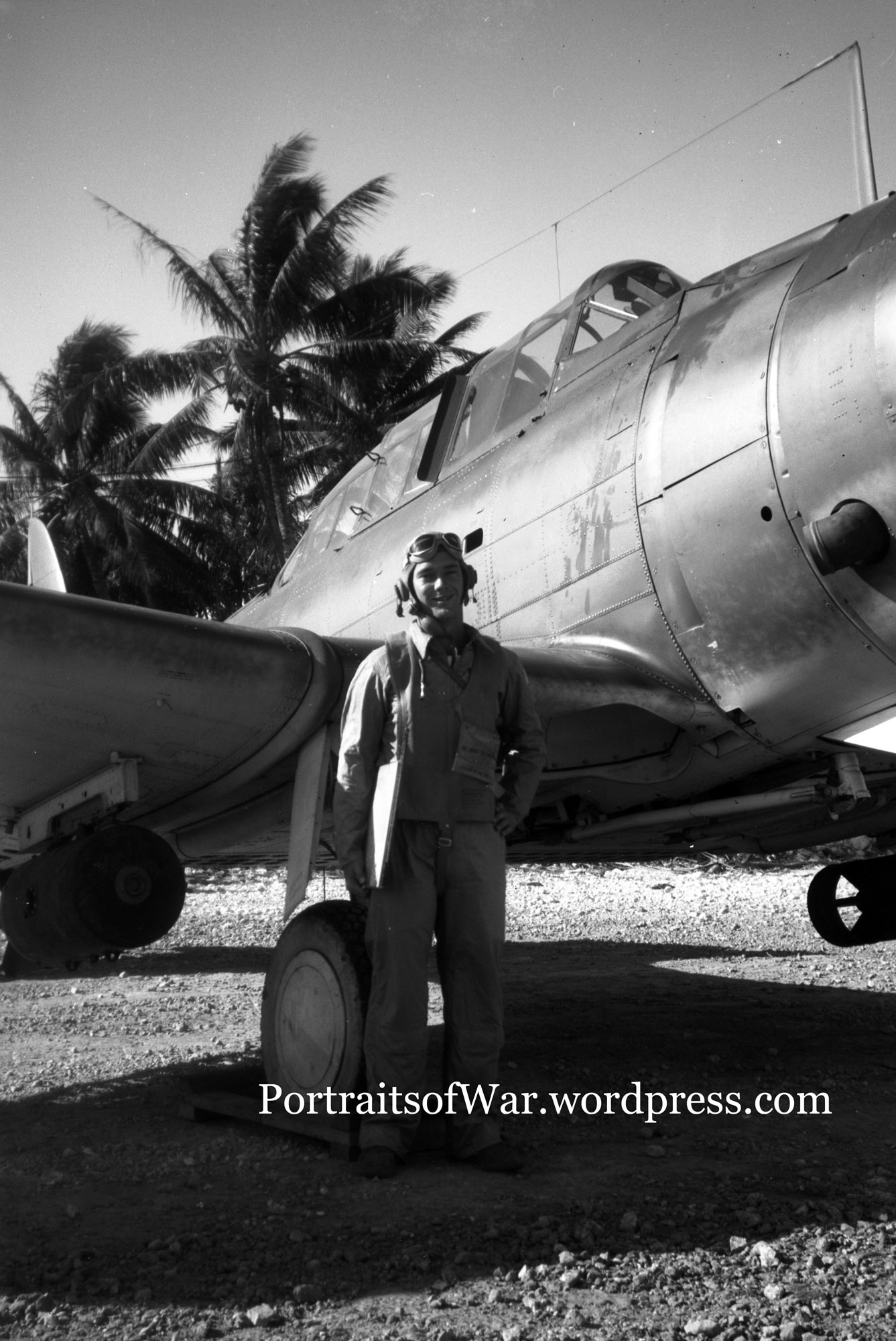
WWII USMC Marine Corps SBD Dauntless VMSB-231 Pilot and Dive Bomber on Majuro, Marshall Islands


An eBay seller recently posted an anomalous grouping of negatives online.  The photos were reportedly from the collection of a US ETO fighter pilot, but were clearly taken in a tropical location.  My BS radar went off, and I placed a single bid on one of the “better” images.  After the negative arrived (2.5 by 3.5 in original glassine envelope), I was able to extract a bit more info; although the man posed in the photo is still a mystery.  His name appears to be Jud – and I’ve narrowed down the unit info to place him as a pilot with the VMSB-231 station on Majuro in the Marshall Islands in 1944.  I’ve contacted the seller to track down more shots from this historic grouping.

The VMSB-231 stands for Marine Scout Bombing Squadron # 231.  They were known as the “Ace of Spades” and can sometimes be seen sporting spade insignia on their planes.  The unit was responsible for dive bombing Japanese shipping and freight.  The SBD was a radial engined dive-bomber that was extensively used in the early portion of the US involvement in the PTO.  Here’s a good site regarding the SBD: http://science.howstuffworks.com/douglas-sbd-dauntless.htm


Some technical data on the SBD:

Douglas SBD Dauntless Specifications

Wingspan: 41 ft. 6-1/2 in.

Length: 33 ft. 1-1/2 in.

Height: 13 ft. 7 in.

Empty Weight: 6,500 lbs

Gross Weight: 10,700 lbs

Top Speed: 252 mph

Service Ceiling: 26,100 ft.

Range: 1,100 miles

Engine/Horsepower: One Wright R-1820/1200

Crew: 2

Armament: Two .50-inch Browning machine guns in the nose; two .50-inch Browning machine guns flexibly mounted in the rear cockpit; 1,600 lbs of bombs under fuselage; 650 lbs under the wing

WWII German Snapshot Photo – RAF Gravestones in Germany 1939 – 1st Australian Soldier Killed in Action


Today’s post comes from a loyal PortraitsofWar follower from the Netherlands.  He recently stumbled across a single snapshot at a Dutch flea market and did some savvy investigative work to tease out the historical significance.  Thanks Werner!

Wartime German Snapshot of the Graves

Begraafplaats Engelse Vliegeniers

By: Werner Peters

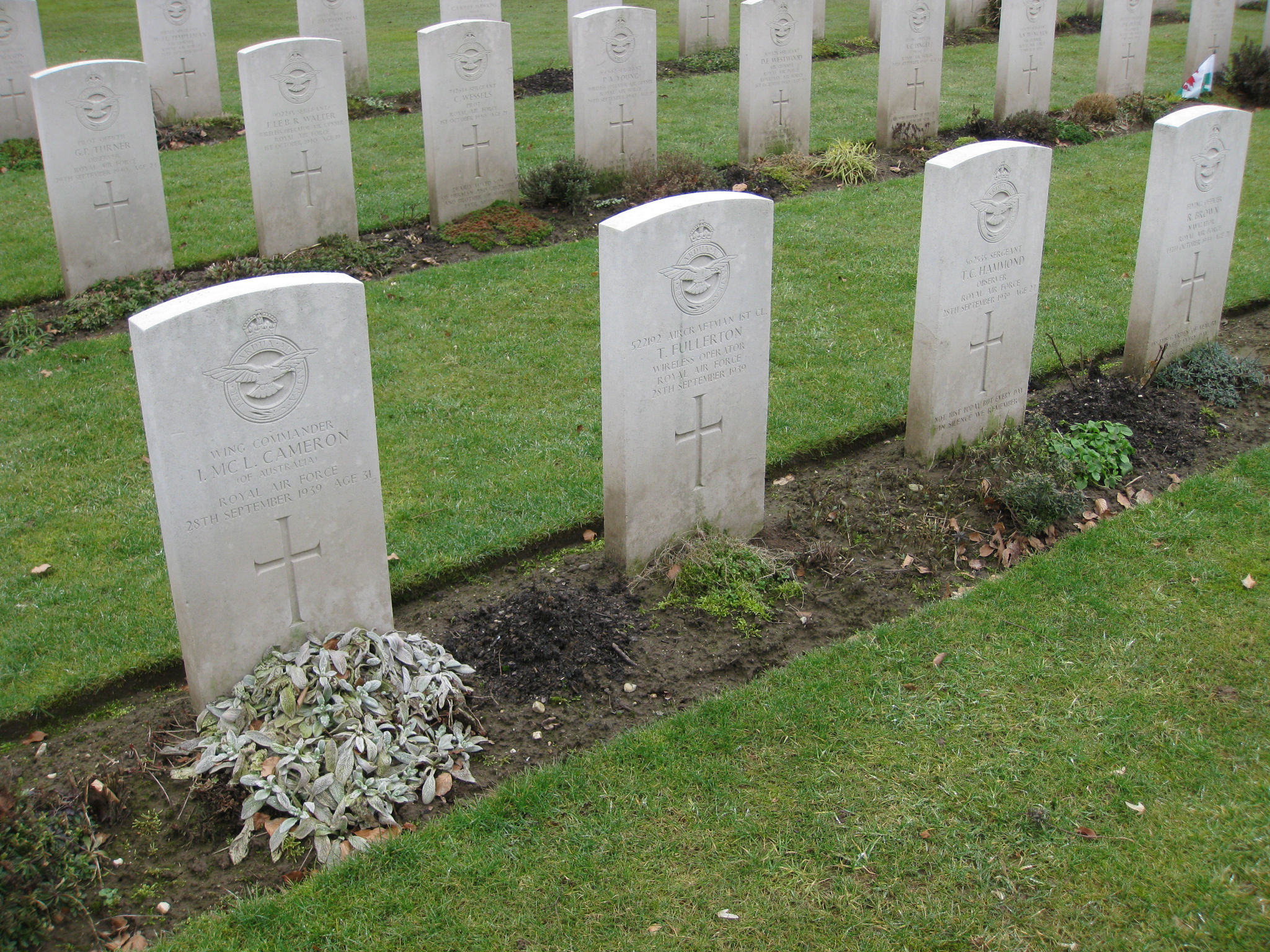
Here we have a photo taken by a German soldier depicting the graves of three Allied airmen who lost their lives in the skies over Germany.  These soldiers were likely recovered from their crashed plane and buried with full military honors by their German adversaries.  A Nazi laurel wreath can be seen in the left corner of the photo.

At the time, two of the airmen could be positively identified by the Germans; one body was unidentifiable.  One the left side of the burial plot lies Mr.Hammond whose RAF identification number was 562535RAF.  On the right side of the grave lies J. MCI. Cameron, Offr res 24225RAF.  The middle marker merely says , Engl. Flieger(English Airman).  On all three grave posts is written “Hier ruht ein Engl. Flieger – im luftkampf gefallen 28.9.1939 Vorden” – which translates as “here rests an English airman who died in aerial combat on 28.9.1939 Vorden(?)”.

With a little research it turns out that this crew belonged to the 110th RAF squadron.  They were flying a Bristol Blenheim type IV, number N6212 which crashed on September 28th, 1939 during a recon mission over Munster in the neighborhood of Kiel, Germany.  They were shot down by a German pilot named Klaus Faber, a feldwebel of the Ersten Abiteilung.  Jagdgeschwader Eins (1st Section of the 1st Fighter Group).

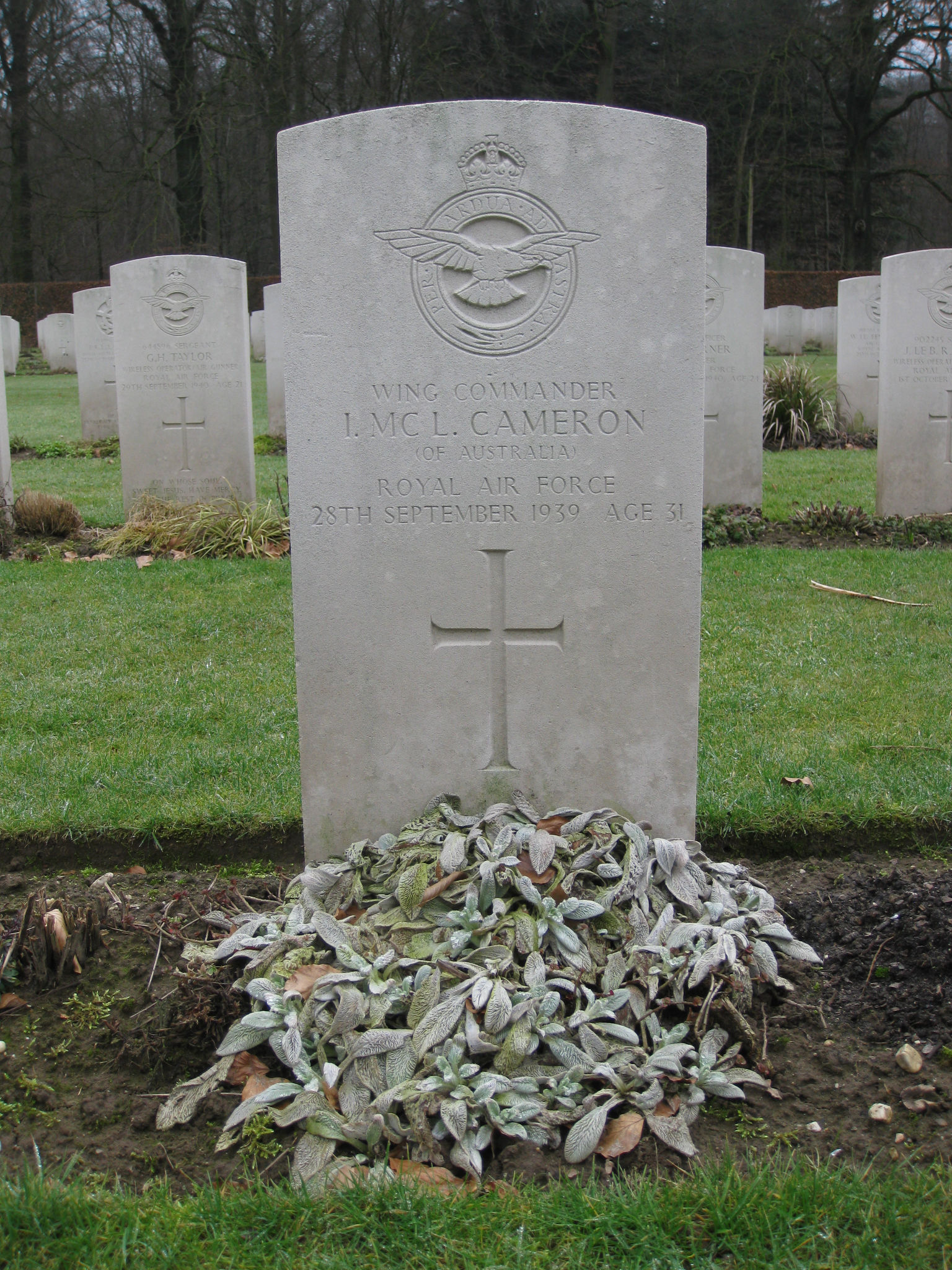
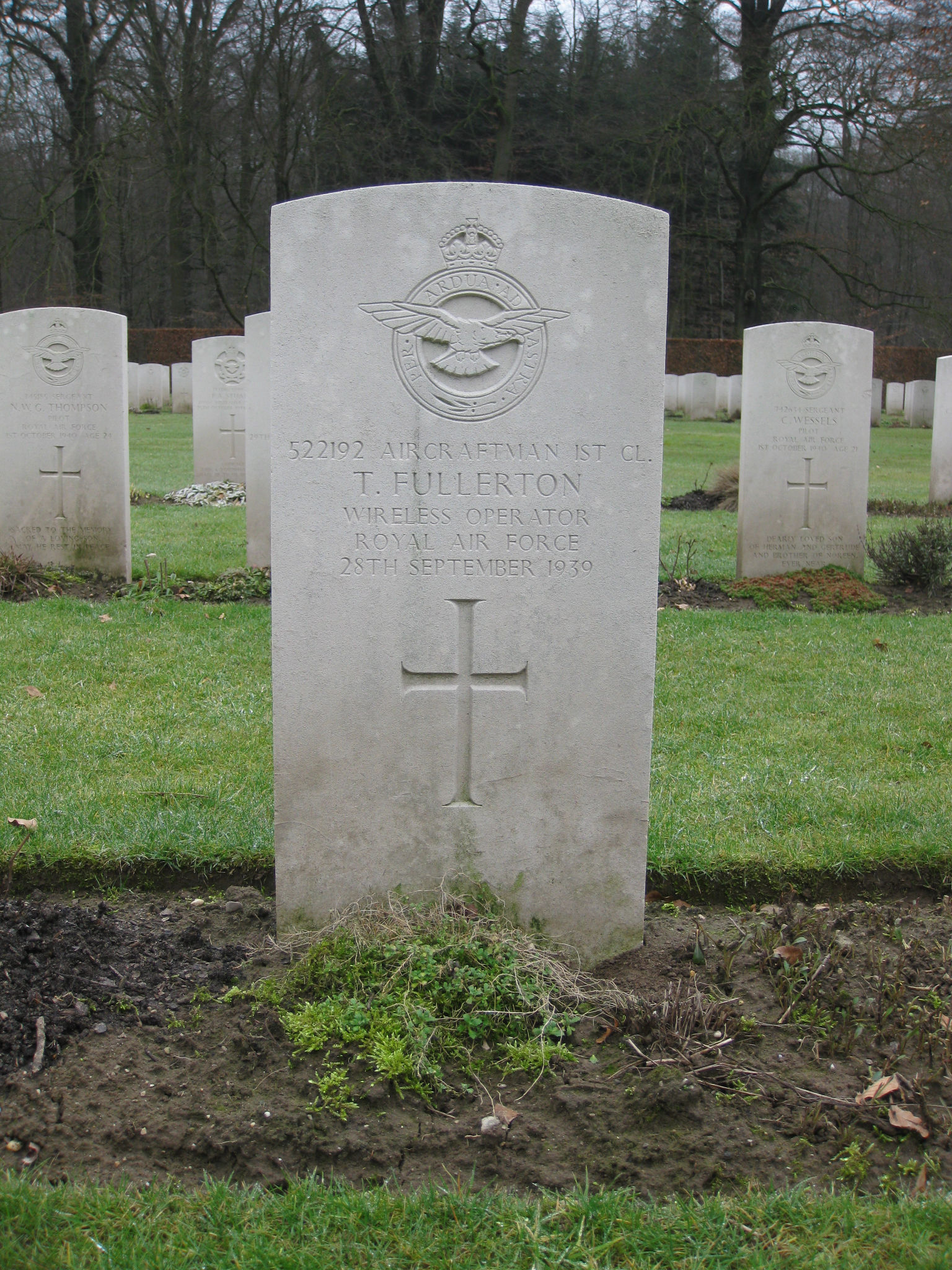
It turns out that the man buried on the right is wing commander Ivan McLoed Cameron, an Australian who, in fact, is the first Australian to die in action during WWII. The man to the left is Thomas Cecil Hammond, an Irishman.  The last grave belongs to Thomas Fullerton.

For more information regarding the crash, please check out the following website: http://ww2chat.com/biographies/5839-raf-australians-wing-commander-ivan-mcleod-cameron.html

After researching the photograph, Werner visited the current grave site in Kleve, Germany where the three men were reburied after the war.  He snapped some great photos and generously allowed for them to be posted here at PortraitsofWar.

Thanks Werner!

Reichswald Forest War Cemetery Gates

The Three Graves

Cameron's Headstone

Fullerton

Hammond


WWI Real Photo Postcard – Portrait Photo and Autograph of J. Warner Reed – 59th Pioneer Infantry Commander


A new addition to my collection comes in the form of an autographed French RPPC of the 59th Pioneer Infantry Regiment commander.  J. Warner Reed was a colonel with the Delaware National Guard during the Mexican Border War and later went on to form the 59th Pioneer Infantry of the 2nd Army.  Units from this regiment were engaged in road building, bridge building, and front line construction and improvement projects.


For more info on the 59th Pioneers – check out this website from the Delaware National Guard: http://delawarenationalguard.com/aboutus/history/firstworldwar/


Awesome WWII Catholic Chaplain Jeep – Negative/Photo – Willys Jeep in Germany 1945


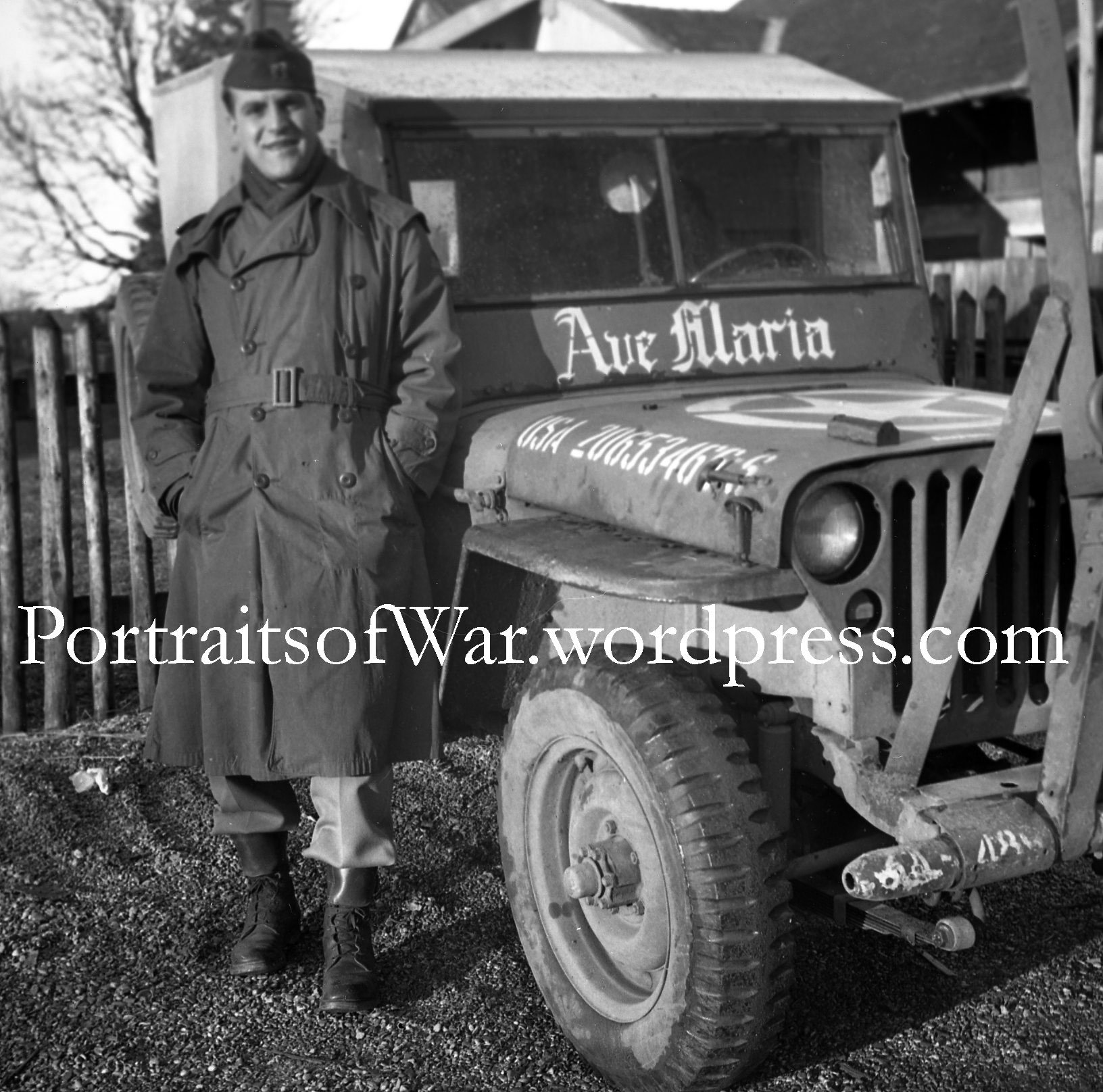
Guys like this make me proud to be Irish Catholic!  I have hundreds of negatives from this 9th Armored Division collection, many of them related to Chaplain services during WWII.  The collection includes 20-30 shots of this same jeep – gotta’ love the name!  Ave Maria.

See the bar projecting above the front of the hood?  It was created to cut wires that may have been strung across French and German roads in order to decapitate US soldiers.  Ouch!


Captured German U-Boats in Portsmouth, New Hampshire – May 1945


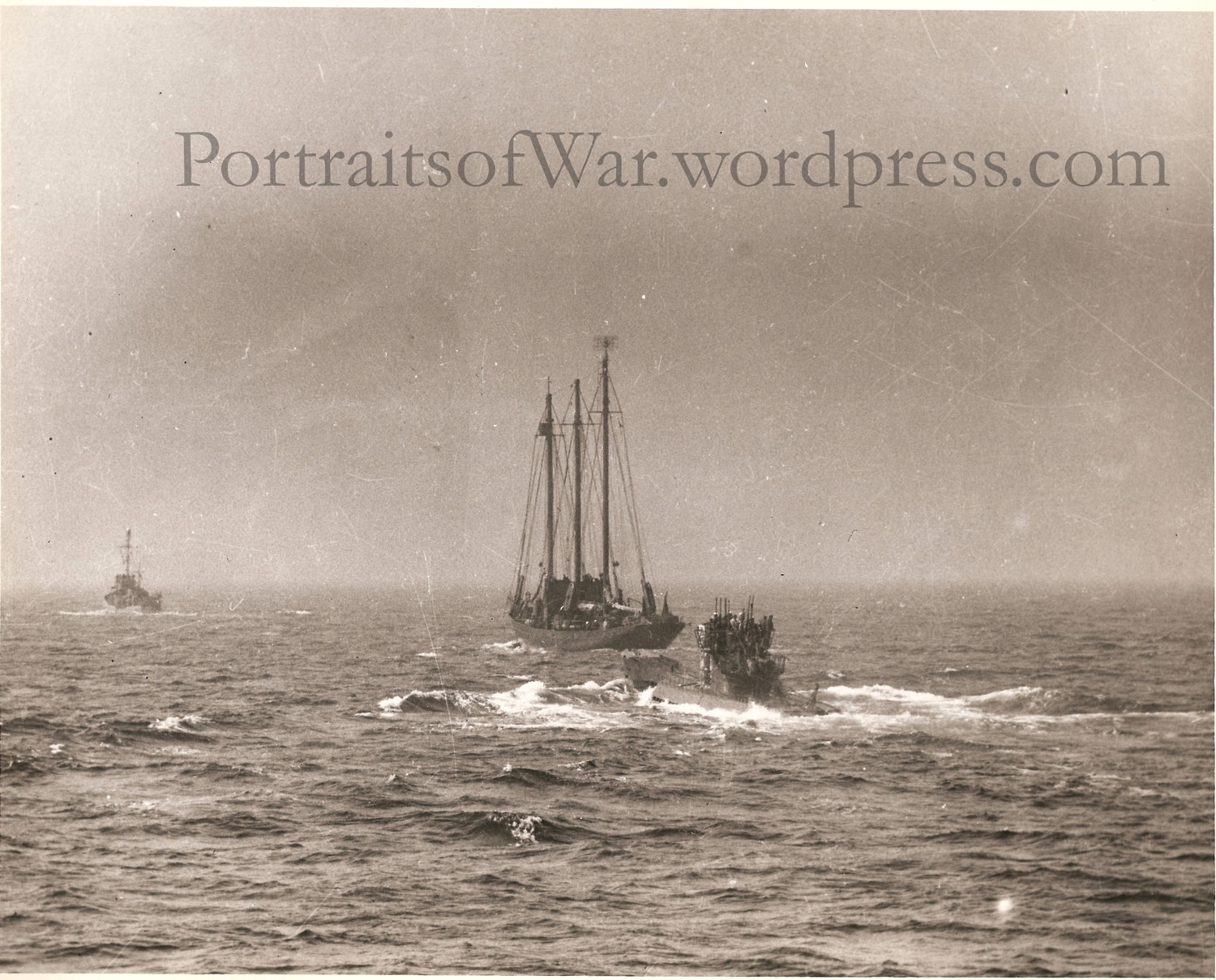
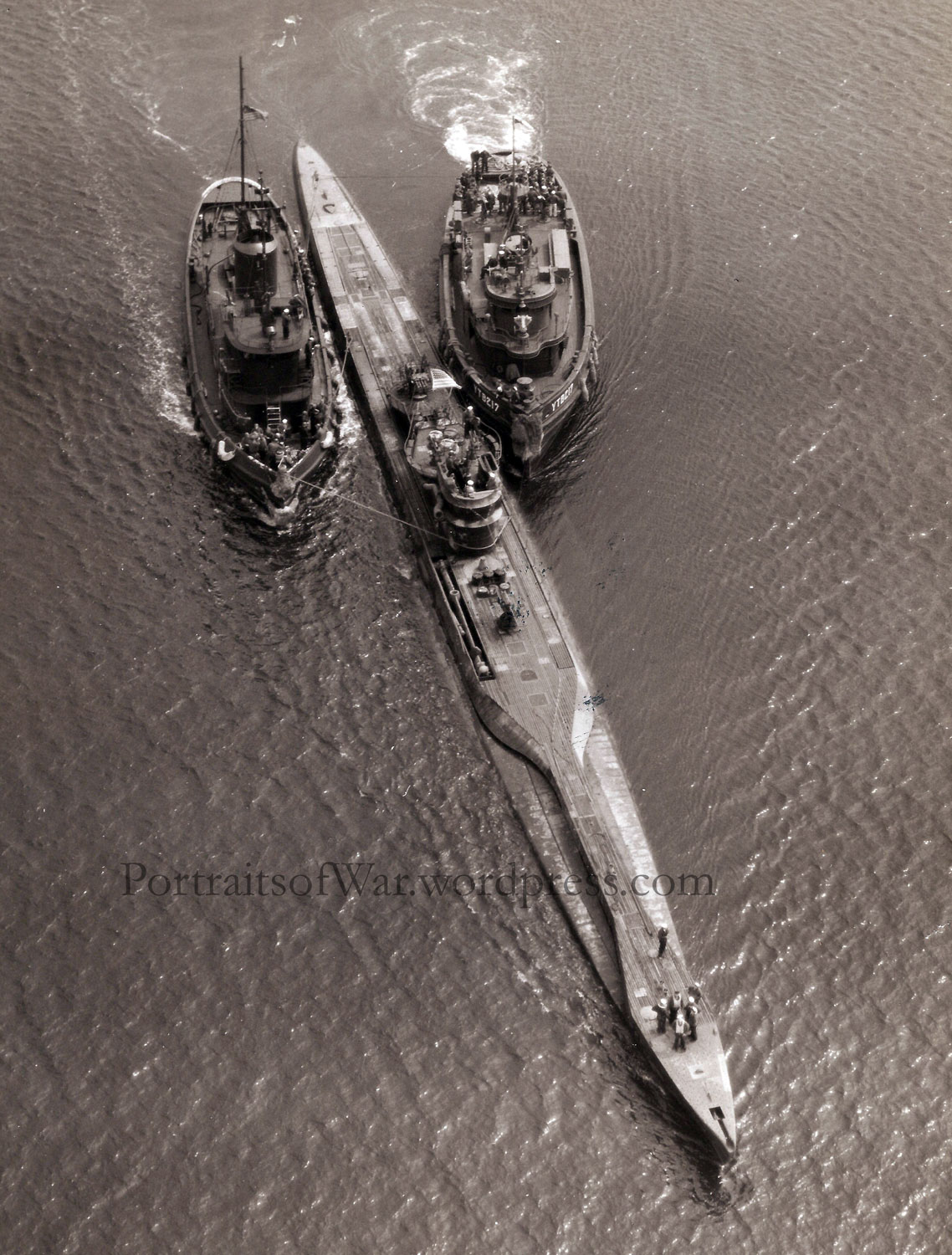
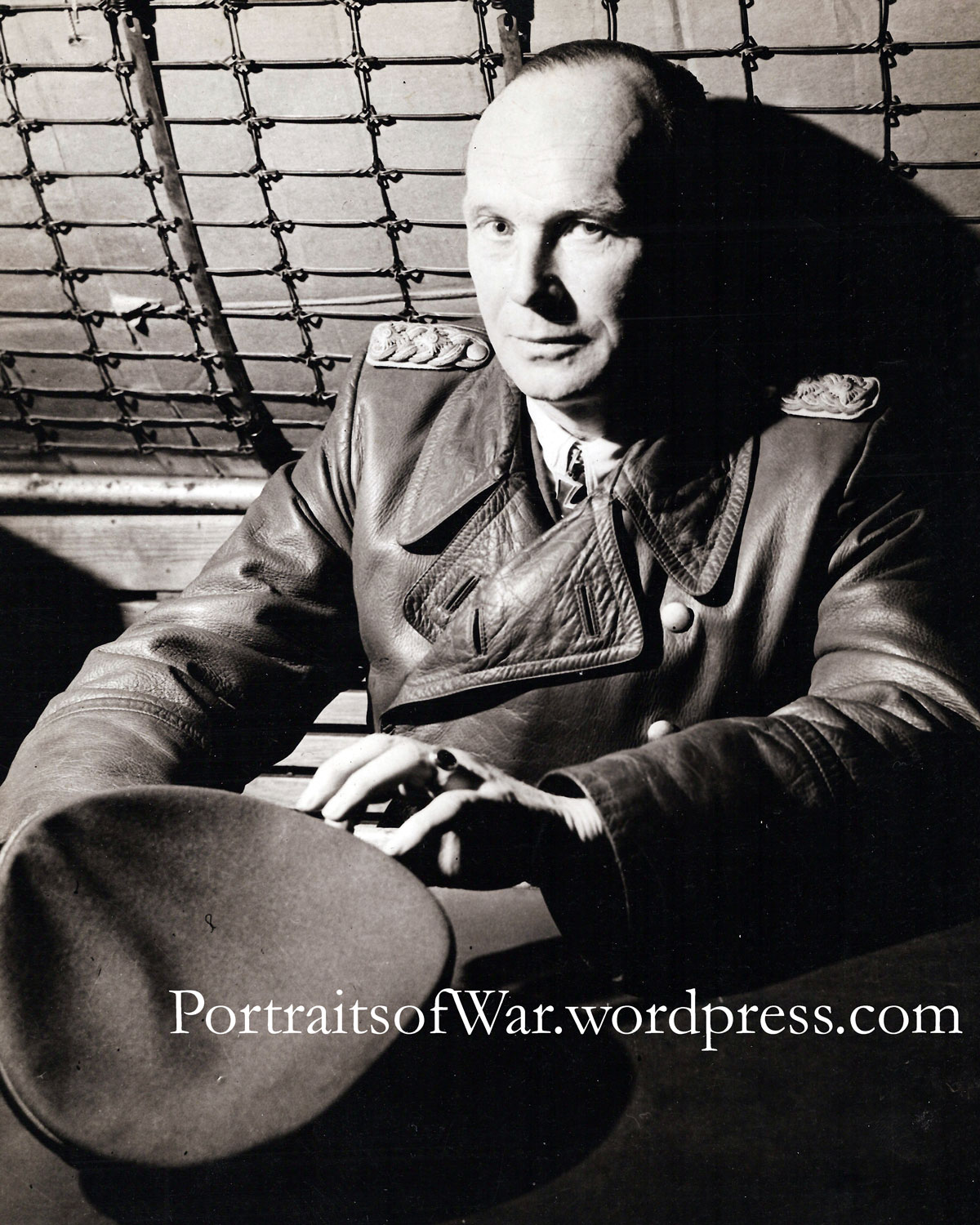
Who knew that the US captured a series of German U-Boats during the tail end of WWII?  I had no idea until I picked up a rare collection of 24 photos that belonged to a member of the original prize crew for one of the U-Boats.  The photos are incredibly detailed with crisp focus and in a large 8X10 format.  They show the capturing of U-234 and the subsequent arrival in port in Portsmouth, NH.  Also pictured in the grouping (not all posted here) are Captain Fritz Steinhoff and Luftwaffe General Ulrich Kessler.  Steinhoff actually ended up committing suicide in a Boston jail with the aide of a broken glasses lens. A wartime news article about the suicide can be found here.  Ulrich Kessler was delivering a load of Uranium and a set of German jet planes to an undisclosed South American country when the captain decided to surrender.  An amazing collection for sure.


Ulrich Kessler


Captain Steinhoff