WWI Photo Collection – 31st Railway Engineers in France


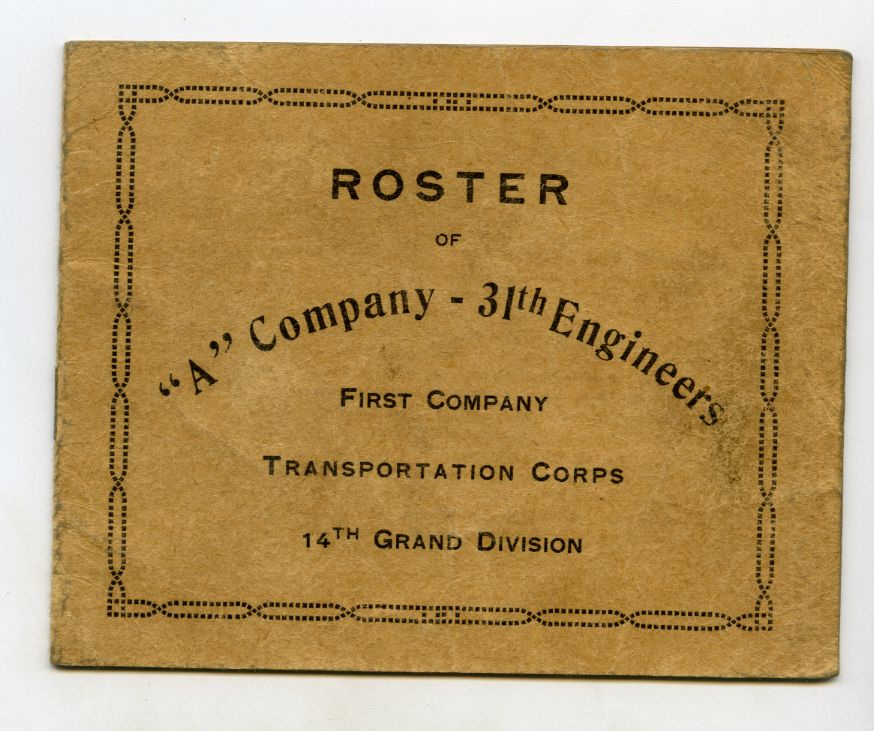
I love collecting WWI albums and named photo groupings.  They are much harder to come by compared with the relatively plentiful single photo purchases.  In this case, I was able to come across a wonderful grouping of photos from the grandson of a WWI 31st Engineer veteran.  I promised to post the photos on the site to help raise interest in this obscure unit and help bring this man’s photos to the digital world.  Digital preservation allows thousands of viewers to enjoy images that would otherwise be relegated to the corner of a dusty upstairs closet.  I will do my best to describe what I can about the unit and share a few biographical vignettes.

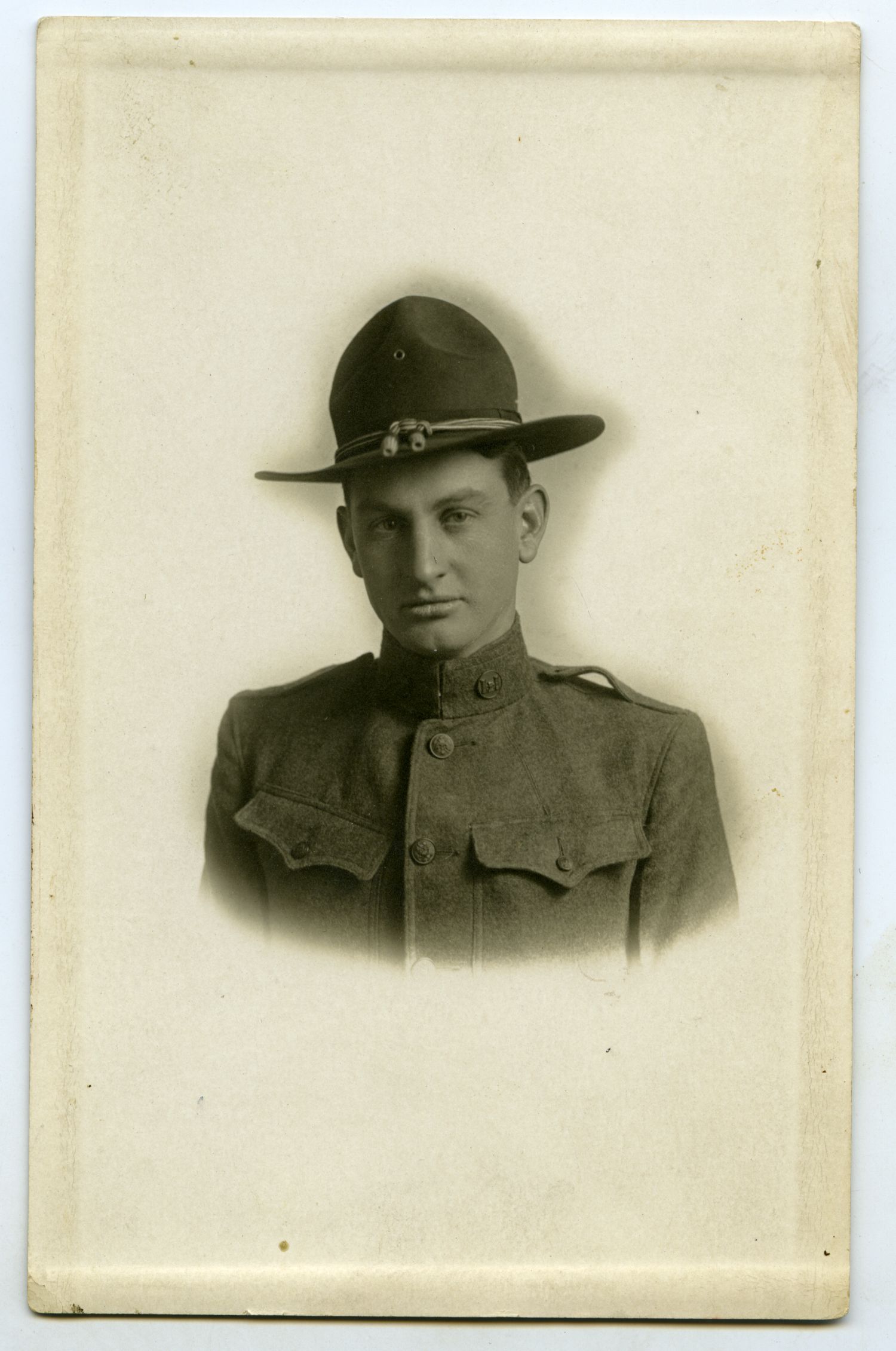
Pvt. Herbert Conner posed in France

Pvt. Conner


“My grandfather was born in 1892 in Fordsville, Kentucky later the family moved to Amity Oregon and later to St Helens, Oregon. As a young man he was a prizefighter(that what they called them in those days). He was a logger for awhile later he went to work in Portland, Oregon for the railroad before the war  and after the war he continued with the railroad for over forty years as a fireman and an engineer. He never owned a car and the station was about two blocks from his house and Kelly’s Bar and the grocery store were across the street from work  so I guess he felt he didn’t need one. He passed away in 1968.

Grandpa was very proud to have served in World War 1. I do not believe he was in combat. The 31st engineers provided supplies and transported troops. The only story I can remember when he was on guard duty in France and a soldier had gone awol for the night, apparently celebrating and didn’t know the password or had forgotten it and Grandpa felt sorry for him and let him back in the camp. It has been such a long time ago there were probably other things that happened that I can’t remember right now. He must have spent some time at the French Riviera and Monte Carlo because there was a lot of postcards from that area and one postcard to his brother had him on the Italian Riviera for awhile.”

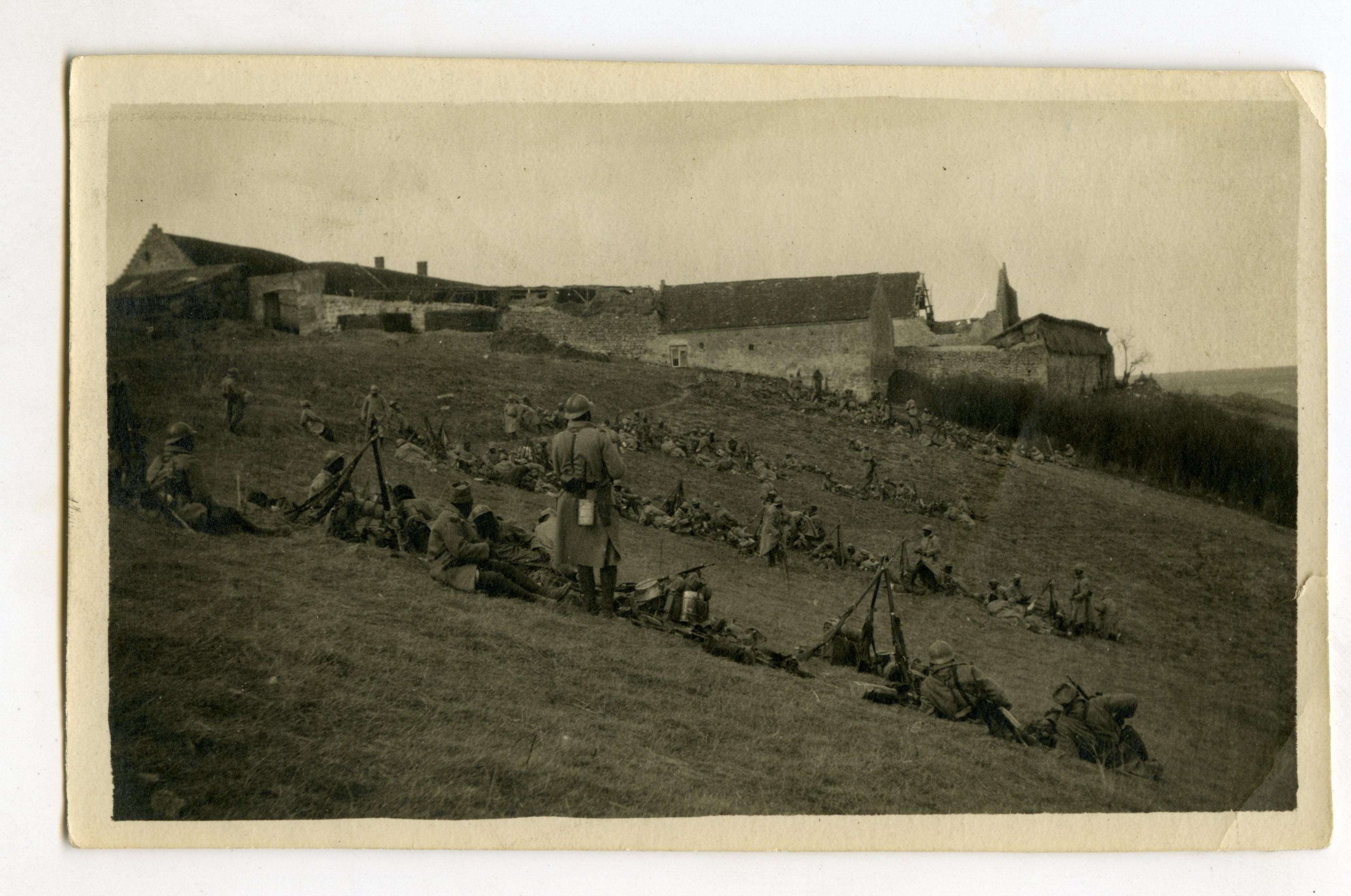
Some Guys from A Company

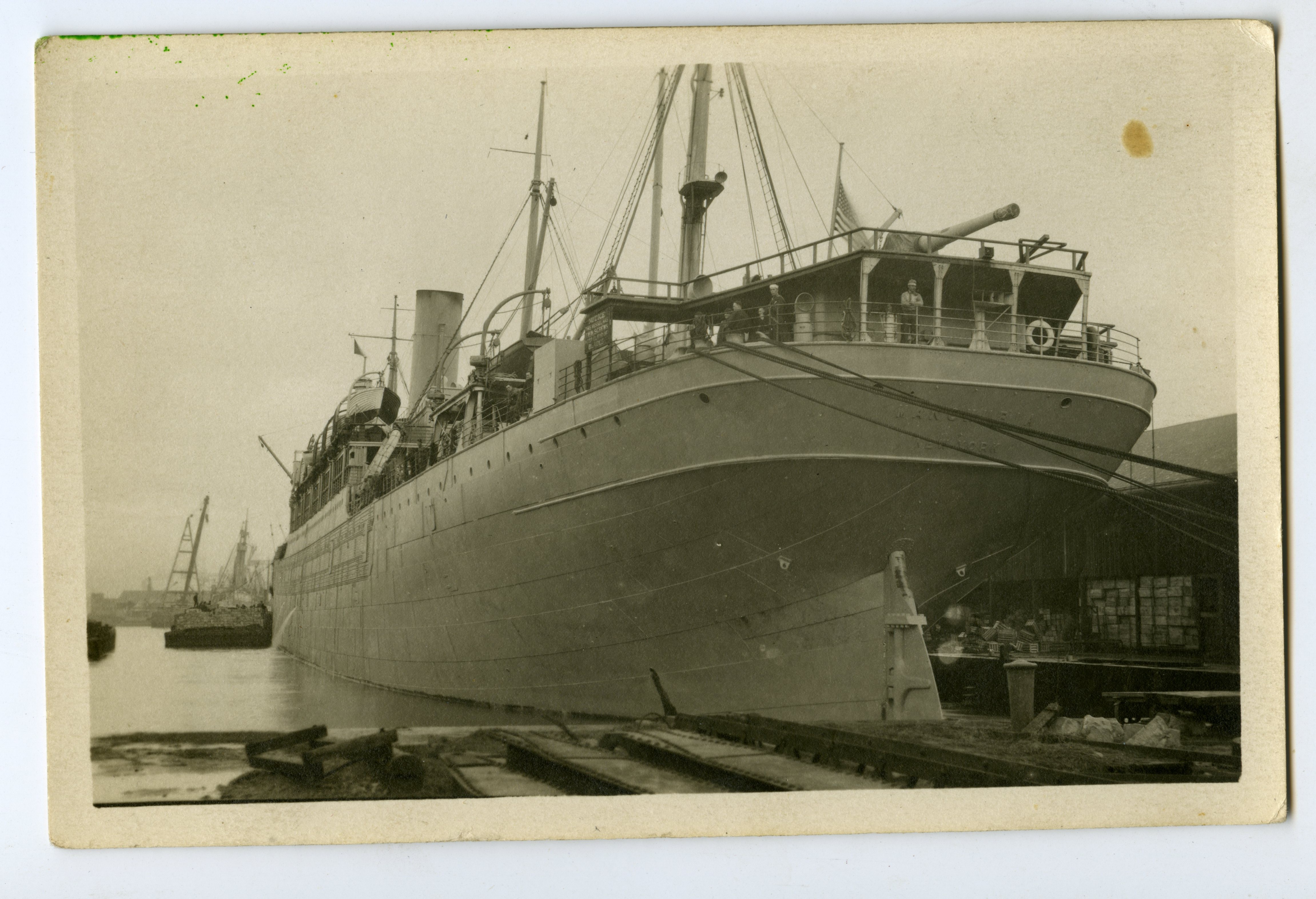
SS Manchuria in Port (Not the return ship for the 31st)

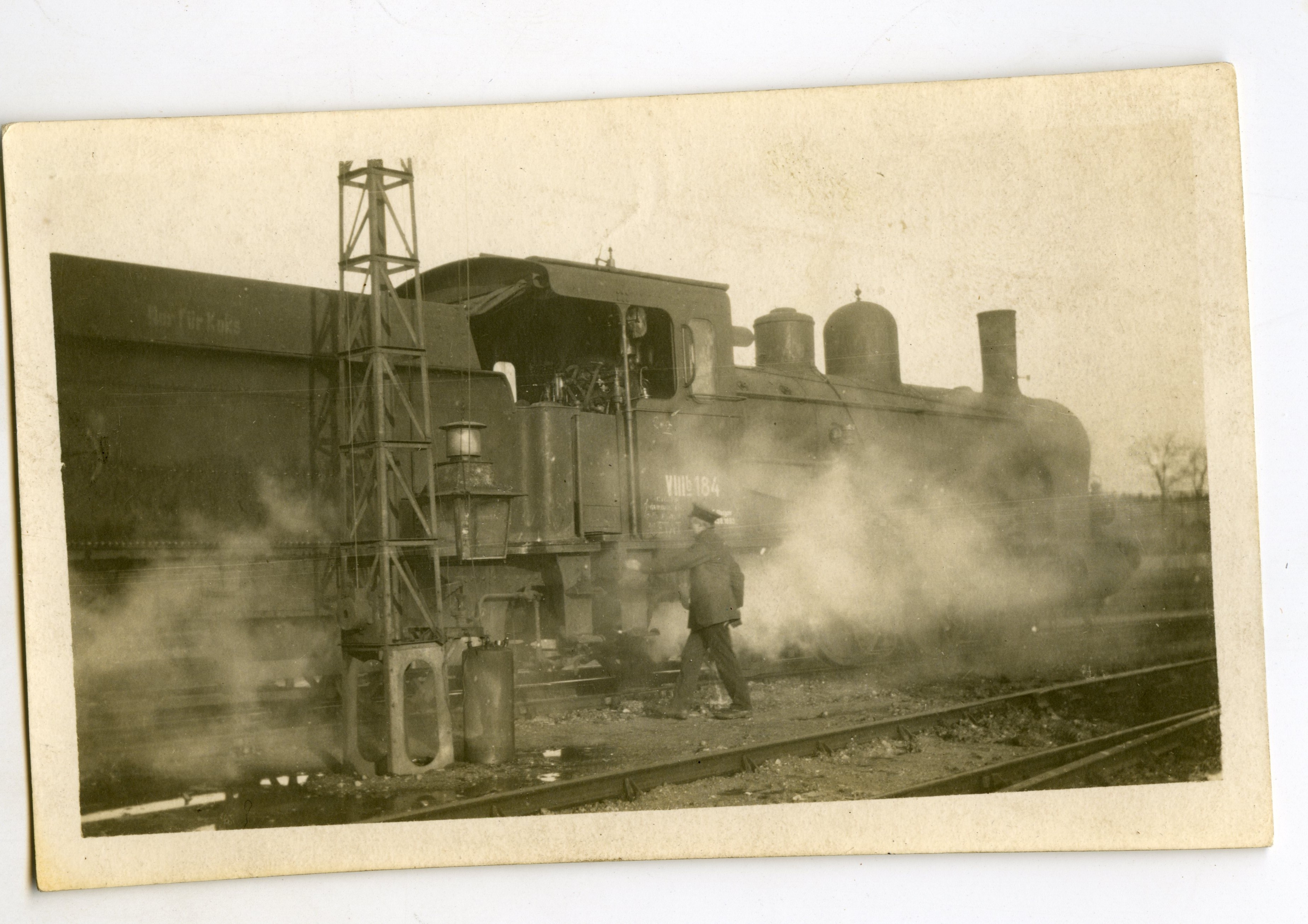
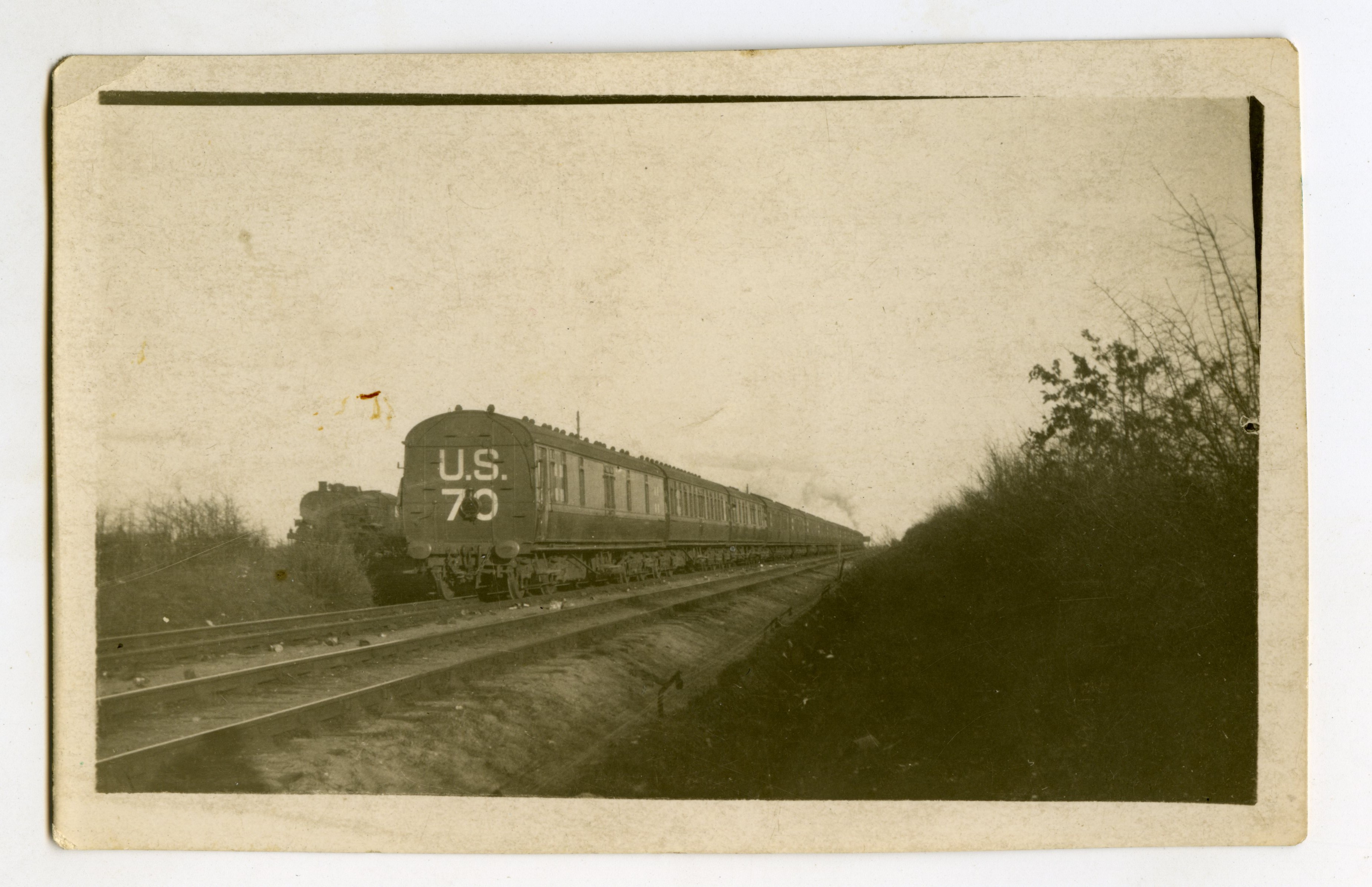
Hospital Train

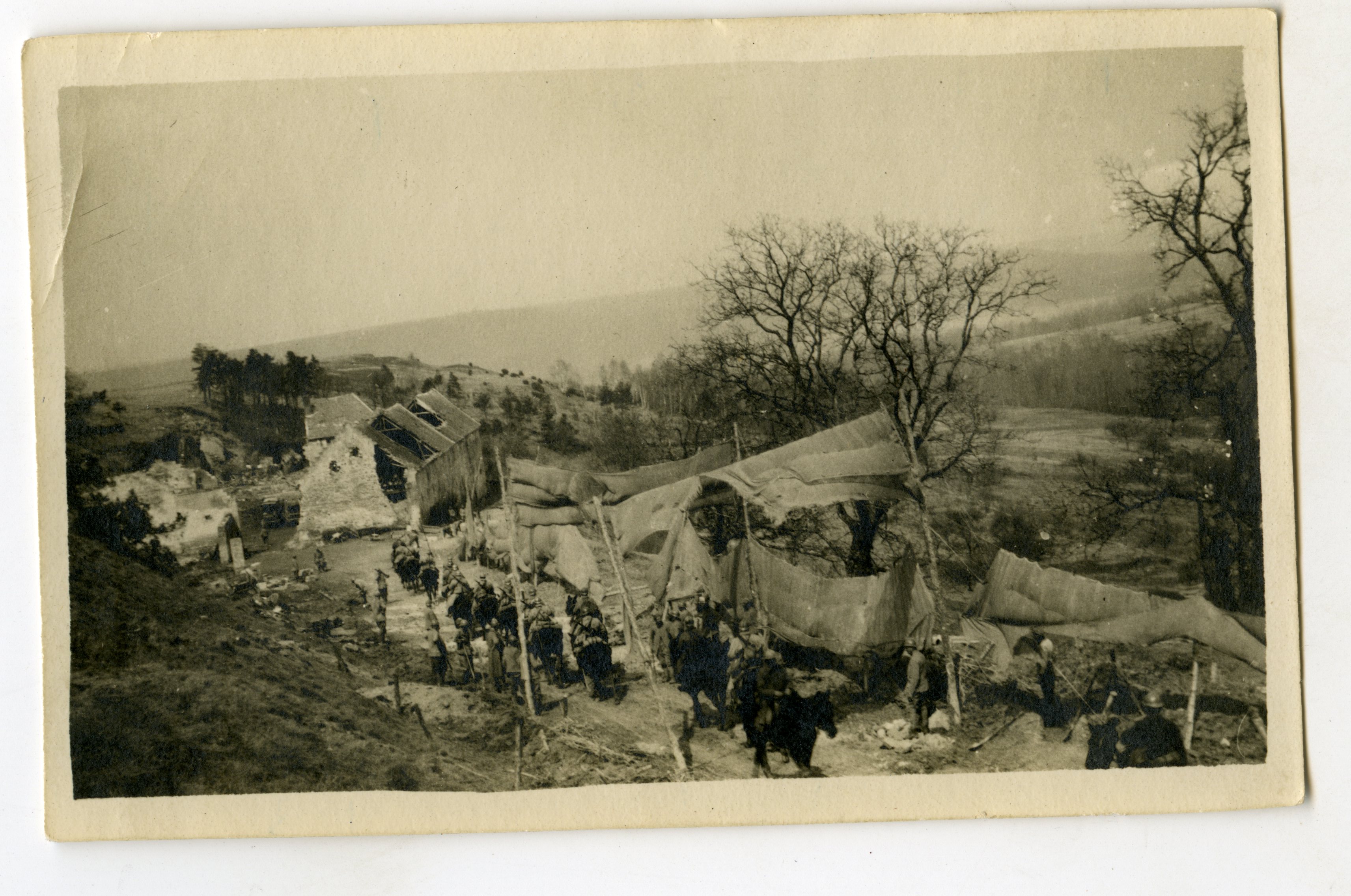
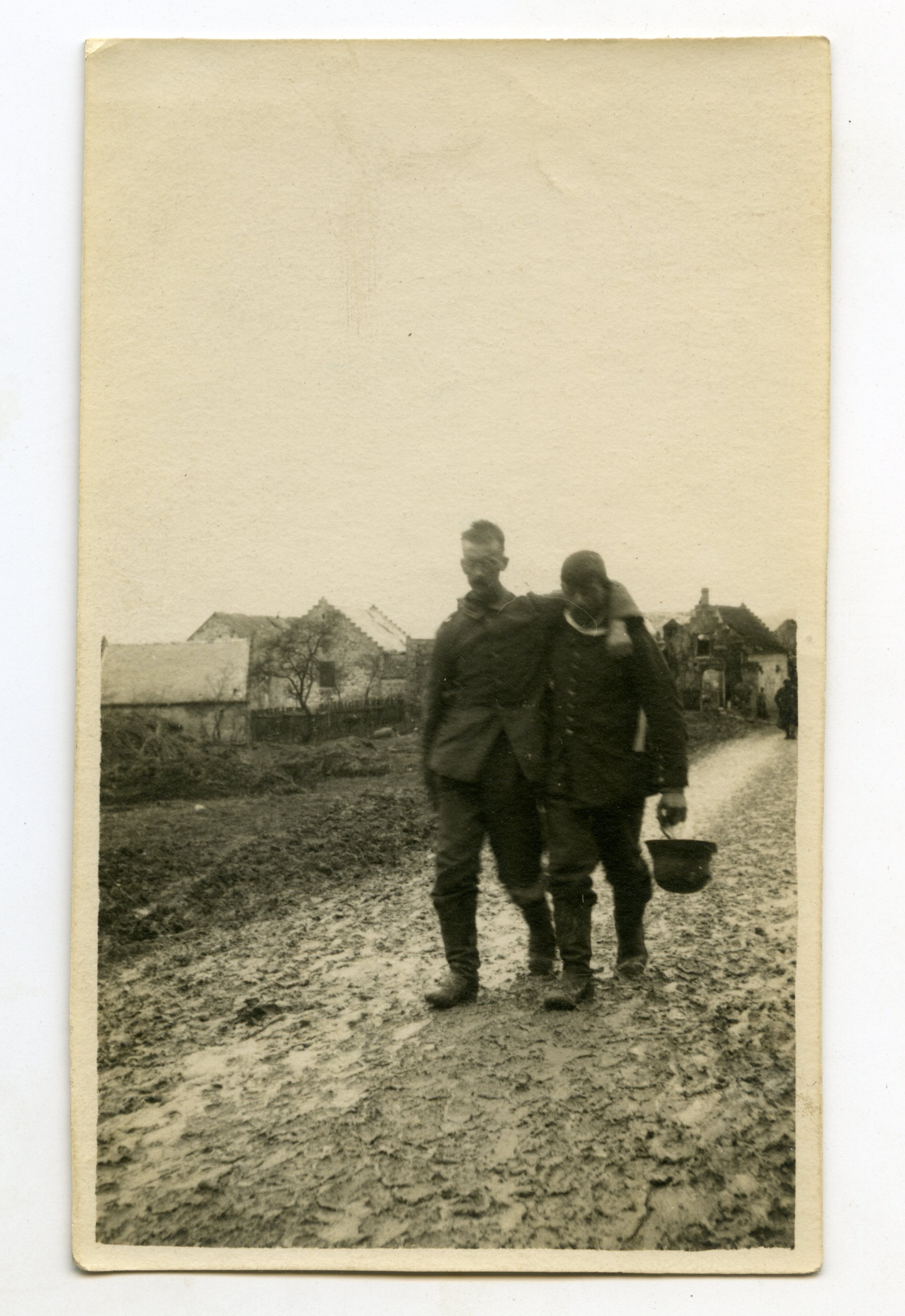
German Prisoners

Check back for updates…………….

Post-WWII Photo Negative – 82nd Division Paratroopers in Downtown Fayetteville, NC


A series of post-WWII negatives from the 82nd Airborne Division is keeping me busy at the V700 Scanner!  Nearly 200 superb images of life in and around Fort Bragg in the years between 1943 and 1948 keep me clicking the SCAN button.  These photos were taken in a downtown Fayetteville diner in 1947.  Love the stereotypical activity in the background. Check out the prices on the sandwiches – Twenty cents?   WHAT?  Also, apparently everyone drank coffee upside down in the 1940s……………….

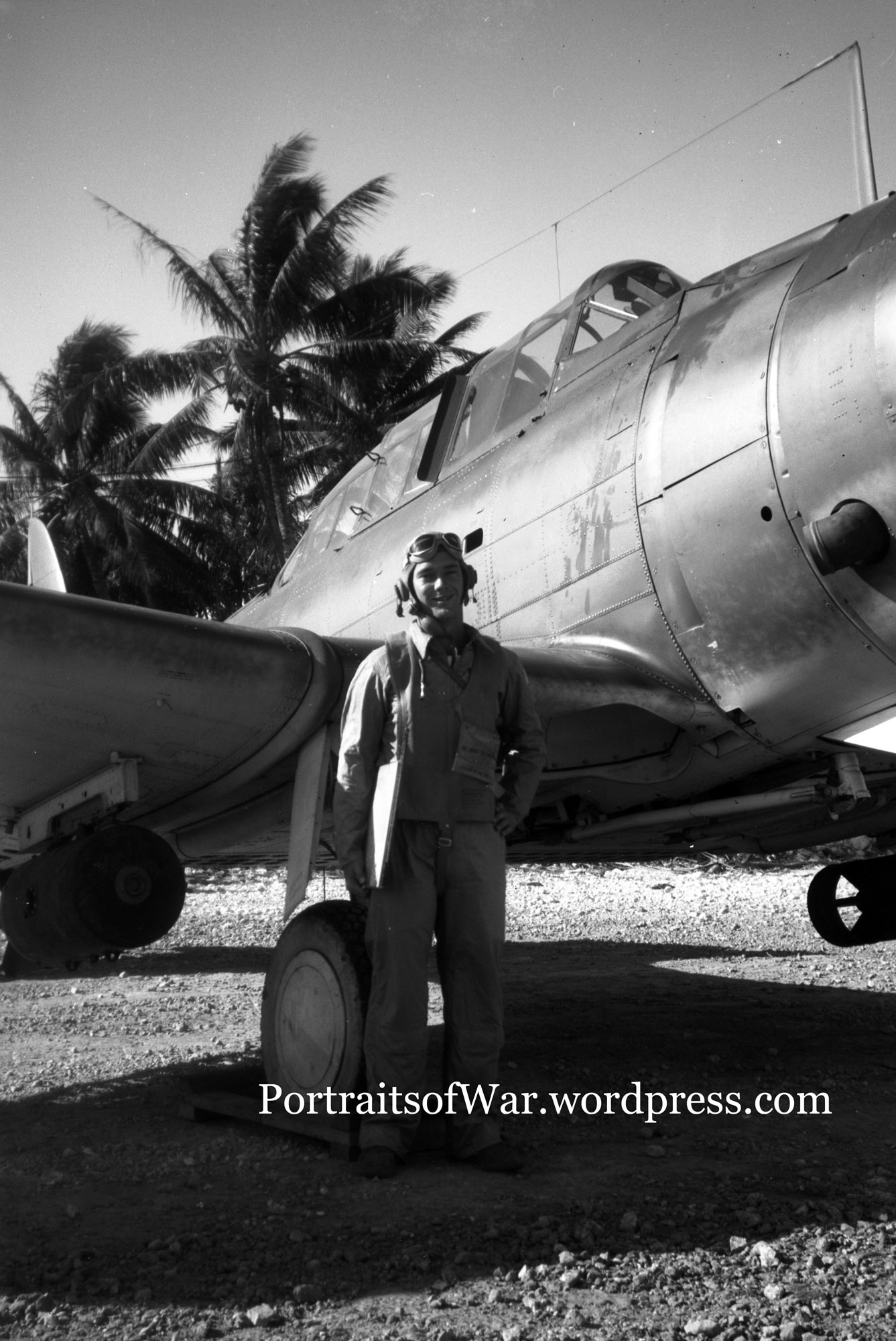
WWII USMC Marine Corps SBD Dauntless VMSB-231 Pilot and Dive Bomber on Majuro, Marshall Islands


An eBay seller recently posted an anomalous grouping of negatives online.  The photos were reportedly from the collection of a US ETO fighter pilot, but were clearly taken in a tropical location.  My BS radar went off, and I placed a single bid on one of the “better” images.  After the negative arrived (2.5 by 3.5 in original glassine envelope), I was able to extract a bit more info; although the man posed in the photo is still a mystery.  His name appears to be Jud – and I’ve narrowed down the unit info to place him as a pilot with the VMSB-231 station on Majuro in the Marshall Islands in 1944.  I’ve contacted the seller to track down more shots from this historic grouping.

The VMSB-231 stands for Marine Scout Bombing Squadron # 231.  They were known as the “Ace of Spades” and can sometimes be seen sporting spade insignia on their planes.  The unit was responsible for dive bombing Japanese shipping and freight.  The SBD was a radial engined dive-bomber that was extensively used in the early portion of the US involvement in the PTO.  Here’s a good site regarding the SBD: http://science.howstuffworks.com/douglas-sbd-dauntless.htm


Some technical data on the SBD:

Douglas SBD Dauntless Specifications

Wingspan: 41 ft. 6-1/2 in.

Length: 33 ft. 1-1/2 in.

Height: 13 ft. 7 in.

Empty Weight: 6,500 lbs

Gross Weight: 10,700 lbs

Top Speed: 252 mph

Service Ceiling: 26,100 ft.

Range: 1,100 miles

Engine/Horsepower: One Wright R-1820/1200

Crew: 2

Armament: Two .50-inch Browning machine guns in the nose; two .50-inch Browning machine guns flexibly mounted in the rear cockpit; 1,600 lbs of bombs under fuselage; 650 lbs under the wing

WWII German Snapshot Photo – RAF Gravestones in Germany 1939 – 1st Australian Soldier Killed in Action


Today’s post comes from a loyal PortraitsofWar follower from the Netherlands.  He recently stumbled across a single snapshot at a Dutch flea market and did some savvy investigative work to tease out the historical significance.  Thanks Werner!

Wartime German Snapshot of the Graves

Begraafplaats Engelse Vliegeniers

By: Werner Peters

Here we have a photo taken by a German soldier depicting the graves of three Allied airmen who lost their lives in the skies over Germany.  These soldiers were likely recovered from their crashed plane and buried with full military honors by their German adversaries.  A Nazi laurel wreath can be seen in the left corner of the photo.

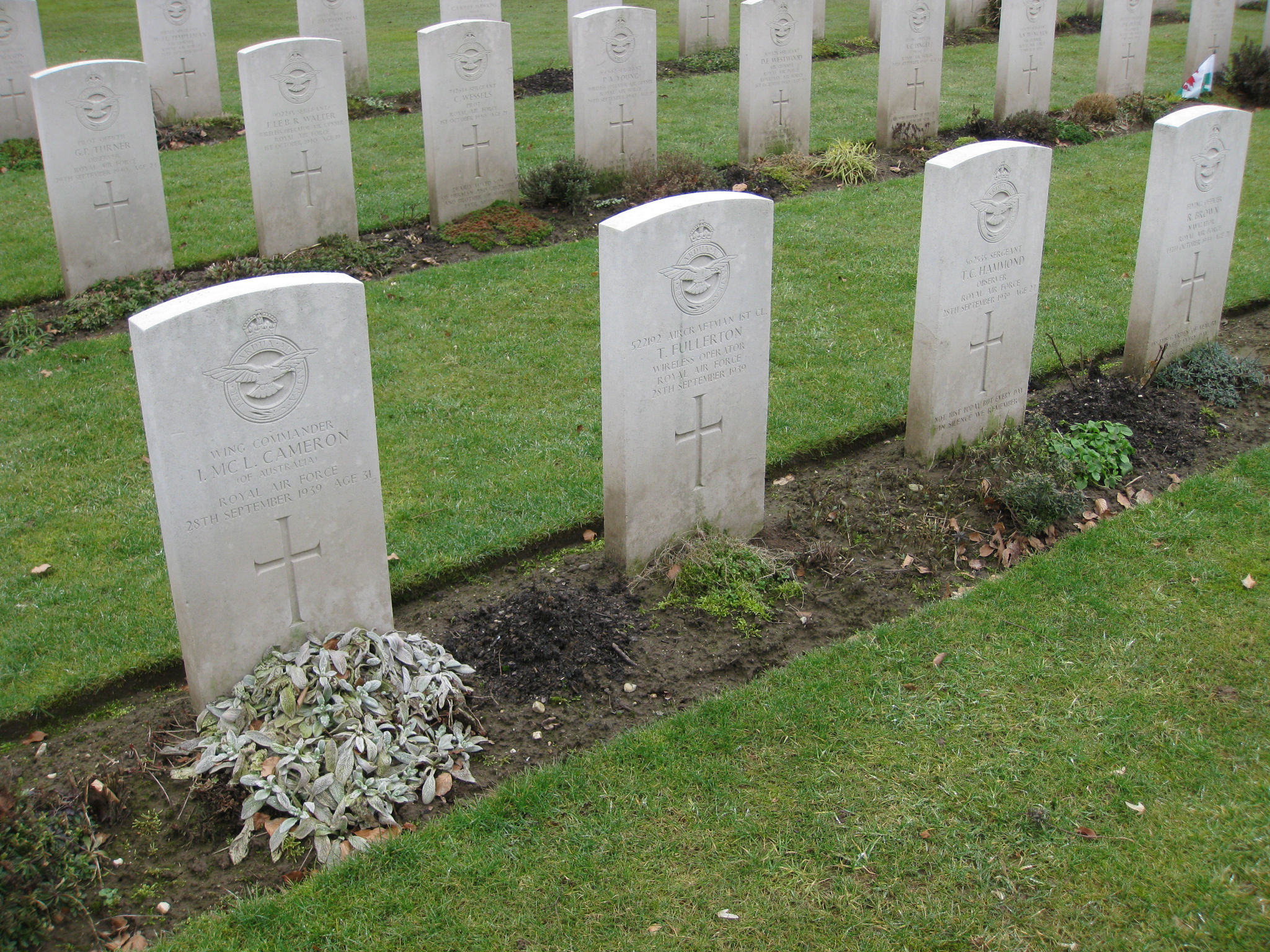
At the time, two of the airmen could be positively identified by the Germans; one body was unidentifiable.  One the left side of the burial plot lies Mr.Hammond whose RAF identification number was 562535RAF.  On the right side of the grave lies J. MCI. Cameron, Offr res 24225RAF.  The middle marker merely says , Engl. Flieger(English Airman).  On all three grave posts is written “Hier ruht ein Engl. Flieger – im luftkampf gefallen 28.9.1939 Vorden” – which translates as “here rests an English airman who died in aerial combat on 28.9.1939 Vorden(?)”.

With a little research it turns out that this crew belonged to the 110th RAF squadron.  They were flying a Bristol Blenheim type IV, number N6212 which crashed on September 28th, 1939 during a recon mission over Munster in the neighborhood of Kiel, Germany.  They were shot down by a German pilot named Klaus Faber, a feldwebel of the Ersten Abiteilung.  Jagdgeschwader Eins (1st Section of the 1st Fighter Group).

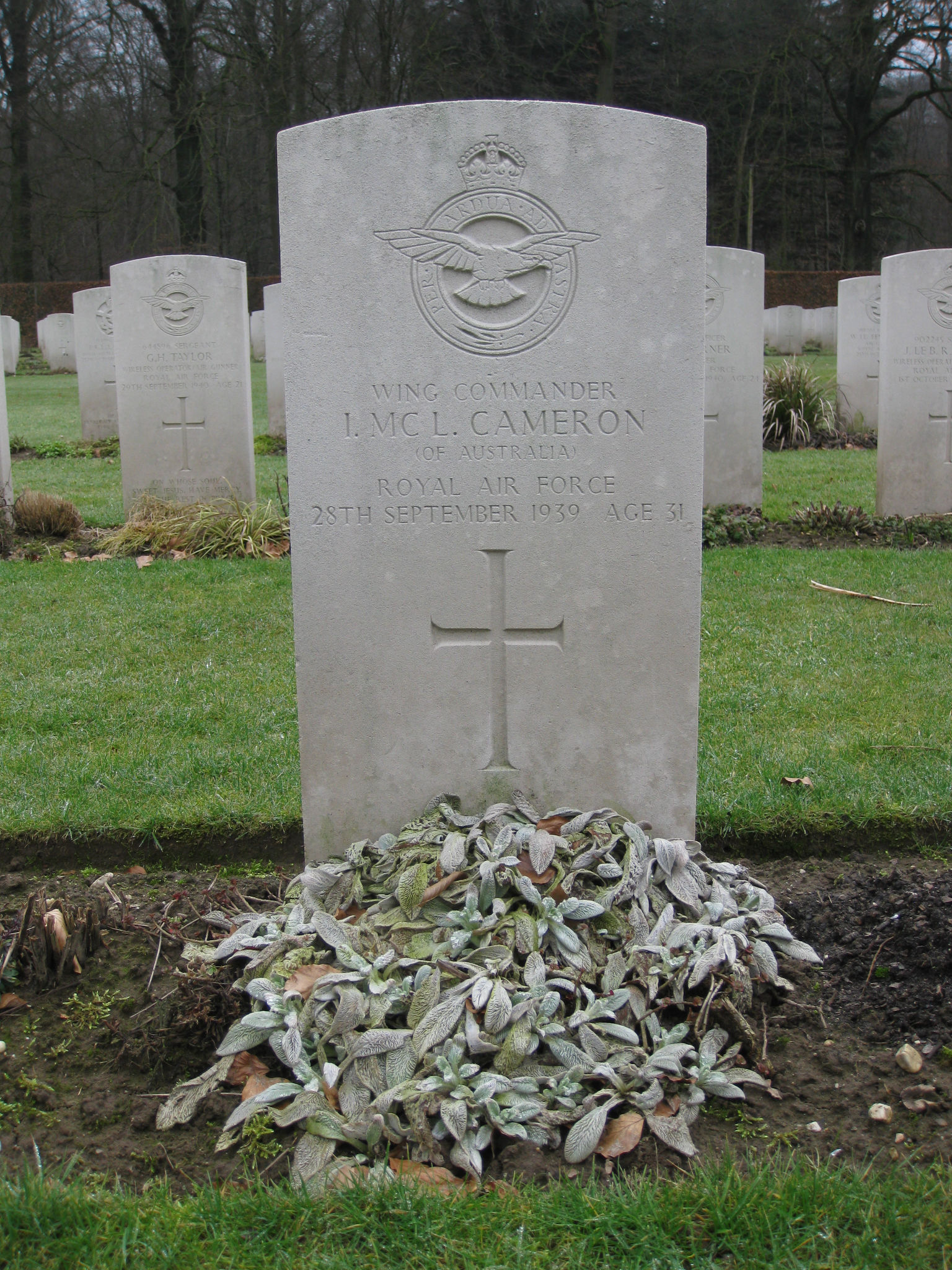
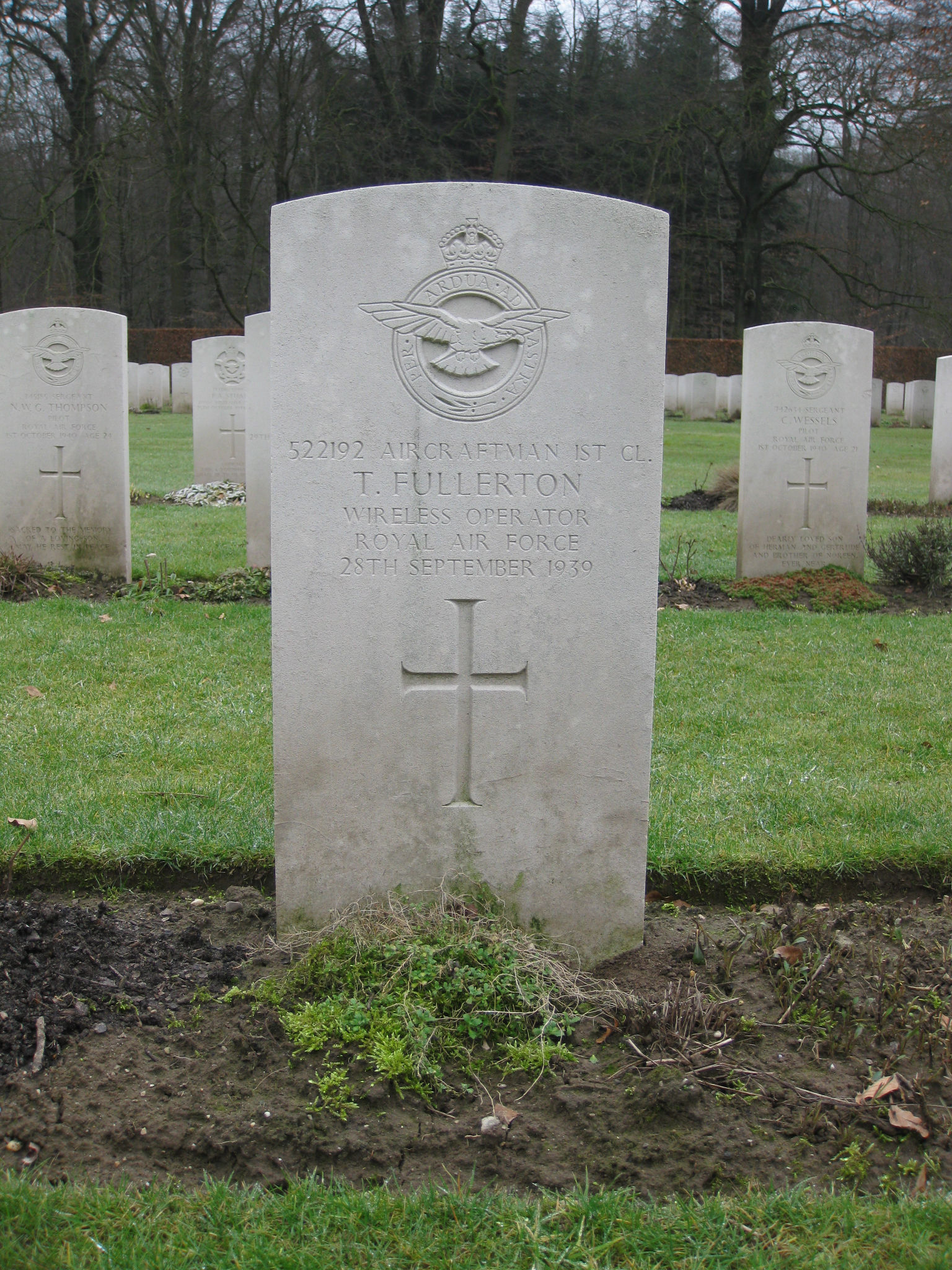
It turns out that the man buried on the right is wing commander Ivan McLoed Cameron, an Australian who, in fact, is the first Australian to die in action during WWII. The man to the left is Thomas Cecil Hammond, an Irishman.  The last grave belongs to Thomas Fullerton.

For more information regarding the crash, please check out the following website: http://ww2chat.com/biographies/5839-raf-australians-wing-commander-ivan-mcleod-cameron.html

After researching the photograph, Werner visited the current grave site in Kleve, Germany where the three men were reburied after the war.  He snapped some great photos and generously allowed for them to be posted here at PortraitsofWar.

Thanks Werner!

Reichswald Forest War Cemetery Gates

The Three Graves

Cameron's Headstone

Fullerton

Hammond


WWII Photo – Celebrity Journalist Ernie Pyle Casual Snapshot – North Africa


Casual followers of this blog (as well as some dedicated followers) will know that I’m obsessed with casual snapshots of celebrities during the war.  I’m more interested in obscure personalities that rarely show up on eBay.  My collection includes shots of Spike Jones, Joe Brown, Frank Sinatra, Ernie Pyle, and Lee Marvin.  A few months back I  was lucky to add another shot of famed WWII journalist Ernie Pyle to my collection.  Sorry for the delay!


WWI 42nd Division Doughboy Sends Home a Real Photo Postcard


Ever wonder how doughboys sent their photo postcards home?  I actually don’t own a single example of a postmarked photo postcard from the war, but recently came across a grouping that contained an envelope and postcard sent home by a 42nd Division soldier.  A member of the 151st Field Artillery, Frank Svec sent home a studio portrait shot of himself.  Not incredibly rare, but a good example of how WWI photos were sent during the war.  The 42nd Division is one of my favorite divisions, so this is an addition “kicker”.

WWI Wounded 78th Division Soldier – Exciting Research Update!


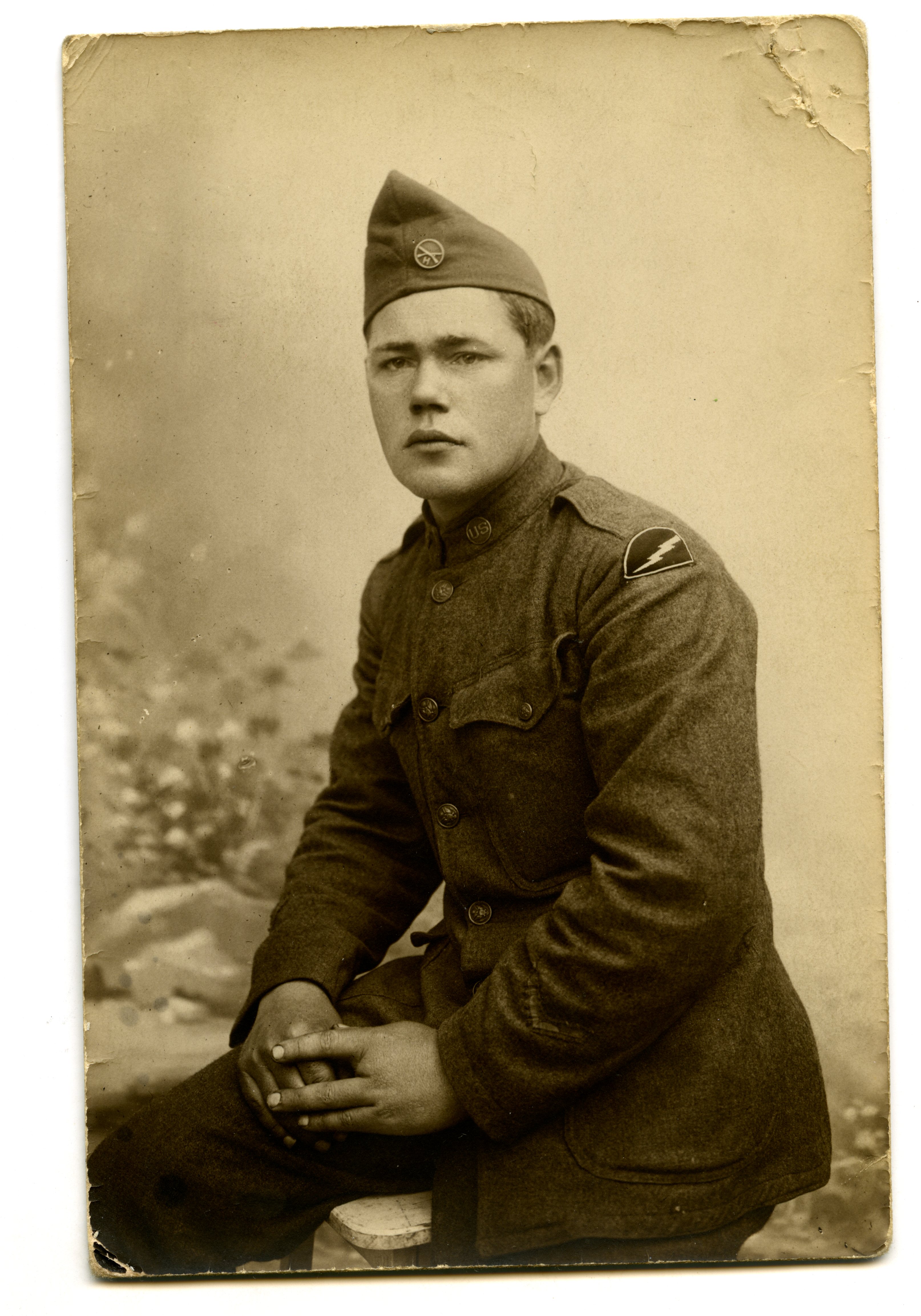
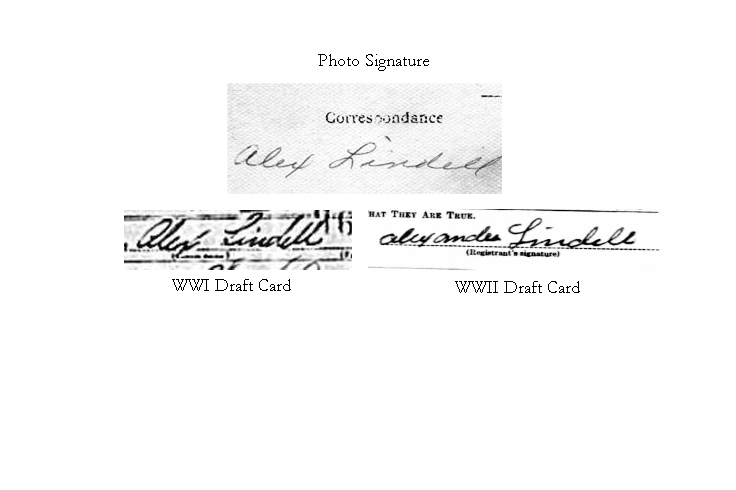
I’ve been recently turned on to the magic of ancestry.com, one of the best tools for researching WWI images I’ve yet to discover. I decided to start a search for one of the names written on the back of one of my better WWI images. Alex Lindell poses in his WWI French portrait photo showing off his missing finger – likely a battle wound received on October 18th, 1918 while he was with the 309th Infantry Regiment (78th Division) during the Meuse-Argonne Offensive. After a search of draft cards through the National Archives, I came across a pair of WWI and WWII draft cards with the presumed identity of Alex Lindell. After comparing the signatures on both my photo and the draft cards, I realized I had a match! Success! His ASN was 2451963.

Alex served in Company H, 309th Infantry Regiment, 78th Division and was originally born in Oeland, Finland but eventually ended up in Brooklyn, NY. He was born on May 5th, 1889 and passed away just shy of the age of 61 on April 11th. 1950 where he was buried in Long Island National Cemetery. He was listed as being severely wounded in action on October 18th, 1918 where he presumably lost his finger as seen in the below photo.

50832936_397060720865632_6570596971222925312_n

Photo Colorized by the Photo Alchemist

Signature on Obverse


WWI Draft Card


WWII Draft Card


Signatures Compared

20120205-224310.jpg

Alexander’s WWI Veterans Burial Card
Footage of the 78th Division during the Meuse-Argonne Offensive

Context and Historic Photography: A WWII Case Study


Have you ever wondered what the difference is between an old photo and an historic photo?  Context.

Photograph collections are often unknowingly hidden away or discarded by people in the modern day due to the influx and influence of modern digital camera technology.  Family photo albums are stored in attic crawlspaces by distant relatives with no sense of stewardship or preservation.  The stories of thousands of American families are discarded at the local dump each year, losing context and supporting documentation that could help historians piece together stories of the distant (or not so distant) past.

A good example of the value of context when interpreting vintage photography comes from a collection of WWII photographs and negatives a colleague of mine and I purchased from an online auction house (ok, it was eBay) back in 2010.  This case study lead me across the globe, a generation gap, and  even landed me a few friends along the way.

For this story, we need to travel back to January of 2010.  The dark winters of Vermont are a good time to surf the web and make online purchases.  For someone who generally dislikes the cold, I tend to spend the majority of the winter season indoors.  One night I found a spectacular grouping of WWII photography online, placed a bid, and soon awaited the arrival of a new group of 200+ B/W photos from a seller in Pennsylvania.

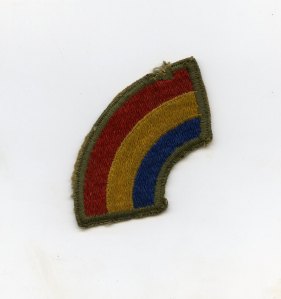
The photos contained some interesting content; typical European Theater post-combat photography complete with knocked out German armor, captured enemy weapons, snapshots of friends and family as well as the occasional scenery photo.  Judging by the rainbow shaped shoulder insignia worn in many of the photos, I soon came to realize that the photos were from a member of the 42nd Rainbow Division.  Shots of trucks and jeeps provided the regimental and company designation.  The 222nd Anti-Tank Company of the 42nd Division.
It’s uncommon to narrow down a photo grouping to a specific regiment, let alone a company.  I quickly emailed the online dealer who sold the photos and asked for more information regarding the collection.  He provided me with the name of the veteran who took the photos as well as an offer to purchase all of the original negatives from the collection.  One week and $125 later I had the negatives and a copy of the veteran’s obituary.

Edward “Eddie” Majchrowicz of West Hazleton, PA served with the 222nd Anti-Tank Company of the 42nd “Rainbow Division” during WWII.  He was a professional football player, police chief, and private detective who was an active member of his local VFW.  His collection of WWII memorabilia was broken up when he passed away and I was the lucky recipient of his photography collection.

Armed with his name and unit designation (222nd/42nd Division) I tracked down the membership coordinator of the 42nd Division Association who provided me with a list of living members of the 222nd Anti-Tank Company.  On a whim, I wrote six letters to six members of the company in hopes of learning more about Eddie and his wartime exploits.  After a few weeks of hopeful waiting, a letter arrived in my mailbox penned by one of the 222nd Anti-Tank veterans.  Success!

That initial letter opened a floodgate of information and context to help me decipher the photograph collection.  My new veteran friend provided me with personal identifications of the men pictured in the collection, as well as stories and anecdotes to go along with the photos.  The personal stories he shared with me range from the comical to the tragic, but each was even more “real” with a photograph for reference.

This case study is a perfect example of how context and background can add important texture to a collection.  Finding a living link to a historic photo is the goal of every historian.  Dig out those old photos and start doing some research!

Photos in Context

Without any background knowledge, the above photo would appear to be a mundane image of a snow-covered field with a distant tree line.  After tracking down a living veteran from the 222nd Anti-Tank Company, I was able to add some human interest to the image.  On his first night of front-line combat duty, Bud Gahs tried chewing tobacco for the fist time.  His foxhole comrade, Hickey, convinced Bud that the tobacco would take the edge off.  With the German lines only a thousand yard away, Bud spent the entire night nauseated and vomiting in his foxhole.  It was his first and only time trying tobacco.  This photo was taken only yards from his post that fateful night.

Late April 1945, Near Munich

The low drone of an approaching German Me-109 fighter plane could just barely be heard above the snoring coming from the back of the Dodge WC-54 truck at the camp of the 222nd Anti-Tank Company.  As the fighter plane swooped in on a strafing run, the men of the 222nd AT jumped out of their sleeping bags and dove for cover.  Everybody except for Swanson, who arose only after the wing of the Me-109 swept the protective canvas off the back of his truck.  He had been only ten feet from the plane as it swept over the camp.  Coming in for another strafing run, the inexperienced pilot clipped his wing on a tree and crash landed only yards from the camp.  The smell of vaporized airplane fuel hung over the camp for hours.  The plane was smashed to bits, and the pilot was killed instantly.  In this above photo, the lifeless body of the pilot can be seen resting on the ground, with plane wreckage strewn about.

The kicker?  When visiting with my 222nd veteran friend, I was handed a piece of the wreckage.  Bud has kept it with him for the past 65+ years as a reminder of that memorable morning.
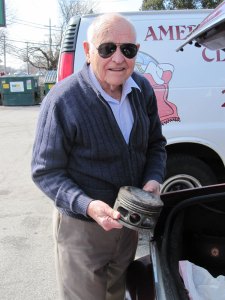
Eddie can be seen proudly sitting in the back of one of the Dodge trucks used to tow the 57mm guns of the 222nd Anti-Tank Company.  The best part is that the truck was driven by none other than Bud Gahs, my new found WWII buddy.  The photo sat in my collection with no story behind it until Bud came along and enlightened me.  The name of the truck was the Coughin’ Coffin – a name derived from the tendency of the truck to sputter and almost die out while towing a huge arsenal of shells.  One hit from a German 88 would put Bud and his crew in the ground, hence the Coffin moniker.  Here, Bud drives the truck across a nondescript German field.  Note the small German eagle proudly displayed as a war trophy on the camo netting of the gun.

At a recent get together of the 42nd Division, I presented Bud with a poster sized mounted photo of his truck.  He had a great time showing it off to his Rainbow buddies.

Without a knowledge of the background of the soldier who took the photo, the armchair historian only have a vague idea that the men in the above photograph were possibly concentration camp prisoners.  Since I know that the 42nd Division liberated the Dachau concentration camp in 1945, I know that these three men were from Dachau.  Also, I know that Eddie spoke Polish, and that he was able to converse with many of the liberated Poles on that fateful day in April of 1945.

Stay tuned for more photos and stories from this collection…………… 

WWII 388th Bomb Group Artist Alva Alegre – Random Snapshots Continued……


Isn’t it hard to imagine that these images were taken in 1944?  They were, and casual followers of the blog will remember that this is only a sneak peek of a larger collection of prints and negatives that I acquired from a series of two eBay auction in 2010 and 2011.  The photographer, Alva V. Alegre was a professionally trained artist who served with the 388th Bomb Group during WWII.  His treasure trove of images haunt me; my quest to figure out his life story has brought me many new leads and a number of new friends and acquaintances.


<script type=”text/javascript”>


  var _gaq = _gaq || [];
  _gaq.push([‘_setAccount’, ‘UA-28546765-1’]);
  _gaq.push([‘_trackPageview’]);


  (function() {
    var ga = document.createElement(‘script’); ga.type = ‘text/javascript’; ga.async = true;
    ga.src = (‘https:’ == document.location.protocol ? ‘https://ssl&#8217; : ‘http://www&#8217;) + ‘.google-analytics.com/ga.js’;
    var s = document.getElementsByTagName(‘script’)[0]; s.parentNode.insertBefore(ga, s);
  })();


</script>