Civil War 150th Anniversary Posting – 6th Vermont Surgeon Edwin Phillips


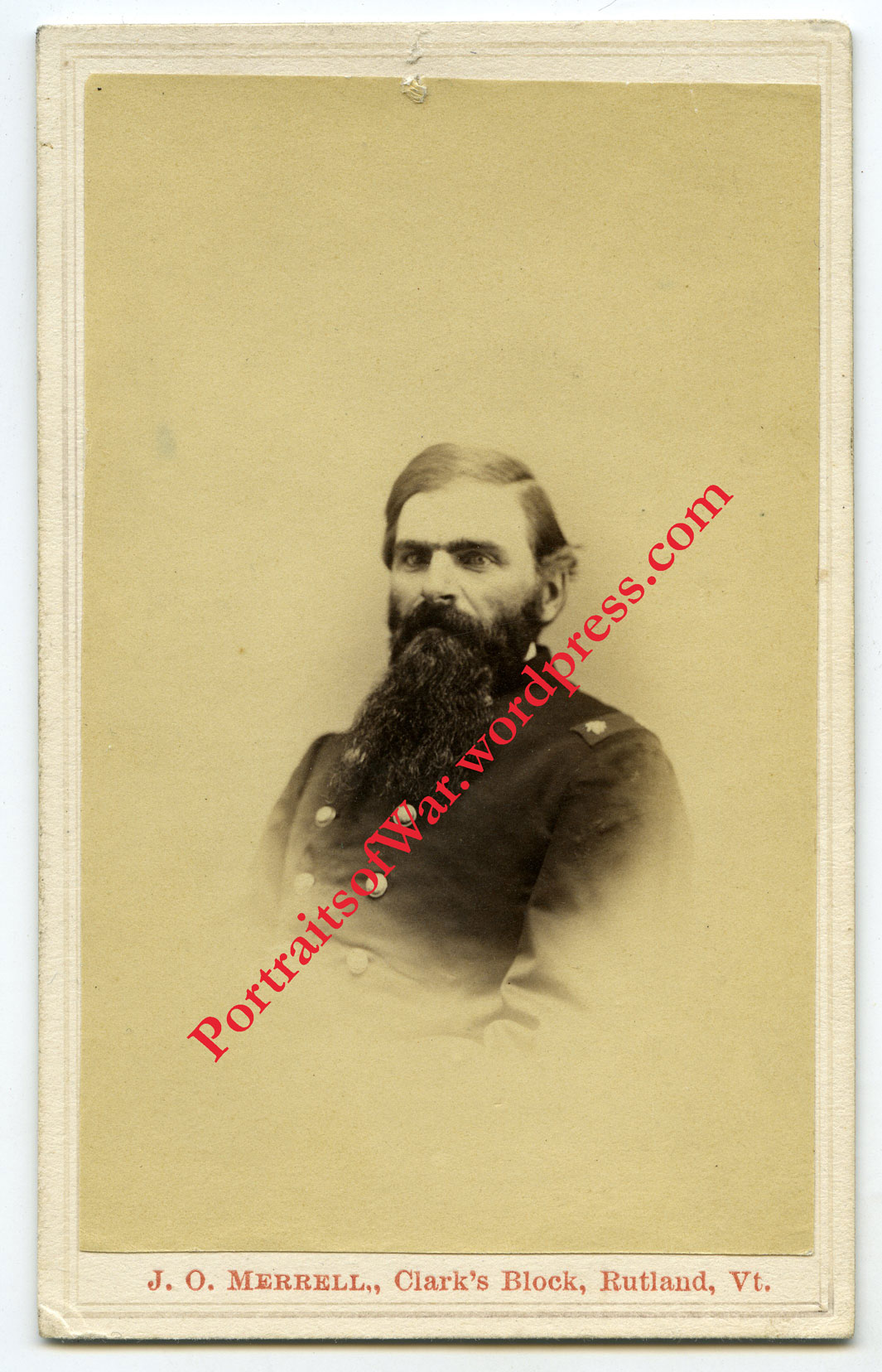
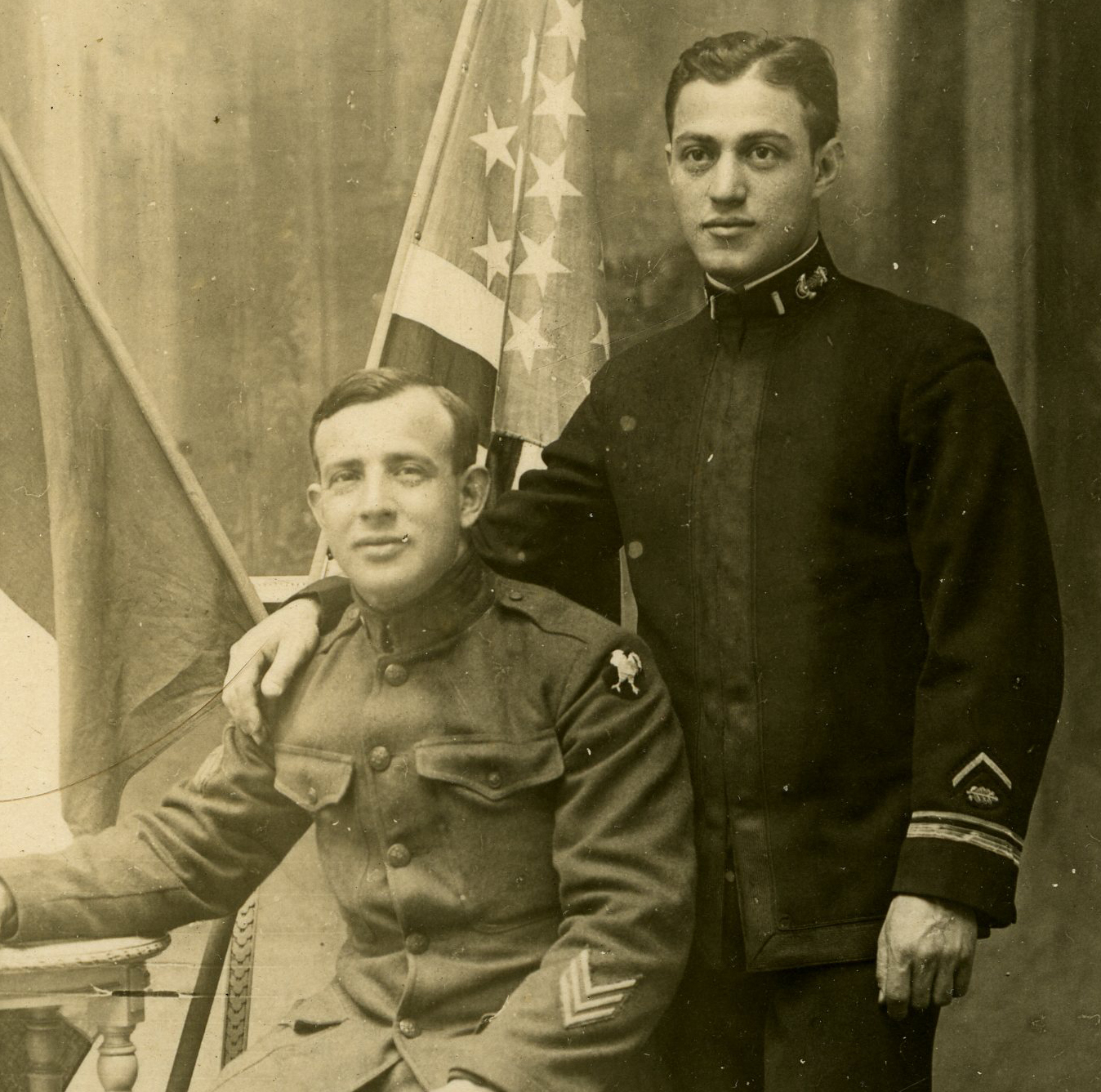
Just in time for the 150th anniversary of the American Civil War!  One of my favorite Civil War portrait photos comes from a pawn shop in Shelburne Vermont.

After purchasing the image, I went on a rampage of research and documentation to figure out who this fella’ was.  Turns out he was a prominent surgeon in the 6th Vermont during the war.  I still have more reading and writing to do on this piece, but I wanted to post it as a kick-off for the 150 year celebration of the Civil War.

More to come…………………………….

Operation Crossroads – Post-WWII Color Slide Photo – QB-17 Drone Plane at Roswell, New Mexico


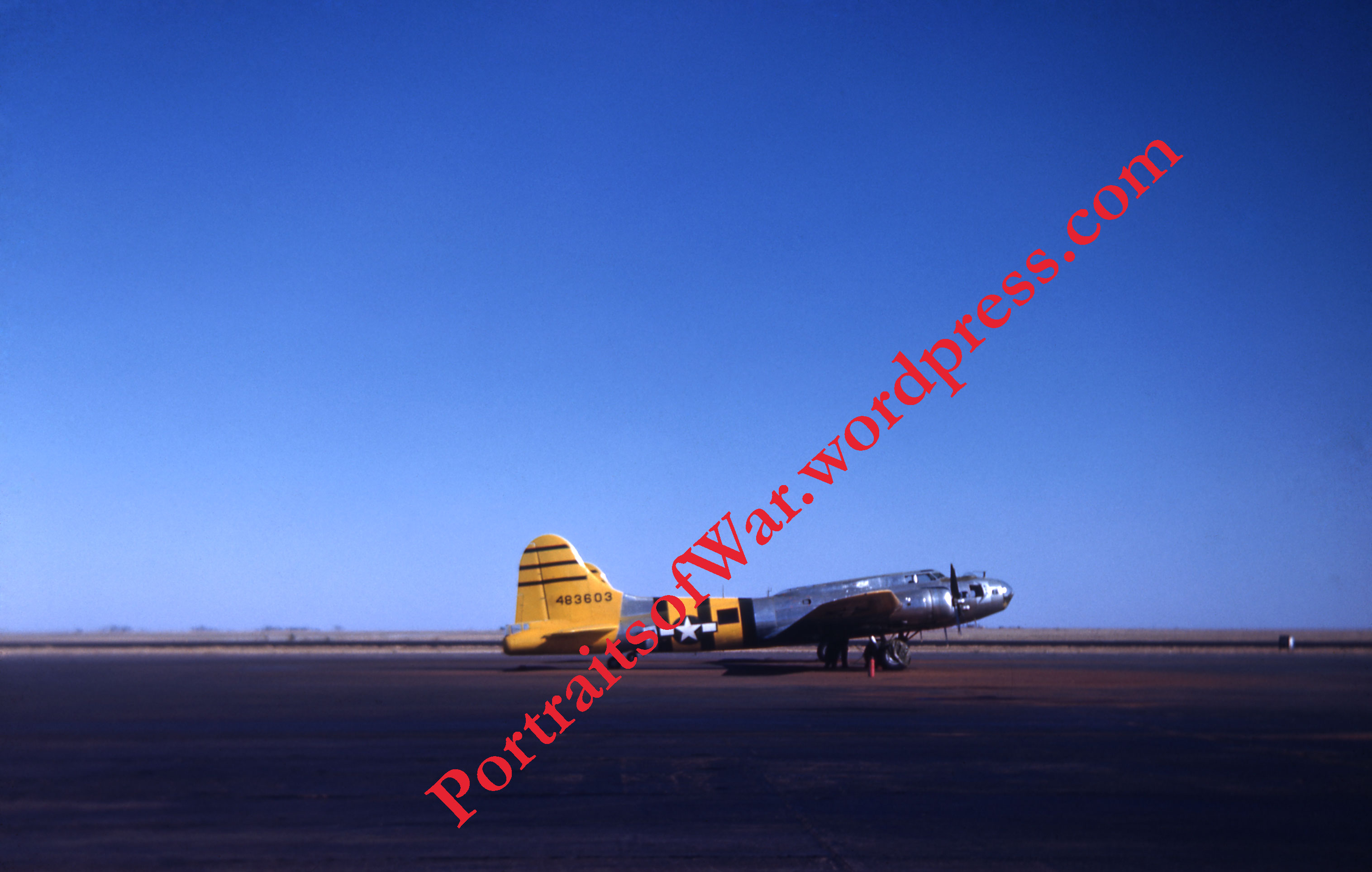
Color war photos are one of my favorite forms of amateur photography.  The history behind each image is intensified when documented in color, allowing the historian to glean historical details not visible in B/W photography.  One such image can be found below, from my collection of images taken in Roswell New Mexico right after WWII.  The photos were taken by a member of the 509th Composite Group.  The unit was responsible for dealing with the atomic weapons of WWII and also dropped a bomb on the Bikini Atoll in 1946.

The QB-17 shown below is possibly one of the first handful of B-17’s outfitted to fly unmanned.  This plane was used to fly through an atomic cloud and collect important radiation data.  These data were later used to test for radiation fallout numbers.  I’ve only personally seen two other color images of a QB-17 painted in this scheme.  What an important resource for historians, hobbyists, and vintage photography collectors!

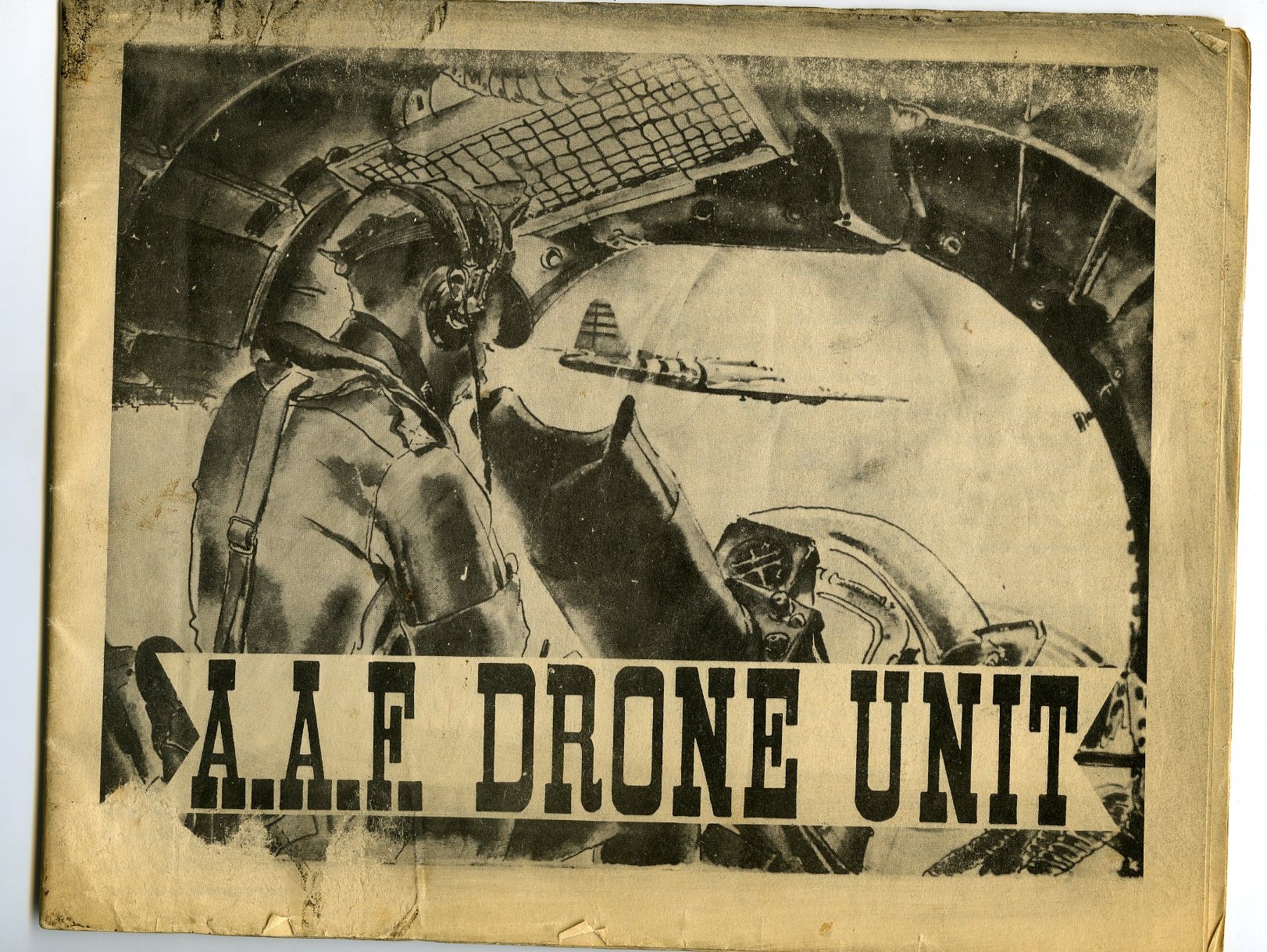
Front Page of Drone Unit History

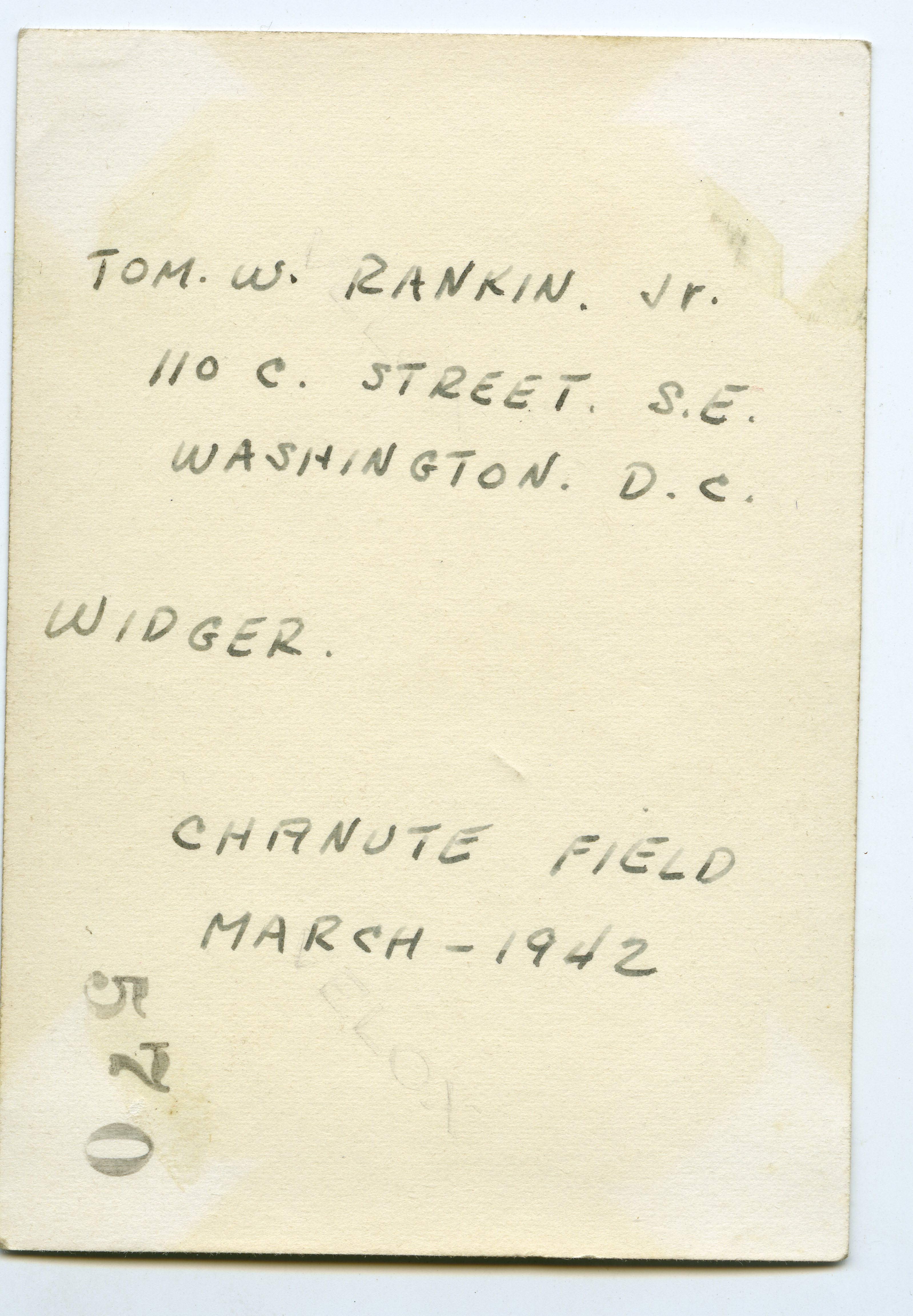
Back Cover of Drone Unit History

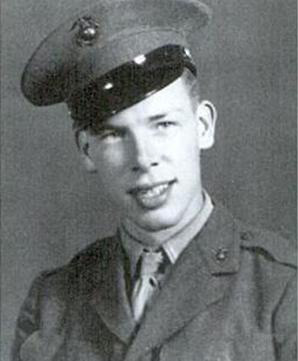
Wartime Photo of Lee Marvin – American Actor and Grade A Badass


Lee Marvin is hands down one of the greatest action movie stars of the post-WWII generation.  Starring in such films as Attack, The Killers, The Professionals, The Dirty Dozen, Hell in the Pacific, The Professionals, The Iceman Cometh, and The Delta Force, Lee Marvin was a true action star.

The attached photograph was purchased directly from the son of a 4th Marine veteran who served with Marvin during WWII.  Lee was a combat sniper with I Company, 24th Marines, 4th Marine Division and was wounded in action on Saipan.  He received the Purple Heart for his wounds.  References say that he was one of only 9 survivors of a Japanese attack on his unit http://www.jodavidsmeyer.com/combat/military/lee_marvin.htm.  Outside of personal photographs, this is one of less than a handful (literally 3) wartime photographs of Marvin available for view on the internet.

I hope you enjoy.  This is one of my favorite WWII film actors, and now a part of my collection! 

A nice close up of Marvin – check google images for other shots of him…………..Keep in mind he was only 17 or 18 when this photo was taken.

A few formal portraits I found on the web:

Lee Marvin Formal Portrait Photo

Source: http://www.bongoludo.com/war-stories/

Lee Marvin’s War Record Mug Shot

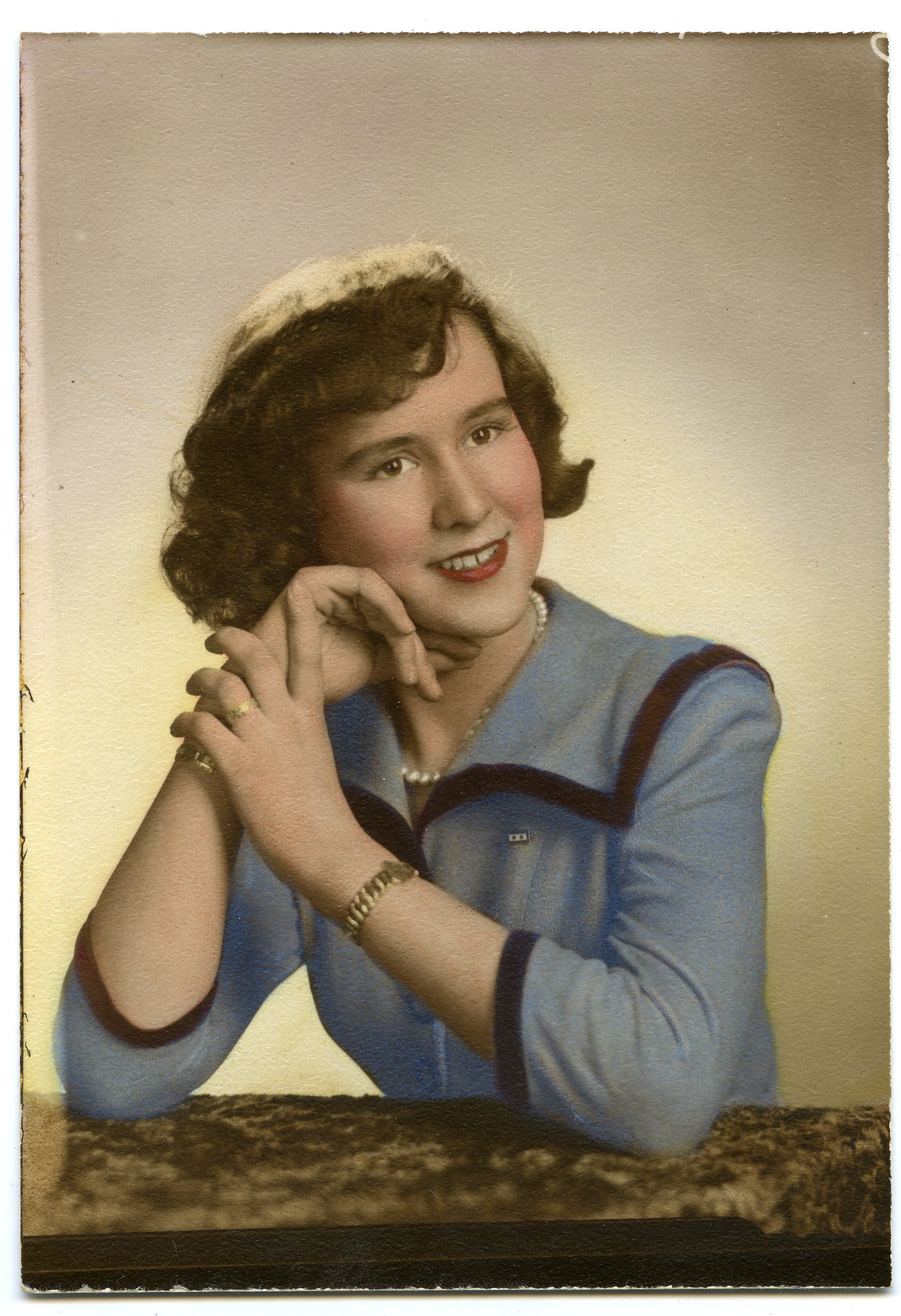
Hand Tinted Beauty w/ Sweetheart Jewelry


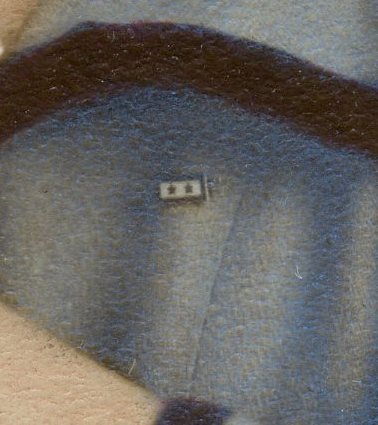
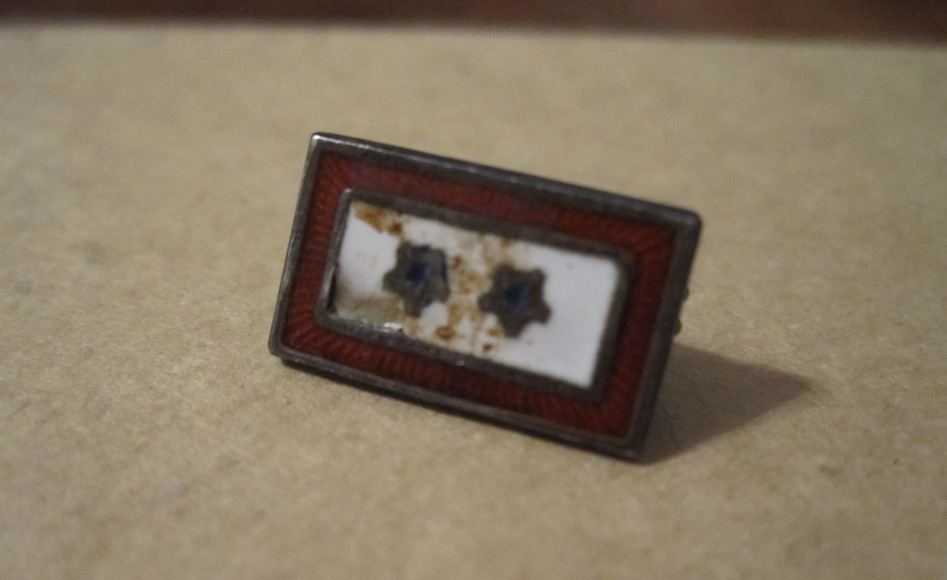
Hand tinted photos normally are poorly done with little attention to detail.  This hand tinted portrait photo was masterfully created with crisp detail to the pins and bracelets.  The small pin on the girls lapel is known as a son-in-service pin and was normally worn by family members who had relatives, specifically brothers and sons, who were serving in the armed forces.  She is also wearing a son-in-service bracelet, and a “stretchy” heart bracelet, possibly from a boyfriend?  Who knows?  A real gem!

Close up view of pin


Example from author’s collection

Welcome to Portraits of War!


Welcome!

After years of collecting WWI and WWII photography, I’ve finally decided to share some of my favorite images with the world.  I’ve searched through flea markets, antique stores, and eBay auctions to obtain photos depicting American soldiers in various world conflicts.

Where to start?

Lets jump into the dissection and interpretation of one of my favorite WWI images and see how history was recorded through the lens of a photographers camera.

Aesthetics

The first thing I always look for when buying a good WWI photo is the general “eye appeal” of the image.  Is the subject well lit?  Did the photographer take time to seat and position the subject?  How good is the contrast and detail?  All these things are sometimes unable to be determined when making internet based purchases, but it never hurts to ask the seller for a better scan.  Condition is also a big factor when I make a “higher end” purchase in eBay.  I consider $50+ the threshold between medium range and higher end purchases.

In terms of aesthetics, this photo has it all going on.  The contrast and detail are perfect, the condition of the image is superb, and the price was right at $26.50.  Because the purchase was an eBay auction win, I wasn’t able to ascertain the historical details until I had the photo in-hand.

Historical Detail

The first and easiest way to identify the unit designation of a WWI soldier portrait is to inspect the shoulder sleeve insignia also known as an SSI, or in layman’s terms, a shoulder patch.  In this case, we see a YD on a diamond on the subjects arm.

My favorite WWI division has to be the 26th “Yankee Division” – made up of primarily New England soldiers who took the call to the National Guard units early on in America’s involvement in WWI.  These New England National Guard units were eventually combined together to form the 26th Division and were later bolstered by fresh recruits from replacement units while stationed in France.


How can we tell when this fellow joined the war?  Although the date of the photo is unknown, we can ascertain that he served at least 12 months overseas.  The two chevrons on his left arm mark him as having served for two 6 month periods.  The photo was likely taken right after his return to the states, which is denoted by the dark colored chevron below his SSI (patch – remember?).

This guy was wounded twice during the war.  The double chevrons on his right arm were earned for being wounded.  He has no obvious battle scars on his face or hands, and he appears to have both his legs, so I am assuming that his wounds didn’t force his discharge.

Most 26th Division doughboys (an endearing term used for WWI American soldiers) served at least 18 months – so this veteran likely came in as a replacement to help fill the slowly depleting ranks of the division.


The 104th Infantry Regiment

With my super-duper high resolution scanner I was able to grab a high quality crop of the collar disc insignia this veteran is wearing.  See that round button below his left cheek?  Under high magnification the button/disc reads – 104 with a US monogram above it.  This means that the wearer is a member of the 104th Infantry Regiment – one of the regiments that made up the 26th Division. The regiment originally started in Springfield Mass in the mid 1700s to help ward off attacks from the bands of King Phillip’s Native American warriors.  This regiment fought with valor in a number of key offensives during WWI.  I wish I had a copy of the unit history to use as a reference 😦