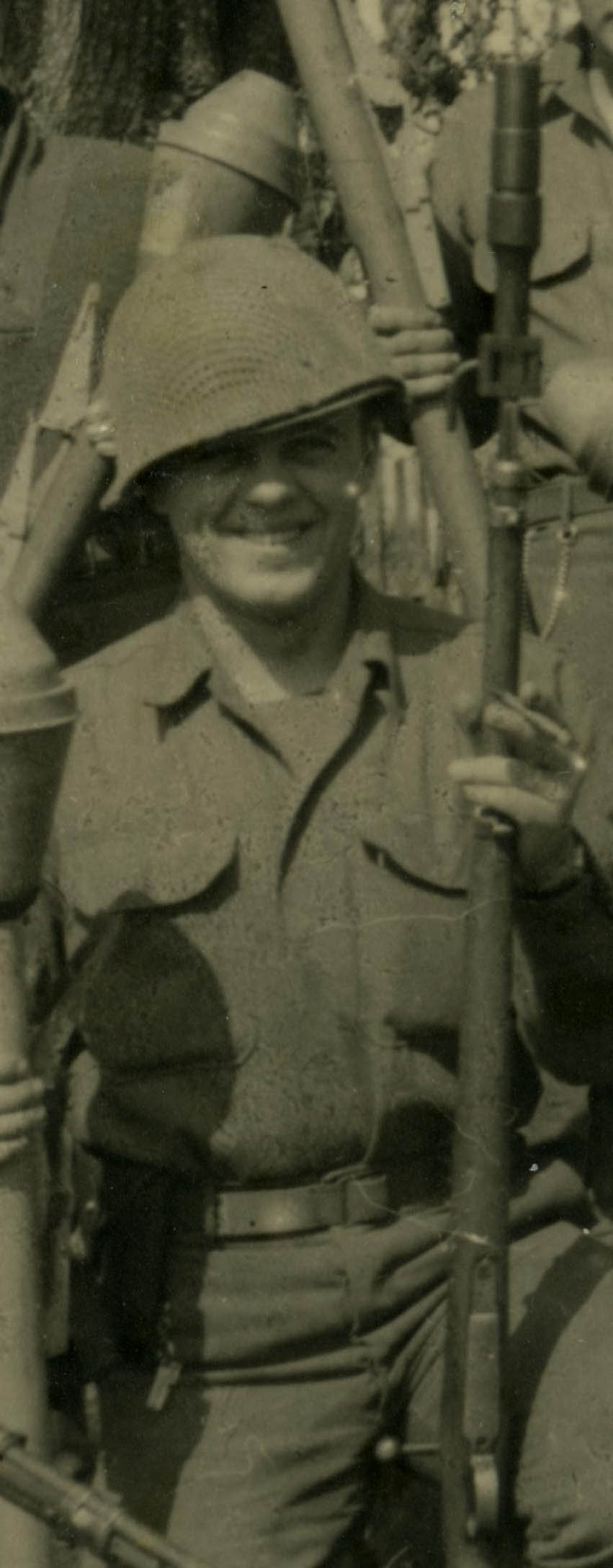
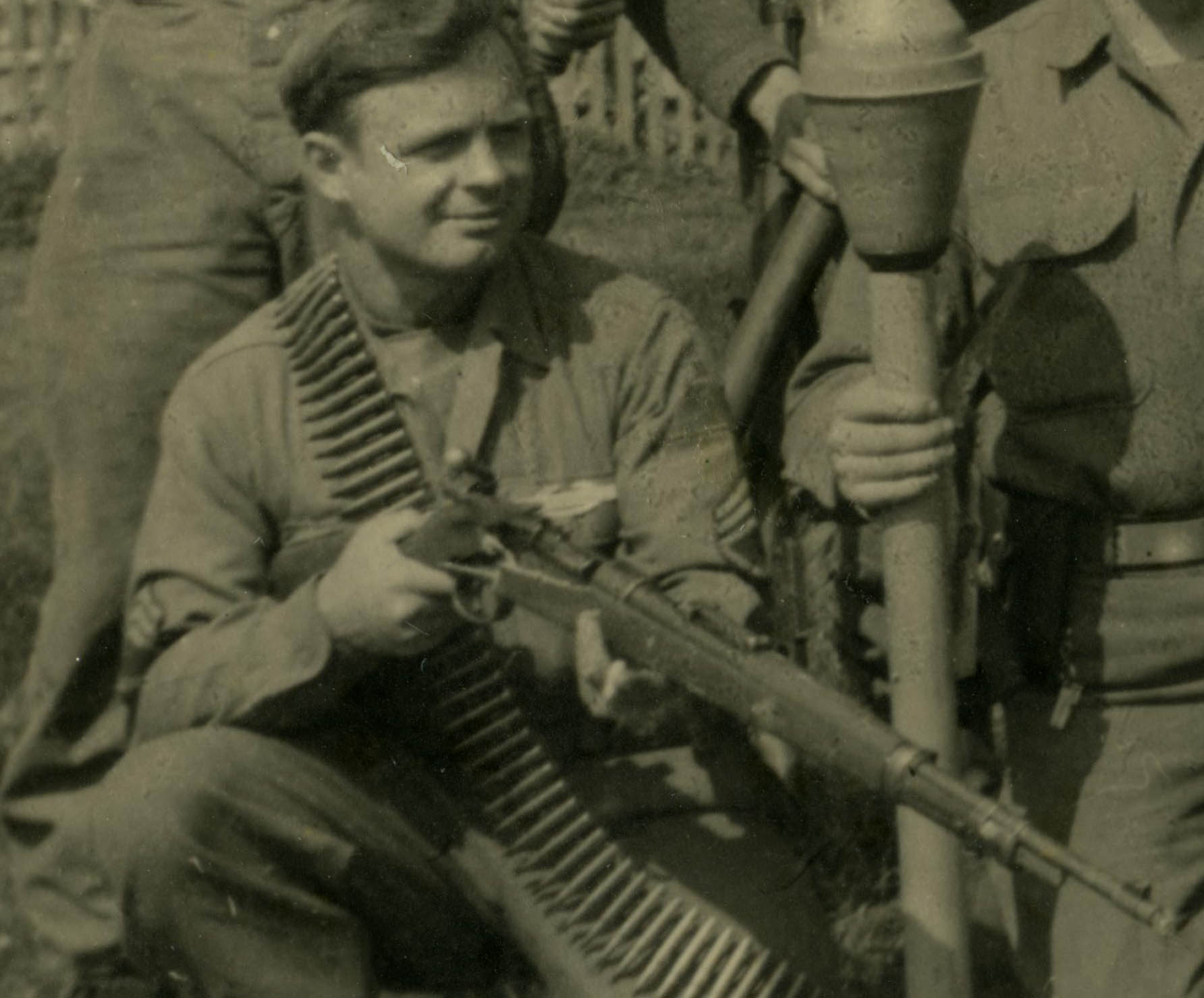
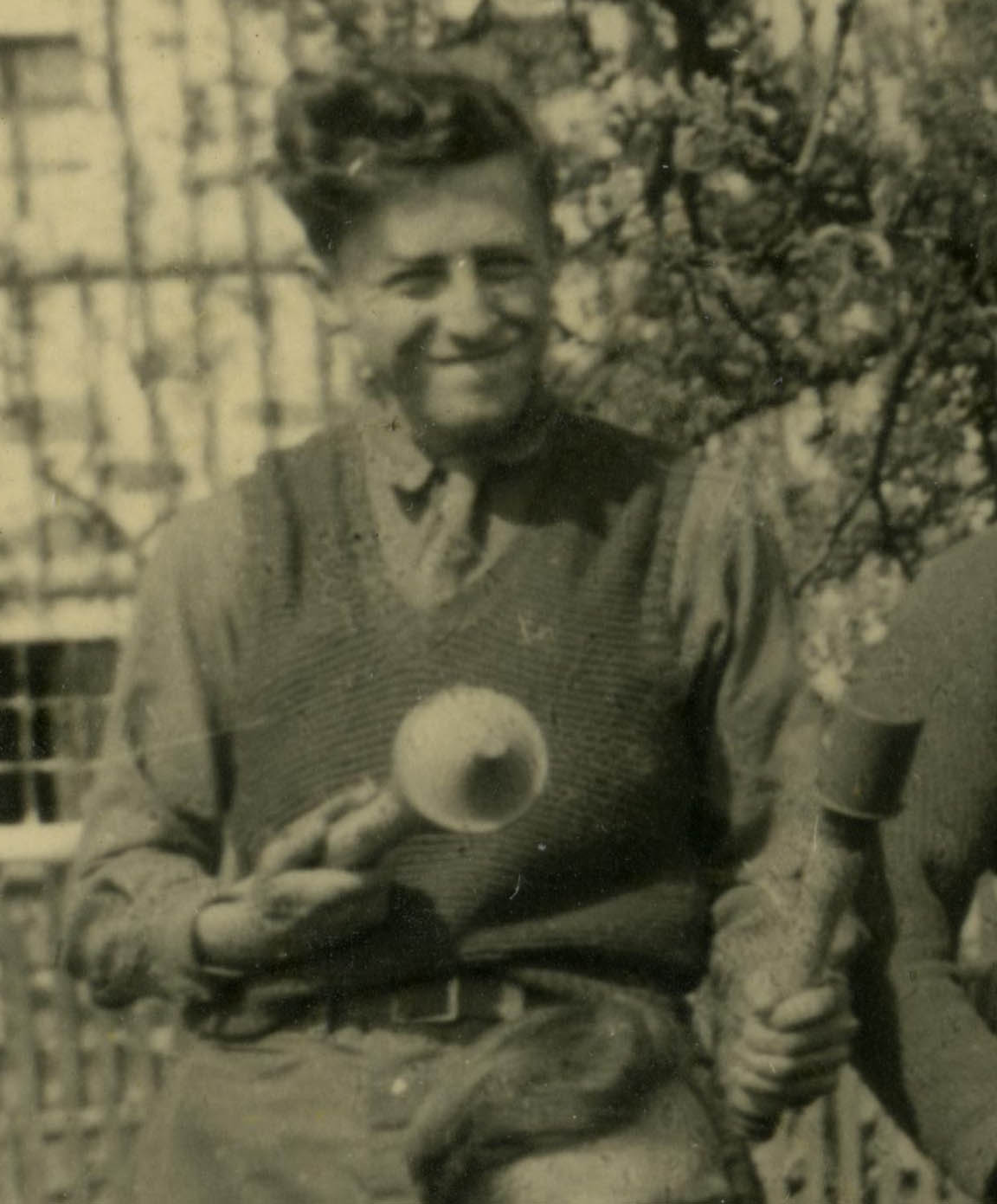
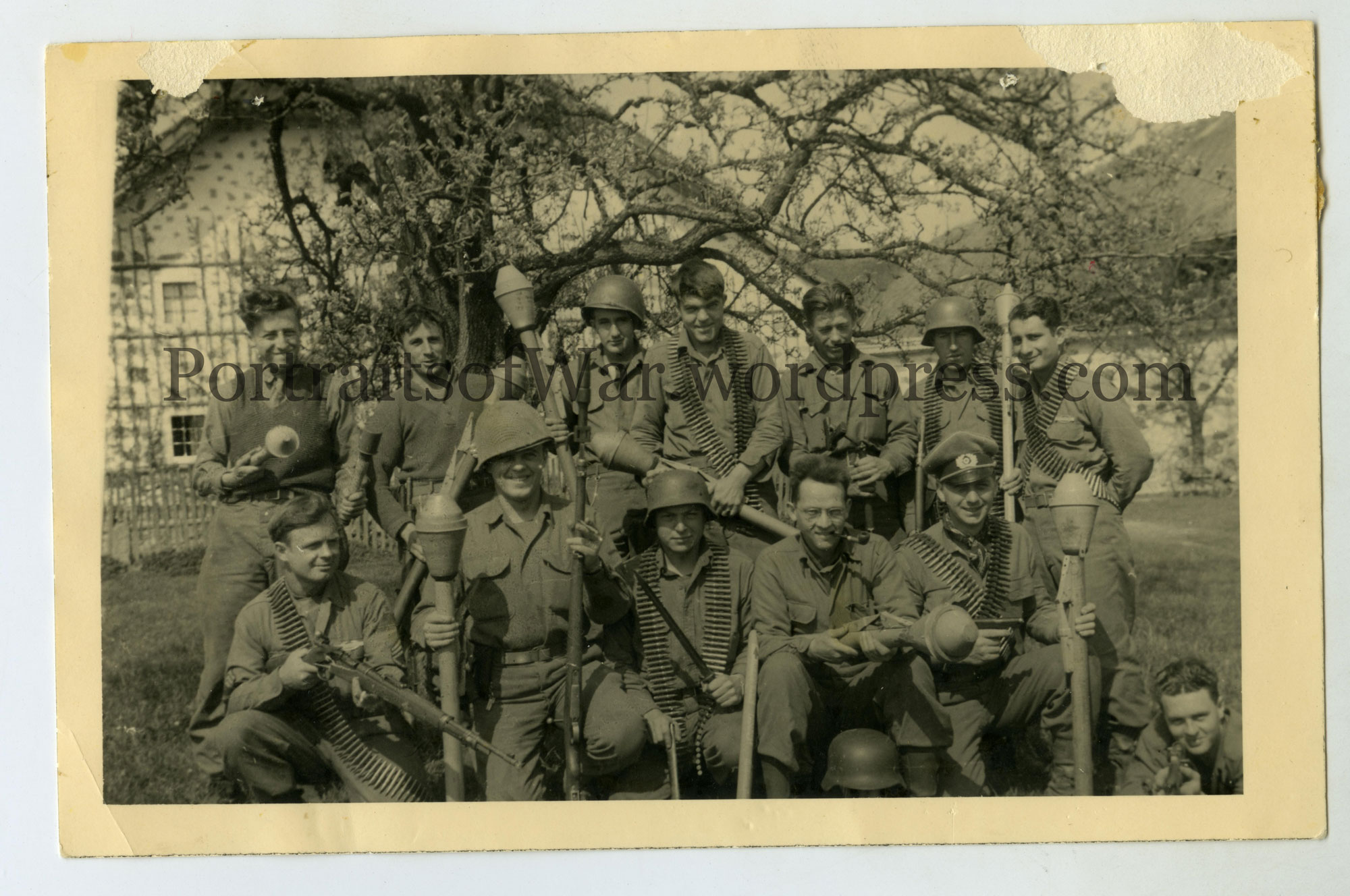
One of my favorite wwii photo collecting topics has to be the captured German material photo. US soldiers routinely posed with “liberated” German goodies to show friends and family back home. More often than not, they sent these items home. In this incredible photo, members of the 11th Armored Division pose with a plethora of German material. Two types of panzerfaust, grenades, a rare grenade launcher, helmets, hats, mausers, machine gun belts, pistols, and even an MP44 in the bottom right hand corner. Phew!
WWII
Scanning WWII 35mm Color Slides: A Beginners Guide
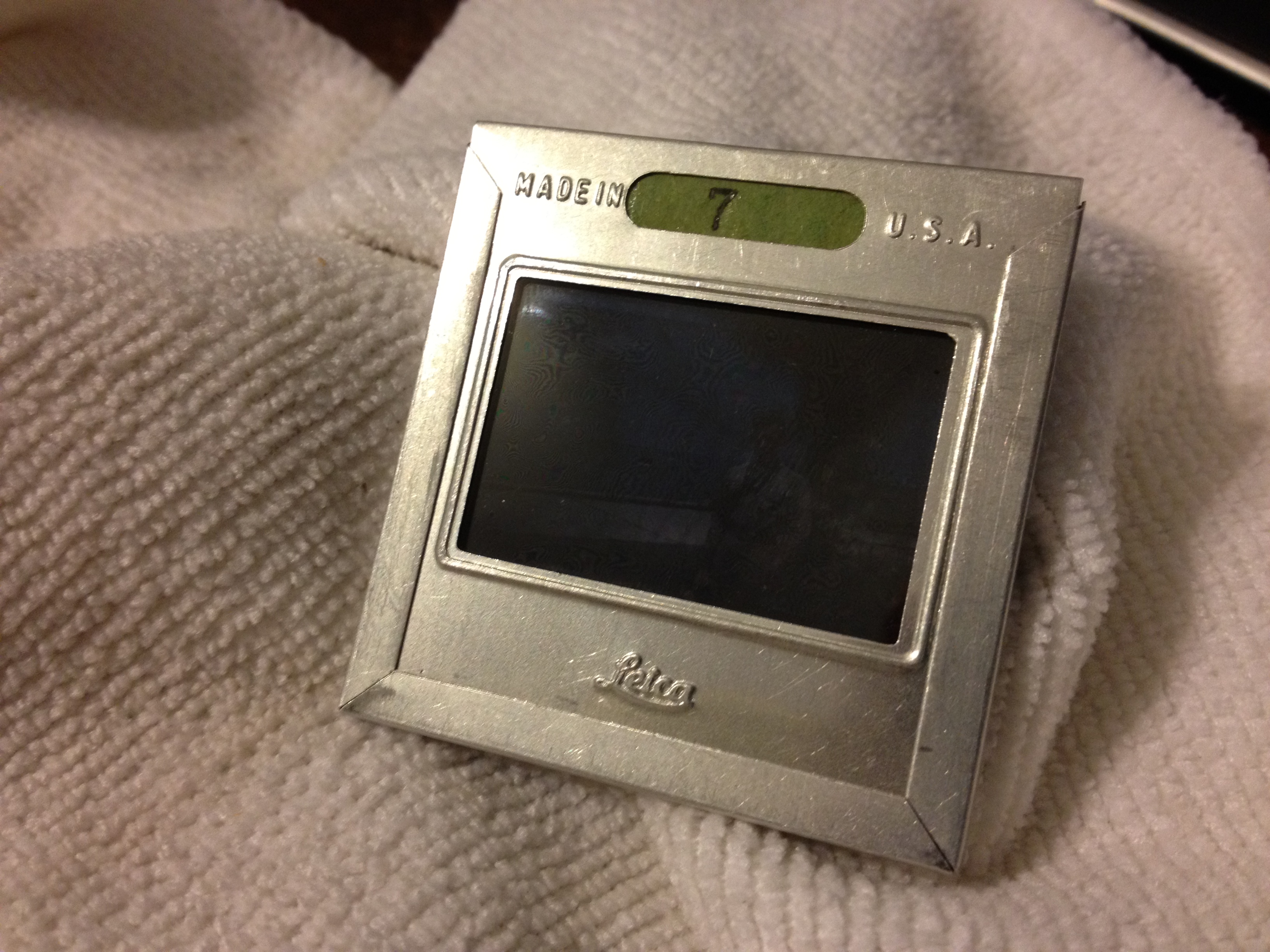
I constantly have readers asking me about scanning WWII negatives and slides. Many people unknowingly think that the process is tedious and time consuming. In actuality, the process of scanning and processing a single image only takes a few minutes with some great results. Here’s a quick step-by-step guide to scanning a WWII 35mm color slide. In this instance, the 35mm Kodachrome film is housed in a Leica metal mount.
To preface this tutorial, I need to point out that not every scanner will scan negatives or slides. I am currently running an Epson V700 “Perfection”. Many other collectors and dealers use this scanner, and some even use the V750. The V700 will run roughly 500 bucks, and the V750 a hundred or so more. There are a handful of other quality scanners out there, so search around!
Step 1: Find a Slide
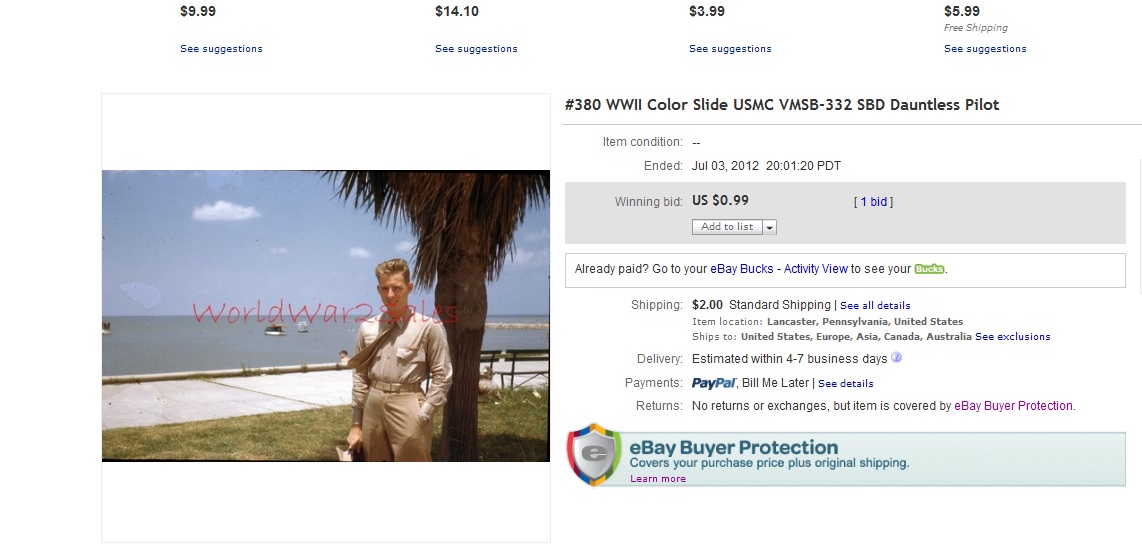
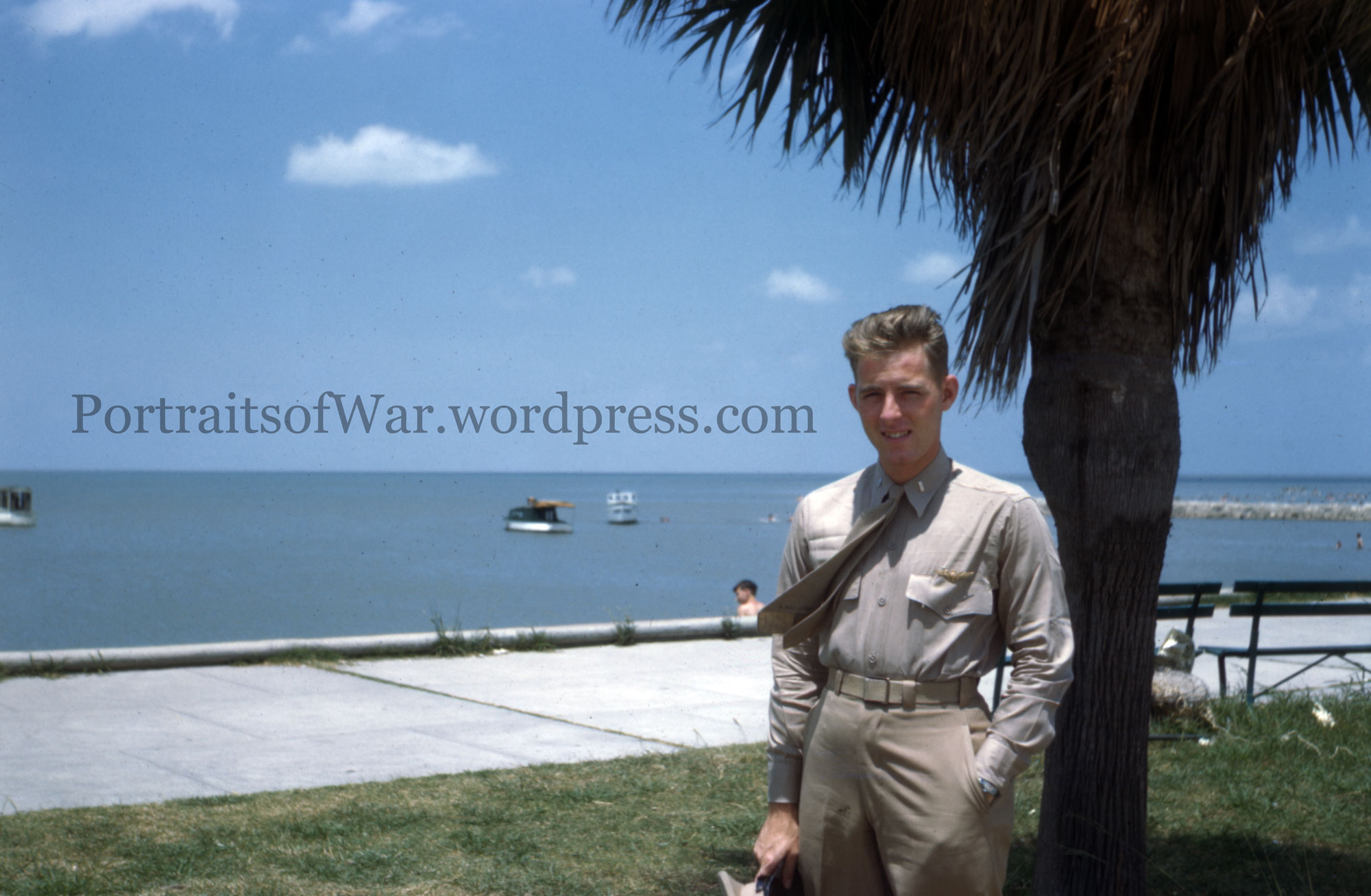
This may actually be the hardest part of the process. Find a single image, or group of images, on an online auction or location flea market that you want to scan. This works well with any type/age of slides, but I prefer WWII and Korean War slides. In this case, I found a nice shot of a Marine pilot posing near the beach. Good subject matter, color, and condition.
Step 2: Prepare the Slide
Although most late-war slides tend to be mounted in paper housings, I’m showing the process with a glass and metal mounted slide from 1944. The process works the same with the paper mounts, but tends to lose some quality around the outside borders. In this case, the film is sandwiched between two small pieces of glass and inserted into the metal housing as seen below.
Take care when extracting both sections of the slide housing. Using slight pressure and TLC will ensure the slide goes back together after scanning. If the housing breaks for any reason, plastic 35mm slide mounts can be found on eBay.
Step 3: Scanning
Place the color film on the scanner glass. I don’t worry about mounting the film in the Epson provided slide tray. I don’t usually have a problem with gaussian blur, and I always wipe my glass down with a microfiber cloth to get rid of dust and random particles that tend to float around in the air.
The most important part of the physical scanning process is the adjustment of settings. I tend to scan in TIFF 48-bit color in 4800 or 6400 DPI. I don’t set ICE or dust removal.
Step 4: Post-Scanning
When the scanned image is ready for manipulation it typically needs a little bit of Photoshop cropping and editing to correct the color balance, remove dust and scratches, and reduce blurring. A few minutes fiddling with Photoshop or another editing program should produce a nice digital image ready for posting to your favorite blog. I typically use watermarks to help bring visitors to the website and to stop unscrupulous visitors from stealing images.
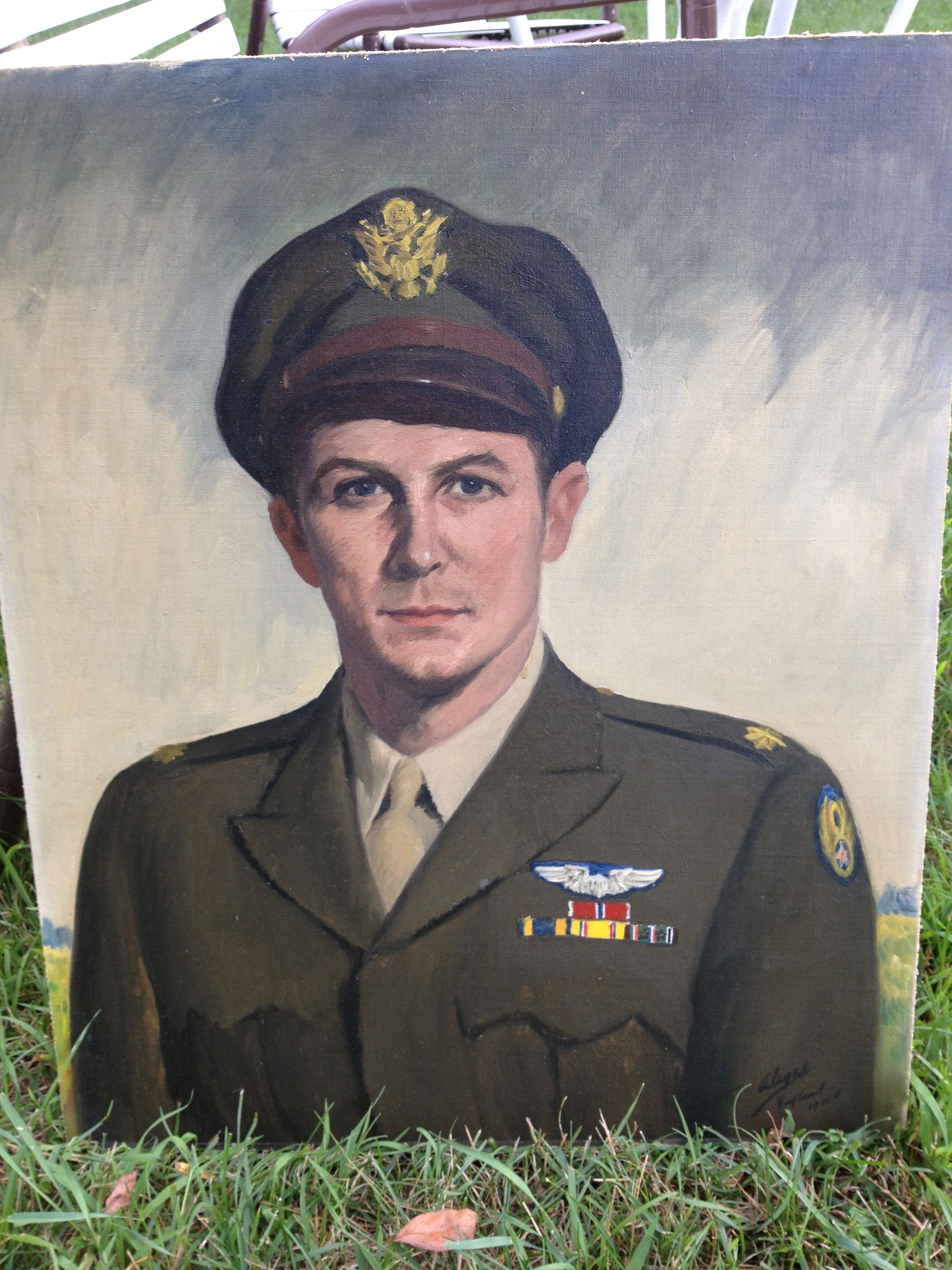
WWII 388th Bomb Group Portrait Artist – Alva V. Alegre – ORIGINAL Portrait Surfaces on eBay!
Ever since I first laid eyes upon the WWII portrait art of Alva V. Alegre, I knew that I had to track down an original piece of his work. I tracked down his original photographic prints, his negatives, and even have spoken with people knew him. I’ve followed him from his first arrival in the US in the 1930s, through England during WWII, to NYC in the 1950s and eventually to Troy, NY in the 1960s. After years of waiting, I providentially stumbled across one of his portraits on eBay. It’s all coming together…….
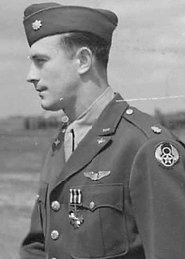
With the help of a group of dedicated historians with the 388th Bomb Group, we’ve (possibly) identified the Major as Frank Hess.
For more photos and images of Alva’s work, please search for “Alva” in my search bar.
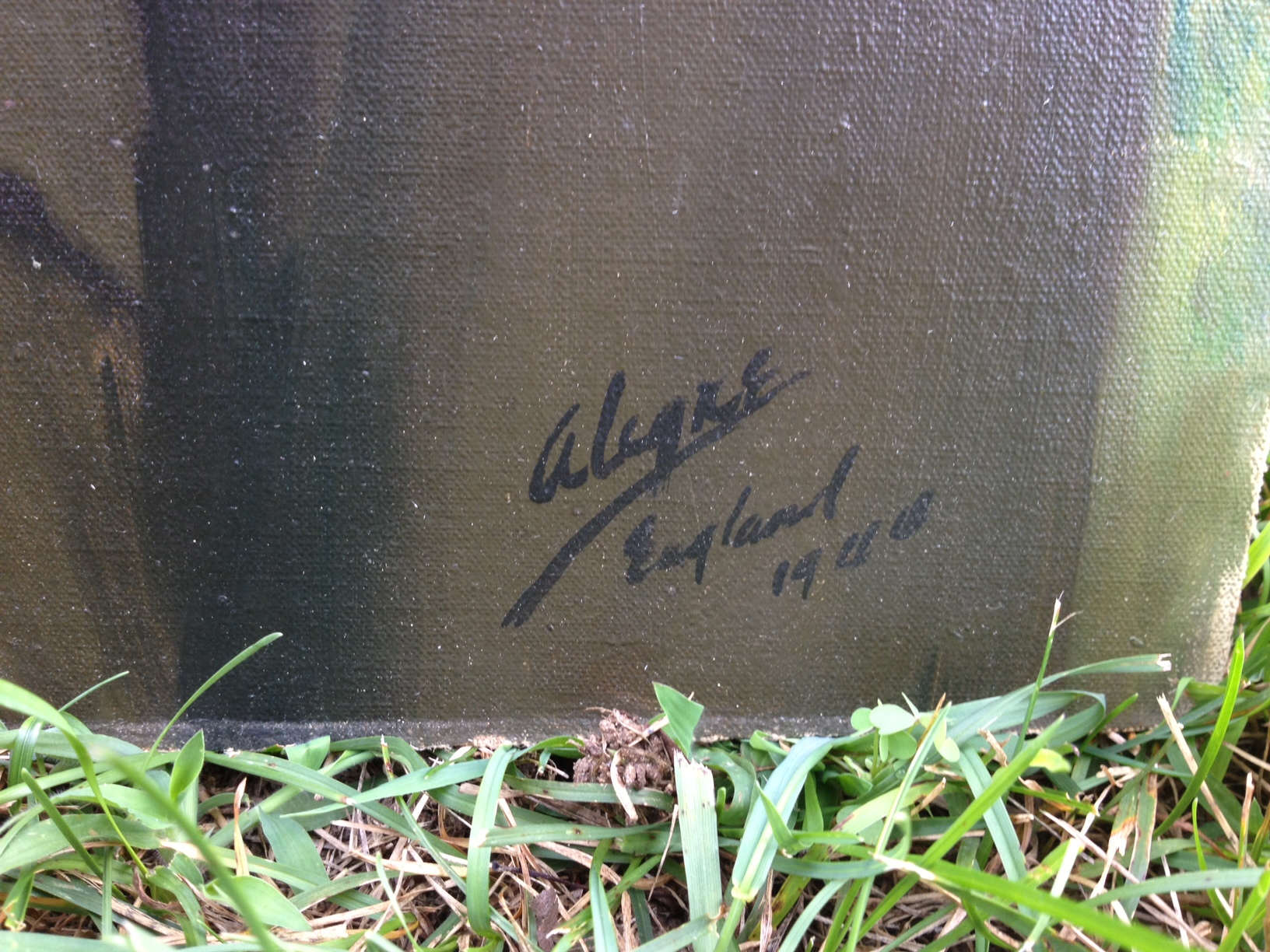
How do we know this is a piece of Alva’s work? For disbelievers, check out this comparison of signatures from my negative collection and the signature on the recently acquired painting. 100%!
WWII Studio Portrait Photo – 9th AAF Mechanic Georges G. Bond in St. Dizier, France
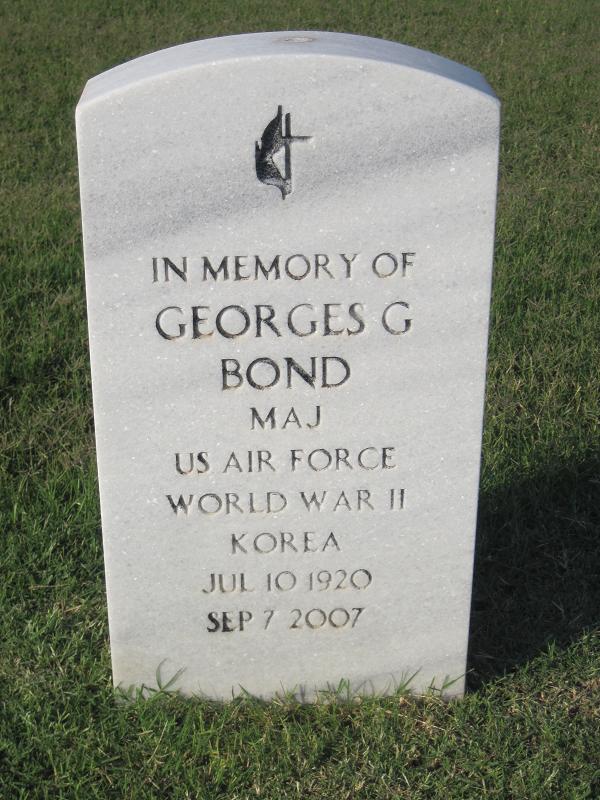
Another nice studio portrait taken in 1945 in St. Dizier, France in 1945. A member of the 511th Fighter Squadron during WWII, Georges G. Bond later went on to serve in Korea. His wartime address was 415 West Pine St. in Enid, Oklahoma. Georges was born on July 10th, 1920 and passed away on September 7th, 2007. My condolences to his family.
WWII Color Kodachrome Slide Photo – 327th Engineer, 102nd Infantry in Germany 1945
WWII 9th Air Force Portrait Photo – Ervin G. Collins of Pawtucket, Rhode Island
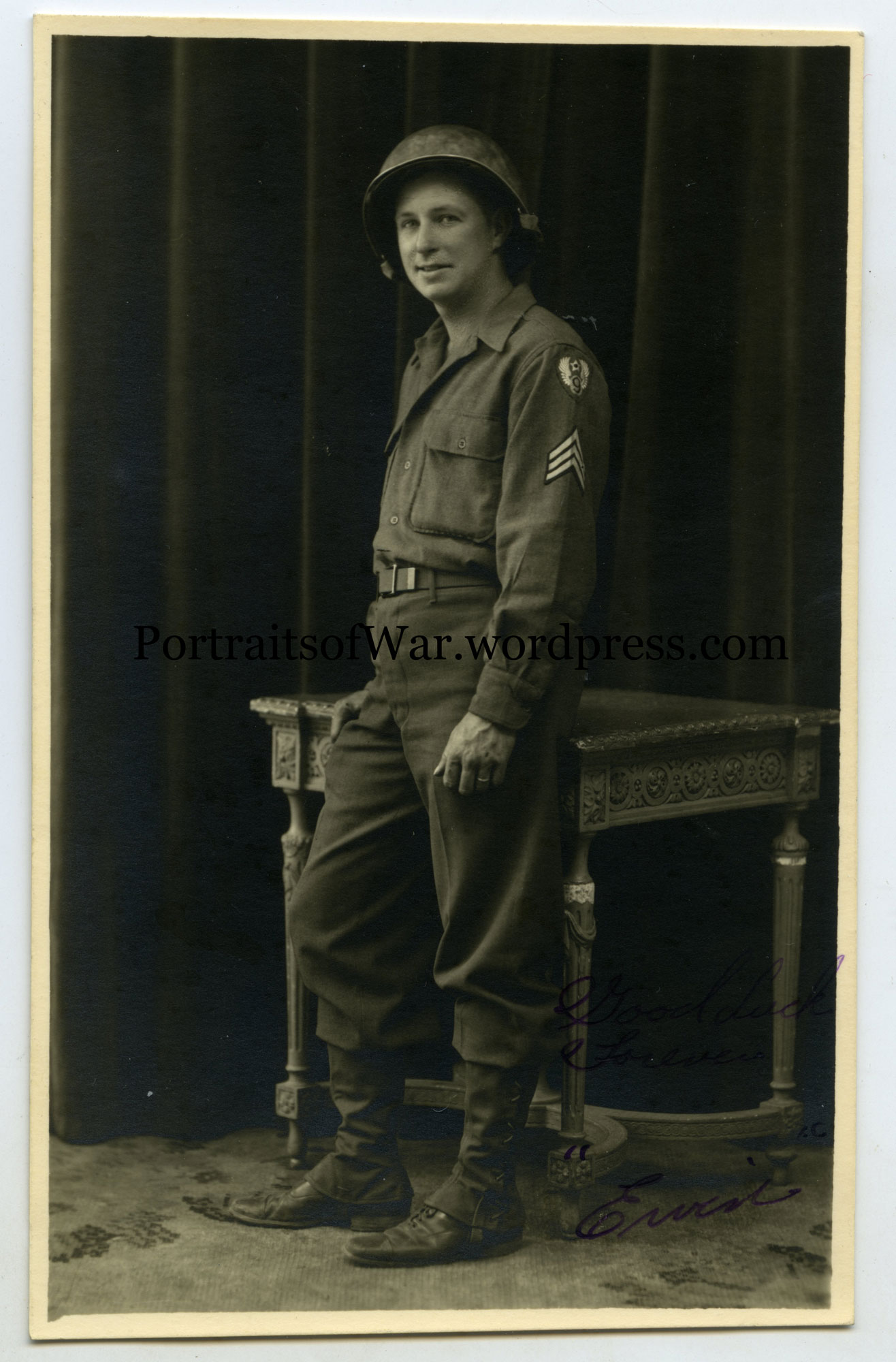
Another great WWII interior studio portrait arrived in the mail yesterday. The subject of the photo is Ervin G. Collins of (wartime) 391 Liverpool Ave, Pawtucket, RI. The photo was taken in France and shows Ervin posed with a studio prop – a French Louis XVI Style gilt rectangular center table. The photo was taken in St. Dizier by a photographer named Andre Dirler. St. Dizier is roughly 120 miles east of paris; the 511th was stationed at Clastres (A-71) during the tail end of 1944. He was 5 feet 3 inches tall and weighed 112 pounds when he enlisted on July 3rd, 1942. Before the war he was able to graduate high school and worked as a salesperson.
Mr. Collins was born on March 5th, 1921 and passed away on November 2nd, 2001. He is buried in Notre Dame Cemetery in Pawtucket, RI.
WWII in Color – Color Kodachrome Slides – 1944 SBD Dauntless Marine Dive Bombers VMSB-332 w/ Aircraft *FOLLOW UP*
April 25th, 1945 – The 69th Division Links with the Russians in Torgau – WWII Anniversary Post
PortraitsofWar Book Review #1: Panzerwrecks’ Duel in the Mist 2: Leibstandarte During the Ardennes Offensive
One of my favorite current WWII publishers has to be the tag team duo of Lee Archer and Bill Auerbach of Panzerwrecks. This international dreamnteam has been meticulously researching and compiling books on knocked-out German armor since 2005; focusing on amateur photographs of (often) never-before-seen scenes of German armor moments after destruction by US forces during WWII.
In a world filled with overused and reprinted images, it’s a refreshing relief to open a new copy of Panzerwrecks and see new images of late war German armor with wonderful descriptions. A balance of tongue-in-cheek humor mixed with meticulous research offers the reader with a book worthy of a well-stocked research library or office coffee table.
I recently finished my review copy of Duel in the Mist 2 published by Panzerwrecks and written by Timm Haasler, Roddy MacDougall, Simon Vosters and Hans Weber. With nearly 700 footnotes (really!), this book is well reseached, cited, and backed up with primary source documentation that includes first hand accounts, after-action reports, photographs and veteran interviews. A well balanced piece; Duel in the Mist 2 views the initial battles of the Ardennes Offensive through a non-biased lens. Interviews with US veterans easily mesh with similar accounts from SS veterans.
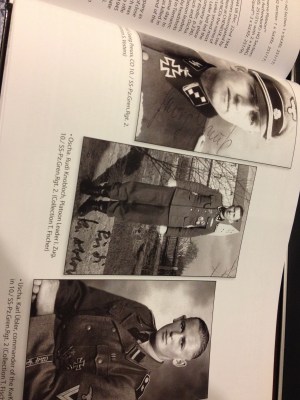
The superlative collection of wartime images compiled for the book is, by far, the most amazing part of the book. Images from the deep collections of David Thompson and Stefan De Meyer of AMC, Bill Auerbach, Jeff Tomkinson, Freddy Lemaire, Gerard Gregoire, Eddy Monfort, Tom Fischer and many others supplement the written component.
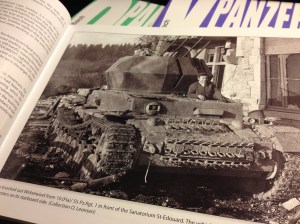
Artistic representations of German armor were intricically detailed by Simon Vosters, with a special attention to detail regarding camo patterns. This, combined with actual portraits of the men involved in the battles, provides the reader with an intimate view of WWII not often seen in other publications.
A series of intensive maps follows the progression of the battles using modern day color and figures. An easy-to-follow chart accompanies each map, allowing the reader to follow the battle with relative ease. Flipping back and forth between maps is made easier by the 8.5 in by 10.25 in format of the book. The pages want to be turned!
A special thanks to the guys at Panzerwrecks for providing me with a review copy of Duel in the Mist 2, and a special thanks to Timm Haasler, Roddy MacDougall, Simon Vosters and Hans Weber for their fantastic work. Keep up the good work, and I hope to review Duel in the Mist 3 by 2014!
Interested in picking up a copy of Duel in the Mist 2? Check out Panzerwrecks website for a compendium of top notch WWII material!
WWII Nose Art – Hal Olsen, the Last Living WWII Nose Artist
I recently had the esteemed pleasure of acquiring five nose art photos of PB4Y-2 airplanes. Using the power of the internet, I was able to look up four of the planes, the Green Cherries, and the Lady Luck II. With a bit of luck I tracked down the name of the original artist. Hal Olsen painted over 100 nose art pin-up ladies on various planes in the PTO during his stint with the US Navy during WWII. He charged $50 per painting and eventually used the money to enter formal art school and travel with his wife. He is considered the last living nose art painter of WWII. Having tracked him down, I wrote him a nice letter asking for his autograph and promising that I would send along some copies of my photos. He graciously signed all of my photos and added an inspiring letter with the group. Thanks Hal! You’re one for the story books.
Thanks Hal!