WWI RPPC Studio Photo – Armed w/ Colt Model 1911 and w/ M1917 Helmet in Germany


They don’t get much better than this!  Check out the detail on the equipment – this is the first photo in my collection that shows the M1911 pistol lanyard hanging from the right breast pocket.  I’ve owned a few in my day, but have always sold them to buy photos!  The soldier is proudly posing with his slightly dented helmet and his M1911 and leather holster proudly presented.  A top ten shot for me!


WWI Photo – Super Rare 3rd Air Park Patch Photo in Vichy France


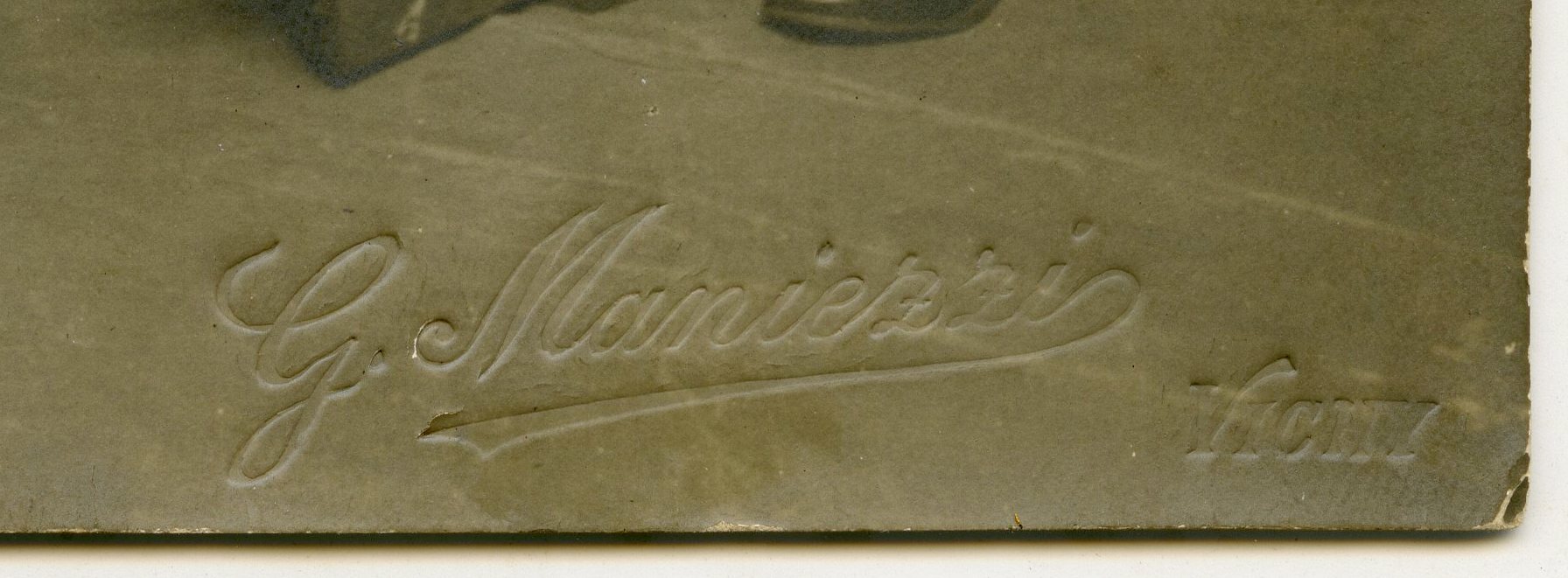
Sometimes an obscure patch shot slips through the cracks of the myriad listings on ebay.  In this case, I picked up a VERY rare shot of two members of the 255th Aero Squadron, 3rd Air Park of the 2nd Pursuit Group posing in a Vichy, France studio.  I’ve only seen two or three photographic examples of the 3rd Air Park shoulder patch insignia (SSI, remember?) in wear before.  This is a spectacular example, save for a minor fold and a small tear to the corner.  For future reference, the 3rd Air Park patch resembles #3 billiards ball on an underlain circular patch.

3rd Air Park Patch

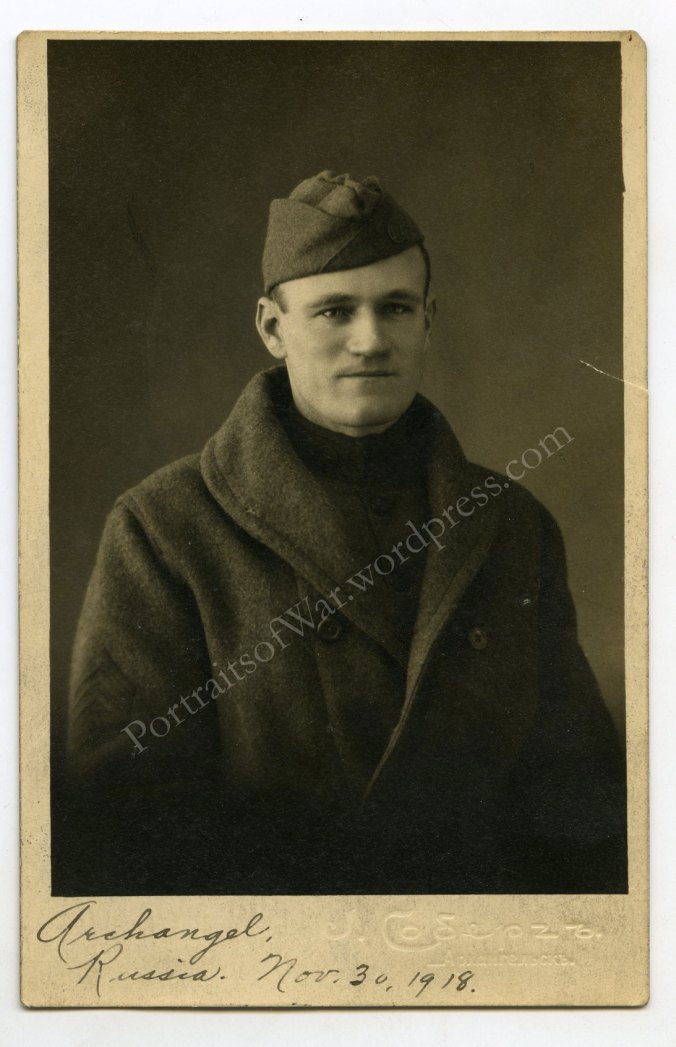
WWI 310th Engineer “Polar Bear” in Archangel Russia, 1918 – US Northern Russia Expedition


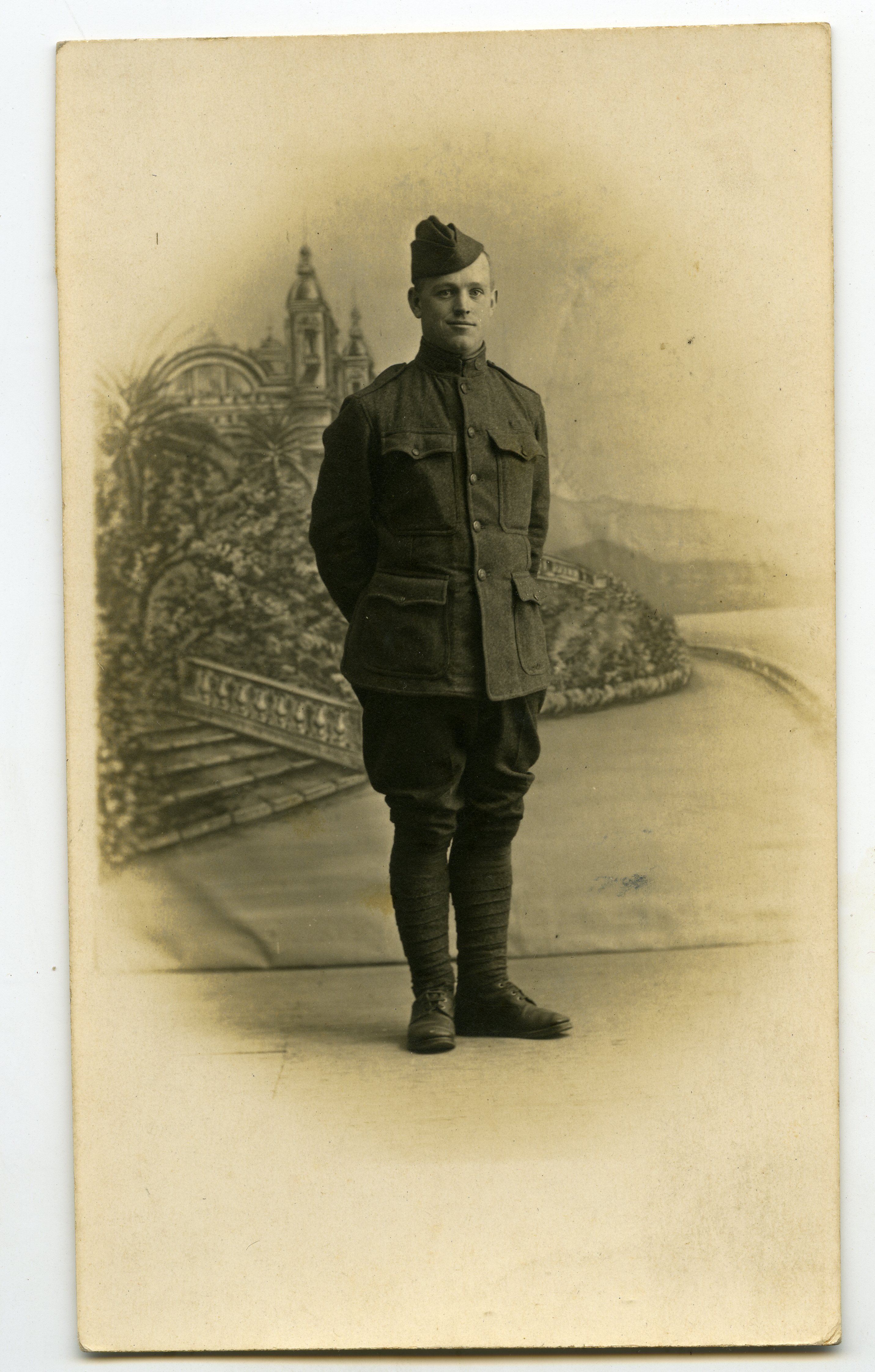
310th Engineer in Archangel, Russia

Don’t know too much about the US involvement in Russia during WWI?  Don’t worry, neither did I until a few years ago.  The above photo was acquired from a poorly listed eBay auction, and depicts a 310th Engineer posing for the camera in a Russian studio in the city of Archangel.  Photos of “Polar Bear” soldiers are incredibly rare, especially front-taken studio portraits.  I’ve seen a FEW example of Polar Bears posing back home, but only a couple taken overseas.  This one is particularly rare, as it shows a member of the 310th Engineers, who only sent ONE battalion of soldiers up to Russia.

Want to read more about the Polar Bears?  Visit the site below!

An excerpt taken from the Bentley Historical Library at the University of Michigan’s website:

(http://polarbears.si.umich.edu/index.pl?node=polar%20bear%20history)

“The American military intervention at Archangel, Russia, at the end of World War I, nicknamed the “Polar Bear Expedition,” is a strange episode in American history. Ostensibly sent to Russia to prevent a German advance and to help reopen the Eastern Front, American soldiers found themselves fighting Bolshevik revolutionaries for months after the Armistice ended fighting in France.

Because many of the American troops involved in the intervention were from Michigan, the Michigan Historical Collections has long been interested in documenting this episode. This guide describes the Collections’ holdings of manuscripts and photographs as well as maps and primary printed source materials relating to the Polar Bear Expedition.

During the summer of 1918, the U. S. Army’s 85th Division, made up primarily of men from Michigan and Wisconsin, completed its training at Fort Custer, outside of Battle Creek, Michigan, and proceeded to England. While the rest of the division was preparing to enter the fighting in France, some 5,000 troops of the 339th Infantry and support units (one battalion of the 310th Engineers, the 337th Field Hospital, and the 337th Ambulance Company) were issued Russian weapons and equipment and sailed for Archangel, a Russian port on the White Sea, 600 miles north of Moscow.

When American troops reached their destination in early September, they joined an international force commanded by the British that had been sent to northern Russia for purposes never made clear. Whatever the reasons for the intervention, however, the force was fighting the Bolsheviks who had taken power in Petrograd and Moscow the previous winter.”
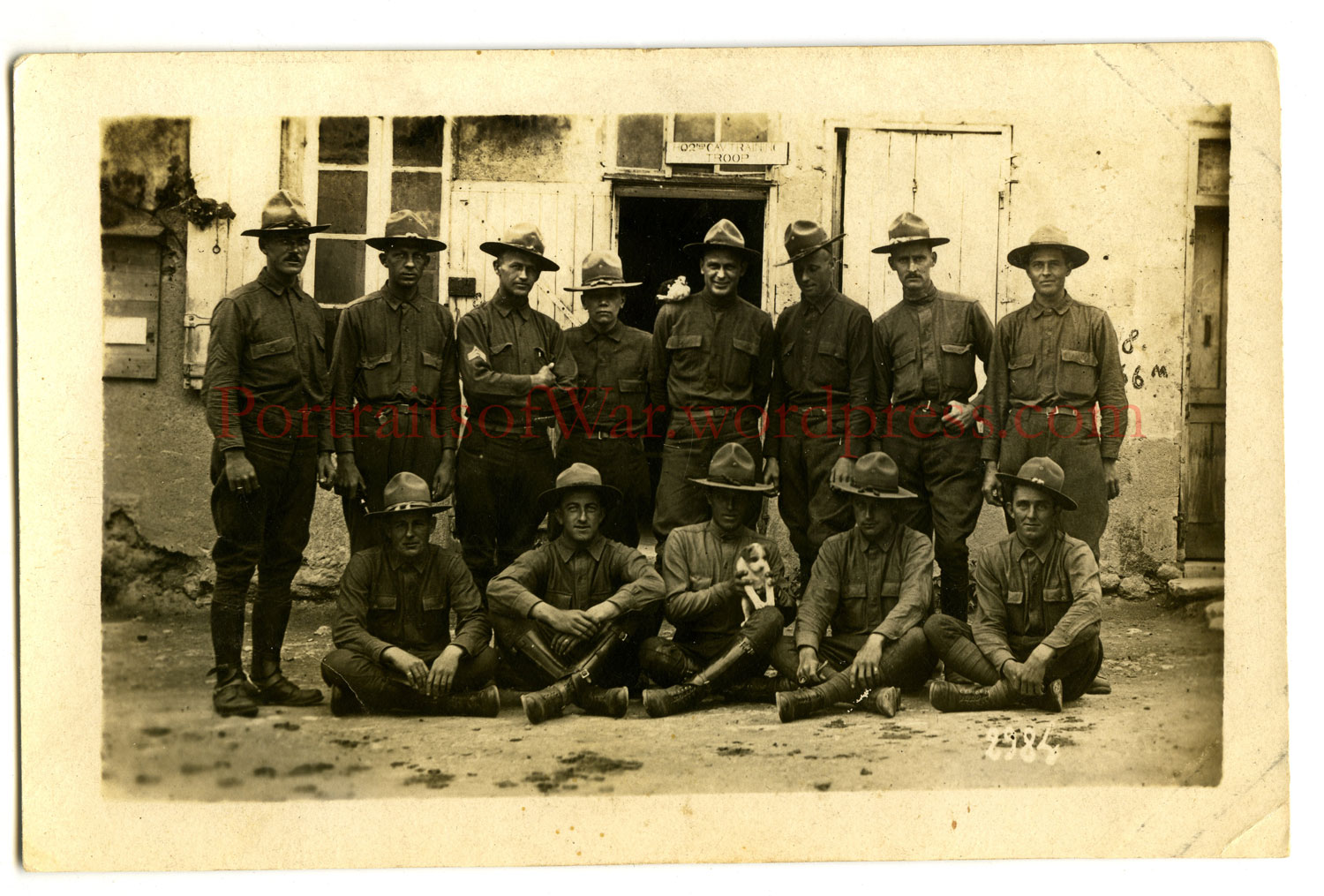
WWI Doughboy Photo and Grandson Reunited: The Story of PFC Charles R. Nablo


Not every WWI photo in my collection has a name inscribed on the reverse, but this one comes with both a name and a modern day connection.  After buying the image on eBay with only minor excitement, I was pleased to find a name and address inscribed on the back giving me a glimmer of hope in identifying the soldier.  After doing a quick search on findagrave.com (a great site for cemetery information), I was able to find the name of the cemetery where Mr.Nablo is buried.  Without much hope, I submitted a grave photograph request and was astonished when, within a few days, my request was fulfilled with a snapshot of his grave marker.  I added his photo to the findagrave.com site and wiped my hands of the issue.  One week later, the grandson of Charles Nablo emailed me!  I sent him the photo in the mail, and helped reunite a lost photo to it’s rightful owner.

WWI The University of Vermont at War – Williams Hall Army Training Detachment – August 1918


Authors Collection


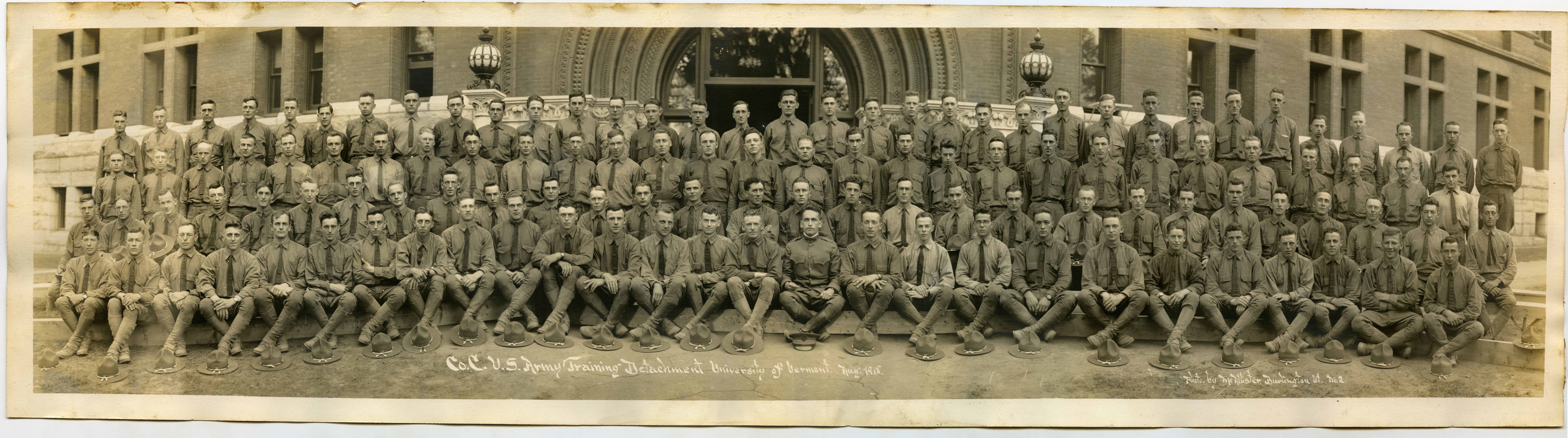
My recent trip to the local Burlington antique shop yielded some WWI gold; yet another WWI UVM panoramic photo to add to my extensive collection of war photography.  This one was taken in August of 1918 in front of Williams Hall at the University of Vermont.  I spent countless hours studying anthropology and archaeology in the hallowed halls of Williams, and I know the front facade well.  From the looks of it, not much has changed!   This photo shows Company C of the US Army Training Detachment which was housed at UVM in the months preceding the end of the war.

Looking at some of the details of the photo actually helped elucidate a bit of Louis McAllister’s business.  Check out the writing on each of the benches – it appears that McAllister wrote his name on each bench in his typical flowery style.  Very interesting!