I just came across a wonderful DVD from a British documentary film company that fits right in here at PortraitsofWar. Filmed and edited by Whirl Wind Productions in the UK, this documentary follows the lives of WWII nose artists as well as the men who flew those famous warbirds. Check it out and make sure to order a copy!
Uncategorized
World War II Veterans Gather at Mighty 8th Air Force Museum in Pooler – 2012 388th Bomb Group Reunion
http://savannahnow.com/news/2012-08-30/world-war-ii-veterans-gather-mighty-8th-air-force-museum-pooler
World War II veterans gather at Mighty 8th Air Force Museum in Pooler
Posted: August 30, 2012 – 11:33pm | Updated: August 31, 2012 – 9:19am

James Zographos, 93, left, who was a bombardier on a B-17 with the 388th Bomb Group during World War II, talks with Alvin Lewis, 88, who was a tailgunner on the B-17 Jamaica Ginger, on Thursday during a visit to the Mighty Eighth Air Force Museum.

Inside the combat gallery at the Mighty Eighth Air Force Museum, Alvin Lewis and James Zographos sat and admired the exhibit’s
centerpiece — a massive, almost fully restored World War II-era bomber.
Memories nearly 7 decades old flew through their minds Thursday afternoon as the 88-year-old Lewis and 93-year-old Zographos shared some of their experiences flying missions over Germany and France in B-17 Flying Fortresses nearly identical to the museum’s plane.
With 28 other World War II veterans who served with the 388th Bombardment Group — part of the 8th Air Force — the men gathered in Savannah this week as part of the unit’s 63rd annual reunion.
“It’s always the best,” said Zographos, who lives in Westborough, Mass. “It’s great to get together and see these guys and their friends and family every year.”
This year, the group chose Savannah for the reunion specifically to see the Mighty 8th’s B-17, dubbed the City of Savannah in honor of the 5,000th plane to be processed through what is now Hunter Army Airfield during World War II, said Henry Curvat, the 388th Bombardment Group Association’s president.
“For us to be able to come here and see this, it’s a great honor,” Curvat said. “For so many of the original members to see this B-17 and for this museum to honor them by placing the high bar H (the 388th’s unit symbol) on the plane is wonderful.”
The original City of Savannah, like Zographos and Lewis, was assigned to the 388th Bomb Group and flew missions out of Station 136 in Knettishall, England, during the war.
Zographos, who is the oldest remaining member of the group, flew more than 50 missions as a bombardier between March 1944 and March 1945.
After flying his first 30 missions, Zographos was sent home. About 30 days later he was back at Station 136.
“I went home then I volunteered and went back and did 20 more (missions),” he said. “I can’t explain that. I can’t explain a lot of things. People ask why I went back, they ask, ‘Were you ever afraid?’ I can’t answer that.”
Like Zographos, Lewis, of Dayton, Ohio, doesn’t articulate what led him to the war.
The day after he turned 18 in 1942, Lewis enlisted into the U.S. Army Air Forces, the next year he began flying in B-17s and by February 1945 he’d been sent to Knettishall with the 388th to serve as a waistgunner during missions in Germany.
By the end of that year Lewis had flown 13 missions and been discharged from the military.
“I was 20 years old when they sent me home,” he said. “I got home on July 4 and I turned 21 on the 21st. They discharged me in October and that was it.”
Although they didn’t fly any missions together 67 years ago, they’ve become easy friends as they’ve aged.
“He and I, like any of us, we can just sit here and talk and talk,” Zographos said.
The 30 remaining members of the 388th share a similar bond only those who fought with them can understand, Zographos said.
It may not always be easy to share their experiences, he added, but it’s important.
“We talk about the things that happened because once our group is gone — not only the 388th but all the World War II survivors — it’s going to be past history. There’s going to be nothing in the history books directly from our generation.”
Preserving and sharing the history of the members of the 388th, Curvat said, is what encouraged him to become so involved with the group.
“Through my adopted father — a close family friend, really — who flew with the 388th in World War II, I became part of this group,” Curvat said. “I’ve found spending time with these men to be infectious.
“It’s just incredible to look at what these people have done and what they went through; it’s important that we record and share that with people as less and less of these (World War II veterans) are around.”
WWII Photo – Incredible D-DAY Flyover View off the French Coast – June 6th, 1944
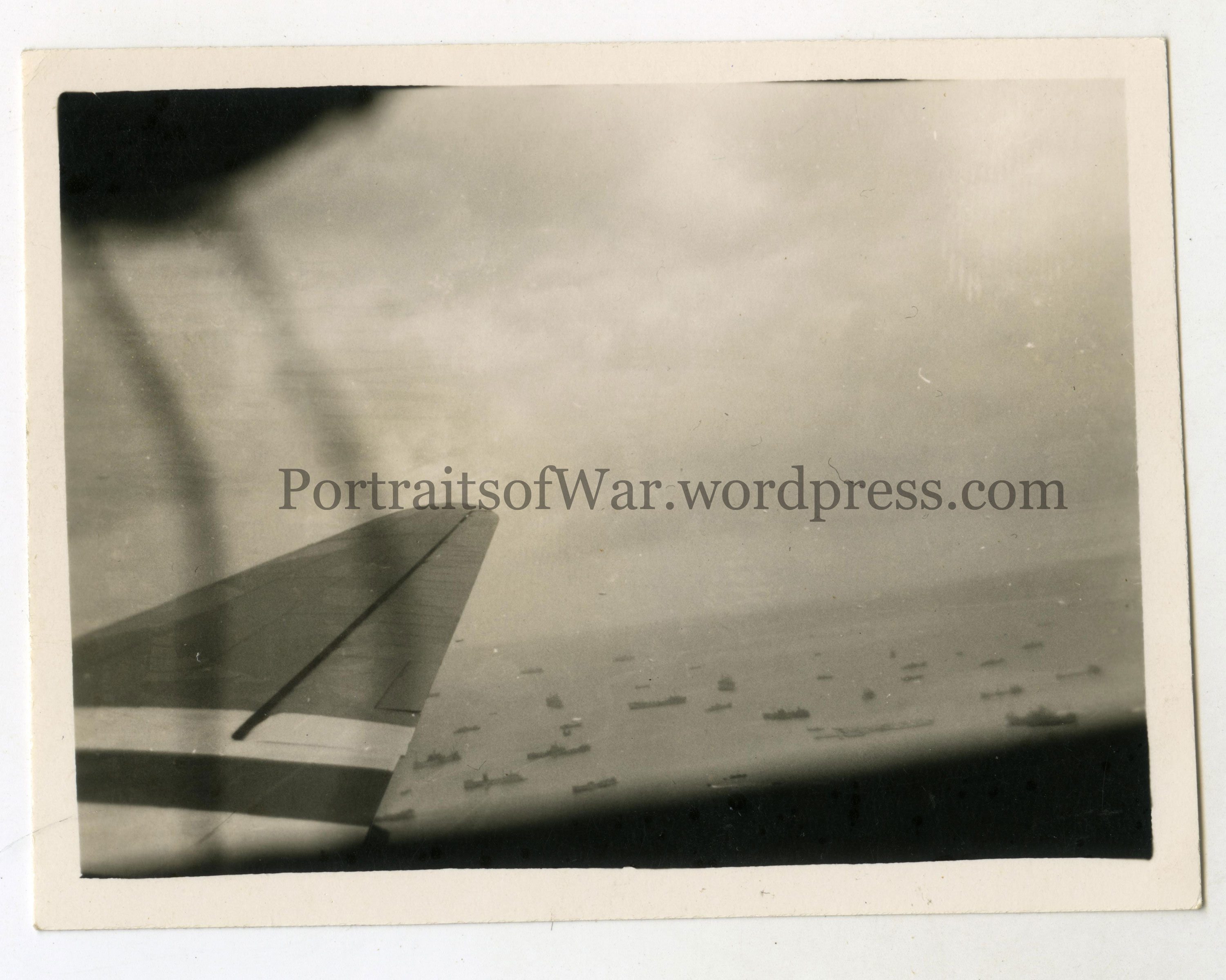
Followers of PortraitsofWar will know that photos taken on D-Day are some of the most sought after images for WWII photo collectors. I only have a few dozen in my collection, and this is the first taken from the skies above the English Channel on that fateful day. The massive fleet was the largest ever put together in world history, and must have been a sight to behold. This post goes out to my Great-Uncle Brendan who made the landing with the 29th Division.
Scanning WWII 35mm Color Slides: A Beginners Guide
I constantly have readers asking me about scanning WWII negatives and slides. Many people unknowingly think that the process is tedious and time consuming. In actuality, the process of scanning and processing a single image only takes a few minutes with some great results. Here’s a quick step-by-step guide to scanning a WWII 35mm color slide. In this instance, the 35mm Kodachrome film is housed in a Leica metal mount.
To preface this tutorial, I need to point out that not every scanner will scan negatives or slides. I am currently running an Epson V700 “Perfection”. Many other collectors and dealers use this scanner, and some even use the V750. The V700 will run roughly 500 bucks, and the V750 a hundred or so more. There are a handful of other quality scanners out there, so search around!

Epson V700
Step 1: Find a Slide
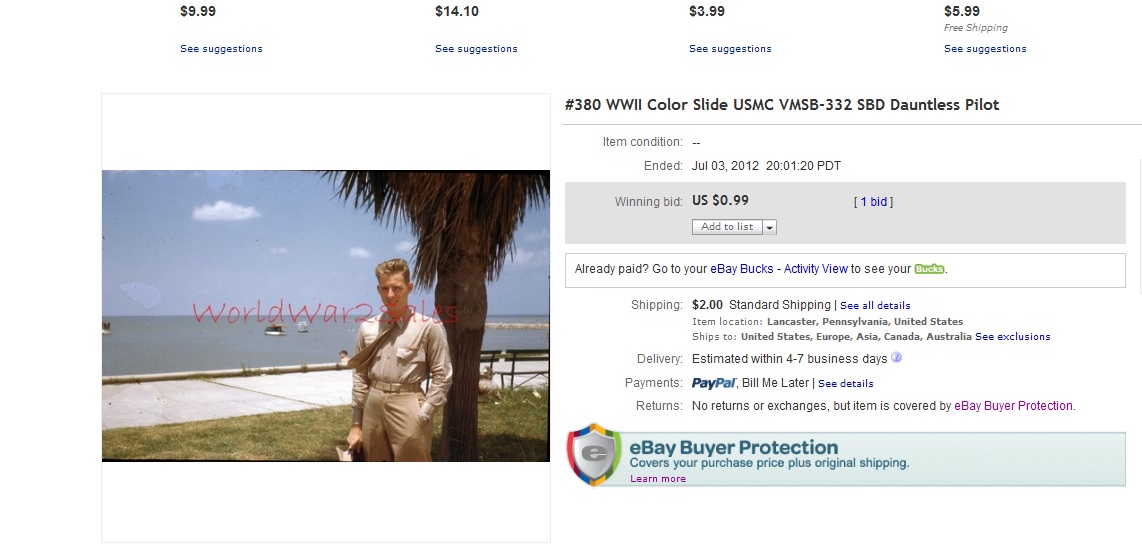
This may actually be the hardest part of the process. Find a single image, or group of images, on an online auction or location flea market that you want to scan. This works well with any type/age of slides, but I prefer WWII and Korean War slides. In this case, I found a nice shot of a Marine pilot posing near the beach. Good subject matter, color, and condition.
Step 1: Find a Slide
Step 2: Prepare the Slide
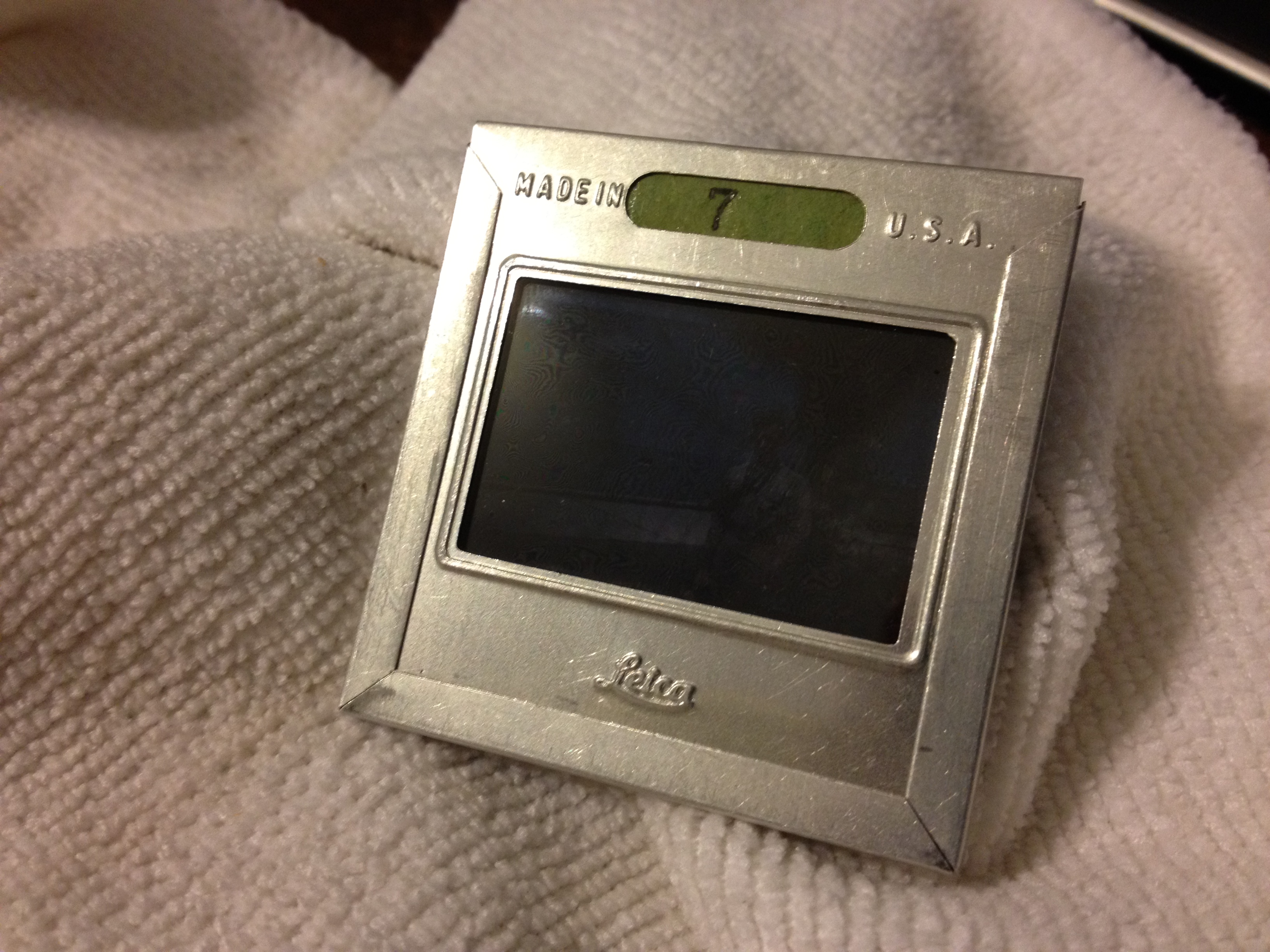
Although most late-war slides tend to be mounted in paper housings, I’m showing the process with a glass and metal mounted slide from 1944. The process works the same with the paper mounts, but tends to lose some quality around the outside borders. In this case, the film is sandwiched between two small pieces of glass and inserted into the metal housing as seen below.
WWII Slide
Take care when extracting both sections of the slide housing. Using slight pressure and TLC will ensure the slide goes back together after scanning. If the housing breaks for any reason, plastic 35mm slide mounts can be found on eBay.

Carefully Deconstructed WWII Slide
Step 3: Scanning
Place the color film on the scanner glass. I don’t worry about mounting the film in the Epson provided slide tray. I don’t usually have a problem with gaussian blur, and I always wipe my glass down with a microfiber cloth to get rid of dust and random particles that tend to float around in the air.
The most important part of the physical scanning process is the adjustment of settings. I tend to scan in TIFF 48-bit color in 4800 or 6400 DPI. I don’t set ICE or dust removal.

Place on Scanner Bed
Step 4: Post-Scanning
When the scanned image is ready for manipulation it typically needs a little bit of Photoshop cropping and editing to correct the color balance, remove dust and scratches, and reduce blurring. A few minutes fiddling with Photoshop or another editing program should produce a nice digital image ready for posting to your favorite blog. I typically use watermarks to help bring visitors to the website and to stop unscrupulous visitors from stealing images.

Unedited Slide Scan
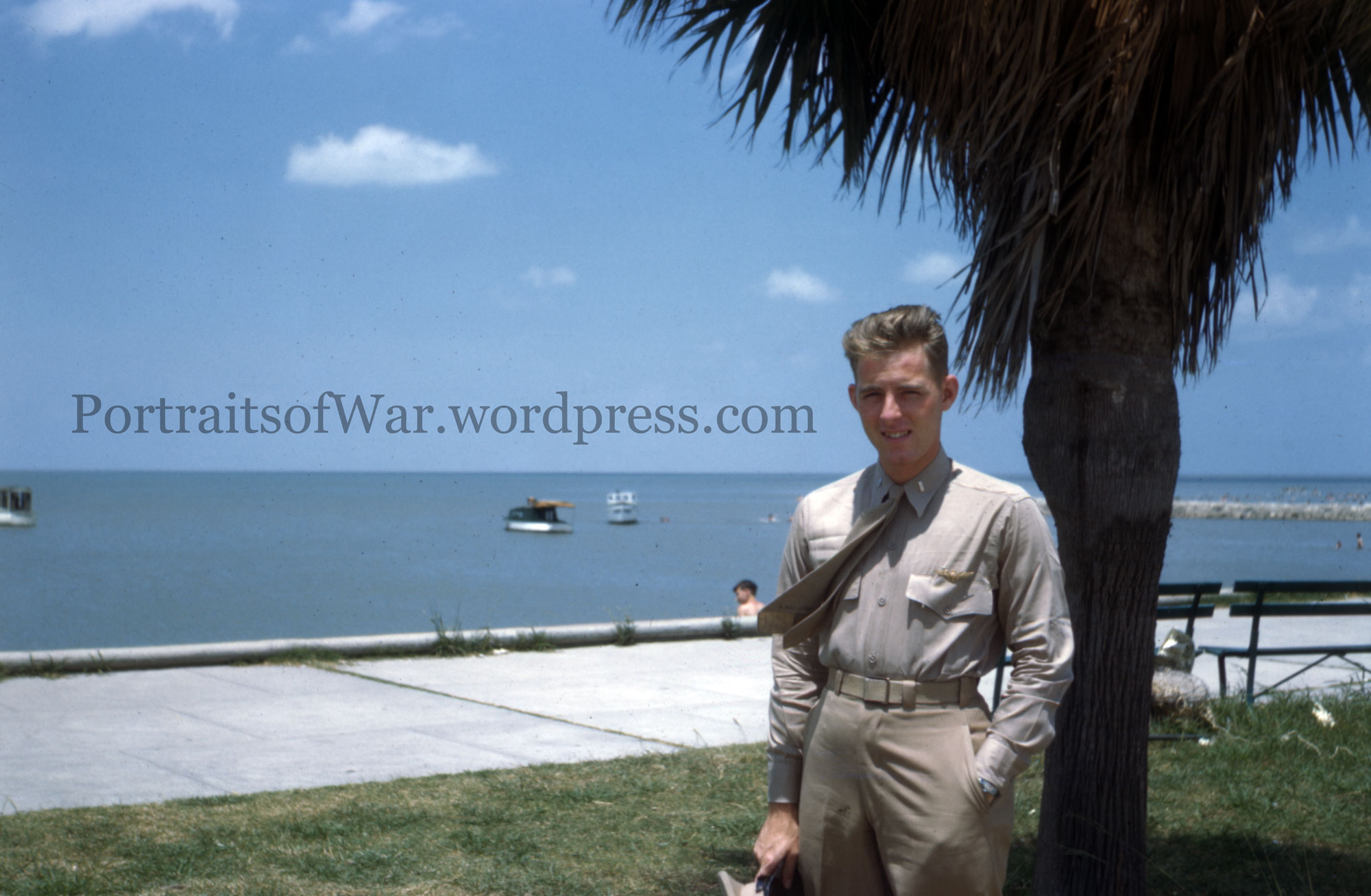
After Ten Minutes of “Cleaning”
A new photo of a Hal Olsen pinup just arrived in the mail. This one is titled “punkie”.
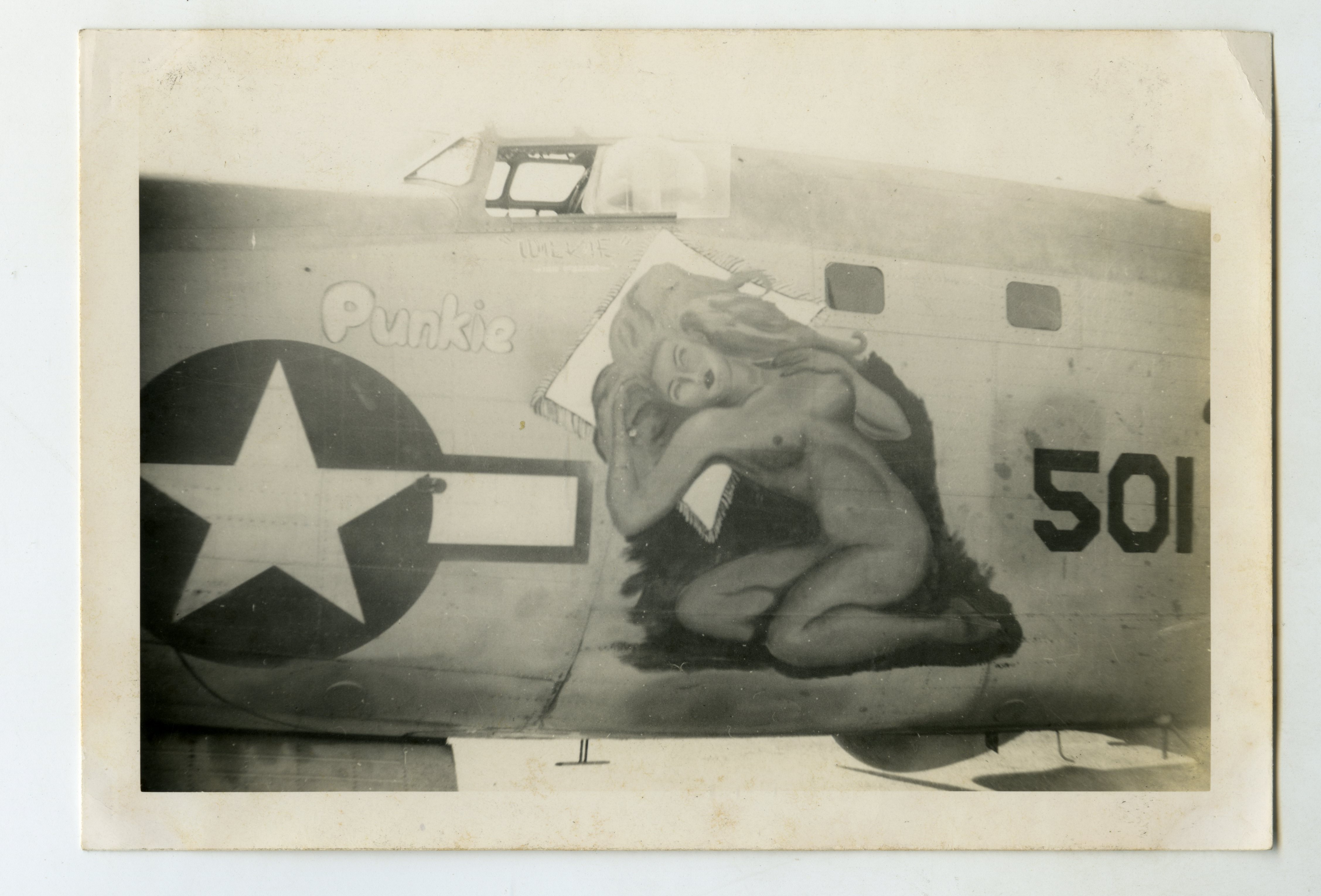

I recently had the esteemed pleasure of acquiring five nose art photos of PB4Y-2 airplanes. Using the power of the internet, I was able to look up four of the planes, the Green Cherries, and the Lady Luck II. With a bit of luck I tracked down the name of the original artist. Hal Olsen painted over 100 nose art pin-up ladies on various planes in the PTO during his stint with the US Navy during WWII. He charged $50 per painting and eventually used the money to enter formal art school and travel with his wife. He is considered the last living nose art painter of WWII. Having tracked him down, I wrote him a nice letter asking for his autograph and promising that I would send along some copies of my photos. He graciously signed all of my photos and added an inspiring letter with the group. …
View original post 17 more words
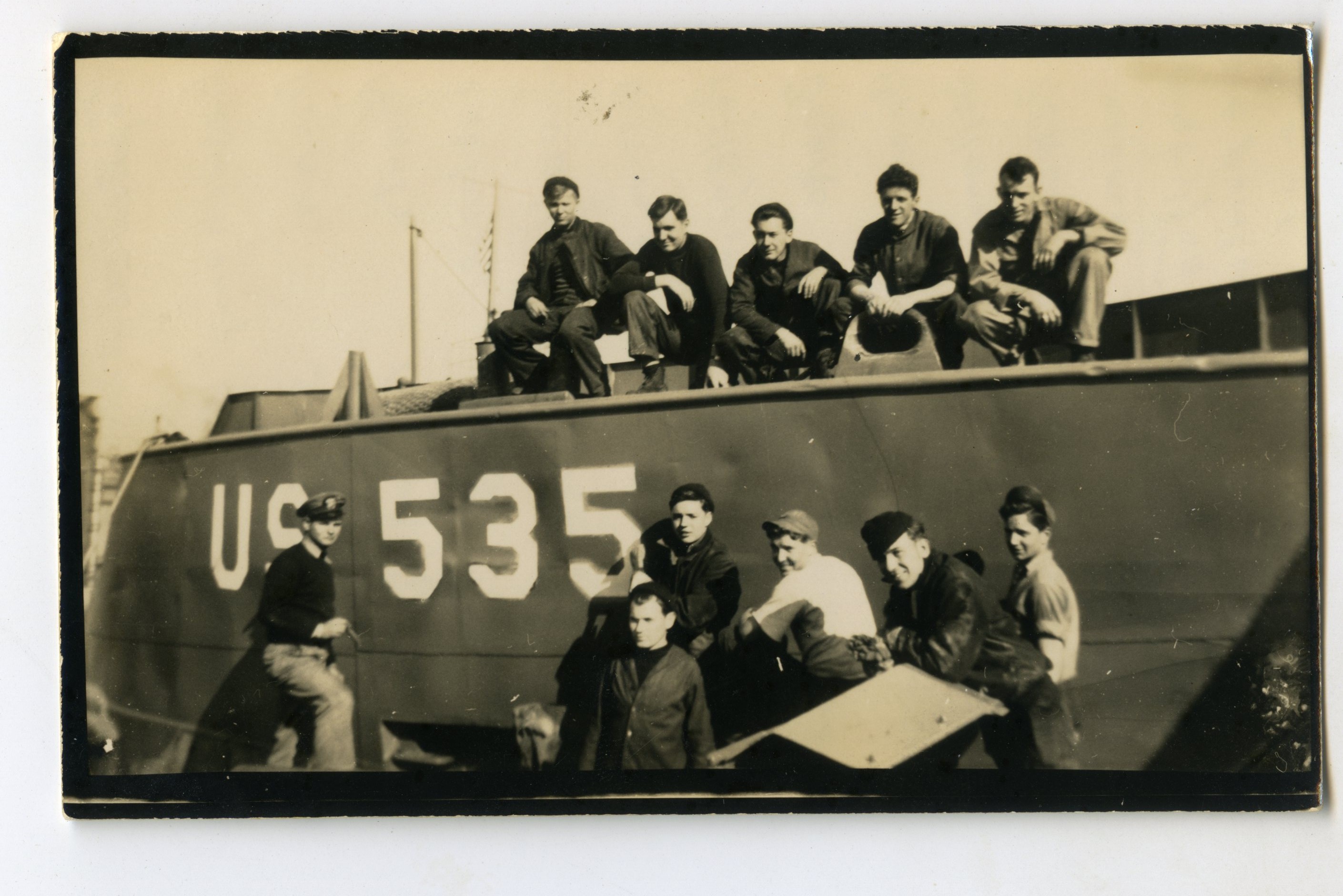
June 6th, 1944: The LCT 535 Lands First on DDAY
April 25th, 1945 – The 69th Division Links with the Russians in Torgau – WWII Anniversary Post


Mick’s Pick for the Week – Interviews with WWII Veterans
WWI Photo Collection – 31st Railway Engineers in France
I love collecting WWI albums and named photo groupings. They are much harder to come by compared with the relatively plentiful single photo purchases. In this case, I was able to come across a wonderful grouping of photos from the grandson of a WWI 31st Engineer veteran. I promised to post the photos on the site to help raise interest in this obscure unit and help bring this man’s photos to the digital world. Digital preservation allows thousands of viewers to enjoy images that would otherwise be relegated to the corner of a dusty upstairs closet. I will do my best to describe what I can about the unit and share a few biographical vignettes.

Pvt. Herbert Conner posed in France
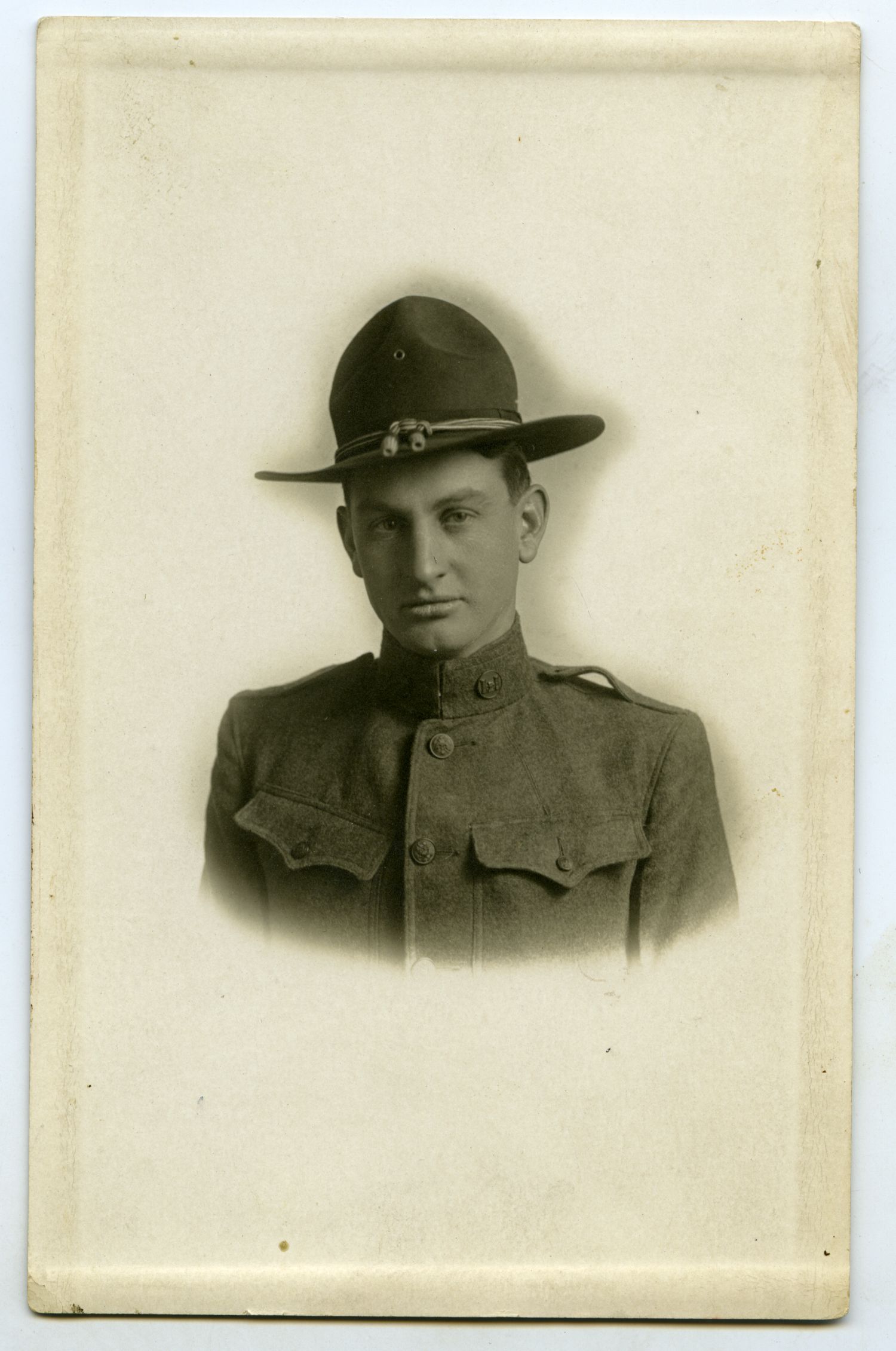
Pvt. Conner
“My grandfather was born in 1892 in Fordsville, Kentucky later the family moved to Amity Oregon and later to St Helens, Oregon. As a young man he was a prizefighter(that what they called them in those days). He was a logger for awhile later he went to work in Portland, Oregon for the railroad before the war and after the war he continued with the railroad for over forty years as a fireman and an engineer. He never owned a car and the station was about two blocks from his house and Kelly’s Bar and the grocery store were across the street from work so I guess he felt he didn’t need one. He passed away in 1968.
Grandpa was very proud to have served in World War 1. I do not believe he was in combat. The 31st engineers provided supplies and transported troops. The only story I can remember when he was on guard duty in France and a soldier had gone awol for the night, apparently celebrating and didn’t know the password or had forgotten it and Grandpa felt sorry for him and let him back in the camp. It has been such a long time ago there were probably other things that happened that I can’t remember right now. He must have spent some time at the French Riviera and Monte Carlo because there was a lot of postcards from that area and one postcard to his brother had him on the Italian Riviera for awhile.”

Some Guys from A Company

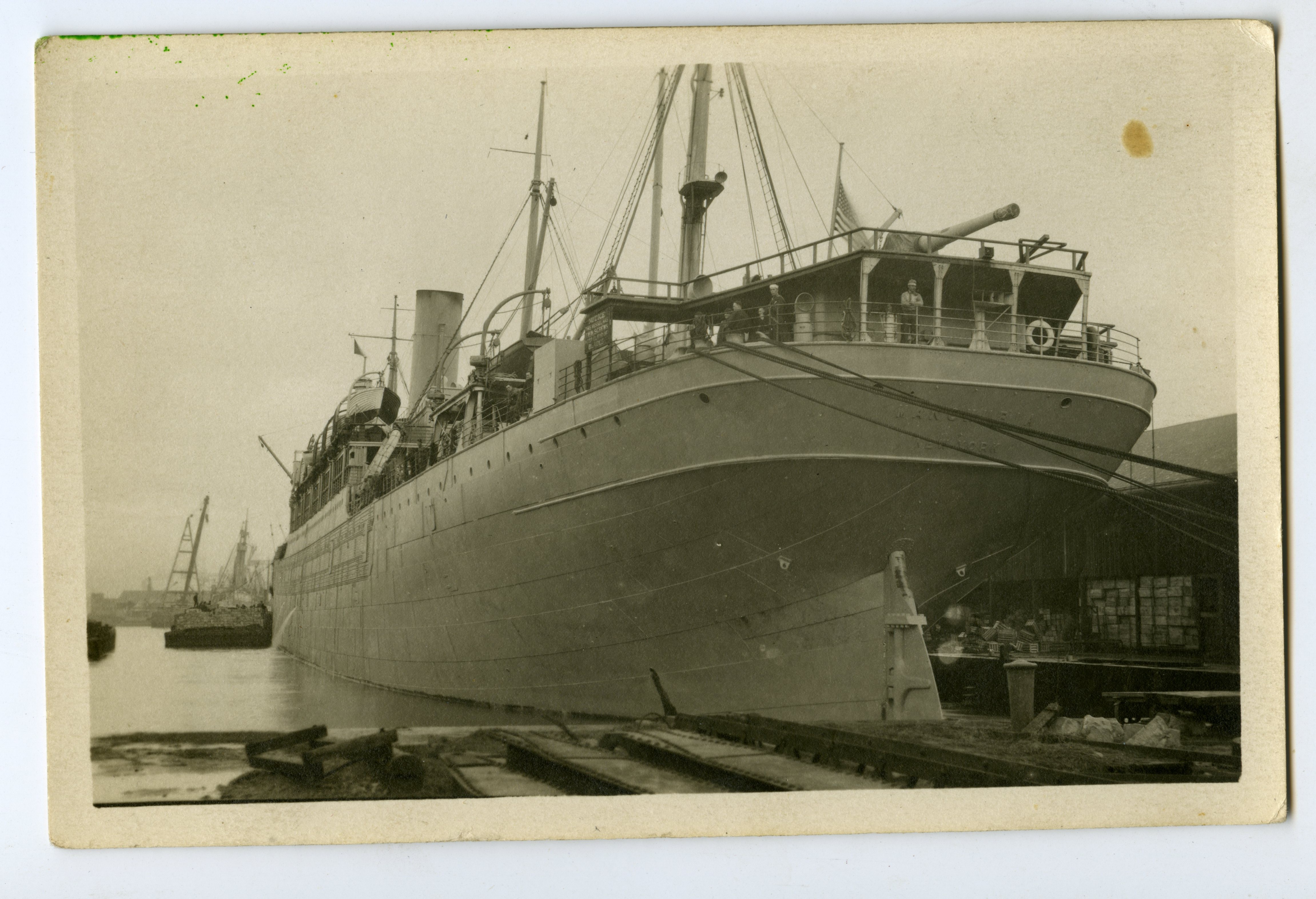
SS Manchuria in Port (Not the return ship for the 31st)
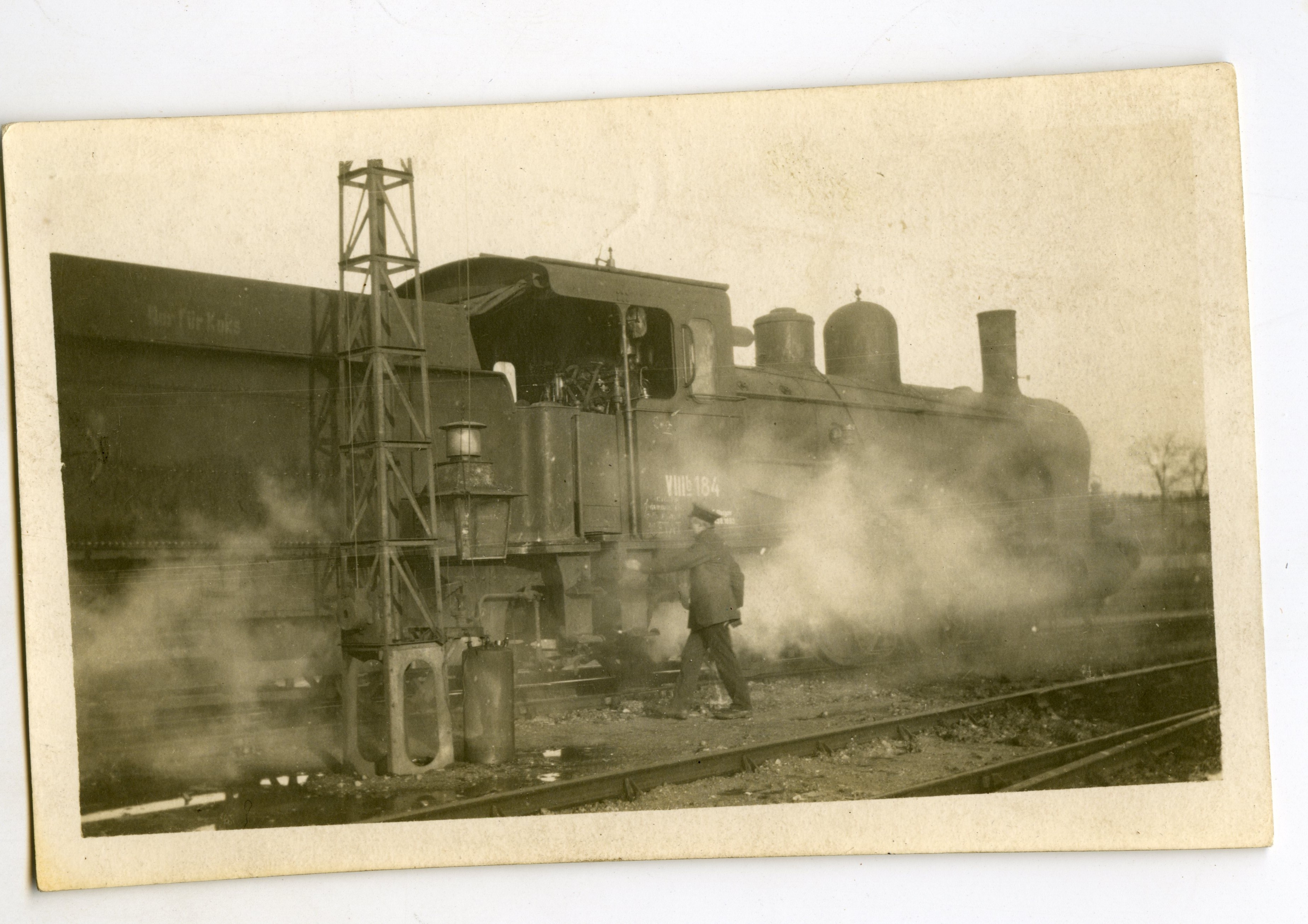
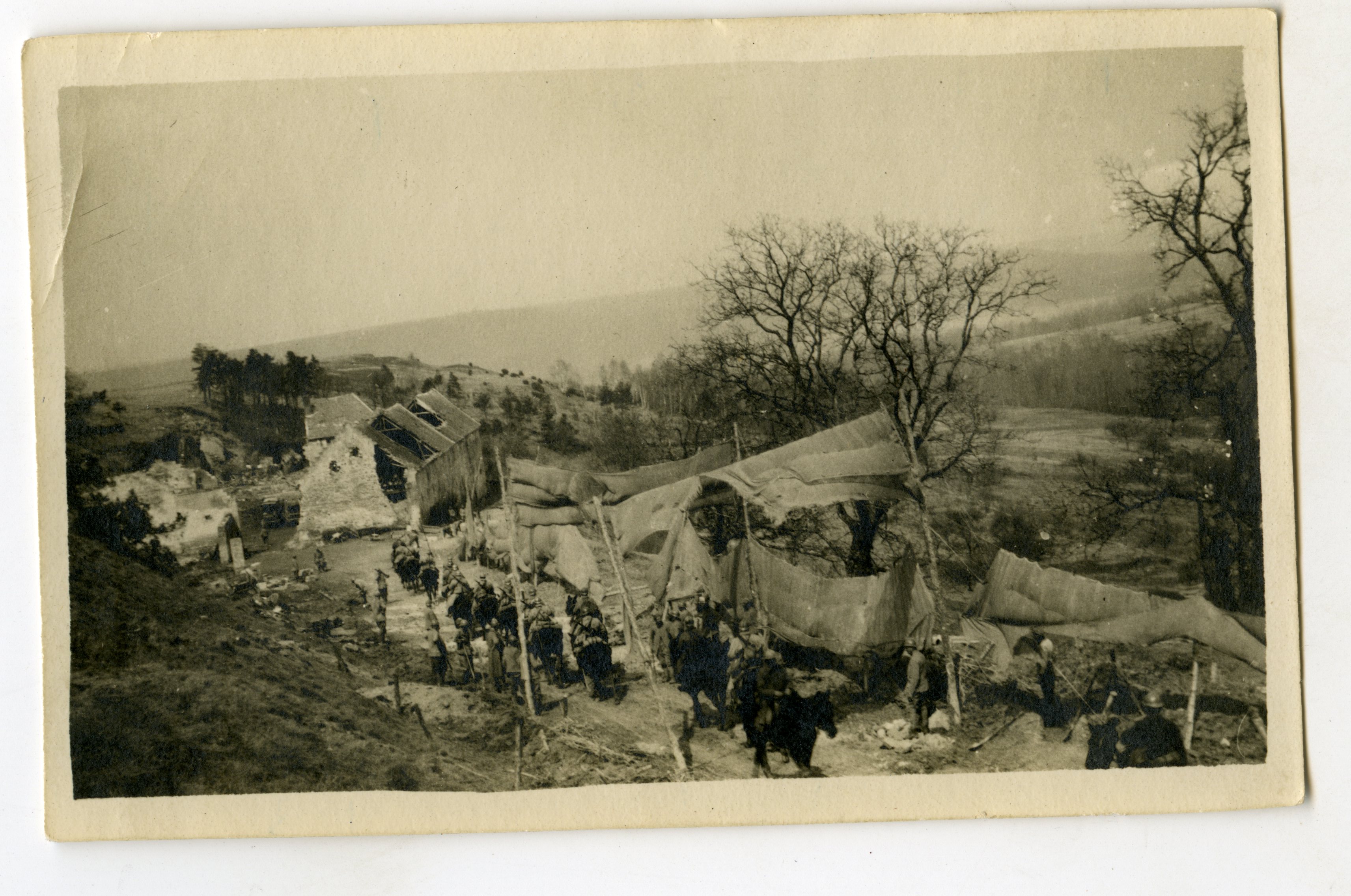
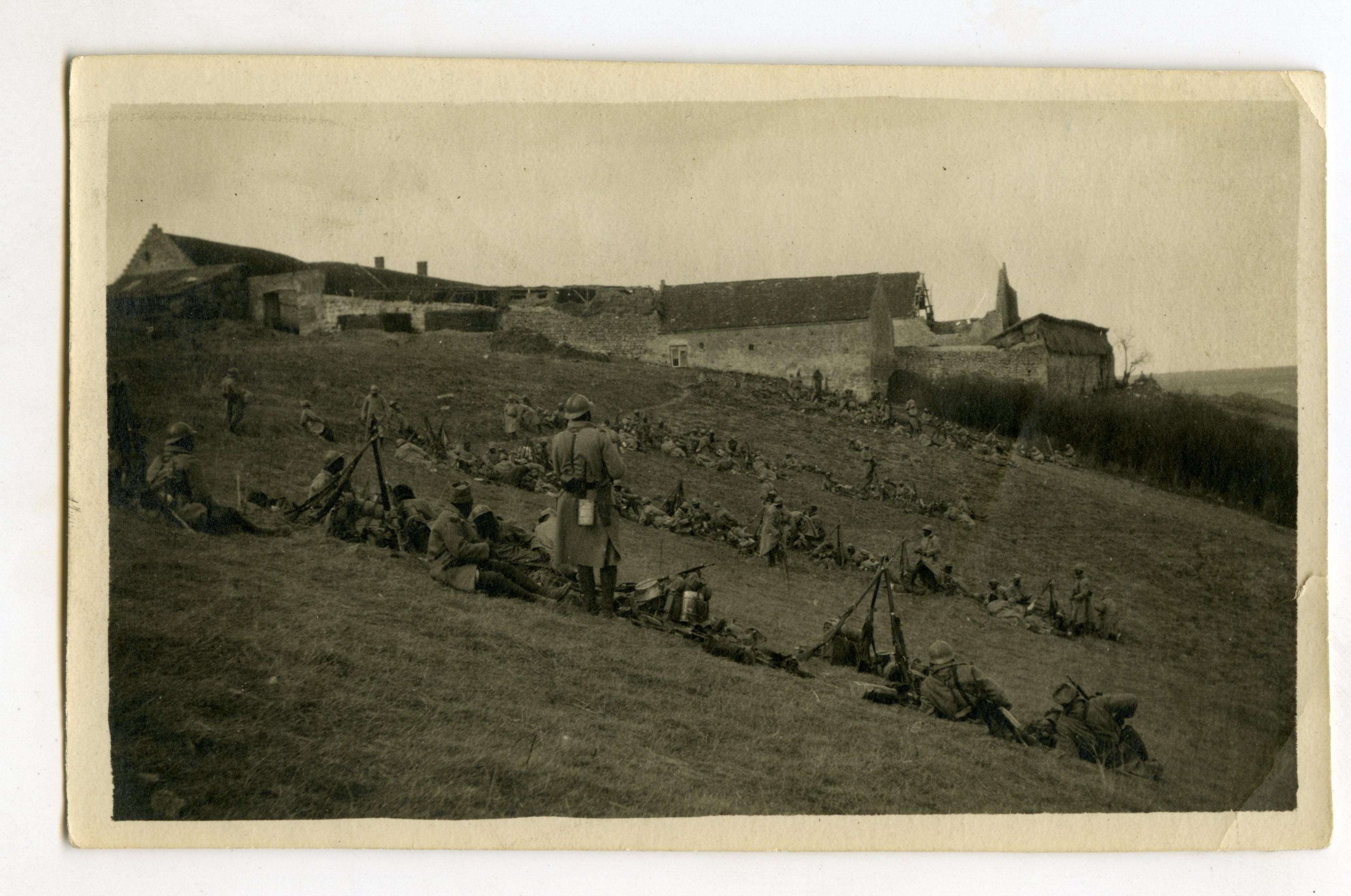

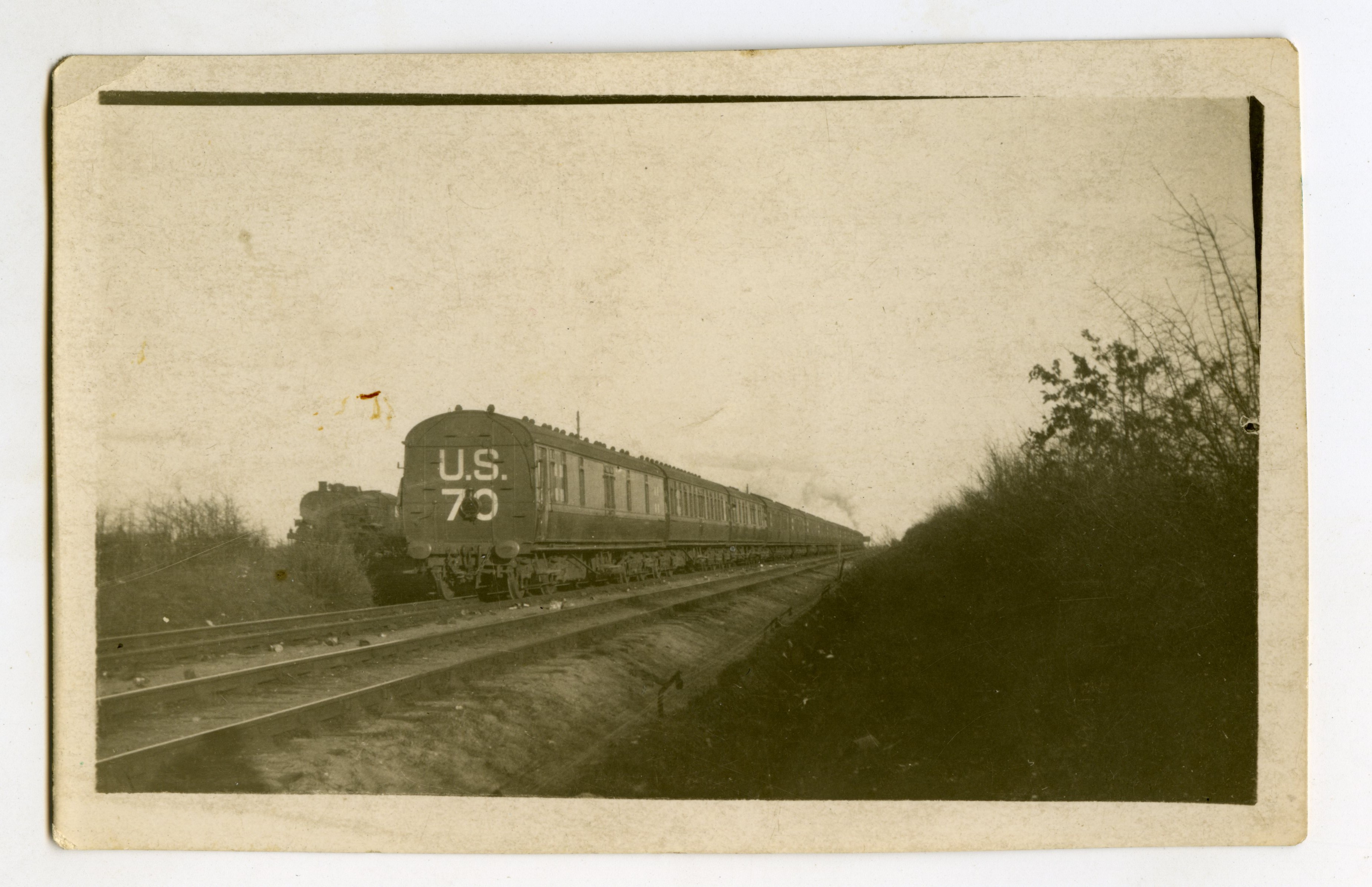
Hospital Train


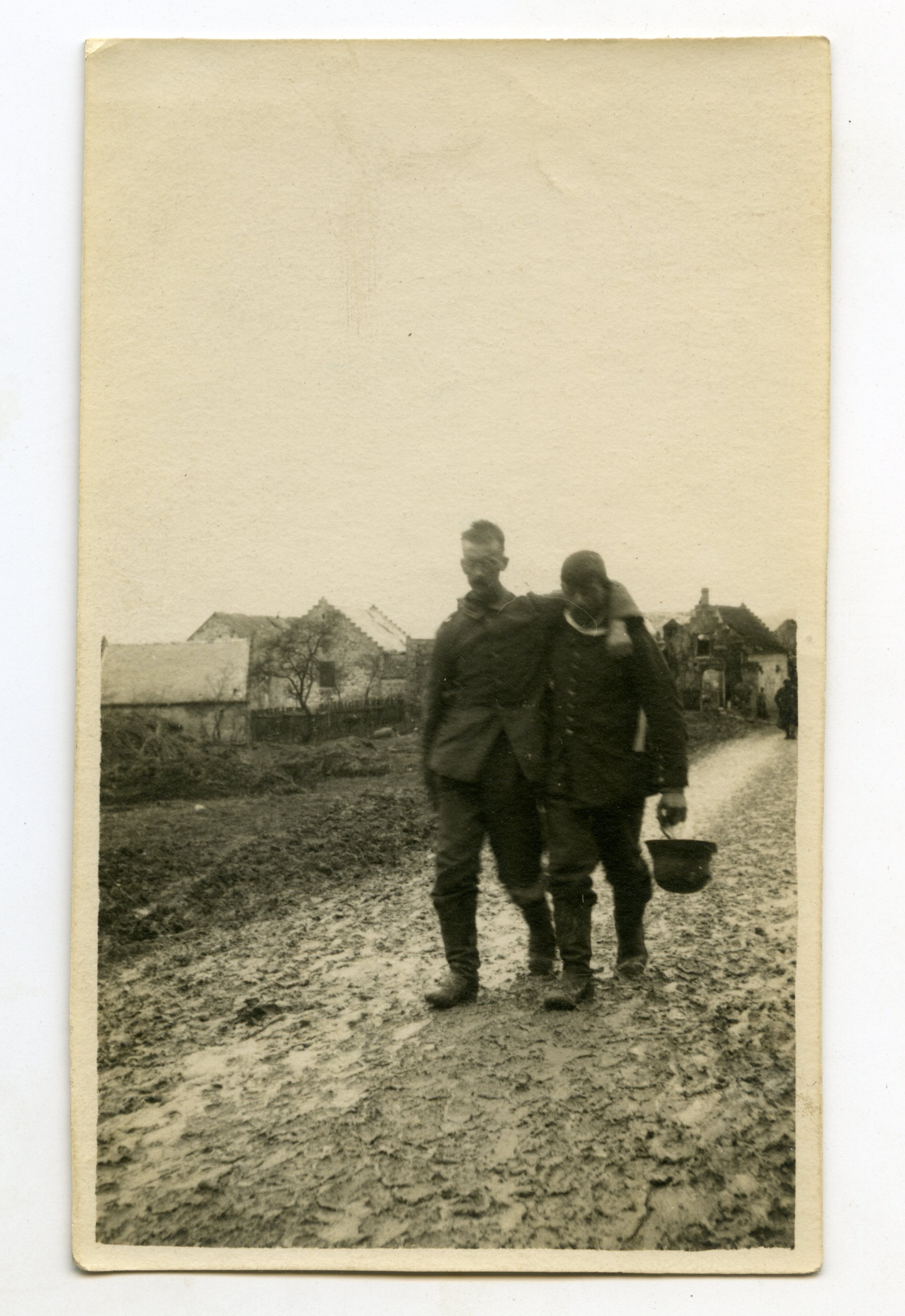
German Prisoners
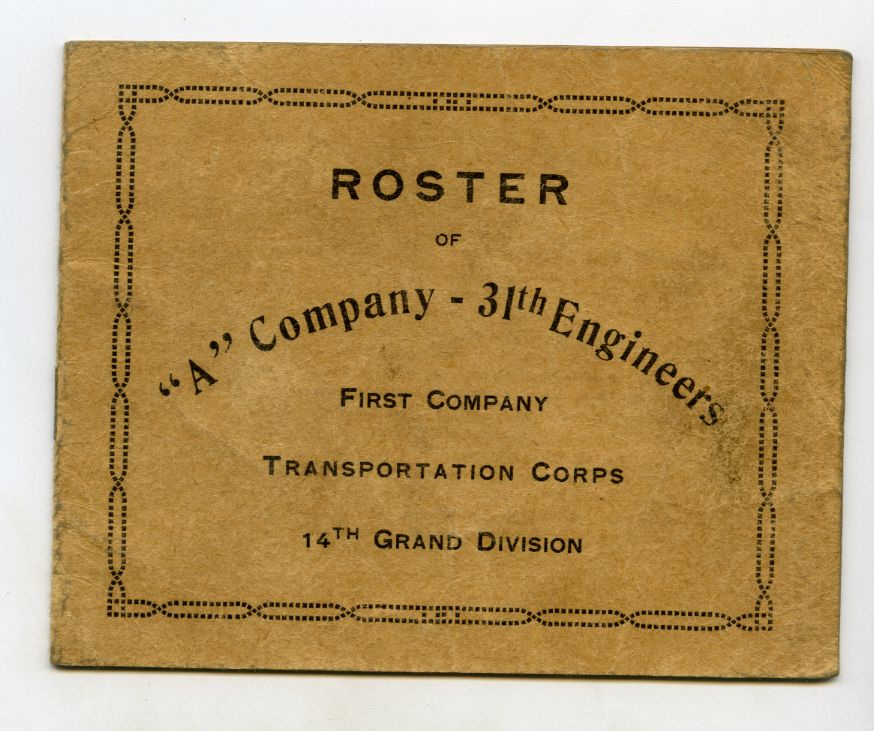
Check back for updates…………….
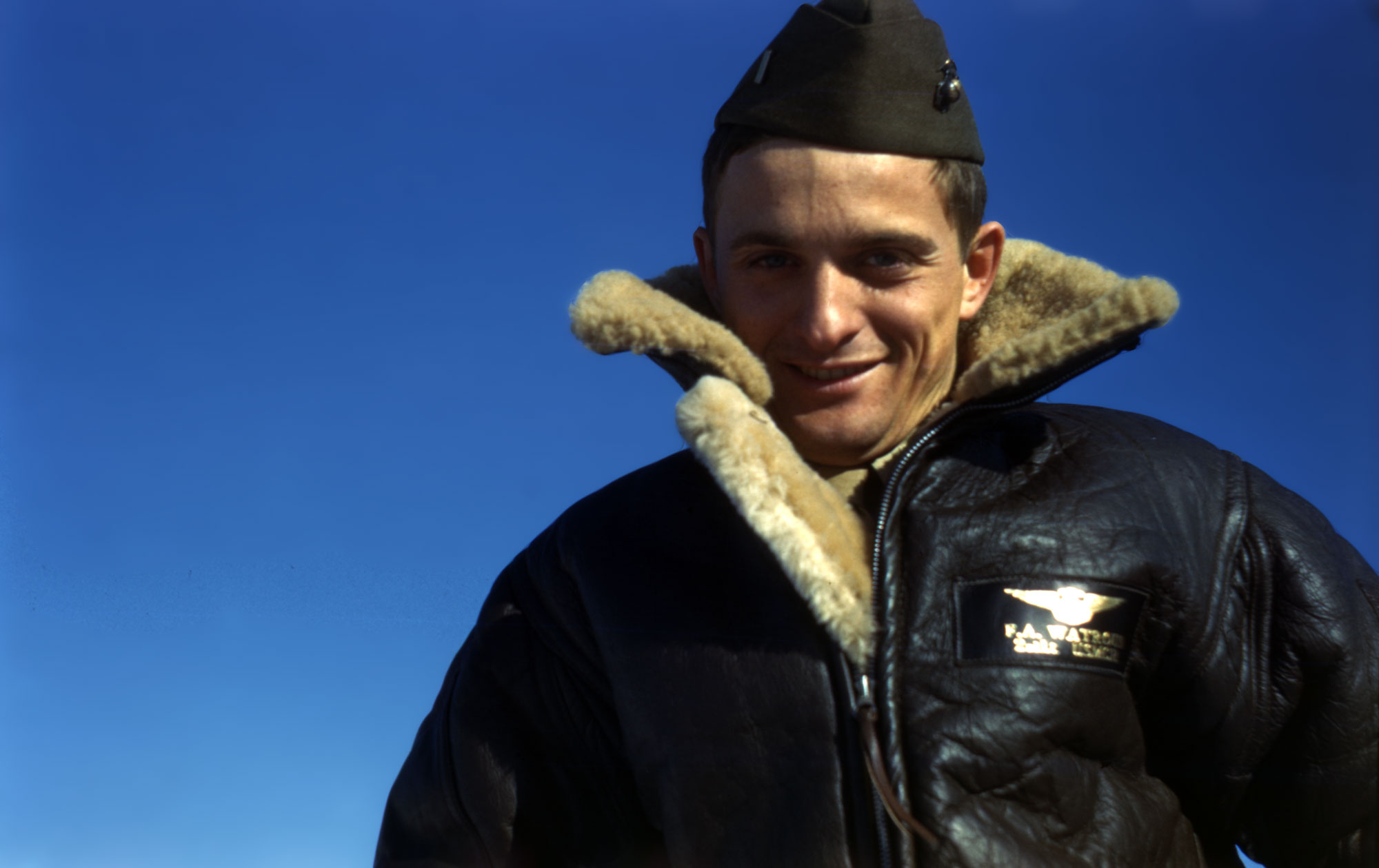
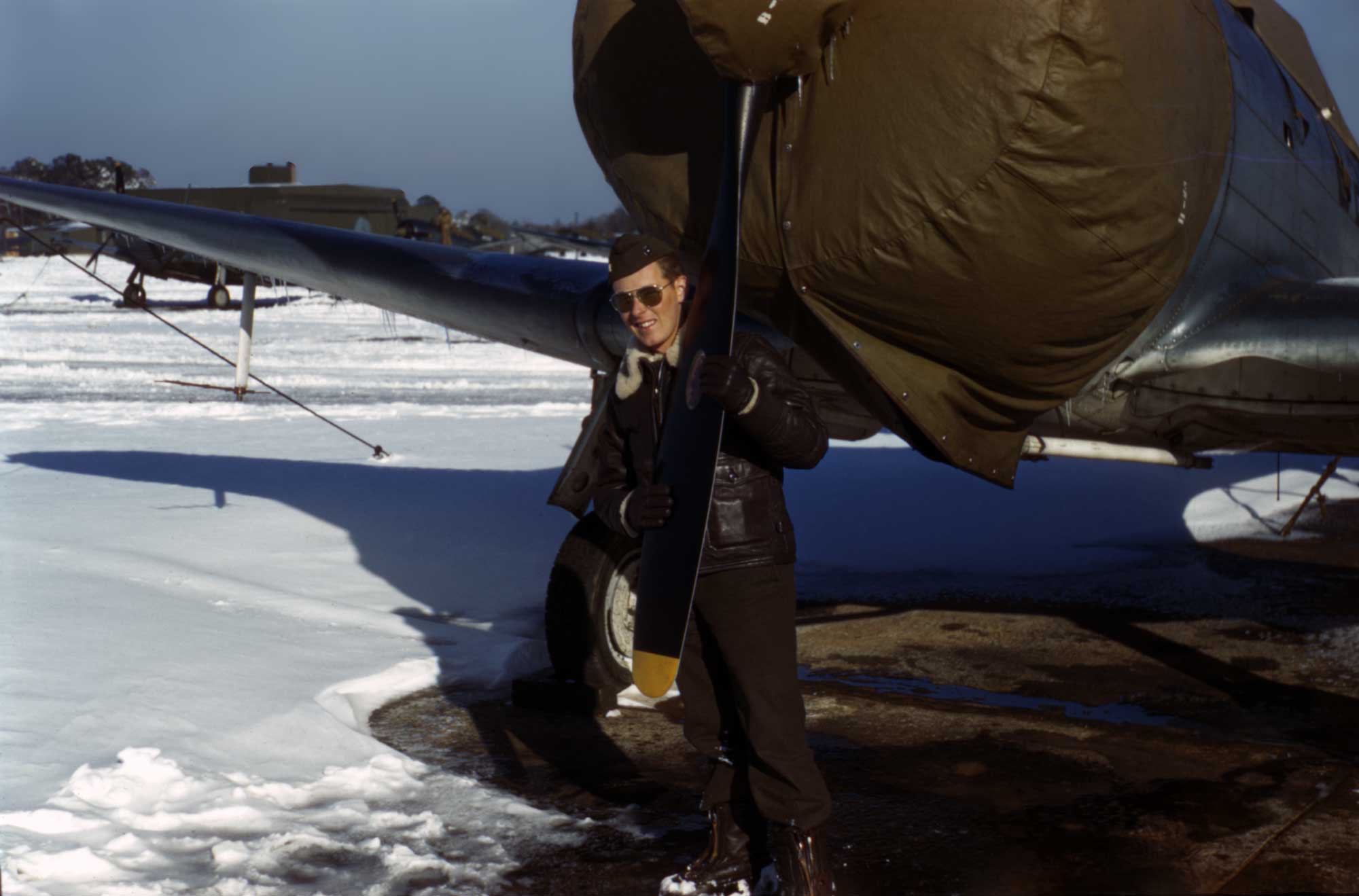
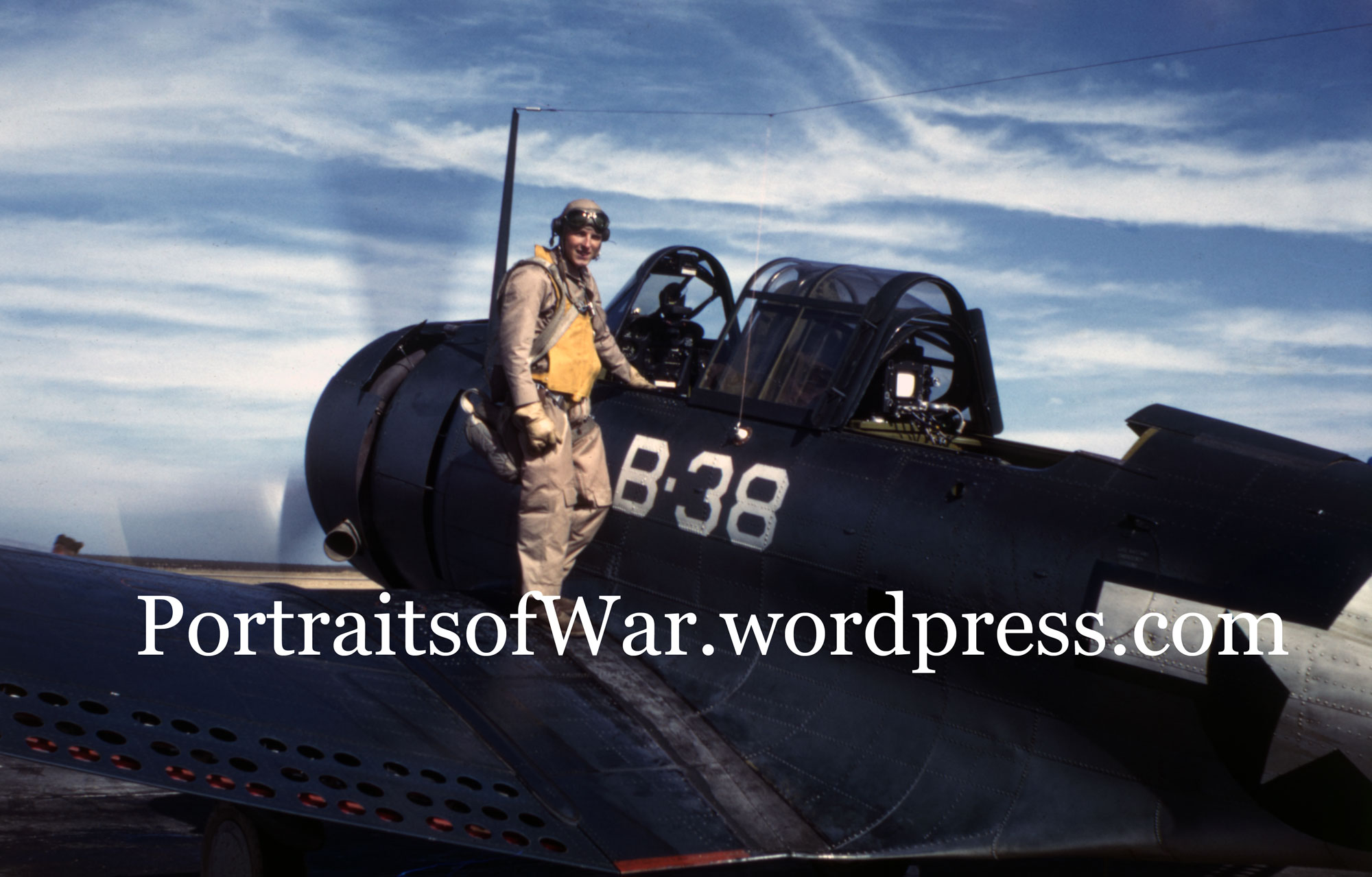
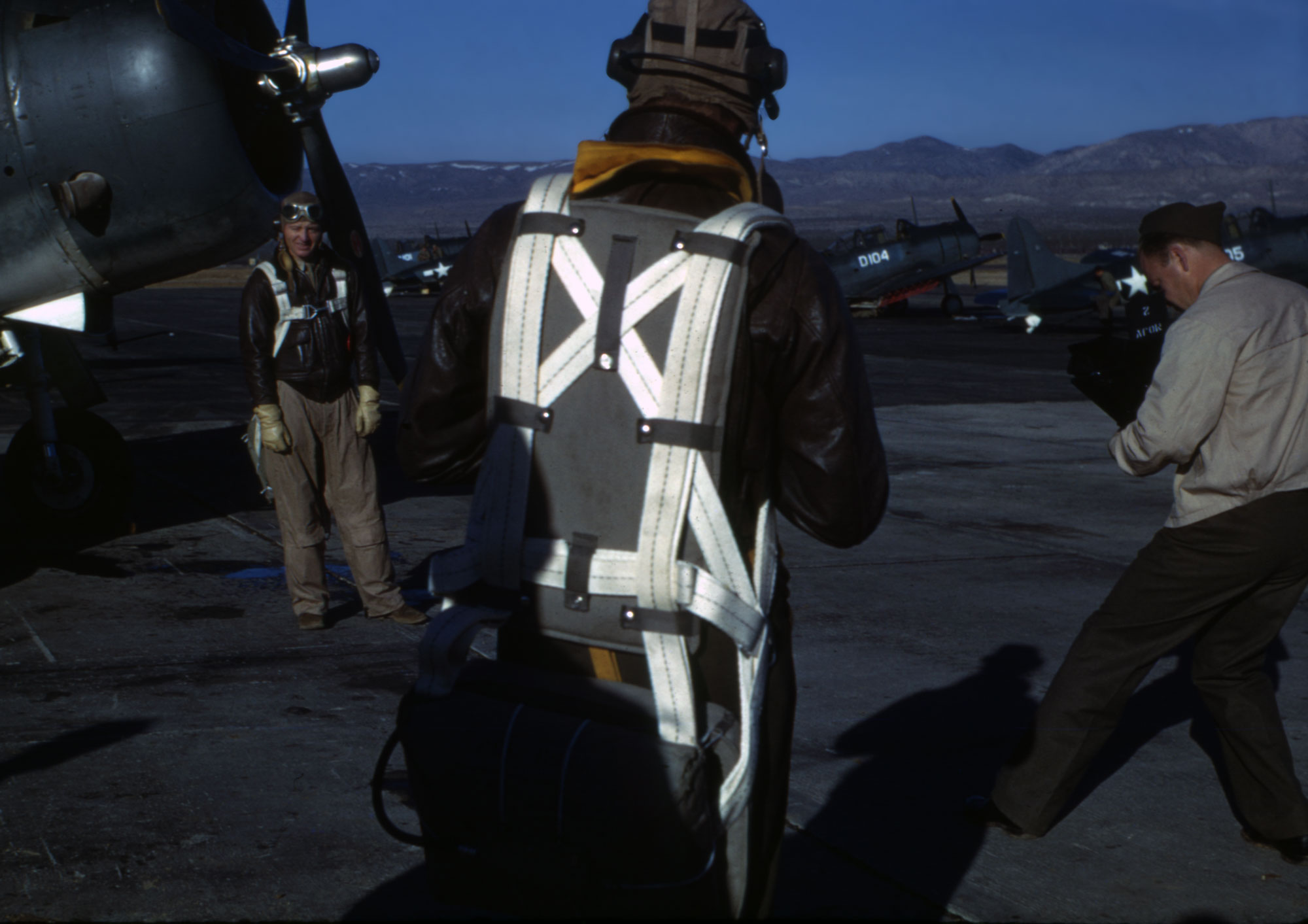
WWII in Color – Color Kodachrome Slides – 1944 SBD Dauntless Marine Dive Bombers VMSB-332 w/ Aircraft
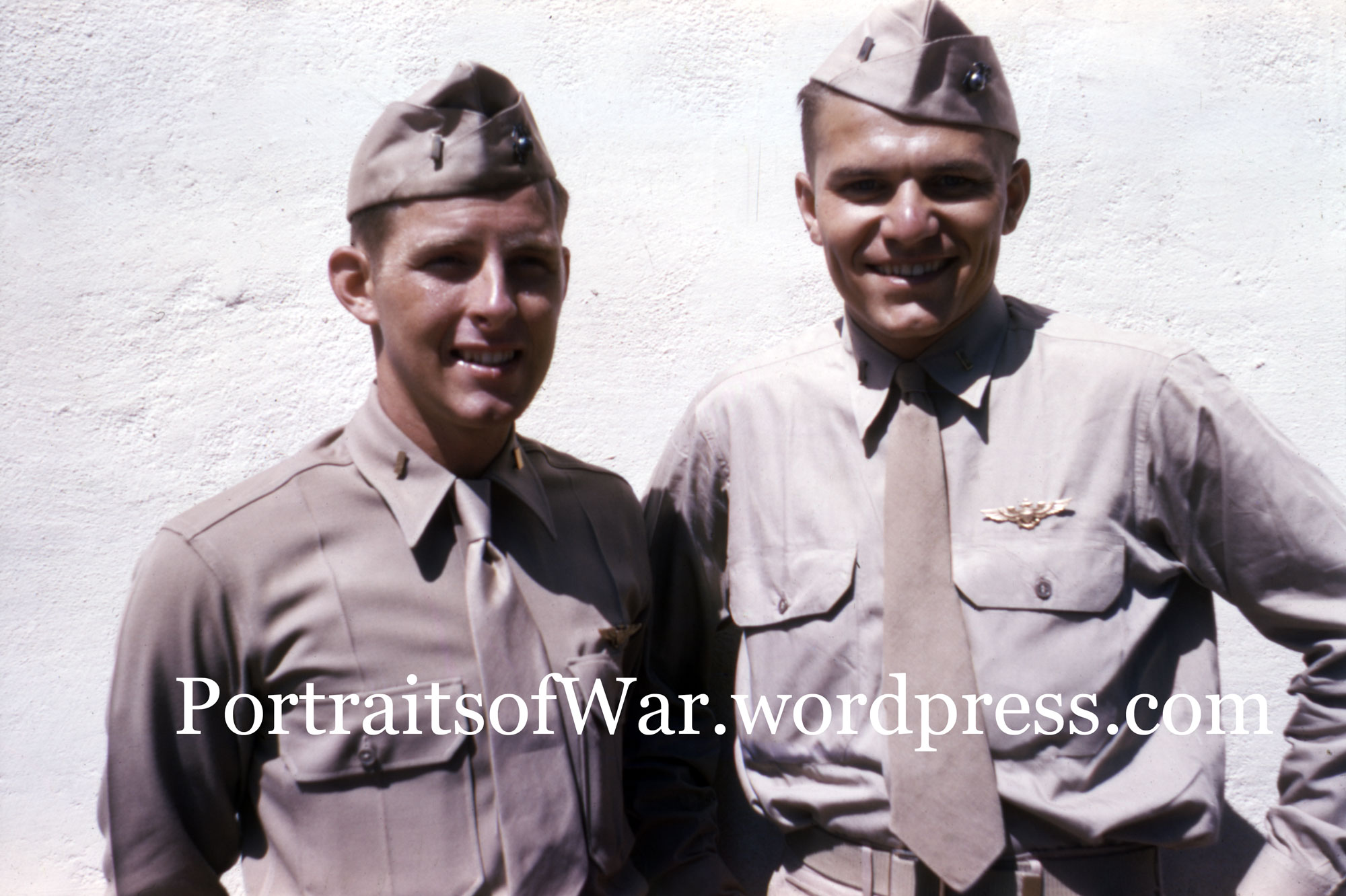
The color of WWII is something lost on our generation; WWII has been a war fought in black and white for everyone but actual WWII veterans who witnessed it firsthand. One of my goals here at PortraitsofWar is to collect color slides from WWII and make them accessible to those who don’t know it exists. Yes, color film was shot in 35mm(and sometimes larger format) and was used on a somewhat regular basis by shutterbug soldiers during WWII. My collection is roughly 500:1, black and white : color. To find a complete collection of color slides is like hitting the WWII photography jackpot. In this case, I was able to pick up a small selection of color slides from a Marine dive bomber. Although I was only able to snag 7 from a grouping of nearly 200, I am still happy to pass along the images to interested parties.
From the collection of Walter Huff.
Please enjoy the colors of WWII as they were meant to be seen!