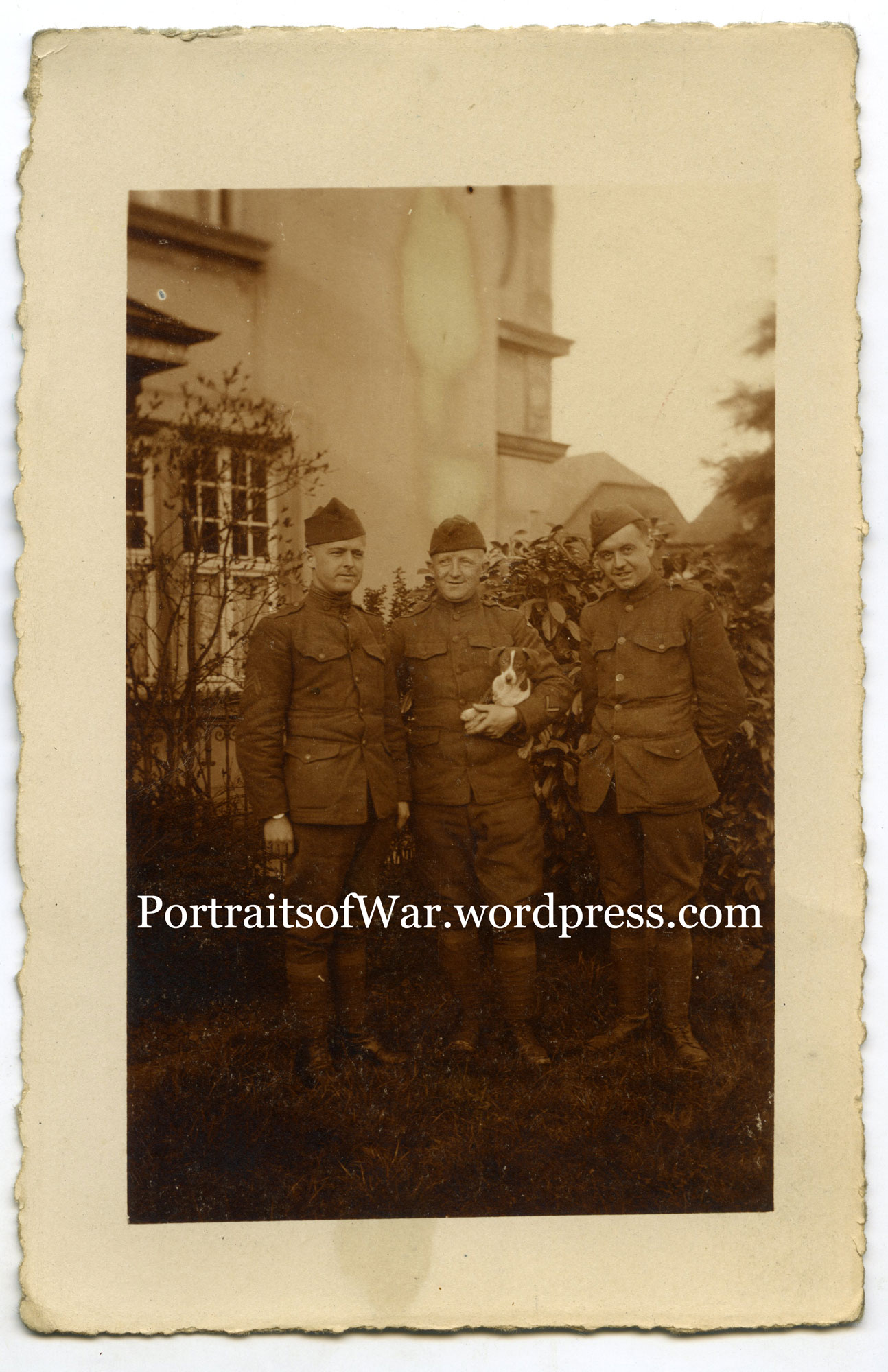
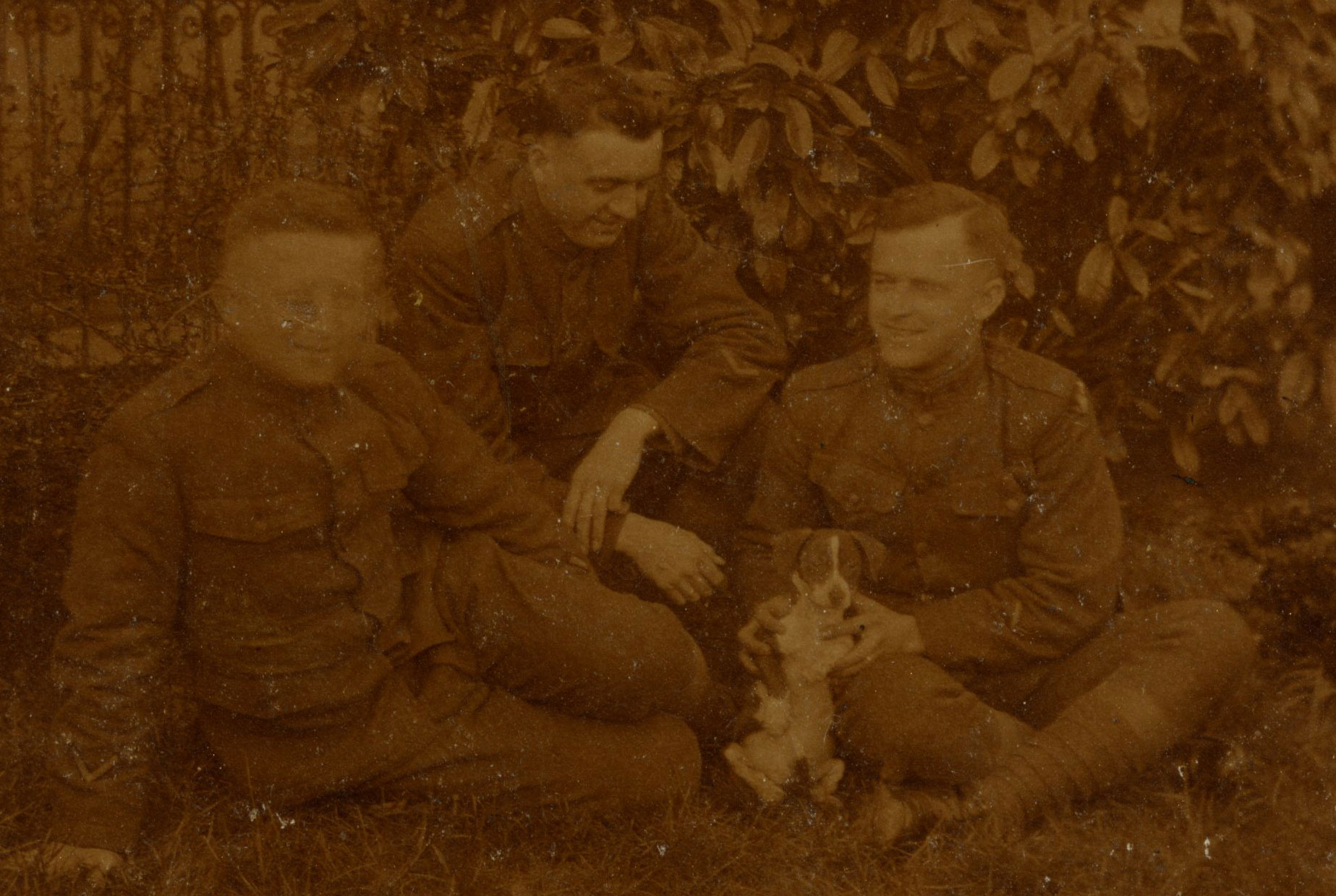
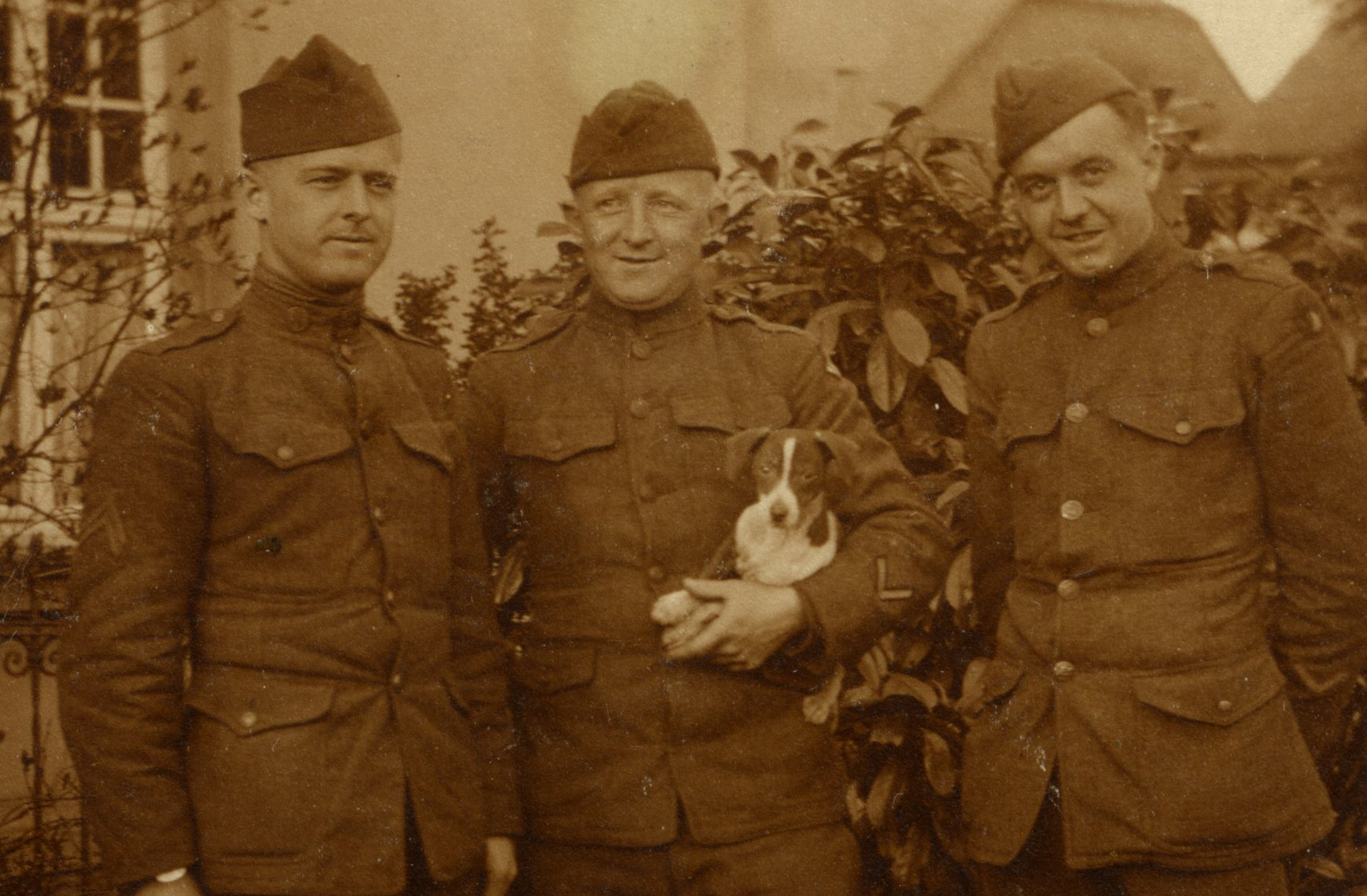
Following up on one of my favorite common threads seen throughout WWI photography – I present yet another example of the unit mascot. Normally seen at the compnay level or below, the idea of having a small pet (normally a dog) as a mascot is very common throughout various nations during WWI. I’ve literally seen examples from the US, England, Canada, France, Germany, Italy and even Australia. I probably have 15-20 examples in my own collection, ranging from small children as mascots, to dogs, pigeons and even goats. My favorite are the small dogs. Here’s an example from the 89th Division. The collection of 8 photos came from a member of the 356th Infantry. Unnamed, but we know he was wounded at least once during the war due to the wound chevron on his right cuff.
Collecting
Post-WWII Photo Negative – 82nd Division Paratroopers in Downtown Fayetteville, NC
A series of post-WWII negatives from the 82nd Airborne Division is keeping me busy at the V700 Scanner! Nearly 200 superb images of life in and around Fort Bragg in the years between 1943 and 1948 keep me clicking the SCAN button. These photos were taken in a downtown Fayetteville diner in 1947. Love the stereotypical activity in the background. Check out the prices on the sandwiches – Twenty cents? WHAT? Also, apparently everyone drank coffee upside down in the 1940s……………….
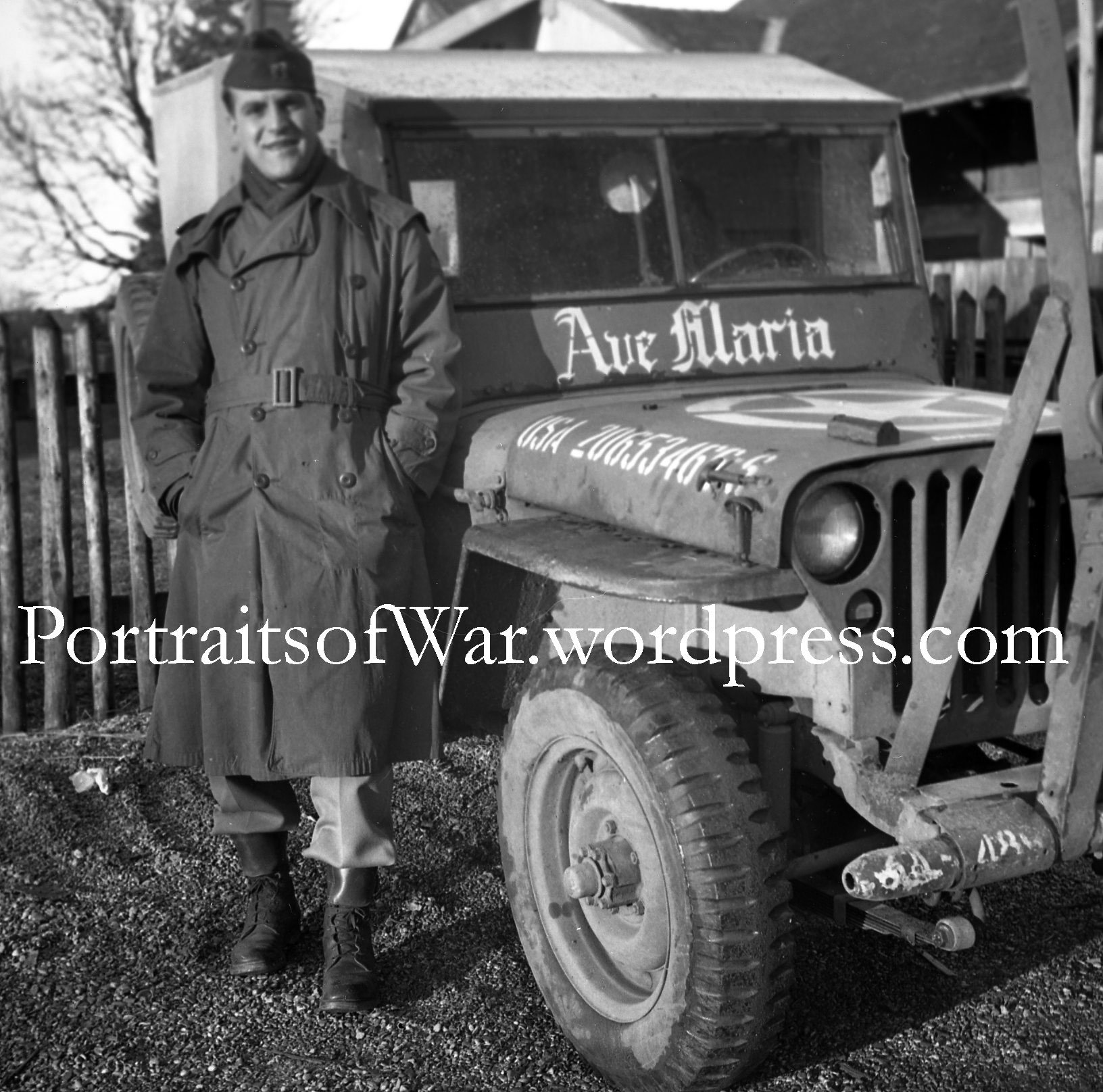
Awesome WWII Catholic Chaplain Jeep – Negative/Photo – Willys Jeep in Germany 1945
Guys like this make me proud to be Irish Catholic! I have hundreds of negatives from this 9th Armored Division collection, many of them related to Chaplain services during WWII. The collection includes 20-30 shots of this same jeep – gotta’ love the name! Ave Maria.
See the bar projecting above the front of the hood? It was created to cut wires that may have been strung across French and German roads in order to decapitate US soldiers. Ouch!
Original Korean War Color Slide Photo – M3 Grease Gun from St. Paul, Minnesota Veteran
WWI 42nd Division Doughboy Sends Home a Real Photo Postcard
Ever wonder how doughboys sent their photo postcards home? I actually don’t own a single example of a postmarked photo postcard from the war, but recently came across a grouping that contained an envelope and postcard sent home by a 42nd Division soldier. A member of the 151st Field Artillery, Frank Svec sent home a studio portrait shot of himself. Not incredibly rare, but a good example of how WWI photos were sent during the war. The 42nd Division is one of my favorite divisions, so this is an addition “kicker”.
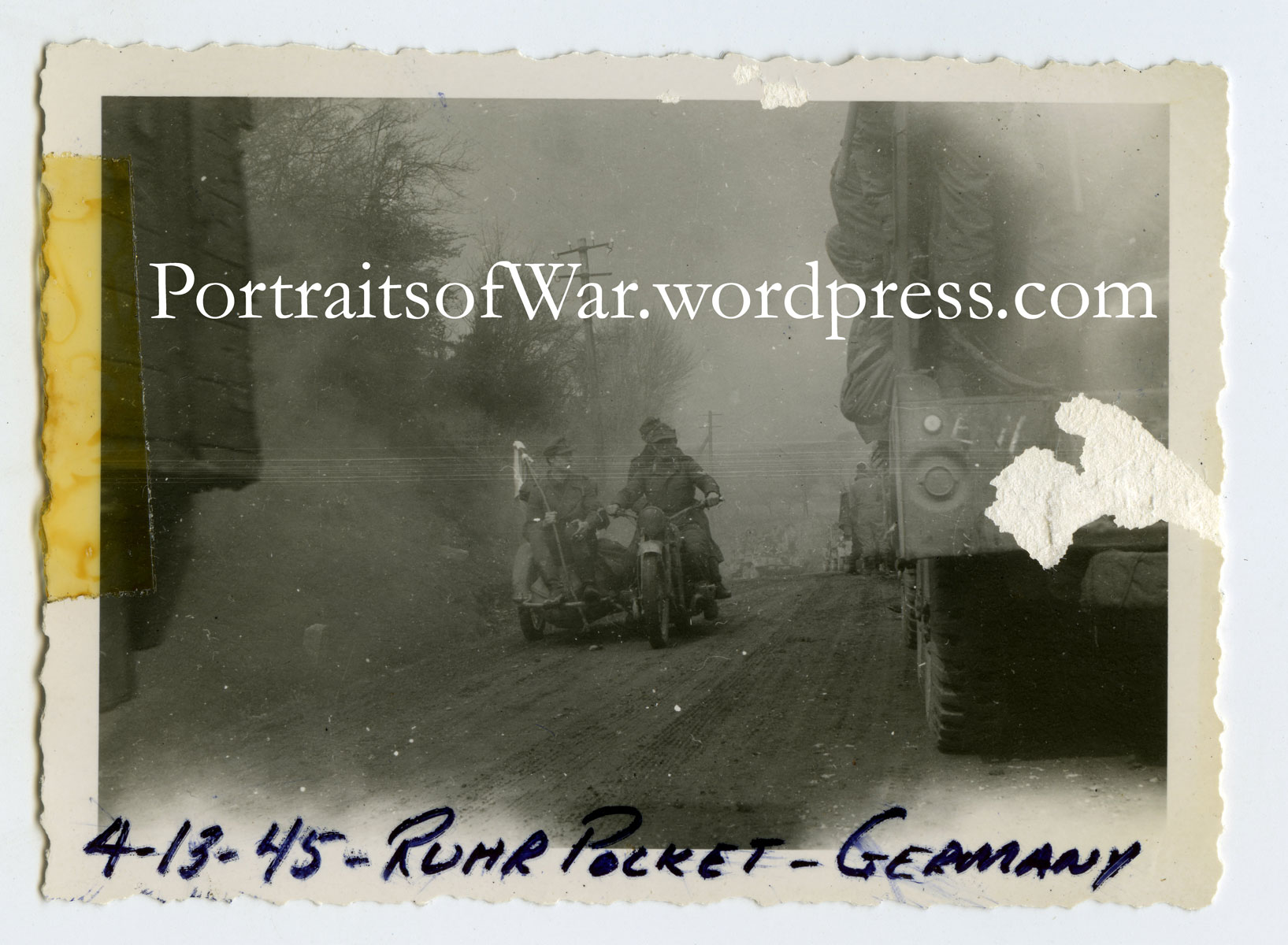
WWII Combat Snapshot – Surrendering German Motorcyclists in the Ruhr Pocket
WWII 1st Division “Big Red One” 16th Infantry Regiment Wartime Photo Grouping – German Escapee Shot in Leg
Snapped by a member of the 16th Infantry Regiment towards the tail end of the war near Falkenau, Czechoslovakia, the following pair of photos gives a brief glimpse of some of the encounters made by US infantry troops during the closing period of the war. In this instance, a German soldier dressed in civilian garb was shot in the leg with an M1 while attempting to run away from the concentration camp near Falkenau. Luckily for him, a medic is standing in the left center of the image.
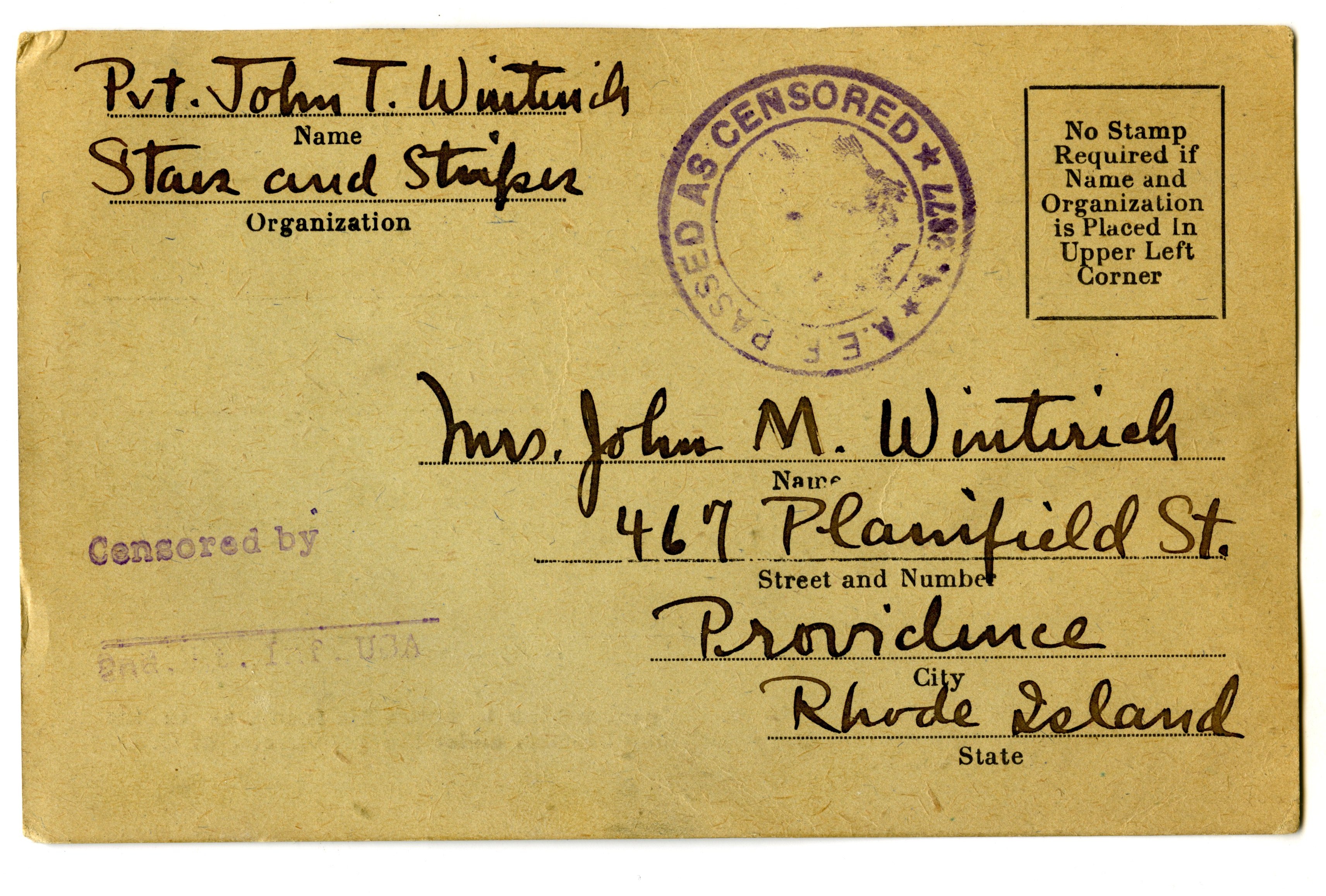
WWI Stars and Stripes Editor John T. Winterich Original Wartime Autographed Postcard
John Winterich was one of the first writers for the Stars and Stripes, managing editor, and eventually one of the most influential bibliophiles of the early twentieth century. He is credited with having penned over 275 articles in over nearly 150 publications as well as having written the introduction to the American classic Of Mice and Men. In a rare acquisition, I was able to pick up an original wartime signed postcard by Mr. Winterich in which he describes his present location and state of health to his mother back home in Rhode Island. The best part? I only paid $3.00!

"Censor & Press Co. No. 1. Staff of Stars & Stripes. Brest, France. July '19." Photograph. From Harry L. Katz, A Brief History of The Stars and Stripes, Official Newspaper of the American Expeditionary Forces in France (Washington, D.C.: Columbia Publishing Co., 1921), p. 41.
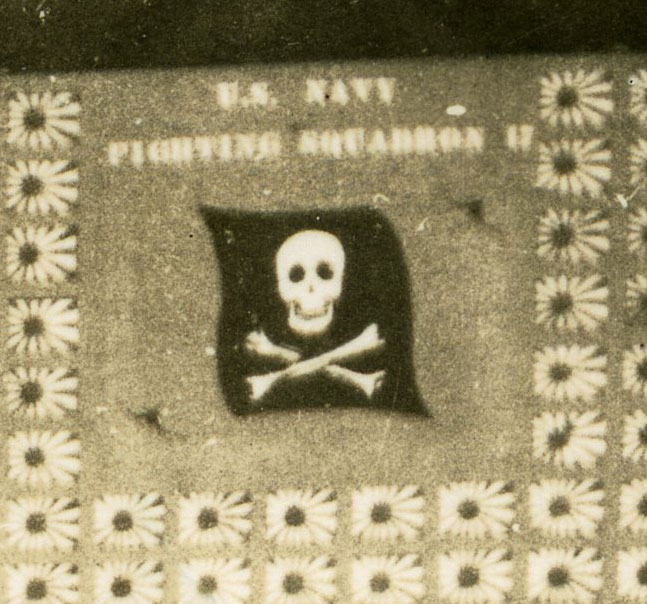
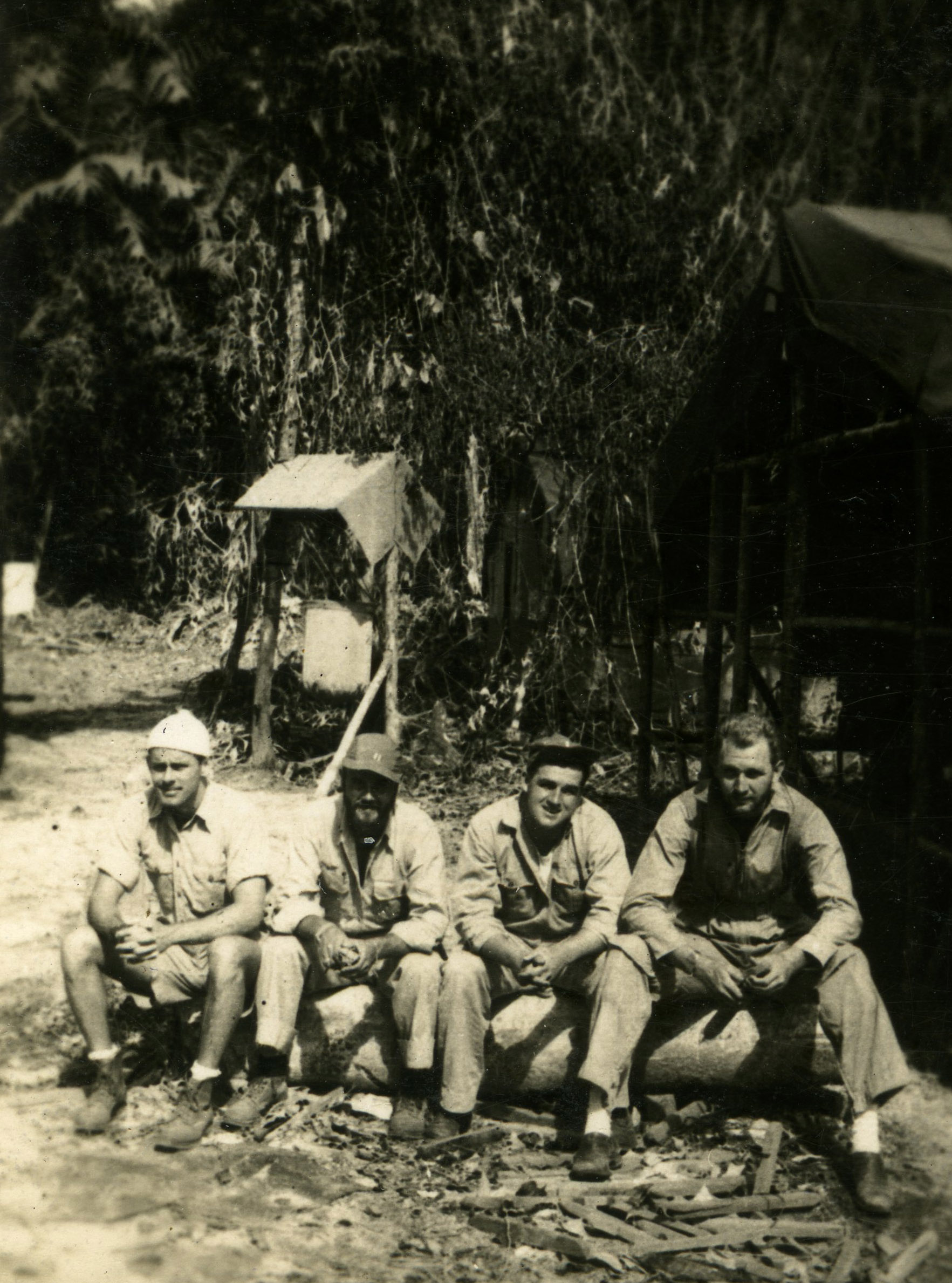
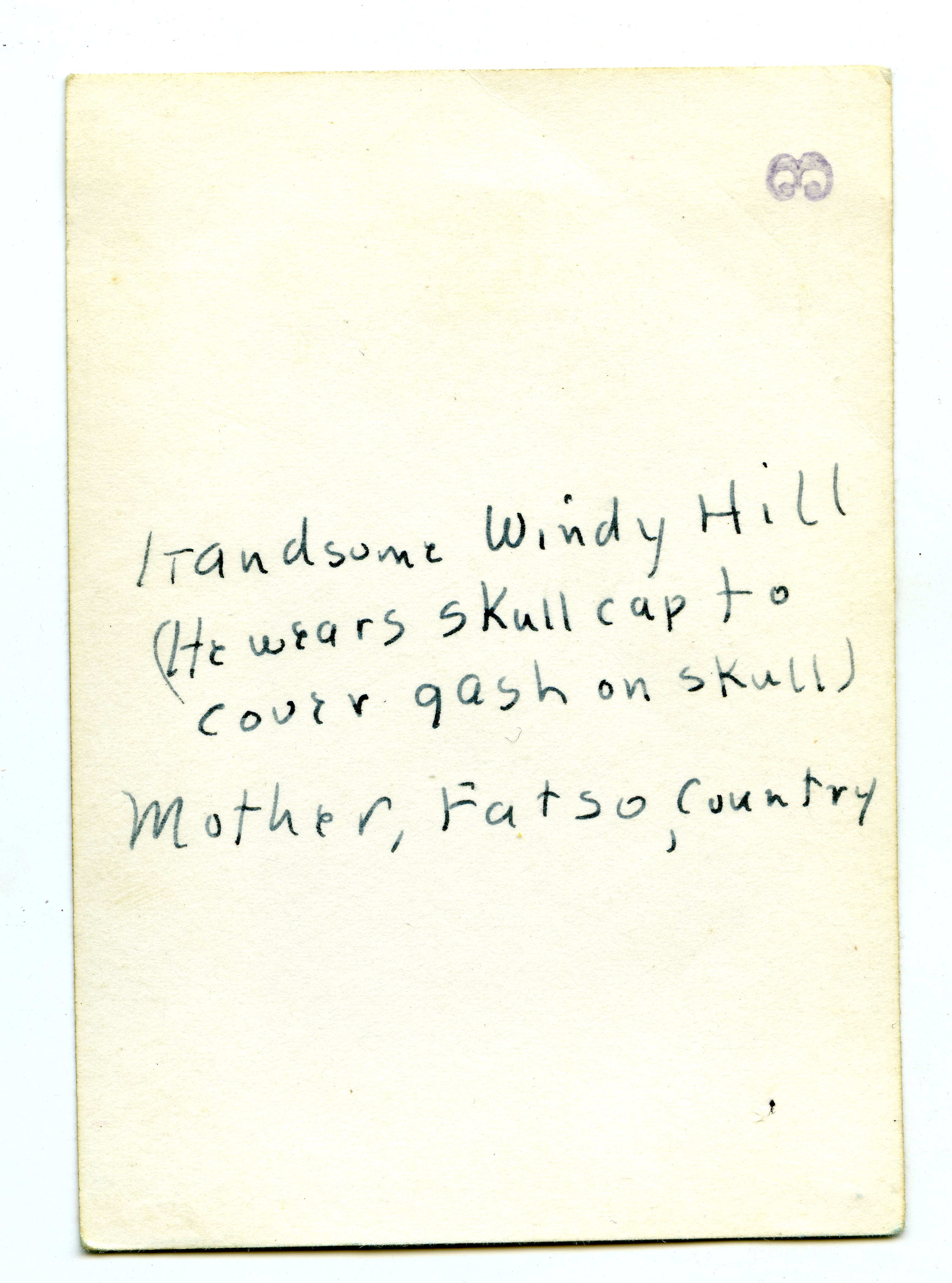
WWII Original VF-17 “Jolly Rogers” F4U Corsair Pilot Photo Grouping
One of my favorite avenues of collecting has to be Marine or Navy photographs related to aviation. The Corsair pilots of the Pacific were certainly some of the toughest pilots of the war! I’ve read numerous articles, books, and publications related to the VF-17 and finally had the opportunity to purchase some original snapshots from the unit. Although they were a bit expensive, they now have a solid place in my collection. These were taken on Bougainville, likely at Torokina airfield. Identified pilots include Lemuel D. Cooke, Doug Gutenkunst, Windy Hill, John Orrin Ellsworth (Fatso) and Robert R. Hogan.

Windy Hill Bougainville (Source)
The above photo shows Corsair pilot Robert “Windy” Hill posing near the Bougainville scoreboard and was taken by U.S Navy photographer Charles Fenno Jacobs (1904-1975). Jacobs was known for capturing the melancholy side of the war in the Pacific. For more info on Jacobs and his wartime work, please check out the National Archives website. 
WWI Photo – Super Rare 3rd Air Park Patch Photo in Vichy France
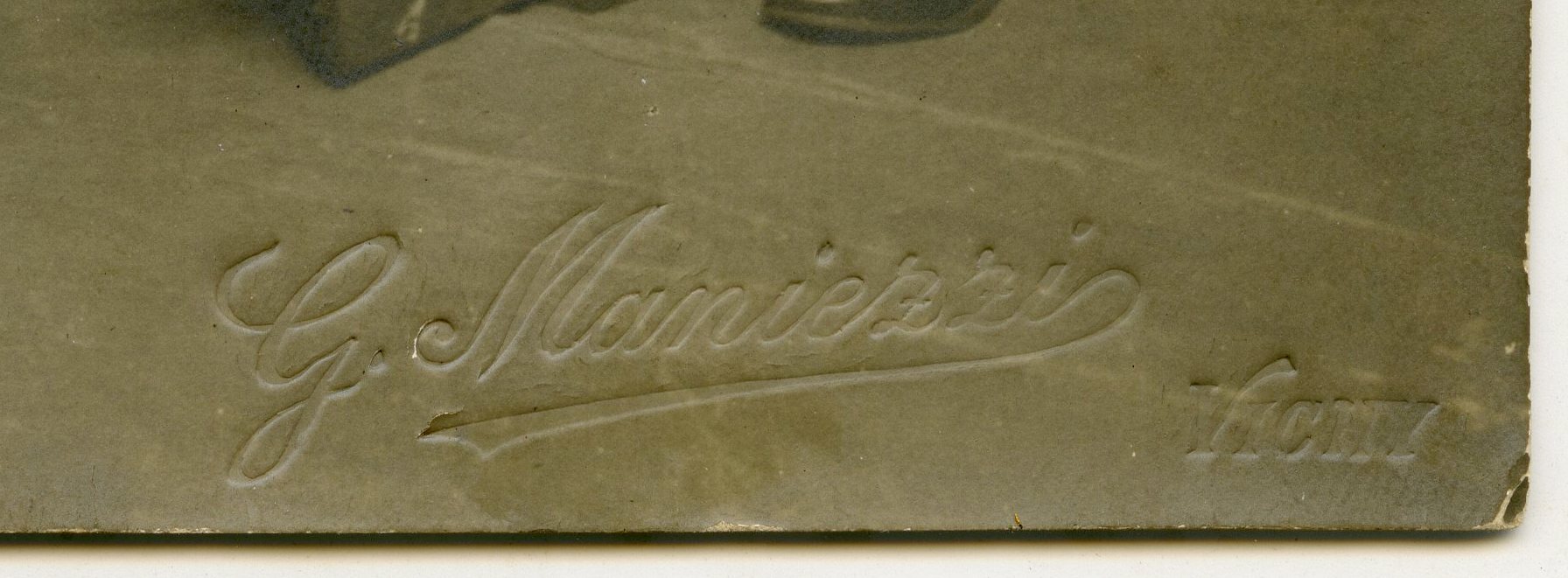
Sometimes an obscure patch shot slips through the cracks of the myriad listings on ebay. In this case, I picked up a VERY rare shot of two members of the 255th Aero Squadron, 3rd Air Park of the 2nd Pursuit Group posing in a Vichy, France studio. I’ve only seen two or three photographic examples of the 3rd Air Park shoulder patch insignia (SSI, remember?) in wear before. This is a spectacular example, save for a minor fold and a small tear to the corner. For future reference, the 3rd Air Park patch resembles #3 billiards ball on an underlain circular patch.