

One of my favorite current WWII publishers has to be the tag team duo of Lee Archer and Bill Auerbach of Panzerwrecks. This international dreamnteam has been meticulously researching and compiling books on knocked-out German armor since 2005; focusing on amateur photographs of (often) never-before-seen scenes of German armor moments after destruction by US forces during WWII.
In a world filled with overused and reprinted images, it’s a refreshing relief to open a new copy of Panzerwrecks and see new images of late war German armor with wonderful descriptions. A balance of tongue-in-cheek humor mixed with meticulous research offers the reader with a book worthy of a well-stocked research library or office coffee table.

I recently finished my review copy of Duel in the Mist 2 published by Panzerwrecks and written by Timm Haasler, Roddy MacDougall, Simon Vosters and Hans Weber. With nearly 700 footnotes (really!), this book is well reseached, cited, and backed up with primary source documentation that includes first hand accounts, after-action reports, photographs and veteran interviews. A well balanced piece; Duel in the Mist 2 views the initial battles of the Ardennes Offensive through a non-biased lens. Interviews with US veterans easily mesh with similar accounts from SS veterans.

The superlative collection of wartime images compiled for the book is, by far, the most amazing part of the book. Images from the deep collections of David Thompson and Stefan De Meyer of AMC, Bill Auerbach, Jeff Tomkinson, Freddy Lemaire, Gerard Gregoire, Eddy Monfort, Tom Fischer and many others supplement the written component.

Artistic representations of German armor were intricically detailed by Simon Vosters, with a special attention to detail regarding camo patterns. This, combined with actual portraits of the men involved in the battles, provides the reader with an intimate view of WWII not often seen in other publications.
A series of intensive maps follows the progression of the battles using modern day color and figures. An easy-to-follow chart accompanies each map, allowing the reader to follow the battle with relative ease. Flipping back and forth between maps is made easier by the 8.5 in by 10.25 in format of the book. The pages want to be turned!

A special thanks to the guys at Panzerwrecks for providing me with a review copy of Duel in the Mist 2, and a special thanks to Timm Haasler, Roddy MacDougall, Simon Vosters and Hans Weber for their fantastic work. Keep up the good work, and I hope to review Duel in the Mist 3 by 2014!
Interested in picking up a copy of Duel in the Mist 2? Check out Panzerwrecks website for a compendium of top notch WWII material!
It’s been months since I’ve picked up a really juicy WWI RPPC photo for my collection. Last week I was able to win a small group of shots that looked promising. I knew there was one shot of doughboys wearing helmets bending down on the ground. When the photo arrived I was surprised to find that the card identified five litter bearers of Co. F of the 127th Infantry Regiment, 32nd Division. I quickly found that two of the identified doughboys received the Distinguished Service Cross in October of 1918 for saving wounded soldiers from the trenches during the Meuse-Argonne Offensive. Another (second from right) is William Methier – he received the Silver Star. I also identified two other men in the photo as being Edward Krawezyk and Albert Guernsey who both received Division Citations for their heroics.
A truly special photo with a lot of history!


Buckendahl, Emil
Private, U.S. Army
Company F, 127th Infantry Reg., 32d Div., A.E.F.
Date of Action: October 5, 1918
Citation:
The Distinguished Service Cross is presented to Emil Buckendahl, Private, U.S. Army, for extraordinary heroism in action near Gesnes, France, October 5, 1918. Private Buckendahl, a litter bearer, on his own initiative, went out from a position of shelter to an exposed flank, under intense machine-gun fire, and carried back to safety a wounded soldier, who had been left in the field.
General Orders 66, W.D., 1919
Born: at Pierce, Nebraska
Home Town: Pierce, Nebraska
Curti, Mike
Private, U.S. Army
Company F, 127th Infantry Reg., 32d Div., A.E.F.
Date of Action: October 4, 1918
Citation:
The Distinguished Service Cross is presented to Mike Curti, Private, U.S. Army, for extraordinary heroism in action near Gesnes, France, October 4, 1918. Private Curti, a litter bearer, went out alone in front of the lines several times under the severest of fire, and carried back wounded men from an exposed area, from which his company had been forced to withdraw.
General Orders 66, W.D., 1919
Born: at Italy
Home Town: Reno, Nebraska
William H. Methier

Silver Star Citation
Awarded for actions during the World War I
By direction of the President, under the provisions of the act of Congress approved July 9, 1918 (Bul. No. 43, W.D., 1918), Private William H. Methier (ASN: 3102759), United States Army, is cited by the Commanding General, American Expeditionary Forces, for gallantry in action and a silver star may be placed upon the ribbon of the Victory Medals awarded him. Private Methier distinguished himself by gallantry in action while serving with Company F, 127th Infantry Regiment, 32d Division, American Expeditionary Forces, in action near Tronsot Farm, France, 16 October 1918, while on duty as a litter bearer.
General Orders: GHQ, American Expeditionary Forces, Citation Orders No. 3 (June 3, 1919)
Action Date: October 16, 1918
Service: Army
Rank: Private
Company: Company F
Regiment: 127th Infantry Regiment
Division: 32d Division Expeditionary Forces
From FindaGrave.com:


Mike Curti

Emil Buckendahl's Grave
Photographs and letters from WWII are not considered “rare” by many collectors in today’s market. I have roughly 1,000 WWI real photo postcards in my current collection, with and additional four albums of 200 or so photos each. Small-run broadsides and posters are much more ephemeral and should be considered scarce. Broadsides were meant to be posted for a few days, taken down and discarded. In this instance, a doughboy in 42nd Rainbow Division took the time to save one of the broadside posters from a wall somewhere in France. The event apparently was some sort of sports exhibition; not an uncommon event in the post-armistice Europe.
Of special attention to WWI buffs out there – check out the presiding chaplain! None other than Father Duffy of the Fighting 69th! A famous WWI movie centers around Duffy and his heroics during WWI. Check it out here.

James Cagney in The Fighting 69th

42nd Division Broadside
From the vaults of PortraitsofWar comes an amazing archive of images taken by an enlisted paratrooper with the 325th Glider Infantry Regiment of the 82nd Airborne Division. The collection is comprised of roughly 225 images taken between 1945 and 1948 with a small portion of wartime material compared to the postwar activities of the 82nd. Included in the collection are a grouping of shots of the 555th PIR “triple nickles” as well as airborne drops, life around camp, tank maneuvers, and paratrooper horseplay. Please enjoy and don’t hesitate to contact me with any requests.

Rare Color Transparency
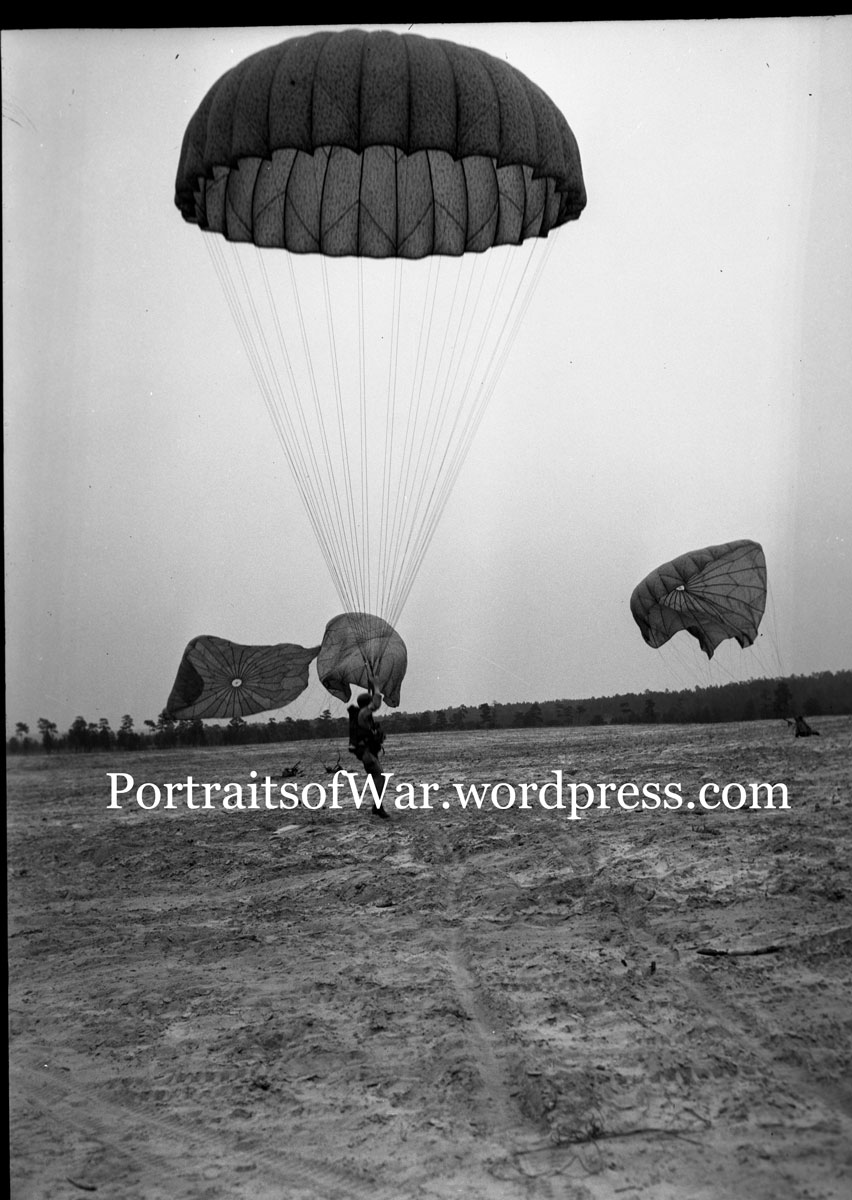
Airborne Drop
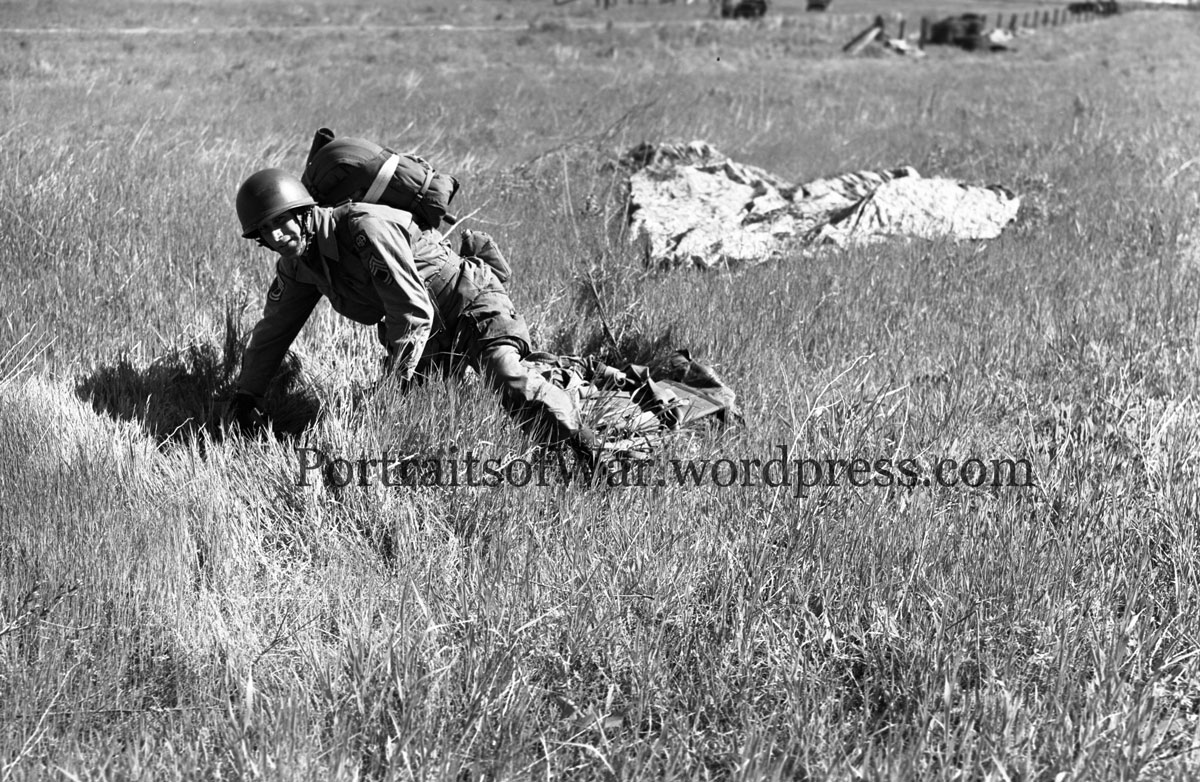
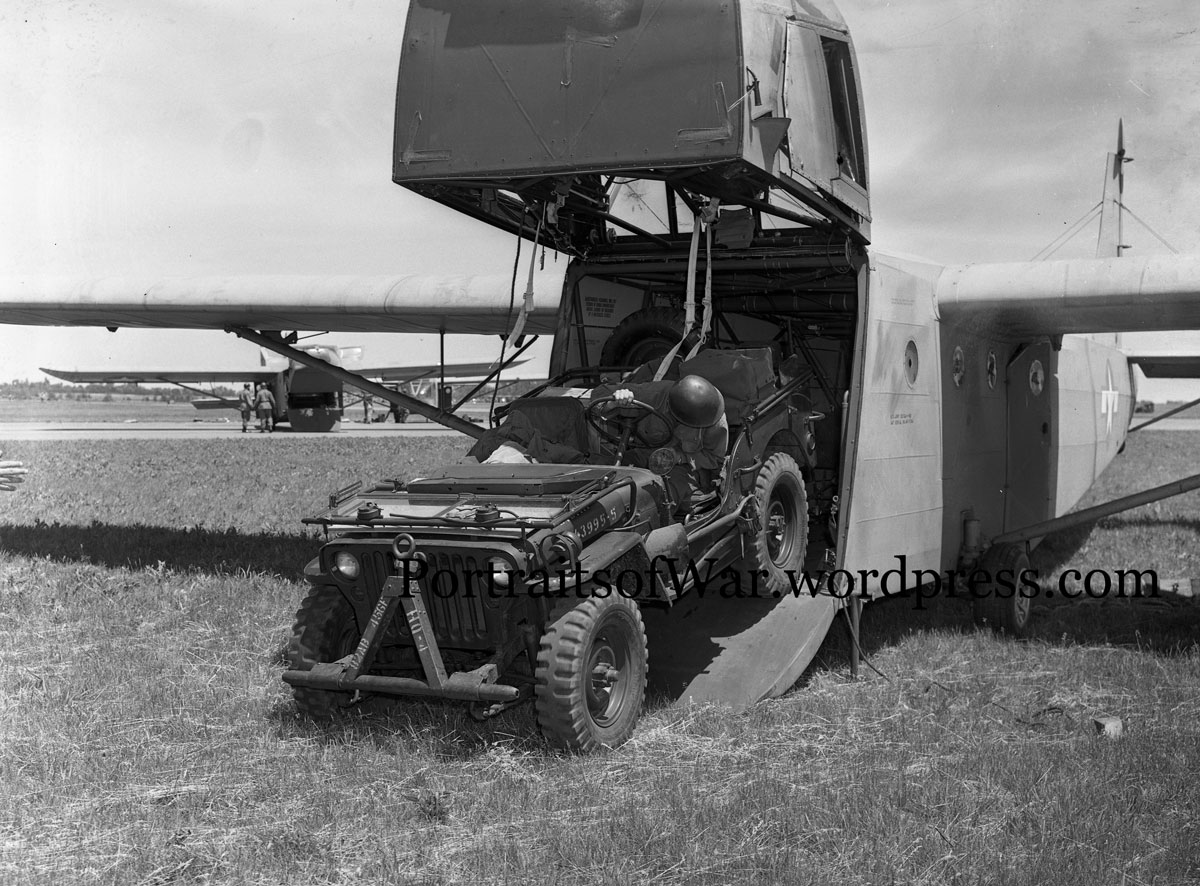
Jeep and Glider
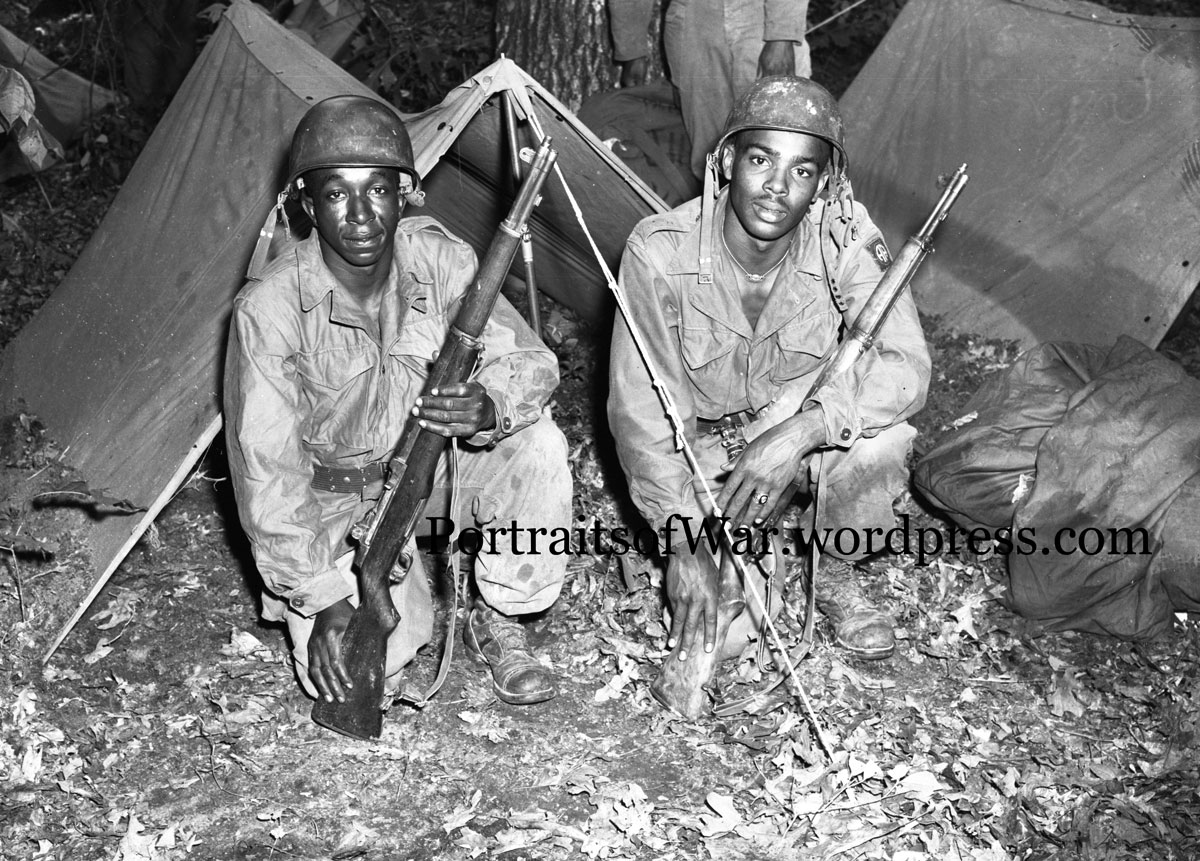
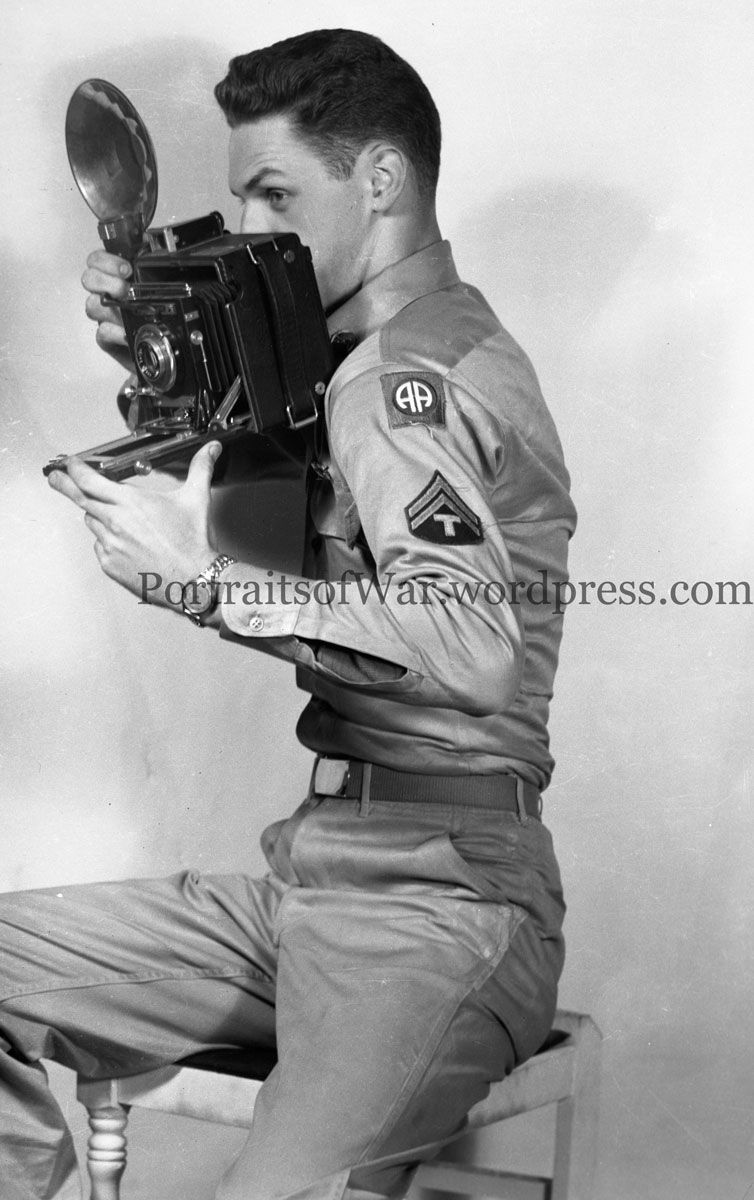
Our Photographer
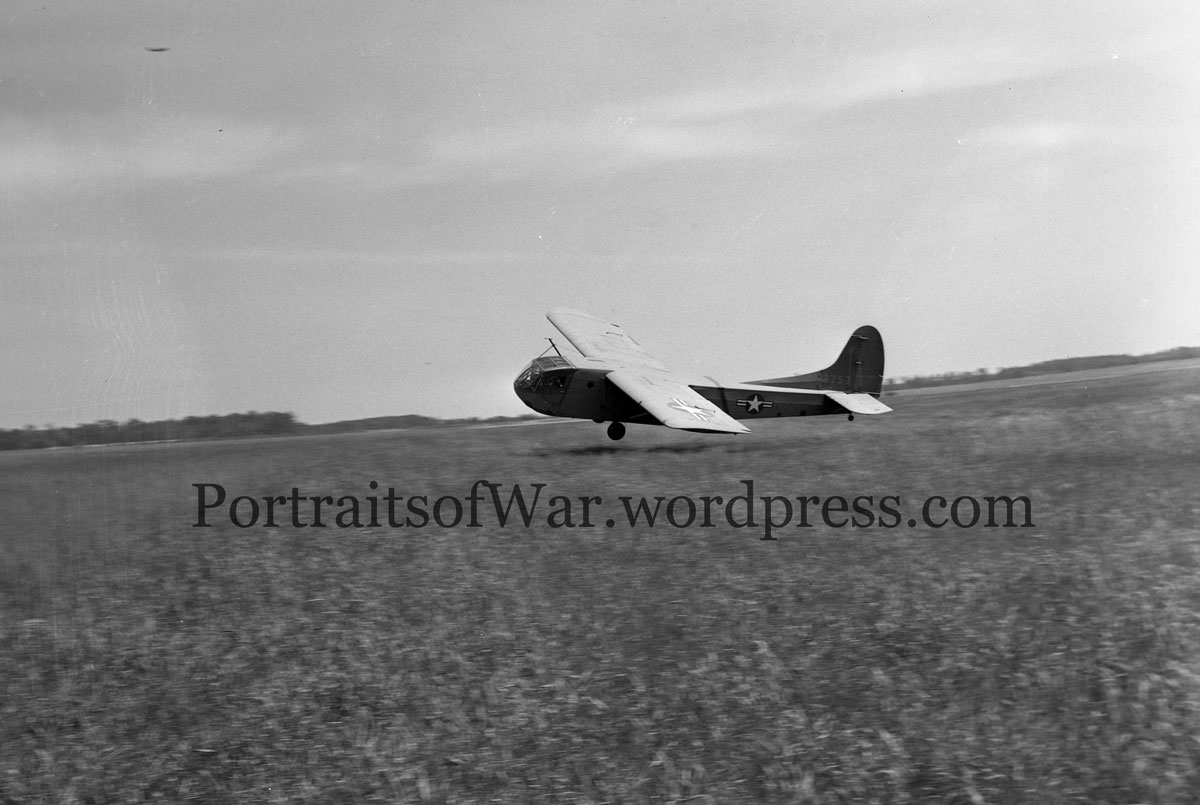
WACO Glider Landing

Bazooka Girl

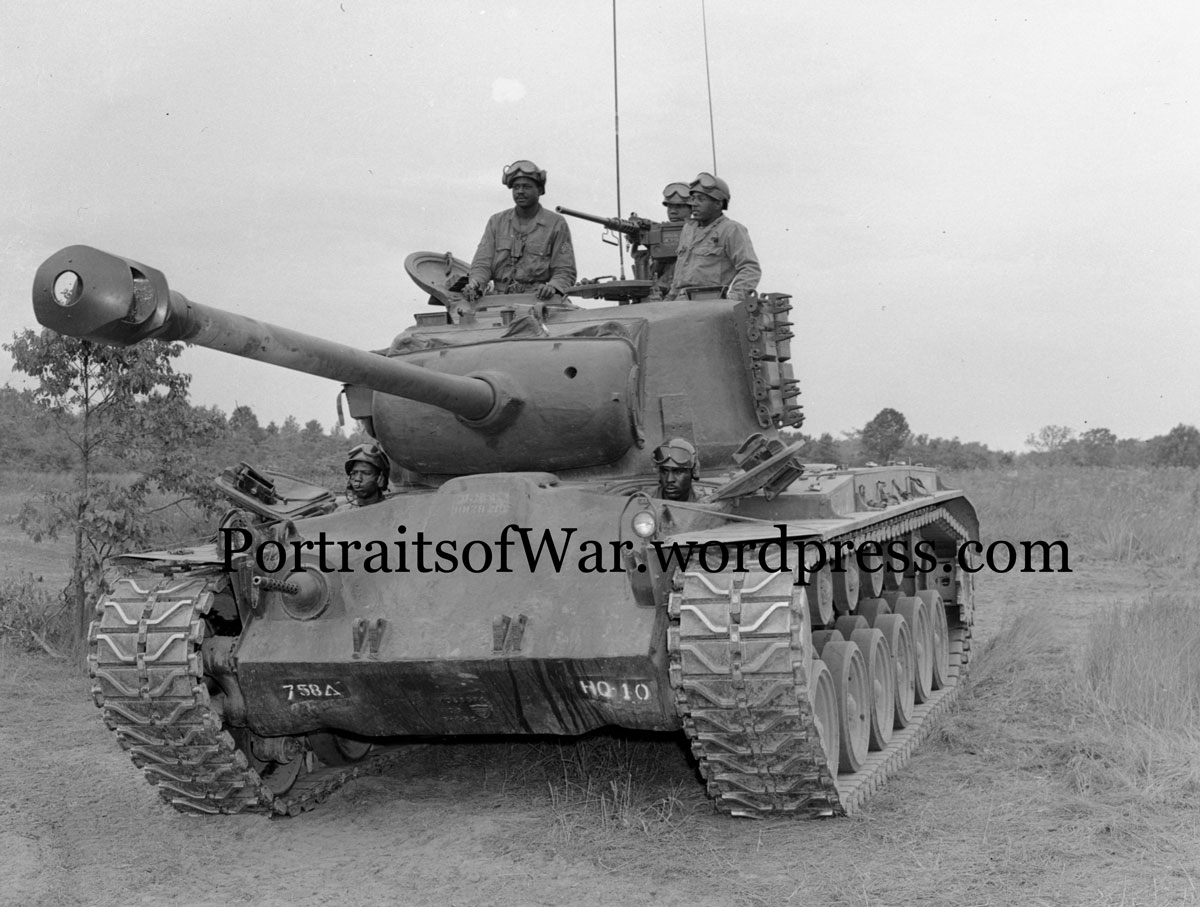
758th Tank Battalion
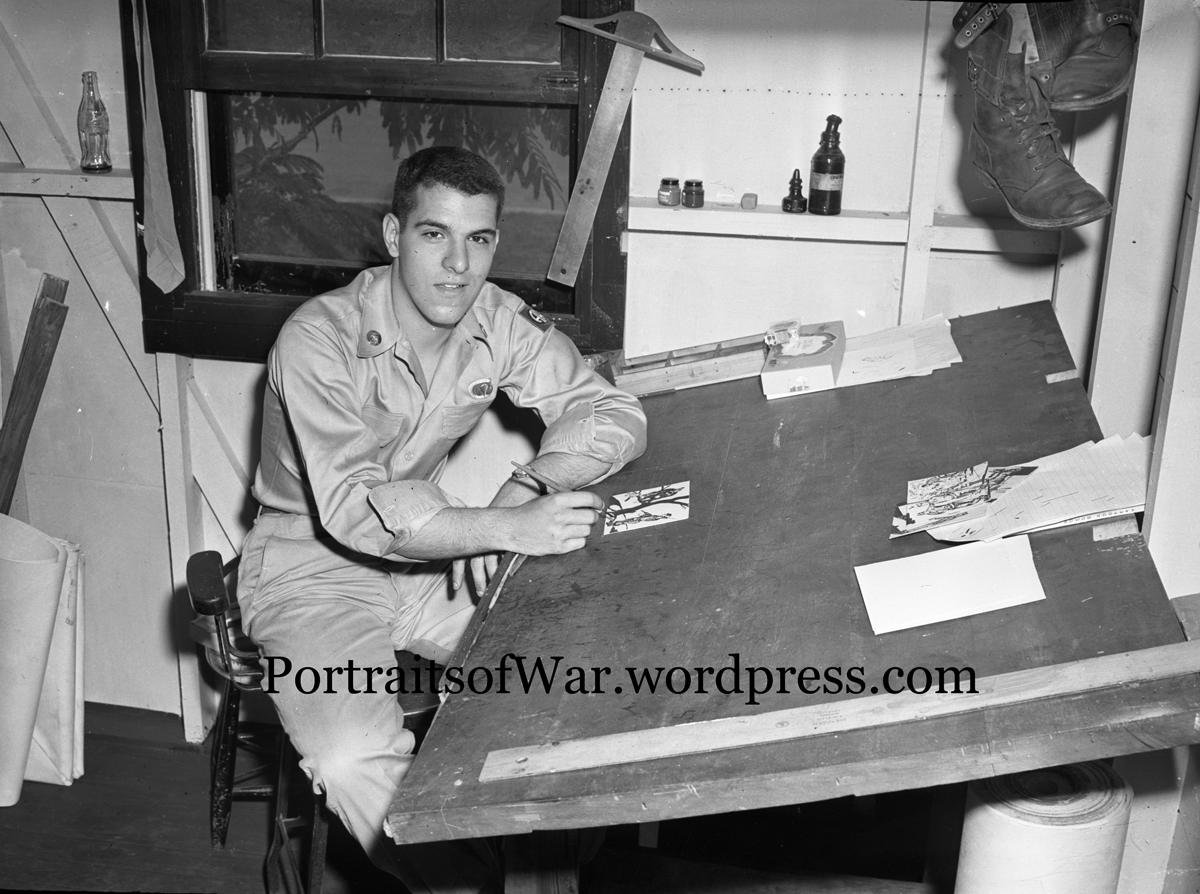
Division Cartoonist
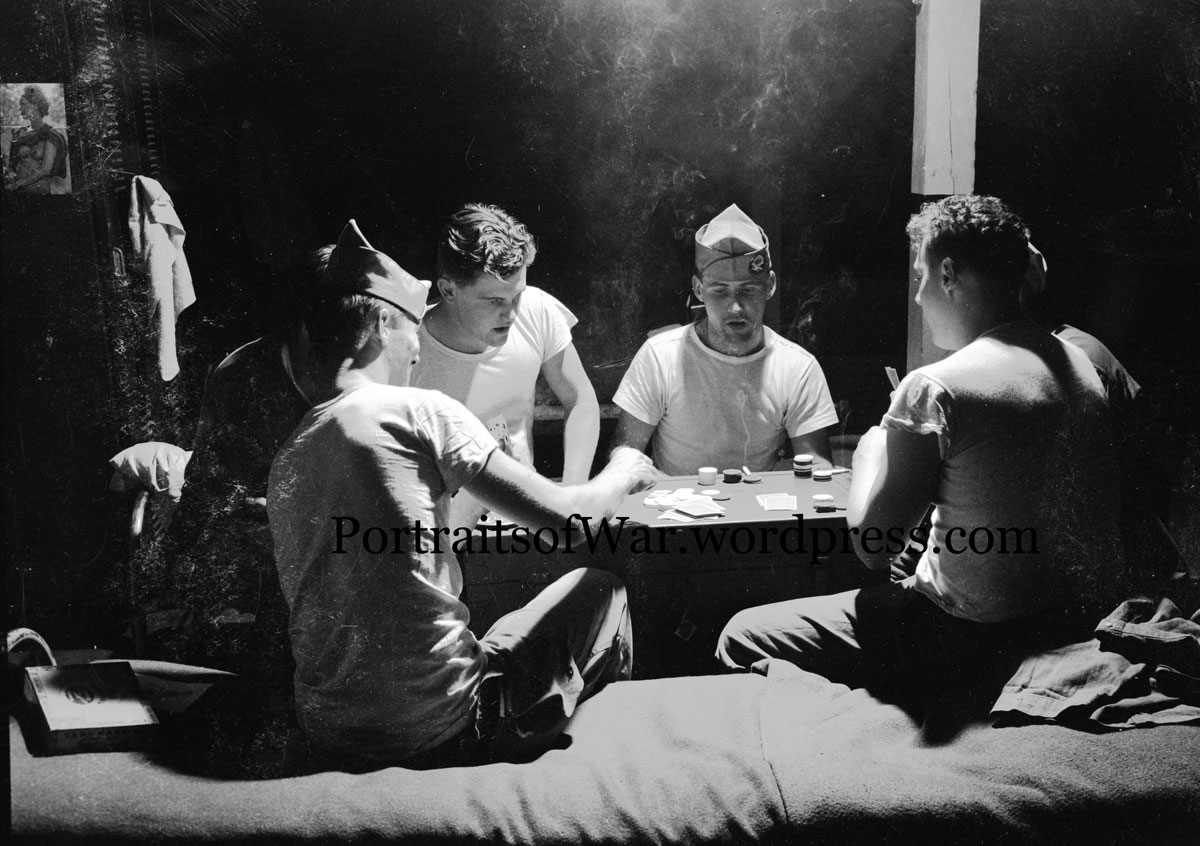
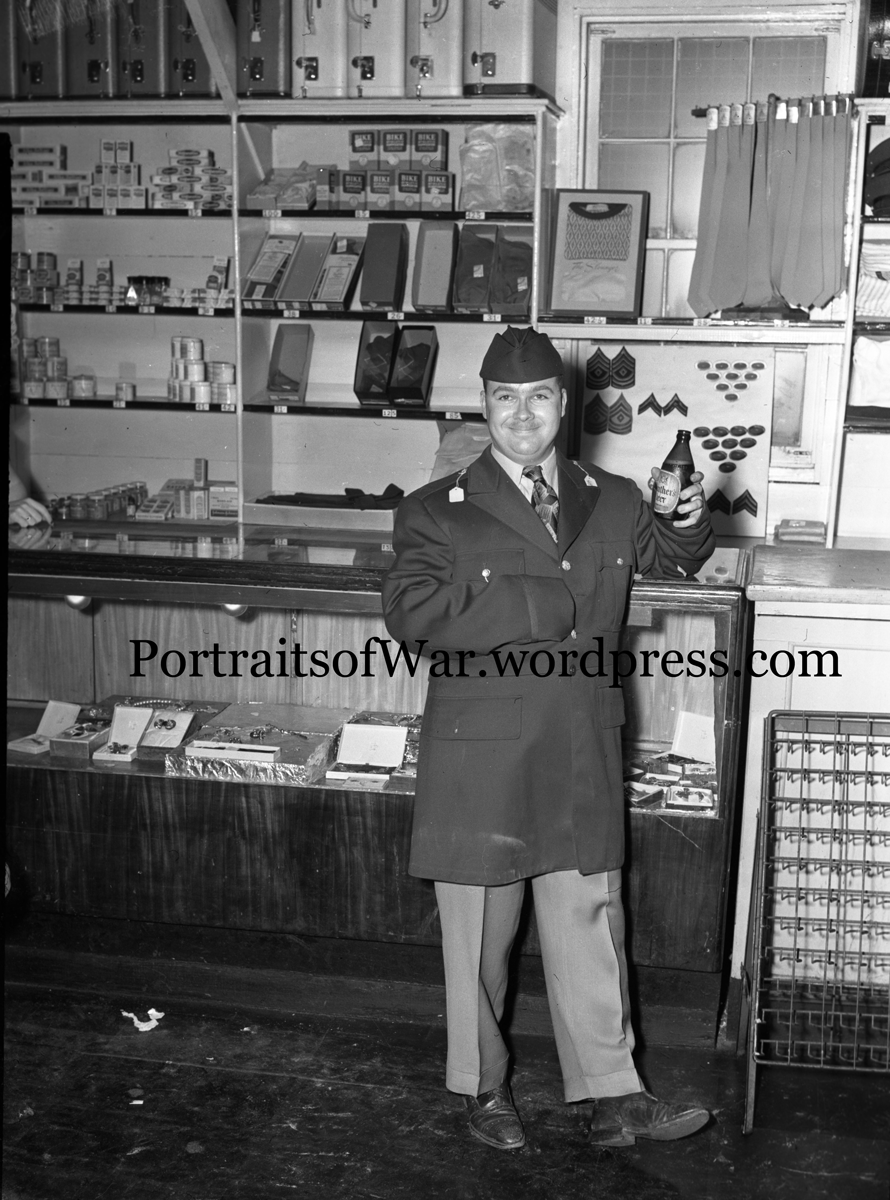
Fort Bragg PX
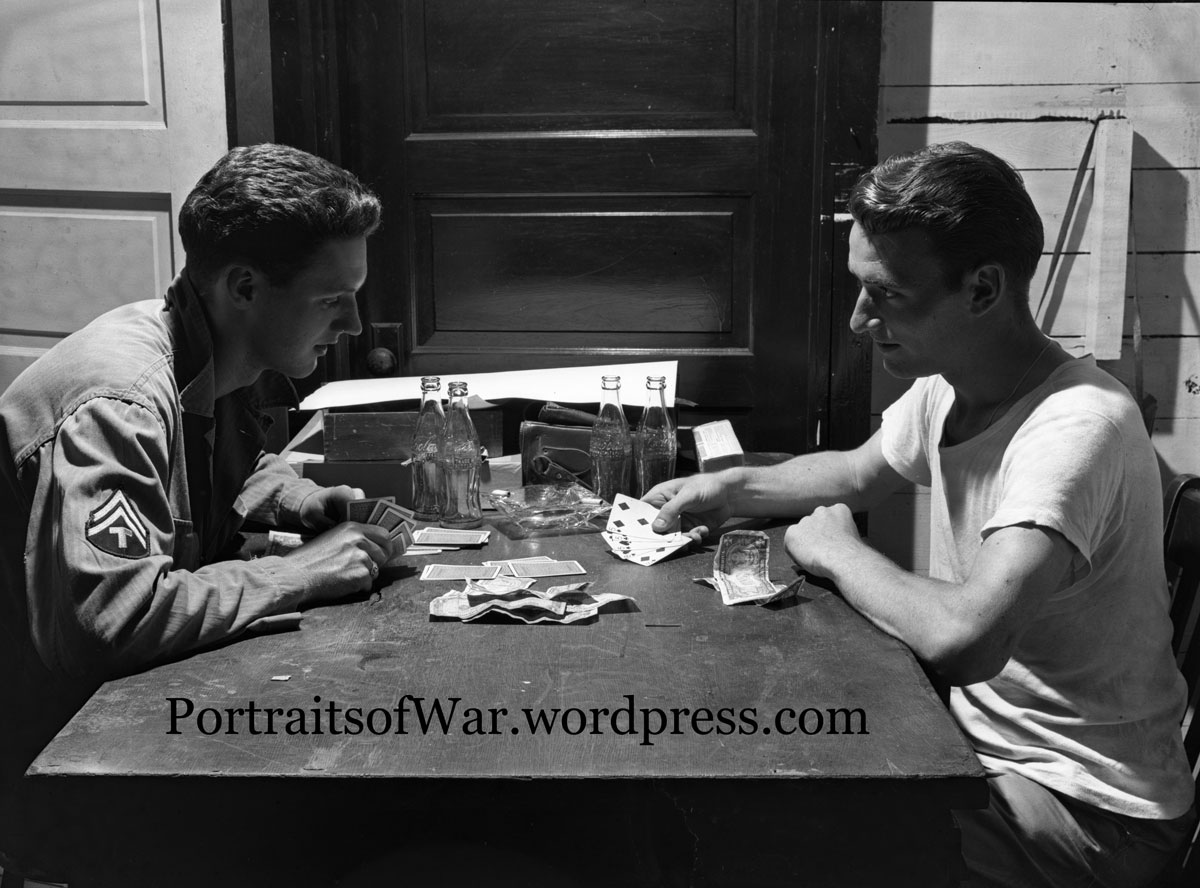
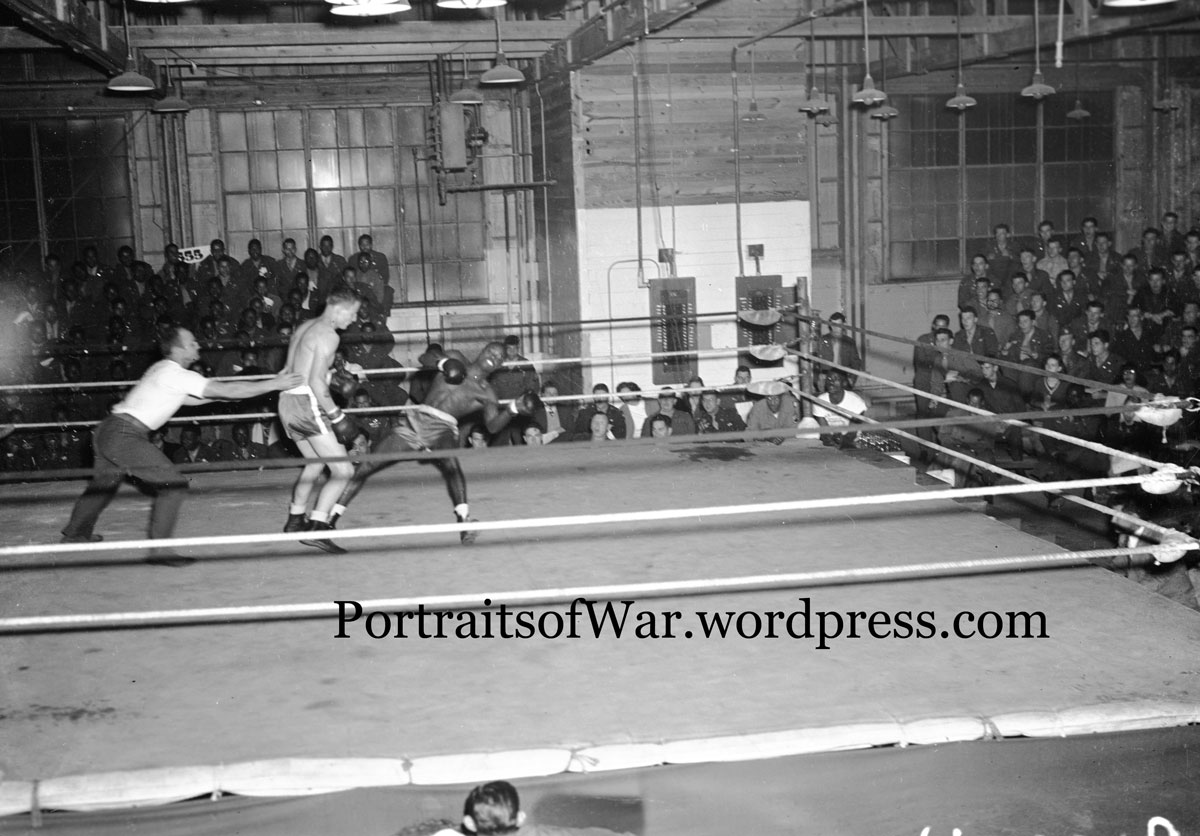
555th Vs. 325th Boxing
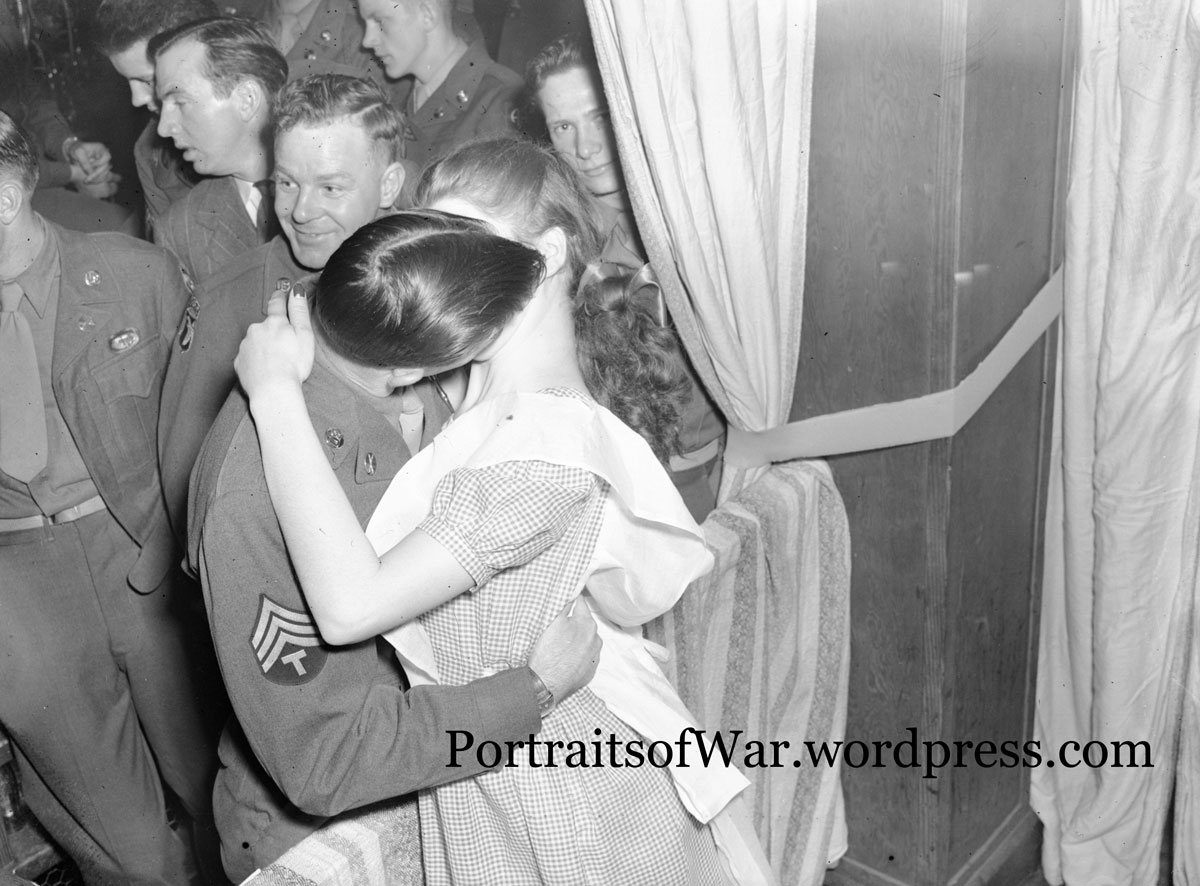
Kissing Booth

Fayetteville Lions Club
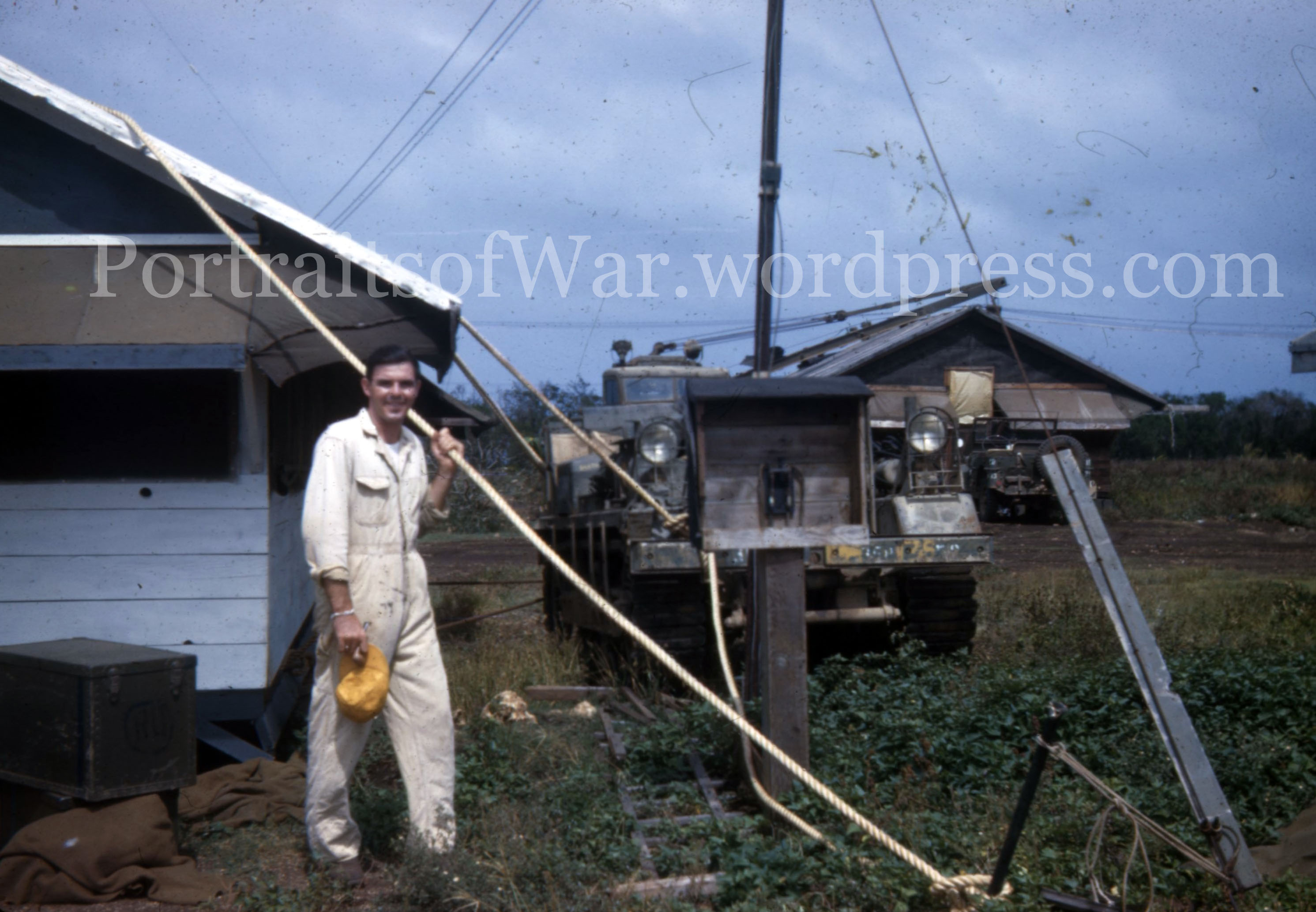
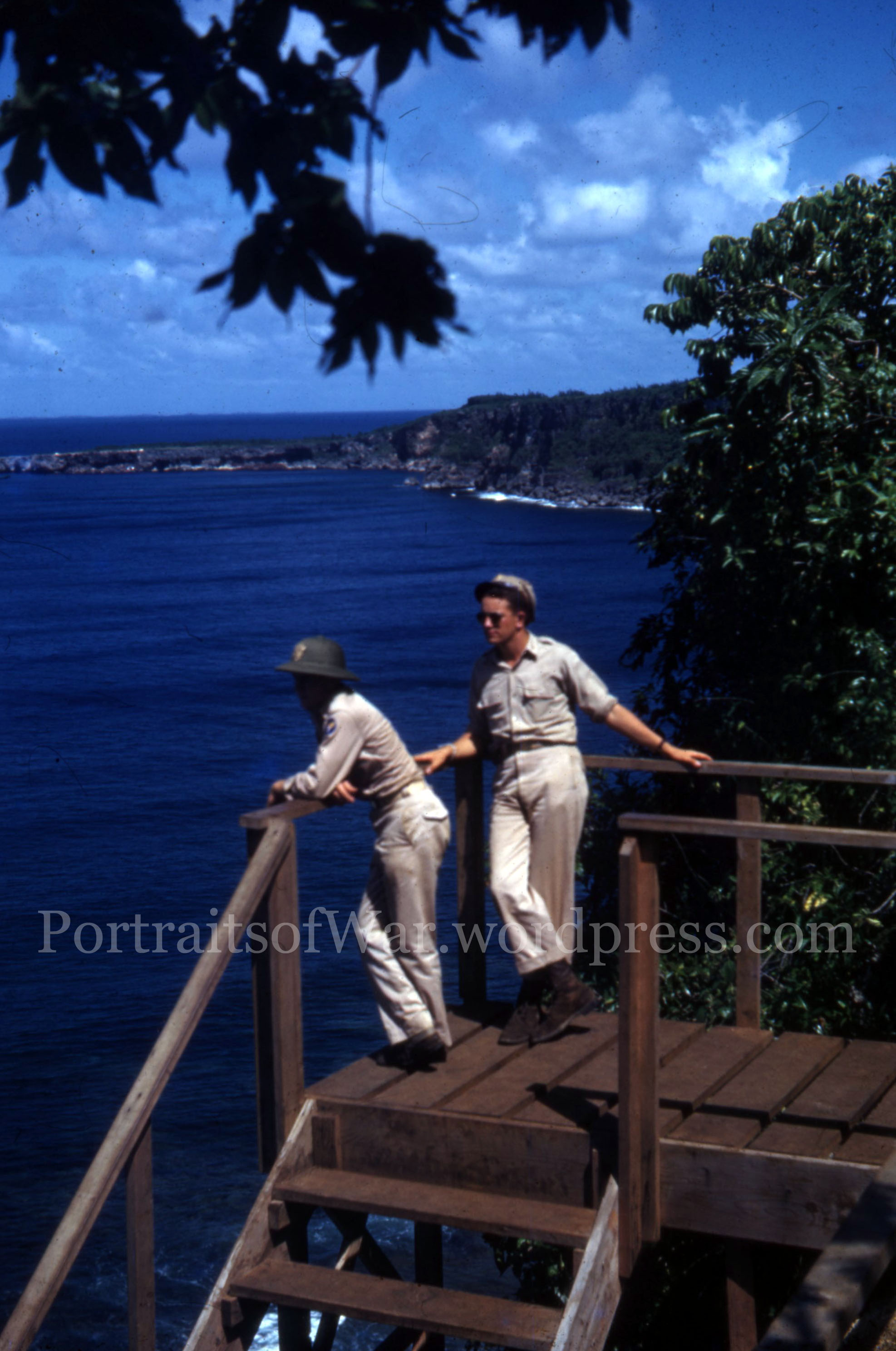
Although the focus is a bit off, I’m still pleased with the color range of the four color slides from Guam that I recently acquired through a trade with a friend. Nothing spectacular, but I thought others may enjoy seeing the “colors of war”.


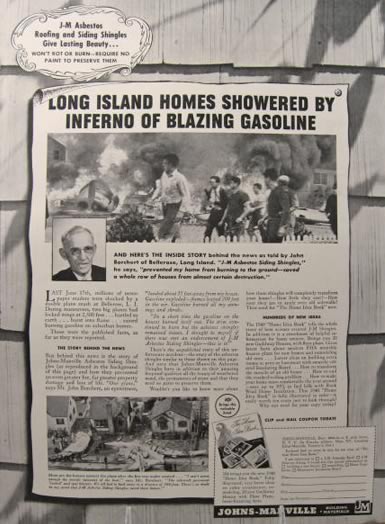
Occasionally I revisit my WWII photo collection to cull through material I’ve overlooked. In this instance, I found a real gem that I somehow never took the time to research. I remember buying this photo at a local flea market with the intention of doing some research on the crash incident, but never got around to it. I assumed that the wreckage in the image was from a B-17 or C-47, but it turns out to be from two B-18 bombers that collided mid-air over Bellerose, Long Island on June 17th, 1940. Eleven men died in the crash, and one Bellerose citizen died of burns following the event. Scanning the internet, I was able to find an advertisement for asbestos siding from 1940 that makes reference to the event. This photo is an incredibly close up shot of the event. A fireman’s hat and jacket can be seen on the wing of the B-18 in the backyard of the burned home. Incredible.
I was able to find an article written by one of the local survivors of the crash:
http://www.christianitytoday.com/le/2009/june-online-only/survivingaplanecrash.html
Also, a minor league baseball played died in the fiery inferno. Here’s an excerpt from the Baseball in Wartime website:
“On Sunday, June 16, 1940, Bedient sent his parents a telegram stating that he was spending the day with his wife at Great Neck. At around 9:00 A.M. on Monday, June 17, two twin-engined Douglas B-18 Bolo bombers, escorted by two fighter planes, left Mitchel Field on a routine training flight. The two bombers carried a crew of 11, including Second Lieutenant Bedient. Just 15 miles from Mitchel Field, above the densely populated area of Bellerose Manor on the eastern edge of Queens, New York, the two bombers were executing a maneuver at 2,500 feet. One plane had to pass under the other and there was not enough clearance. The two planes collided and crashed in flames. One landed within a block of a school and the second smashed into a one-story residence that instantly went up in flames. All 11 crewmen — two of whom unsuccessfully attempted to escape by parachute — perished in the wreckage.”
http://www.baseballinwartime.com/in_memoriam/bedient_hugh.htm
UPDATE
An author who is writing a book on the B-18 emailed me with the following technical info on the two planes that crashed.
Douglas B-18A – AAC 37-576 Accepted 17 May 1939 and immediately assigned to Langley Field, VA. To Mitchel Field, NY 10 November 1939. Accident 17 June 1940 at Bellerose, Long Island, NY 1LT P. Burlingame, collided with B-18A 37-583 (q.v.), w/o. Coded 9B45 and 9B43 at the time, order uncertain.
Douglas B-18A – AAC 37-583 Accepted 9 June 1939. Assigned to Langley Field, VA 10 June 1939. To Mitchel Field, NY 12 November 1939. Accident 17 June 1940 at Bellerose, LI, NY, 2LT R. M. Bylander, collided with B-18A 37-576 (q.v.), w/o.
Thanks!
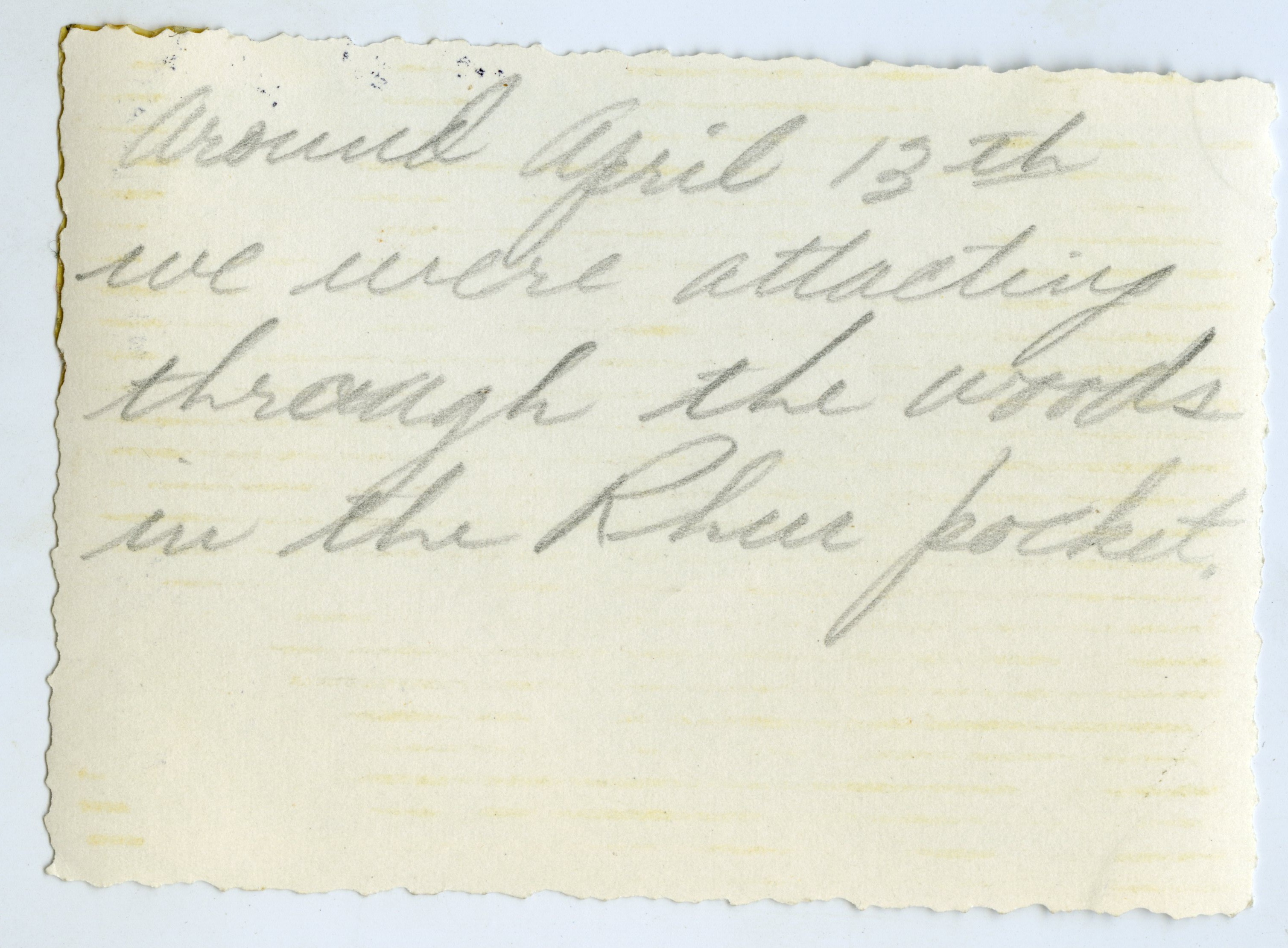
Amateur combat snapshots are nearly impossible to find. I only have a handful in my personal collection, and have only seen them for sale on rare occasions. In this photo, a veteran named Earl Reese snaps a photo while his squad is attacking through a forest on April 13th, 1945 while in the “Ruhr Pocket”. I have a collection of Reese’s photos and personal memoirs that were saved from the trash bin at an estate sale in California. Imagine images like these rotting away in a landfill?
Is that a ricochet dent on the M1 helmet?

I love collecting WWI albums and named photo groupings. They are much harder to come by compared with the relatively plentiful single photo purchases. In this case, I was able to come across a wonderful grouping of photos from the grandson of a WWI 31st Engineer veteran. I promised to post the photos on the site to help raise interest in this obscure unit and help bring this man’s photos to the digital world. Digital preservation allows thousands of viewers to enjoy images that would otherwise be relegated to the corner of a dusty upstairs closet. I will do my best to describe what I can about the unit and share a few biographical vignettes.

Pvt. Herbert Conner posed in France
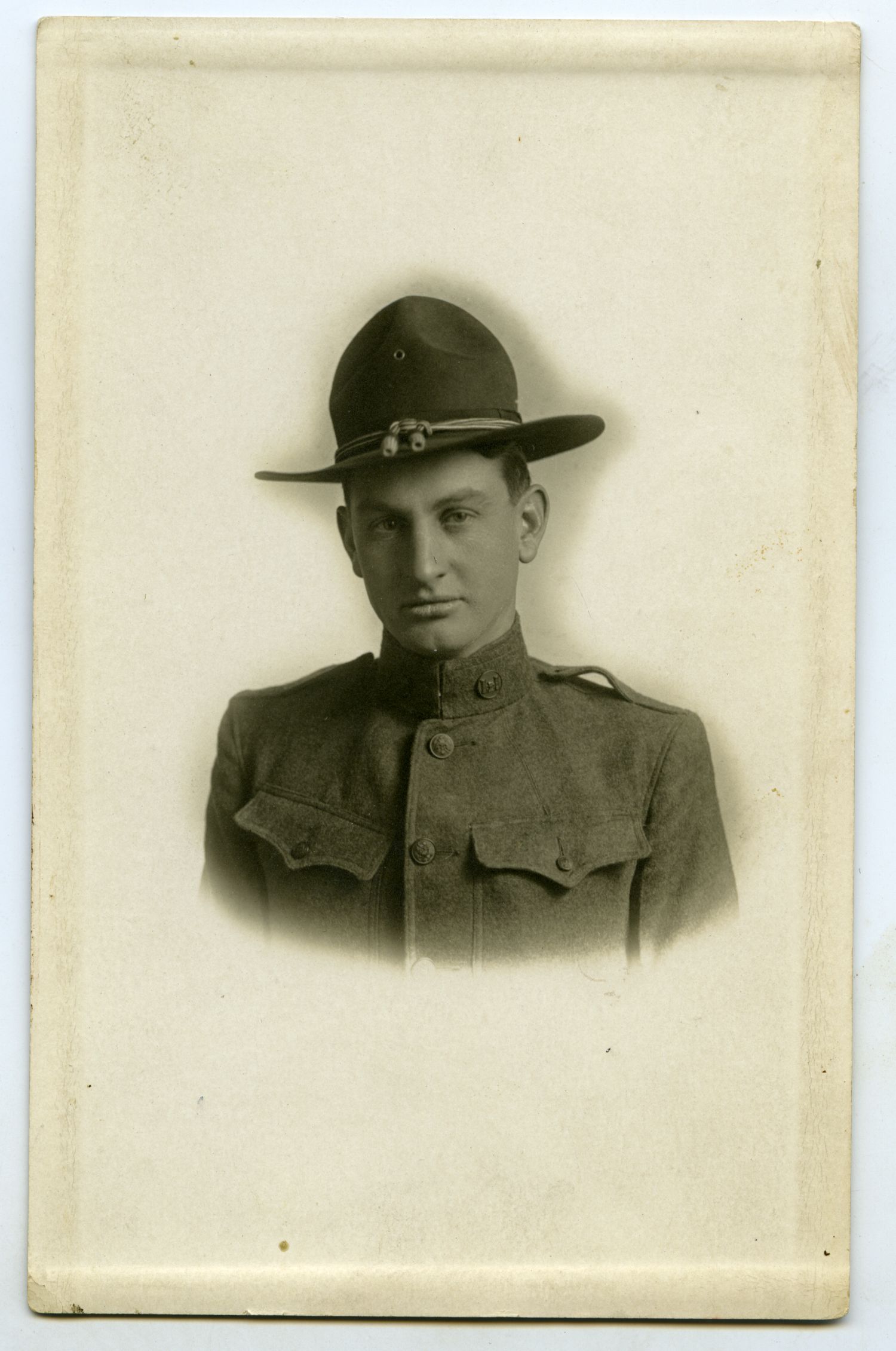
Pvt. Conner
“My grandfather was born in 1892 in Fordsville, Kentucky later the family moved to Amity Oregon and later to St Helens, Oregon. As a young man he was a prizefighter(that what they called them in those days). He was a logger for awhile later he went to work in Portland, Oregon for the railroad before the war and after the war he continued with the railroad for over forty years as a fireman and an engineer. He never owned a car and the station was about two blocks from his house and Kelly’s Bar and the grocery store were across the street from work so I guess he felt he didn’t need one. He passed away in 1968.

Some Guys from A Company

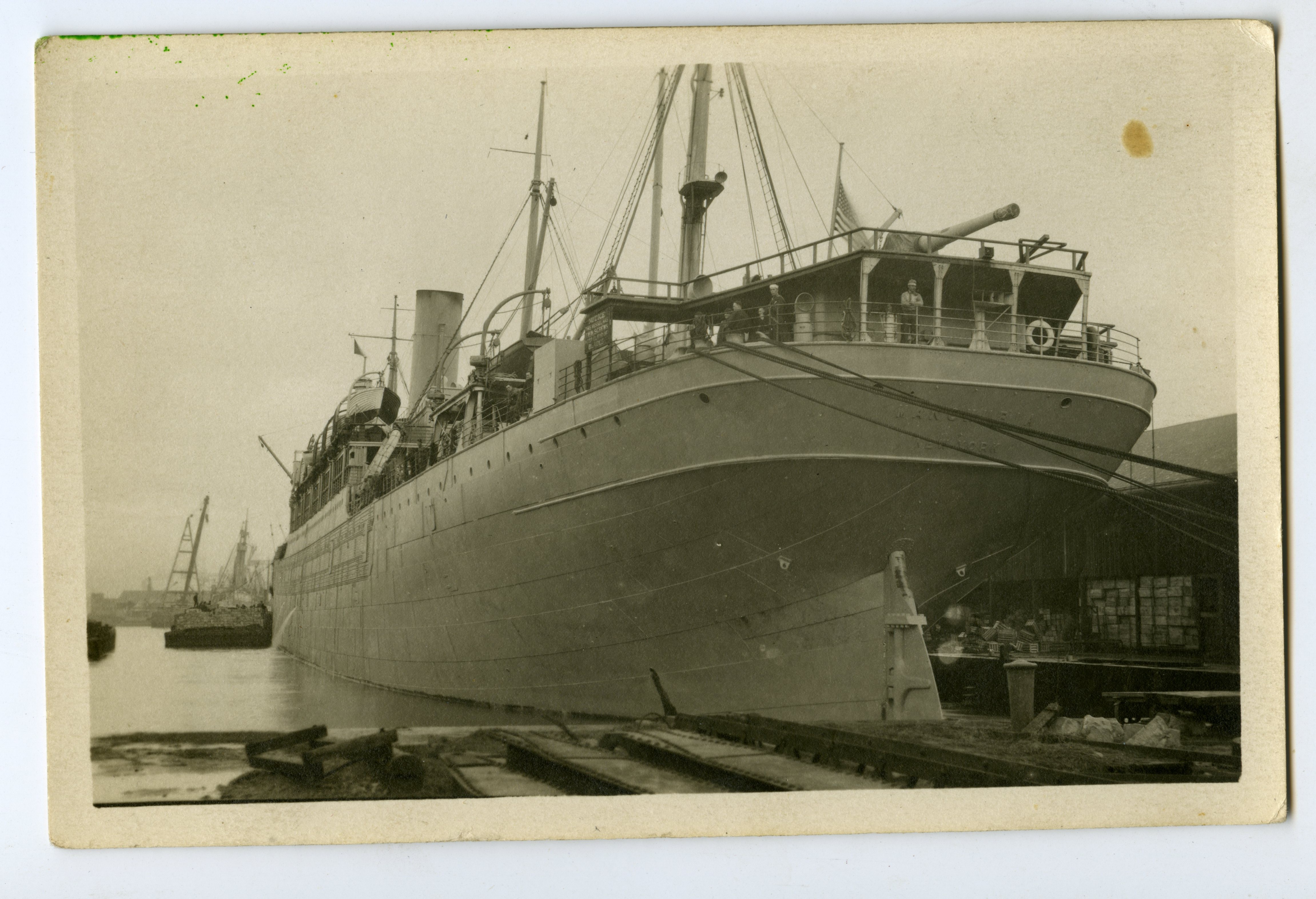
SS Manchuria in Port (Not the return ship for the 31st)
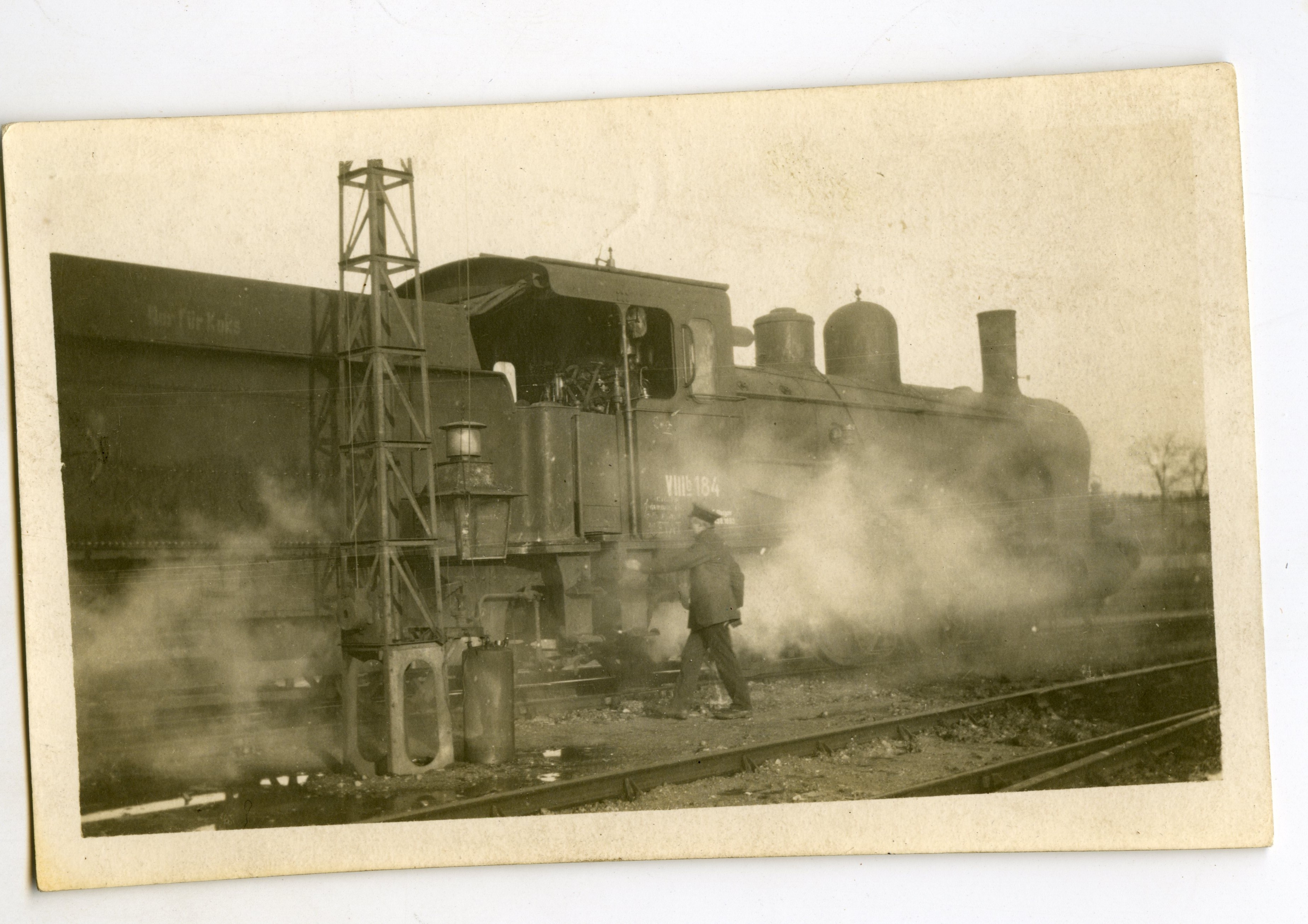
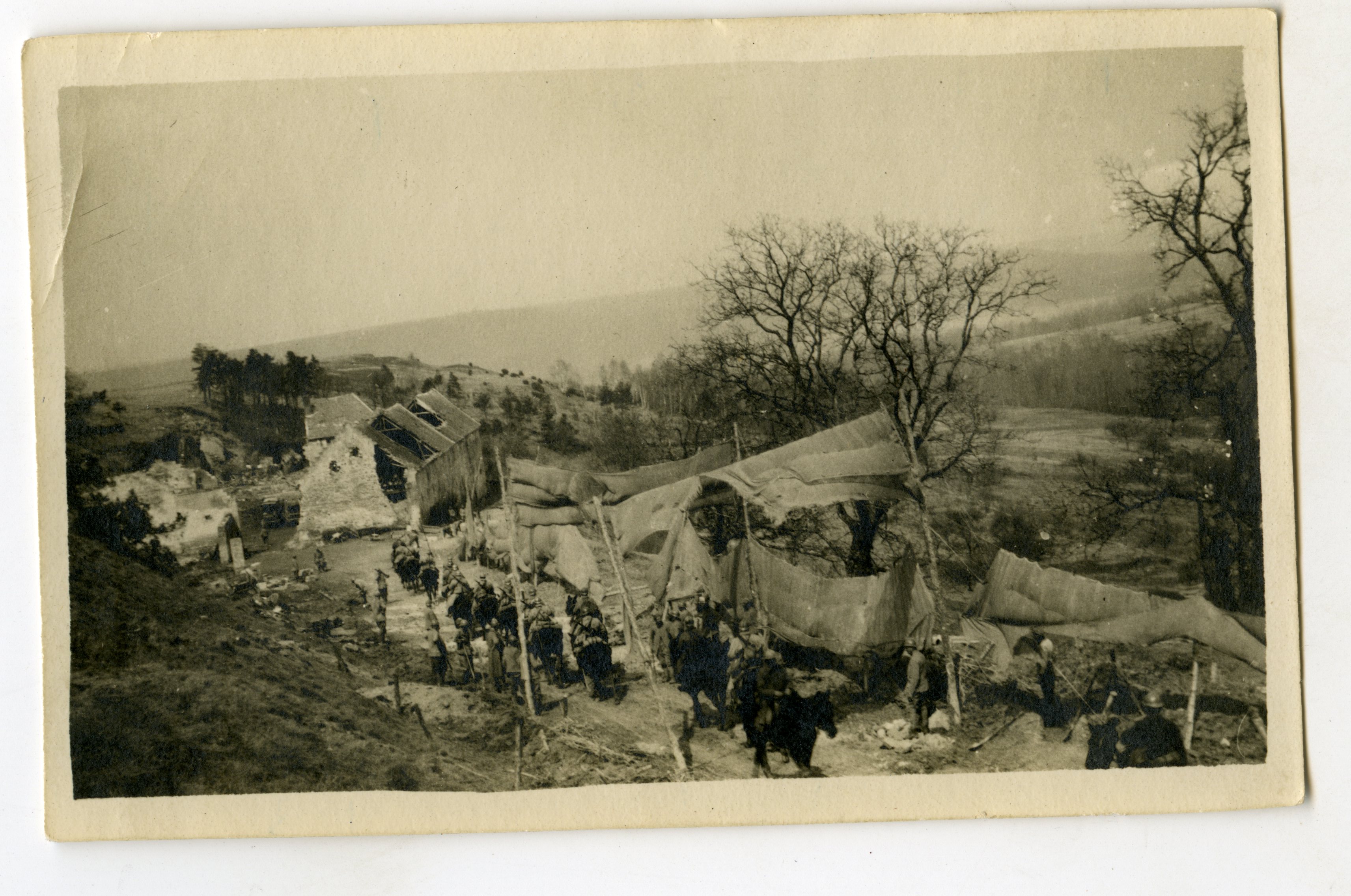
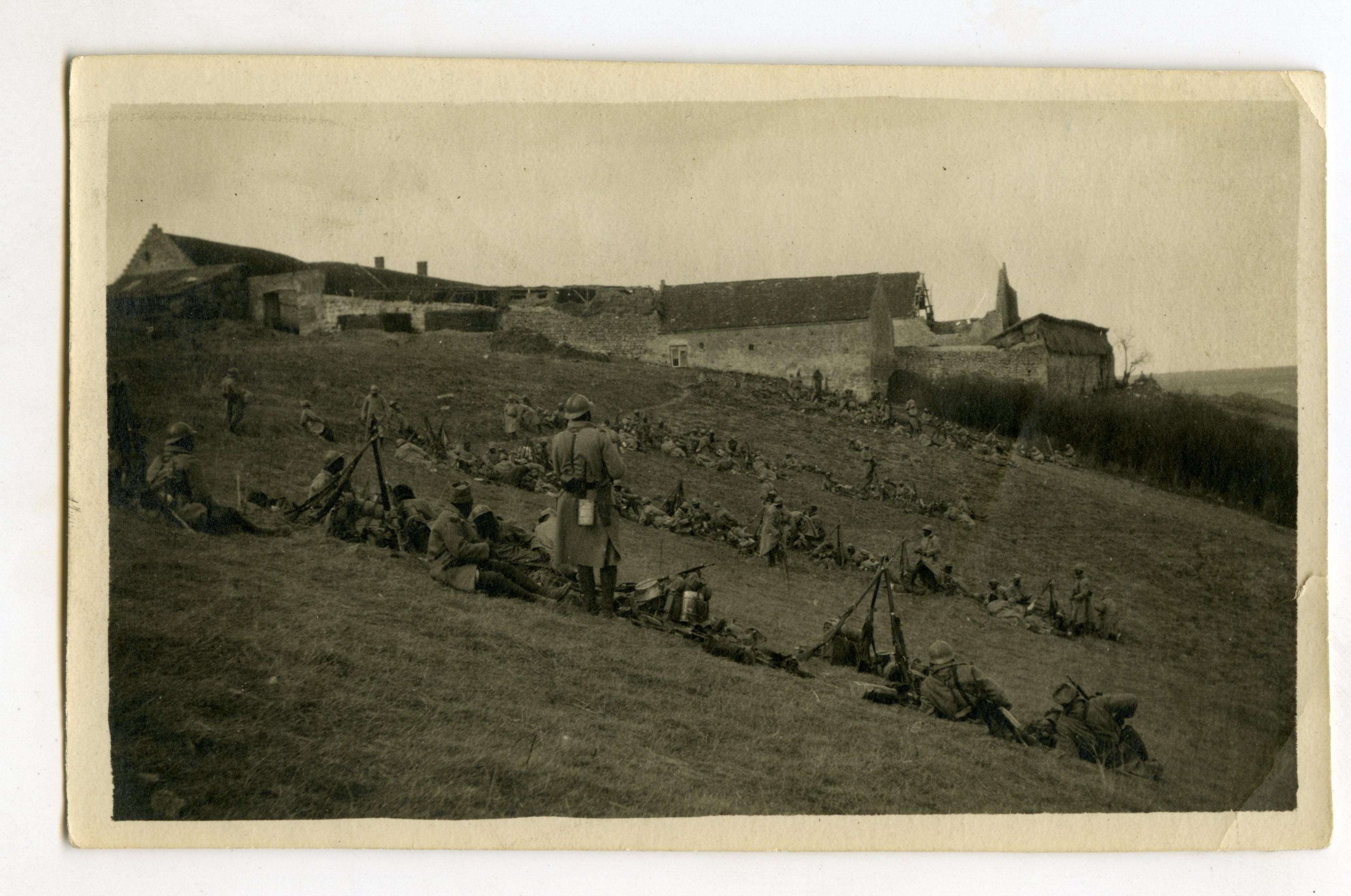

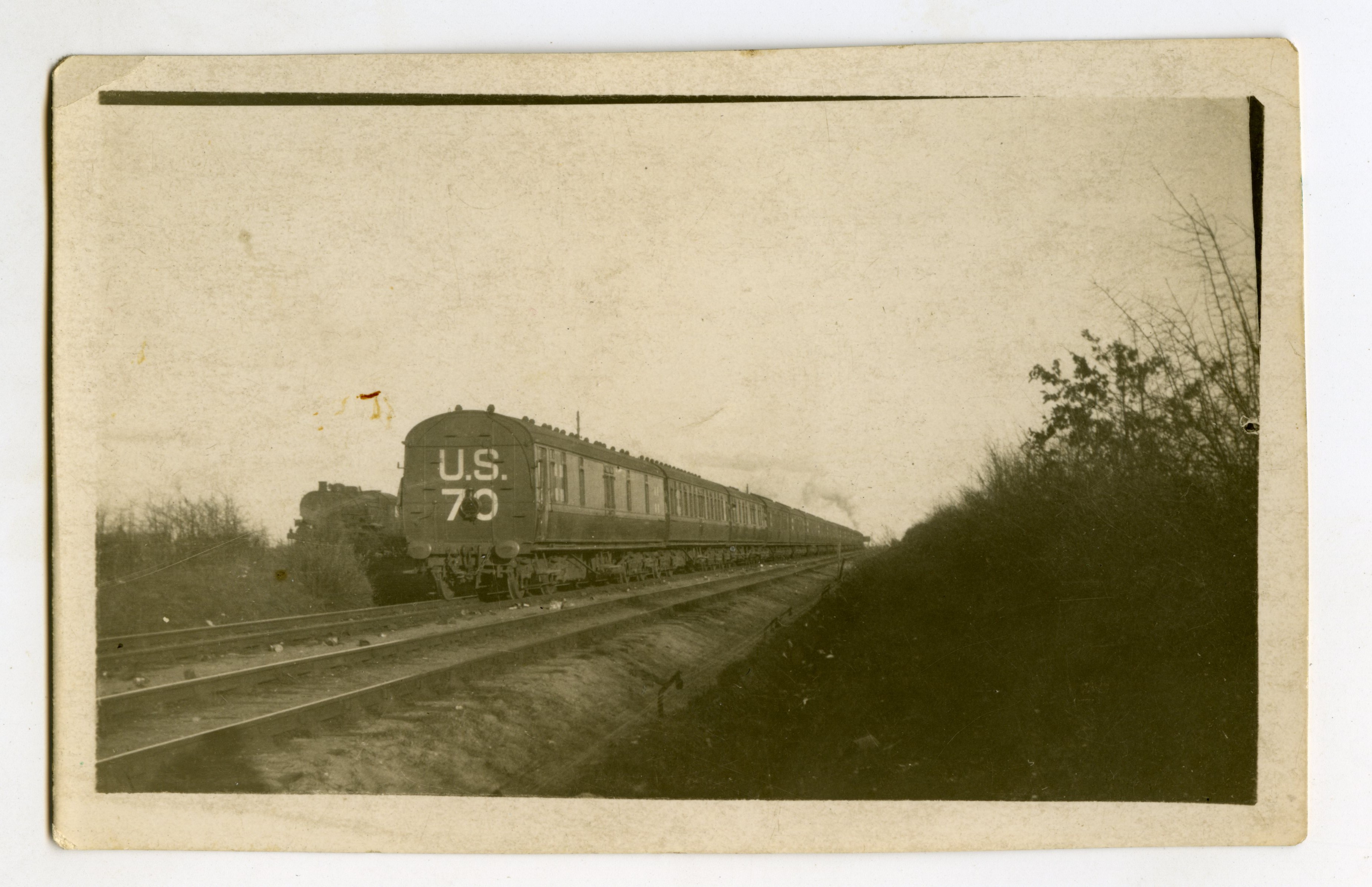
Hospital Train


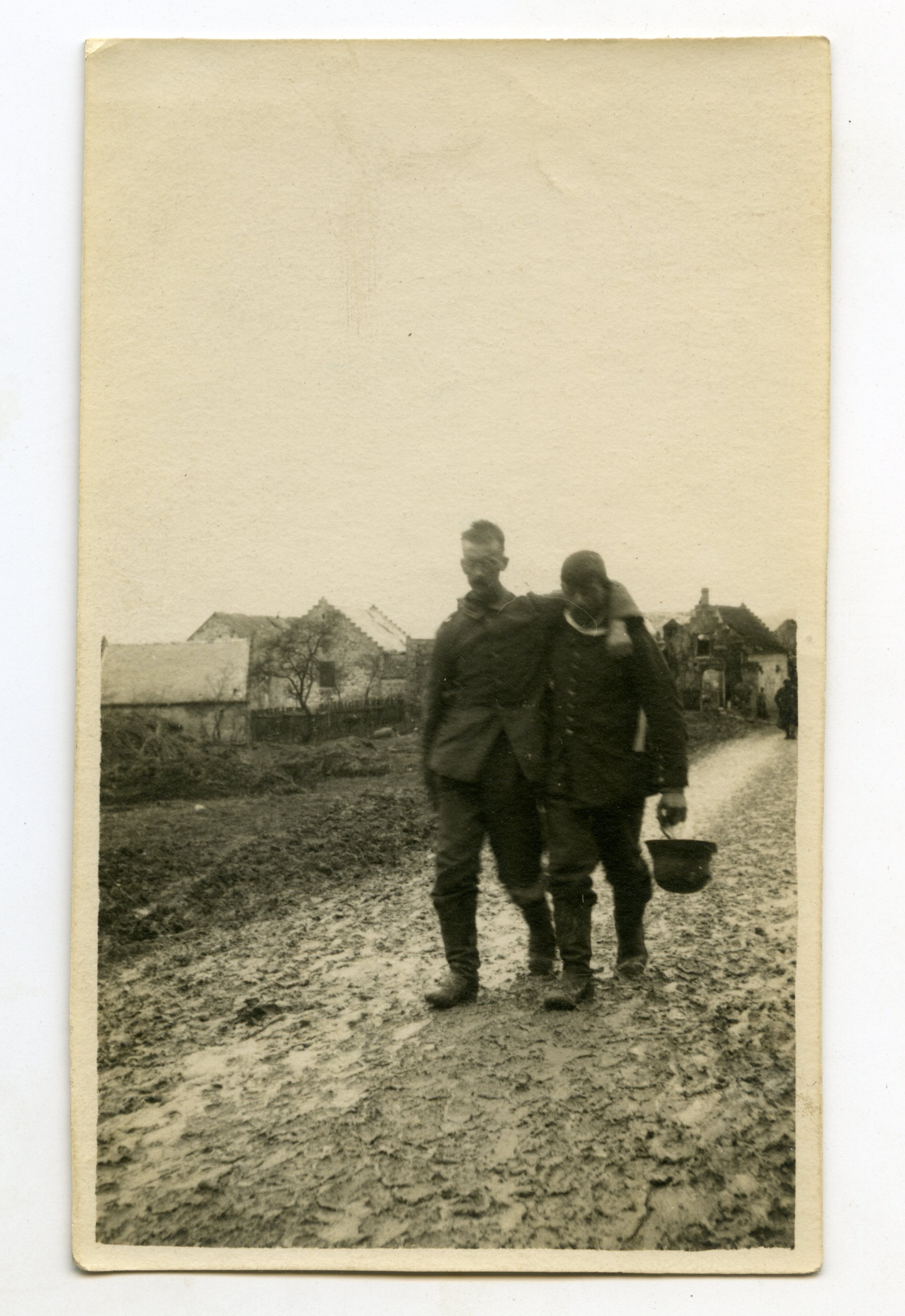
German Prisoners
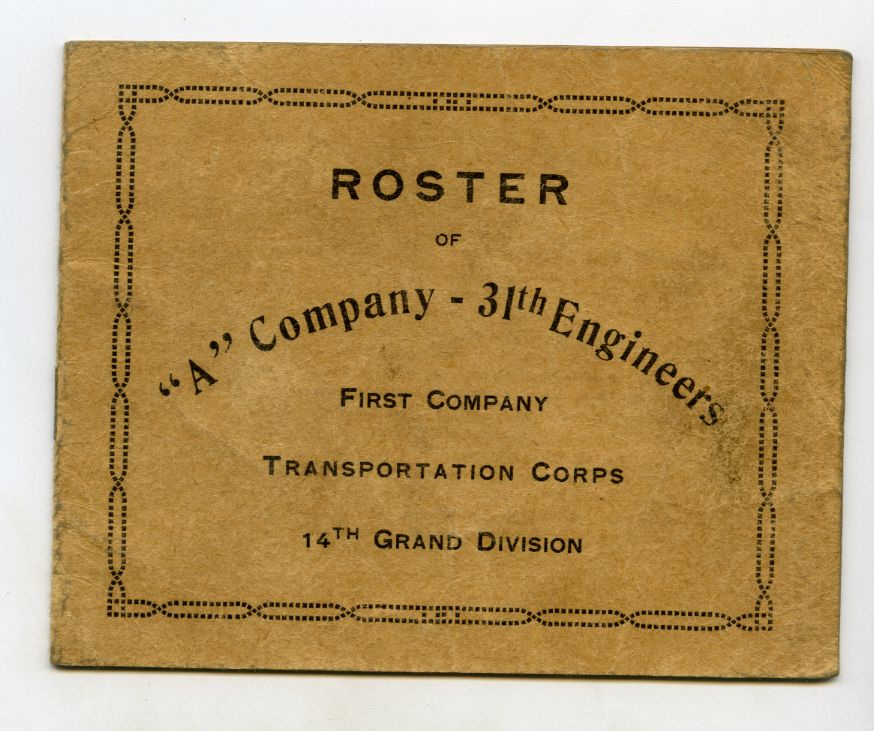
Check back for updates…………….
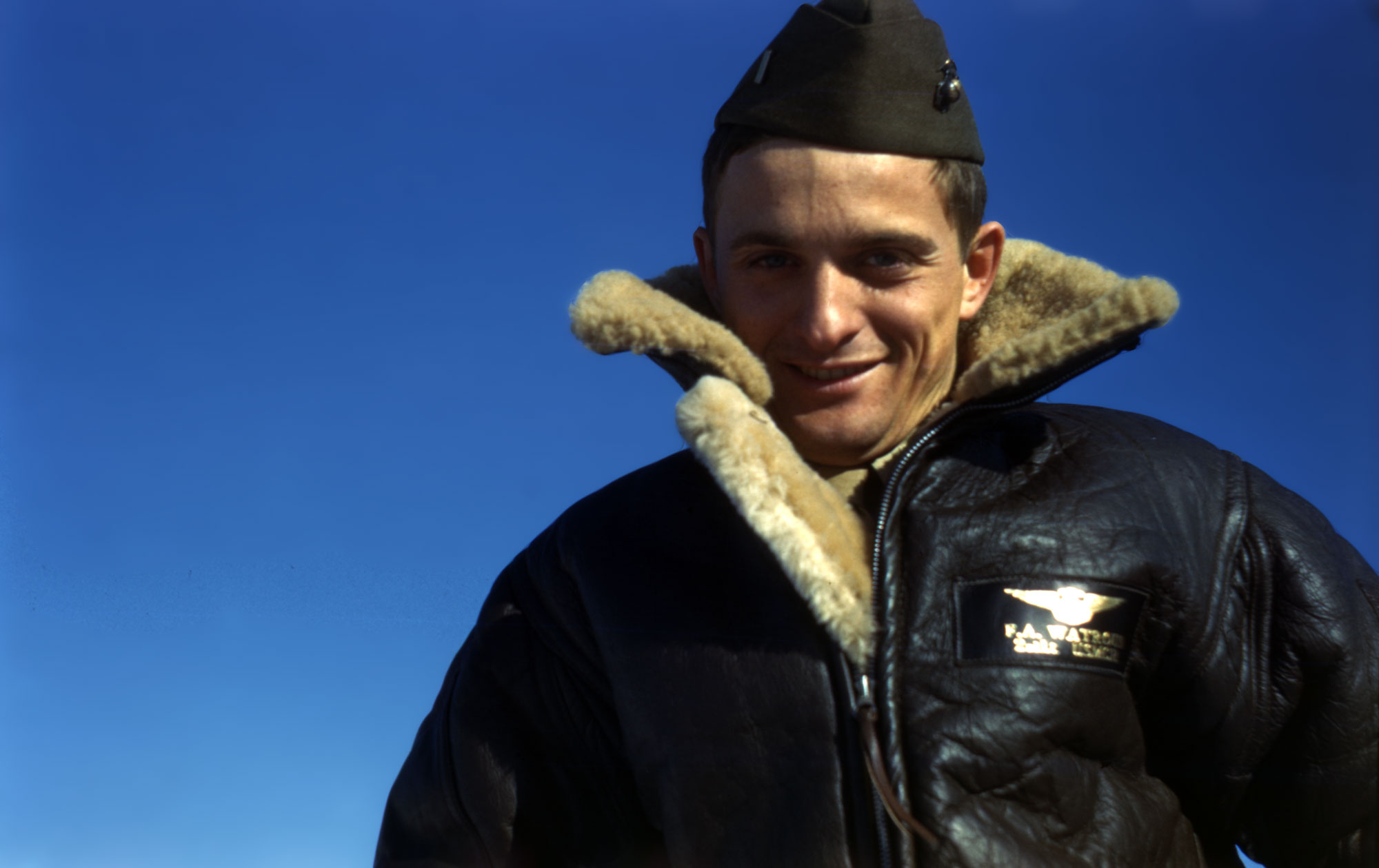
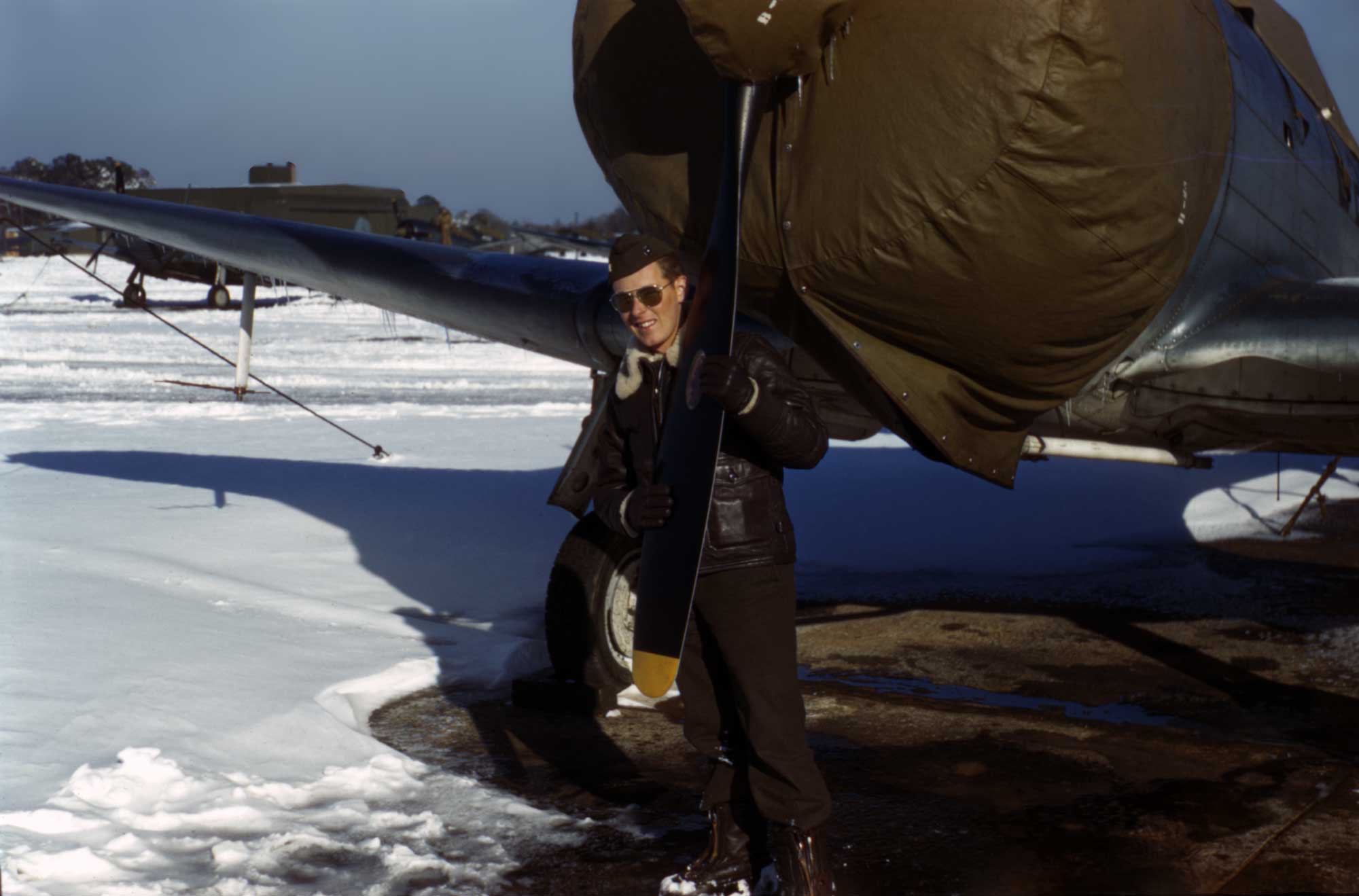
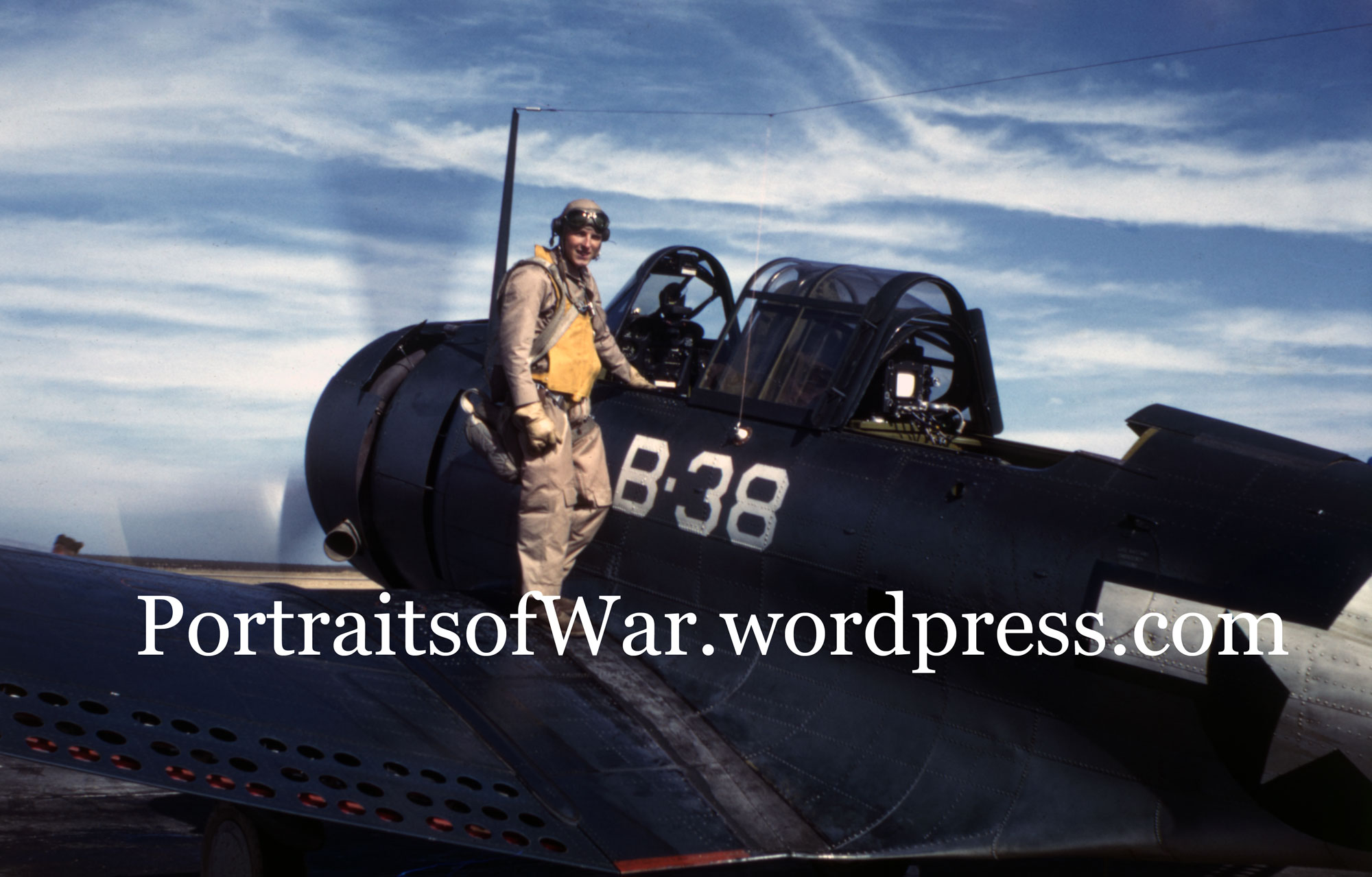
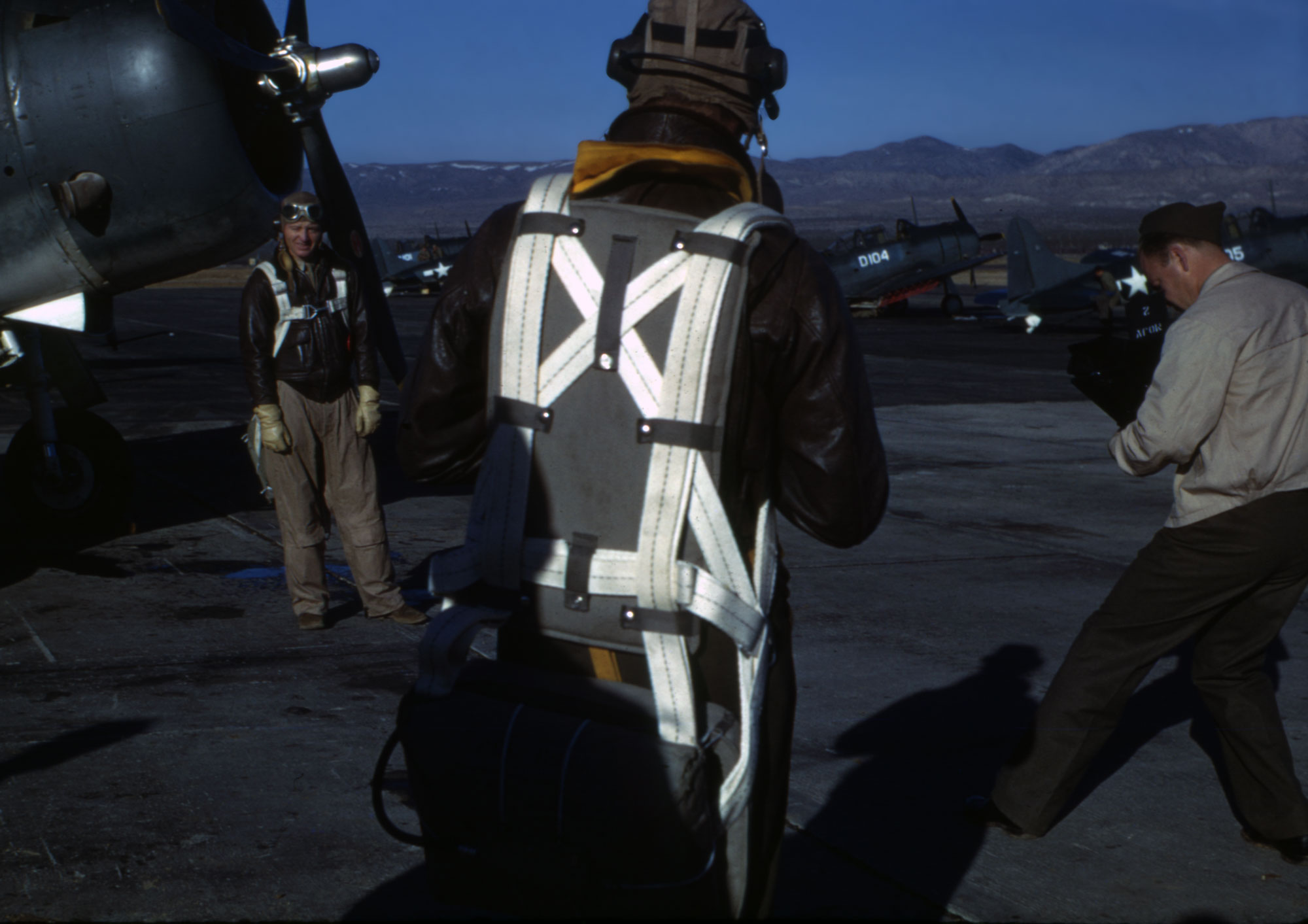
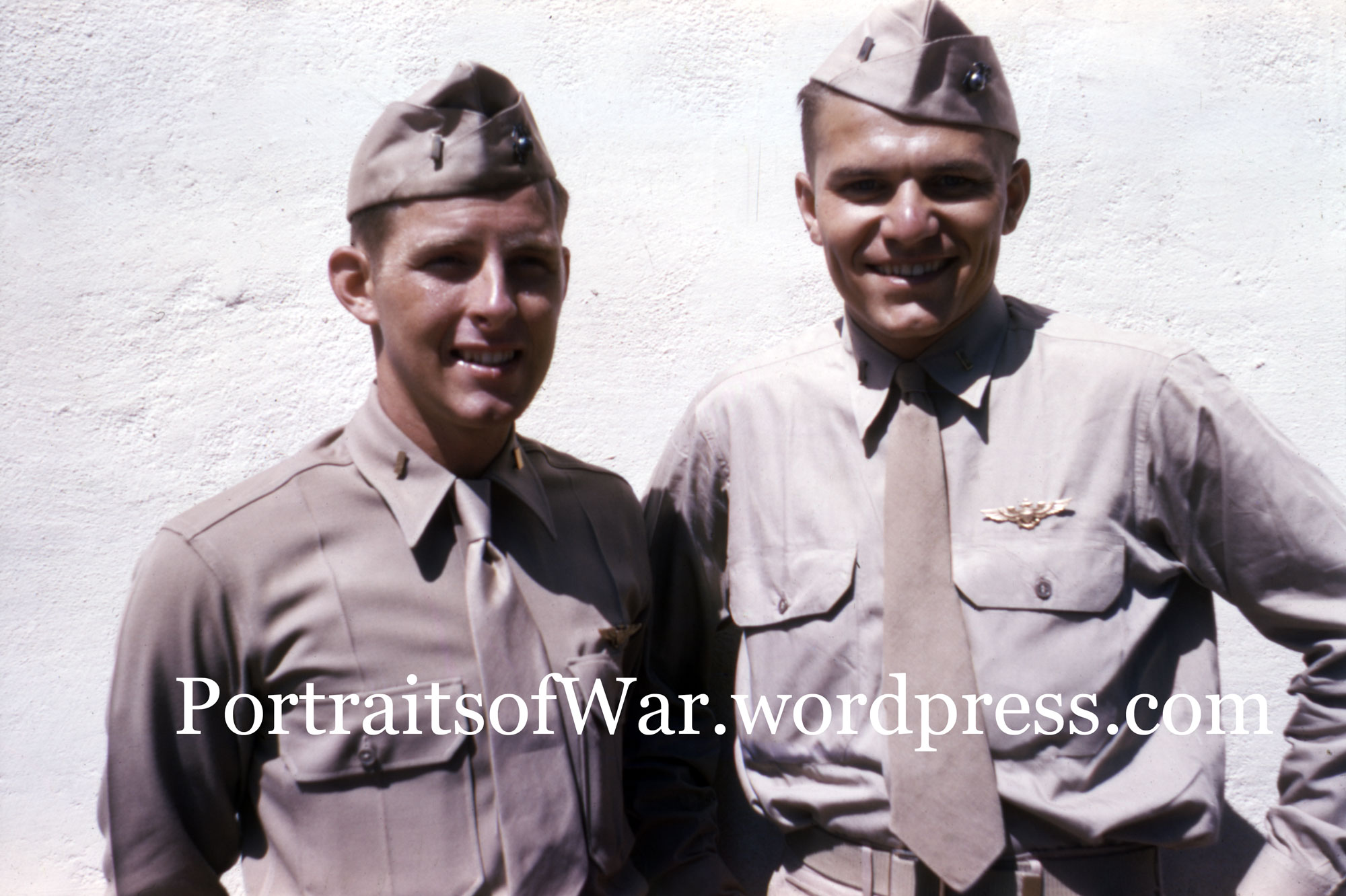
The color of WWII is something lost on our generation; WWII has been a war fought in black and white for everyone but actual WWII veterans who witnessed it firsthand. One of my goals here at PortraitsofWar is to collect color slides from WWII and make them accessible to those who don’t know it exists. Yes, color film was shot in 35mm(and sometimes larger format) and was used on a somewhat regular basis by shutterbug soldiers during WWII. My collection is roughly 500:1, black and white : color. To find a complete collection of color slides is like hitting the WWII photography jackpot. In this case, I was able to pick up a small selection of color slides from a Marine dive bomber. Although I was only able to snag 7 from a grouping of nearly 200, I am still happy to pass along the images to interested parties.
From the collection of Walter Huff.
Please enjoy the colors of WWII as they were meant to be seen!


 Portraits of War