WWI Red Cross Nurse Photo Identification – Miss Ella Kettels/Voged Describes Wartime Hospitals


World War One studio photography is dominated by shots of male soldiers posing in European studios in hopes of documenting their wartime experiences for hometown family and friends to enjoy.  Little did they know that historians in 2014 would be researching their names, hometowns, photos and military rosters to help paint a picture of the American experience during WWI.  One of my favorite research topics is the wartime culture of US nurses while stationed overseas in 1918 and 1919. In this case, I’ve done an extensive series of searches in hopes of tracking down the WWI nurse posed in the photo. I hope you enjoy the research!

Ella (Kettels) Vodel in 1918
Ella (Kettels) Voged in 1918

Ella Kettels of Clinton, Iowa

Ella Kettels of Clinton, Iowa

Miss Ella Kettels (mispelled on the photo) eventually went on to marry at the age of 35 to a man named Theodore Voged.  He is listed as a janitor in the 1929 city directory for Clinton, Iowa.  The couple lived at 576 1st Ave. in Clinton, IA.  I’ve identified the house they lived in and have posted it below:

576 1st Ave. in Clinton, IA.

576 1st Ave. in Clinton, IA.

Her wartime experience is included in her1965 obituary:

“Mrs, Ella Voged, 80, of Clinton, saw the grim side of World War I. She went to France as a Red Cross nurse but soon found herself enrolled as an Army nurse. She had been graduated from nursing school at a Clinton hospital in 1910. Mrs. Voged served as a nurse in a hospital near Paris to which American wounded came in a steady stream from the big front-line battles of that war. . “Sometimes we thought this boy would be all right and they would be gone in the morning,” she recalled. “This was long before the day of antibiotics. They would develop infections in their wounds.”

Although we may never know the full extent of Ella’s wartime hardships, we do know that she will be immortalized on the world wide web as a subject of potential research in the future.

WWI Photo Identification – Base Hospital #10 Doctor and 103rd Field Artillery Officer Fritz Draper Hurd


Fritz Draper Hurd in 1918

Fritz Draper Hurd in 1918

After owning this photo for over a year, I decided to reexamine the image in hopes of properly identifying the sitter.  The front is inscribed ” Oh for Some Ice Cream!” with a partial ID of F Draper Hu….. with the surname clipped away.  The reverse proved juicy for wartime information, giving some additional information placing the Lt. as being present during the Yankee Division’s experiences at Chateau Thierry,  St. Mihiel and Verdun.  His name was partially obscured by remnant scrapbook paper.  After steaming the affected section with heated and distilled water, the glue separated the paper from the photo and revealed his full name.

F Draper Hurd

FritzHurd287a

FritzHurd288resize

Fritz Draper Hurd was born in Williamsport, Maryland in 1894 and attended Pennsylvania College as a member of the class of 1916 but sadly was expelled the night before graduation after a graduation party involving drinking and furniture breaking.  A dejected Hurd left home and went to Philadelphia seeking work, eventually landing a job with the Eddystone Remington Arms Company turning out components for the lend-lease British Enfield rifle. After hearing of the US declaration of war on Germany, Hurd signed up with a Philly based Red Cross ambulance unit and went overseas in May of 1917 eventually landing in England.  After a quick training he was sent to France to serve as a nurse with Base Hospital #10 – a British hospital for badly wounded soldiers.  The initial wave of Pennsylvania men and women was comprised of 23 doctors and 64 nurses – the first Philadelphia body of organized soldiers to leave Philly.

FritzHurd287abresizedHe next attended Field Artillery School and commissioned a Lt. with the 103rd Field Artillery Regiment, a unit of the 26th “Yankee Division”.  The photo shown above depicts Hurd wearing a uniform with insignia related to this period of his wartime career.  During his time as an artillery liason between the 103rd and the front line infantry units, Hurd was responsible for lugging a wire spool and calling in artillery fire.  He also spent some time in an observation balloon and is credited for calling in a barrage that took out three German machine gun nests.  He also is documented as being a participant of the last artillery shot of the war- firing only minutes before the official end of the war.

He was able to attend Oxford after the war and later became a distinguished medical profession back in the US.  He lived well into his 80s and recorded a memoir which can be found in the Special Collections department of Gettysburg College along with his wartime diary, knuckle duster trench knife, musette bag, scrapbook and assorted ephemera.

FWHurd FWHurd2

Based on the article posted above, we know he had a brother named Mason who also served during the war in a similar set of campaigns as Fritz.  Mason Hurd’s record can be found here:

Name: Mason Montreville Hurd
Race: white
Address: Williamsport, Washington Co.
Birth Place: Clearspring, Md.
Birth Date: 07 Jul 1896
Comment: ORC 11/27/17 2 lt FA, (Ft Oglethorpe Ga.); Btry D 77 FA; Btry E 13 FA 5/10/18; Btry A 13 FA 7/-/18; Hq 1 Army Corps 8/13/18; Casual Officers Dep Blois 8/14/18; Hq SOS 8/-/18; 302 Stev Regt 8/29/18; Btry E 13 FA 11/8/18, Hon disch 10/27/19, Overseas 5/22/18 to 7/31/19, Aisne-Marne; Vesle Sector; Meuse-Argonne

Special thanks go out to Sarah M. Johnson for her extraordinary research on the wartime experiences of Fritz D. Hurd.  She generously provided me with much of the information included in this blog post.  Her official article citation can be found in the footer of this post.   Her poster abstract can be found here: http://bit.ly/K4tWaE

Wartime Summary

Wartime Summary

Johnson, Sarah M. Growing up in the Trenches: Fritz Draper and the Great War. Diss. Gettysburg College, 2013. N.p.: n.p., n.d. Print.

The First US Fighter Ace of the European Theater of Operation: Charles P. London of Long Beach, California


Military historians constantly refer to “Aces” as being military aviators credited with shooting down five or more enemy planes during aerial combat.  Most of these historians don’t actually know the name of the first ETO fighter ace.  I was only made aware of his story while researching a recent photograph acquisition through an internet source who acquired the wartime collection of the Baltimore Sun newspaper.   All priced at US $15.00, the shots made available for resale were mostly unnamed or impossible to research.  When I saw that this shot was well identified, dated, cross referenced and well taken, I was “quick to click” and make the purchase.


Captain Charles P. London

Captain Charles P. London

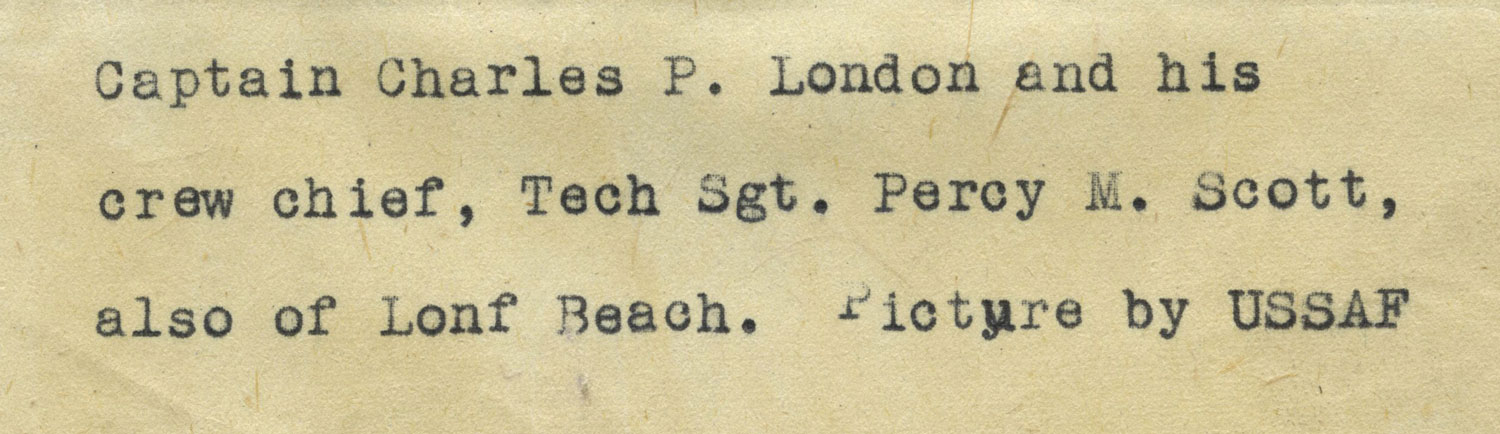
Captain London is identified standing in front of his plane with his Crew Chief Sgt. Percy M. Scott cut off from the photo, yet identified in the caption.  The photo was acquired by the Baltimore Sun from the USAAF(sic in caption).  The photo is a typical standard size shot typical of the USAAF during the war. The shot is crisp, clear and was printed directly from the original negative in 1943.   This isn’t a shot produced in later years for a book, publication, or film.

Photo Caption

Photo Caption


The reverse side of the photo contains an interesting chain of custody record for the image.  The first thing likely applied to the photo is the light penciling correctly identifying the pilot as LONDON in cursive in the left top center of the reverse.  This shot was then stamped by the Baltimore Sun apparently while a correspondent in the London office compiled shots for publication.  Here it was identified, described and prepared for shipment back home.   The next application is the ETO Censor stamp from December of 1943.  All photos sent home during the war (with some exception) were censor examined before being sent back to the US.   The bar code stamp on the top right was placed on the shot by the photography dealer I purchased the shot from.  It’s incredible how much information can be extrapolated from a few stamps on the back of a piece of paper……

Reverse of Image

Reverse of Image

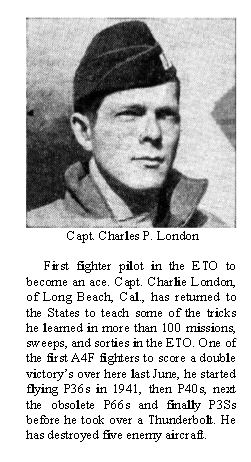
Compared to other high-profile US fighter aces of WWII, relatively little can be found about Captain Charles London.  He was a Captain with the 78th Fighter Group, 83rd Fighter Squadron in 1943.   We also know he is considered the first US fighter ace in the ETO.  A description of him in the Stars and Stripes (March 9th, 1944) describes him as follows:

First fighter pilot in the ETO to become an ace.  Capt. Charlie London, of Long Beach, Cal., has returned to the States to teach some of the tricks he learned in more than 100 mission, sweeps, and sorties in the ETO.  One of the first A4F fighters to score a double victory’s over here last June, he started flying P-36’s in 1941, then P-40’s, next the obsolete P-66 and finally P3Ss before he took over a Thunderbolt.  He has destroyed five enemy aircraft. 

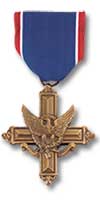
He awarded the Distinguished Service Cross for his work in June and July of 1943,

medals_dist_svc_cross_army_100x200

(Citation Needed) – SYNOPSIS: Captain (Air Corps) Charles P. London (ASN: 0-421260), United States Army Air Forces, was awarded the Distinguished Service Cross for extraordinary heroism in connection with military operations against an armed enemy while serving as Pilot of a P-47 Fighter Airplane in the 83d Fighter Squadron, 78th Fighter Group, EIGHTH Air Force, in aerial combat against enemy forces from 22 June 1943 through 30 July 1943. On 22 June while engaged in aerial combat, Captain London shot down an enemy airplane. On 29 June Captain London shot down two enemy aircraft in a single engagement. When, on 30 July 1943, Captain London again shot down two enemy aircraft in a single engagement, bringing his total to five victories for the period, he became the first American ACE in the European Theater of Operations. Captain London’s unquestionable valor in aerial combat is in keeping with the highest traditions of the military service and reflects great credit upon himself, the 8th Air Force, and the United States Army Air Forces.

General Orders: Headquarters, European Theater of Operations, U.S. Army, General Orders No. 82 (1943)

Action Date: June 22 & 29 & July 14 & 30, 1943

Service: Army Air Forces

Rank: Captain

Company: 83d Fighter Squadron

Regiment: 78th Fighter Group

Division: 8th Air Force

Plus, an article with his photo: http://www.cybermodeler.com/history/354fg/images/63aces.pdf

London


WWI Soldier Postcard – Nice, France Bar/Club Advertising Card – 94 Years Later


Mapping and GIS (Geographic Information Systems)  nerds will geek out over this post!  Typically I post photographic material related to the service history of US soldiers during WWI and WWII with occasional dalliances into the Civil War and Korean War.  In this instance I’m posting an advertising card brought back by a WWI US soldier after the end of hostilities and occupation duties in WWI.

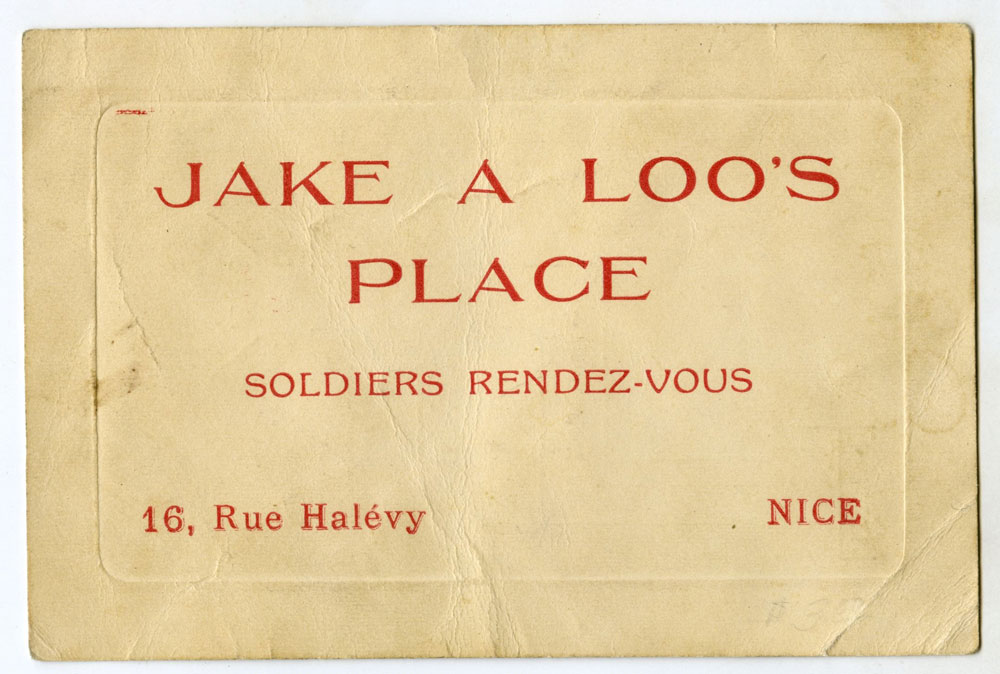
Europeans entrepreneurs quickly adapted to the new influx of comparatively cash-heavy US troops during the War and after hostilities ended in November of 1918.  Photo studios, souvenir shops, tour groups, brothels, theaters and bars/restaurants all flourished in the subsequent years.  In this case, I’m presenting a card describing the exact location of a seemingly popular soldier bar in the coastal city of Nice.  Many Allied (as well as Central Powers) soldiers took their vacations here, and this card is an example of the type of handheld ephemera that was given out in hopes of luring US soldiers into obscure bars.  We encounter the same material today when visiting major US cities.

Jack a Loo's Place WWI Handbill

Jack a Loo’s Place
WWI Handbill

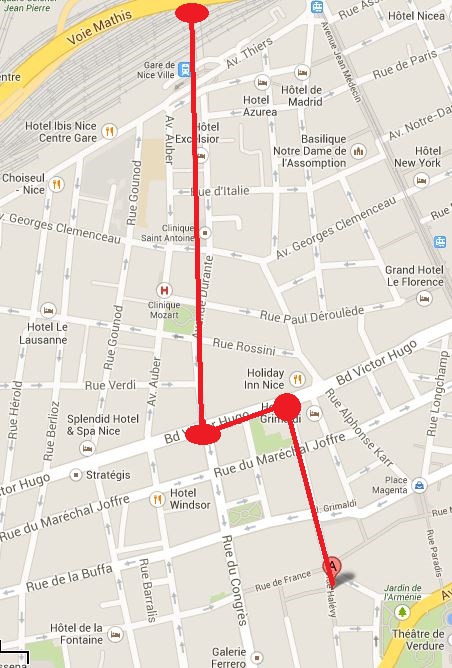
The interesting aspect, for me, of the card is the fact that the obverse side shows a quick (albeit deceiving) map directing prospective clients to the club.  I’m a huge fan of historic maps, especially obscure and ephemeral maps from a specific historic context.  I compared the Jake a Loo’s map to a current set of maps and tracked down the current location of the bar!  16 Rue Halevy is still a bar and restaraunt, likely serving up similar victuals to the ones our unknown doughboy consumed nearly 100 years ago.   The location is snugly situated on a major intersection in Nice and currently specializes in pizza.  Please see below for a current street shot of the location:

16 Rue Halevy

16 Rue Halevy Today (2013)

Obverse of Card

Obverse of Card

Current Jake a Loo's Location

Current Jake a Loo’s Location

WWI Dogtag Collection – 1st Lt. Liva McLain – Evacuation Hospital No.7 in France


portraitsofwar's avatarPortraits of War

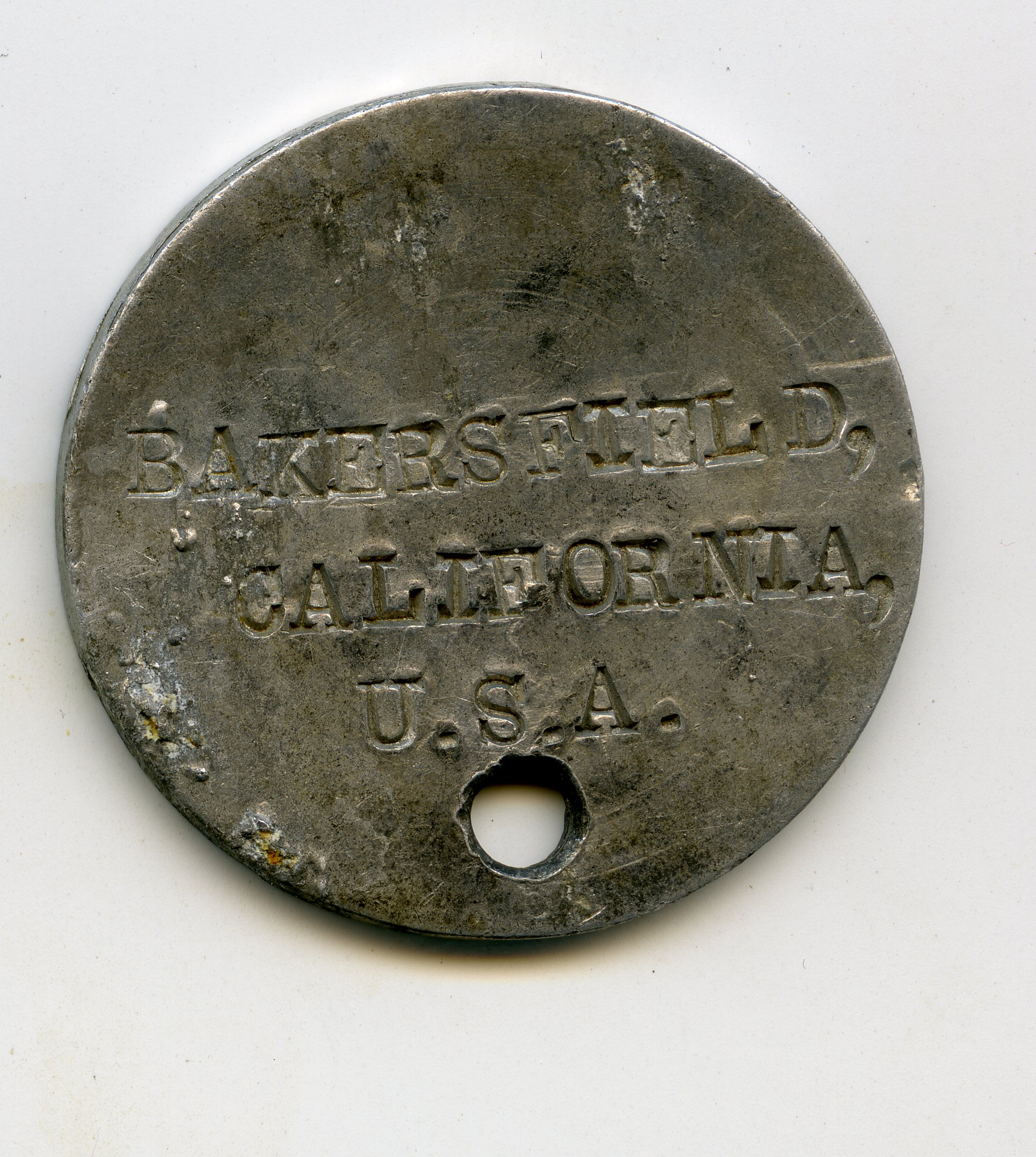
I recently picked a nice WWI dogtag from a medical officer named Liva C. McLain, and found that he likely served as a surgeon with the 7th Evacuation Hospital at Chateau Montanglaust in France, a hospital especially equipped to deal with those wounded with mustard gas.

He is mentioned on page six of the following medical corps pamphlet,

http://jama.ama-assn.org/content/LXIX/25/2121.full.pdf

It looks like Liva served with the hospital during some key battles during the war.  His hospital served the wounded at both Chateau Thierry and Belleau Woods.  Here’s a good JSTOR article about the unit’s participation at Belleau Woods:

http://www.jstor.org/stable/3405593?seq=2&Search=yes&searchText=7&searchText=no.&list=hide&searchUri=%2Faction%2FdoBasicSearch%3Ffilter%3Diid%253A10.2307%252Fi278008%26Query%3Dno.%2B7%26Search.x%3D0%26Search.y%3D0%26wc%3Don&prevSearch=&item=1&ttl=1&returnArticleService=showFullText&resultsServiceName=null

Here is a link to a soldier in the 103rd Infantry Regiment of the 26th Division who spent some time recuperating at the 7th Hospital:

http://worldwar1letters.wordpress.com/2009/08/13/evacuation-hospital-no-7-at-chateau-montanglaust-8131918/

The 7th Evacuation Hospital was organized on 26 November 1917, at Fort Riley, Kansas, as Evacuation Hospital Number 7. The organization participated in WW 1…

View original post 91 more words

WWI Photo Identification – Wartime Librarian Mary Josephine Booth, ALA in Germany


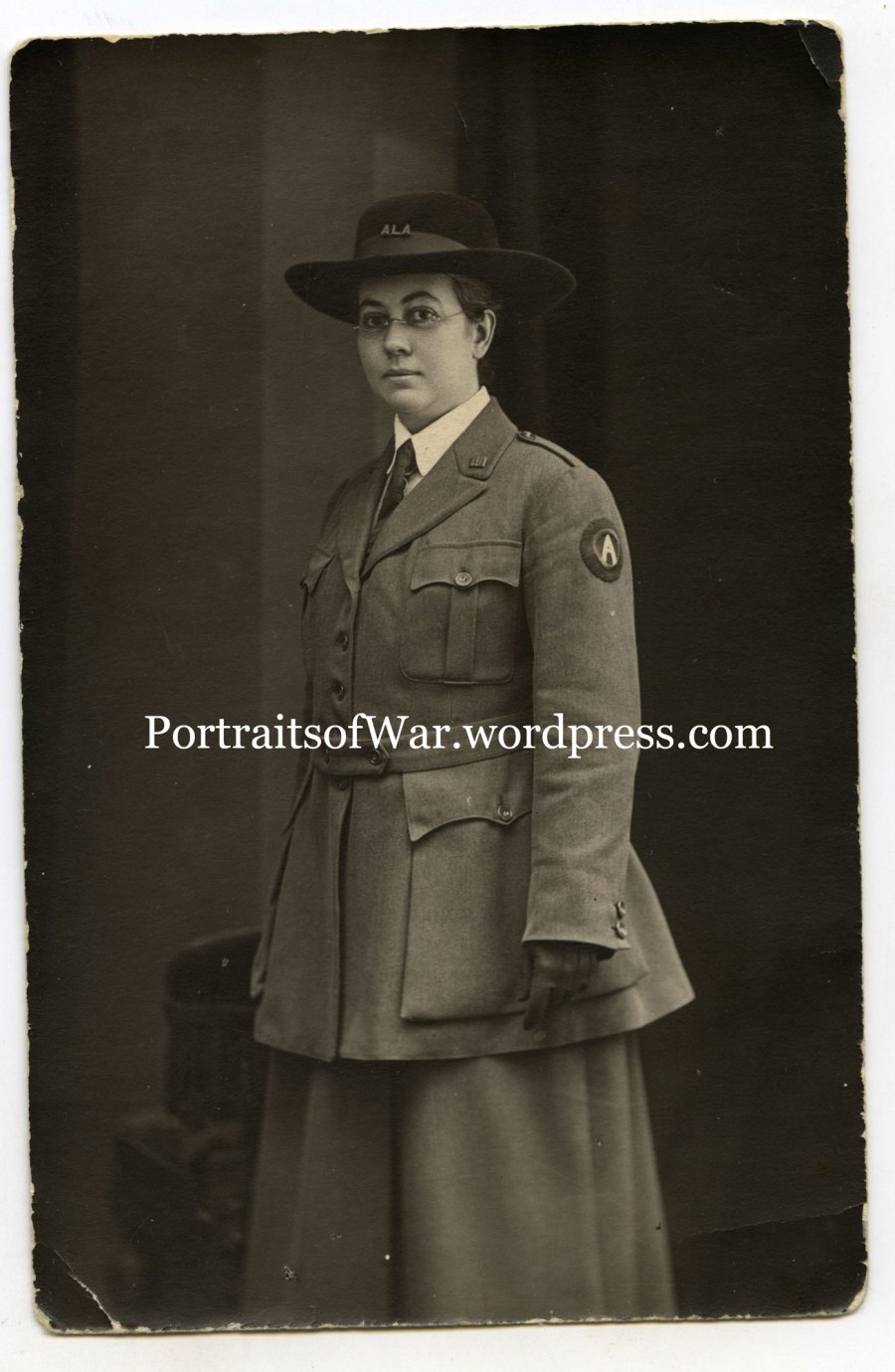
Sometimes all it takes to properly identify a photo is a little bit of luck and a lot of patience!  In this case, a collector-friend of mine recognized one of my studio postcard photos on a library history blog.  Apparently, the photo was saved from a past eBay auction by an intrepid library historian and subsequently identified.  I knew the photo depicted a WWI American Library Association worker posing in a German studio in 1919.  What I didn’t know was her identity……..

Mary Josephine Booth in 1919

Mary Josephine Booth in 1919


Mary Josephine Booth was born in Beloit, WI on May 24th, 1876 to John Robertson Booth of Fonde, NY.  She earned degrees from Beloit College and the University of Illinois Library School.

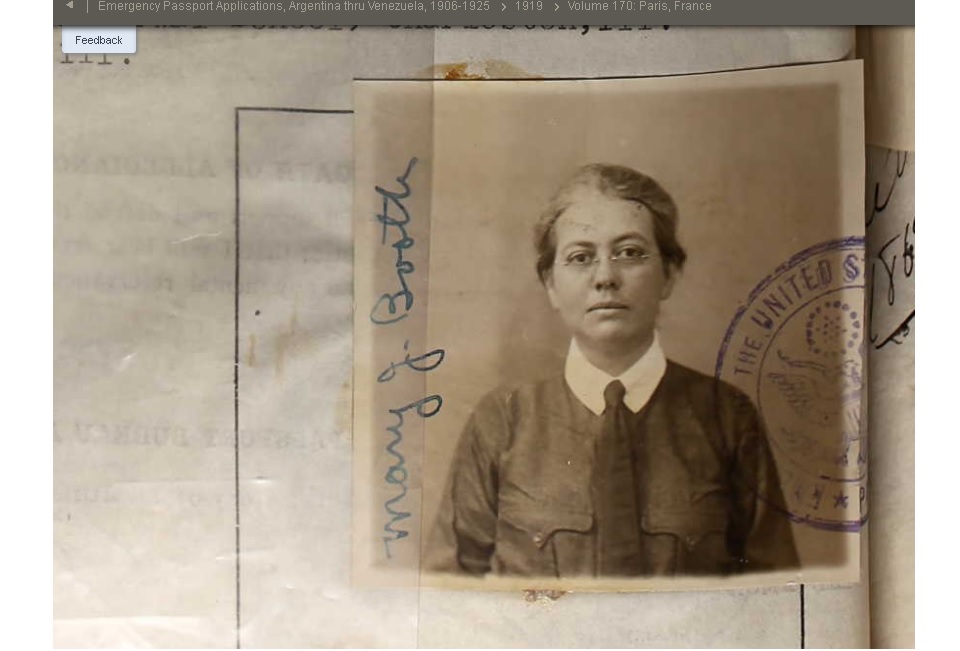
Her wartime record is incredibly well documented on her 1919 passport application.  She was issued US passport #71443 by the US Department of State on November 5th, 1917 and left for France 11 days later on the 16th.   She arrived in Paris shortly thereafter and lived at 12 Rue d’Aguesseau in the heart of the city.  Click here for a map showing her apartment location.
After the war she became a member of the Women’s Overseas Service League, the American Association of University Women and the Daughters of the American Revolution.

Women's Overseas Service League Logo

Women’s Overseas Service League Logo

A library researcher pulled the image from the eBay auction and put together a nice piece on Miss Booth here: http://libraryhistorybuff.blogspot.com/2012/12/female-librarians-and-alas-library-war.html

boothcapture

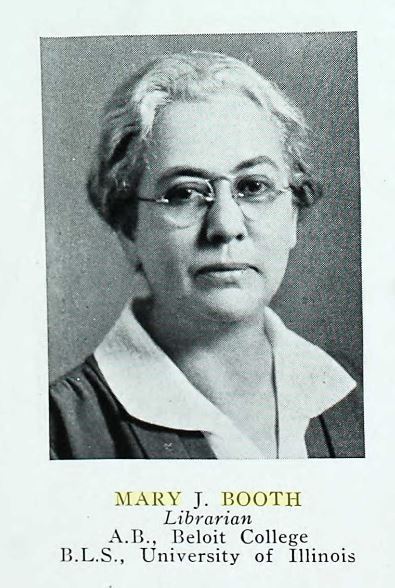
I was able to find some additional images of Mary Josephine Booth using ancestry.com and the wonderful archive of public documents recently made searchable.  See below for shots from her U.S. Passport applications.

1917 Passport Photo

1917 Passport Photo

1919 Passport Photo

1919 Passport Photo

1931 Eastern Illinois University Yearbook Photo

1931 Eastern Illinois University Yearbook Photo

1941 Yearbook Photo

1941 Yearbook Photo

WWI Combat Veteran Portrait Photo – Peter Pizzolongo, 77th Division, 305th Infantry Regiment


Peter Pizzolongo

Peter Pizzolongo

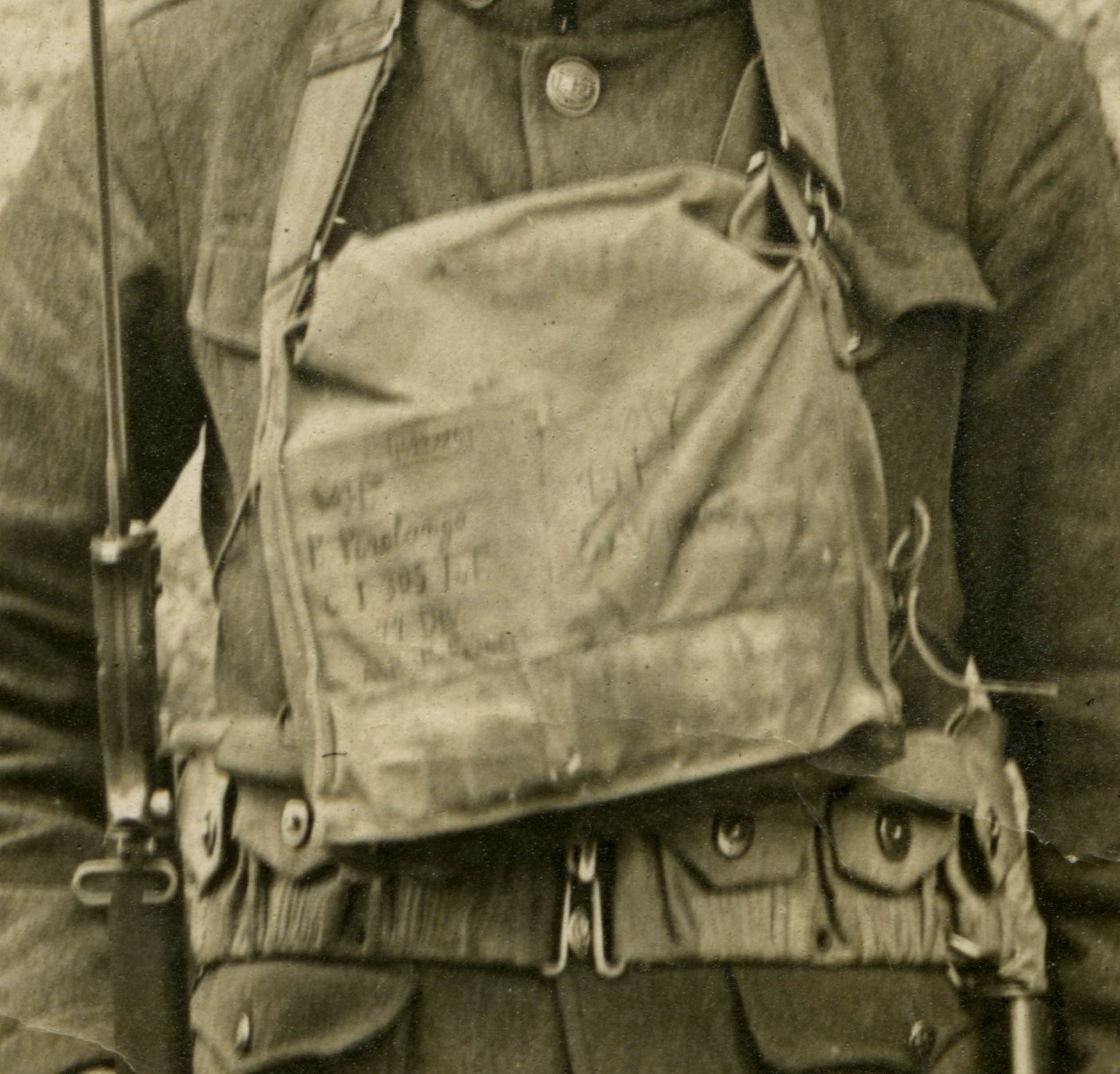
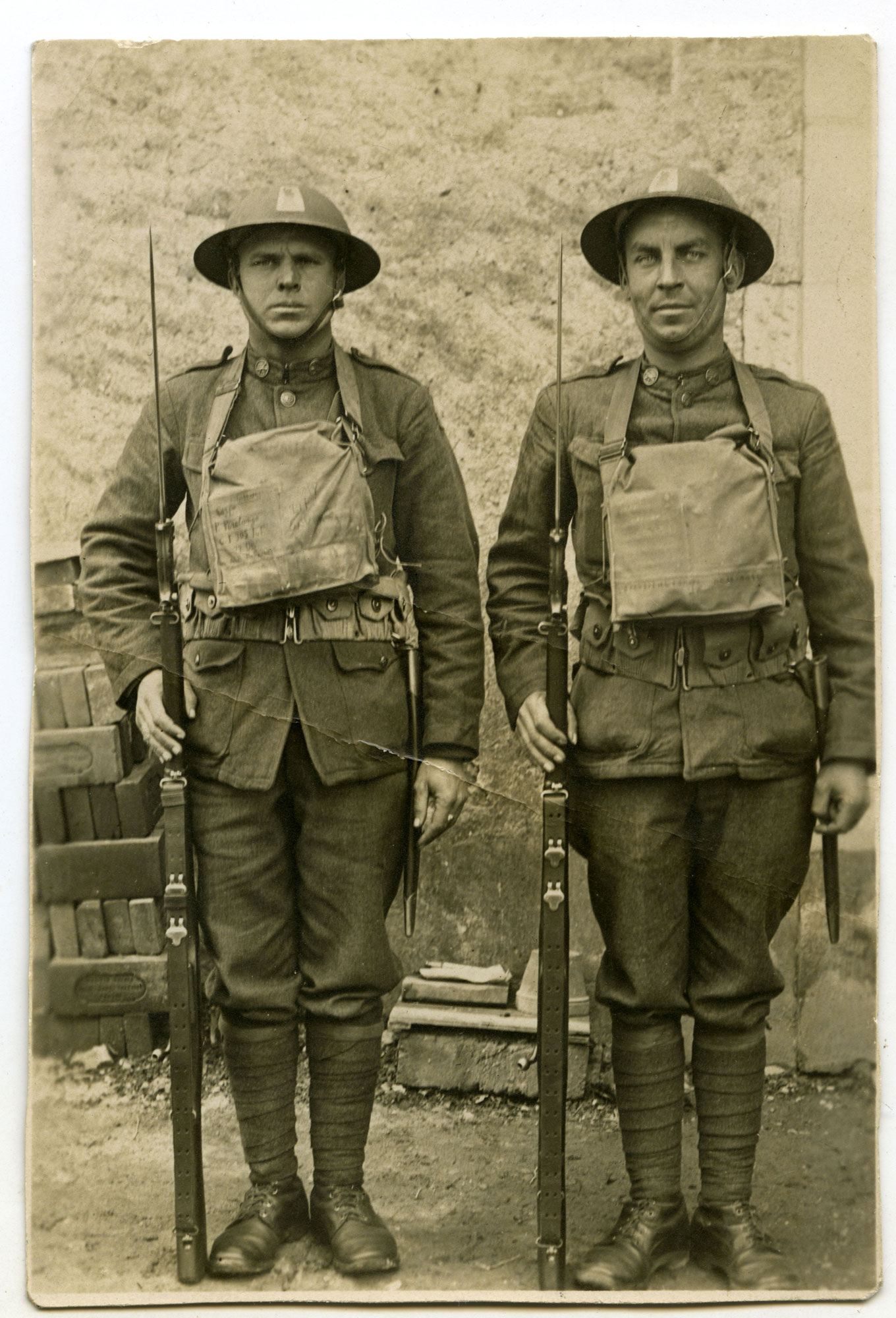
The majority of my World War One portrait collection are comprised of quality shots depicting unidentified soldiers posing for the camera in France or Germany.  Very rarely do I have a penciled name on the reverse with enough detail to make a 100% positive ID.  In this rare case, I was able to make an identification based on insignia and a faint scribble on a gas mask bag.

Gas Mask Identification

Gas Mask Identification

At first I wasn’t able to make out the exact details of the name.  The soldier was clearly with the 77th Division based on his painted helmet with the Statue of Liberty insignia, and the 305 Inf. was easy to make out on the bag.  I checked the collar discs on both men and was able to make out an I, telling me that the men were both with I Company.  From there, I tracked down (luckily) a web-based roster for the 305th Infantry. It can be found here: 305th Infantry Roster

The name on the bag clearly stated a P. P…….go.  I didn’t have much to go on but was astounded to find a perfect match on the roster website!  Peter Pizzolongo.

Peter Pizzolongo and Friend

Peter Pizzolongo and Friend

Peter was born in 1896 in Larino Campobasso, Italy and came over to the US in the early 1900s.  What’s funny is that I can’t find his immigration records online but did find that he traveled back from Italy in 1955 on board the S.S. Independence along with his wife, Ida.

1955 Italy Trip

1955 Italy Trip

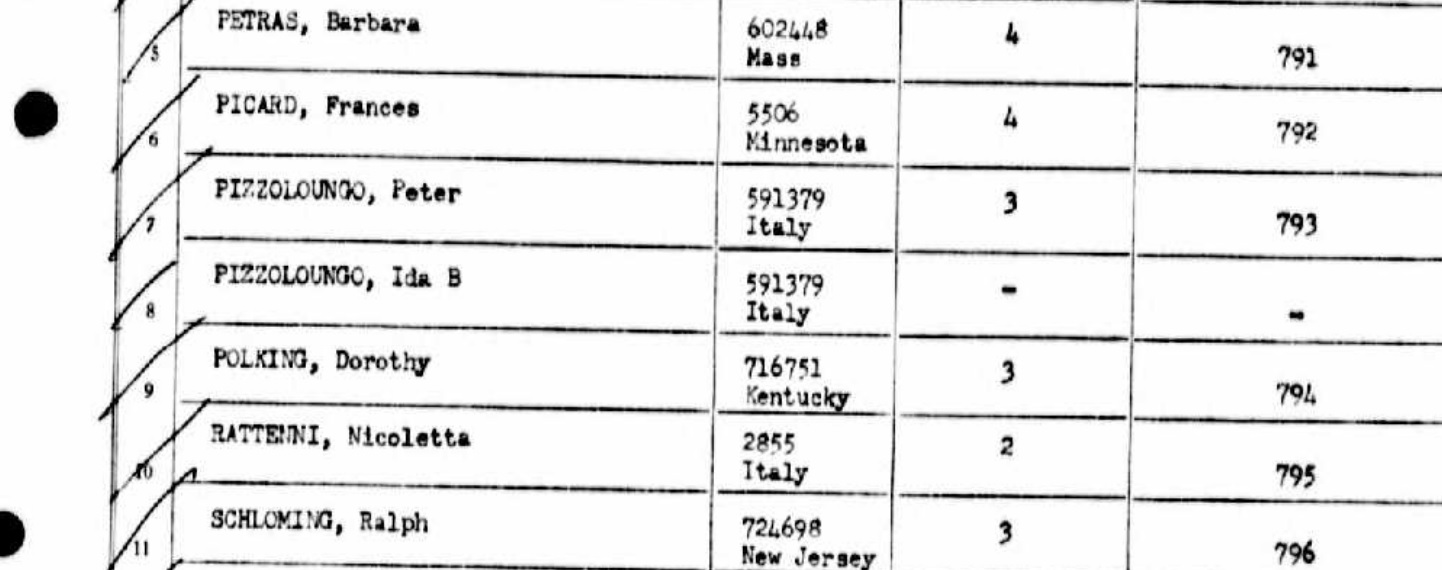
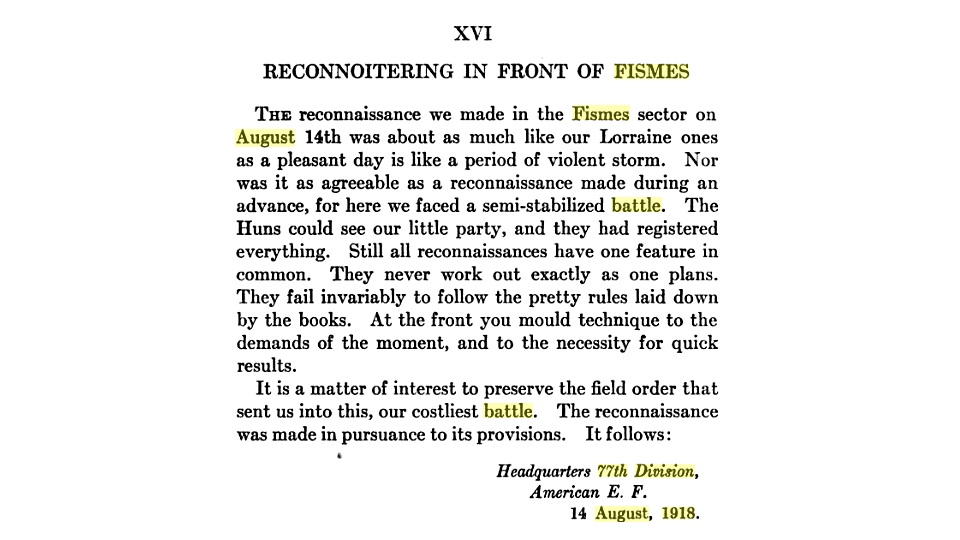
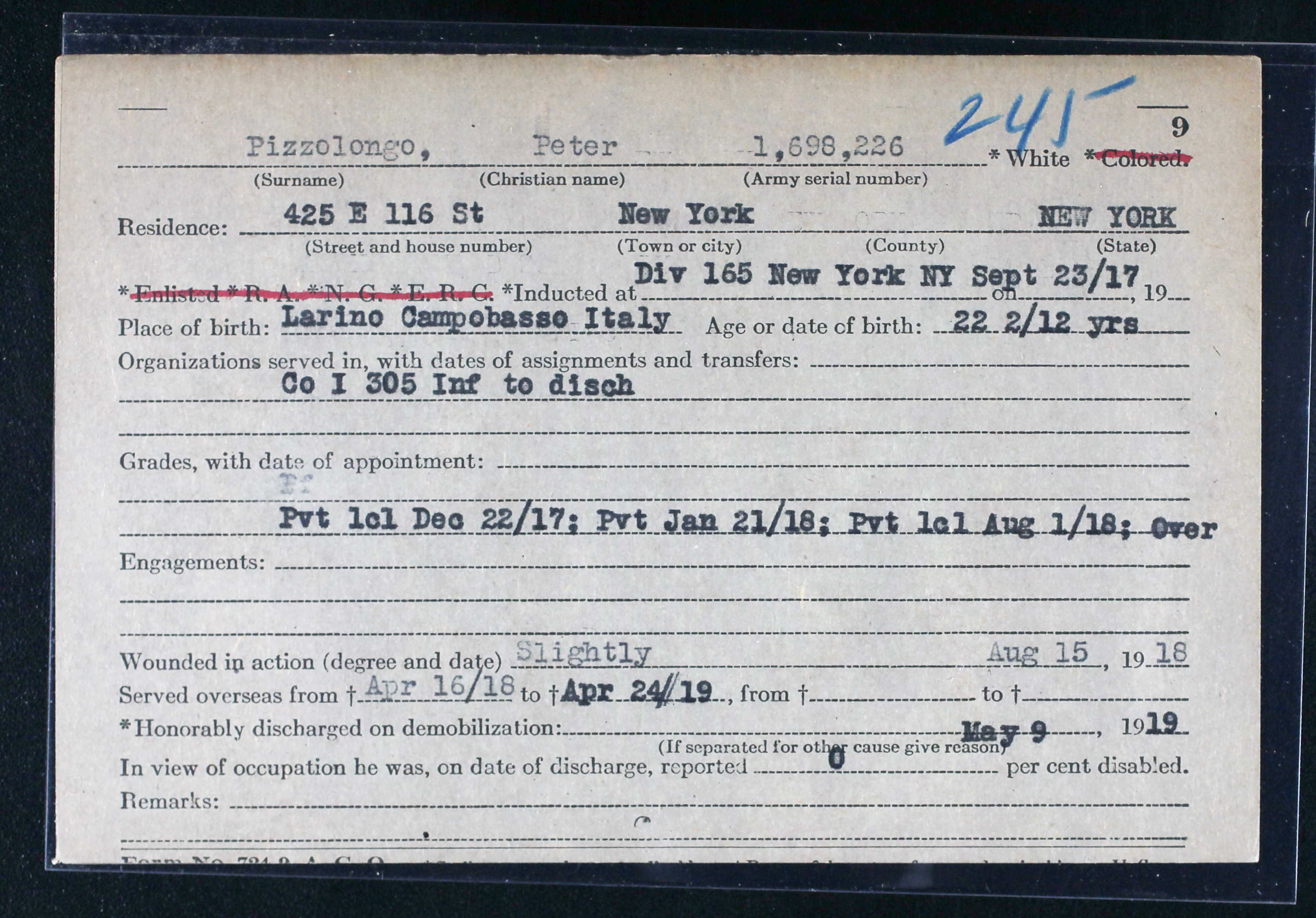
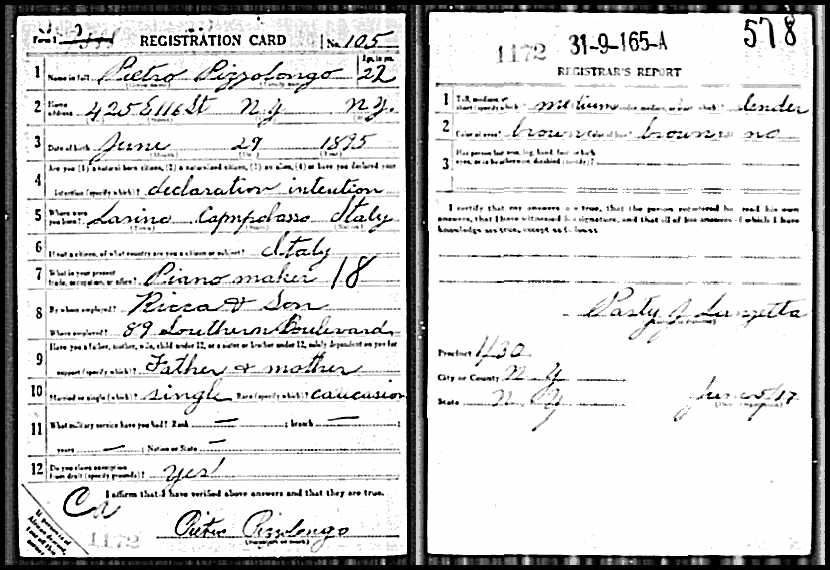
Of interest to me is his WWI service record.  His draft card gives his exact birthdate – June 29th, 1895.  His listed profession at the time was Piano Maker; his Italian hometown matches perfectly with his WWI service record, so we know it’s accurate.  As of June, 1917 he worked with a company named Ricca & Son at 89 Southern Boulvard, Bronx, NY.  At the time he lived at 425 East 116th Street in Manhattan and wasn’t legally registered as an American citizen.  He initially signed up with the 165th Infantry Regiment of the 42nd Division.  It makes sense given his NY area residency at the time.  He was they transferred over to the 305th Infantry Regiment of the 77th Division.  He made it overseas on April 16th, 1918 and served overseas for an entire year before leaving on April 24th, 1919.  He was gassed once on August 15th, 1918 during the Battle of the Marne at Fismes.  Please see a quick excerpt from the official 305th Infantry Regiment unit history here: 305th History

August, 1918

August, 1918

We know from his records that he was out of commission for 8 days before returning to his unit on August 23rd.  He became sick (unknown reason, likely gas related) on September 5th, 1918. He rejoined the unit on the 16th after being in the hospital for 11 days.  What a trooper! I’ve attached a few of the web-based documents I’ve found through my search. Hopefully his family will one day find this site and learn a little more about their WWI relative!

WWI Service Record

WWI Service Record

WWI Draft Card

WWI Draft Card

WWI Portrait Photo – WWI Pilot Walter V. Monger of Benson, Vermont


World War One Vermonter photos are far and few between, so I always jump on the opportunity to add one to my growing collection.  Today’s portrait photo recently arrived in the mail from a fellow collector who discovered it at an estate sale on the West Coast.  This crisp and clear 8×10 portrait was sadly damaged during shipping but still retains it’s incredible details depicting the bullion wings and cap insignia.

Walter Monger WWI Portrait

Walter Monger WWI Portrait

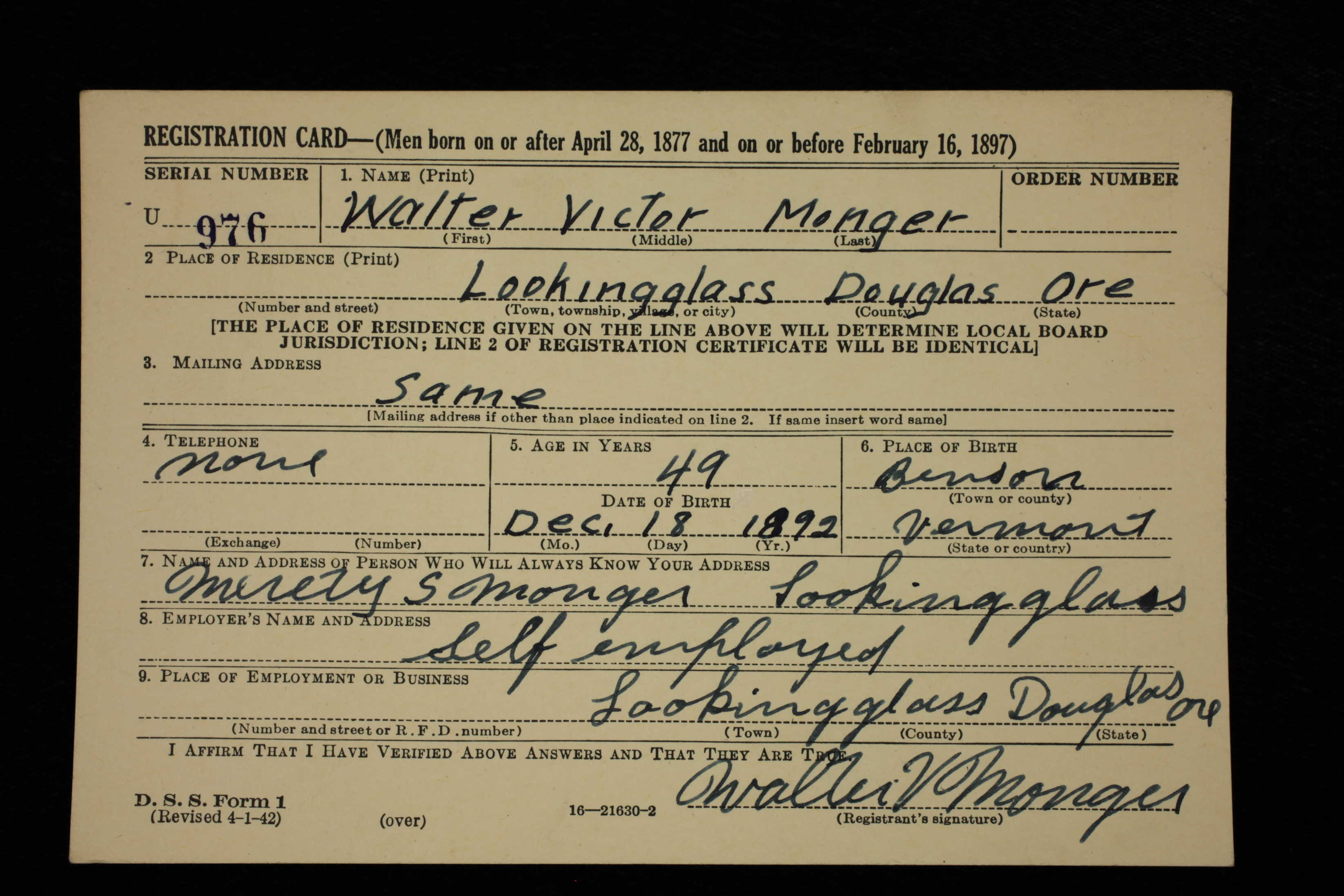
Walter V. Monger was born on December 18th, 1892 and passed away on October 18th, 1975.  I’ve tracked down a number of documents on Ancestry.com that can be viewed below:

WWI Draft Registration Card

WWI Draft Registration Card

WWII Draft Registration

WWII Draft Registration

1919 School Photo

1919 School Photo


WWI 37th Division Chaplain Portrait – William P. O’Connor, American Legion National Catholic Chaplain


Identified chaplain photos have become incredibly popular in the past few years given the ramp-up effort to prepare for the 100 year anniversary of WWI.  I’ve made an effort to scoop up as many interesting chaplain photos as possible to share here on PortraitsofWar to help spread the word about the U.S. involvement in the war.  A recent eBay duel landed me with a top-notch portrait of a 37th Division (primarily Ohio based division) chaplain posed with his WWI Victory Medal and uniform.  The inscription on the bottom ends with a crude signature.  I was able to do my typical google,  ancestry.com, Library of Congress and Fold3 search to come up with a 100% positive identification.

Lt. William O'Connor

Lt. William O’Connor

William Patrick O’ Connor was born in Dayton, Ohio on October 7th, 1889 to John and Elizabeth (Kenney) O’Connor.  He attended the University of Dayton for his B.A. and followed up with seminary school at Mt. St. Mary’s Seminary in Cincinnati.  He was ordained in 1913 and served as Curate at Urbana, Ohio, 1913-117; later paston, Church of the Assumption in Cincinnati(Source).    William O’Connor has the distinction of being the first Ohio priest to enter the army following the declaration of war in 1917.Father  O’Connor served as chaplain with Battery F, 136th Field Artillery as part of the 37th “Buckeye” Division during WWI.  At the time of the portrait, he was the chaplain of the 107th Cavalry of the Ohio National Guard.    I was lucky enough to track down a 1918 article with a direct quotation from Rev. O’Connor:

“…………… I take this occasion to thank the Knights of Columbus of Cincinnati for their exceeding kindness and consideration to the Chaplain, and to thank all the people of Ohio for their kindness to the soldier boys. 

With best wishes, in J.M.J. I am, sincerely yours,

William P. O’Connor,

First Lt. 136th Field Artillery Chaplain”

http://arc.stparchive.com/Archive/ARC/ARC02161918p08.php

Father O’Connor was elected National Chaplain of the American Legion after the third ballot and was in a tight heat with Rev. Ezra Clemmons of Iowa and Rev. Roy Tucker of Baton Rouge, LA.  For more info check out the following site: http://arc.stparchive.com/Archive/ARC/ARC11041922p05.php

Newspaper Clipping of Father O'Connor, 1922

Newspaper Clipping of Father O’Connor, 1922


58 Ringgold St, Dayton Ohio

58 Ringgold St, Dayton Ohio

And where he lived in Dayton, Ohio